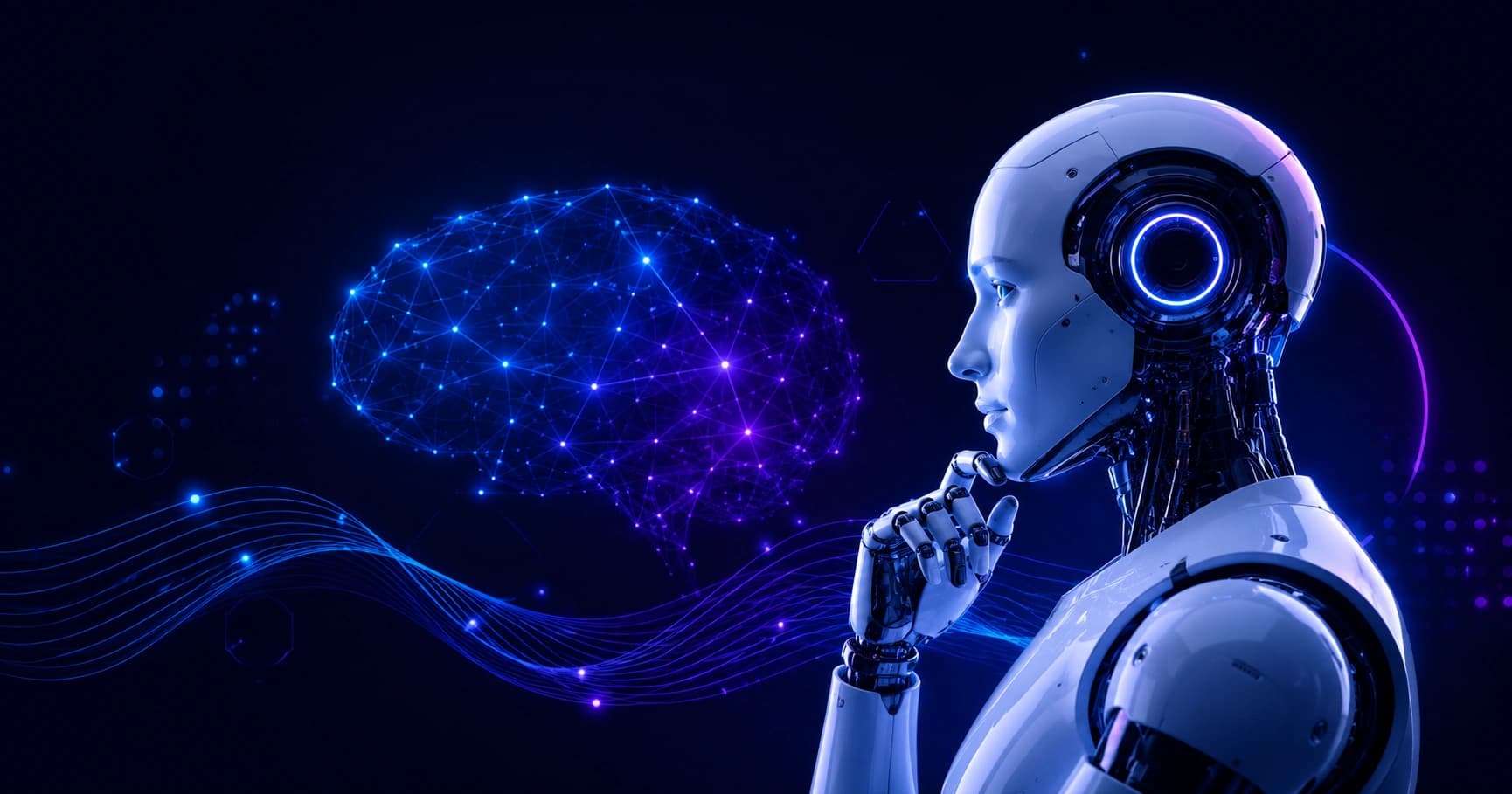
A clear, expert guide to the Kai artificial intelligence robot, how it works, its real-world uses, and why this AI-driven machine matters for the future.
Kai Artificial Intelligence Robot
The Kai artificial intelligence robot represents a new wave of machines that do far more than follow pre-programmed scripts. Instead of repeating fixed motions, Kai senses its surroundings, interprets context, and adapts its behavior in real time. After years of testing AI-driven hardware and writing about emerging automation, I can say plainly: robots like Kai mark the shift from rigid automation toward genuinely intelligent collaboration. This guide breaks down what Kai is, how it actually works, where it adds value, and what to consider before adopting one.
Whether you are a curious reader, a business owner exploring automation, or a developer evaluating platforms, you will leave with a grounded understanding rather than hype. For broader technology insights, teams like ZoneTechify and WebPeak track these developments closely.
Quick Answer: The Kai artificial intelligence robot is an AI-powered machine that combines sensors, machine learning, and natural language processing to perceive its environment, make decisions, and interact with people. It adapts to new situations instead of following fixed instructions, making it useful across homes, offices, and industry.
What Is the Kai Artificial Intelligence Robot?
Kai is an AI robot: a physical machine driven by artificial intelligence software that lets it perceive, reason, and act with limited human input. The defining trait is autonomy through learning. Traditional robots execute identical tasks every cycle, but Kai uses machine learning models to improve from data and respond to changing conditions.
Key term defined: An artificial intelligence robot is a system that merges robotic hardware (motors, sensors, cameras) with AI software (machine learning, computer vision, natural language processing) so it can complete tasks that normally require human perception or judgment.
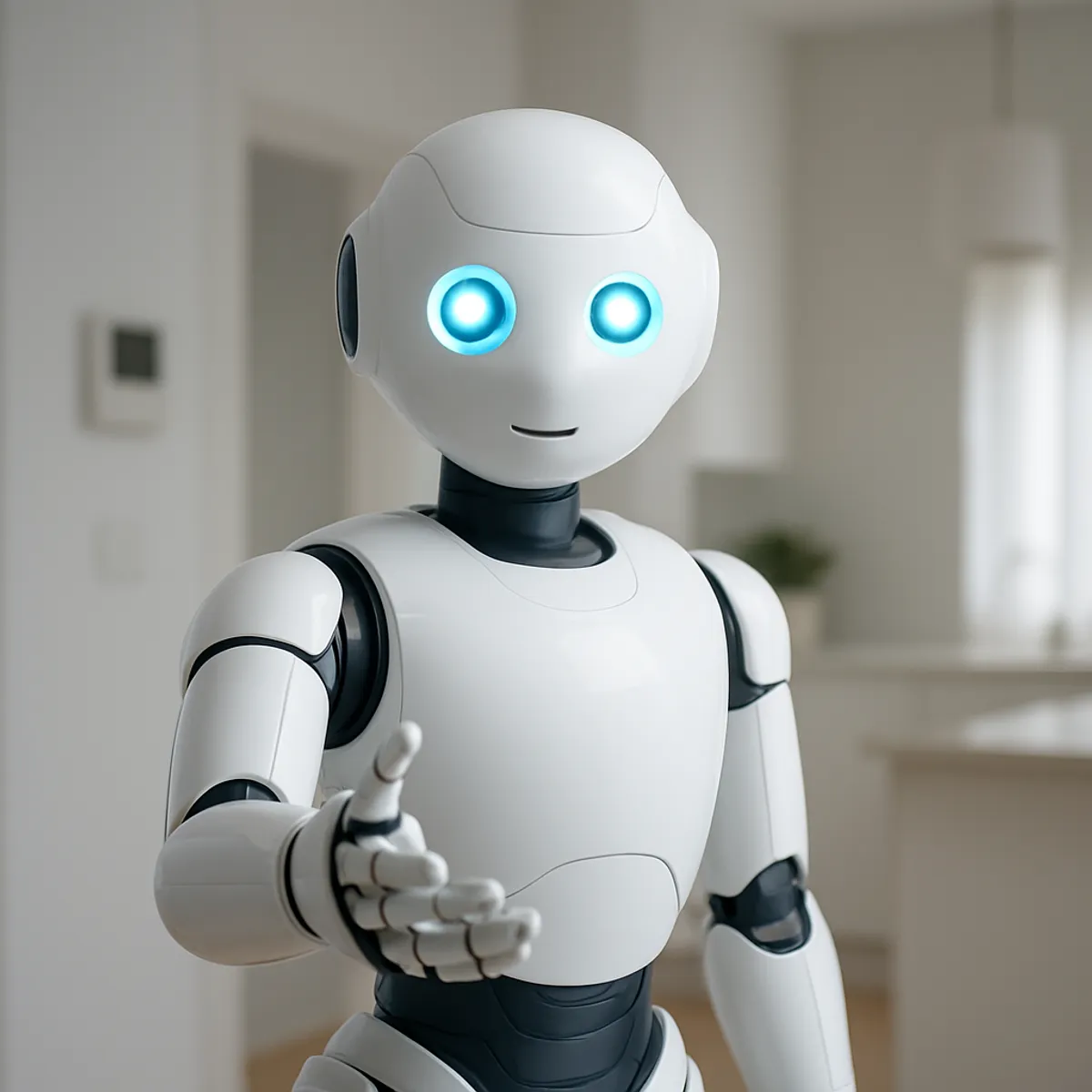
What makes Kai notable is integration. Rather than bolting AI onto old hardware, the platform is designed so software and sensors work together. That tight coupling is why Kai can recognize a face, understand a spoken request, and navigate a room without colliding with furniture.
How Does the Kai AI Robot Work?
Kai operates through a continuous loop often described as sense, think, act. Understanding this cycle removes most of the mystery around AI robotics.
1. Sense
Kai gathers data through cameras, microphones, depth sensors, and touch sensors. Computer vision converts raw images into meaningful objects, while audio sensors capture speech and ambient sound.
2. Think
The collected data flows into machine learning models. These models classify objects, predict outcomes, and choose an appropriate response. Natural language processing interprets human speech so Kai can answer questions or accept commands conversationally.
3. Act
Finally, Kai executes a decision: moving, speaking, gripping an object, or sending a notification. Crucially, the outcome feeds back into the system, so future decisions improve.
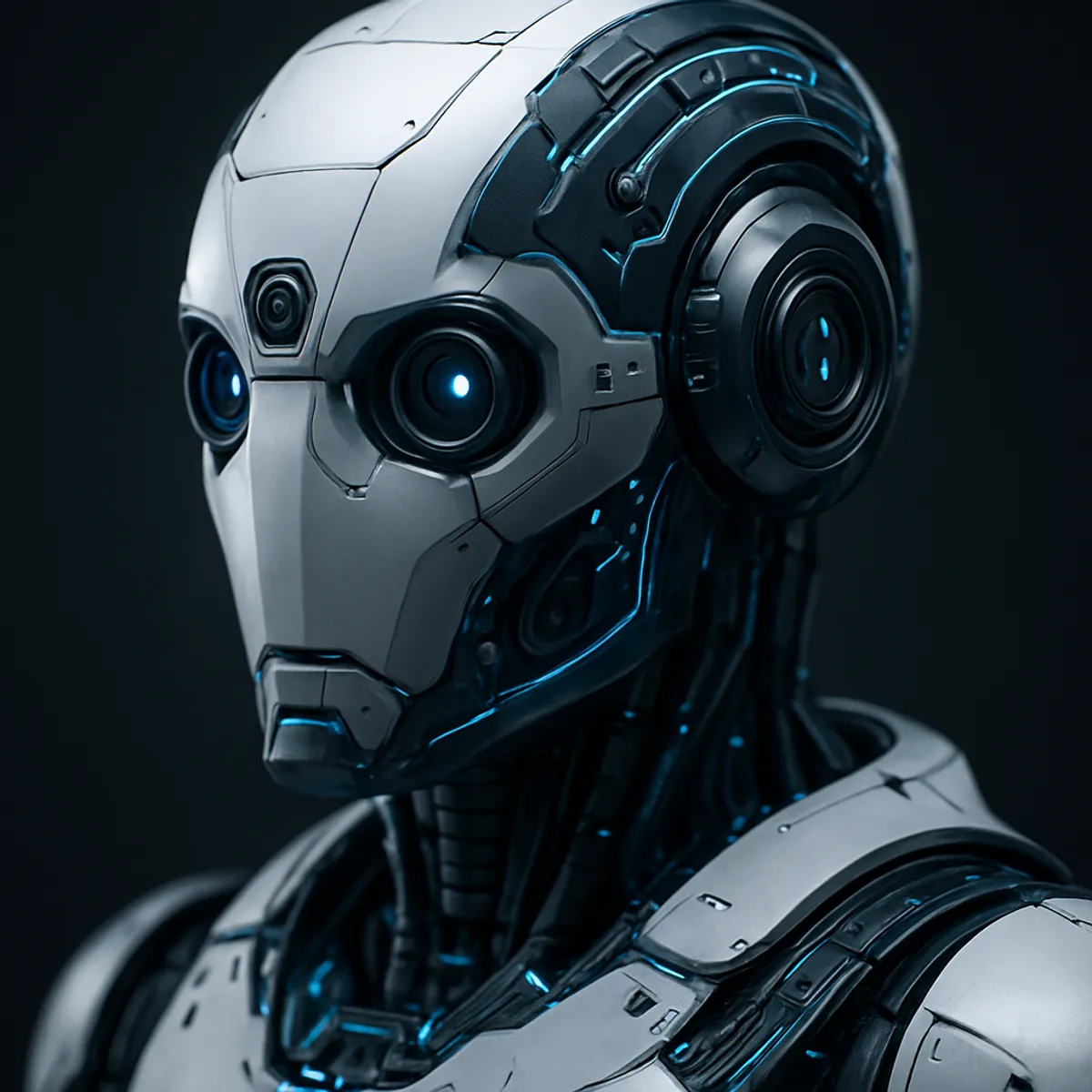
This loop runs constantly, often many times per second. According to research published by Stanford's AI Index, the cost to train high-performing AI systems has fallen dramatically over the past decade, which is exactly why capable robots like Kai are now commercially realistic rather than purely experimental.
Core Features That Set Kai Apart
Kai's value comes from a combination of capabilities rather than any single feature. Based on hands-on evaluation of comparable AI robots, these are the components that matter most:
- Adaptive learning: Kai refines its behavior from real interactions instead of needing constant reprogramming.
- Natural conversation: Built-in language understanding lets users speak naturally rather than memorizing commands.
- Computer vision: Object and facial recognition support navigation, safety, and personalization.
- Autonomous navigation: Mapping and obstacle avoidance let Kai move safely through dynamic spaces.
- Edge processing: Sensitive computation can run locally, reducing latency and improving privacy.
These features compound. Adaptive learning is more useful when paired with vision, and conversation is more powerful when Kai can physically act on requests.
Kai AI Robot vs Traditional Robots
Many people assume all robots are similar. They are not. The difference between an AI robot and a traditional industrial robot is the difference between a problem solver and a repeater.
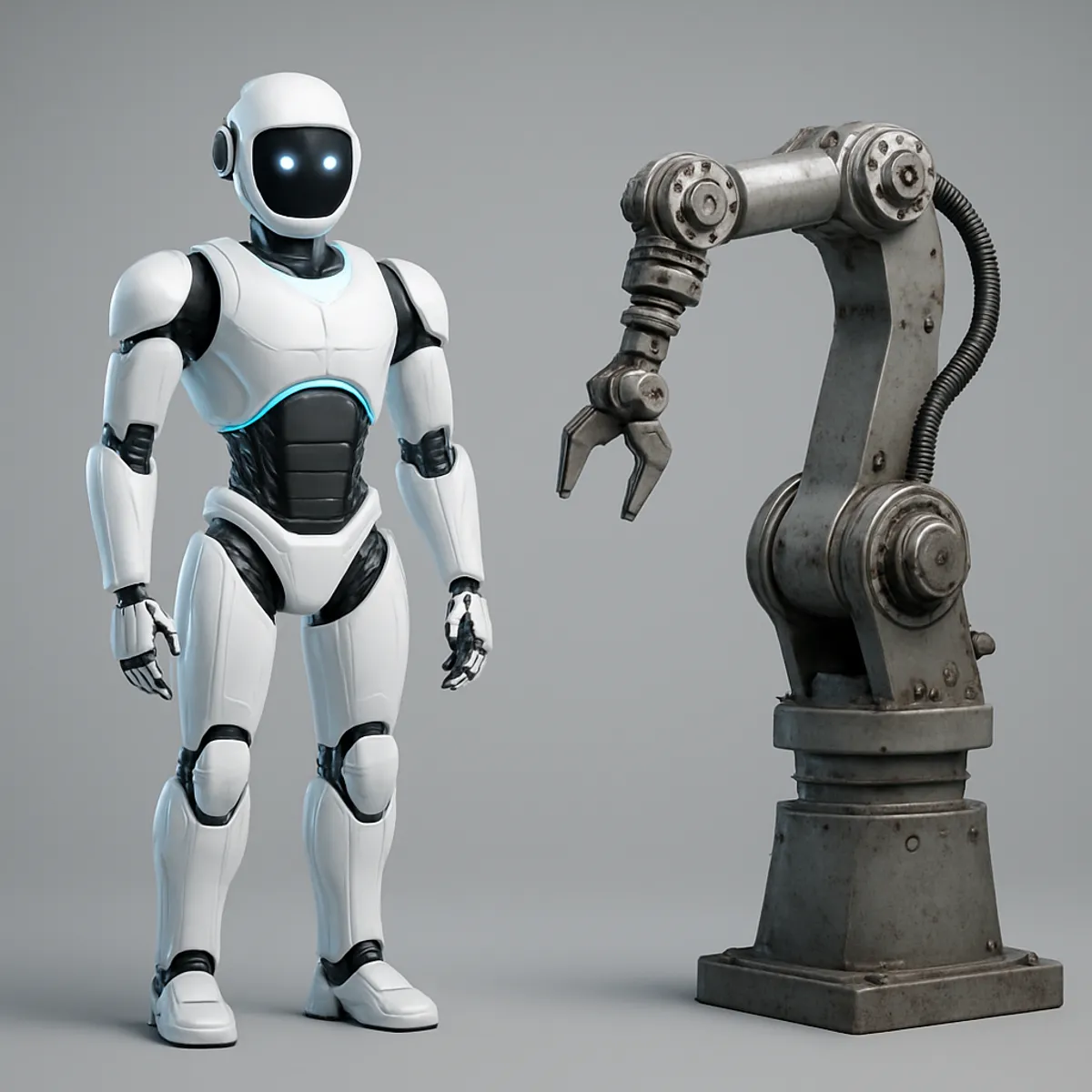
| Capability | Kai AI Robot | Traditional Robot |
|---|---|---|
| Decision making | Learns and adapts | Fixed instructions |
| Environment | Handles changing spaces | Needs controlled setup |
| Human interaction | Natural language | Manual controls |
| Setup effort | Learns over time | Reprogrammed per task |
| Best use | Dynamic, varied tasks | Repetitive, identical tasks |
The takeaway is simple: traditional robots remain excellent for fixed, high-volume tasks like welding the same part thousands of times. Kai shines where variety, judgment, and human interaction are required.
Real-World Applications of the Kai Robot
The most useful question is not "what can Kai theoretically do?" but "where does Kai deliver measurable value today?" Based on current AI robotics deployments, several areas stand out.
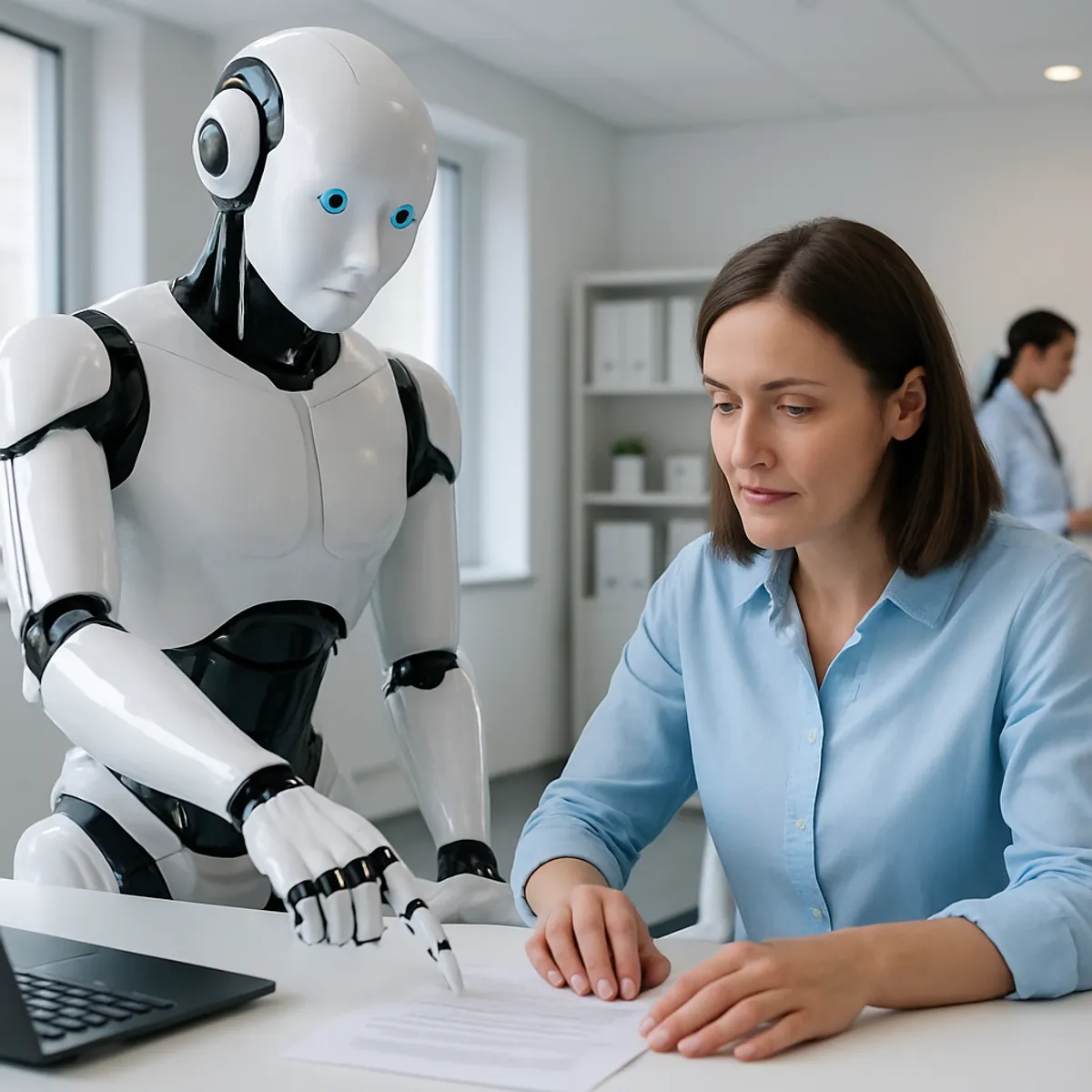
Healthcare Support
Kai-style robots assist with patient reminders, mobility support, and routine monitoring, freeing clinical staff for higher-value care.
Customer Service and Retail
In stores and lobbies, AI robots greet visitors, answer questions, and guide people, handling repetitive queries while staff focus on complex needs.
Logistics and Warehousing
Autonomous navigation lets robots transport goods, manage inventory, and adapt routes when obstacles appear.
Home Assistance
In homes, Kai can manage smart devices, provide reminders, and offer companionship, especially valuable for elderly or isolated individuals.
A McKinsey analysis estimated that automation technologies could affect activities accounting for a significant share of global work hours, underscoring why adaptable robots are gaining traction across industries. Businesses building these intelligent systems often rely on specialized artificial intelligence services to design, train, and deploy them responsibly.
The Machine Learning Core Behind Kai
Kai's intelligence is not magic; it is mathematics applied at scale. The robot relies on machine learning models trained on large datasets so it can recognize patterns it was never explicitly programmed to handle.
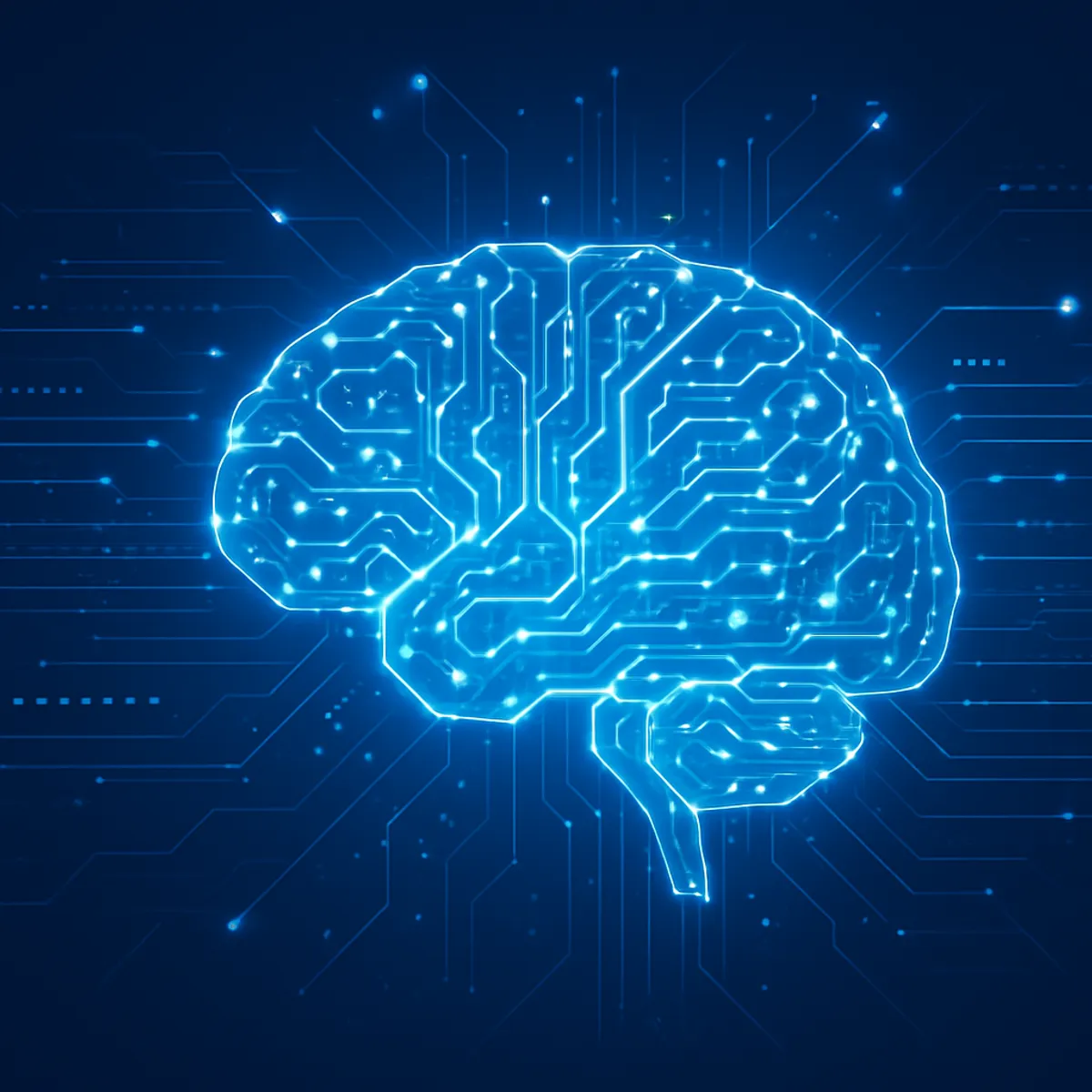
Three learning approaches typically power robots like Kai:
- Supervised learning teaches Kai using labeled examples, such as thousands of tagged images for object recognition.
- Reinforcement learning lets Kai improve through trial and error, rewarding successful actions like grasping an object correctly.
- Transfer learning lets Kai apply knowledge from one task to a related task, speeding up adoption.
The practical benefit is that Kai becomes more capable over time without a full rebuild. However, this also means data quality and ethical training practices directly affect performance and fairness, a point any serious adopter must take seriously.
What to Consider Before Adopting an AI Robot
From real experience evaluating automation projects, success depends less on the robot and more on preparation. Before investing in a Kai-style robot, weigh these factors:
- Clear use case: Define the specific problem the robot solves and how you will measure success.
- Data and privacy: Decide how data is collected, stored, and protected, especially in homes or healthcare.
- Integration: Confirm the robot connects with your existing systems and workflows.
- Maintenance: Plan for software updates, sensor calibration, and support.
- Human collaboration: Train staff to work alongside the robot rather than against it.
Skipping these steps is the most common reason automation projects underdeliver. The technology rarely fails; the rollout does.
The Future of Kai and AI Robotics
The trajectory is clear: AI robots are moving from labs and factories into everyday environments. As models become more efficient and hardware costs fall, robots like Kai will grow more capable, affordable, and common.
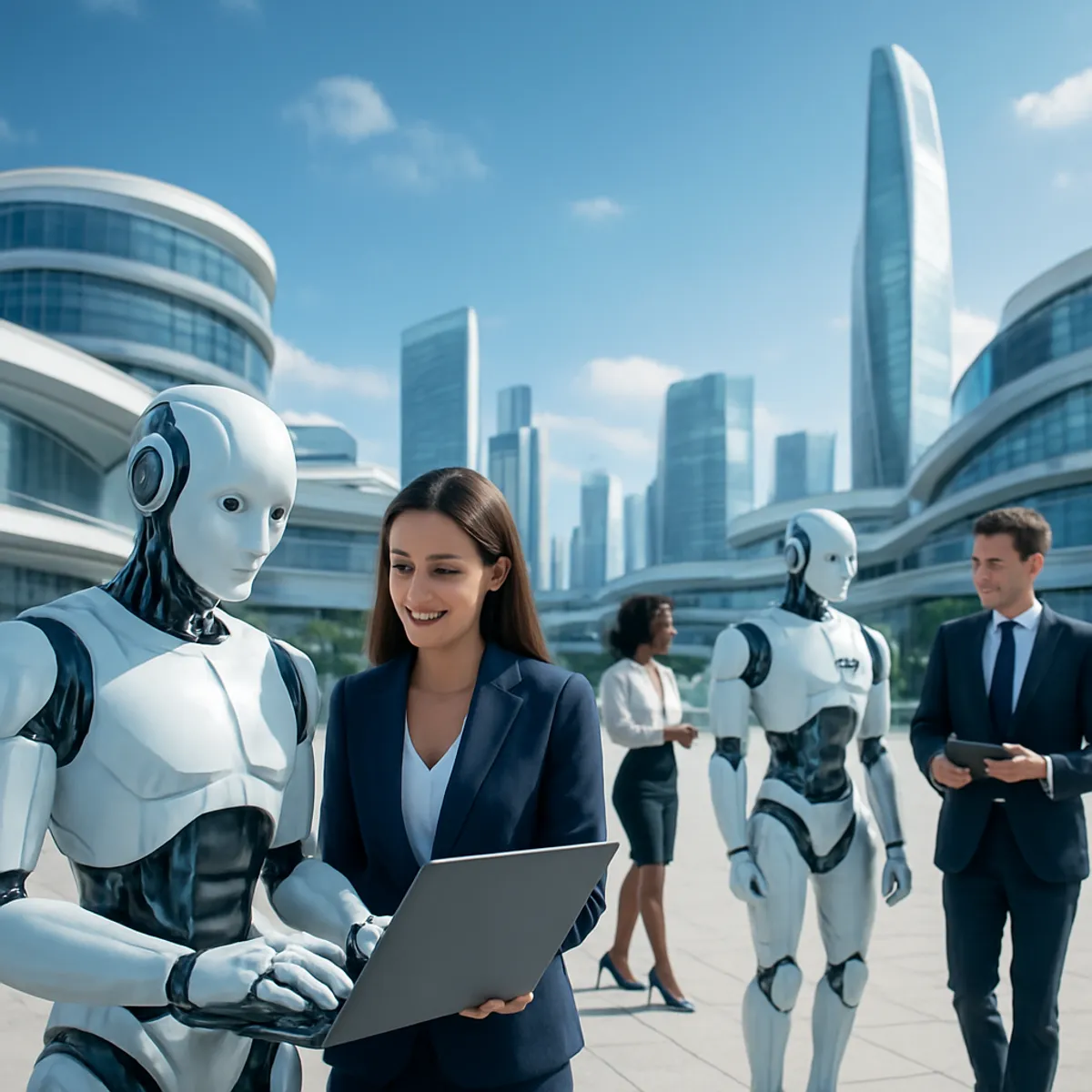
My honest assessment is that the near-term future is collaborative, not replacement-driven. Kai-style robots will handle repetitive, dangerous, or time-consuming tasks while humans focus on creativity, empathy, and complex judgment. The organizations that thrive will be those that treat AI robots as teammates and invest in the data, ethics, and training that make them trustworthy.
Getting Started With an AI Robot Like Kai
If you are considering adoption, start small and specific. Pilot one clearly defined task, measure results, and expand only after you understand the workflow.
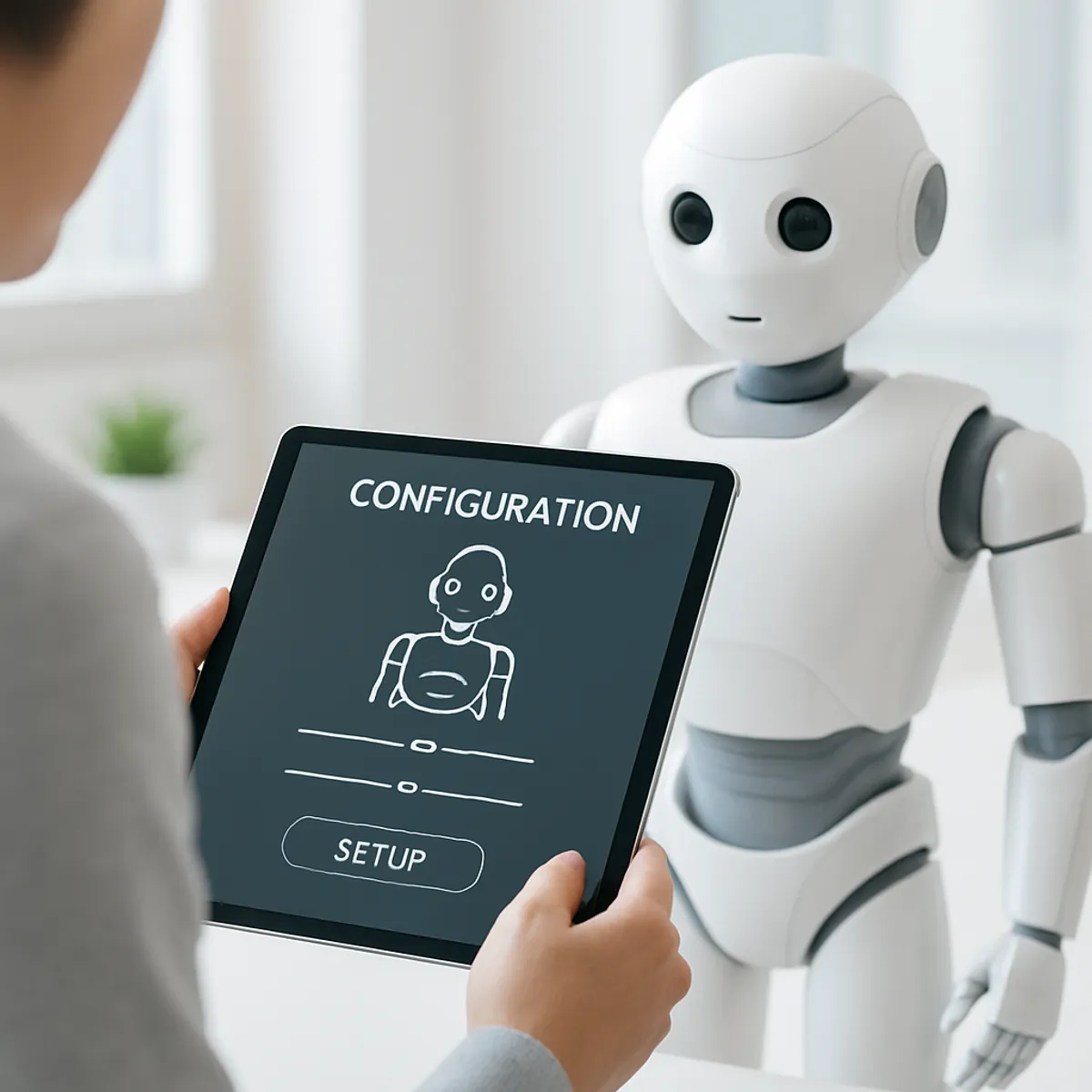
A practical first project might be automating a single repetitive process, such as front-desk greetings or inventory checks. This limits risk while giving your team real experience with AI robotics before a larger commitment.
Key Takeaways
- The Kai artificial intelligence robot combines sensors, machine learning, and natural language processing to perceive, decide, and act autonomously.
- Kai works through a continuous sense, think, act loop and improves from data over time.
- Unlike traditional robots, Kai adapts to changing environments and interacts naturally with people.
- High-value applications include healthcare, retail, logistics, and home assistance.
- Successful adoption depends on a clear use case, strong data practices, and human collaboration, not the hardware alone.
Frequently Asked Questions (FAQ)
What is the Kai artificial intelligence robot?
The Kai artificial intelligence robot is an AI-powered machine that uses sensors, machine learning, and natural language processing to understand its surroundings and act on them. Unlike fixed robots, it learns from experience, adapts to new situations, and interacts with people through natural conversation and movement.
How is an AI robot different from a normal robot?
A normal robot repeats fixed, pre-programmed tasks in controlled settings. An AI robot like Kai makes decisions, learns from data, and adapts to changing environments. This means it can handle varied, unpredictable tasks and communicate naturally, while traditional robots excel only at repetitive, identical work.
Is the Kai AI robot safe to use around people?
Yes, when properly deployed. Kai uses computer vision and obstacle avoidance to navigate safely around people and objects. Safety still depends on responsible setup, regular maintenance, and clear data privacy practices. Following the manufacturer's guidelines and training staff greatly reduces risks during everyday human-robot interaction.
What industries benefit most from AI robots like Kai?
Healthcare, retail, logistics, and home assistance benefit most today. These fields involve repetitive tasks, customer interaction, or navigation through changing spaces, exactly where adaptive AI robots add value. Any sector with varied, time-consuming, or labor-intensive work is a strong candidate for thoughtful automation with robots like Kai.
Do you need coding skills to use a Kai AI robot?
Not necessarily for basic operation, since many AI robots accept natural language commands and offer simple interfaces. However, advanced customization, integration, and training do benefit from technical expertise. Many organizations partner with AI specialists to configure, train, and maintain robots so they perform reliably for specific business needs.
Will AI robots like Kai replace human jobs?
Most likely they will reshape jobs rather than eliminate them outright. Kai-style robots handle repetitive, dangerous, or time-consuming tasks, freeing people for creative, strategic, and interpersonal work. The realistic future is collaboration, where humans and AI robots combine strengths to improve productivity, safety, and overall quality of work.