A clear, balanced guide to today's biggest moral debates — abortion, euthanasia, and AI ethics — explained through real frameworks, data, and practical reasoning.
Contemporary Moral Issues Abortion Euthanasia Artificial Intelligence Ethics
Few topics divide thoughtful people more than abortion, euthanasia, and the ethics of artificial intelligence. These are not abstract classroom puzzles — they shape laws, hospital policies, software products, and the most personal decisions a human being can make. Yet most online writing on these subjects either preaches to one side or drowns the reader in jargon. This guide takes a different approach: it explains the core arguments, the ethical frameworks behind them, and the real-world stakes so you can reason about these issues clearly and confidently.
Whether you are a student, a healthcare professional, a developer building responsible technology, or simply a curious reader, you will leave with a structured way to think — not a slogan to repeat. Brands like ZoneTechify and WebPeak work at the intersection of technology and responsible content, and the AI ethics section below reflects challenges practitioners face every day.
Quick Answer: Contemporary moral issues like abortion, euthanasia, and AI ethics are debates where personal autonomy, the value of life, and societal duty collide. They are best understood through ethical frameworks — utilitarianism, deontology, virtue ethics, and rights-based reasoning — rather than slogans, because each weighs competing values differently.
What Are Contemporary Moral Issues?
Contemporary moral issues are ethical questions that society has not settled and that gain urgency from modern law, medicine, and technology. They share three features: they involve a genuine conflict of values, they affect real people directly, and reasonable, informed individuals disagree about them.
Abortion pits bodily autonomy against claims about the moral status of the unborn. Euthanasia weighs the relief of suffering against the principle that life should not be intentionally ended. Artificial intelligence ethics asks who is accountable when machines make decisions that affect human lives. What unites them is that none can be solved by appealing to facts alone — they require value judgments about what we owe one another.
Why These Three Issues Belong Together
At first glance, abortion, euthanasia, and AI seem unrelated. But each forces the same underlying question: who has the authority to make life-altering decisions, and on what grounds? Abortion and euthanasia concern the beginning and end of life; AI increasingly mediates the decisions in between — from loan approvals to medical diagnoses. Studying them together reveals a shared ethical backbone rather than three isolated controversies.
The Ethical Frameworks Behind Every Moral Debate
Before taking a position, it helps to know the lenses ethicists use. Four frameworks dominate modern moral reasoning, and most real arguments are a blend of them.
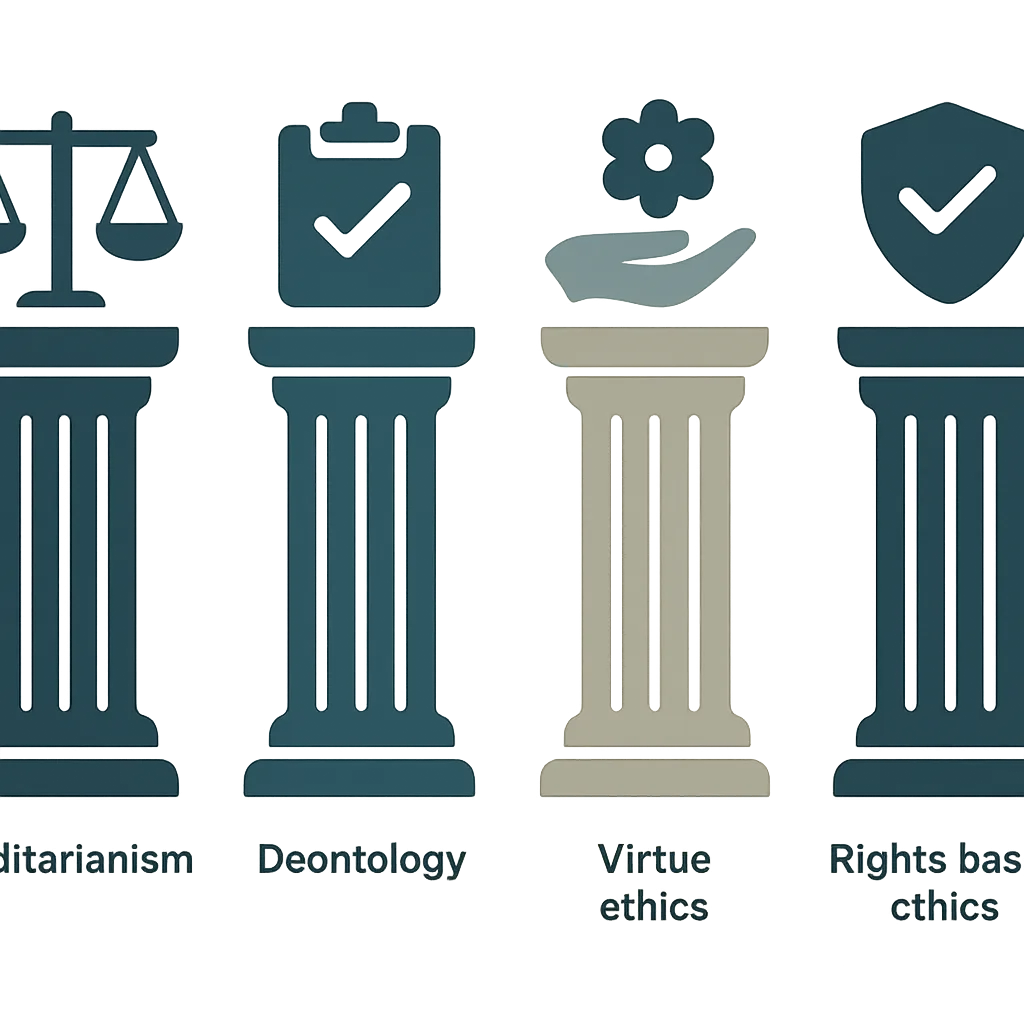
- Utilitarianism: An action is right if it produces the greatest overall well-being. It focuses on consequences and outcomes.
- Deontology: Some actions are right or wrong in themselves, regardless of outcome. Duties and rights cannot be traded away for convenience.
- Virtue ethics: The question is not just "what should I do?" but "what would a person of good character do?" It emphasizes compassion, honesty, and wisdom.
- Rights-based ethics: Individuals hold fundamental rights — to life, liberty, and autonomy — that others must respect.
| Framework | Core Question | Strength | Limitation |
|---|---|---|---|
| Utilitarianism | Does it maximize well-being? | Practical, outcome-focused | Can justify harming a minority |
| Deontology | Is the act itself right? | Protects individual rights | Can ignore real consequences |
| Virtue Ethics | What would a good person do? | Human-centered, flexible | Vague in hard cases |
| Rights-Based | Whose rights are at stake? | Clear moral limits | Rights can conflict |
Understanding these frameworks is the single most useful skill for evaluating any moral claim. When someone argues a position, ask which framework they are using — the disagreement is often about values, not facts.
The Abortion Debate: Autonomy Versus the Value of Life
The abortion debate centers on two competing moral claims: a woman's right to control her own body and the question of when human life acquires moral protection. Neither side is irrational; they prioritize different values.
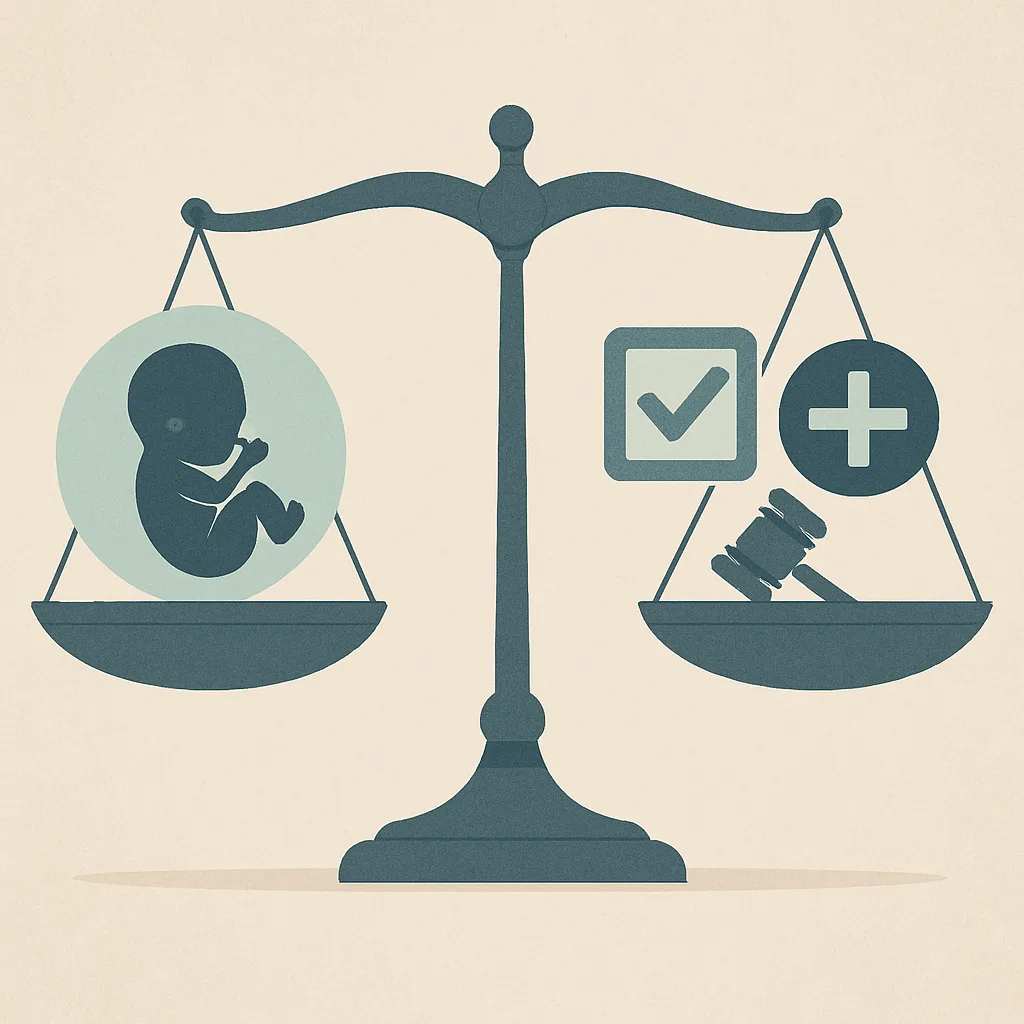
Those who emphasize autonomy argue that bodily self-determination is a foundational right and that forcing pregnancy violates it. Those who emphasize the moral status of the fetus argue that if the unborn has a right to life, that right outweighs convenience or autonomy. The hardest disagreement is not really about choice — it is about the contested question of when personhood begins, a question science describes but cannot morally settle.
Where the Data Adds Context
According to the Guttmacher Institute, roughly one in four women in the United States will have an abortion by age 45, underscoring how common and consequential the issue is rather than how it should be resolved. Globally, the World Health Organization estimates around 73 million induced abortions occur each year. These figures do not decide the ethics, but they show why the debate cannot be dismissed as marginal — it touches millions of lives and demands serious moral attention.
A Balanced Way to Reason About It
The most honest position acknowledges genuine goods on both sides: the dignity of the pregnant person and the potential value of developing life. Productive discussion replaces caricature with precision — asking what stage, what circumstances, and what competing duties are involved, rather than treating the other side as monstrous.
Euthanasia and End-of-Life Ethics
Euthanasia is the practice of intentionally ending a life to relieve suffering, and its ethics hinge on the tension between compassion and the sanctity of life. The central question is whether mercy can ever justify deliberately causing death.

Supporters argue that a person enduring unbearable, terminal suffering has the right to a dignified death and that prolonging agony is itself cruel. Opponents worry about the slippery slope — that legalizing euthanasia pressures vulnerable, elderly, or disabled people to choose death, and erodes trust in medicine's duty to heal rather than harm.
Key Distinctions That Change the Argument
Ethical clarity requires distinguishing between several practices that are often blurred together:
- Voluntary euthanasia: The patient explicitly requests to end their life.
- Non-voluntary euthanasia: The patient cannot consent (e.g., is in a coma).
- Active euthanasia: A deliberate act, such as administering a lethal dose.
- Passive euthanasia: Withholding or withdrawing treatment that prolongs life.
- Palliative care: Relieving suffering without intending to cause death.
Most ethical and legal systems treat these very differently. Withdrawing futile treatment is widely accepted, while active voluntary euthanasia remains legal in only a handful of jurisdictions, including the Netherlands, Belgium, Canada, and parts of Australia. Recognizing these distinctions prevents talking past one another.
The Role of Autonomy and Safeguards
Where euthanasia is legal, the ethical weight falls on safeguards: informed consent, mental-capacity assessment, second medical opinions, and waiting periods. The strength of any euthanasia policy is measured less by its philosophy than by how well it protects people who might otherwise be coerced.
Artificial Intelligence Ethics: The Newest Moral Frontier
Artificial intelligence ethics is the study of how to build and deploy AI systems that are fair, transparent, and accountable. Unlike abortion and euthanasia, AI ethics is new — and it scales, affecting millions of people through a single line of code.
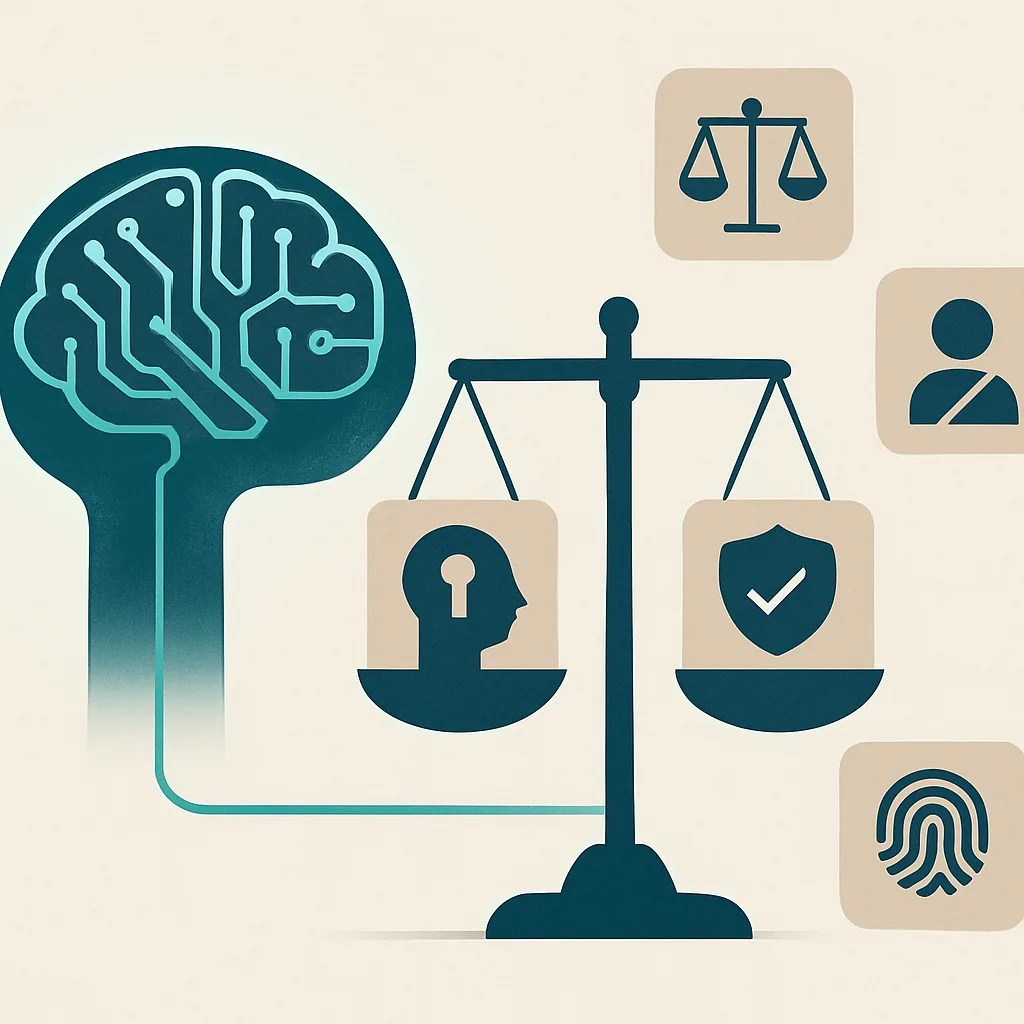
The core problems are concrete. Algorithmic bias occurs when systems trained on skewed data discriminate — for example, facial recognition that performs worse on darker skin tones. Accountability gaps arise when no one can say who is responsible for an AI's harmful decision. Privacy erosion happens when models ingest personal data without meaningful consent. And transparency suffers when "black box" systems make decisions no human can explain.
Why AI Ethics Cannot Be an Afterthought
According to research highlighted by the World Economic Forum, AI is projected to transform the majority of jobs and decision-making processes within this decade, which means ethical failures will not stay small. A biased hiring algorithm or a flawed medical model does not harm one person — it harms everyone it touches, instantly and at scale. This is why responsible teams treat ethics as a design requirement, not a press release.
Principles for Responsible AI
Leading frameworks from the EU, OECD, and major research labs converge on a few shared principles:
- Fairness: Actively test for and reduce bias.
- Transparency: Make decisions explainable to those affected.
- Accountability: Assign clear human responsibility for outcomes.
- Privacy: Collect only what is needed and protect it rigorously.
- Human oversight: Keep a person in the loop for high-stakes decisions.
These principles echo the older frameworks: fairness is rights-based, outcome-testing is utilitarian, and human oversight reflects virtue ethics. AI has not invented new morality — it has raised the stakes of old questions.
How to Reason Through Any Moral Issue
You do not need a philosophy degree to think clearly about ethics. You need a repeatable process.
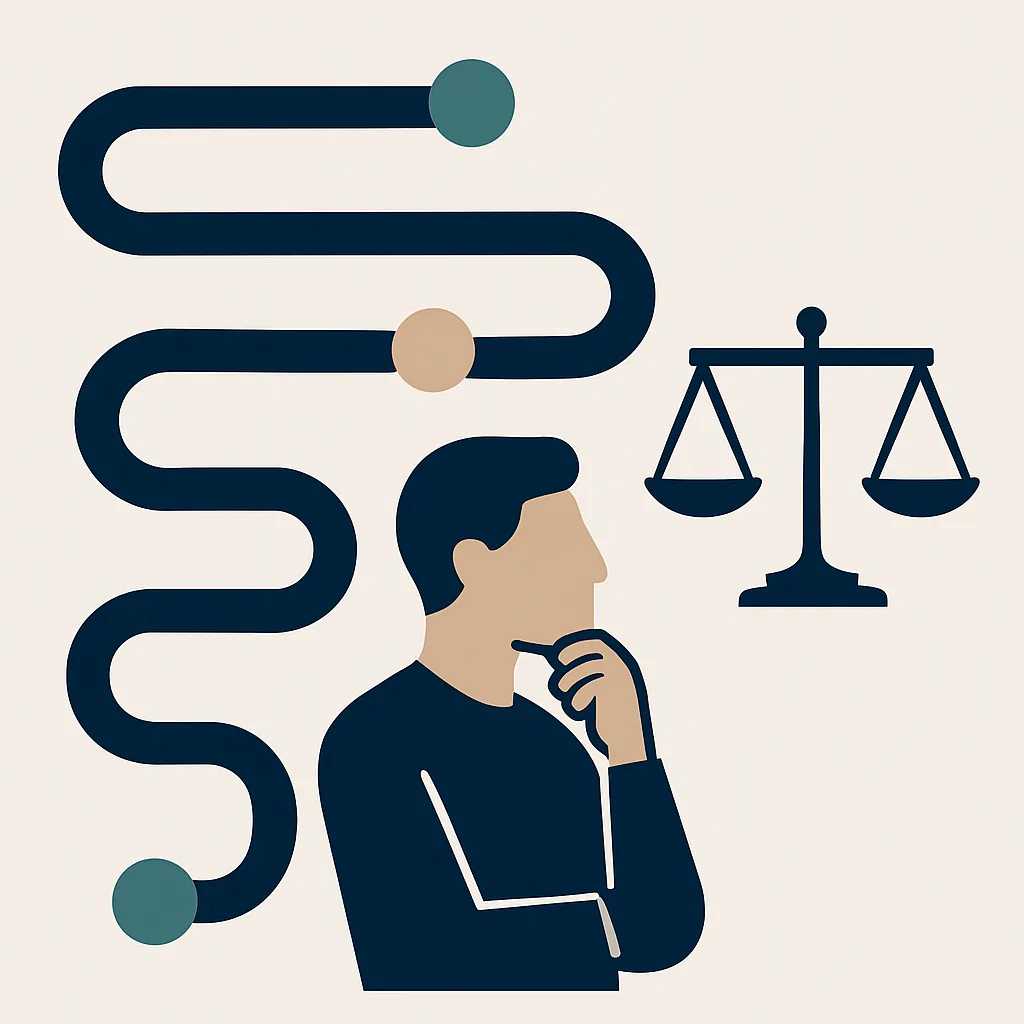
- Identify the conflicting values (e.g., autonomy versus protection of life).
- Name the framework each side is using.
- Separate facts from value judgments — agree on what is true first.
- Consider the most vulnerable party affected by the decision.
- Test for consistency — would you accept this reasoning in a different case?
Applying this process turns heated arguments into structured analysis. It will not always produce agreement, but it will produce understanding — and understanding is where genuine progress begins.
The Future of Ethics in a Technological World
The boundaries between these issues are blurring. AI now assists in prenatal screening, predicts patient outcomes in end-of-life care, and shapes the information we use to form moral beliefs. The next decade will demand that ethicists, doctors, engineers, and citizens collaborate rather than retreat into separate camps.

The encouraging truth is that the tools for good reasoning already exist. The frameworks are centuries old; what changes is the context. By approaching abortion, euthanasia, and AI with humility, evidence, and respect for opposing views, we can debate them as a mature society rather than a divided one.
Key Takeaways
- Contemporary moral issues involve genuine conflicts of value, not simple right-versus-wrong choices.
- Four frameworks — utilitarianism, deontology, virtue ethics, and rights-based ethics — underlie almost every moral argument.
- The abortion debate centers on autonomy versus the contested moral status of the unborn; the WHO estimates about 73 million abortions occur globally each year.
- Euthanasia ethics depend on critical distinctions (active vs. passive, voluntary vs. non-voluntary) and the strength of safeguards.
- AI ethics scales old moral questions to millions of people, making fairness, transparency, and accountability essential design requirements.
- A simple five-step reasoning process helps anyone evaluate moral issues clearly and consistently.
Frequently Asked Questions (FAQ)
What are the main contemporary moral issues today?
The most debated contemporary moral issues include abortion, euthanasia, artificial intelligence ethics, capital punishment, and data privacy. They share a common trait: thoughtful people disagree because the issues involve conflicting core values like autonomy, the sanctity of life, fairness, and social responsibility rather than simple facts.
Why is abortion considered a moral issue?
Abortion is a moral issue because it places two serious values in conflict: a person's right to control their own body and the question of when developing human life deserves protection. Science can describe fetal development, but it cannot settle the moral question of when personhood begins, leaving room for reasoned disagreement.
What is the difference between active and passive euthanasia?
Active euthanasia involves a deliberate action that ends life, such as administering a lethal dose. Passive euthanasia means withholding or withdrawing treatment that artificially prolongs life. Most legal systems and ethicists treat them differently, generally viewing passive measures and palliative care as more acceptable than active euthanasia.
Why is AI ethics important right now?
AI ethics matters because artificial intelligence now makes or influences decisions affecting millions of people at once, from hiring to healthcare. A single biased or opaque system can cause widespread harm instantly. Building fairness, transparency, accountability, and human oversight into AI prevents these large-scale ethical failures before they happen.
How can I think clearly about controversial moral topics?
Start by identifying the conflicting values, then name the ethical framework each side uses. Separate verifiable facts from value judgments, consider the most vulnerable party, and test whether your reasoning stays consistent across similar cases. This structured process replaces emotional arguments with genuine understanding, even when full agreement is impossible.
Which ethical framework is the best one to use?
No single framework is universally best, because each captures something true. Utilitarianism weighs outcomes, deontology protects rights, virtue ethics emphasizes character, and rights-based ethics defines moral limits. Skilled ethical reasoning usually blends them, choosing the lens that best fits the specific situation while remaining honest about its limitations.