A clear, expert guide to the CEREC Primescan AI features, how artificial intelligence powers faster scans, smart margin detection, and better same-day dental restorations.
CEREC Primescan AI Features Artificial Intelligence
Digital dentistry has quietly become one of the most advanced applications of artificial intelligence in healthcare, and the CEREC Primescan sits at the center of that shift. Dentists who once relied on messy putty impressions and week-long lab waits can now capture a full arch in under a minute and design a restoration before the patient leaves the chair. The reason this works so smoothly is not just better optics, it is the layer of AI features built into the Primescan workflow. This guide breaks down exactly what those features do, why they matter clinically, and how they change outcomes for both dentists and patients.
We have worked closely with clinics adopting digital scanning, and the most common question we hear is simple: what is the artificial intelligence actually doing during a scan? The short version is that AI removes guesswork, speeds up capture, and improves the accuracy of the final crown or bridge. Below, we explain it in plain language.
Quick Answer: The CEREC Primescan uses artificial intelligence to capture high-resolution 3D scans, automatically detect preparation margins, fill scan gaps in real time, and propose restoration designs. These AI features speed up same-day dentistry, reduce human error, and improve the fit and accuracy of crowns, bridges, and other restorations.
What Is the CEREC Primescan?
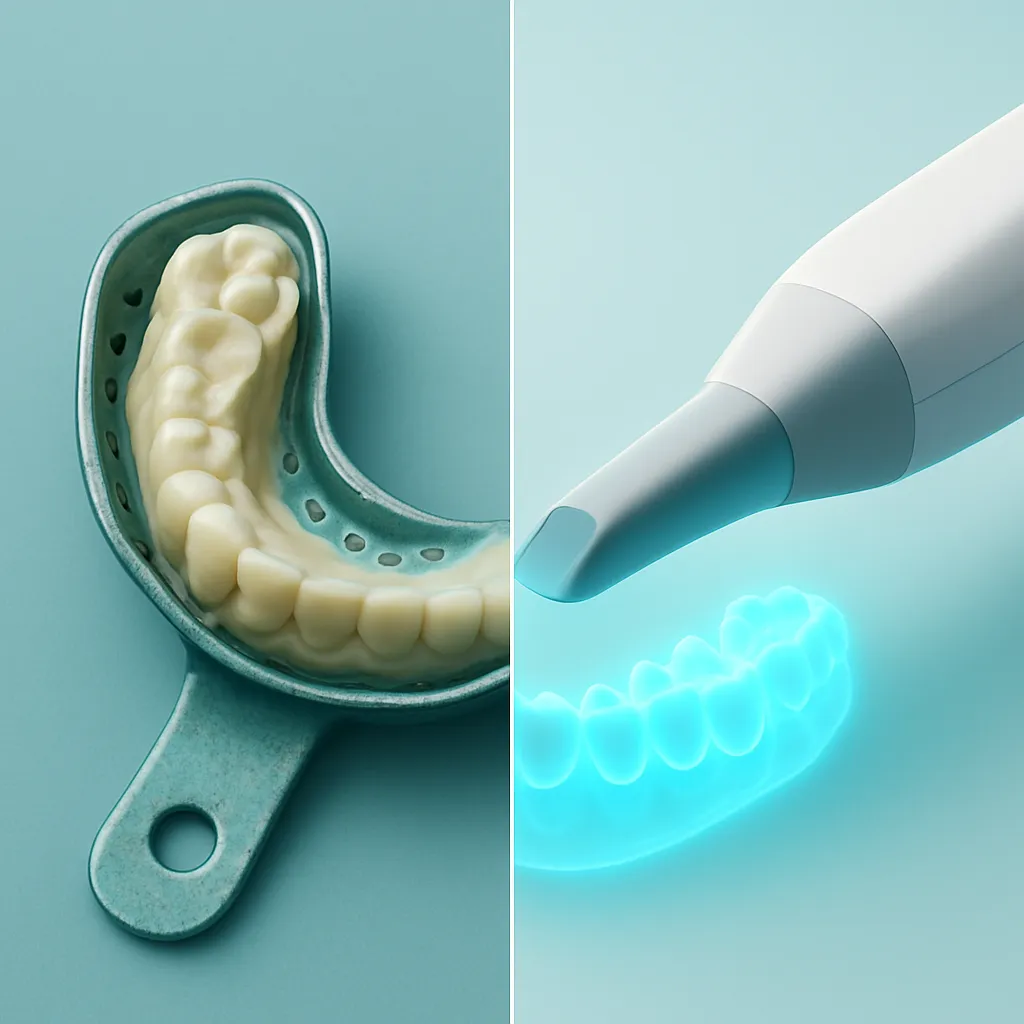
The CEREC Primescan is a high-precision intraoral scanner developed by Dentsply Sirona for capturing detailed 3D digital impressions of a patient's teeth and gums. It pairs with CEREC CAD/CAM software to design and mill restorations in a single appointment. Unlike traditional impressions, which physically copy the mouth using a tray and material, Primescan builds a live digital model that software and AI can analyze instantly.
Key term — Intraoral scanner: a handheld device that uses light and cameras to record the exact shape of teeth and soft tissue, producing a digital 3D model instead of a physical mold.
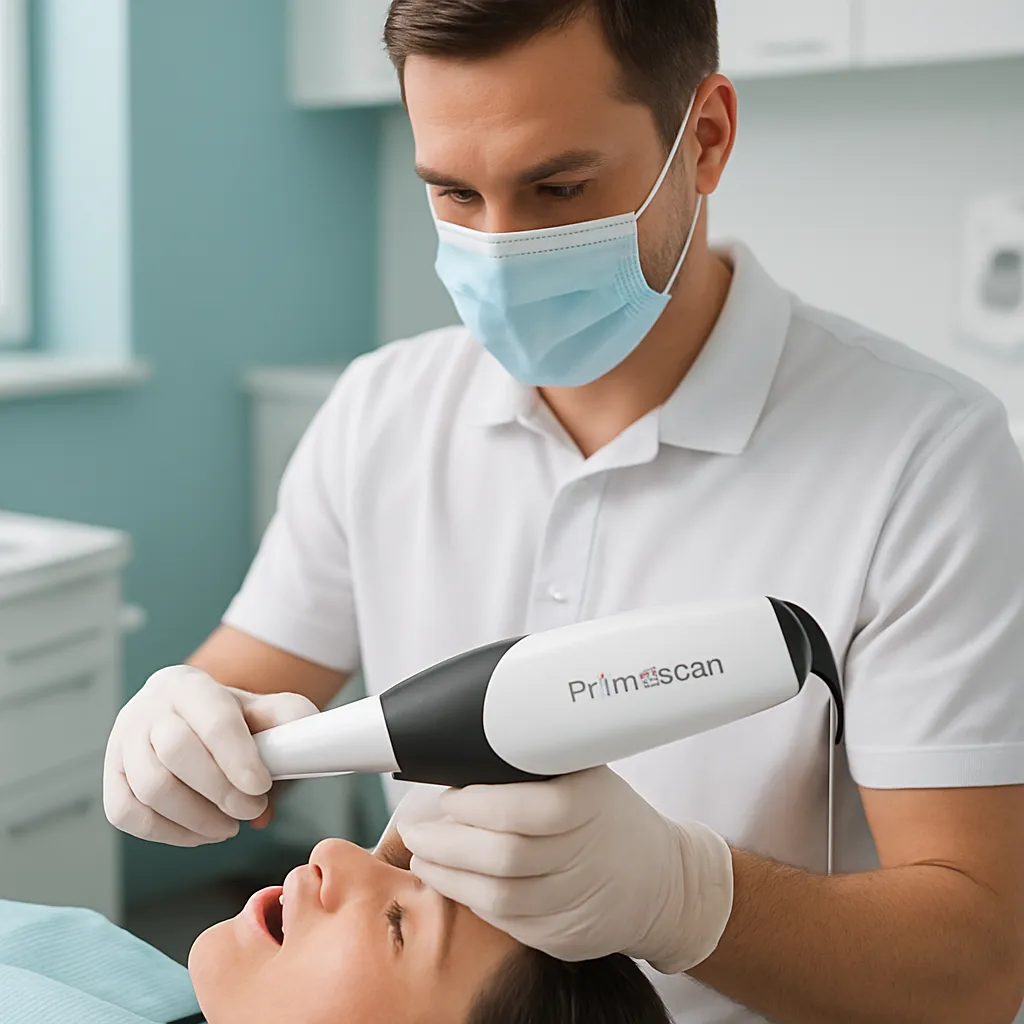
The device captures more than a million 3D points per second using a high-frequency capture method and a deep scanning depth of around 20 millimeters. That raw data volume is exactly why artificial intelligence matters: a human cannot process millions of data points in real time, but trained algorithms can.
How Artificial Intelligence Powers the Primescan
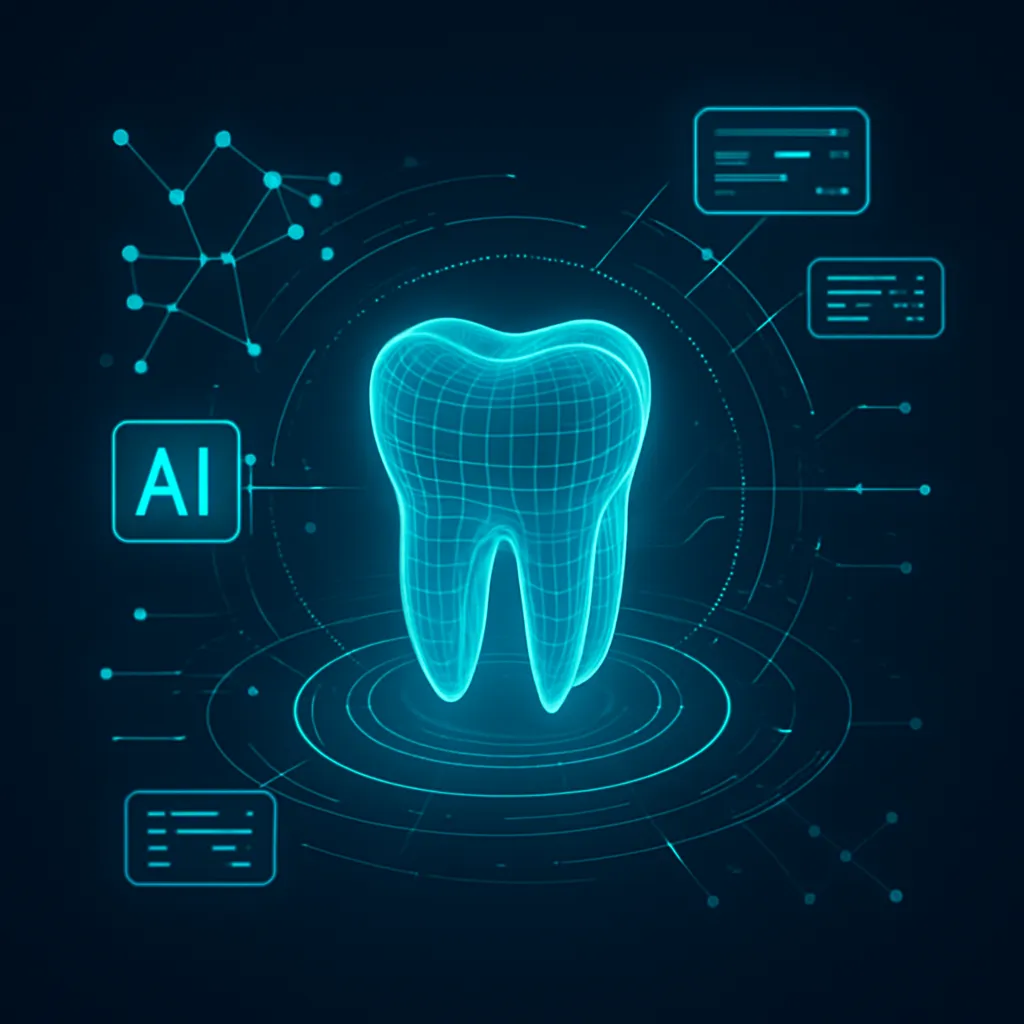
Artificial intelligence in the Primescan workflow is not a single button. It is a set of cooperating systems that work during capture, processing, and design. Here is how the AI contributes at each stage.
1. Intelligent Scan Capture and Real-Time Stitching
As the dentist moves the wand, AI continuously stitches thousands of individual frames into one coherent 3D model. The software predicts how each new frame aligns with the existing scan, which keeps the model stable even when the operator changes angle or speed. This reduces the dreaded "scan drift" that plagued early digital impression systems.
2. Smart Gap Detection and Guided Scanning
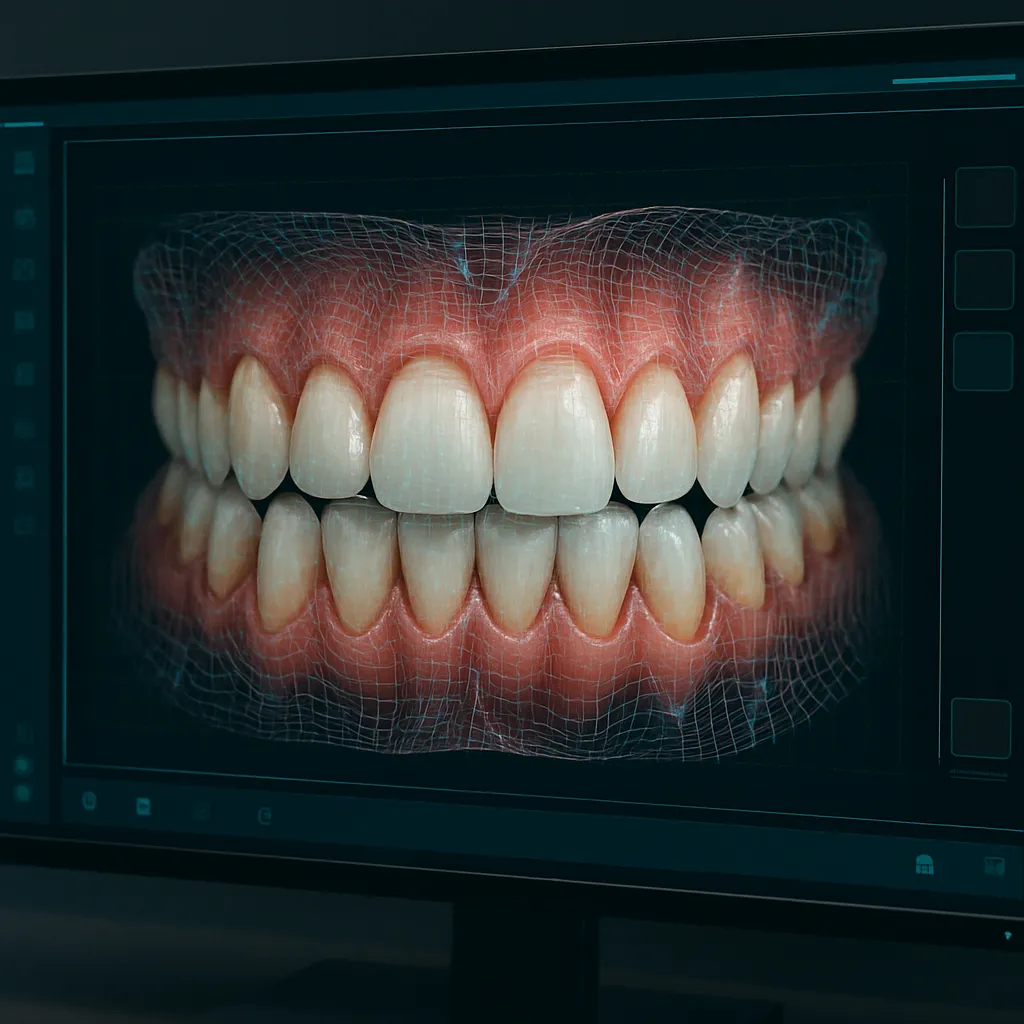
The AI identifies missing data in real time and visually flags areas that still need capture. Instead of guessing whether a margin is complete, the dentist sees colored prompts directing the wand to under-scanned regions. This guidance shortens the learning curve dramatically for new users and improves first-pass scan completeness.
3. Automatic Margin Detection
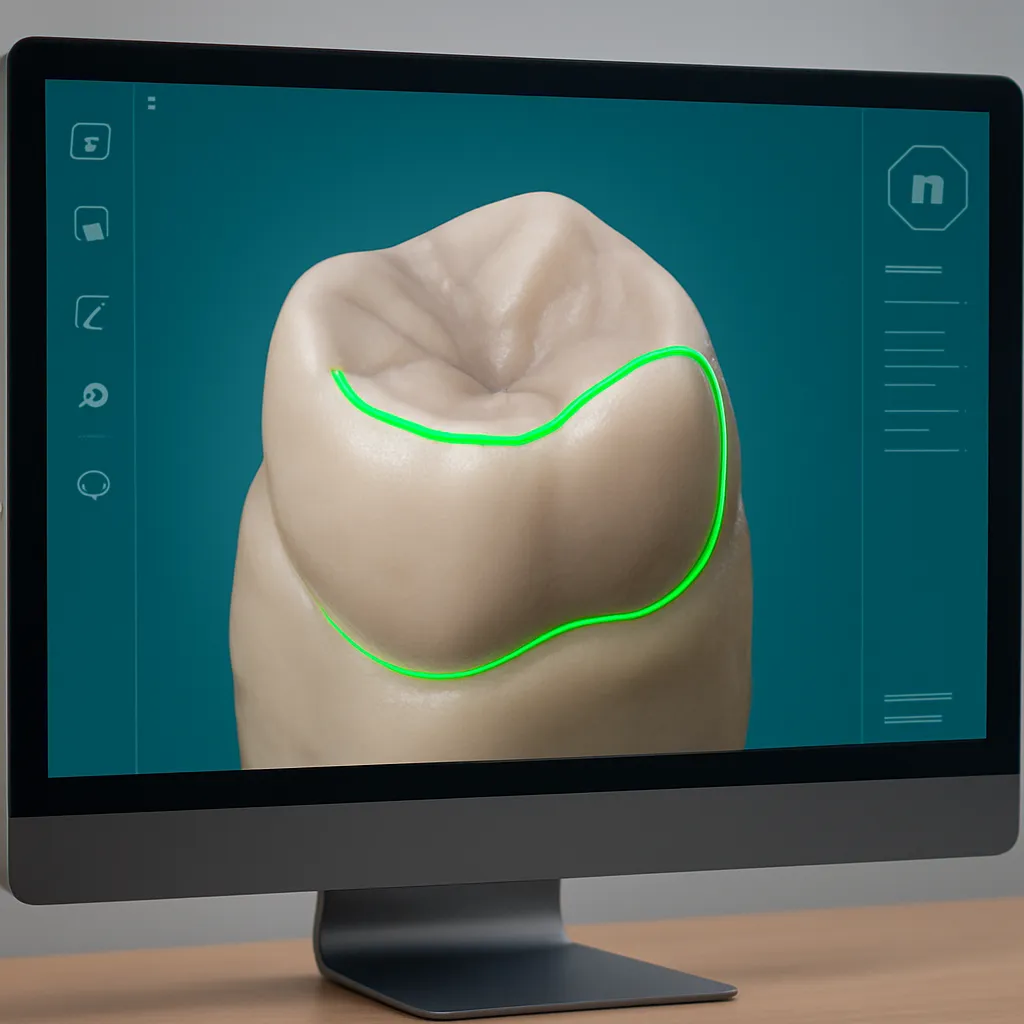
One of the most clinically valuable AI features is automatic margin line detection. The software analyzes the prepared tooth and proposes the exact border where the restoration should end. Margin accuracy directly affects how well a crown seals against decay, so automating this step reduces a major source of human error and rework.
4. AI-Assisted Restoration Design
Using the digital model and a library of tooth anatomy, the CEREC software generates an initial restoration proposal. The AI considers the bite, neighboring teeth, and natural anatomy to suggest a crown shape that the dentist can then refine. This turns design from a manual sculpting task into a fast review-and-adjust process.
5. Bite and Occlusion Analysis
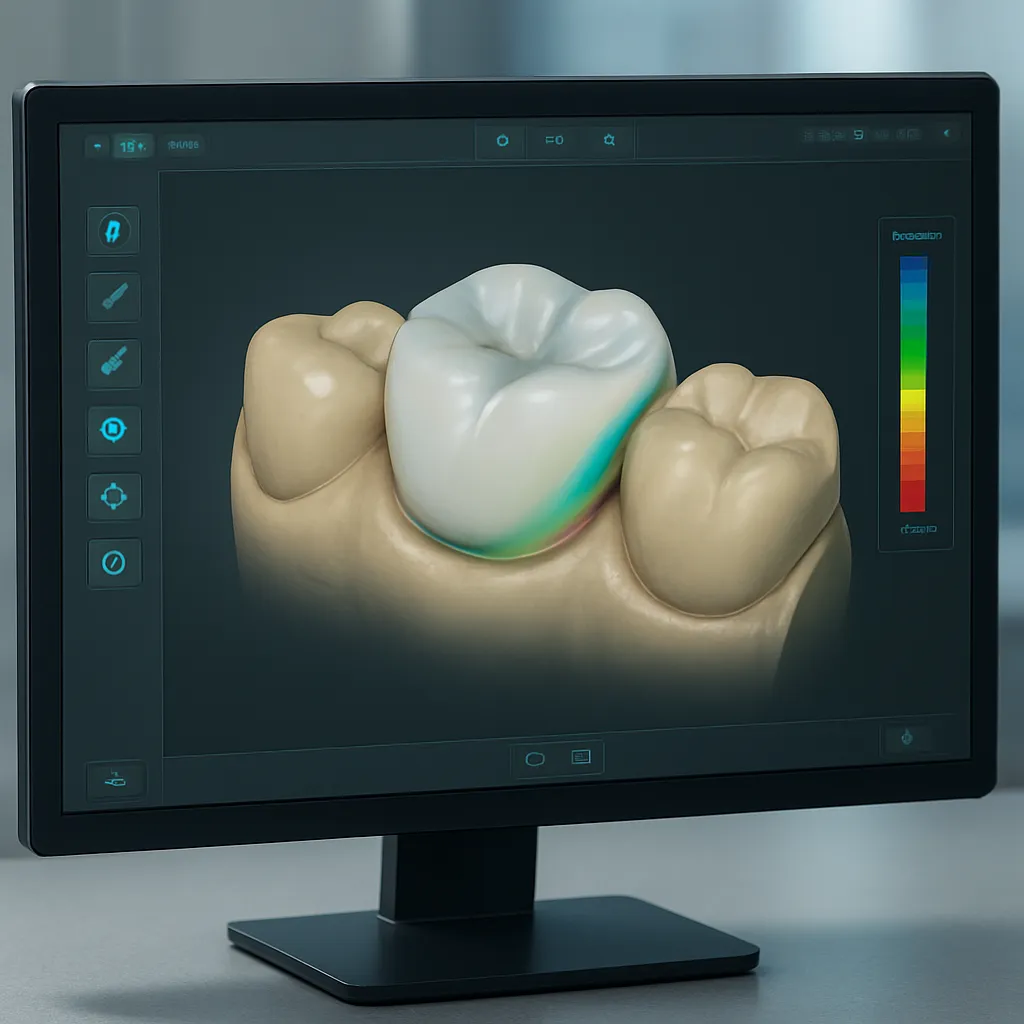
The system analyzes how upper and lower teeth meet and uses color-coded maps to show contact points. This helps the dentist confirm the restoration will not interfere with the patient's natural bite, reducing follow-up adjustment visits.
If your clinic or brand is exploring how to integrate intelligent tools like these into a broader digital strategy, the team at ZoneTechify and WebPeak regularly help organizations apply artificial intelligence services to real-world workflows.
Primescan AI vs Traditional Impressions
The difference between AI-driven digital scanning and conventional impressions is significant in both accuracy and patient experience. The table below compares the two approaches across the factors that matter most in daily practice.
| Factor | CEREC Primescan (AI) | Traditional Impressions |
|---|---|---|
| Capture time | Under one minute per arch | Several minutes plus set time |
| Patient comfort | High, no putty or trays | Low, gag reflex and mess common |
| Error correction | Instant rescan of one area | Full re-impression needed |
| Margin accuracy | AI-assisted detection | Manual, lab dependent |
| Turnaround | Same-day restoration possible | Days to weeks via lab |
| Data reusability | Stored digital model | Physical mold, degrades over time |
The practical takeaway is clear: AI shortens the path from scan to finished restoration while reducing the number of repeat steps. According to industry research from Grand View Research, the global intraoral scanner market was valued at over USD 600 million and is projected to grow at a double-digit annual rate through the decade, a trend driven largely by these efficiency gains.
Why These AI Features Matter for Patients
Patients feel the benefits even if they never see the software. First, comfort improves because there is no impression material triggering a gag reflex. Second, accuracy improves the fit of the final restoration, which means fewer adjustment appointments. Third, same-day dentistry saves time, often replacing two or three visits with one.
Research published in dental journals has repeatedly shown that digital impressions can match or exceed the accuracy of conventional methods for single-unit restorations. When AI reduces operator-dependent error, that consistency becomes easier to achieve across an entire practice, not just with the most experienced clinicians.
Practical Tips for Getting the Most From Primescan AI
Adopting the technology well requires more than buying the hardware. Based on patterns we have seen across digital-first practices, these steps make the biggest difference:
- Train the whole team, not just one dentist. AI guidance lowers the learning curve, but consistent scanning technique still matters.
- Keep the lens clean and fog-free. Optical clarity directly affects how well the AI stitches frames.
- Trust but verify AI margins. Let the software propose the margin, then confirm it clinically before milling.
- Use the bite analysis every time. Catching occlusion issues digitally prevents chair-side grinding later.
- Maintain your software updates. AI models improve with new releases, so outdated software means weaker performance.
The Future of AI in Digital Dentistry
The AI features in today's Primescan are an early chapter, not the final one. The clear direction is toward predictive diagnostics, where scanners flag potential decay, cracks, or wear patterns automatically, and toward fully automated restoration design that needs minimal human correction.
As machine learning models train on larger anatomical datasets, expect margin detection and design proposals to keep improving in accuracy. The combination of high-resolution capture and smarter algorithms means the gap between scanning and a clinically perfect restoration will continue to narrow.
Key Takeaways
- The CEREC Primescan uses AI for real-time scan stitching, gap detection, automatic margin detection, and restoration design.
- AI capture lets dentists scan a full arch in under a minute, capturing over a million 3D points per second.
- Automatic margin detection reduces a major source of human error that affects crown fit and seal.
- Compared to traditional impressions, AI scanning improves comfort, accuracy, and turnaround, enabling same-day dentistry.
- The intraoral scanner market is growing at double-digit rates, driven by these AI efficiency gains.
- The future points toward predictive diagnostics and increasingly automated restoration design.
Frequently Asked Questions (FAQ)
What does the AI in CEREC Primescan actually do?
The AI stitches thousands of scan frames into one accurate 3D model in real time, detects missing data and prompts you to rescan it, automatically finds the preparation margin, and proposes a restoration design. Together these features speed up scanning and reduce human error in the final crown or bridge.
Is the CEREC Primescan more accurate than traditional impressions?
For most single-unit restorations, digital scanning with AI matches or exceeds traditional impression accuracy. The AI reduces operator-dependent mistakes, like incomplete margins, and lets you instantly rescan a single area instead of redoing an entire impression, which keeps results consistent across different clinicians.
How long does a Primescan scan take?
A full-arch scan typically takes under one minute when technique is good, and the device captures more than a million 3D points per second. AI guidance shortens the process further by directing you straight to under-scanned areas, so you spend less time hunting for missing data.
Does Primescan AI replace the dentist?
No. The AI assists by proposing margins, designs, and bite analysis, but the dentist reviews and approves every clinical decision. Think of it as an expert assistant that handles data-heavy tasks quickly, leaving final judgment, refinement, and patient care firmly in human hands.
Can Primescan be used for same-day crowns?
Yes. When paired with CEREC CAD/CAM milling, the AI-designed restoration can be produced and placed in a single appointment. This eliminates temporary crowns and second visits for many cases, which is one of the biggest practical advantages of the AI-driven digital workflow.
Do the AI features improve over time?
Yes. The underlying machine learning models are refined through software updates trained on larger datasets. Keeping your CEREC software current means better margin detection, smarter design proposals, and improved scan handling, so an outdated installation will deliver weaker performance than the latest release.