
A clear, expert breakdown of how AI warehouse management system pricing works, including subscription tiers, cloud vs on-premise costs, hidden fees, and ROI.
Compare the Pricing of Artificial Intelligence Warehouse Management Systems
Choosing an AI warehouse management system (WMS) is one of the highest-stakes software decisions a logistics or e-commerce operation can make, and pricing is rarely as simple as the number on the homepage. After advising operators who run everything from single 5,000-square-foot fulfillment rooms to multi-site distribution networks, we have learned that the sticker price tells you maybe 40% of the real story. The rest hides in user counts, transaction volumes, integration fees, and the AI features you actually switch on.
This guide breaks down exactly how AI WMS vendors price their platforms, what drives cost up or down, and how to compare quotes on an apples-to-apples basis so you do not overpay for capability you will never use. If you are evaluating broader automation strategy, the team at ZoneTechify and the specialists at WebPeak both work with operators on this kind of decision daily.
Quick Answer: AI warehouse management system pricing typically ranges from $50 to $500 per user per month for cloud SaaS plans, while enterprise on-premise systems run $50,000 to $500,000+ upfront. Total cost depends on user count, SKU volume, AI modules, integrations, and implementation, not the advertised base rate.
What Drives the Price of an AI Warehouse Management System?
AI WMS pricing is built on a stack of variables, and understanding each one lets you predict your real bill. The base platform fee is only the foundation. On top of it, vendors layer charges for the scale and intelligence you consume.
The main cost drivers are:
- Number of users or seats – most cloud WMS platforms charge per active user per month.
- Transaction or order volume – high-throughput warehouses often pay tiered fees based on orders processed.
- Number of SKUs and locations – more inventory complexity usually means a higher tier.
- AI feature modules – demand forecasting, slotting optimization, and predictive maintenance are frequently add-ons.
- Integrations – connecting to ERP, e-commerce, shipping carriers, and robotics may carry per-connector fees.
- Implementation and onboarding – a one-time cost that can rival a full year of subscription fees.
A realistic rule of thumb from our project work: budget your first-year total at roughly two to three times the advertised annual subscription once implementation, integrations, and training are included.
Cloud vs On-Premise AI WMS Pricing
The single biggest fork in the pricing road is deployment model. Cloud (SaaS) systems spread cost over predictable monthly payments, while on-premise systems concentrate cost into a large upfront license plus ongoing maintenance.
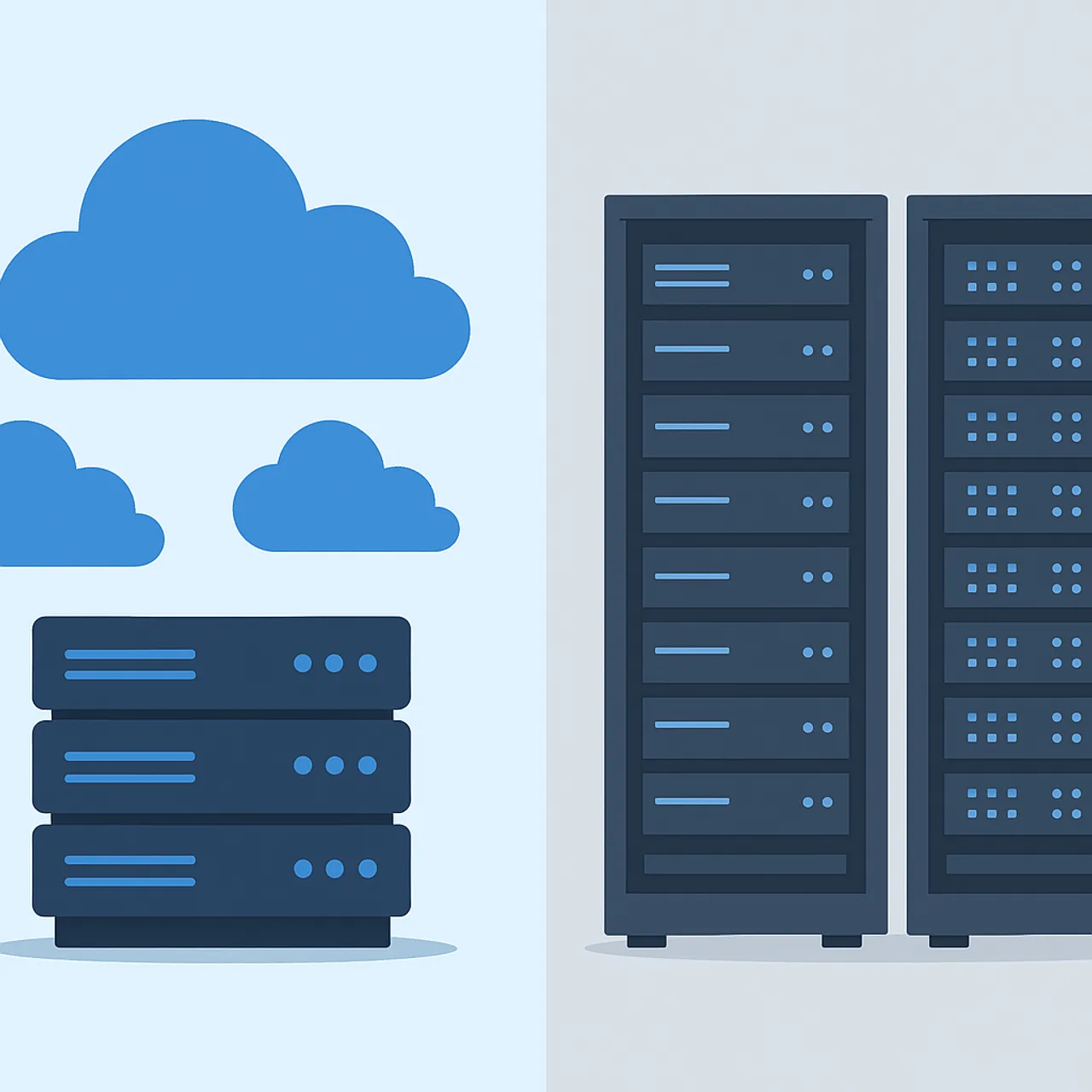
Cloud / SaaS WMS is the dominant model in 2026 because it lowers the barrier to entry. You pay per user per month, the vendor hosts and updates the software, and AI models improve continuously without you managing infrastructure. According to Grand View Research, the global warehouse management system market was valued at over $3 billion and is projected to grow at a compound annual growth rate above 16% through 2030 – growth driven overwhelmingly by cloud and AI-enabled platforms.
On-premise WMS still appeals to large enterprises with strict data-residency rules or deeply customized operations. You own the license, but you also own the servers, security patching, and AI model hosting. The total cost of ownership often surprises buyers because hardware and IT staffing rarely appear in the original quote.
Cloud vs On-Premise Cost Comparison
| Cost Factor | Cloud / SaaS WMS | On-Premise WMS |
|---|---|---|
| Upfront cost | Low (setup fee only) | High ($50K–$500K+ license) |
| Monthly cost | $50–$500 per user | Maintenance only (15–20% of license/year) |
| Implementation time | Weeks to a few months | Several months to a year |
| AI model updates | Automatic, included | Manual, often extra |
| IT staff required | Minimal | Dedicated team |
| Best for | SMBs, fast-scaling 3PLs | Large enterprises, strict compliance |
| Scalability | Instant, pay-as-you-grow | Requires hardware investment |
Typical AI WMS Subscription Tiers Explained
Most cloud AI WMS vendors package their plans into three or four tiers. Knowing what each tier usually includes prevents you from buying enterprise capability when a mid-tier plan would serve you for years.
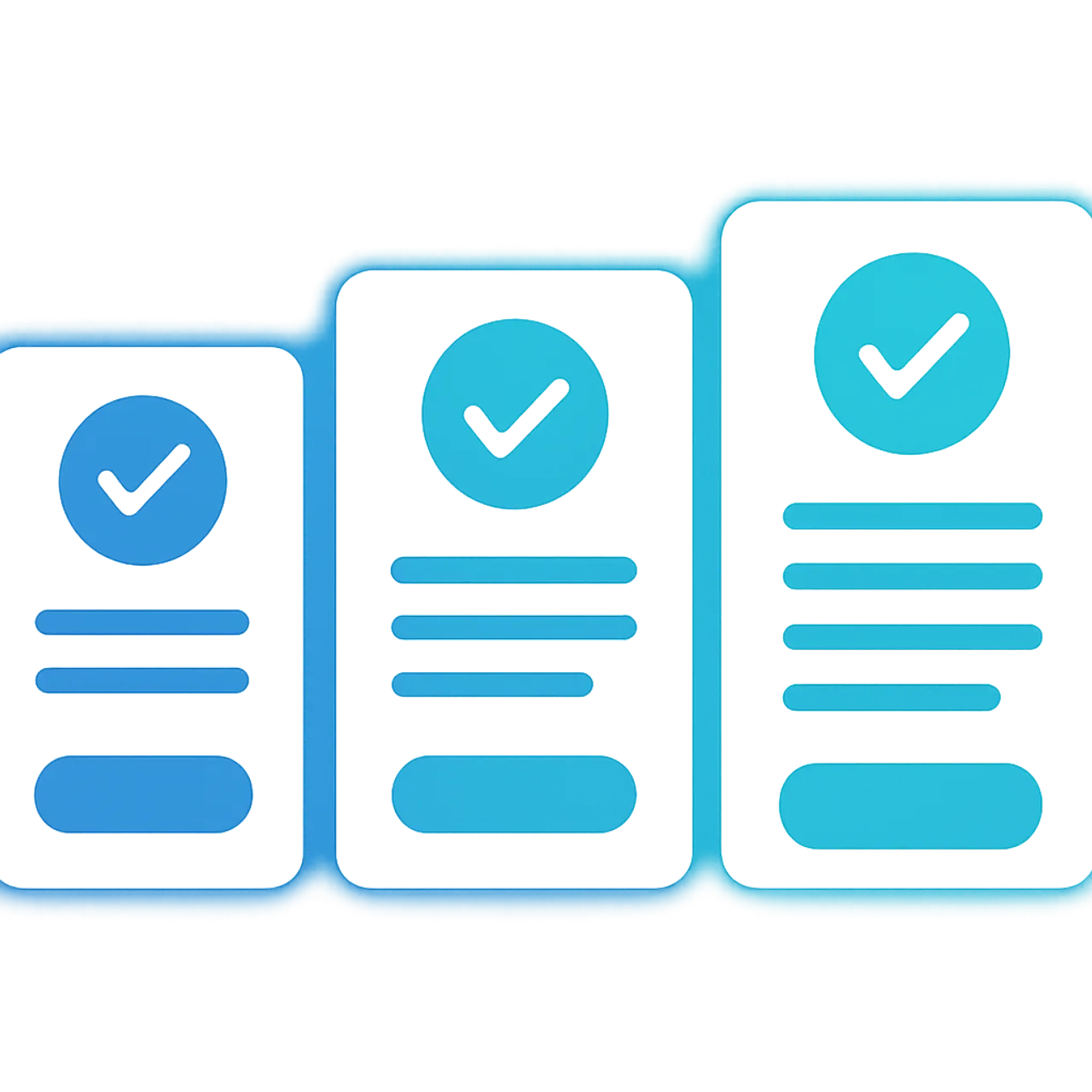
- Starter / Essentials ($50–$120 per user/month): Core inventory tracking, barcode scanning, basic reporting, and limited AI such as simple reorder suggestions. Ideal for small warehouses or growing online stores.
- Professional / Growth ($120–$300 per user/month): Adds AI demand forecasting, wave picking optimization, multi-location support, and deeper integrations. This is where most mid-sized operations land.
- Enterprise ($300–$500+ per user/month or custom): Full AI suite – predictive analytics, autonomous slotting, robotics orchestration, and dedicated support with service-level agreements.
- Custom / Volume pricing: For operations processing millions of orders, vendors abandon per-seat pricing entirely and negotiate based on throughput and infrastructure.
A practical tip: vendors almost always discount annual prepayment by 15–20% versus monthly billing, and many will negotiate further if you commit to a multi-year term.
The Hidden Costs Most Buyers Miss
The most expensive surprises in an AI WMS purchase are the costs that never appear in the headline quote. We have seen these line items inflate budgets by 30% or more.

Watch closely for:
- Implementation and data migration: Moving years of SKU and order history into a new system is labor-intensive and frequently billed separately.
- Integration fees: Each connector – ERP, Shopify, NetSuite, shipping APIs, robotics – may carry a setup or per-connection charge.
- Training: Onboarding warehouse staff and admins is sometimes a paid professional-services engagement.
- API and overage charges: Exceeding your order or API-call allotment can trigger steep per-unit fees.
- Premium support: Faster response times and a dedicated account manager often sit behind a higher tier.
- AI compute costs: Heavy use of forecasting and optimization models can incur usage-based charges on some platforms.
Always request a written, itemized quote that includes year-one and year-two totals. If a vendor cannot produce one, treat that as a warning sign.
How to Evaluate AI WMS Value, Not Just Price
The cheapest AI WMS is rarely the most economical. The right lens is return on investment – how quickly the system pays for itself through labor savings, fewer errors, and faster fulfillment.

AI-driven warehouses consistently report measurable gains. According to McKinsey, AI-enabled supply chain management can reduce logistics costs by up to 15% and improve inventory levels meaningfully. When you model ROI, factor in:
- Labor efficiency: AI picking and slotting can cut walking time and increase picks per hour.
- Error reduction: Fewer mis-ships mean lower return and re-pick costs.
- Inventory accuracy: Better forecasting reduces both stockouts and overstock carrying costs.
- Scalability: A system that absorbs peak-season volume without new hires pays dividends fast.
A $200-per-user system that eliminates two seasonal hires and slashes mis-ship rates will outperform a $90 system that does neither. Build a simple payback model before signing anything. For operators who want help designing that automation roadmap, ZoneTechify's artificial intelligence services can map features to real operational savings.
A Practical Framework for Comparing Quotes
Use the same checklist for every vendor so your comparison stays honest.
- Normalize the unit. Convert every quote to total annual cost for your exact user count and order volume.
- List included AI modules. Confirm which intelligent features are standard versus paid add-ons.
- Add one-time costs. Include implementation, migration, and training in year one.
- Map integrations. Price every connector you actually need.
- Model two years. Year two reveals the true subscription burden without setup distortion.
- Test support. Ask about response times and whether premium support is required for your use case.
This framework consistently surfaces the vendor with the best real value, which is frequently not the one with the lowest advertised price.
Key Takeaways
- AI WMS cloud pricing generally runs $50–$500 per user per month; enterprise on-premise systems start around $50,000 and climb past $500,000.
- Real first-year cost is often 2–3x the advertised subscription once implementation, integrations, and training are added.
- The WMS market is growing at over 16% CAGR, fueled by cloud and AI adoption (Grand View Research).
- AI-enabled supply chains can cut logistics costs by up to 15% (McKinsey).
- Hidden costs – migration, integrations, overages, and AI compute – are the most common budget-breakers.
- Evaluate ROI and total cost of ownership, not the sticker price.
Frequently Asked Questions (FAQ)
How much does an AI warehouse management system cost per month?
Most cloud AI WMS platforms cost between $50 and $500 per user per month, depending on the tier and AI features included. Small warehouses often start near $50–$120 per user, while enterprise plans with full predictive analytics and robotics support reach $300–$500 or move to custom volume pricing.
Is cloud or on-premise WMS cheaper?
Cloud WMS is cheaper to start because you avoid large upfront license and hardware costs, paying a predictable monthly fee instead. On-premise systems require a major initial investment plus ongoing IT staffing. For most small and mid-sized operations, cloud delivers a lower total cost of ownership and faster deployment.
What hidden costs should I expect with an AI WMS?
Expect costs beyond the subscription: data migration, integration or connector fees, staff training, API or order overage charges, premium support tiers, and sometimes AI compute usage. These extras can raise your first-year budget by 30% or more, so always request a fully itemized, multi-year quote before committing.
Do AI warehouse systems actually save money?
Yes, when matched correctly to your operation. AI WMS platforms reduce labor through optimized picking, cut costly mis-ships, and improve inventory accuracy. McKinsey reports AI-enabled supply chains can lower logistics costs by up to 15%. The savings typically outweigh subscription fees within the first one to two years of use.
How do I compare AI WMS pricing fairly?
Normalize every quote to total annual cost for your exact user count and order volume, then add one-time implementation, migration, and integration fees. Confirm which AI modules are included versus paid add-ons, and model at least two years. This reveals real value rather than just the lowest advertised headline price.
What size warehouse needs an AI WMS?
There is no strict minimum, but operations handling thousands of SKUs, multiple sales channels, or seasonal volume spikes benefit most. Even small e-commerce warehouses gain from AI forecasting and error reduction. If manual tracking causes stockouts, mis-ships, or overtime, an AI WMS usually pays for itself quickly.