Discover how artificial intelligence sustainability consulting services help businesses cut emissions, optimize energy, and meet ESG goals with measurable, data-driven results.
Artificial Intelligence Sustainability Consulting Services
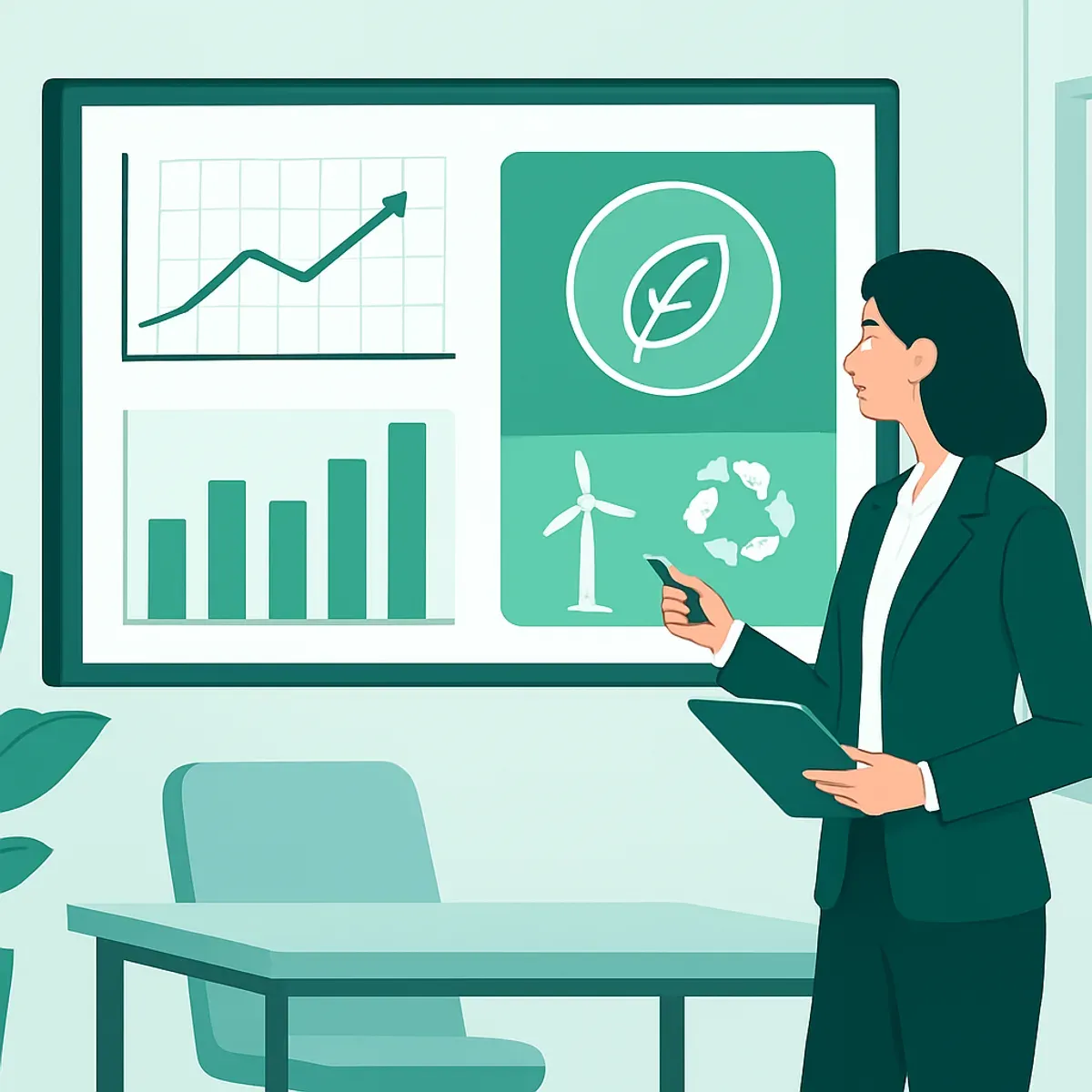
Sustainability is no longer a marketing slogan. It is a measurable business requirement that investors, regulators, and customers actively track. The challenge for most organizations is not a lack of intention but a lack of reliable data and the capacity to act on it. This is exactly where artificial intelligence sustainability consulting services change the equation. By combining environmental expertise with machine learning, these services turn scattered operational data into clear, prioritized actions that reduce emissions, lower costs, and strengthen compliance.
At ZoneTechify and WebPeak, we have seen a consistent pattern: companies that pair sustainability strategy with AI move faster and report more credibly than those relying on manual spreadsheets. This guide explains what these services do, how they work, and how to evaluate them.
Quick Answer: Artificial intelligence sustainability consulting services use machine learning to collect, analyze, and act on environmental data. They help organizations track carbon emissions, optimize energy use, automate ESG reporting, and forecast outcomes so leaders can cut waste, reduce costs, and meet regulatory and climate goals faster.
What Are AI Sustainability Consulting Services?
AI sustainability consulting services are advisory and implementation offerings that apply artificial intelligence to environmental, social, and governance challenges. A consultant maps your data sources, deploys models that detect inefficiency, and builds dashboards that make progress visible to decision-makers.
Key definition: Sustainability consulting is the practice of helping organizations reduce environmental impact while improving operational and financial performance. When AI is added, the consultant uses algorithms to process far larger datasets, find patterns humans miss, and predict the effect of changes before they are made.
The difference matters. Traditional consulting produces a report; AI-driven consulting produces a living system that keeps measuring and improving long after the engagement begins.
Why AI Matters for Sustainability Right Now
The volume of sustainability data has outgrown manual analysis. A single mid-sized manufacturer can generate millions of sensor readings, utility records, and supply-chain entries each month. Humans cannot reasonably reconcile that, but models can.
The business case is also strong. According to the International Energy Agency, digital and AI-driven efficiency measures could reduce global energy demand in key industrial sectors by up to 10 to 20 percent when fully deployed. Separately, a widely cited PwC and Microsoft study estimated that AI applications for the environment could boost global GDP by around 4.4 percent while cutting greenhouse gas emissions by roughly 4 percent by 2030. These are not abstract gains, they translate directly into lower bills and stronger competitive positioning.
Core Services AI Sustainability Consultants Provide
A capable consulting partner delivers a connected set of capabilities rather than isolated tools. The most valuable services include the following.
1. Carbon Footprint Measurement and Tracking
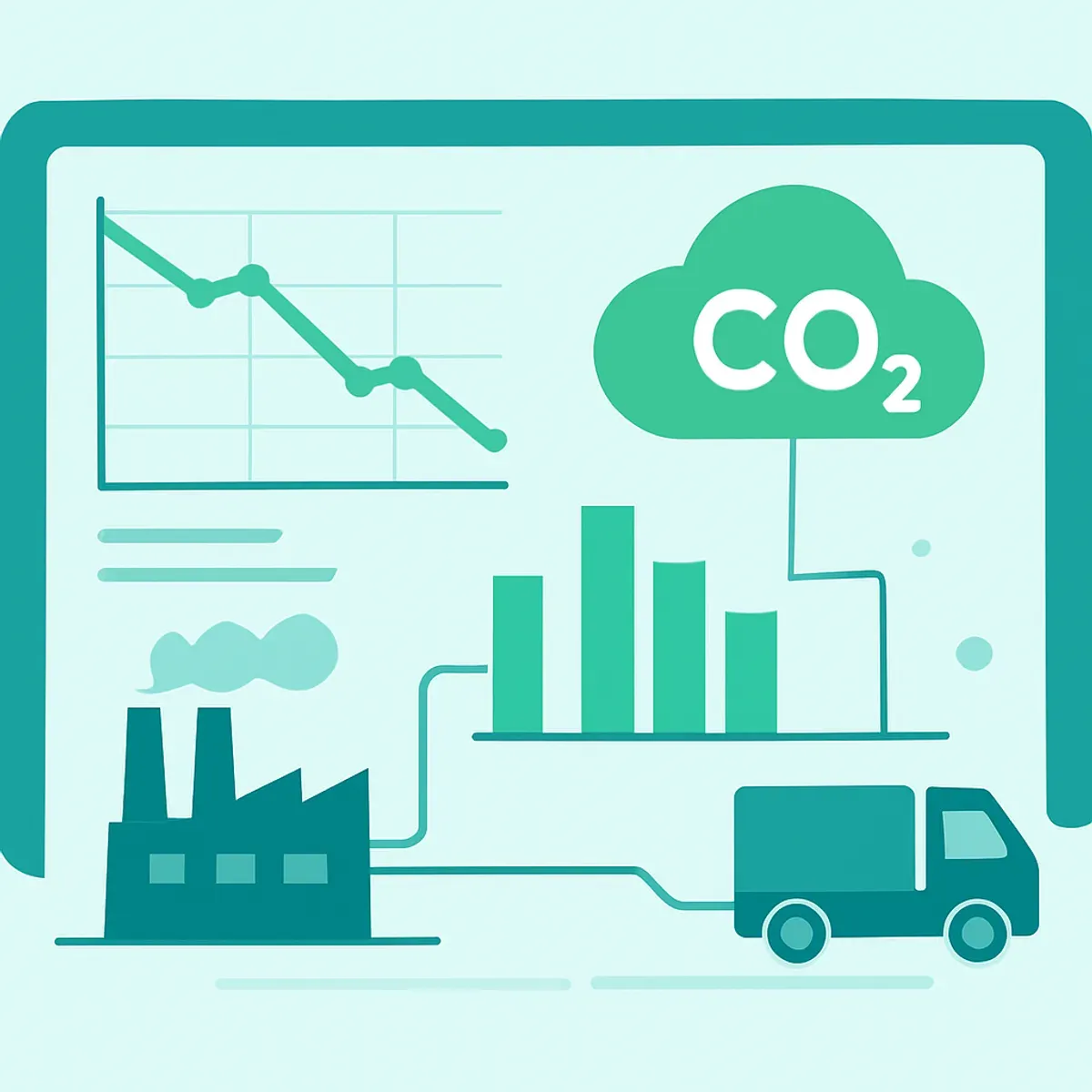
AI systems automatically pull data from utilities, fleets, facilities, and procurement to calculate Scope 1, 2, and 3 emissions. Instead of an annual estimate, you get a continuously updated carbon ledger. This accuracy is critical because Scope 3 emissions, which come from suppliers and product use, often represent the majority of a company's footprint and are the hardest to track manually.
2. Energy Optimization
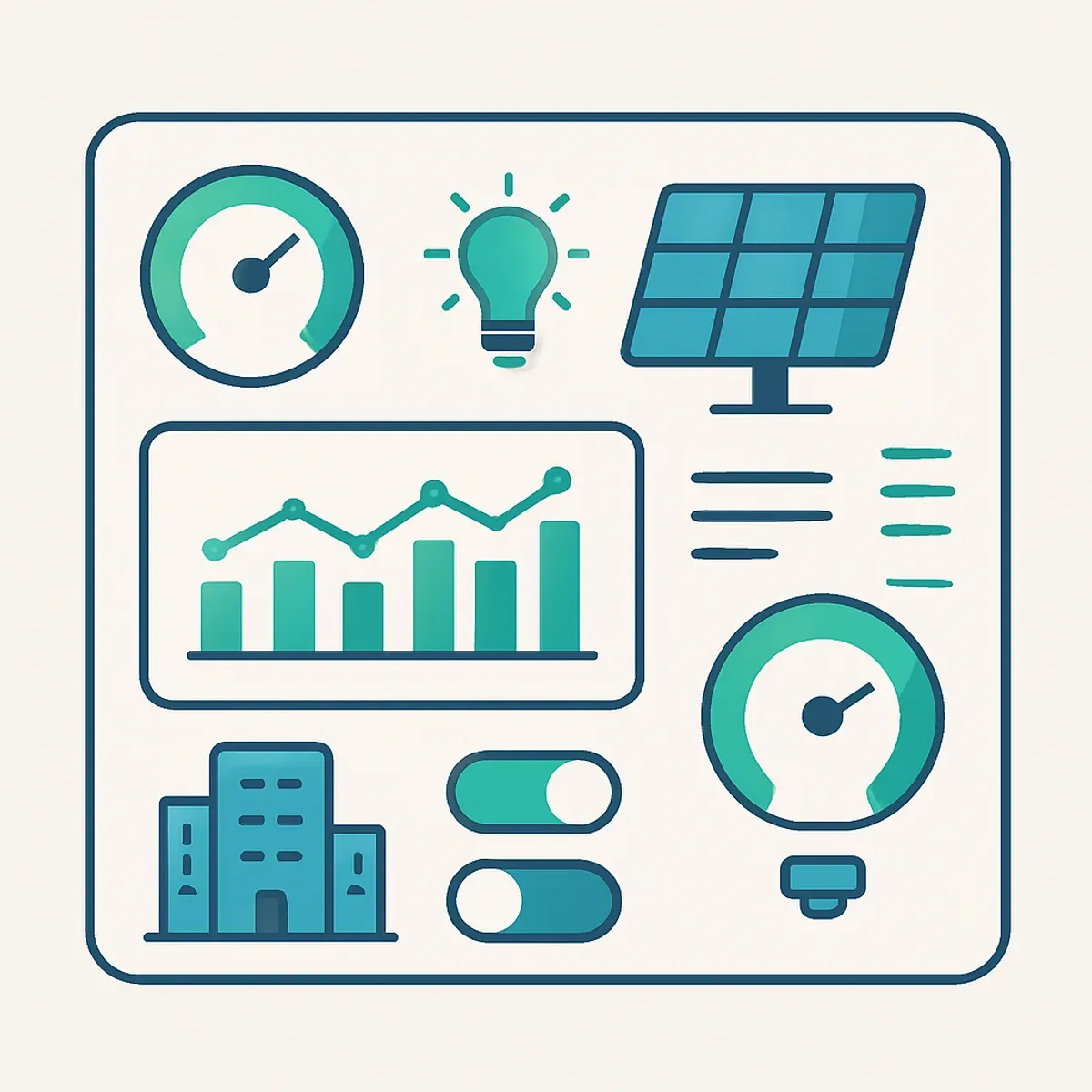
Machine learning models analyze consumption patterns across buildings and equipment, then recommend or automatically adjust settings. Smart algorithms can shift heavy loads to off-peak hours, fine-tune HVAC performance, and flag equipment that is silently wasting power.
3. Automated ESG Reporting
Regulatory frameworks such as the EU Corporate Sustainability Reporting Directive now require detailed, auditable disclosures. AI tools gather evidence, populate standardized templates, and flag gaps before an auditor does, reducing reporting time from weeks to days.
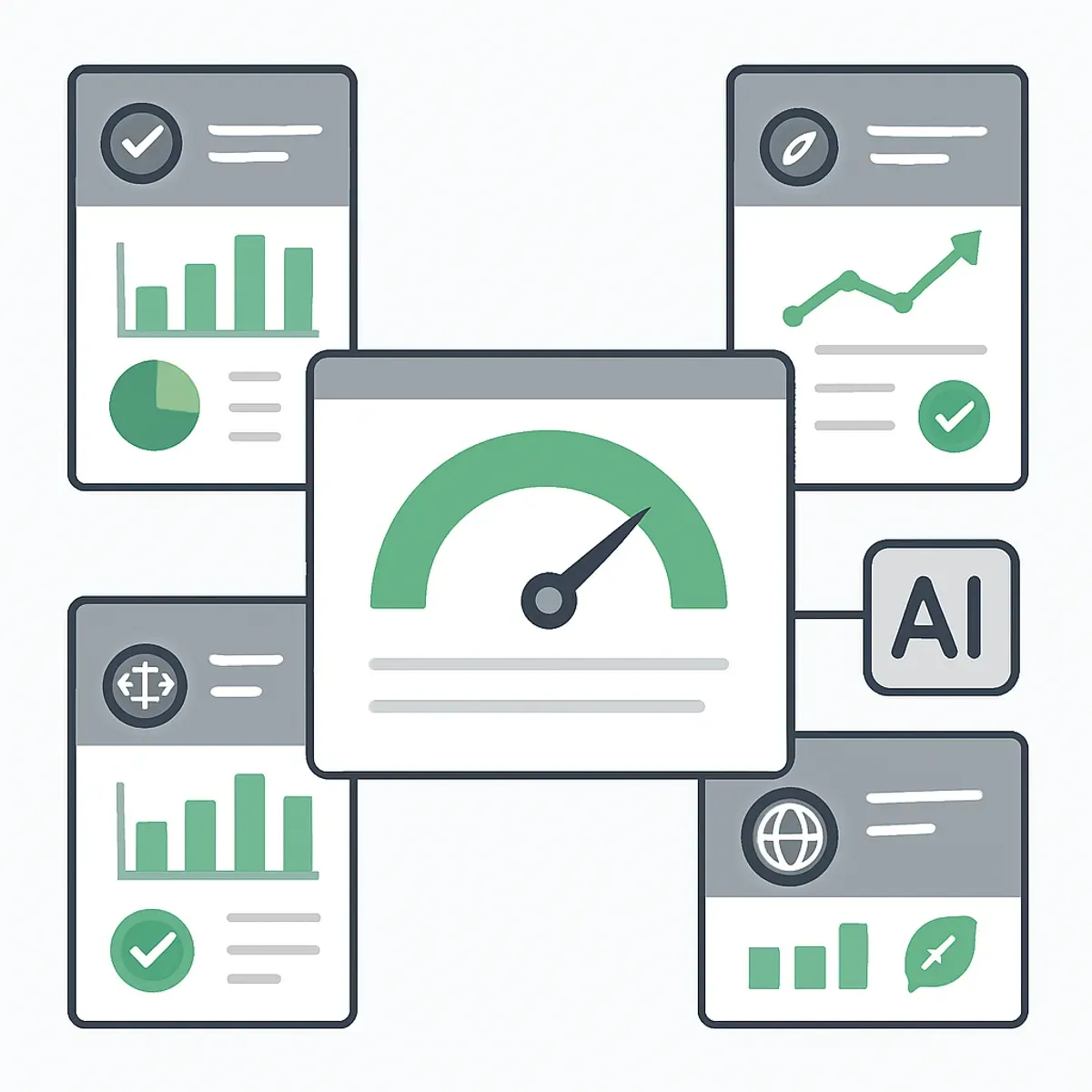
4. Sustainable Supply Chain Analysis
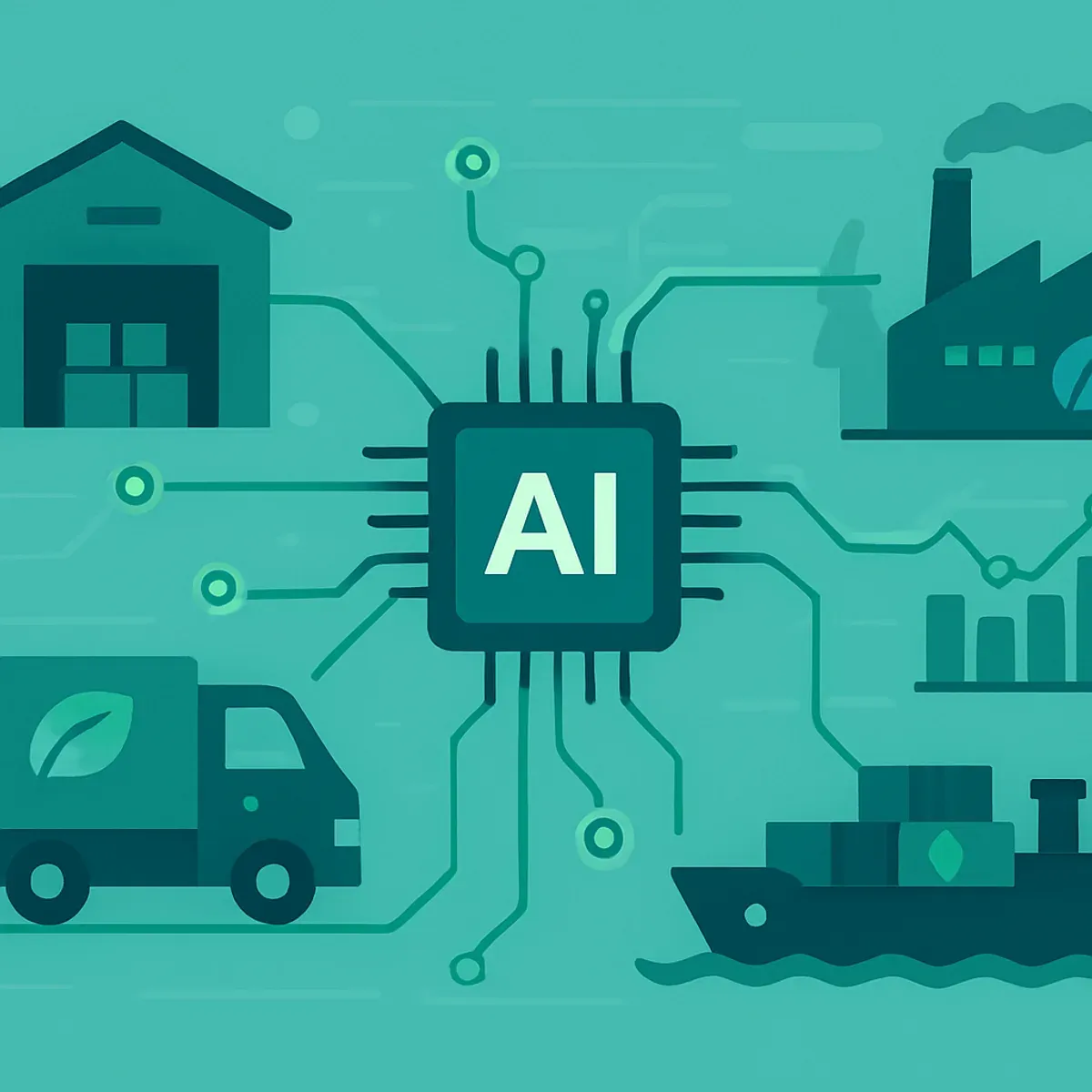
Consultants use AI to score suppliers on emissions, water use, and labor practices, then model lower-impact sourcing and logistics routes. This turns sustainability from a procurement afterthought into a quantifiable decision factor.
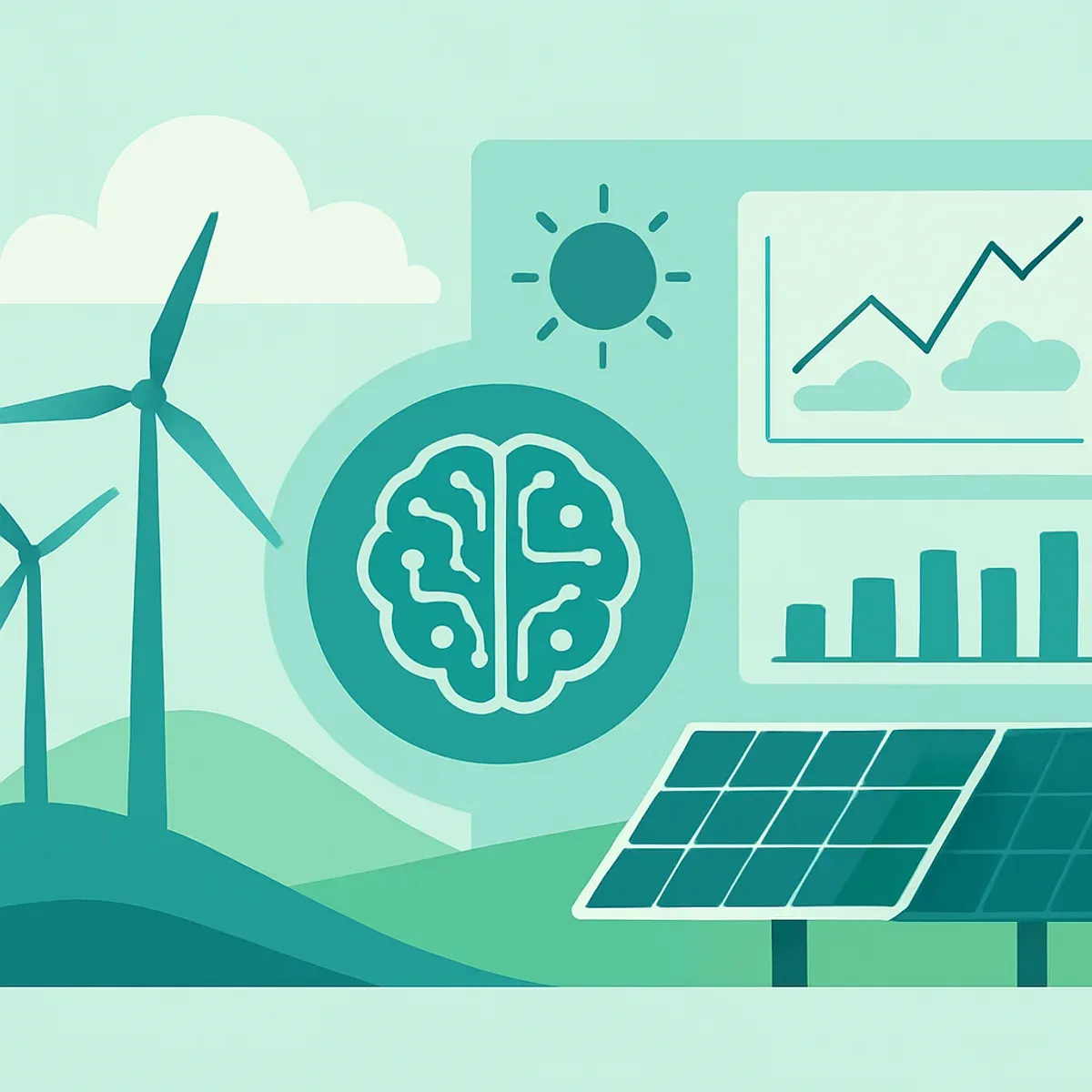
5. Predictive Forecasting for Renewable Energy
For organizations investing in solar or wind, AI forecasts generation based on weather and historical output, improving how energy is stored, used, or sold back to the grid.
Traditional vs. AI-Driven Sustainability Consulting
The practical differences become clear when the two approaches are compared side by side.
| Factor | Traditional Consulting | AI-Driven Consulting |
|---|---|---|
| Data scope | Sample-based, periodic | Continuous, full-dataset |
| Reporting speed | Weeks to months | Hours to days |
| Accuracy of Scope 3 data | Low, estimated | High, traceable |
| Forecasting ability | Limited | Predictive and scenario-based |
| Cost over time | Recurs each cycle | Decreases as system matures |
| Actionability | Static report | Live, automated recommendations |
The takeaway is not that human expertise is replaced. It is that experts become far more effective when AI handles the heavy data lifting, letting them focus on strategy and judgment.
How an AI Sustainability Engagement Works
A well-run project follows a logical sequence so results are measurable at every stage.
- Discovery and data audit. The consultant identifies every relevant data source, from smart meters to ERP systems, and assesses quality.
- Baseline modeling. AI establishes your current emissions and energy profile so future progress is provable.
- Opportunity ranking. Models rank improvements by impact and cost, so you act on the highest-value items first.
- Implementation. Dashboards, automations, and reporting pipelines are deployed and integrated with existing tools.
- Continuous optimization. The system learns over time, refining recommendations as conditions change.
This structure prevents the common failure where sustainability initiatives stall after an initial report. For organizations building these capabilities, ZoneTechify's artificial intelligence services focus on this measurable, implementation-first approach, while WebPeak's AI services help integrate these models into existing digital infrastructure.
Measuring ROI: Where the Value Comes From
Decision-makers rightly ask where the return appears. In our experience advising clients, value tends to concentrate in four areas.
- Direct energy savings from optimized consumption, often the fastest payback.
- Reduced compliance and reporting labor, since automation replaces hundreds of manual hours.
- Lower risk exposure, because accurate disclosures reduce the chance of fines or reputational damage.
- Revenue protection, as more buyers and investors now screen partners on verified sustainability data.
A realistic engagement does not promise overnight transformation. It commits to a measurable baseline and a documented improvement curve, which is the standard any credible consultant should accept.
How to Choose the Right AI Sustainability Consultant
Not every provider delivers equal value. Use these criteria to evaluate a partner before signing.
- Proven data integration skill. Ask how they connect to your specific systems, not just whether they can.
- Transparent methodology. They should explain how models reach conclusions, avoiding black-box claims.
- Recognized frameworks. Look for alignment with GHG Protocol, GRI, or CSRD standards.
- Implementation, not just advice. Confirm they build working systems, not only slide decks.
- Ongoing support. Sustainability is continuous, so favor partners offering monitoring and iteration.
A trustworthy consultant will welcome these questions and answer them with specifics. Vague promises about saving the planet without data are a warning sign.
Common Pitfalls to Avoid
Even strong organizations stumble when adopting AI for sustainability. The most frequent mistakes are starting without clean data, chasing too many goals at once, and treating AI as a one-time install rather than an evolving system. The fix is disciplined scope: begin with one high-impact area, prove the value, then expand. This builds internal trust and creates the data foundation later phases depend on.
Key Takeaways
- AI sustainability consulting services convert raw operational data into measurable emission and energy reductions.
- AI environmental applications could lift global GDP by about 4.4 percent and cut emissions by roughly 4 percent by 2030, per PwC and Microsoft research.
- Continuous tracking gives far more accurate Scope 3 data than manual annual estimates.
- ROI comes from energy savings, reduced reporting labor, lower risk, and protected revenue.
- Choose consultants with transparent methods, recognized frameworks, and real implementation skill.
Frequently Asked Questions (FAQ)
What do artificial intelligence sustainability consulting services actually do?
They use machine learning to gather and analyze environmental data, then recommend or automate actions. Services typically include carbon tracking, energy optimization, ESG reporting, and supply-chain analysis, helping organizations reduce emissions and costs while meeting regulatory and climate commitments with verifiable, continuously updated data.
How much can AI reduce a company's energy and carbon costs?
Results vary by industry, but AI-driven efficiency measures often reduce energy use by 10 to 20 percent in industrial settings. The biggest gains come from automated load shifting, smarter HVAC control, and detecting waste that manual audits miss, producing savings that usually pay back the investment over time.
Is AI sustainability consulting only for large enterprises?
No. While large firms generate more data, small and mid-sized businesses benefit too, especially for energy savings and compliance reporting. Cloud-based tools make AI affordable, and a focused starting project, such as energy optimization for one facility, lets smaller organizations prove value before scaling further.
How is AI consulting different from traditional sustainability consulting?
Traditional consulting produces periodic reports based on data samples. AI consulting delivers a continuous, full-dataset system that tracks progress in real time, forecasts outcomes, and automates reporting. The result is faster, more accurate, and stays useful long after the initial engagement instead of becoming outdated.
What data do I need before starting an AI sustainability project?
Start with whatever you have: utility bills, meter readings, fleet records, and procurement data. A good consultant performs a data audit first to assess quality and fill gaps. You do not need perfect data to begin, since establishing a clean baseline is part of the engagement itself.
Final Thoughts
Artificial intelligence sustainability consulting services bridge the gap between good intentions and measurable progress. They give leaders accurate data, prioritized actions, and a system that keeps improving. As regulations tighten and stakeholders demand proof, organizations that adopt this approach early will hold a clear advantage. To explore how to build these capabilities, visit ZoneTechify or WebPeak.