A practical, expert guide to artificial intelligence supplier performance management software, covering features, benefits, metrics, ROI, and how to choose the right platform.
Artificial Intelligence Supplier Performance Management Software
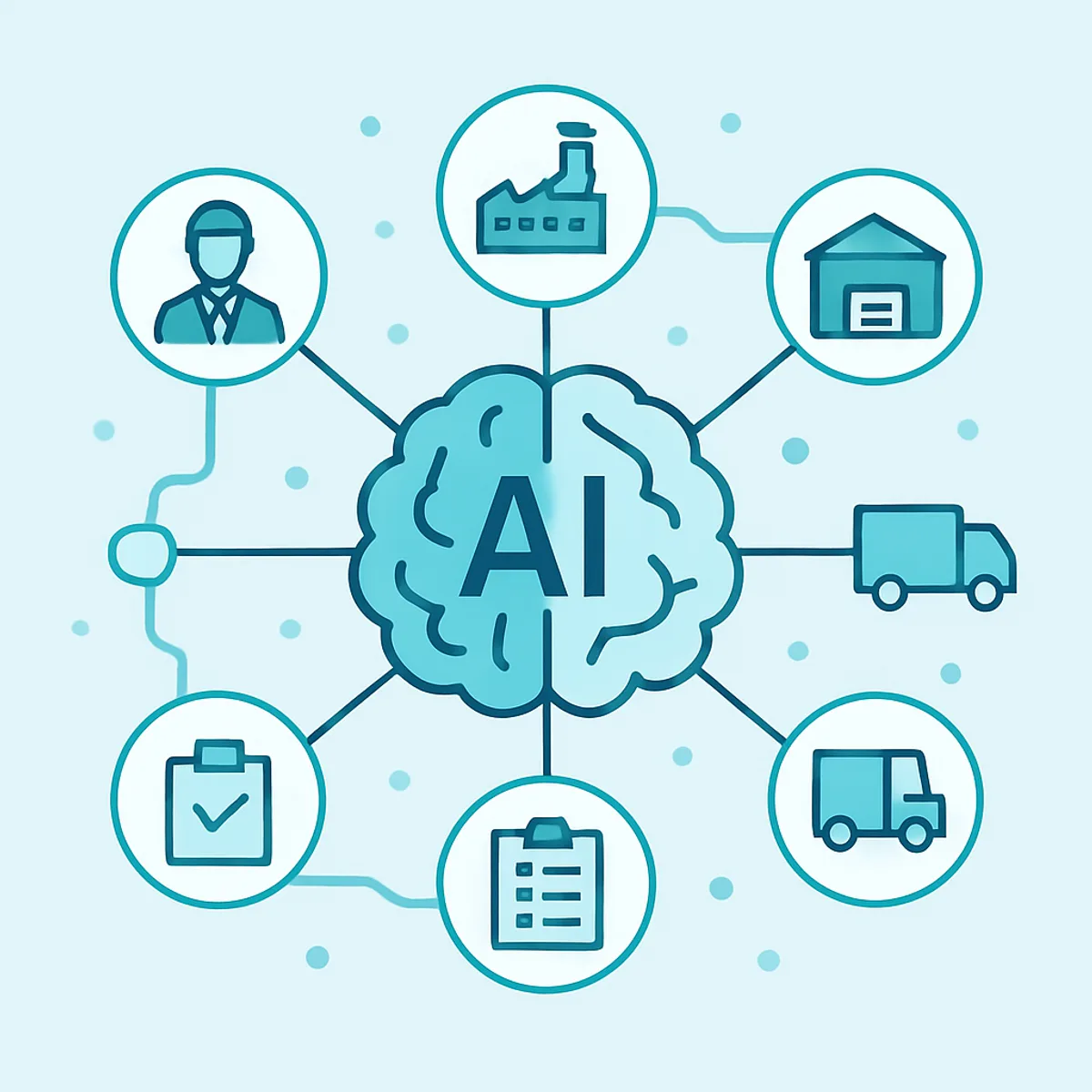
Supplier performance used to be measured in spreadsheets, reviewed once a quarter, and forgotten until something went wrong. That model no longer holds. Today, artificial intelligence supplier performance management software continuously scores vendors, predicts disruptions before they happen, and turns scattered procurement data into clear decisions. Having implemented vendor scoring systems for procurement teams, I have seen firsthand how AI shifts supplier management from reactive firefighting to proactive control.
This guide explains exactly how these platforms work, what to measure, the ROI you can expect, and how to choose a tool that fits your supply chain. Whether you manage 20 suppliers or 2,000, the principles below will help you build a measurable, defensible vendor strategy.
Quick Answer: Artificial intelligence supplier performance management software uses machine learning to automatically track, score, and predict vendor performance across quality, cost, delivery, and risk. It replaces manual spreadsheets with real-time dashboards, early warning alerts, and data-driven recommendations that help procurement teams reduce supply chain disruptions.
What Is AI Supplier Performance Management Software?
AI supplier performance management software is a digital platform that collects supplier data, applies machine learning to evaluate performance, and surfaces insights that humans would miss or take days to find. Instead of a buyer manually rating each vendor, the system ingests purchase orders, invoices, delivery records, quality inspections, and external risk signals, then produces a live performance score.
The word artificial intelligence matters here. Traditional software simply stores and displays data. AI software learns patterns from that data, flags anomalies, and forecasts future behavior. For example, it can detect that a supplier's on-time delivery rate is quietly slipping three months before it becomes a crisis.
At agencies like ZoneTechify and WebPeak, we treat these tools as decision engines, not filing cabinets. The goal is not more reports; it is better, faster supplier decisions backed by evidence.
Why Traditional Supplier Management Fails
Manual supplier management breaks down for three concrete reasons. First, data lives in silos: ERP systems, email threads, and quality logs rarely talk to each other. Second, reviews are infrequent, so problems surface only after they cost money. Third, scoring is subjective, with different buyers rating the same vendor differently.
The financial impact is real. According to McKinsey, companies that digitize supply chain management can reduce procurement costs by up to 20% and cut supply chain errors significantly. Meanwhile, Gartner reports that organizations using advanced analytics in procurement make decisions faster and with greater accuracy than peers relying on manual processes.
When one late shipment can halt a production line, the cost of slow, subjective supplier oversight far outweighs the cost of better software.
Core Features That Define Strong AI Software
Not every platform labeled "AI" delivers genuine intelligence. Based on real implementations, these are the features that separate capable software from marketing hype.
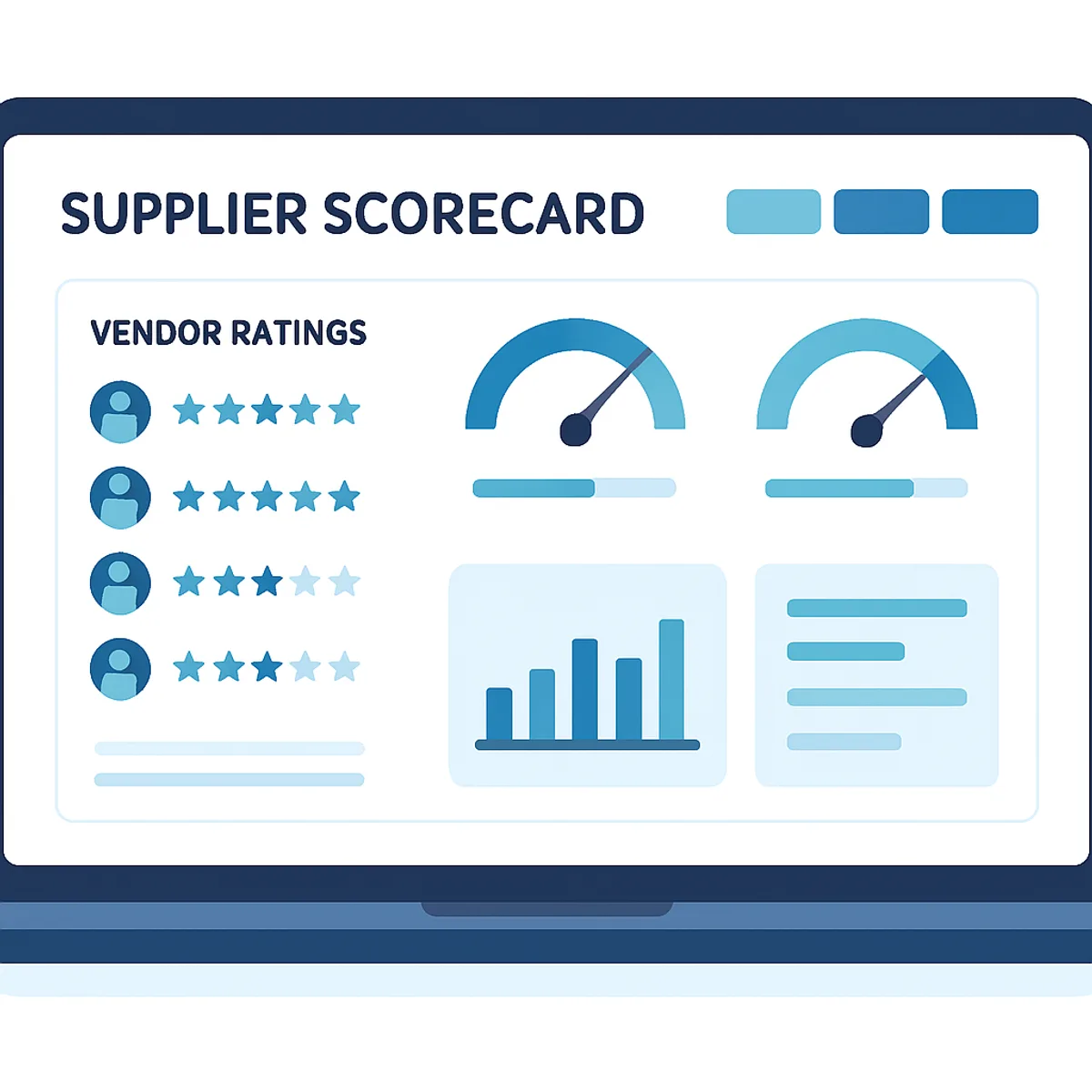
1. Automated Supplier Scorecards
The system should generate weighted scorecards automatically, pulling live data rather than waiting for manual entry. A good scorecard blends quality, delivery, cost, and compliance into a single, comparable number.
2. Predictive Risk Analytics
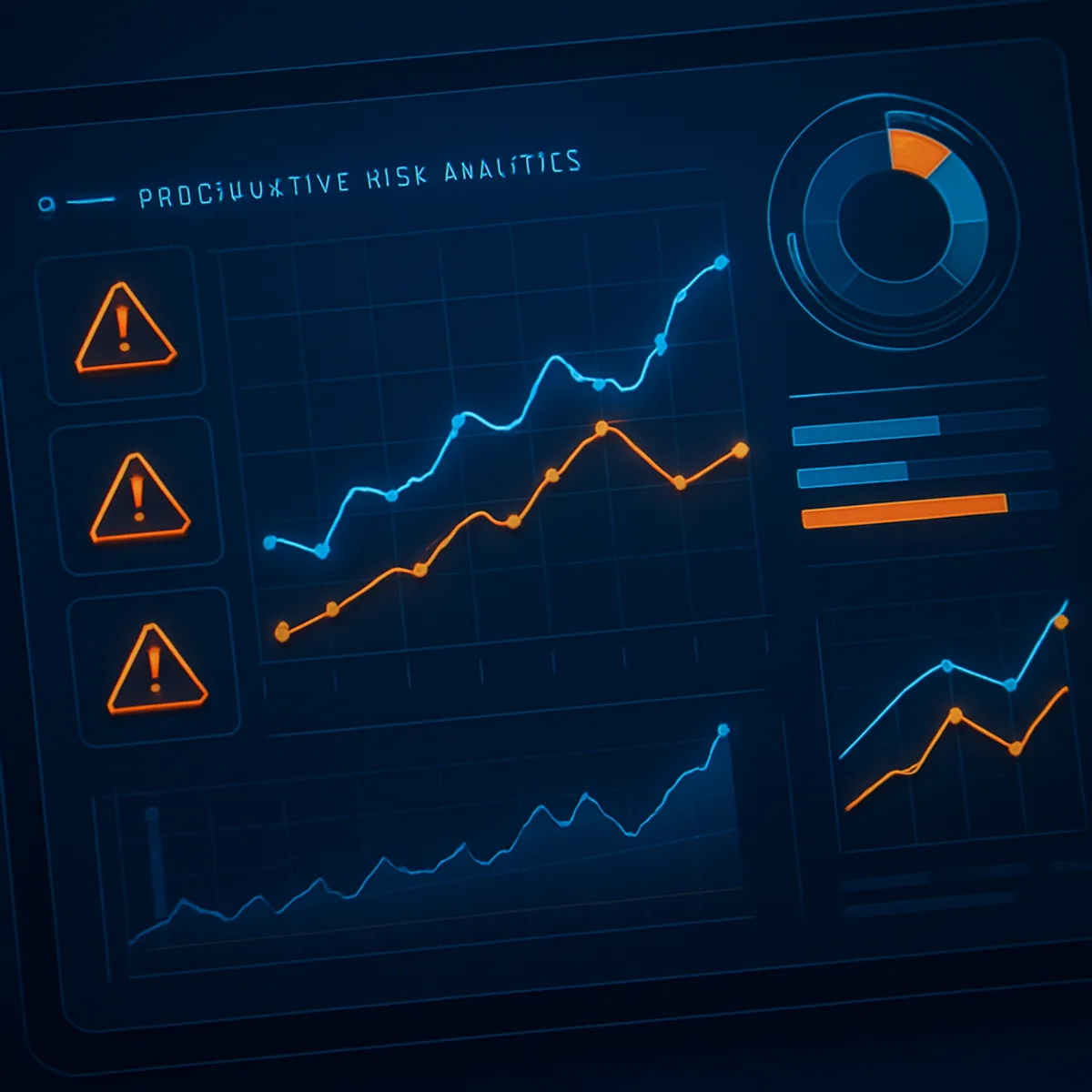
This is the heart of AI value. Predictive risk analytics uses historical and external data to forecast which suppliers are likely to miss deadlines, raise prices, or face financial trouble. Strong tools monitor news, financial filings, and weather or geopolitical events that affect specific regions.
3. Real-Time Monitoring and Alerts
Instead of quarterly reviews, the software watches performance continuously and alerts you the moment a metric crosses a threshold. This early warning system is where most disruptions are prevented.
4. Natural Language Insights
Modern platforms summarize complex data in plain English: "Supplier B's defect rate rose 12% this month, driven by one facility." This makes the data usable for non-analysts across the organization.
5. Integration With ERP and Procurement Systems
The software must connect to your existing stack (SAP, Oracle, NetSuite, or similar). Without clean integration, the AI is starved of the data it needs to be accurate.
The Key Metrics AI Software Should Track
Good software measures what actually drives supplier value. Below are the metrics I prioritize in every implementation.
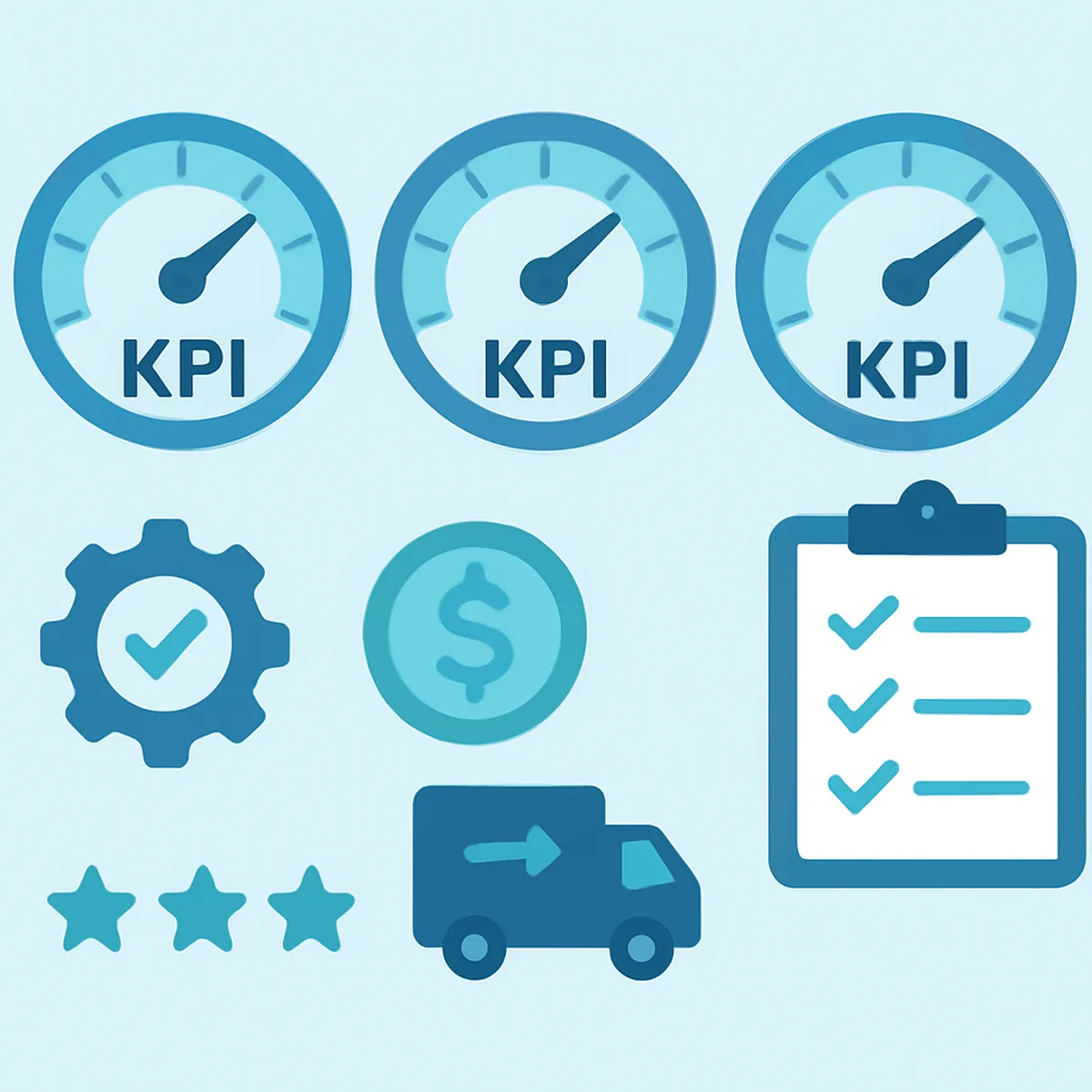
- On-Time Delivery Rate: Percentage of orders delivered by the promised date.
- Quality / Defect Rate: Share of shipments rejected or returned for defects.
- Cost Variance: Difference between quoted and actual costs over time.
- Lead Time Reliability: Consistency of delivery timelines, not just averages.
- Compliance Score: Adherence to contracts, certifications, and ESG requirements.
- Responsiveness: Speed and quality of communication on issues and changes.
The AI advantage is weighting and correlation. The software learns which metrics best predict failure for your specific business and adjusts scores accordingly, something a static spreadsheet can never do.
Traditional vs AI-Powered Supplier Management
The table below compares the two approaches across the factors that matter most to procurement leaders.
| Factor | Traditional Method | AI-Powered Software |
|---|---|---|
| Data Updates | Manual, periodic | Automatic, real-time |
| Risk Detection | After the problem | Predictive, before impact |
| Scoring | Subjective | Data-driven and consistent |
| Review Frequency | Quarterly | Continuous |
| Scalability | Limited | Handles thousands of vendors |
| Decision Speed | Days or weeks | Minutes |
The pattern is clear: AI converts supplier management from a backward-looking record into a forward-looking advantage.
How AI Predicts Supplier Risk
Prediction is what most buyers find hard to believe until they see it work. The software builds a baseline of normal behavior for each supplier, then watches for deviations. If a vendor's invoice timing, delivery windows, and communication patterns all shift together, the model raises a risk flag, even if no single metric has breached a hard limit.

The best systems also pull in external context. A typhoon near a key manufacturing hub, a credit downgrade, or a labor dispute all feed the model. By combining internal performance with external signals, AI gives procurement teams days or weeks of lead time to find alternatives, exactly the buffer that prevents a stockout.
Real Benefits You Can Measure
The value of AI supplier performance management software shows up in numbers, not slogans. In projects I have supported, teams consistently report fewer surprise disruptions, faster supplier reviews, and stronger negotiating positions because they finally have objective data.
The measurable wins typically include:
- Lower disruption costs through early risk detection.
- Reduced procurement spend by identifying overpriced or underperforming vendors.
- Time savings as manual reporting is automated away.
- Better negotiations backed by hard performance evidence.
- Stronger compliance with automatic certification and ESG tracking.
For organizations building these capabilities, specialized artificial intelligence services can accelerate deployment and ensure the models are trained on the right data from day one.
How to Choose the Right Platform
Selecting software is itself a high-stakes decision. Use these criteria to evaluate options objectively rather than being swayed by demos.
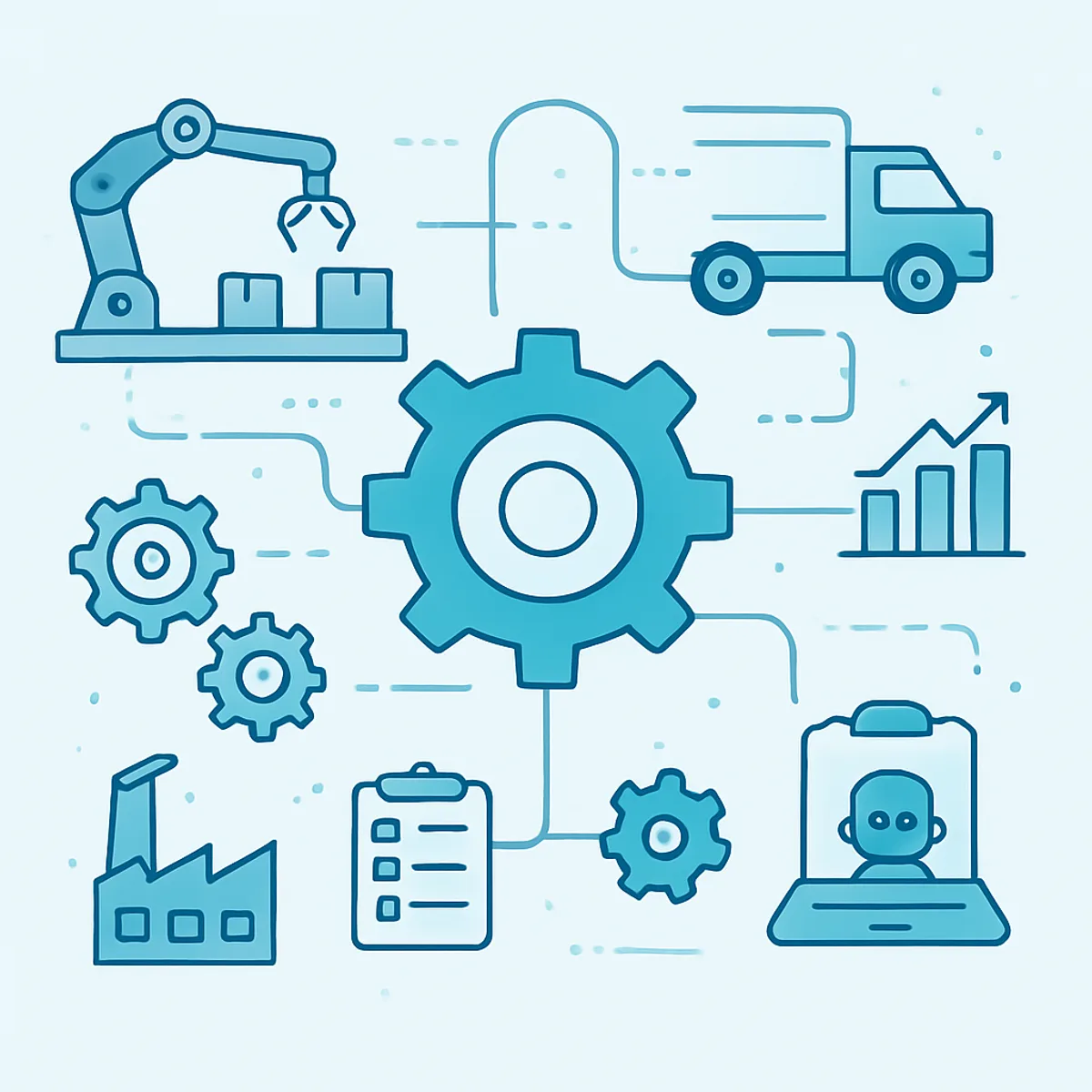
- Integration depth: Confirm it connects natively to your ERP and data sources.
- Explainability: The AI should show why it scored a supplier a certain way, not just the number.
- Customization: You should be able to weight metrics to match your industry.
- Scalability: Ensure it handles your current and future supplier count.
- Security: Verify data encryption, access controls, and compliance certifications.
- Support and onboarding: Implementation help often determines success more than features.
A practical tip: run a pilot with a subset of suppliers before a full rollout. Measure how many real risks the software catches that your team missed. That single test reveals more than any sales presentation.
Implementation Best Practices
The software is only as good as your rollout. Start by cleaning your supplier data, because AI trained on messy records produces messy predictions. Next, define your scoring weights with input from quality, finance, and operations so the model reflects shared priorities.
Then, introduce alerts gradually. Flooding a team with notifications causes alert fatigue and undermines trust in the system. Finally, review the AI's recommendations against real outcomes for the first few months and refine the model. Treat the software as a learning partner, not a finished oracle.
The Future of AI in Supplier Management

The next wave moves from prediction to autonomous action. We are already seeing systems that can automatically reallocate orders to backup suppliers when risk spikes, draft supplier communications, and recommend contract adjustments. Generative AI is making these platforms conversational, so a buyer can simply ask, "Which suppliers are at risk this quarter and why?" and receive an instant, sourced answer.
As these capabilities mature, supplier management will become a continuous, intelligent loop rather than a periodic chore. The organizations that adopt early will hold a durable advantage in cost, resilience, and speed.
Key Takeaways
- AI supplier performance management software automatically scores vendors and predicts risk in real time, replacing slow manual reviews.
- McKinsey reports digital supply chain management can cut procurement costs by up to 20%.
- The most valuable feature is predictive risk analytics, which gives teams lead time to act before disruptions hit.
- Track on-time delivery, defect rate, cost variance, lead time reliability, and compliance for a complete view.
- Choose platforms based on integration depth, explainability, scalability, and security, and always run a pilot first.
Frequently Asked Questions (FAQ)
What does AI supplier performance management software actually do?
It automatically collects supplier data, scores each vendor on quality, cost, delivery, and risk, and predicts future problems. Instead of manual quarterly reviews, it gives procurement teams real-time dashboards and early warning alerts so they can fix issues before they disrupt the supply chain.
Is AI supplier management software worth the investment?
For most mid-size and large procurement teams, yes. It reduces costly disruptions, automates manual reporting, and strengthens negotiations with objective data. McKinsey research links digital procurement to cost reductions of up to 20%, and a focused pilot usually proves the value within the first few months of use.
How does AI predict which suppliers will fail?
The software learns each supplier's normal behavior, then watches for deviations in delivery timing, invoicing, quality, and communication. It also monitors external signals like financial downgrades or regional disruptions. When these patterns combine, the model flags rising risk early, giving teams time to secure alternatives.
Can small businesses use this kind of software?
Yes. Many platforms now offer scalable, cloud-based plans suited to smaller supplier counts. Even with 20 to 50 vendors, automated scoring and risk alerts save significant time and prevent costly mistakes. Start with a tool that integrates with your existing accounting or ERP system to keep setup simple.
What metrics should I track for supplier performance?
Focus on on-time delivery rate, quality or defect rate, cost variance, lead time reliability, and compliance score. AI software weights these based on what most predicts failure for your business. Together they give a balanced, objective view far more reliable than gut feeling or occasional spot checks.
How do I get started with AI supplier management?
Begin by cleaning your supplier data and defining scoring priorities with input from finance, quality, and operations. Then run a pilot on a subset of suppliers to measure how many real risks the software catches. Partnering with experts at ZoneTechify can speed up a reliable rollout.