A practical, expert guide to CompSci AI — how artificial intelligence is transforming computer science fundamentals, coding, careers, ethics, and the future.
CompSci AI: How Artificial Intelligence Is Reshaping Computer Science
Artificial intelligence is no longer a niche elective tucked at the end of a computer science syllabus. It has become the backbone of how software is designed, written, tested, and deployed. "CompSci AI" describes the deep fusion of computer science fundamentals with modern artificial intelligence — and understanding it is now essential for students, developers, and decision-makers alike.
This guide breaks down what CompSci AI actually means in practice, how the core algorithms work, where AI fits into a developer's daily workflow, and how to build a durable career around it. Drawing on real engineering experience, we focus on what helps you act, not vague predictions.
Quick Answer: CompSci AI is the intersection of computer science and artificial intelligence, where algorithms, data structures, and machine learning combine to build systems that learn from data. It powers coding assistants, search, recommendations, and automation, and is now a core skill for modern developers.
What CompSci AI Really Means
CompSci AI is the discipline of applying computer science principles — algorithms, data structures, computational theory, and systems design — to build artificial intelligence that learns and adapts. It is not a single tool but a layered field that turns mathematical theory into working, production-grade software.
At its foundation, AI depends on classic computer science: efficient data structures store training data, graph algorithms power search and reasoning, and complexity theory determines whether a model can run in real time. Without strong fundamentals, AI systems become slow, unreliable, or impossible to scale.
The practical takeaway is simple: AI is an extension of computer science, not a replacement for it. Engineers who understand both the theory and the tooling consistently build more reliable systems than those who treat AI as a black box.
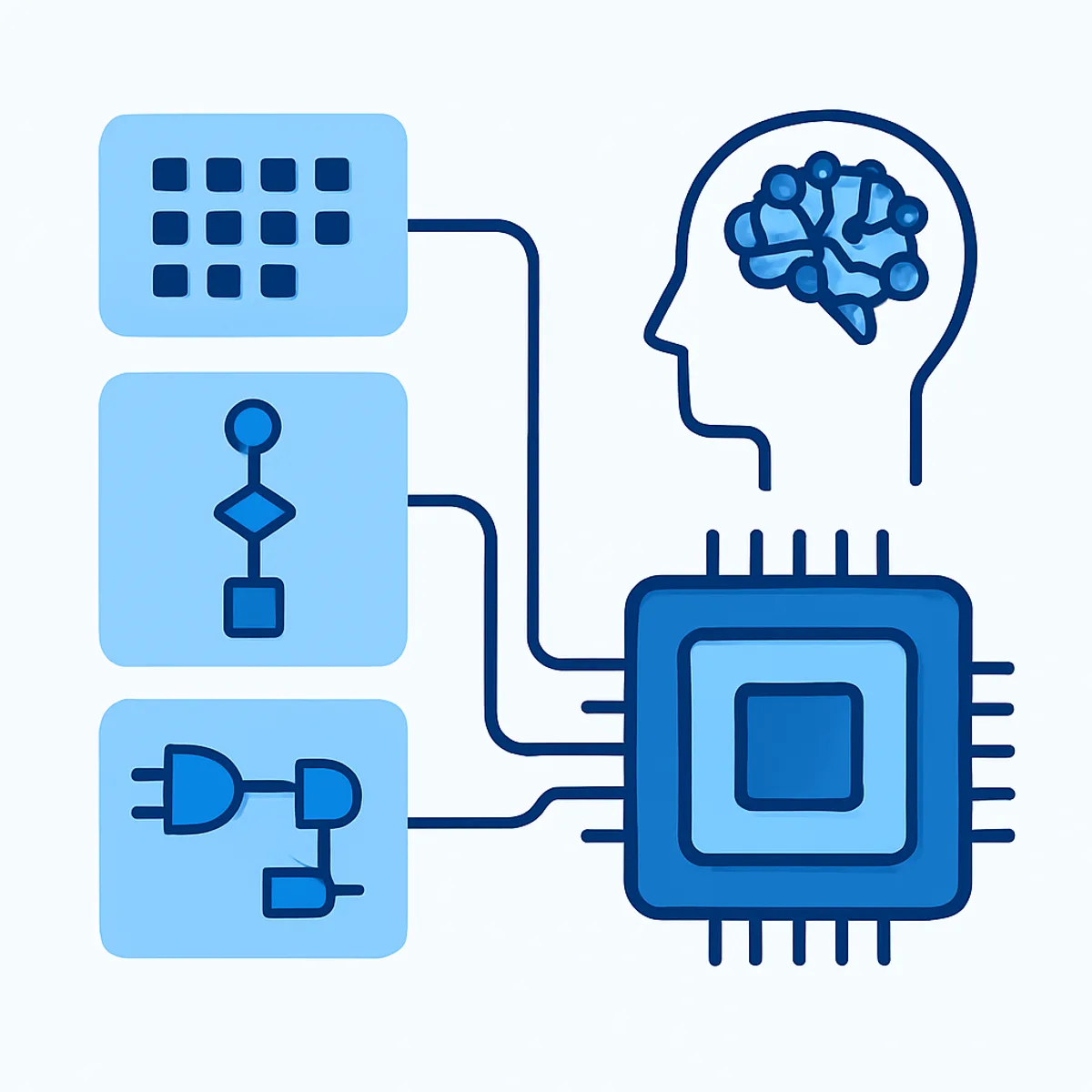
Key Terms Defined
- Artificial Intelligence (AI): Software that performs tasks normally requiring human intelligence, such as recognizing images or generating text.
- Machine Learning (ML): A subset of AI where systems improve at a task by learning patterns from data rather than following hardcoded rules.
- Deep Learning: A branch of ML using multi-layered neural networks to model complex patterns in large datasets.
- Inference: The stage where a trained model makes predictions on new, unseen input.
The Core Algorithms Behind Modern AI
Most AI breakthroughs trace back to a handful of well-understood algorithms. Knowing them turns AI from magic into engineering you can reason about and debug.
Supervised learning trains models on labeled examples — it powers spam filters, fraud detection, and medical image classification. Unsupervised learning finds hidden structure in unlabeled data, useful for customer segmentation and anomaly detection. Reinforcement learning teaches agents through reward signals, driving robotics and game-playing systems.
According to Stanford's AI Index Report, the cost to train a high-performing image classification model has fallen by more than 60% in recent years, largely due to better algorithms and hardware. This means capabilities once reserved for big tech labs are now accessible to small teams and individual developers.
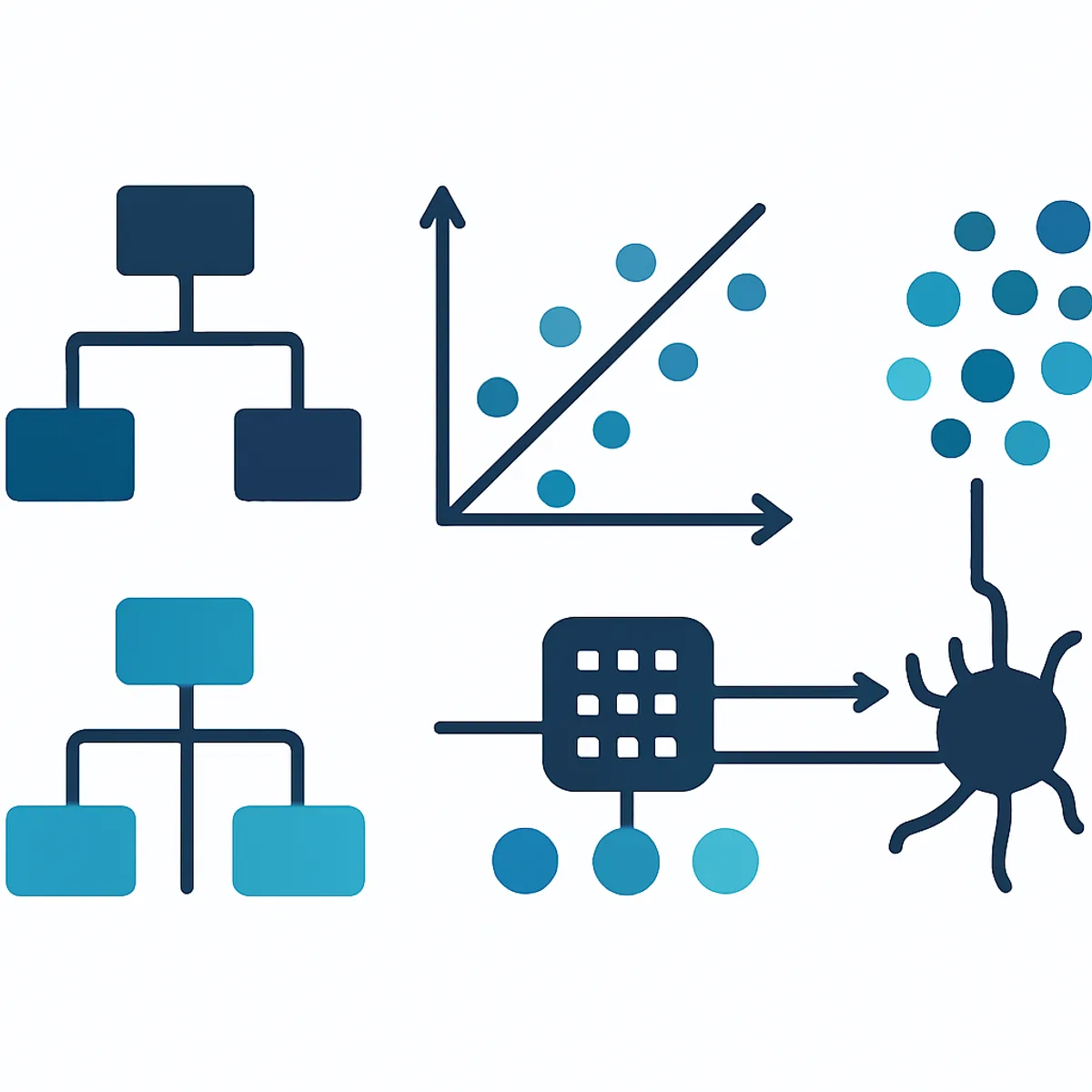
A Simple Mental Model
- Collect and clean data — quality matters more than quantity.
- Choose an algorithm that matches the problem type (classification, regression, clustering).
- Train the model on a portion of the data.
- Validate it on data it has never seen.
- Deploy and monitor for drift as real-world data changes.
This loop is the heartbeat of nearly every applied AI project, regardless of scale.
How AI Is Changing the Way Developers Write Code
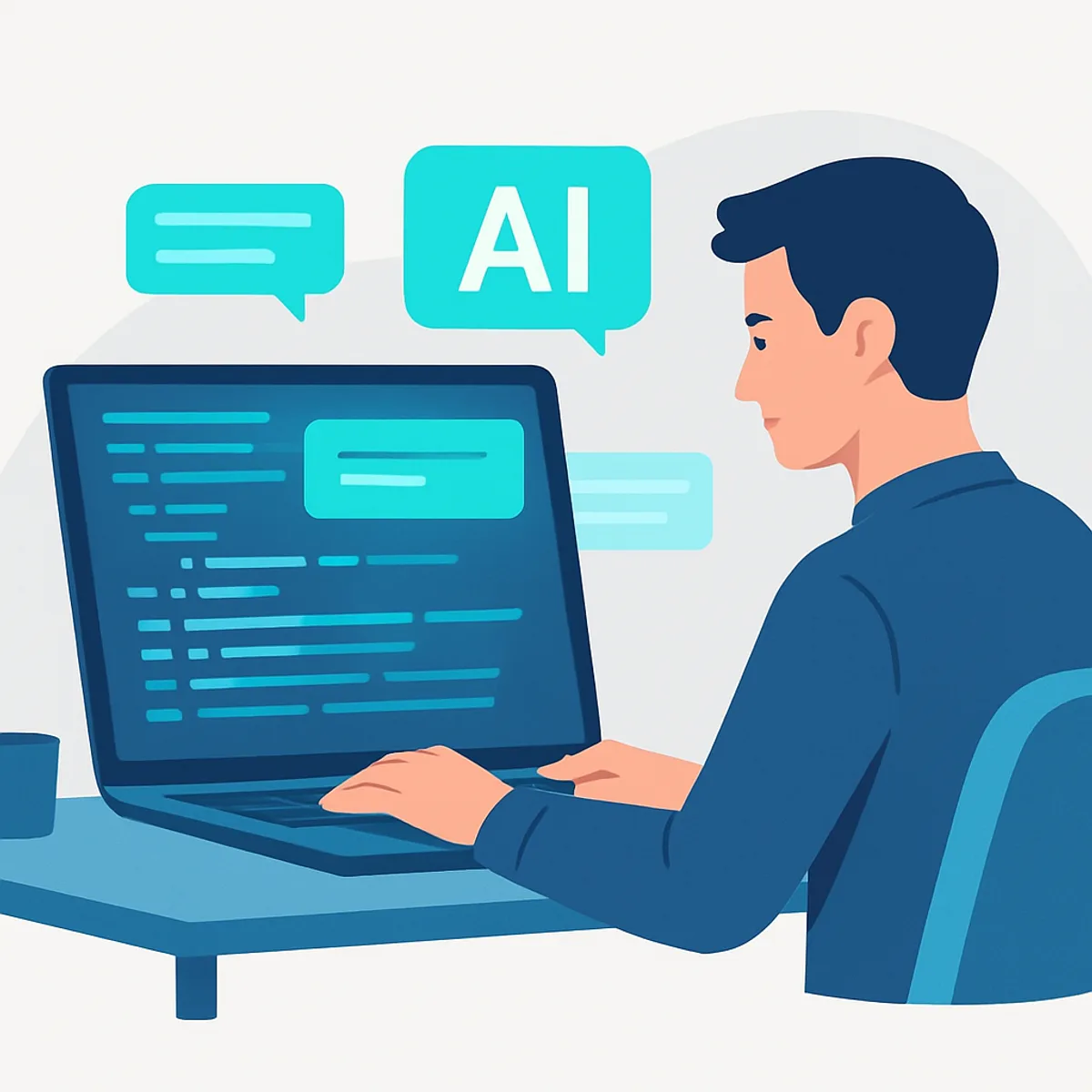
AI coding assistants have moved from novelty to standard equipment in professional software development. Tools that autocomplete functions, explain unfamiliar code, and generate tests are now embedded directly into editors.
According to GitHub's research on AI-assisted development, developers using AI pair-programming tools completed tasks up to 55% faster in controlled studies. In real projects, the gains show up most in boilerplate, documentation, and test scaffolding — freeing engineers to focus on architecture and edge cases.
From hands-on experience, the biggest mistake teams make is treating AI output as automatically correct. The most productive developers use AI as a fast, fallible junior partner: accept suggestions quickly, but review them with the same rigor as any pull request. Teams looking to build custom AI-driven tools often partner with specialists in artificial intelligence services to move from prototype to production safely.
Where AI Helps Most in the Workflow
- Generating repetitive boilerplate and configuration
- Writing unit tests and catching obvious edge cases
- Explaining legacy code and unfamiliar libraries
- Translating code between languages
- Drafting documentation and commit messages
Neural Networks and Deep Learning, Explained Simply
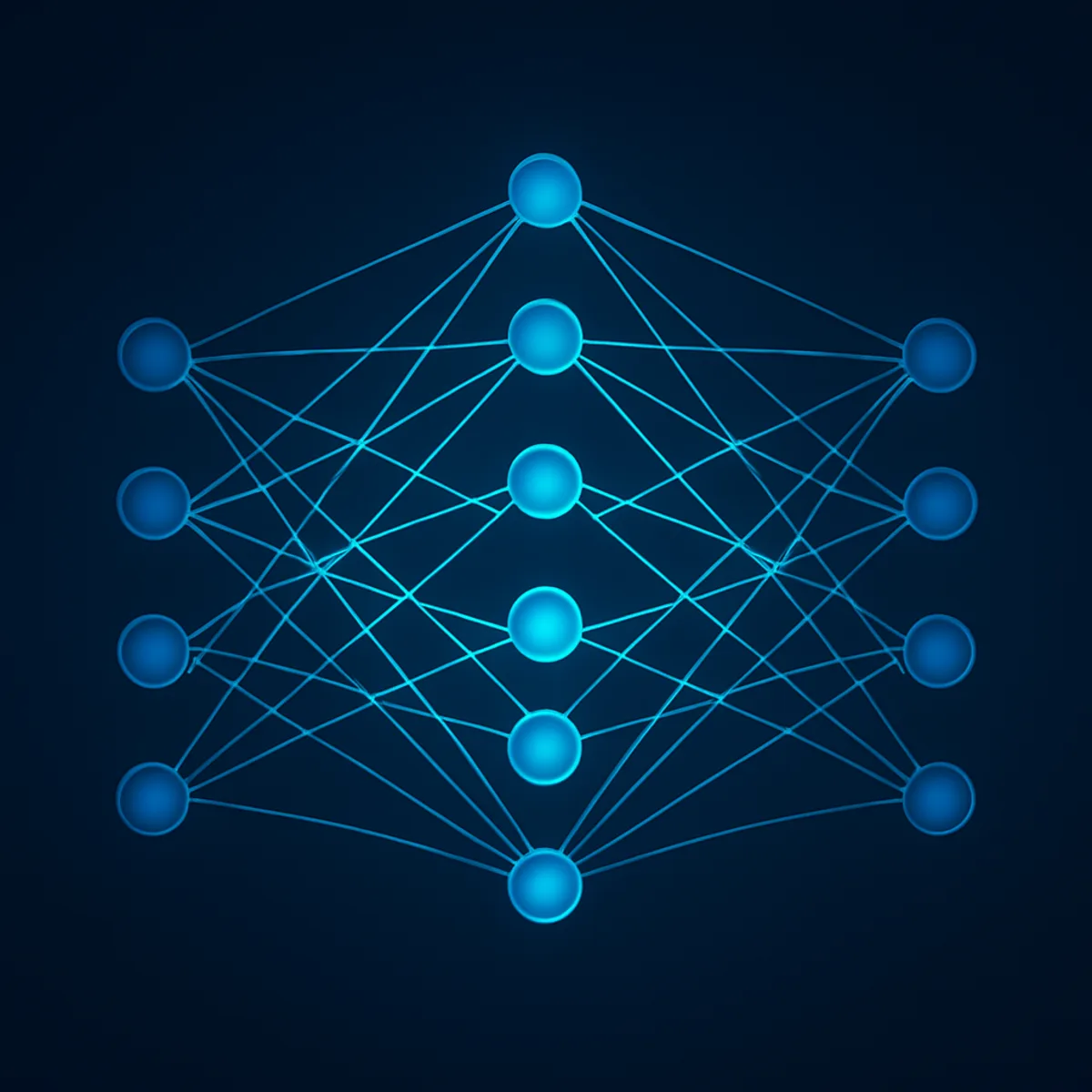
Neural networks are computing systems loosely inspired by the brain, built from layers of interconnected nodes that pass and transform signals. They are the engine behind image recognition, language models, and speech systems.
Each connection has a weight that adjusts during training. As the network sees more examples, it gradually tunes these weights to reduce errors — a process called backpropagation. Stack enough layers, and the network can model astonishingly complex relationships, from translating languages to predicting protein structures.
The honest caveat: deep learning is powerful but data-hungry and compute-intensive. For many business problems, a simpler model like logistic regression or gradient boosting is faster, cheaper, and easier to explain. Choosing the right tool — not the trendiest one — is a hallmark of real expertise.
Comparing Traditional Programming and AI-Driven Development
The shift from rule-based programming to data-driven systems is the defining change of the CompSci AI era. The table below highlights the practical differences.
| Aspect | Traditional Programming | AI-Driven Development |
|---|---|---|
| Logic source | Explicit rules written by humans | Patterns learned from data |
| Best for | Deterministic, well-defined tasks | Fuzzy, pattern-heavy problems |
| Debugging | Trace exact code paths | Inspect data, weights, and outputs |
| Maintenance | Update code manually | Retrain on fresh data |
| Predictability | High and explainable | Probabilistic, harder to explain |
| Example | Tax calculation engine | Image recognition system |
Neither approach is universally better. Mature engineering teams blend both — using deterministic code for rules that must never fail and AI for tasks where flexibility beats precision.
Building a Career in CompSci AI
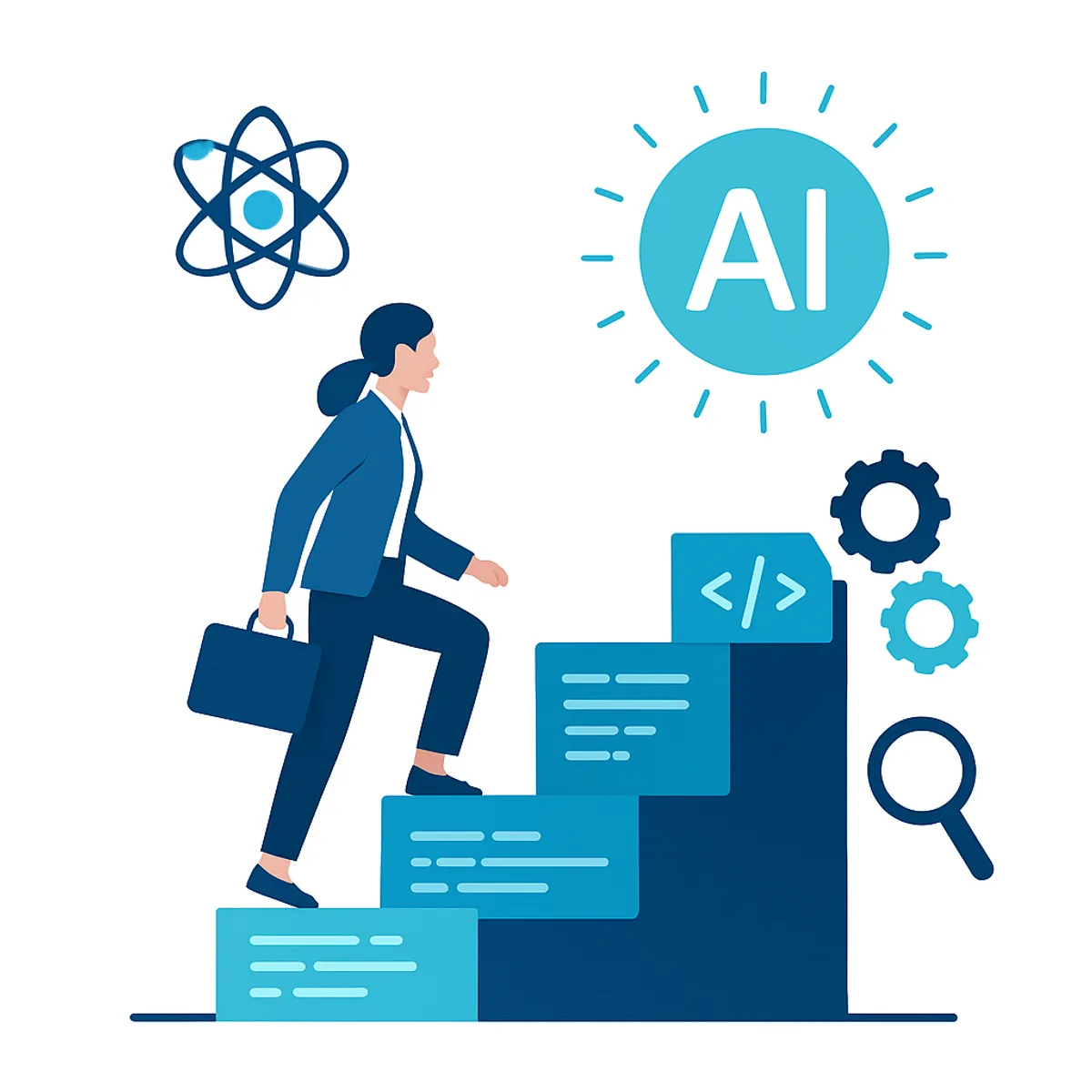
A strong AI career stands on a foundation of solid computer science, not just framework familiarity. Recruiters increasingly filter for candidates who understand why models work, not only how to call an API.
Start with the fundamentals: data structures, algorithms, linear algebra, probability, and at least one language (Python dominates AI). Then layer on practical ML skills — data preprocessing, model evaluation, and deployment. Building and shipping small projects matters far more than collecting certificates.
Demand is real and growing. The U.S. Bureau of Labor Statistics projects that computer and information research roles, which include AI specialists, will grow much faster than average through the decade. Businesses that need help building AI-powered products often turn to dedicated artificial intelligence services to accelerate delivery.
A Practical Learning Path
- Master core CS fundamentals and Python.
- Learn the math behind ML: linear algebra, statistics, calculus basics.
- Build projects with real datasets and publish them on GitHub.
- Learn deployment: APIs, containers, and monitoring.
- Specialize in an area such as NLP, computer vision, or MLOps.
The Ethics and Responsibility of AI Systems
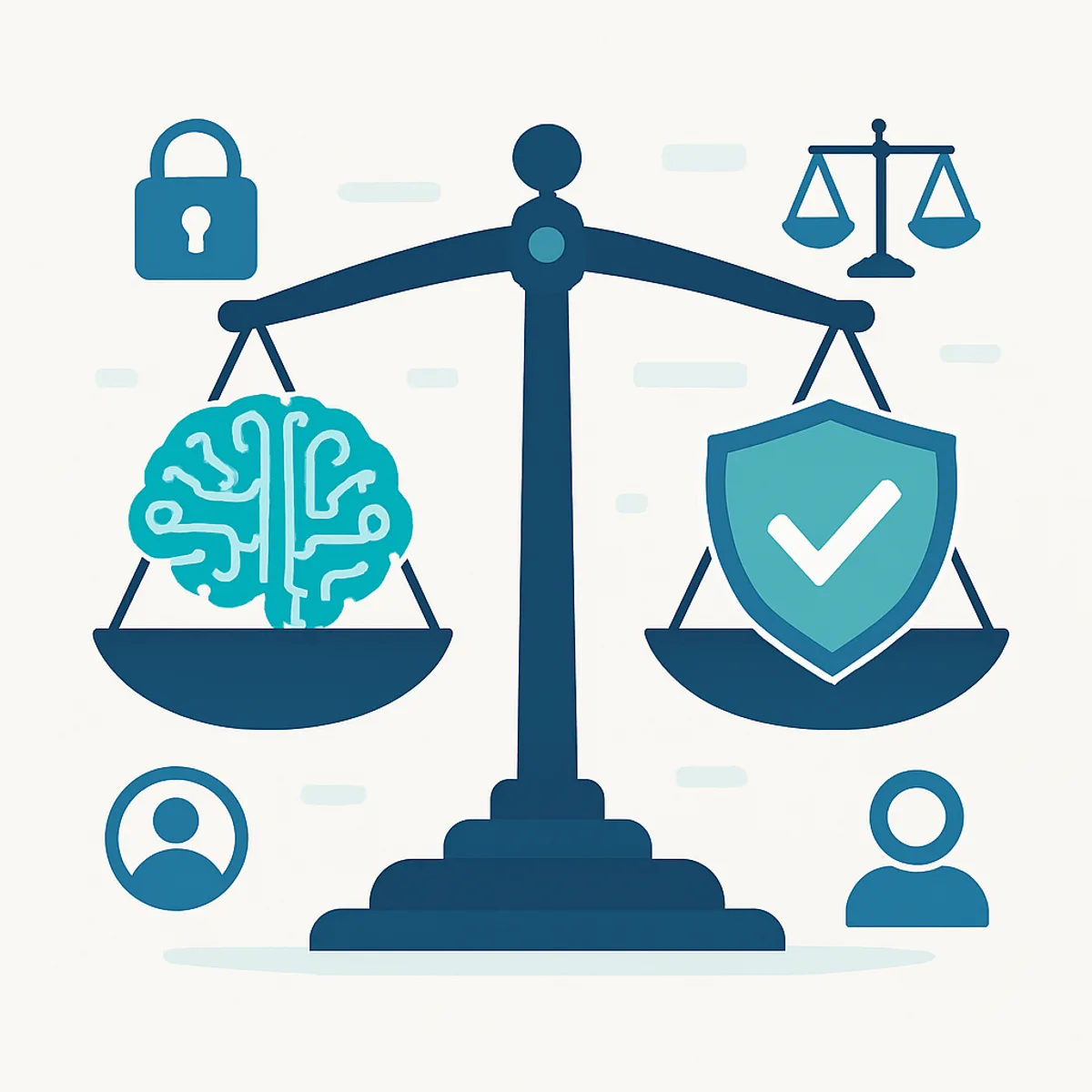
Ethical responsibility is now a core engineering requirement, not an afterthought. Models trained on biased data can amplify discrimination, and opaque systems erode user trust.
Responsible CompSci AI means auditing training data for bias, documenting model limitations, protecting user privacy, and building systems whose decisions can be explained. Regulations such as the EU AI Act are formalizing these expectations, making compliance a practical concern for any team shipping AI features.
The trustworthy approach is to treat ethics as part of the engineering spec: measurable, testable, and reviewed. Teams that bake fairness checks into their pipelines avoid costly failures and build products users actually trust. You can learn more about building responsible digital products at ZoneTechify and WebPeak.
The Future of CompSci AI
The next wave of CompSci AI will center on autonomous agents, efficient small models, and tighter human-AI collaboration. Rather than single prompts, systems will chain reasoning steps, call tools, and complete multi-stage tasks with oversight.
We are also seeing a shift toward smaller, specialized models that run on-device, reducing cost and protecting privacy. Quantum computing, while still early, promises to reshape which problems are even solvable. The constant across all of it remains strong computer science fundamentals — the developers who understand the underlying systems will lead these transitions.
Key Takeaways
- CompSci AI is the fusion of computer science fundamentals with artificial intelligence to build systems that learn from data.
- Strong algorithms and data structures still underpin every reliable AI system.
- AI coding assistants have helped developers complete tasks up to 55% faster in studies, but human review remains essential.
- Training costs for top AI models have dropped over 60%, putting advanced capability within reach of small teams.
- Ethics, bias auditing, and explainability are now core engineering requirements.
- A durable AI career is built on CS fundamentals plus shipped, real-world projects.
Frequently Asked Questions (FAQ)
What does CompSci AI actually mean?
CompSci AI refers to the intersection of computer science and artificial intelligence. It combines algorithms, data structures, and systems design with machine learning to build software that learns from data. It is the foundation behind modern tools like coding assistants, recommendation engines, and language models.
Do I need to be good at math to work in AI?
Yes, but you do not need to be a mathematician. A working grasp of linear algebra, probability, and basic calculus is enough to understand how models learn and fail. The math helps you debug results and choose the right algorithm rather than treating AI as an unexplainable black box.
Will AI replace computer science jobs?
AI is changing computer science jobs more than replacing them. Routine coding tasks are increasingly automated, but demand for engineers who can design, evaluate, and deploy AI systems is rising. The most secure roles belong to developers who combine strong fundamentals with practical AI and systems knowledge.
Which programming language is best for AI?
Python is the dominant language for AI because of its mature ecosystem, including libraries for machine learning, data processing, and deep learning. For performance-critical systems, languages like C++ and Rust are common. Beginners should start with Python and add others as specific needs arise.
How do I start learning CompSci AI today?
Start by mastering computer science fundamentals and Python, then learn the math behind machine learning. Build small projects with real datasets, publish them publicly, and gradually learn deployment and monitoring. Consistent, hands-on practice with real problems matters far more than collecting certificates or watching tutorials.