A clear, expert breakdown of the How Normal Am I artificial intelligence test, what it scores, why it matters, and what it teaches us about AI bias and privacy.
How Normal Am I Artificial Intelligence
The first time you let an algorithm rate your face, something unsettling happens. You stop being a person and become a data point. That is exactly the feeling "How Normal Am I" is designed to provoke. Created by Dutch technologist and filmmaker Tijmen Schep, this interactive artificial intelligence experiment uses your webcam to score your age, gender, attractiveness, emotion, and even your life expectancy, then asks one pointed question: how normal are you, really?
This article explains exactly how the test works, what the AI is actually measuring, and why it has become one of the clearest public lessons in algorithmic bias and digital privacy. Drawing on years of hands-on work with machine learning systems at ZoneTechify and WebPeak, we will separate the genuine science from the spectacle so you leave knowing what these systems can and cannot do.
Quick Answer: "How Normal Am I" is a free browser-based artificial intelligence experiment by Tijmen Schep that uses your webcam to estimate your age, beauty, emotion, BMI, and life expectancy. It runs entirely on your device to expose how face-scoring AI works and why algorithmic judgments of "normal" are biased and flawed.
What Is "How Normal Am I"?
"How Normal Am I" is an educational web documentary and interactive AI test that demonstrates how facial recognition algorithms rate human beings. Instead of just describing the technology, it puts you in front of it. As Schep narrates, the system analyzes your face live and assigns scores the same way commercial AI tools do when banks, insurers, dating apps, and recruiters quietly evaluate people.
Definition: Face-scoring AI is a type of computer-vision system that converts facial features into numeric values to predict traits such as age, emotion, or attractiveness. These predictions are statistical guesses, not facts.
The project launched as part of the European Union supported Sherpa research initiative on AI ethics. Its goal is not to entertain but to inform: by the end of the test, you understand that being labeled "abnormal" by an algorithm can carry real consequences in a world increasingly governed by automated decisions.
How the AI Actually Judges Your Face
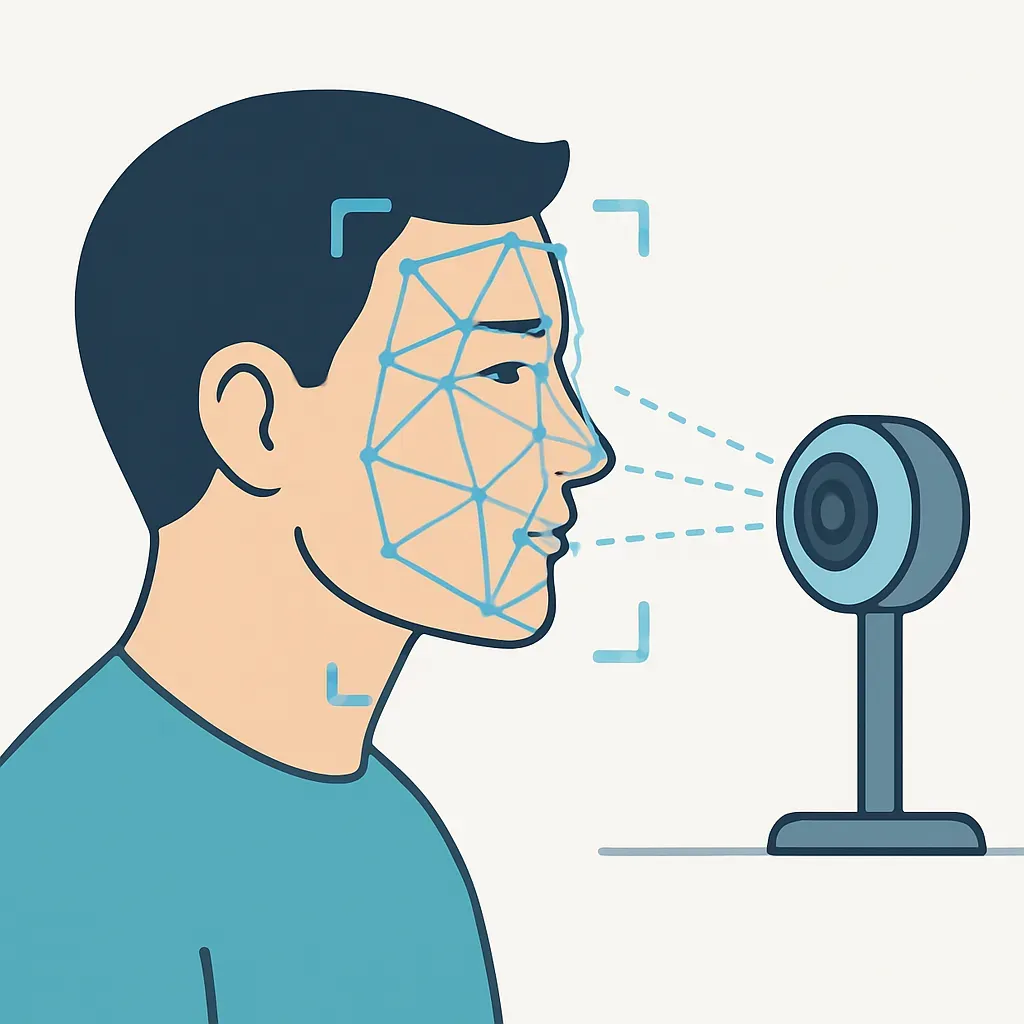
The artificial intelligence behind "How Normal Am I" follows the same pipeline as most facial-analysis software. Understanding each stage removes the mystery and reveals how fragile these judgments are.
1. Face Detection and Landmark Mapping
First, the system locates your face and plots dozens of landmark points, the corners of your eyes, the edges of your lips, the bridge of your nose. These coordinates become the raw data for every later prediction.
2. Feature Extraction
Next, a neural network converts those landmarks and pixel patterns into a mathematical "faceprint." This numerical signature is what the model compares against patterns it learned during training.
3. Trait Prediction and Scoring
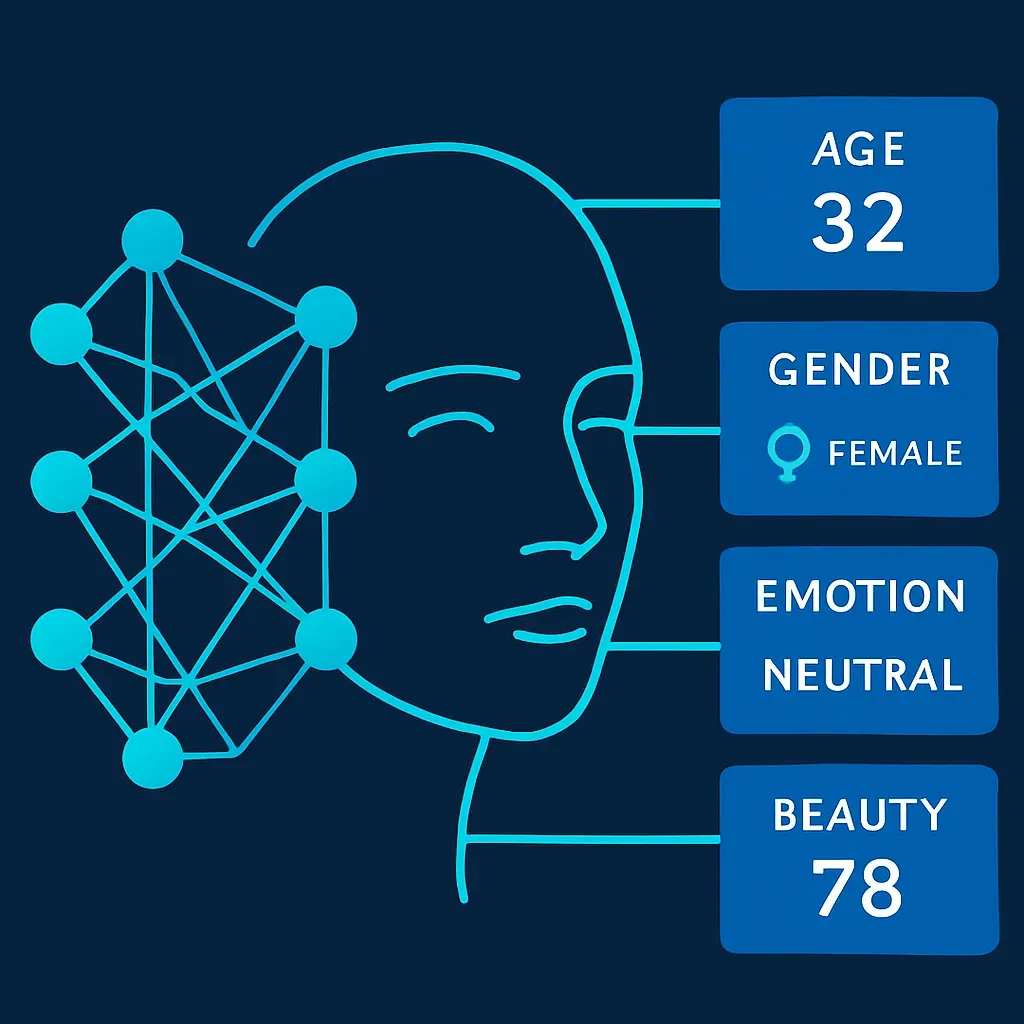
Finally, separate models guess specific traits. The test typically scores:
- Estimated age
- Perceived gender
- A beauty or attractiveness rating
- Current emotional state
- Estimated BMI and life expectancy
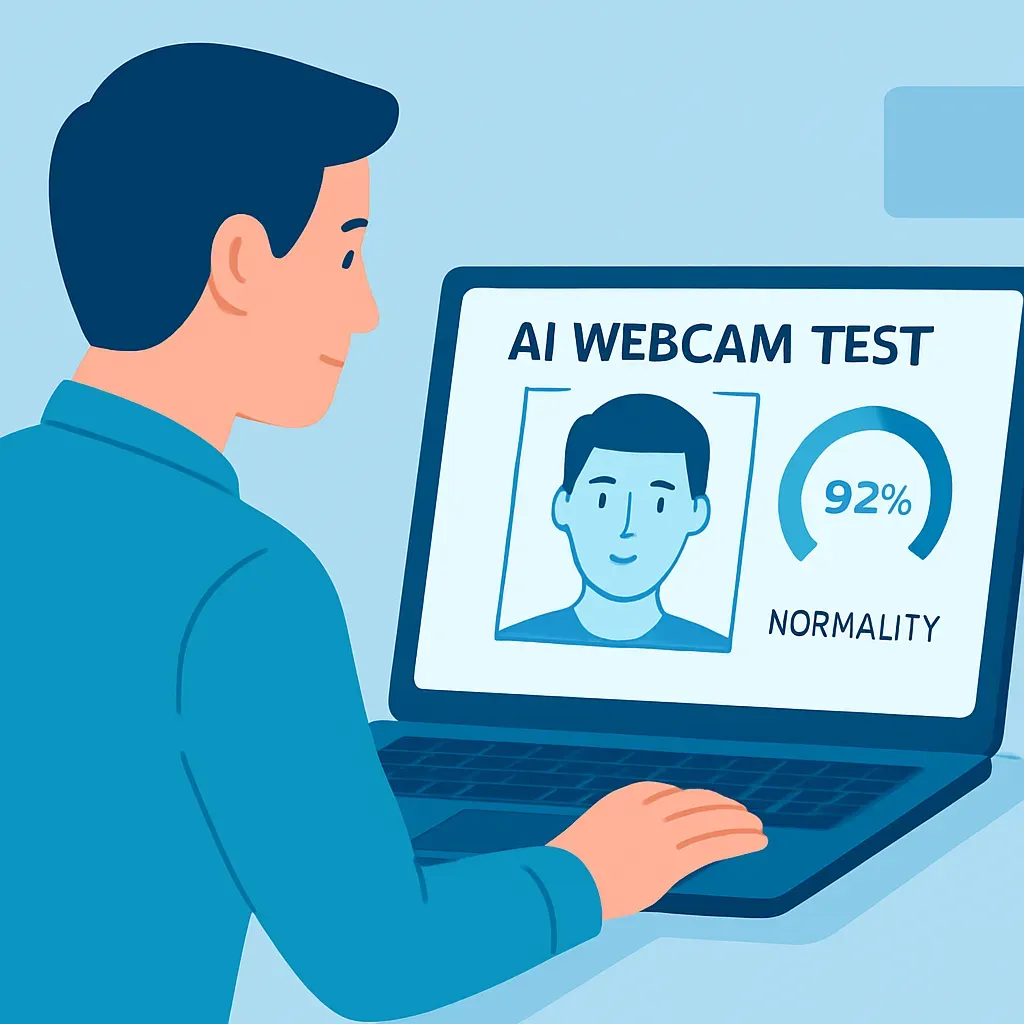
Each score is delivered with confident precision, and that false confidence is precisely the point. A machine telling you that you look "73 percent beautiful" sounds authoritative, yet it is only reflecting the biased preferences baked into its training data.
What the Experiment Reveals About AI
The genuine value of "How Normal Am I" is what it teaches about the limits of artificial intelligence. The headline lesson is that "normal" is not a scientific category, it is a statistical average pulled from whoever happened to be in the training data.
This matters because face-scoring AI is already widespread. According to a U.S. Government Accountability Office report, the majority of federal agencies surveyed used some form of facial recognition technology, and adoption across private industry has grown even faster. Meanwhile, the landmark MIT Media Lab "Gender Shades" study found that commercial facial-analysis tools misclassified the gender of darker-skinned women up to 34.7 percent of the time, compared with an error rate under 1 percent for lighter-skinned men.
Those two facts together expose the core risk: powerful, error-prone systems are making consequential judgments about people at scale. If you want to build or deploy these systems responsibly, partnering with experienced engineers through dedicated artificial intelligence services is far safer than trusting an off-the-shelf model blindly.
How "How Normal Am I" Compares to Commercial Face AI
Not all face-scoring tools are built with the same intentions. The table below compares Schep's educational experiment with typical commercial systems.
| Feature | How Normal Am I | Typical Commercial Face AI |
|---|---|---|
| Primary goal | Education and awareness | Profit and automated decisions |
| Data location | Runs locally in your browser | Often sent to remote servers |
| Stores your face | No | Frequently Yes |
| Transparency | Fully explained to user | Usually hidden |
| Cost to user | Free | Embedded in products |
| Consent clarity | Explicit and clear | Often unclear |
The contrast is striking. The experiment was engineered to protect you, while many commercial tools were engineered to extract value from you.
The Privacy Truth Behind the Test
One reason "How Normal Am I" earns trust is its privacy design. The artificial intelligence runs entirely inside your browser, your webcam footage never leaves your computer, and nothing is uploaded or stored. This is the gold standard for ethical AI, and it is deliberately rare.
Most commercial face-scanning happens without that courtesy. Your image can be transmitted, stored, and reused to train future models, often buried in terms of service that almost nobody reads. Research consistently shows users dramatically underestimate how much facial data is collected about them in everyday apps and public spaces.

The practical takeaway is simple: before you let any tool scan your face, ask where the data goes. If the answer is not "nowhere, it stays on your device," treat every score as a permanent record that could outlive your control.
AI Bias and Why "Normal" Is a Flawed Idea
The deepest insight from this experiment is that algorithmic "normality" is a mirror of human prejudice, not an objective measurement. An AI model learns beauty, age, and emotion from labeled examples, and those labels carry the cultural biases of the people who created them.
When a dataset overrepresents certain ethnicities, ages, or body types, the model treats that majority as the default and everyone else as a deviation. This is how bias becomes automated discrimination. A hiring tool might rate an unconventional face as less "employable," or an insurance model might penalize someone for a predicted life expectancy built on flawed correlations.
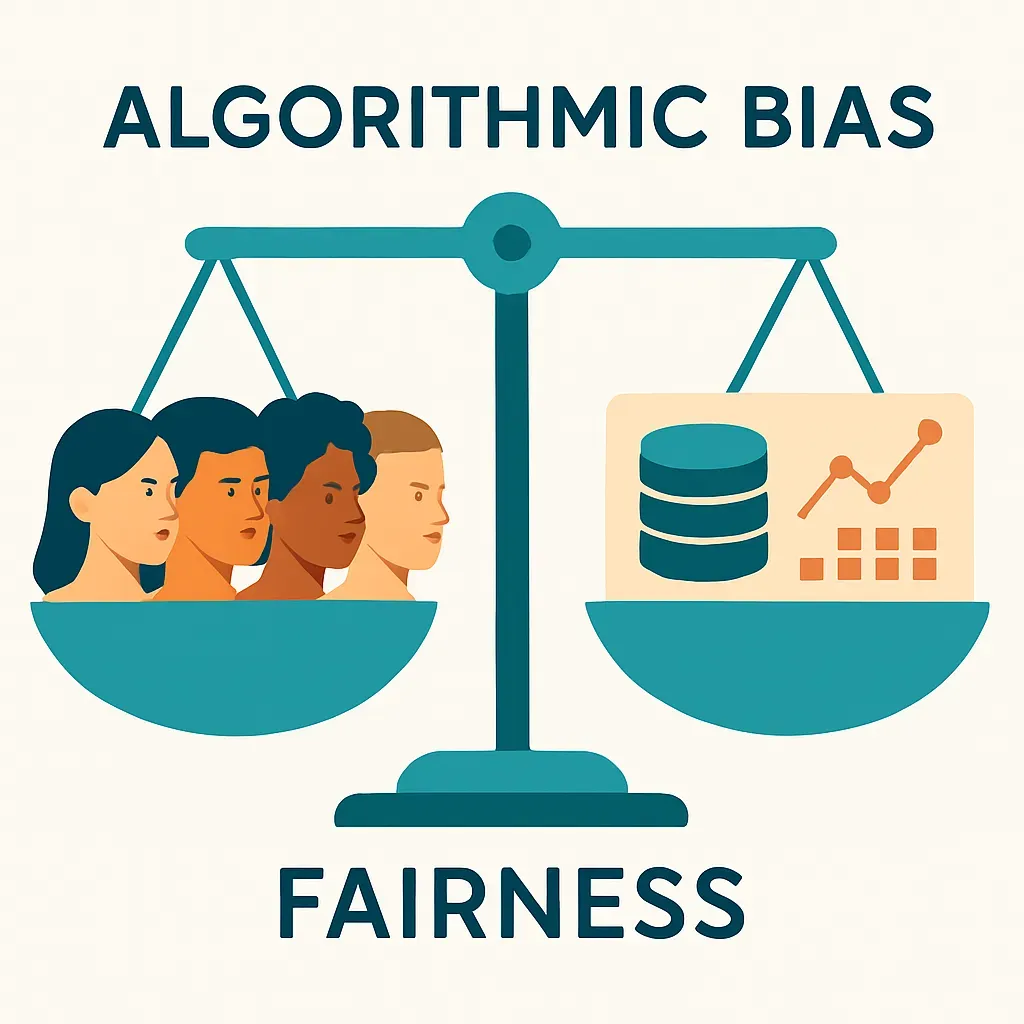
Key principle: A model is only as fair as its training data. If the inputs are biased, the outputs will be confidently, scalably biased too.
This is why responsible AI development requires diverse datasets, ongoing audits, and human oversight, not just impressive accuracy numbers on a benchmark.
How to Protect Yourself From Facial Analysis AI
You cannot opt out of every system, but you can meaningfully reduce your exposure. Based on practical security work, here are the steps that actually matter:
- Cover or disable webcams you are not actively using.
- Read camera and photo permissions before installing apps, and deny access by default.
- Prefer tools that process data on-device rather than in the cloud.
- Avoid uploading high-resolution face photos to novelty "AI rating" apps.
- Use privacy-respecting browsers and block third-party trackers.
- Exercise your data rights under regulations like the GDPR to request deletion.

None of these steps make you invisible, but together they shrink the amount of facial data available to be scored, sold, or misused.
The Future of Ethical AI
"How Normal Am I" points toward the kind of artificial intelligence we should demand: transparent, consent-based, and accountable. The regulatory direction agrees. The EU AI Act now classifies many biometric and emotion-recognition systems as high risk, requiring strict oversight, and similar rules are emerging worldwide.
For businesses, this is an opportunity rather than a burden. Building trustworthy AI, with explainable outputs and privacy by design, is becoming a competitive advantage. Teams at ZoneTechify and WebPeak increasingly help organizations adopt AI that customers can actually trust, because trust is now a product feature, not an afterthought.
Key Takeaways
- "How Normal Am I" is a free, browser-based AI experiment by Tijmen Schep that scores your face to expose how face-analysis AI works.
- The test runs locally, stores nothing, and never uploads your webcam footage, a model of ethical design.
- The MIT "Gender Shades" study found error rates up to 34.7 percent for darker-skinned women, proving facial AI is far from neutral.
- "Normal" is a statistical average shaped by biased training data, not an objective truth.
- Protecting yourself means controlling camera permissions, favoring on-device tools, and exercising data rights.
- Ethical, transparent AI is now both a legal expectation and a business advantage.
Frequently Asked Questions (FAQ)
Is How Normal Am I safe to use?
Yes, it is one of the safest AI face tests available. The artificial intelligence runs entirely inside your browser, your webcam video never leaves your device, and nothing is uploaded or stored. It was built as an educational privacy project, not a data-collection tool, so your face stays under your control.
Does How Normal Am I store my face or photos?
No. The experiment processes everything locally on your computer and saves nothing. Unlike many commercial face-scanning apps that send images to remote servers, this project was specifically designed so that no facial data is transmitted, recorded, or reused for training future models.
Are the age and beauty scores accurate?
Not really, and that is the point. The scores are statistical guesses drawn from biased training data, not objective facts. A confident-looking number like "68 percent attractive" simply reflects the preferences baked into the dataset, which is exactly the flaw the experiment wants you to notice.
Why does the AI judge how normal I am?
The test highlights that AI systems constantly compare people to a statistical average and flag anyone different as "abnormal." This matters because real-world algorithms in hiring, insurance, and lending make similar judgments, often unfairly penalizing people who fall outside the data majority.
Who created How Normal Am I?
Dutch technology critic and filmmaker Tijmen Schep created it as part of the EU-supported Sherpa project on AI ethics. His goal was to make complex facial-recognition issues understandable to the public by letting people experience algorithmic judgment firsthand in a safe, transparent way.
Final Thoughts
"How Normal Am I" works because it turns an abstract debate into a personal experience. Within minutes, you feel what it is like to be quantified by an algorithm that has no real understanding of who you are. That discomfort is the lesson. Artificial intelligence will keep scoring faces, but you now know how it works, why those scores are biased, and how to protect yourself. Use that knowledge, and demand AI that respects the people it measures.