A practical, evidence-based research agenda for generative AI in software engineering, covering code generation, testing, evaluation, security, and human-AI collaboration.
Generative Artificial Intelligence for Software Engineering: A Research Agenda
Generative artificial intelligence has moved from research labs into the daily workflow of millions of developers. Tools that autocomplete functions, explain unfamiliar code, and draft entire modules are now embedded in the editors engineers open every morning. Yet the excitement around these systems has outpaced our understanding of how they should be studied, measured, and trusted. A clear research agenda is what turns hype into durable engineering practice.
This article lays out a practical, evidence-based research agenda for generative AI in software engineering. Drawing on published industry studies and hands-on experience deploying these tools across real codebases, it covers where the technology genuinely helps, where it fails quietly, and which open questions the next decade of research must answer. Whether you lead an engineering team or study these systems academically, you will leave with a structured way to think about the field.
Quick Answer: Generative AI for software engineering uses large language models to help write, test, review, and maintain code. A research agenda organizes open questions around quality, security, evaluation, and human-AI collaboration so teams can adopt these tools reliably instead of treating them as unproven novelties.
What Is Generative AI for Software Engineering?
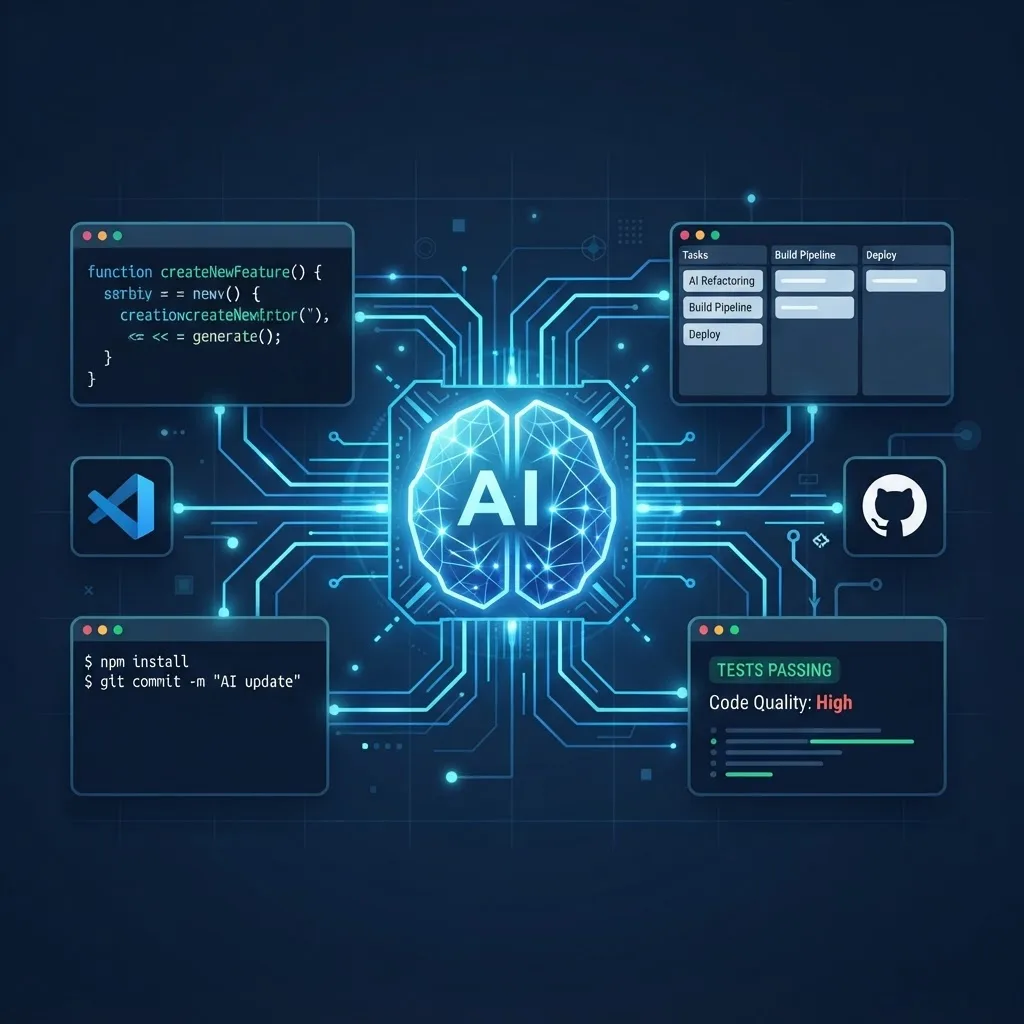
Generative AI for software engineering refers to systems, usually built on large language models (LLMs), that produce software artifacts from natural language or code context. These artifacts include source code, unit tests, documentation, commit messages, bug fixes, and architectural suggestions.
Unlike traditional static analysis or rule-based automation, generative models learn statistical patterns from vast corpora of public and private code. This lets them generalize to unfamiliar problems, but it also means their output is probabilistic rather than guaranteed correct. Understanding that distinction is the foundation of any serious research agenda.
In practice, these systems operate through a prompt-and-response loop enriched with context such as the current file, related modules, and sometimes the entire repository. The richer and more relevant that context, the better the output. This is why the same model can feel brilliant on a small script yet unreliable on a sprawling enterprise system.
Why a Research Agenda Matters Now
Adoption has already crossed the tipping point, which makes rigorous study urgent rather than optional. According to GitHub, developers using its AI pair programmer completed tasks up to 55% faster in controlled experiments, and the company reports that AI now assists in generating a large share of code on its platform. Meanwhile, Stack Overflow's 2024 Developer Survey found that over 60% of developers already use AI tools in their development process.
Speed alone, however, is a misleading metric. Faster code that introduces security flaws or technical debt can cost far more than it saves. A research agenda forces the community to ask harder questions: Is the generated code correct? Is it secure? Does it degrade over time? Do developers actually understand what they ship? Companies such as ZoneTechify and WebPeak increasingly build these questions into their delivery process rather than bolting them on afterward.
There is also an organizational dimension. When a tool changes how thousands of engineers work simultaneously, small quality regressions scale into large business risks. A research agenda gives leaders a vocabulary for evaluating vendors, setting adoption policy, and deciding which workflows are ready for automation and which still demand a human author.

Core Research Areas Shaping the Field
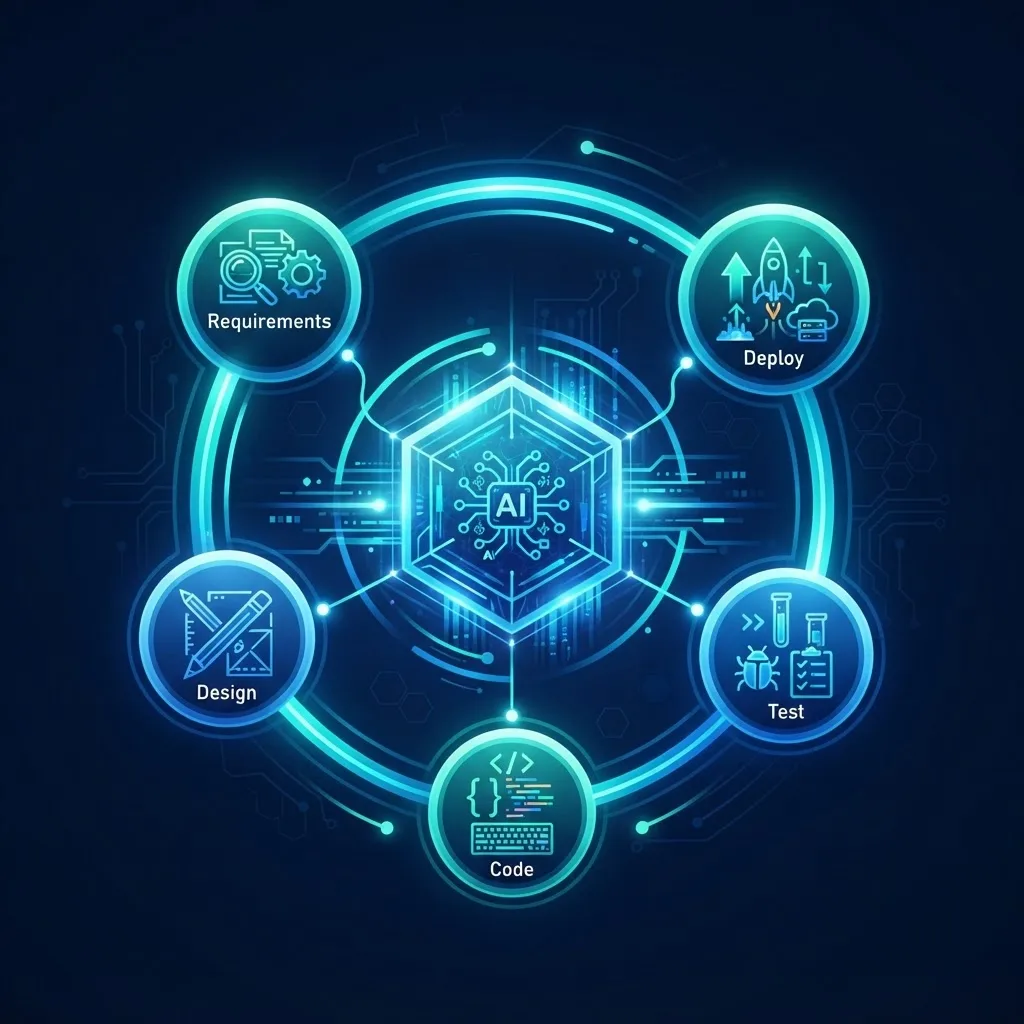
The most productive way to organize this field is around the software lifecycle itself. Each stage presents distinct research opportunities and risks, and treating them separately prevents the common mistake of judging the whole technology by a single flashy demo.
1. Code Generation and Completion
Code generation is the most mature area and the one users see first. Research here focuses on improving functional correctness, reducing hallucinated APIs, and grounding models in a project's real dependencies. The key open problem is context: models perform well on isolated snippets but struggle to respect large, interconnected codebases. Retrieval-augmented generation and repository-level context windows are the leading approaches under active investigation.
2. Automated Testing and Debugging
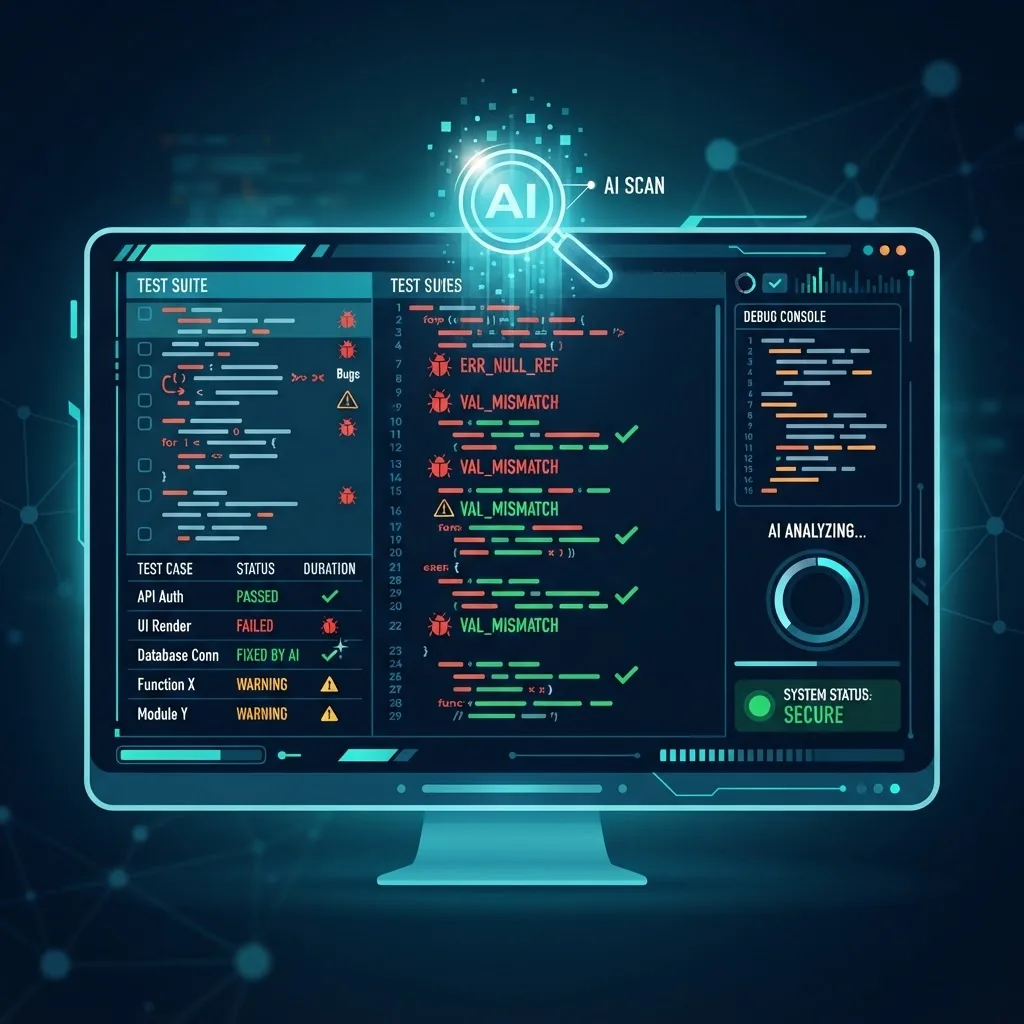
Generative models can write unit tests, reproduce bugs, and propose patches. This is arguably higher-value than raw code generation because tests act as a safety net. Research questions include how to measure test quality beyond coverage, how to avoid tests that merely confirm buggy behavior, and how to integrate AI-generated tests into continuous integration without eroding trust.
3. Requirements, Design, and Documentation
The least explored frontier is the front of the lifecycle. Translating ambiguous stakeholder requirements into precise specifications, generating architecture options, and keeping documentation synchronized with code are all promising. Because these tasks are harder to evaluate objectively, they demand new benchmarks and human-centered study methods.
Traditional vs Generative-AI-Assisted Software Engineering
The table below summarizes how generative AI shifts common engineering activities. It is not that AI removes the activity, but that the human role moves from author to reviewer and director.
| Activity | Traditional Approach | GenAI-Assisted Approach |
|---|---|---|
| Writing boilerplate | Manual, repetitive | Drafted by model, reviewed by developer |
| Test creation | Written after code | Generated alongside code |
| Debugging | Manual trace and fix | Model proposes candidate fixes |
| Documentation | Often outdated | Auto-drafted, human-verified |
| Onboarding | Read docs and code | Ask the model to explain code |
| Quality risk | Human error | Plausible but incorrect output |
Key Research Challenges and Open Problems
Several challenges cut across every lifecycle stage and define the hardest parts of the agenda.
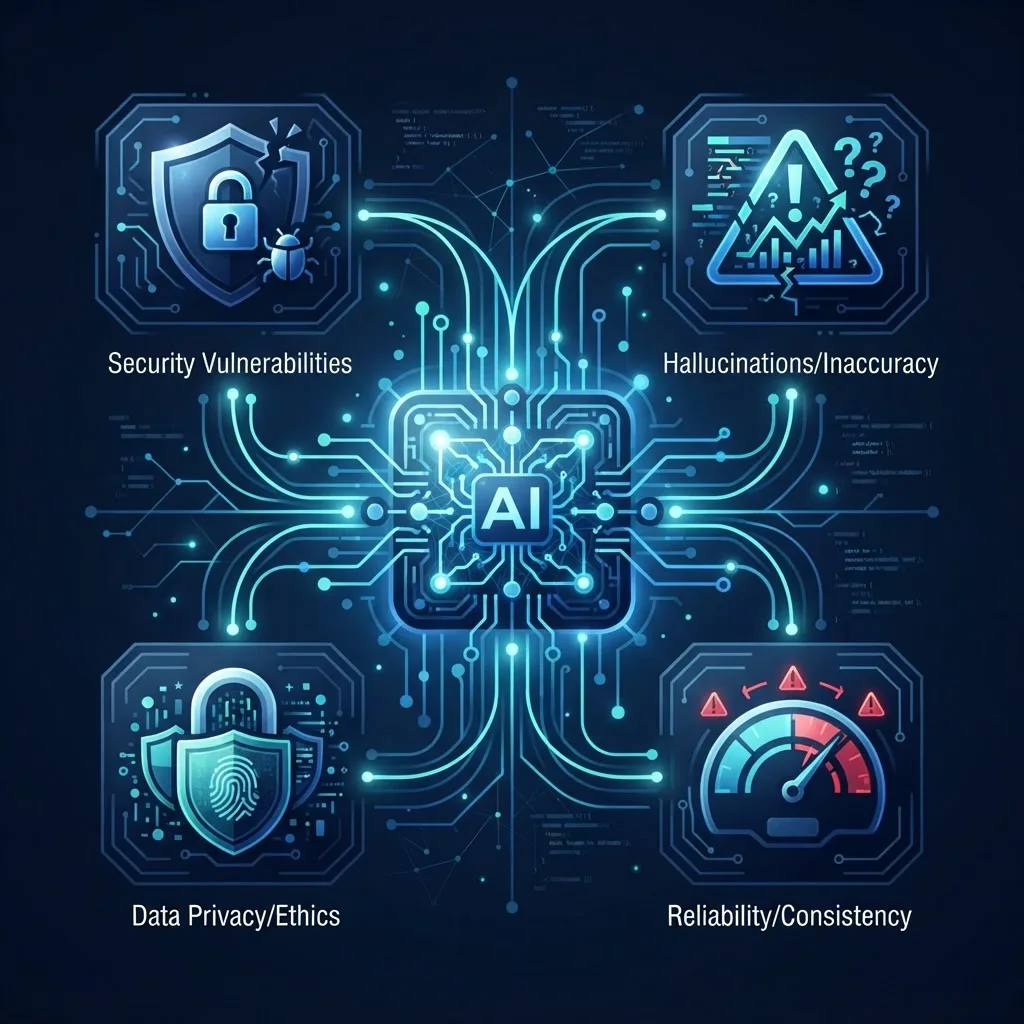
- Correctness and hallucination: Models can invent function names, misuse APIs, or produce code that compiles but behaves incorrectly. Reliable verification remains unsolved.
- Security: Studies have shown that AI assistants can reproduce insecure patterns from training data. Research into secure-by-default generation and automated vulnerability scanning is essential.
- Evaluation: Benchmarks like HumanEval measure narrow correctness but poorly reflect real projects. The field needs evaluation that captures maintainability, security, and long-term impact.
- Trust and over-reliance: When developers accept suggestions uncritically, subtle defects slip through. Understanding calibrated trust is a human-factors research priority.
- Data provenance and licensing: Generated code may echo licensed material, raising legal and ethical questions that research must clarify.
Measuring Impact: Productivity and Quality
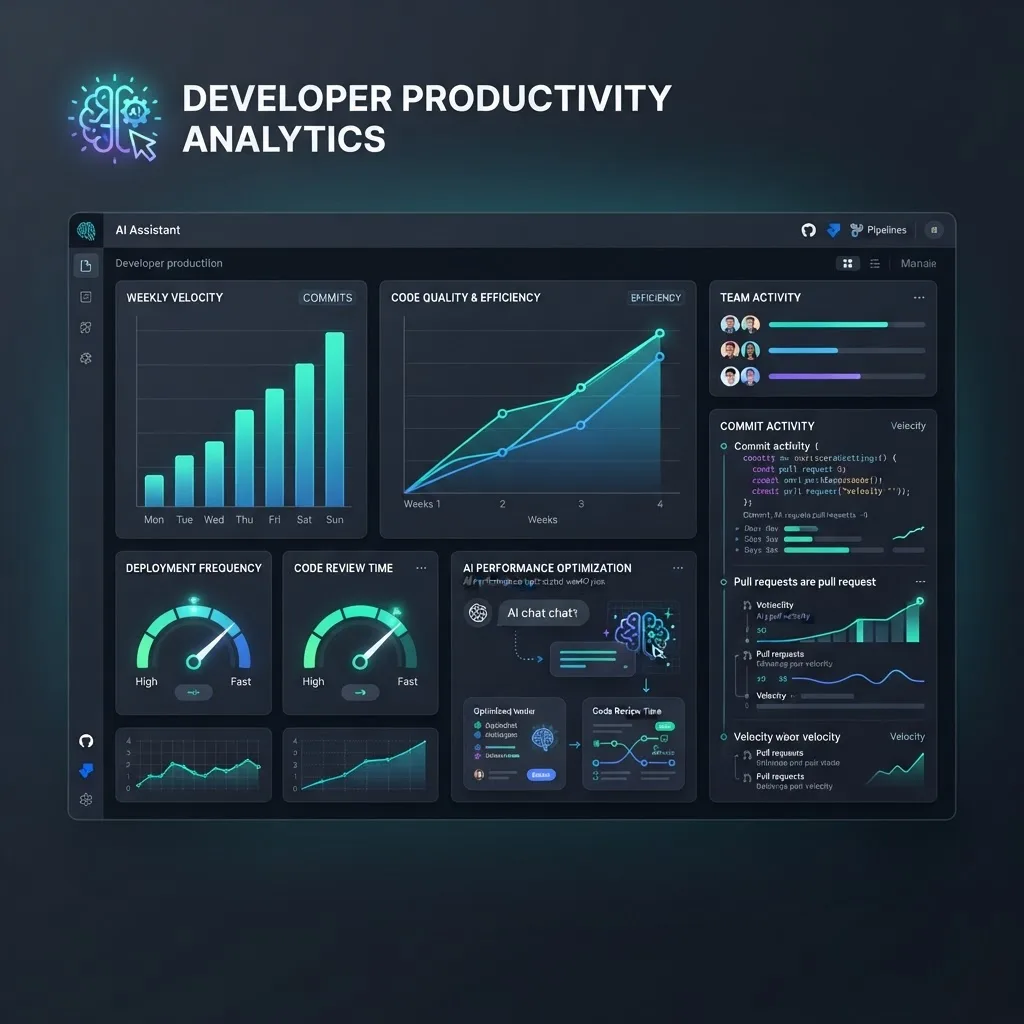
A recurring mistake is measuring only how fast developers move. A mature research agenda balances four dimensions: velocity, quality, security, and developer experience. Velocity gains are meaningless if defect rates climb or if engineers report cognitive fatigue from constant review.
Practical measurement requires longitudinal study. A team might ship faster in week one but accumulate review burden and technical debt by month three. Instrumenting real projects, not just controlled lab tasks, is where the most credible evidence will come from. Teams offering AI engineering services are well positioned to gather this kind of production data responsibly.
Equally important is guarding against metric gaming. If a team is rewarded purely for acceptance rate of AI suggestions, engineers may accept low-value completions to hit targets. Good measurement ties AI usage back to outcomes that matter to users: fewer incidents, faster recovery, and software that stays maintainable over years.
A Practical Research Agenda You Can Act On
If you are building or studying these systems, the following priorities offer a concrete starting point.
- Build lifecycle-wide benchmarks that test more than snippet correctness, including security and maintainability.
- Invest in repository-level context so models respect real project structure and conventions.
- Study human-AI collaboration to design interfaces that encourage review rather than blind acceptance.
- Prioritize security research with automated detection of insecure generated patterns.
- Measure long-term outcomes through longitudinal studies in production, not one-off experiments.
- Establish provenance standards so generated code can be traced and licensed responsibly.

Key Takeaways
- Generative AI for software engineering spans the entire lifecycle, from requirements to maintenance, not just code completion.
- GitHub reports task completion up to 55% faster with AI assistance, but speed must be balanced against quality and security.
- Over 60% of developers already use AI tools, per Stack Overflow's 2024 survey, making rigorous evaluation urgent.
- The biggest open problems are correctness, security, realistic evaluation, and calibrated human trust.
- A credible research agenda measures long-term outcomes in production, not just controlled lab benchmarks.
Frequently Asked Questions (FAQ)
What does generative AI actually do in software engineering?
It generates software artifacts such as code, tests, documentation, and bug fixes from natural language prompts or existing code context. Built on large language models, it accelerates routine work and helps developers explore solutions, though its probabilistic output always requires human review before shipping to production.
Is AI-generated code safe to use in production?
It can be, but only with careful review. AI models sometimes reproduce insecure patterns or introduce subtle bugs that compile cleanly. Treat generated code like a junior developer's pull request: run tests, perform security scans, and have an experienced engineer verify it before merging into a live system.
Will generative AI replace software engineers?
No. Current evidence points to augmentation, not replacement. AI shifts the engineer's role from writing every line to directing, reviewing, and validating output. Judgment, system design, security thinking, and understanding business context remain firmly human responsibilities that today's generative models cannot reliably perform on their own.
How do we measure if AI tools improve software quality?
Look beyond speed. Track defect rates, security vulnerabilities, code maintainability, and developer experience over months, not days. Controlled lab experiments show quick wins, but longitudinal studies in real projects reveal whether those gains hold once review burden and technical debt are accounted for honestly.
What are the biggest research gaps right now?
The largest gaps are realistic evaluation benchmarks, repository-level context handling, secure-by-default generation, and understanding human trust. Existing benchmarks measure narrow snippet correctness, which poorly reflects real codebases. Closing these gaps is the core of any serious research agenda for generative AI in software engineering.
Final Thoughts
Generative AI is reshaping how software gets built, but enthusiasm without evidence is risky engineering. A disciplined research agenda, one that measures correctness, security, and long-term quality alongside speed, is how teams convert a promising tool into dependable practice. Approach these systems as powerful collaborators that still need human judgment, and the field will mature responsibly.