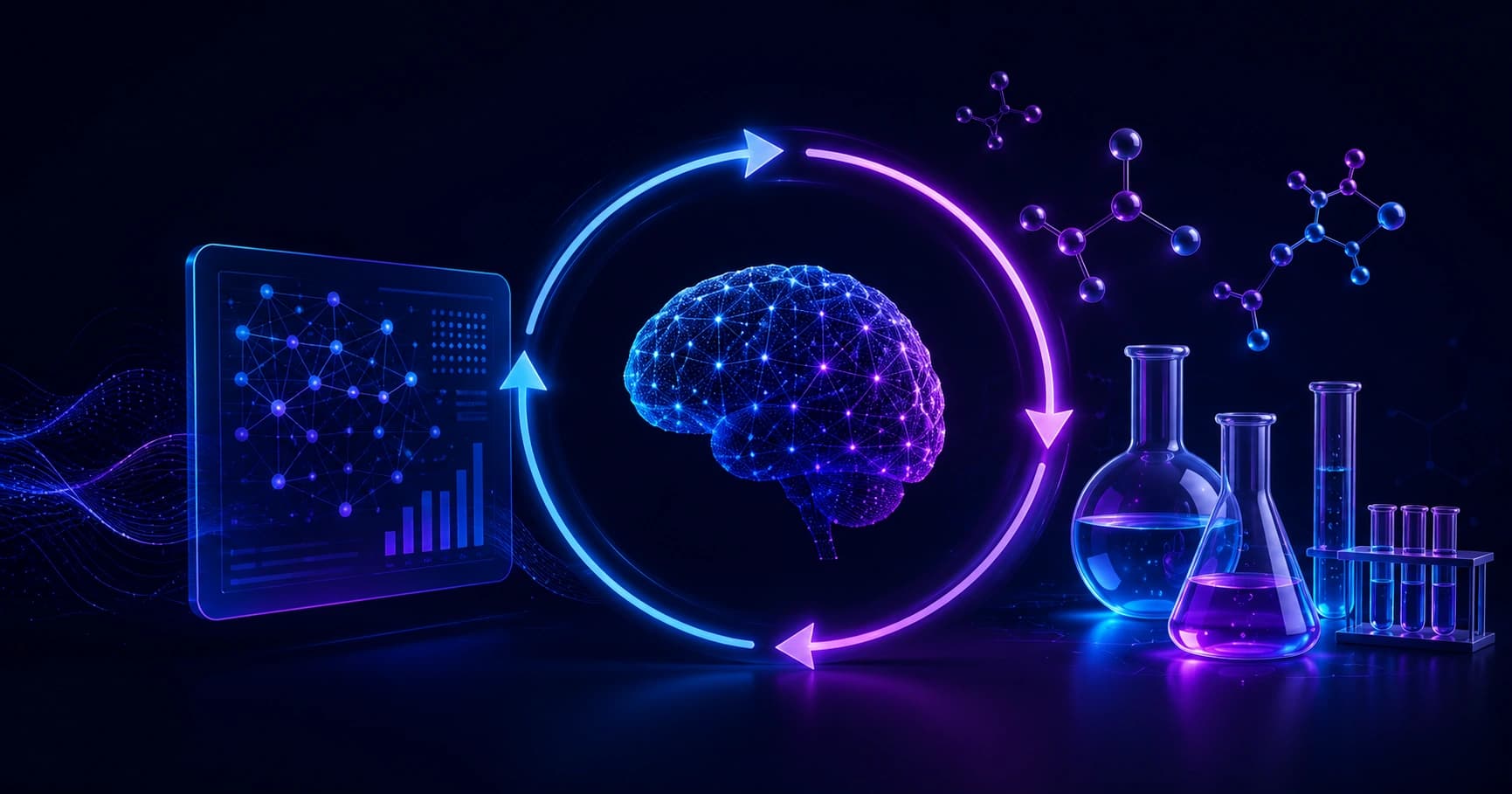
Discover how closed loop transfer lets artificial intelligence run, analyze, and refine experiments to yield real, transferable chemical knowledge fast.
Closed Loop Transfer Enables Artificial Intelligence to Yield Chemical Knowledge
For decades, chemical discovery followed a slow, human-paced rhythm: hypothesize, run an experiment, wait, interpret, repeat. Closed-loop transfer changes that rhythm entirely. By wiring artificial intelligence directly into the experimental cycle, laboratories can now propose reactions, run them autonomously, learn from each outcome, and refine the next attempt, often without a scientist touching a pipette. The payoff is not merely faster experiments but genuine, transferable chemical knowledge that machines can generalize across problems.
This guide explains how closed-loop transfer works, why it matters, and what it means for research teams, drawing on real progress in autonomous laboratories and machine learning for chemistry. Whether you build software, run a lab, or lead technology strategy at a company like ZoneTechify or WebPeak, understanding this shift is now essential.
Quick Answer: Closed-loop transfer lets AI run, analyze, and refine chemistry experiments in a continuous feedback cycle. By reusing patterns learned in one task across new ones, it converts raw experimental data into transferable chemical knowledge, speeding discovery of molecules, reactions, and materials with far less manual effort.
What Is Closed-Loop Transfer in AI-Driven Chemistry?
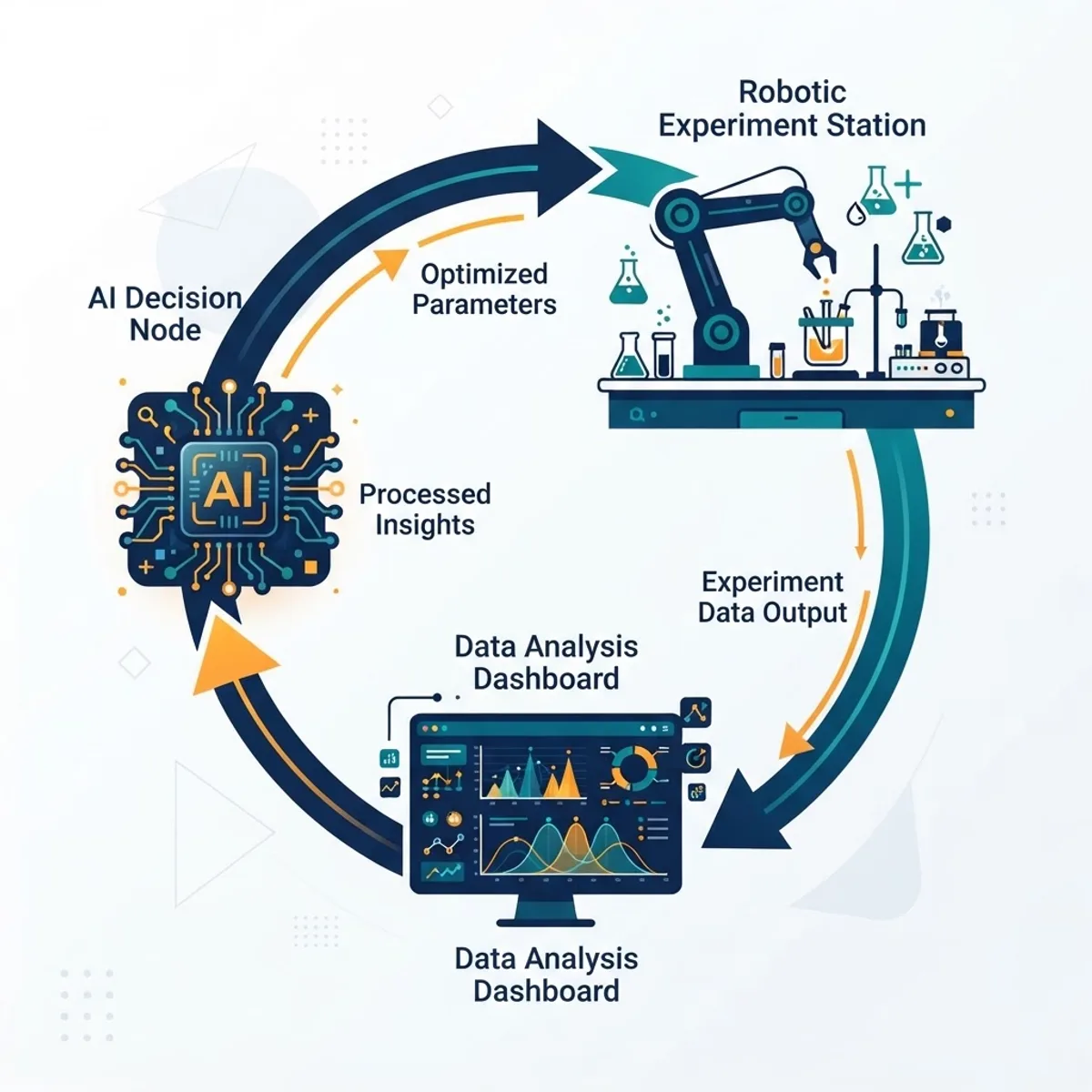
Closed-loop transfer is a research method in which an AI system controls the full experimental cycle, design, execution, measurement, and learning, while carrying knowledge gained in one setting over to new problems.
Key term: A closed loop is a system where outputs feed back in as inputs. In chemistry, experimental results directly shape the next round of experiments, with no wait for slow manual analysis.
Most machine learning in chemistry is open loop: a model trains once on a fixed dataset and then makes static predictions. Closed-loop systems are dynamic. They actively choose which experiment to run next based on which result will most reduce uncertainty, a strategy called active learning.
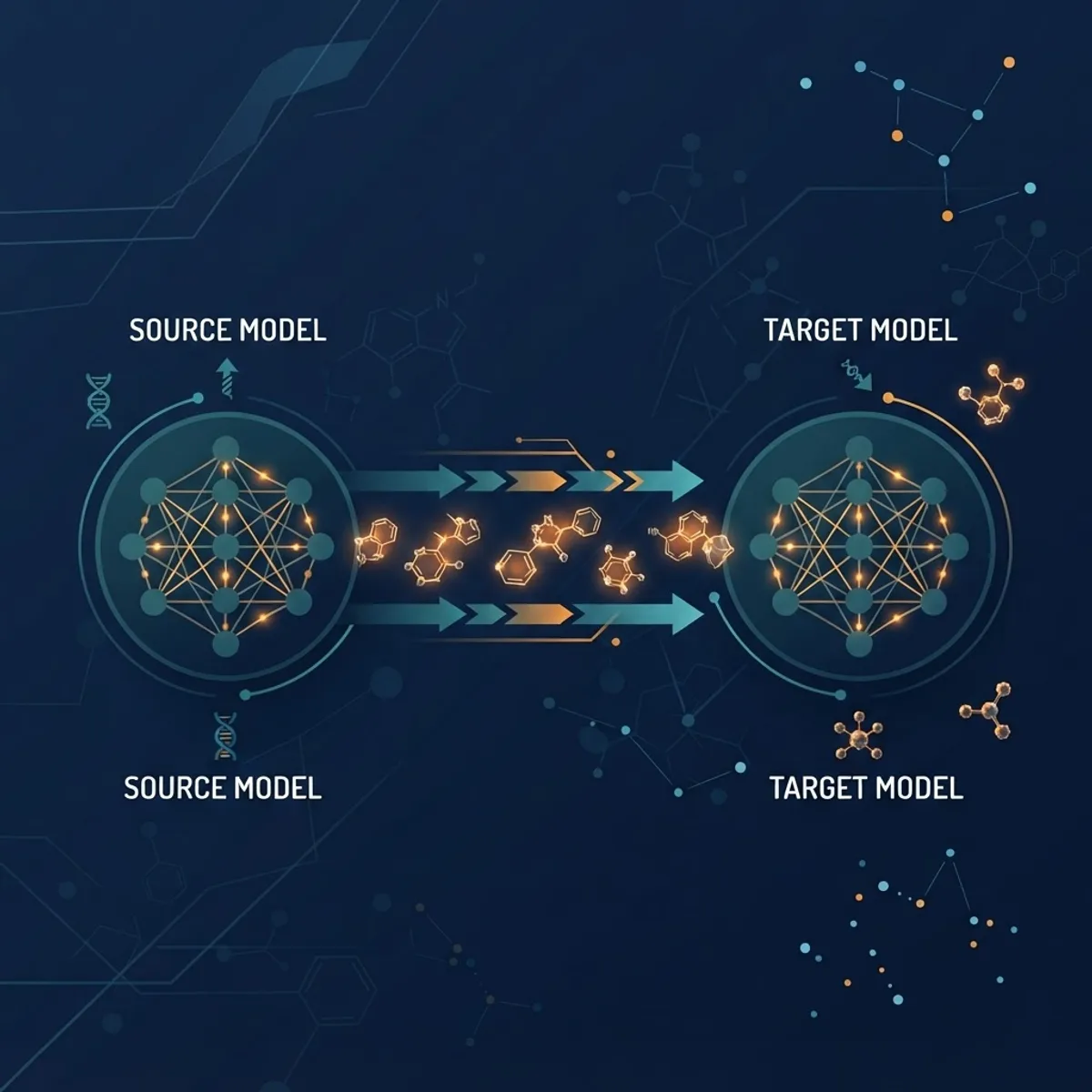
The "transfer" element is what makes recent work so powerful. Instead of restarting from zero for every new molecule or reaction, models reuse representations learned in earlier campaigns. This is transfer learning applied to physical experiments, and it is where compounding value lives.
Why This Matters Right Now
The stakes are high because experiments are expensive. According to research published in Nature, self-driving laboratories can reduce the number of experiments needed to optimize a reaction by up to tenfold compared with traditional trial-and-error sweeps. That is the difference between a project taking months and taking days.
There is also a data problem. Chemistry generates vast, messy datasets, and industry surveys estimate that scientists spend more than half their time on data handling rather than discovery. Closed-loop systems automate that overhead, letting expertise focus where it counts. For research-driven businesses, that efficiency compounds: faster cycles mean shorter time-to-market for new materials and lower R&D spend, turning a scientific advantage into a commercial one.
How the Closed Loop Actually Works
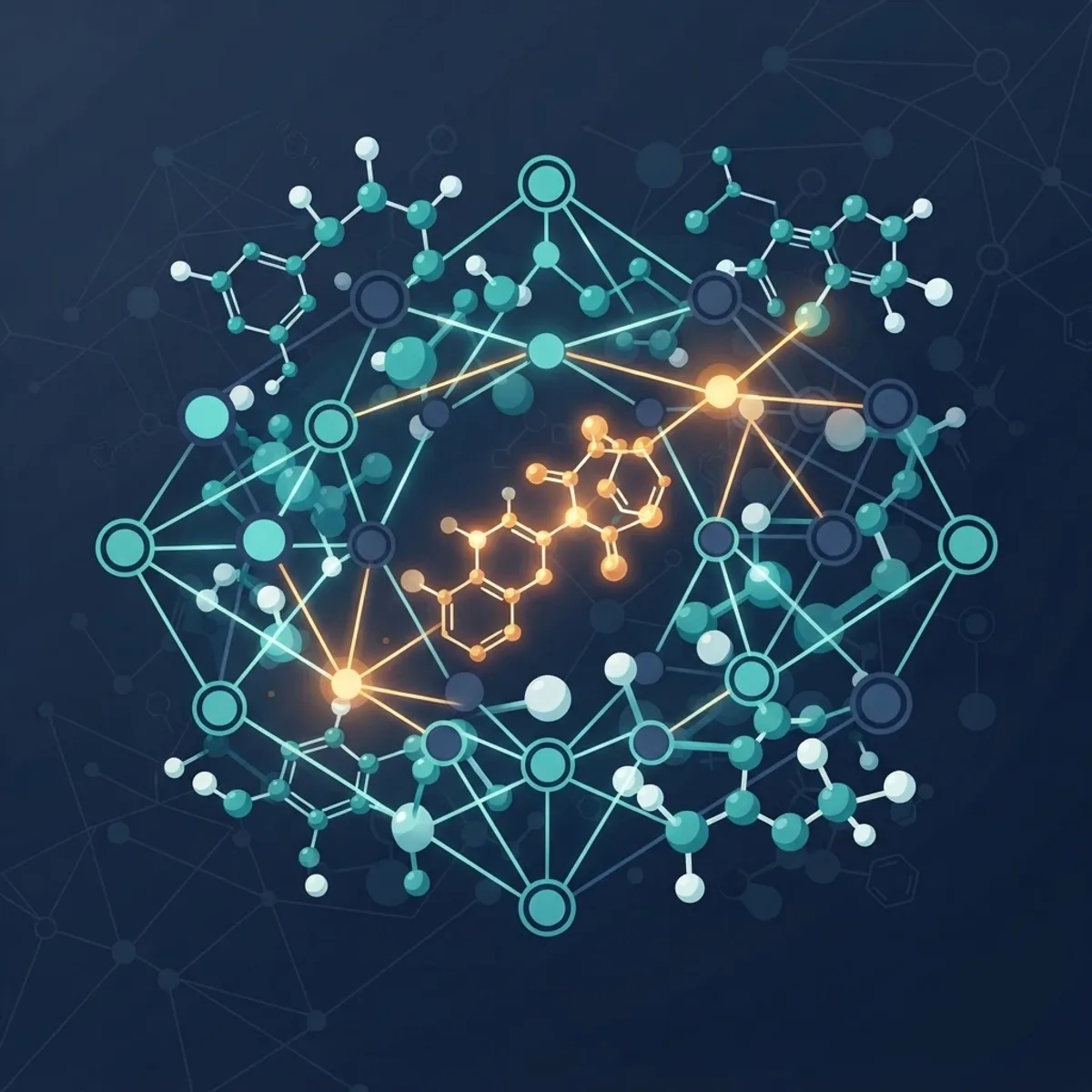
A closed-loop chemistry system runs a repeating cycle. Each turn tightens the model's understanding and moves toward the goal, whether that is higher yield, greater stability, or a novel property.
- Propose: The AI suggests candidate experiments using a model of what it currently believes about the chemical space.
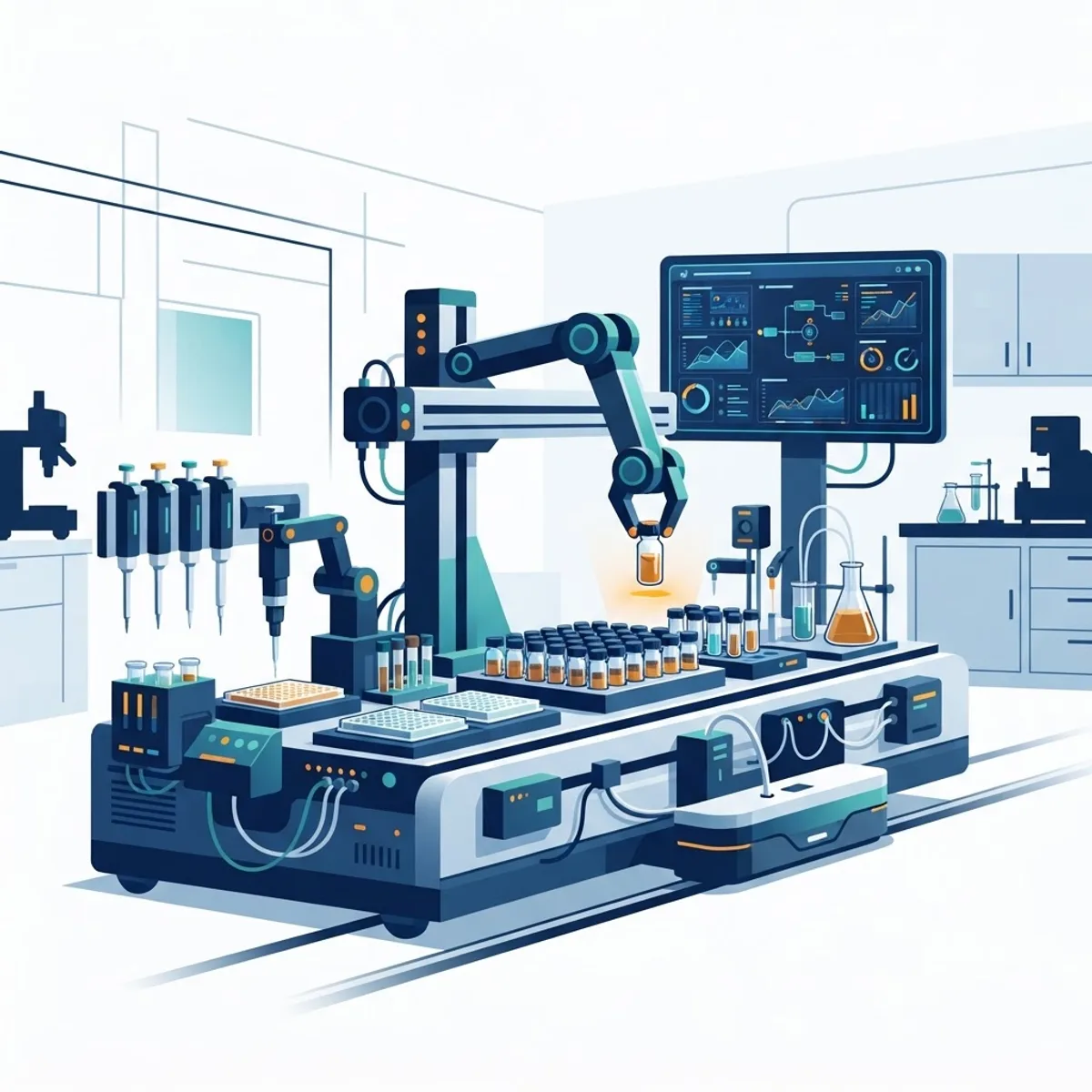
- Execute: Robotic hardware, or a human following instructions, runs the chosen experiment under controlled conditions.
- Measure: Instruments capture outcomes such as yield, spectra, or reaction rate, and feed them back as structured data.
- Learn: The model updates, sharpening predictions and re-ranking which experiment to try next.
- Transfer: Learned representations are stored and reused when a related problem appears, so the system starts smarter each time.
The real leverage is in step five. Without transfer, every campaign is an island. With it, a lab that has optimized one class of catalysts brings that hard-won intuition to the next, exactly as an experienced chemist would.
From Data to Knowledge: The Transfer Advantage
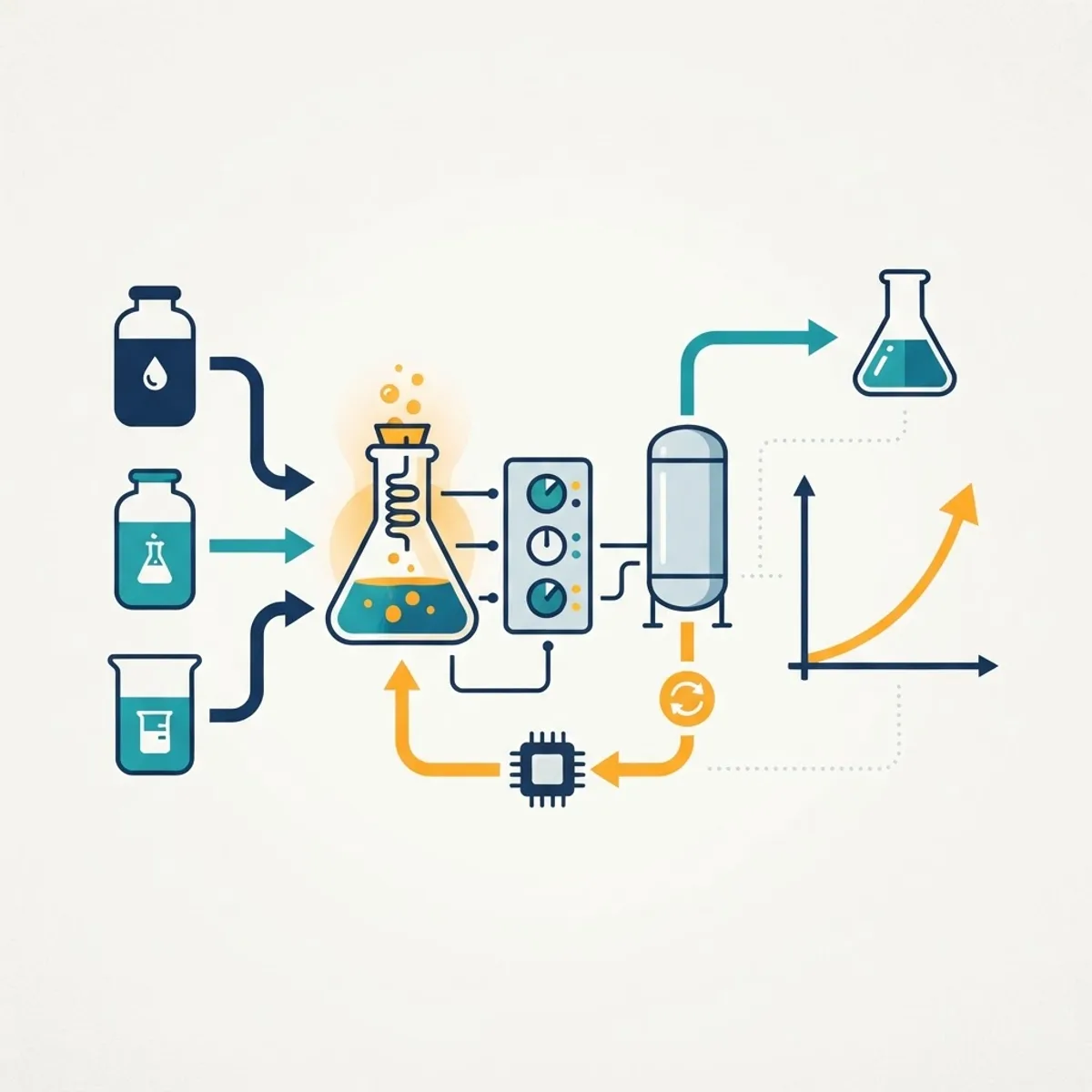
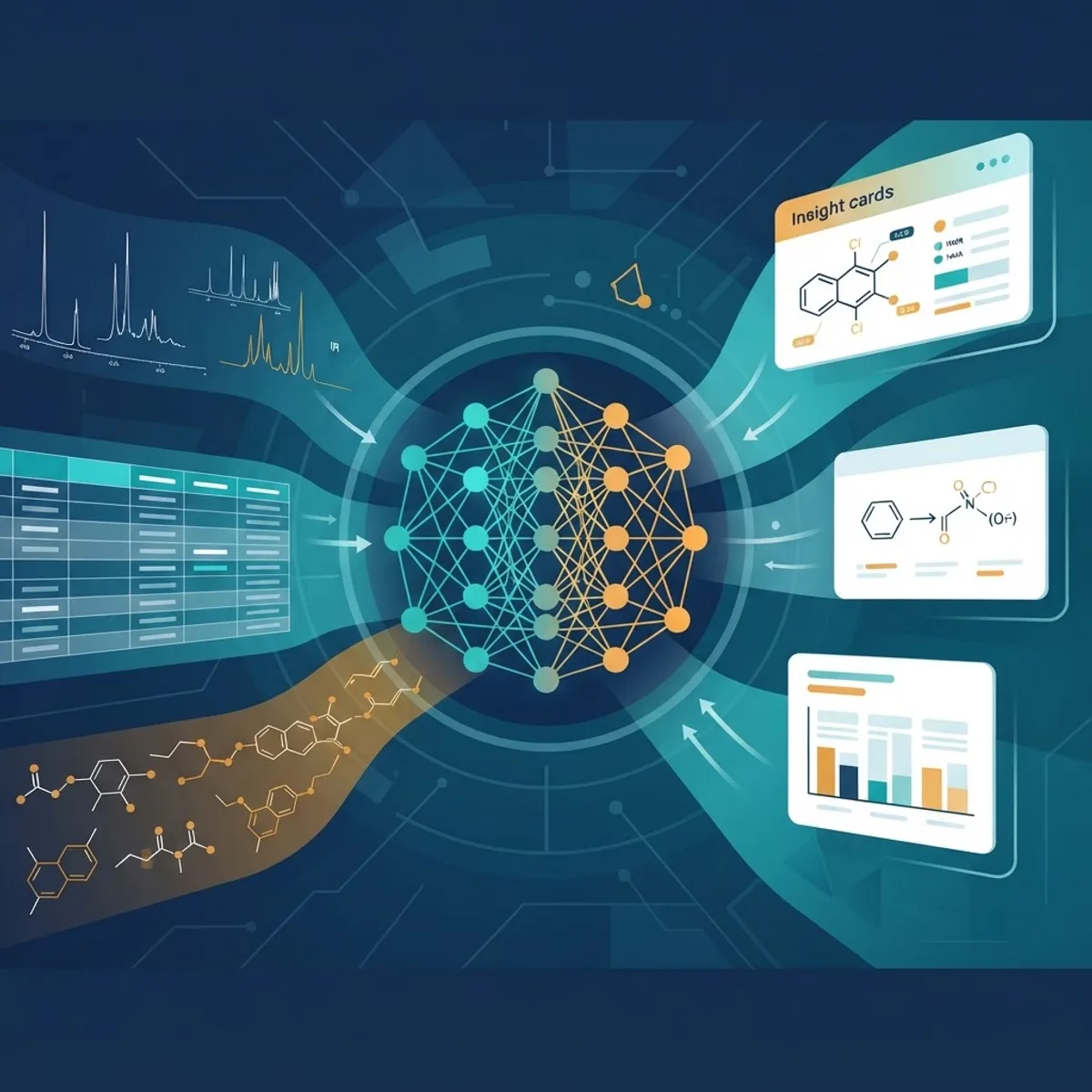
Data is not the same as knowledge. A spreadsheet of reaction yields is data; understanding why certain structures react as they do is knowledge. Closed-loop transfer is designed to cross that gap.
When a model reuses learned features, such as how a molecular fingerprint relates to solubility, it needs far fewer new data points to reach a confident prediction. Researchers describe this as improved sample efficiency, and it is the single biggest reason transfer matters for physical science, where every data point costs real time and material.
Crucially, transfer also makes rare-data problems tractable. Many valuable chemistries have only a handful of known examples, too few to train a model from scratch. Borrowing structure from a data-rich neighbor lets the system make useful predictions even in these sparse regions, opening doors that brute-force screening never could.
This is why AI in chemistry increasingly resembles the AI strategies businesses adopt elsewhere. Teams offering artificial intelligence services apply the same principle: pretrain on broad data, then fine-tune on a narrow problem to get accurate results quickly and affordably.
Traditional vs Closed-Loop Transfer: A Comparison
The table below contrasts the conventional workflow with a closed-loop transfer approach.
| Factor | Traditional Research | Closed-Loop Transfer |
|---|---|---|
| Experiment selection | Manual intuition and grid search | AI-guided active learning |
| Speed | Weeks to months per campaign | Hours to days |
| Knowledge reuse | Low, mostly in a scientist's head | High, encoded in reusable models |
| Data efficiency | Many experiments needed | Far fewer via transfer |
| Human role | Runs every step | Sets goals and reviews insight |
| Reproducibility | Variable | Consistent and logged |
The right column is not science fiction. Platforms combining robotics with active learning already run this way in materials and drug discovery labs worldwide.
Real-World Applications
Closed-loop transfer is producing measurable results across several fields, each with costly, repetitive experiments ripe for automation.
- Drug discovery: Autonomous platforms screen and refine candidate molecules, prioritizing those most likely to bind a target.
- Battery and materials research: Self-driving labs optimize electrolytes and catalysts, hunting for higher performance and stability.
- Green chemistry: Systems search for reaction conditions that cut waste, energy use, and hazardous byproducts.
- Process optimization: Manufacturers tune reaction parameters to raise yield while lowering cost.
In each case the loop delivers not just an answer but a reusable model, an asset that keeps paying dividends on future projects.
Challenges and Limitations
Closed-loop transfer is powerful, but it is not a magic wand. Being honest about its limits is part of using it responsibly.
Data quality: Transfer only helps when source and target problems genuinely relate. Reusing a model across unrelated chemistries can mislead, a failure known as negative transfer.
Hardware cost: Robotic labs require significant upfront investment, though cloud-connected shared facilities are steadily lowering that barrier.
Interpretability: A model can find a great reaction without explaining why. Turning predictions into human-understandable principles remains an active research frontier.
Safety and trust: Autonomous systems handling reactive chemicals need rigorous guardrails, monitoring, and continuous human oversight.
How Teams Can Apply Closed-Loop Thinking
You do not need a robotic lab to benefit from the closed-loop mindset. The core discipline, decide, act, measure, and feed results straight back into the next decision, applies to product development, marketing experiments, and operations alike.
Start by defining a single clear objective and a fast, honest way to measure it. Then shorten the gap between action and feedback so learning is nearly continuous. Finally, store what you learn in a form your whole team, or your models, can reuse, so knowledge transfers instead of evaporating when a project ends. That is the same principle powering modern AI chemistry, scaled to any decision-heavy workflow.
The Road Ahead
The trajectory is clear: closed loops are getting tighter, models are getting more general, and knowledge is becoming more portable. The next wave pairs closed-loop experimentation with large foundation models trained on chemical literature and data, so systems can reason about why a result occurred, not just what worked.
Expect standard, shareable formats for chemical knowledge to emerge, letting one lab's learned model bootstrap another's work. As these assets accumulate, the field moves from isolated experiments toward a connected, cumulative science, where each discovery accelerates the next.
For organizations, the lesson extends beyond the lab. The same closed-loop discipline, act, measure, learn, transfer, is transforming digital products, marketing, and operations. Building that feedback culture, supported by the right AI infrastructure, is what separates fast-moving teams from stalled ones.

Key Takeaways
- Closed-loop transfer connects AI to the full experimental cycle, letting systems propose, run, measure, and learn continuously.
- Transfer learning lets models reuse prior knowledge, dramatically improving sample efficiency in expensive physical experiments.
- Self-driving labs can cut the experiments needed to optimize a reaction by up to tenfold, according to Nature research.
- Real applications span drug discovery, batteries, green chemistry, and manufacturing.
- Key risks include negative transfer, hardware cost, limited interpretability, and safety, all requiring human oversight.
Frequently Asked Questions (FAQ)
What does closed-loop transfer mean in artificial intelligence?
It means an AI controls a full experimental cycle, proposing tests, running them, measuring results, and learning, while transferring knowledge from earlier tasks to new ones. This feedback loop lets the system improve continuously and turn raw data into reusable, transferable understanding rather than one-off results.
How does AI actually gain chemical knowledge?
AI gains chemical knowledge by learning patterns that link molecular structure to behavior, then testing predictions through real experiments. Each result updates the model. Over many cycles, and by reusing learned features across problems, the system builds general insight instead of isolated, single-use answers.
Is closed-loop transfer better than traditional lab research?
For optimization and discovery tasks it is often far faster and more data-efficient, cutting required experiments substantially. However, it depends on quality data, related problems, and reliable hardware. It complements rather than replaces skilled chemists, who set goals, interpret insight, and ensure safety throughout.
What industries benefit most from AI-driven chemistry?
Pharmaceuticals, battery and materials science, green chemistry, and chemical manufacturing benefit most. These fields run costly, repetitive experiments where AI-guided active learning and transfer learning save significant time and money, while uncovering compounds and conditions human researchers might otherwise overlook entirely.
What are the main risks of autonomous chemistry labs?
The main risks are negative transfer between unrelated problems, high hardware costs, limited model interpretability, and safety concerns around handling reactive materials. Responsible deployment requires rigorous monitoring, clear guardrails, reproducible logging, and continued human oversight of every autonomous decision the system makes.