
A complete 2026 guide to earning a Bachelor of Science in Artificial Intelligence in the Philippines, covering curriculum, top universities, admission, tuition, and careers.
Bachelor of Science in Artificial Intelligence Philippines

Artificial intelligence is no longer a distant, foreign field for Filipino students. As of 2026, a growing number of Philippine universities offer a dedicated Bachelor of Science in Artificial Intelligence (BS AI), a four-year undergraduate degree built specifically around machine learning, data science, and intelligent systems. If you are a senior high school graduate, a parent, or a career shifter trying to understand whether this degree is worth pursuing in the Philippines, this guide answers the real questions people ask before enrolling.
We have worked closely with technology teams and education stakeholders across Southeast Asia, and one thing is clear: the demand for AI-literate graduates in the Philippines is rising faster than the local talent supply. That gap is exactly why this degree exists.
Quick Answer: A Bachelor of Science in Artificial Intelligence in the Philippines is a four-year degree that trains students in machine learning, data science, programming, and intelligent systems. Offered by select universities, it prepares graduates for high-demand roles such as AI engineer, data scientist, and machine learning specialist.
What Is a Bachelor of Science in Artificial Intelligence?
A Bachelor of Science in Artificial Intelligence is an undergraduate program that focuses on designing, building, and deploying systems that can learn from data and make decisions. Unlike a general computer science degree, a BS AI concentrates heavily on machine learning algorithms, neural networks, natural language processing, computer vision, and applied data analytics.
Key term: Artificial intelligence is the branch of computer science that enables machines to perform tasks that normally require human intelligence, such as recognizing images, understanding language, and predicting outcomes.
In the Philippine context, the Commission on Higher Education (CHED) has been steadily approving specialized computing programs, and AI-focused tracks now appear either as standalone BS AI degrees or as specializations within Data Science and Computer Science programs. This flexibility matters because it means you can pursue AI education even if a pure BS AI is not offered in your region.
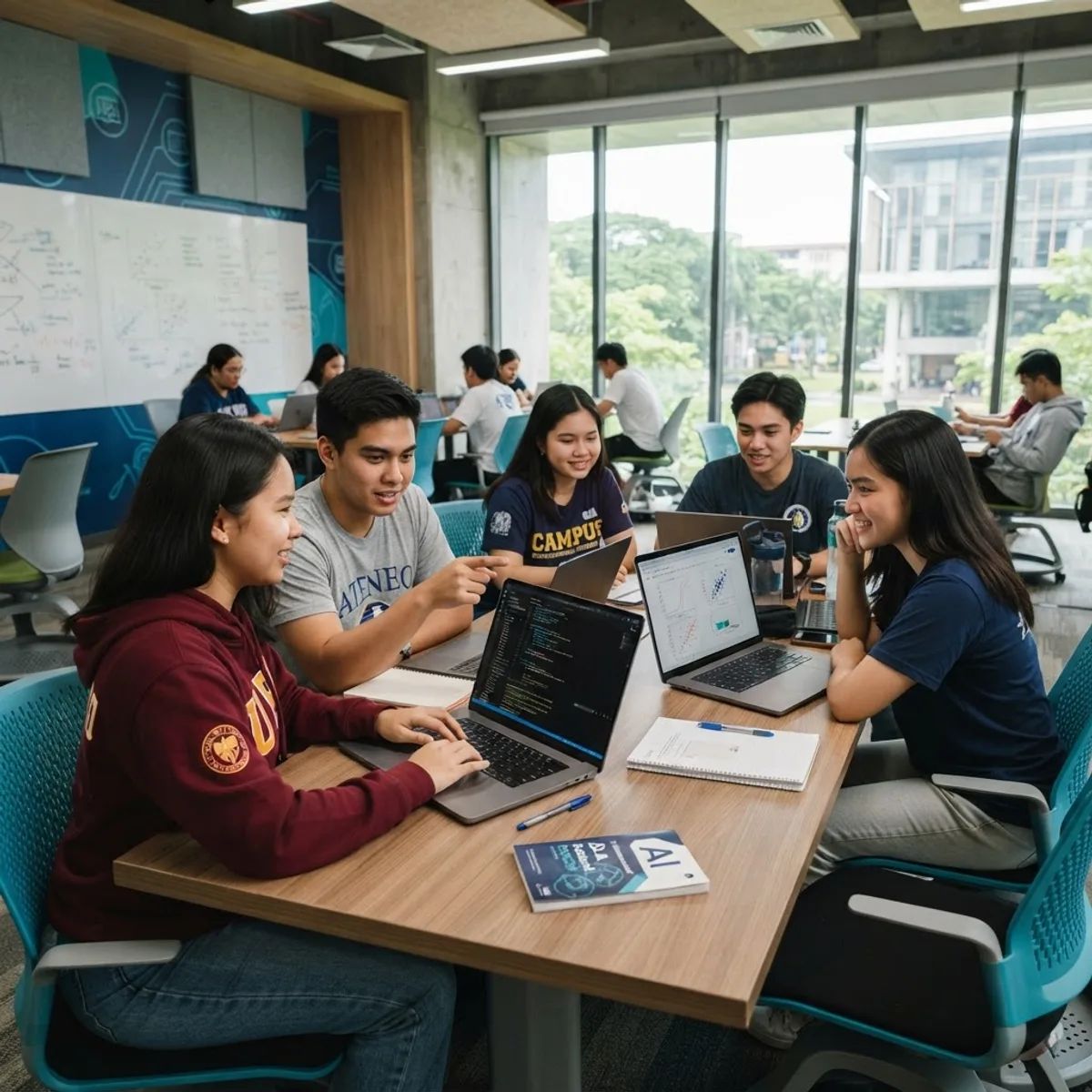
Why Study AI in the Philippines Right Now?
The timing is strong. According to the International Data Corporation (IDC), spending on AI across the Asia-Pacific region is projected to surpass 110 billion US dollars by 2028, and the Philippines is one of the fastest-adopting markets in the IT-BPM sector. The country's massive business process outsourcing industry is actively integrating AI tools, creating direct demand for locally trained specialists.
A second data point reinforces this. The World Economic Forum's Future of Jobs report notes that AI and machine learning specialists are among the fastest-growing roles globally, with employer demand expected to grow by roughly 40 percent over the coming years. For Filipino graduates who often work with international companies, this global trend translates into real, well-paid local opportunities.
Studying AI domestically also costs significantly less than studying abroad, while still allowing graduates to compete for remote and international roles.
The BS AI Curriculum: What You Will Actually Learn
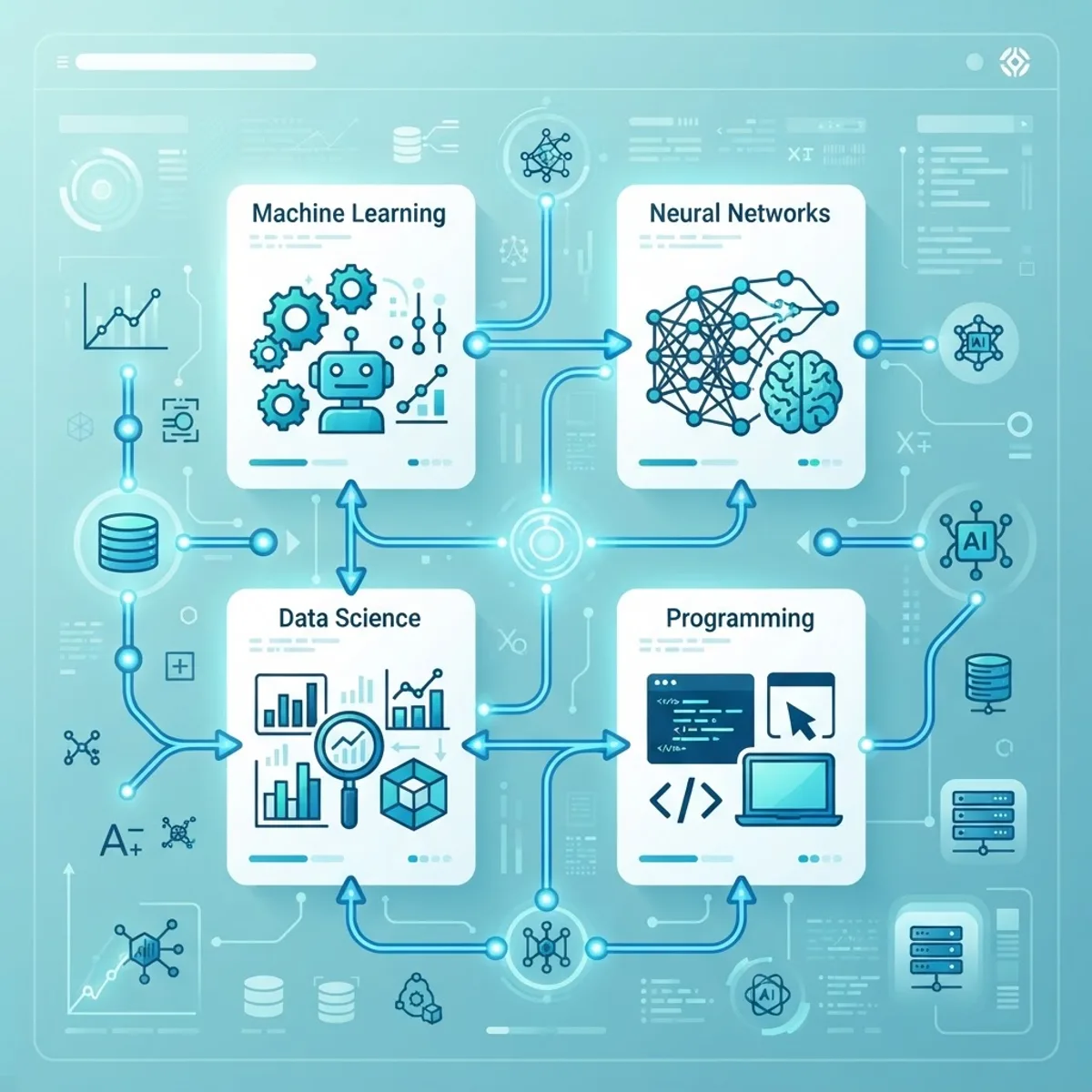
The curriculum blends theory with heavy hands-on practice. While course titles vary by university, most Philippine BS AI programs cover the same core competencies across four years.
Core Subject Areas
- Programming foundations - Python, Java, and data structures form the base of everything else.
- Mathematics for AI - Linear algebra, calculus, probability, and statistics that power machine learning models.
- Machine learning and deep learning - Supervised, unsupervised, and reinforcement learning, plus neural networks.
- Data science and analytics - Data cleaning, visualization, and big data handling.
- Natural language processing and computer vision - Teaching machines to understand text, speech, and images.
- AI ethics and governance - Responsible AI, bias mitigation, and data privacy under the Philippine Data Privacy Act.
- Capstone project - A real-world AI system built during the final year, often with industry partners.
This progression matters: the early years build fundamentals, while the later years focus on specialization and portfolio-worthy projects. Employers in 2026 care far more about demonstrated projects than grades alone.
Top Universities Offering AI Programs in the Philippines
Several respected institutions now offer AI degrees or AI-focused specializations. Availability changes yearly, so always confirm directly with the university's admissions office before applying.
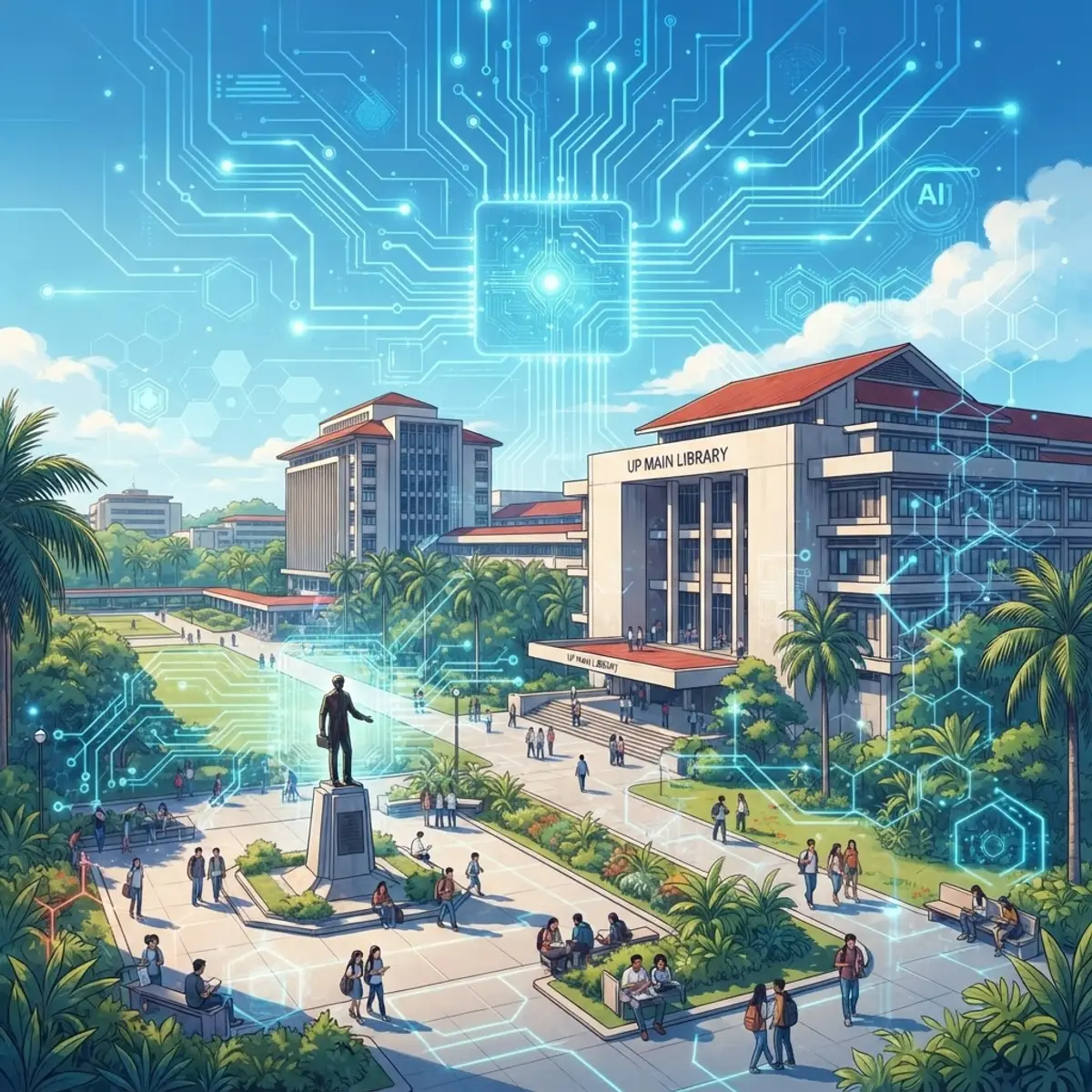
- Mapua University - Known for engineering and computing, offering AI and data-science-aligned programs.
- De La Salle University (DLSU) - Strong computer science research with AI specialization tracks.
- Asia Pacific College (APC) - Industry-linked computing programs with AI electives.
- National University (NU) - Expanding technology offerings including data science and AI.
- FEU Institute of Technology - Practical, industry-focused computing degrees.
- University of the Philippines (UP) - Leading AI and machine learning research at the graduate and undergraduate level.
When comparing schools, look beyond the name. Evaluate the faculty's industry experience, the availability of GPU computing labs, internship partnerships, and how recently the curriculum was updated. AI evolves quickly, and a syllabus older than three years is a warning sign.
BS AI vs. Computer Science: Which Should You Choose?
A question we hear constantly is whether to pick BS AI or a traditional Computer Science degree. Both are strong, but they serve different goals.
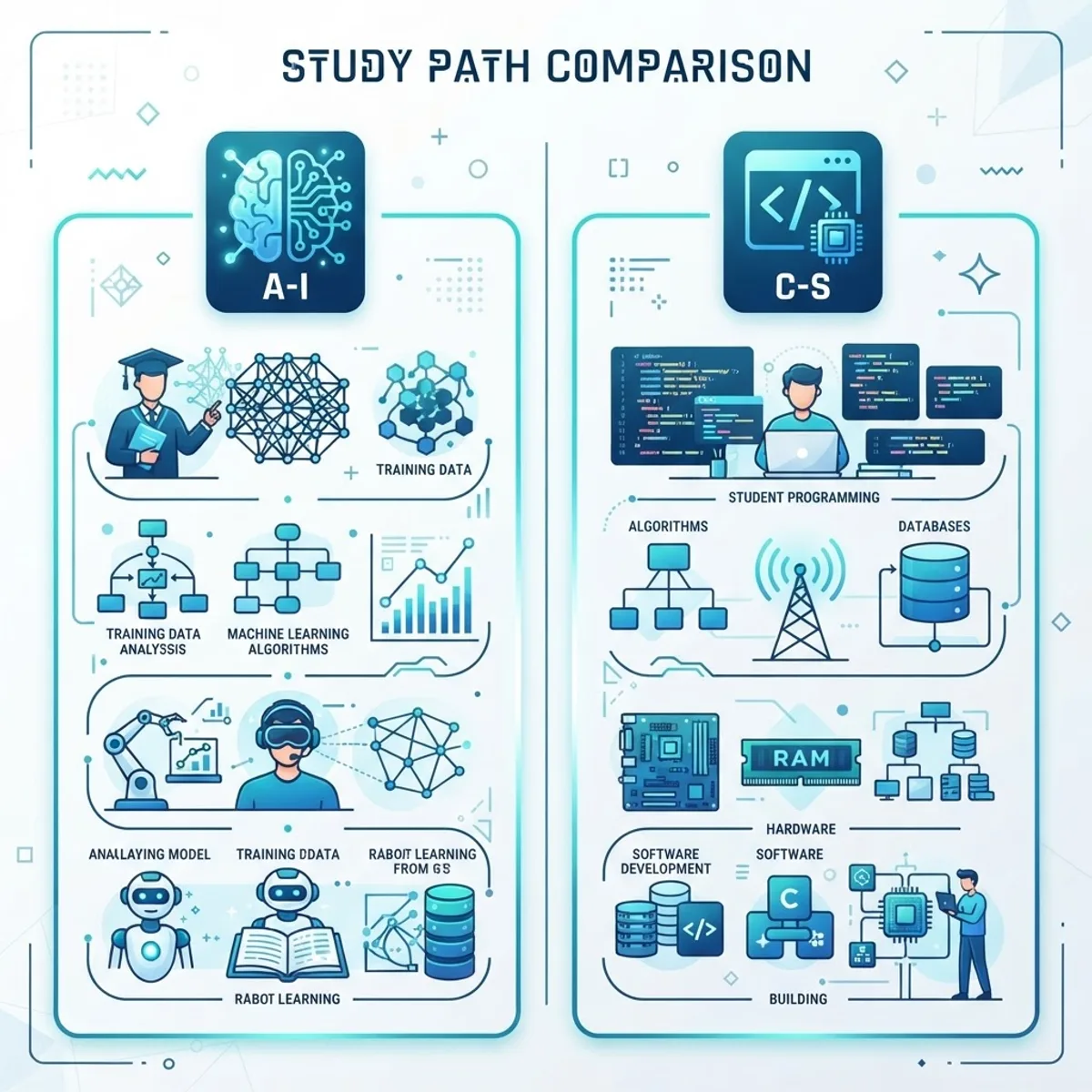
| Factor | BS Artificial Intelligence | BS Computer Science |
|---|---|---|
| Primary focus | Machine learning, data, intelligent systems | Broad computing, software, systems |
| Math intensity | Very high (statistics, linear algebra) | High |
| Career direction | AI engineer, data scientist, ML specialist | Software developer, systems engineer |
| Flexibility | More specialized | More general |
| Best for | Students certain about AI careers | Students wanting broad options |
Choose BS AI if you are confident you want to build intelligent systems and work with data. Choose Computer Science if you value flexibility and want to keep multiple career doors open. Notably, a strong CS graduate can still enter AI through electives, self-study, and specialized master's programs.
Admission Requirements and Tuition Costs
Admission requirements for a BS AI in the Philippines mirror those of other four-year computing degrees, with slightly more emphasis on mathematics.

Typical Requirements
- Senior high school diploma, ideally from the STEM strand (though other strands may qualify with bridging subjects).
- Completed application form and Form 138 (report card).
- Certificate of good moral character.
- Passing the university's entrance examination.
- A short interview at some institutions.
Regarding cost, private universities in Metro Manila generally charge between 80,000 and 160,000 pesos per year, depending on the school and unit load. State universities such as UP are significantly more affordable, and many private schools offer academic scholarships, government grants, and financing plans. Because AI programs require computing hardware and software access, factor in a modest budget for a capable laptop.
Career Opportunities After Graduating
The payoff of a BS AI is access to some of the highest-paying technology roles in the country. AI talent commands a premium precisely because it is scarce.

Common career paths include:
- AI Engineer - Builds and deploys AI models into production systems.
- Machine Learning Engineer - Specializes in training and optimizing predictive models.
- Data Scientist - Extracts insights and builds models from complex datasets.
- Data Analyst - Turns business data into decisions and dashboards.
- Computer Vision or NLP Specialist - Focuses on image or language systems.
- AI Product Developer - Bridges technical AI work with product strategy.
Entry-level AI and data roles in the Philippines commonly start higher than general IT positions, and experienced specialists working with international clients can earn substantially more. Many graduates also work remotely for foreign companies while living locally, effectively earning global-scale compensation. Businesses that want to accelerate their own adoption often partner with specialized providers such as ZoneTechify's artificial intelligence services to bridge the talent gap while their internal teams grow.

How to Maximize the Value of Your Degree
Earning the degree is only half the equation. Based on what we consistently see separate thriving graduates from struggling ones, focus on these habits early:
- Build a public portfolio. Publish projects on GitHub and document them clearly. Employers hire demonstrated skill.
- Join internships as early as possible. Real experience beats a perfect transcript.
- Learn cloud and MLOps tools. Deploying models matters as much as building them.
- Stay current. Follow research, take short courses, and experiment with new tools continuously.
- Develop communication skills. The ability to explain AI to non-technical stakeholders is a rare, valuable asset.
For ongoing learning resources and expert technology insights, both ZoneTechify and WebPeak publish practical guidance that complements formal education.
Key Takeaways
- A BS in Artificial Intelligence in the Philippines is a four-year degree focused on machine learning, data science, and intelligent systems.
- AI spending across Asia-Pacific is projected to exceed 110 billion US dollars by 2028, driving strong local demand.
- AI and machine learning specialists are among the fastest-growing roles globally, per the World Economic Forum.
- Choose BS AI for specialization; choose Computer Science for broader flexibility.
- Private university tuition ranges roughly from 80,000 to 160,000 pesos yearly, with scholarships available.
- Portfolios, internships, and continuous learning determine real career success more than grades.
Frequently Asked Questions (FAQ)
Is a Bachelor of Science in Artificial Intelligence worth it in the Philippines?
Yes. AI talent is scarce and highly paid, while local demand from the IT-BPM sector and international remote employers keeps growing. Graduates access some of the highest-paying technology roles in the country, making the degree a strong long-term investment for students genuinely interested in data and intelligent systems.
How many years does a BS in Artificial Intelligence take?
A Bachelor of Science in Artificial Intelligence in the Philippines typically takes four years to complete, following the standard undergraduate structure. The first two years build programming and mathematics fundamentals, while the final two years focus on machine learning specialization, electives, internships, and a capstone project built with real data.
What subjects do I need to be good at for AI?
Mathematics is the most important, especially statistics, probability, linear algebra, and calculus, since these power machine learning. Strong logical reasoning and programming aptitude also help significantly. You do not need to be a genius, but consistent effort in math and coding throughout the program makes the AI concepts far easier to master.
Can I study AI if I did not take the STEM strand?
Often yes, but it depends on the university. Some schools accept non-STEM graduates who pass the entrance exam and complete bridging subjects in mathematics and programming. Since AI is math-heavy, students from other strands should be prepared to invest extra effort early to catch up on foundational concepts.
What is the difference between AI and Data Science degrees?
AI degrees emphasize building intelligent systems, models, and automation, while Data Science degrees focus more on analyzing data to extract insights and support decisions. The two overlap heavily and share subjects like statistics and machine learning. Your choice should depend on whether you prefer building models or interpreting data for business outcomes.
Do AI graduates in the Philippines find jobs easily?
Generally yes, because demand outpaces supply. Graduates with strong portfolios and internship experience are especially competitive for roles like AI engineer, data scientist, and machine learning specialist. Many also secure remote positions with international companies, allowing them to earn globally competitive salaries while continuing to live and work within the Philippines.