A clear 2026 guide to civil liability for artificial intelligence: who is responsible when AI causes harm, the legal frameworks involved, and how businesses stay compliant.
Civil Liability for Artificial Intelligence Project 2026
Artificial intelligence has moved from experimental labs into hospitals, courtrooms, factories, banks, and self-driving vehicles. With that shift comes a hard question the law is finally answering: when an AI system causes harm, who pays for it? The Civil Liability for Artificial Intelligence Project 2026 is the coordinated legal and policy effort to define exactly that. As someone who has advised development teams shipping AI features under tightening regulation, I can tell you the stakes are no longer theoretical. This guide breaks down what the project means, who is liable, and what you must do now.
Quick Answer: The Civil Liability for Artificial Intelligence Project 2026 is a legal framework defining who is financially responsible when AI systems cause harm. It shifts the burden of proof toward developers and operators, making them liable for damages caused by defective, opaque, or high-risk AI, unless they prove otherwise.
What Is the Civil Liability for Artificial Intelligence Project 2026?
Civil liability means legal responsibility to compensate someone for harm or loss. The Civil Liability for Artificial Intelligence Project 2026 is a set of rules and reforms designed to modernize traditional liability law so it can handle autonomous, self-learning systems that behave in ways humans cannot always predict.
Traditional liability law assumes a clear cause and a clear actor. AI breaks that assumption. A machine-learning model may produce a harmful output that no single engineer intended and no user could foresee. The 2026 project addresses this gap by clarifying how existing fault-based and product-liability rules apply to AI, and by lowering the evidentiary hurdles victims face when the technology is a black box.
The core idea is simple: victims should not be worse off just because the product that harmed them was powered by AI instead of a conventional mechanism.
Why AI Liability Needs Its Own Rules
AI systems introduce three features that classic liability law never anticipated: autonomy, opacity, and continuous learning. A defect might not exist at launch but emerge after months of self-adjustment.
Consider the practical problem. According to Stanford's AI Index, private investment in AI reached tens of billions of dollars annually, and adoption keeps climbing. As more decisions are automated, the number of potential harm events, from a misdiagnosis to a wrongful loan denial, rises with it.
The difficulty for a victim is proving fault. To win a traditional negligence claim, you must show what went wrong and who caused it. With a neural network containing billions of parameters, that is often impossible for an ordinary claimant. The 2026 project responds by rebalancing this asymmetry between powerful AI providers and everyday people.
Who Is Liable When AI Causes Harm?
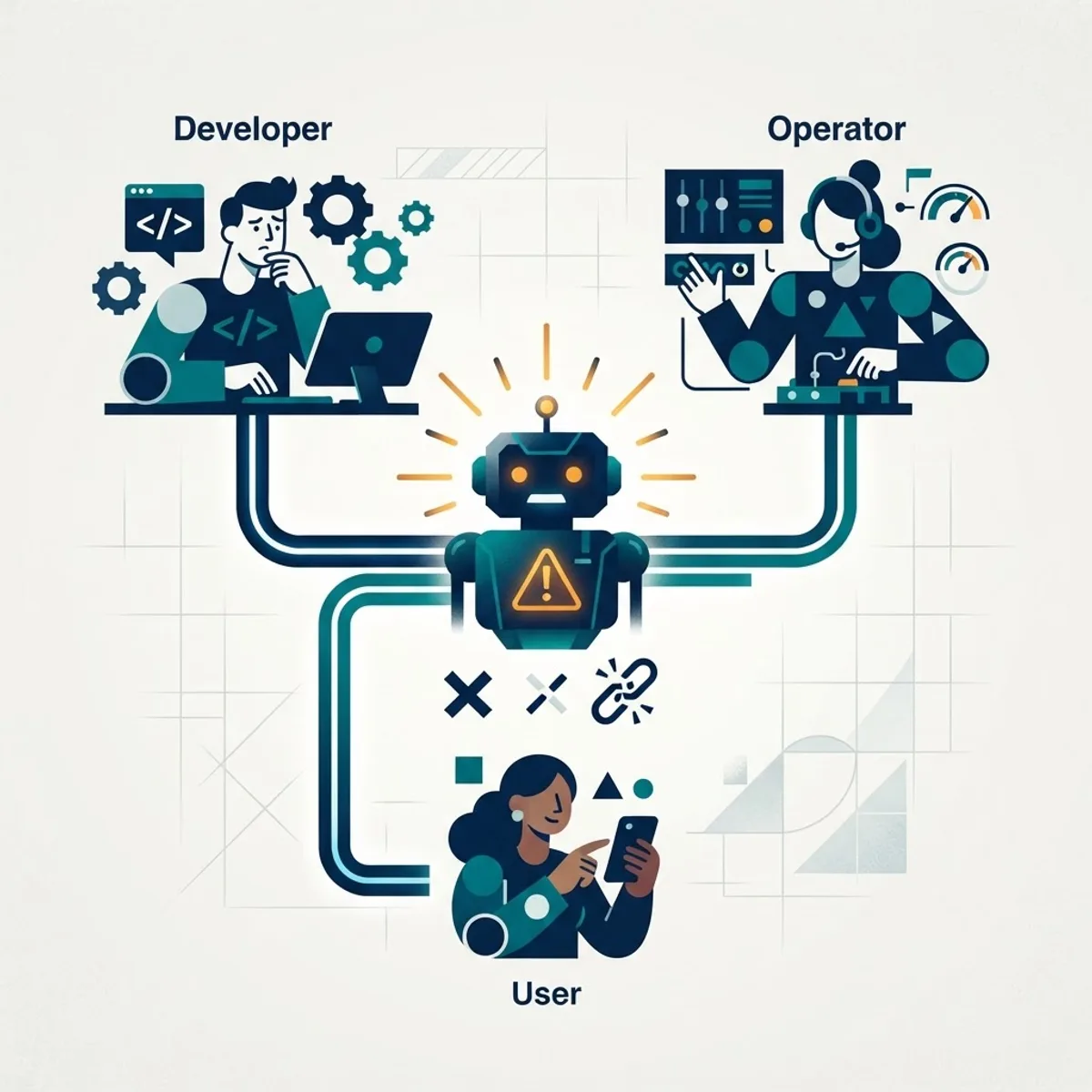
This is the question everyone asks first. Under the emerging 2026 framework, liability can attach to several parties depending on their role and control over the system.
1. The Developer or Provider
The company that designs, trains, and markets the AI carries primary responsibility for defects in design, training data, or safety testing. If a model was trained on biased data that produced discriminatory decisions, the provider is typically on the hook.
2. The Operator or Deployer
The business that deploys AI in the real world, for example a clinic using a diagnostic tool, is responsible for using it within its intended purpose and for proper monitoring. Deploying a system outside its documented limits shifts liability toward the operator.
3. The User
End users bear limited liability, usually only when they deliberately misuse a system or ignore clear safety instructions.
4. Shared and Chained Liability
Because AI supply chains are layered, liability is often shared. A foundation-model maker, a fine-tuning vendor, and a deploying business can each hold a portion of responsibility. Contracts increasingly allocate this risk in advance.
The Key Legal Frameworks Shaping 2026
Several overlapping instruments define the landscape. Understanding how they interact is essential for any organization building or buying AI.

The most influential model is the European approach, which pairs the EU AI Act (a safety and classification regime) with dedicated liability reforms. The EU AI Act classifies systems by risk level and imposes strict obligations on high-risk uses. Complementary liability proposals introduce a rebuttable presumption of causation, meaning if a provider breaks a safety duty and harm follows, the court can presume the AI caused it unless the provider proves otherwise.
Outside Europe, many jurisdictions are adapting existing product-liability and negligence doctrines rather than writing entirely new statutes. The direction of travel, however, is consistent worldwide: more transparency, more documentation, and a heavier burden on those who profit from the technology. Businesses tracking these shifts should follow reliable technology and compliance resources such as ZoneTechify and WebPeak to stay current.
AI Risk Categories and Their Liability Impact
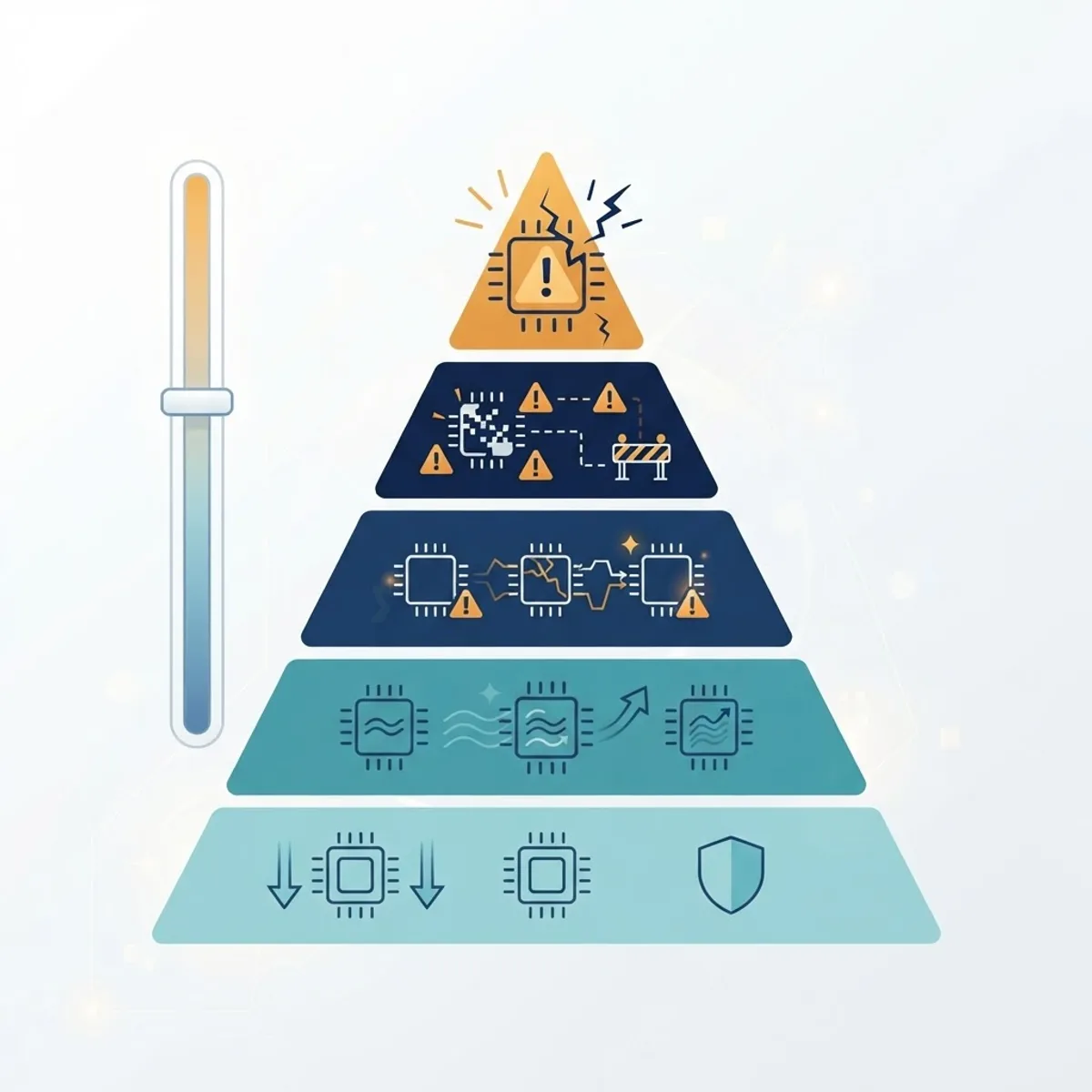
Liability exposure scales with risk. The 2026 framework leans heavily on a tiered model, where the higher the potential for harm, the stricter the obligations and the easier it is for victims to claim.
| Risk Level | Example Use Cases | Liability Obligations | Burden on Provider |
|---|---|---|---|
| Minimal | Spam filters, AI game logic | Basic transparency | Low |
| Limited | Chatbots, recommendation engines | Disclosure that AI is in use | Moderate |
| High | Medical diagnosis, hiring, credit scoring | Strict testing, logging, human oversight | Very High |
| Unacceptable | Social scoring, manipulative systems | Prohibited outright | N/A (banned) |
The practical takeaway is clear. If your AI touches health, finance, employment, safety, or fundamental rights, you sit in the high-risk tier and must document everything: data sources, testing, monitoring, and human oversight measures.
How Businesses Can Reduce Civil Liability Risk
Having worked alongside teams preparing for these rules, I have found that proactive governance is far cheaper than reactive litigation. Compliance is not a one-time checkbox; it is an operational discipline.
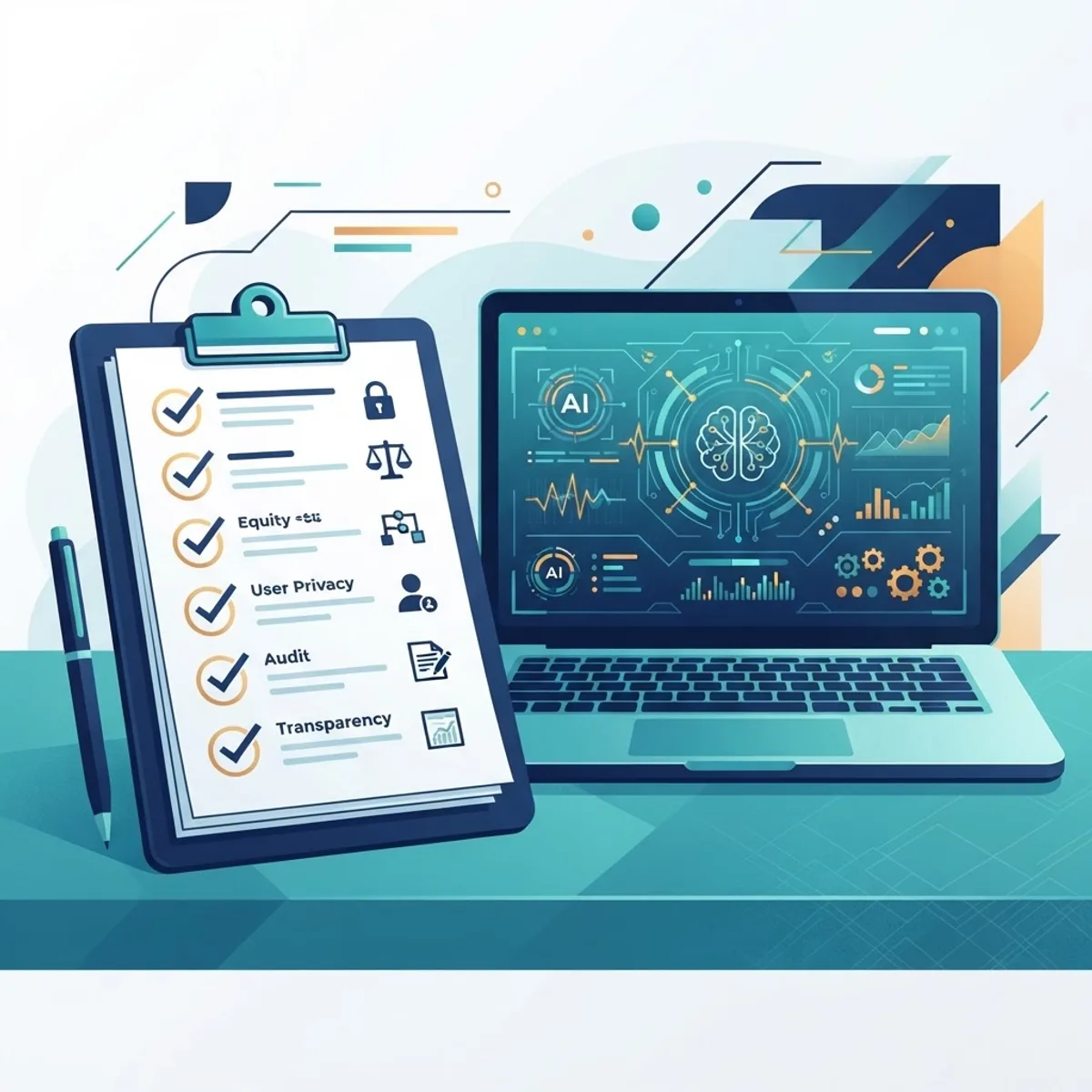
Follow these concrete steps to lower your exposure:
- Map every AI system you use and classify it by risk tier before deployment.
- Document your data lineage, including where training data came from and how bias was tested.
- Keep detailed logs of model versions, decisions, and updates so you can reconstruct what happened.
- Build human oversight into high-stakes decisions rather than fully automating them.
- Review vendor contracts to see who absorbs liability across the supply chain.
- Run regular audits for accuracy, fairness, and safety drift after launch.
- Maintain clear user documentation describing intended use and known limitations.
Organizations that need help implementing responsible, well-governed systems can work with specialists in artificial intelligence services to build compliant pipelines from the start rather than retrofitting them under legal pressure.
The Role of Insurance and Accountability
Insurance is becoming a central pillar of AI risk management. Just as vehicles require coverage, high-risk AI systems increasingly need dedicated liability policies.
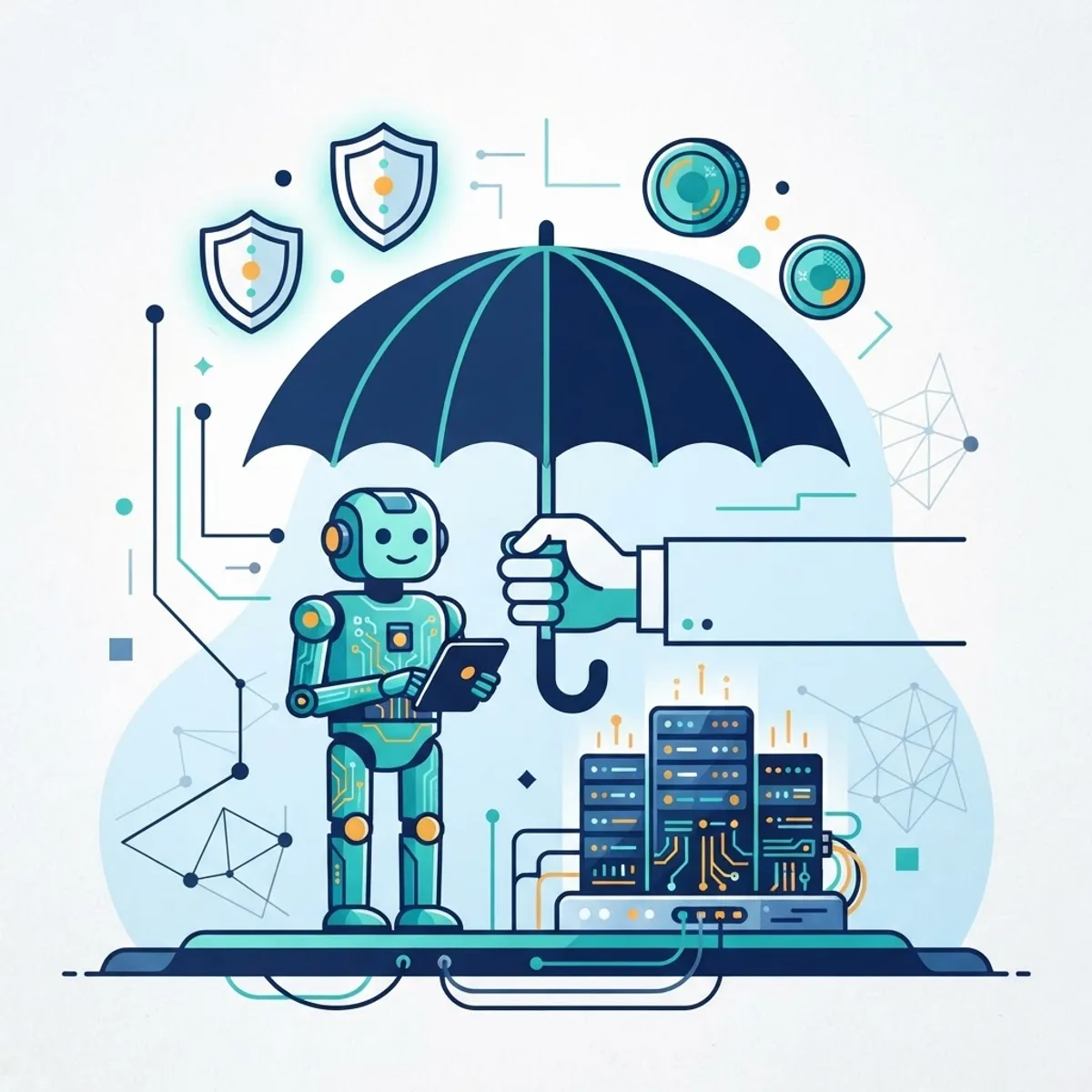
Insurers now assess AI systems the way they assess any industrial risk: how it is trained, tested, monitored, and governed. Companies with strong documentation and audit trails secure better premiums, because they can demonstrate control. Those with opaque, undocumented models face higher costs or outright refusal of coverage. This market pressure quietly reinforces good engineering practice, rewarding transparency with lower financial risk.
Accountability also means naming a responsible human. Regulators increasingly expect a designated owner for each AI system, someone answerable for its behavior. Diffuse responsibility, where everyone and no one is accountable, is exactly what the 2026 project aims to eliminate.
The Future of AI Liability Beyond 2026
The 2026 framework is a milestone, not a finish line. As AI grows more autonomous, expect the debate to shift toward agentic systems that take independent actions across the internet and the economy.
Two trends are likely. First, greater harmonization: jurisdictions will converge on similar principles because AI does not respect borders and businesses need predictable rules. Second, a stronger emphasis on traceability, where systems must be built from day one to explain and record their decisions. The organizations that thrive will treat liability readiness as a design requirement, not a legal afterthought.
Key Takeaways
- The Civil Liability for Artificial Intelligence Project 2026 defines who pays when AI causes harm, shifting more responsibility to developers and operators.
- Liability can be shared across the AI supply chain, from foundation-model makers to deploying businesses.
- A rebuttable presumption of causation makes it easier for victims to claim against opaque, high-risk systems.
- High-risk AI in health, finance, hiring, and safety faces the strictest documentation and oversight duties.
- Strong logging, audits, human oversight, and insurance are the most effective ways to reduce legal exposure.
Frequently Asked Questions (FAQ)
What does civil liability for AI actually mean?
Civil liability for AI means the legal duty to compensate someone when an artificial intelligence system causes them harm or financial loss. It determines which party, the developer, operator, or user, must pay damages, and under what conditions a victim can successfully bring a claim.
Who is responsible if an AI system makes a harmful mistake?
Responsibility usually falls on the developer for design or data defects and on the operator for improper deployment or monitoring. Users are rarely liable unless they deliberately misuse the system. In layered AI supply chains, liability is often shared among several parties by contract and by law.
Does the 2026 project make it easier to sue over AI harm?
Yes. A central goal is reducing the burden of proof for victims. Because AI is often a black box, frameworks introduce a rebuttable presumption of causation, so if a provider breaches a safety duty and harm follows, courts can presume the AI caused it unless the provider proves otherwise.
Which AI systems face the strictest liability rules?
High-risk systems face the strictest rules. These include AI used in medical diagnosis, hiring, credit scoring, law enforcement, and critical safety functions. Such systems require rigorous testing, detailed logging, human oversight, and transparency, and they carry the heaviest liability exposure if they cause harm.
How can my business prepare for AI liability in 2026?
Start by inventorying and classifying every AI system by risk level. Document your data sources, keep version and decision logs, build human oversight into high-stakes decisions, review vendor contracts, and run regular fairness and safety audits. Consider dedicated AI liability insurance to manage residual financial risk.
Is AI liability the same in every country?
Not yet, but it is converging. Europe leads with structured risk-based rules, while other regions adapt existing product-liability and negligence law. Because AI crosses borders, most experts expect growing global harmonization around transparency, documentation, and stronger accountability for developers and operators over time.