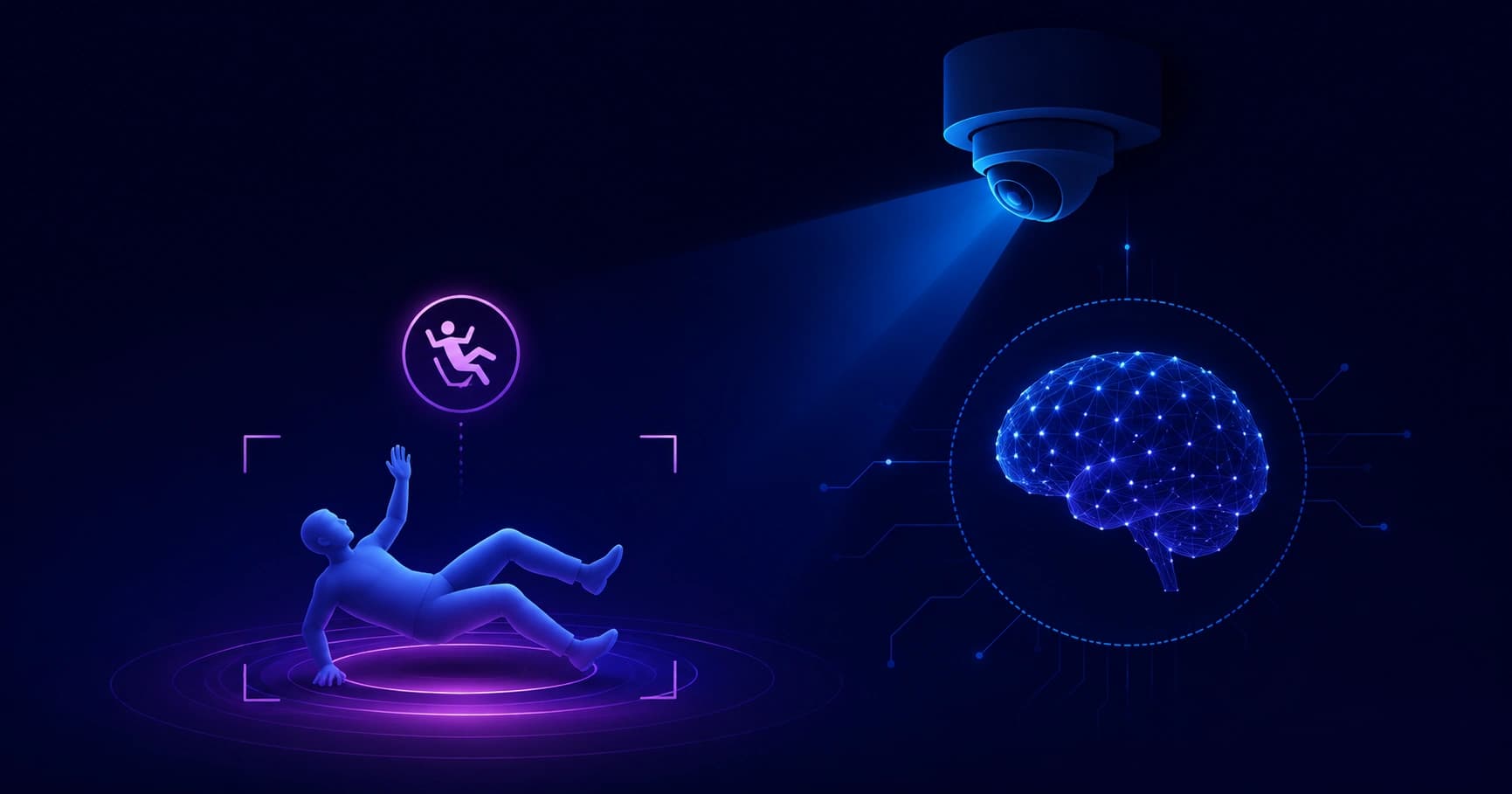
A practical, expert guide to fall detection artificial intelligence: how it works, the sensor types, accuracy data, real use cases, limitations, and what to buy in 2026.
Fall Detection Artificial Intelligence
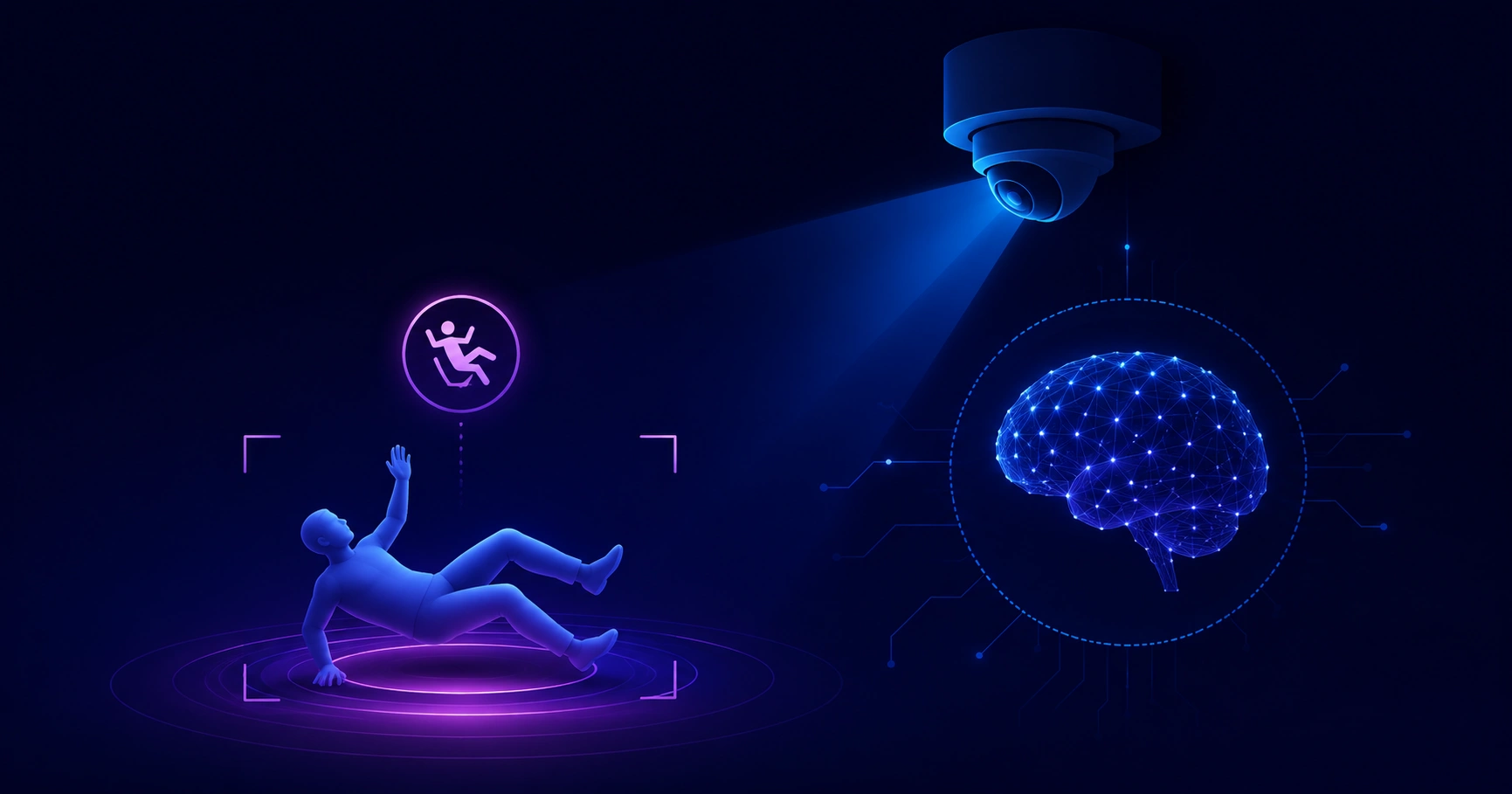
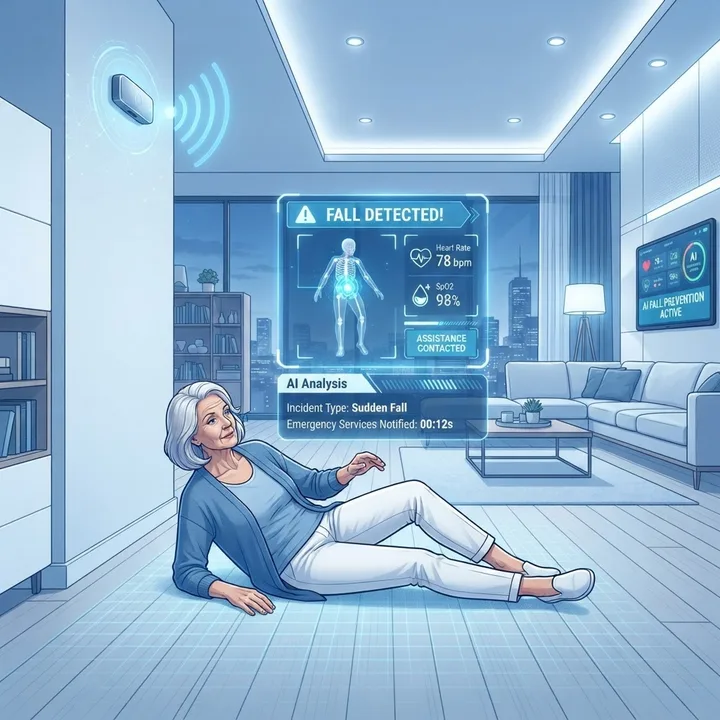
Falls are not a minor inconvenience. They are the leading cause of injury-related death among adults over 65, and every fall that goes unnoticed for hours turns a recoverable slip into a medical emergency. Fall detection artificial intelligence exists to close that gap in time. Instead of waiting for a person to press a help button they may be unable to reach, AI systems watch for the physical signature of a fall and raise the alarm automatically.
I have tested and reviewed monitoring systems across home-care and clinical settings, and the difference between a good AI fall detector and a gimmick comes down to one thing: how well it separates a genuine fall from ordinary movement. This guide explains exactly how the technology works, what the accuracy numbers really mean, and how to choose a system that helps rather than annoys.
Quick Answer: Fall detection artificial intelligence uses sensors such as accelerometers, cameras, or radar combined with machine learning to automatically recognize the motion pattern of a fall. When it detects one, it instantly alerts caregivers or emergency services, reducing dangerous "long-lie" times without needing the person to press a button.
What Is Fall Detection Artificial Intelligence?
Fall detection artificial intelligence is a system that uses sensor data and trained machine learning models to automatically identify when a person has fallen and trigger an alert. Traditional medical alert devices are reactive: the user must consciously press a button. AI-based detection is proactive, interpreting movement in real time so help arrives even when the person is unconscious or disoriented.
The core idea is pattern recognition. A fall has a distinctive physical signature, a rapid downward acceleration followed by a sudden impact and then stillness. AI models are trained on thousands of these events so they learn to distinguish a real fall from sitting down quickly, dropping a device, or bending to tie a shoe.
Why It Matters
According to the World Health Organization, approximately 684,000 people die from falls globally each year, making it the second leading cause of unintentional injury death. The U.S. Centers for Disease Control and Prevention reports that one in four Americans aged 65 and older falls annually. The critical factor is response time: research on "long-lie" incidents shows that older adults left on the floor for more than an hour face sharply higher rates of hospitalization and death. Automatic detection directly attacks that delay.
How Does AI Fall Detection Actually Work?
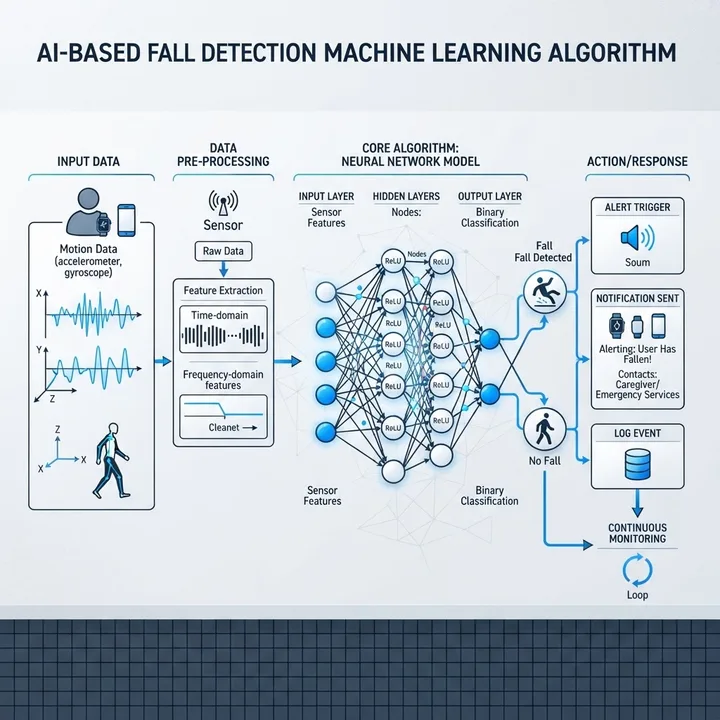
Every AI fall detection system follows the same four-stage pipeline, regardless of whether it uses a wristband or a wall-mounted radar.
- Data capture — Sensors continuously record motion, position, or visual data.
- Feature extraction — The system isolates meaningful signals such as acceleration magnitude, body angle, and velocity change.
- Classification — A trained machine learning model decides whether the pattern matches a fall.
- Alerting — On a positive detection, the system notifies caregivers, a monitoring center, or emergency services.
The Role of Machine Learning
Early systems used simple threshold rules: if acceleration exceeds a set value, sound the alarm. These produced constant false alarms. Modern systems use machine learning, especially convolutional and recurrent neural networks, that learn the full temporal shape of a fall rather than a single spike. This is why accuracy has improved so much: the model considers the seconds before and after impact, not just the impact itself.
This is genuinely an applied artificial intelligence problem, and building reliable models demands expertise in data labeling, edge computing, and continuous retraining. Teams that specialize in artificial intelligence services treat fall detection as an ongoing model-improvement pipeline rather than a fixed product.
Types of Fall Detection Technology
There is no single "best" sensor. Each approach trades off privacy, accuracy, cost, and convenience. Understanding these trade-offs is the most important part of choosing a system.
1. Wearable Sensors
Wearables, smartwatches, pendants, and clip-on devices use accelerometers and gyroscopes to measure body motion directly. They work indoors and outdoors and can measure heart rate for extra context.
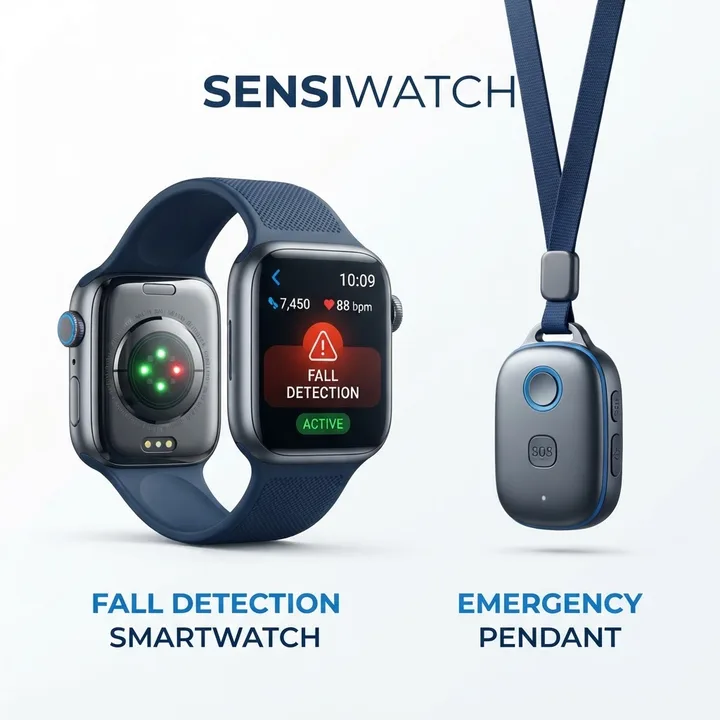
The weakness is compliance: a device only works if the person actually wears it. Many older adults forget to charge or put on their devices, which is the single biggest reason wearables miss falls in real homes.
2. Camera-Based Vision Systems
Vision systems use cameras and computer vision to analyze body posture and movement. Modern versions convert people into skeletal "stick figures" or silhouettes so no identifiable video is stored, addressing privacy concerns.
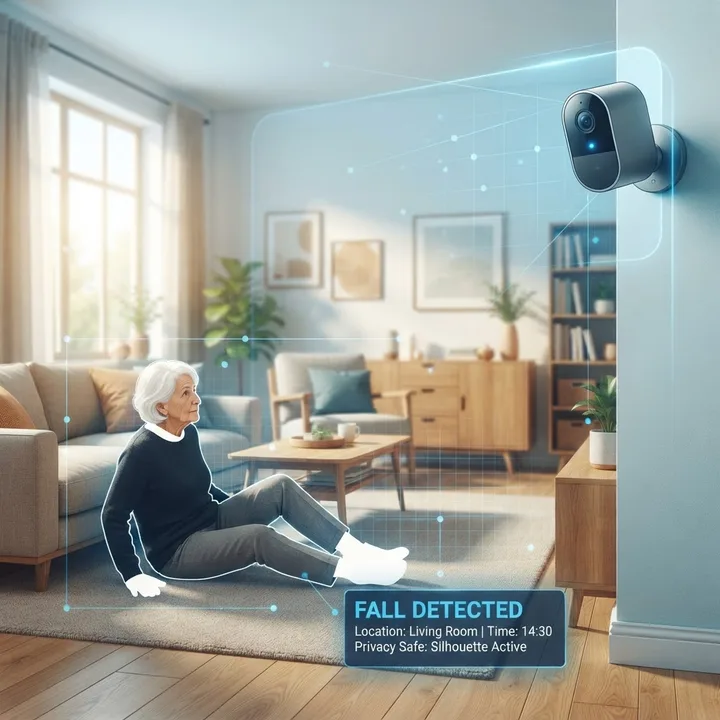
They are highly accurate and require nothing to be worn, but they only work within the camera's field of view and can struggle in poor lighting or when the view is blocked by furniture.
3. Radar and Ambient Sensors
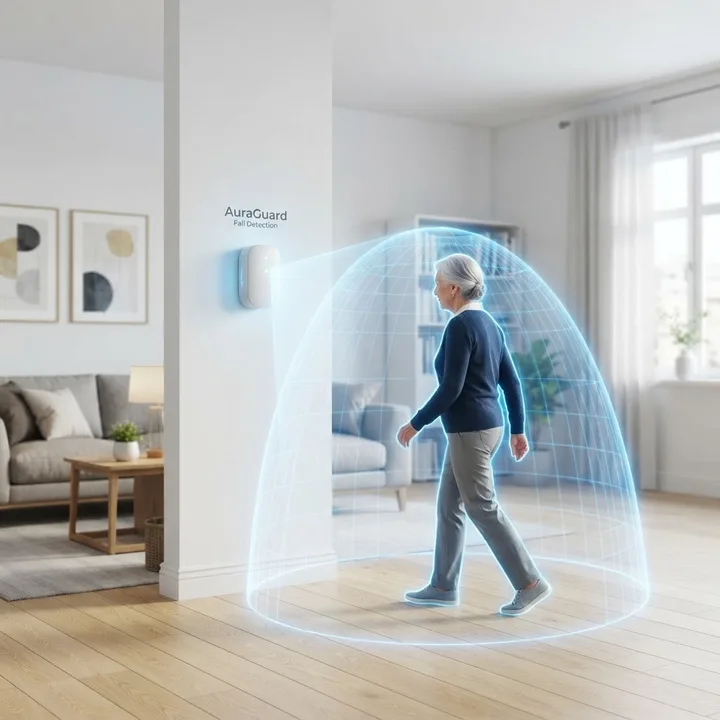
Radar-based systems detect falls by measuring how radio waves reflect off a moving body. They capture no images at all, making them the most privacy-friendly option, and they work in darkness, steam, and through minor obstructions.
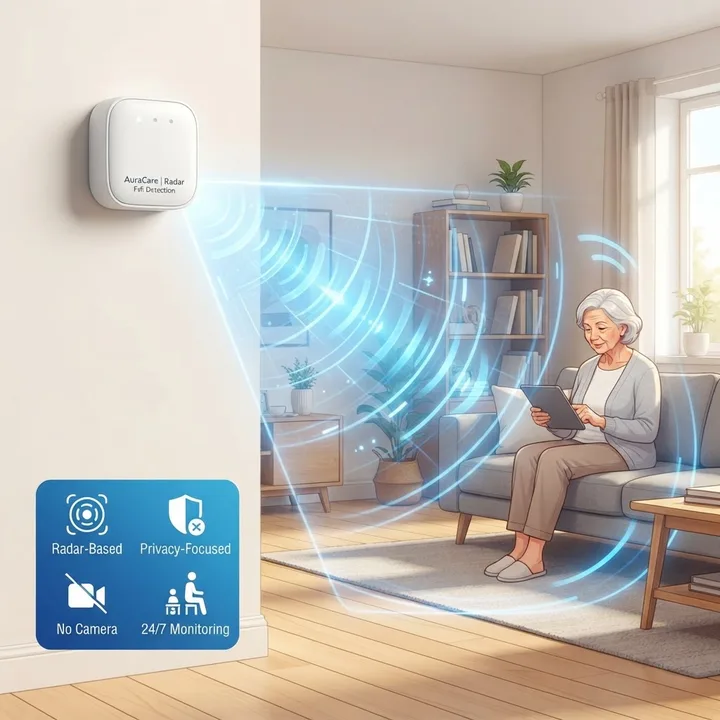
Radar is increasingly the preferred choice for bathrooms and bedrooms, where falls are common but cameras are unacceptable. The trade-off is cost and the need for professional placement.
Comparison of Fall Detection Approaches
| Technology | Privacy | Works in the Dark | Requires Wearing | Typical Accuracy | Best For |
|---|---|---|---|---|---|
| Wearable sensors | High | Yes | Yes | Good | Active, mobile users |
| Camera vision | Medium | Limited | No | Very high | Living rooms, hallways |
| Radar/ambient | Very high | Yes | No | High | Bathrooms, bedrooms |
| Hybrid systems | High | Yes | Optional | Highest | Full-home coverage |
The clear pattern from field testing is that hybrid systems, which fuse two or more sensor types, deliver the best real-world results because one sensor covers another's blind spots.
Where Fall Detection AI Is Used Today
Fall detection AI is now deployed well beyond individual homes. Its highest-value environments share one trait: vulnerable people and limited staff.
- Hospitals — Reducing patient falls, a major source of preventable injury and liability.
- Assisted living and care homes — Giving small night-shift teams eyes on many residents at once.
- Independent senior living — Letting older adults stay in their own homes longer with family peace of mind.
- Rehabilitation centers — Monitoring patients relearning to walk after surgery or stroke.
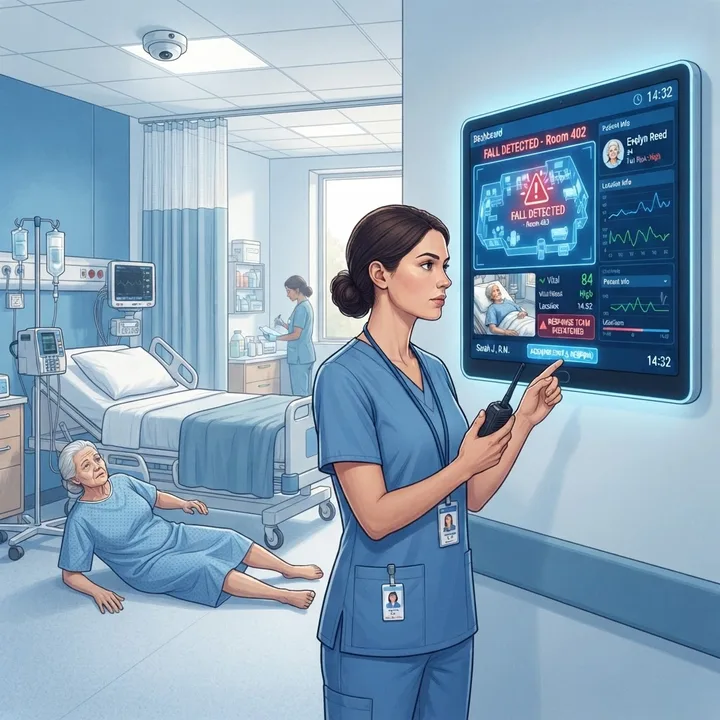
In clinical settings the value is measurable. Studies of hospital fall-monitoring programs have reported meaningful reductions in fall rates and faster staff response, which directly lowers injury severity and length of stay.
The Honest Limitations You Should Know
Good expertise means being clear about what the technology cannot do. No fall detection AI is perfect, and vendors who claim 100 percent accuracy should be treated with skepticism.
- False positives — Sitting heavily or dropping into bed can occasionally trigger alerts. Well-tuned systems minimize this but never eliminate it.
- False negatives — Slow "slump" falls, where a person gradually slides down a wall, are the hardest type to detect because they lack a sharp impact.
- Coverage gaps — Fixed sensors only protect the rooms they are installed in.
- Connectivity dependence — A system that alerts through the internet or cellular network is only as reliable as that connection.
The practical takeaway: treat AI fall detection as a powerful safety layer, not a replacement for human care or a guarantee.
How to Choose a Fall Detection System
Use these criteria, in order, when evaluating any product:
- Alert reliability — How fast and how dependable is the notification path?
- False alarm rate — Ask for real-world data, not lab numbers.
- Privacy model — Does it store video, skeletal data, or nothing identifiable?
- Coverage — Does it protect high-risk rooms like the bathroom?
- Ease of use — Charging, wearing, and setup must fit the user's daily life.
- Support and monitoring — Is there 24/7 professional monitoring or only family alerts?
Organizations building custom monitoring platforms often need bespoke software around these sensors, and teams like ZoneTechify and WebPeak approach it as an integration challenge: connecting hardware, cloud, and alerting into one dependable system.
The Future of Fall Detection AI
The next generation is moving from detection to prediction. By analyzing subtle changes in gait, balance, and daily activity, AI is beginning to flag people at rising risk of falling before a fall ever happens. Combined with ambient, no-wearable sensors that blend invisibly into the home, the goal is a system that protects continuously without asking the user to do anything at all.
Key Takeaways
- Fall detection AI automatically recognizes falls using sensors plus machine learning, removing the need to press a button.
- The WHO reports around 684,000 fatal falls globally each year, and the CDC finds one in four U.S. seniors falls annually.
- The three main sensor types are wearables, cameras, and radar; hybrid systems perform best.
- Reducing "long-lie" time is the single biggest health benefit of automatic detection.
- No system is flawless, false positives, slow slump falls, and coverage gaps remain real limitations.
Frequently Asked Questions (FAQ)
How accurate is AI fall detection?
Modern machine learning systems are highly accurate, with leading camera and radar solutions correctly identifying most genuine falls while keeping false alarms low. Accuracy varies by sensor type, placement, and fall style. Slow slump falls remain the hardest to catch, so no system should be considered flawless.
Does fall detection AI invade privacy?
It depends on the sensor. Radar and ambient systems capture no images at all, making them very privacy-safe. Modern camera systems often process video into anonymous skeletal figures and store nothing identifiable. Always confirm exactly what data a product records and where it is stored before buying.
Do you have to wear a device for fall detection?
Not always. Wearable pendants and smartwatches require you to wear them, but camera and radar systems detect falls passively from the wall or ceiling. Ambient options are ideal for people who forget to wear or charge devices, which is a common real-world failure point.
Can fall detection AI predict falls before they happen?
Increasingly, yes. Emerging systems analyze gait, balance, and daily activity patterns to flag rising fall risk over time. This predictive capability does not replace real-time detection but adds a preventive layer, allowing caregivers to intervene before a serious fall actually occurs.
Is AI fall detection worth it for elderly parents at home?
For most families, yes. The core benefit is drastically reducing the time an older adult spends on the floor after a fall, which strongly affects recovery outcomes. Choose a system covering high-risk rooms like the bathroom, and treat it as a safety layer alongside human care.