Discover how ELIZA, the first AI chatbot from 1966, branches into modern artificial intelligence, NLP, machine learning, and conversational AI used today.
Eliza Branch Artificial Intelligence
Artificial intelligence did not begin with smart speakers or chatbots that write essays. It began with a modest program called ELIZA, built in 1966, which fooled people into thinking they were talking to a real human. Understanding the ELIZA branch of artificial intelligence helps you see how every modern AI assistant traces its roots back to one simple idea: machines that can hold a conversation.
This guide explains what ELIZA was, why it still matters, and how it connects to the major branches of artificial intelligence shaping technology today. Whether you are a curious reader or a business owner exploring AI, you will leave understanding exactly where conversational AI came from and where it is heading next.
Quick Answer: ELIZA was the first conversational AI program, created in 1966 by Joseph Weizenbaum at MIT. It simulated a psychotherapist using pattern matching. ELIZA sits at the root of the natural language processing branch of artificial intelligence, the foundation for today's chatbots and virtual assistants.
What Is ELIZA in Artificial Intelligence?
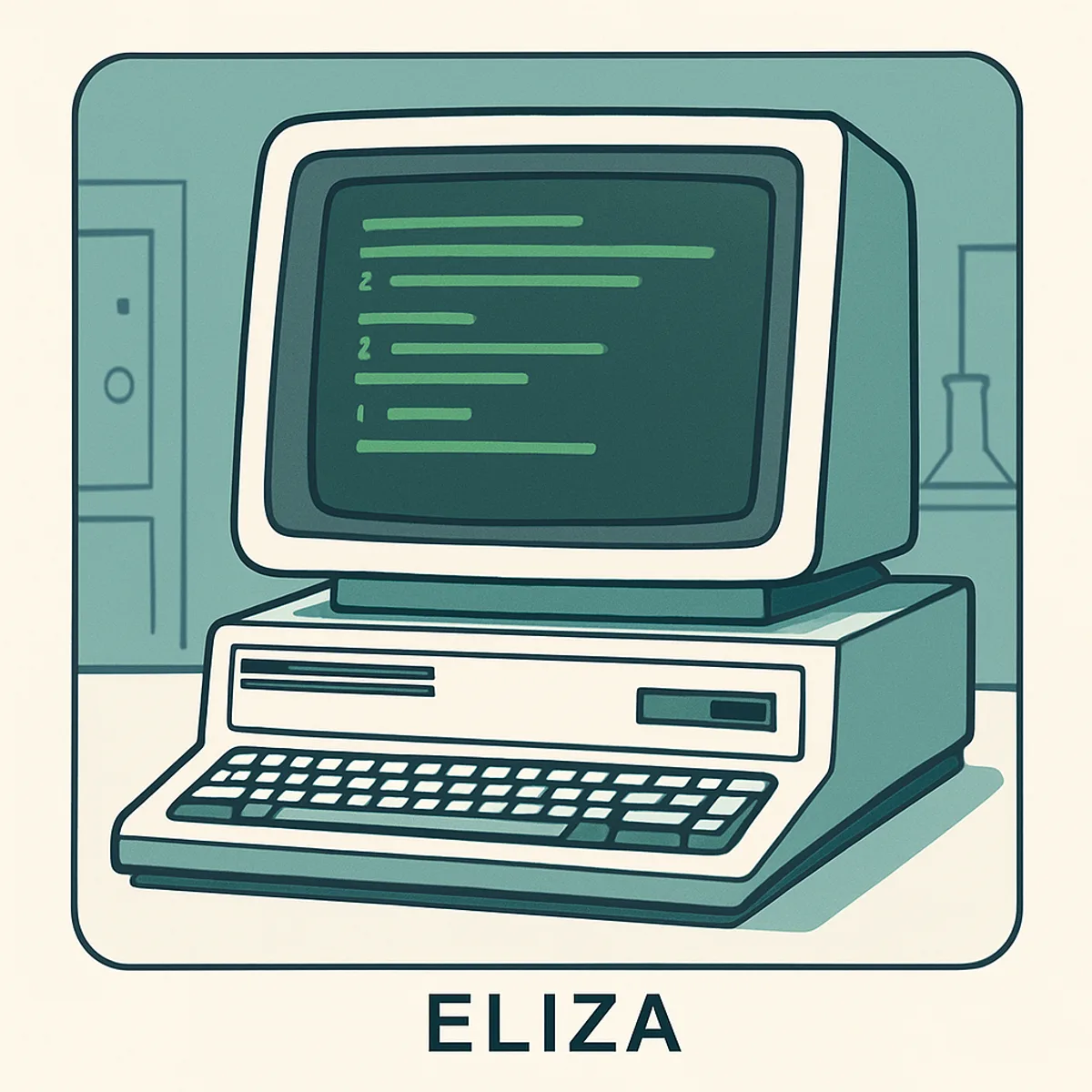
ELIZA is an early natural language processing program created by computer scientist Joseph Weizenbaum at the Massachusetts Institute of Technology between 1964 and 1966. It is widely recognized as the first chatbot and one of the earliest examples of a machine that could communicate with humans in plain language.
ELIZA's most famous script, called DOCTOR, imitated a Rogerian psychotherapist. When a user typed "I feel sad today," ELIZA would respond, "Why do you feel sad today?" This simple mirroring made conversations feel surprisingly human, even though the program had no real understanding of the words it processed.
How ELIZA Worked
ELIZA relied on pattern matching and substitution rather than genuine comprehension. It scanned user input for keywords, applied pre-written transformation rules, and reflected statements back as questions. There was no learning, no memory, and no reasoning involved at any stage.
Despite its simplicity, people formed emotional attachments to ELIZA, a reaction Weizenbaum found so concerning that he became a vocal critic of overreliance on machines. This phenomenon is now called the "ELIZA effect," the human tendency to attribute understanding and emotion to computer programs that have neither.
Why ELIZA Still Matters Today
ELIZA matters because it proved a powerful concept: a machine could imitate human conversation convincingly with very little technology. This insight launched decades of research into natural language processing, the AI branch dedicated to helping computers understand and generate human language.
Every voice assistant, customer service chatbot, and large language model today builds on the questions ELIZA first raised. It demonstrated both the promise of conversational AI and its ethical risks, themes that remain central to responsible AI development in 2026. In short, ELIZA is the conceptual ancestor of the assistants millions of people now use daily.
The Main Branches of Artificial Intelligence
Artificial intelligence is not a single technology but a tree of interconnected branches. ELIZA belongs to the natural language processing branch, but it helps to see how all the branches fit together to form the wider field.
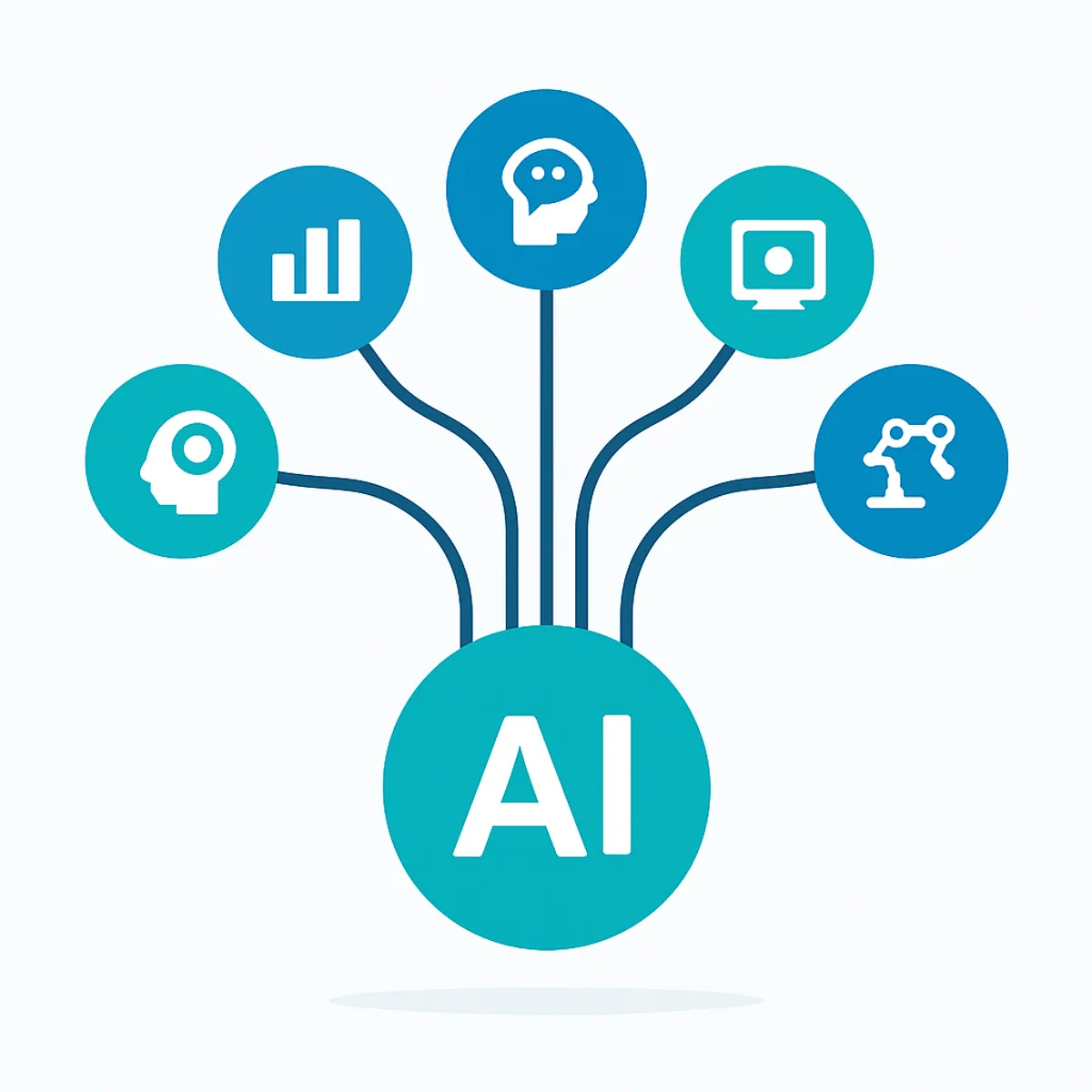
The table below summarizes the major branches of artificial intelligence and what each one does.
| Branch | What It Does | Everyday Example |
|---|---|---|
| Machine Learning | Learns patterns from data to make predictions | Product recommendations |
| Natural Language Processing | Understands and generates human language | Chatbots like ELIZA |
| Deep Learning | Uses neural networks for complex tasks | Image and speech recognition |
| Computer Vision | Interprets images and video | Facial recognition |
| Robotics | Controls physical machines | Warehouse robots |
| Expert Systems | Applies rule-based reasoning | Medical diagnosis tools |
Machine Learning
Machine learning is the branch of AI that allows systems to learn from data instead of being explicitly programmed. Rather than following fixed rules like ELIZA, machine learning models improve their accuracy as they process more examples over time.
This branch powers everything from spam filters to fraud detection and demand forecasting. While ELIZA could only follow scripts, modern machine learning systems adapt, making them far more flexible and capable of handling messy, real-world complexity that no rule set could anticipate.
Natural Language Processing
Natural language processing (NLP) is the direct descendant of ELIZA and the branch most relevant to conversational AI. NLP enables computers to read, interpret, and produce human language with increasing fluency and contextual awareness.
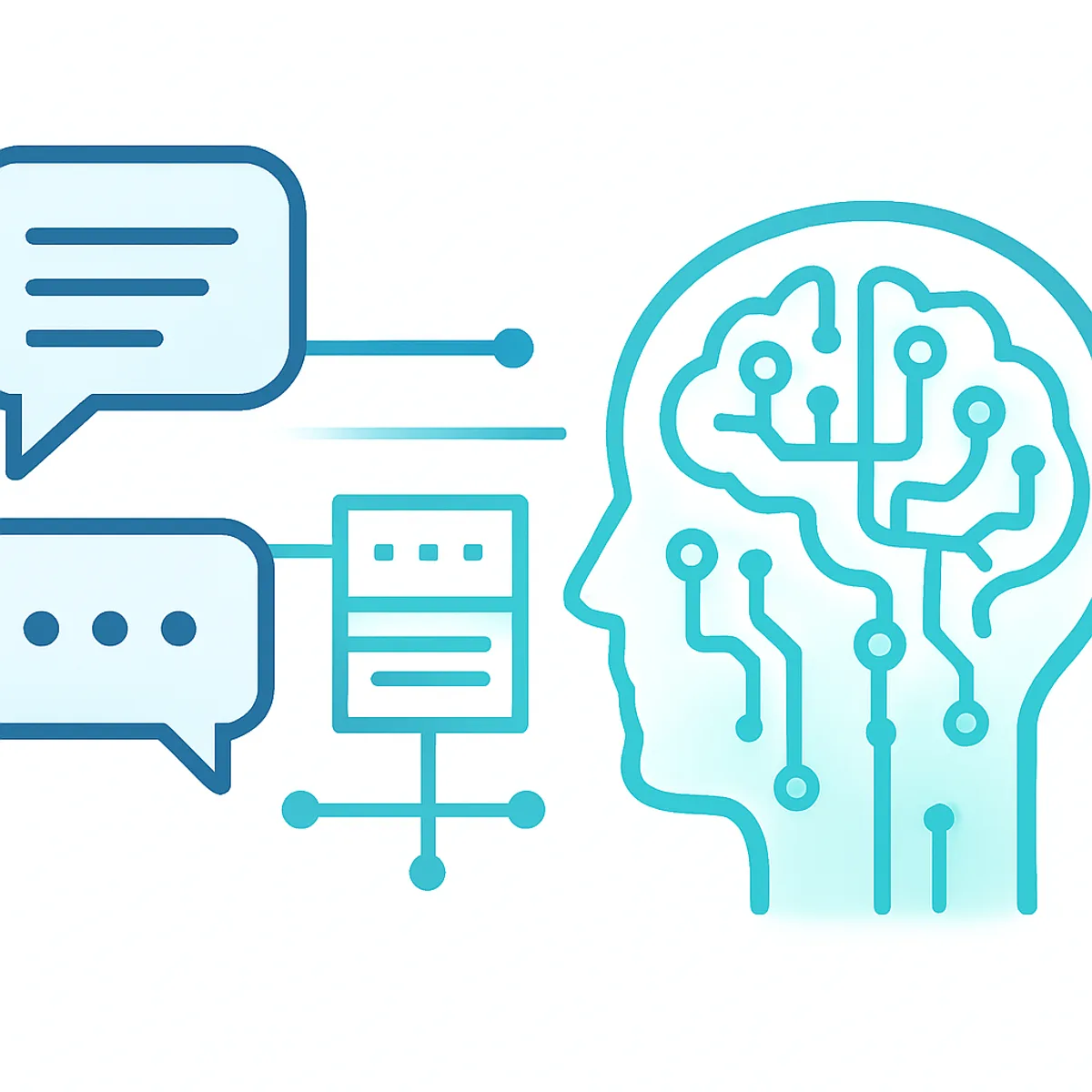
Where ELIZA used rigid keyword matching, today's NLP models use statistical and neural methods to grasp context, tone, and intent. This evolution is exactly why modern assistants can answer nuanced, multi-part questions that would have completely confused the original ELIZA program.
Deep Learning and Neural Networks
Deep learning is a specialized branch that uses artificial neural networks with many layers to model complex patterns. It is the engine behind the most impressive recent AI breakthroughs, including the large language models that generate human-like text.
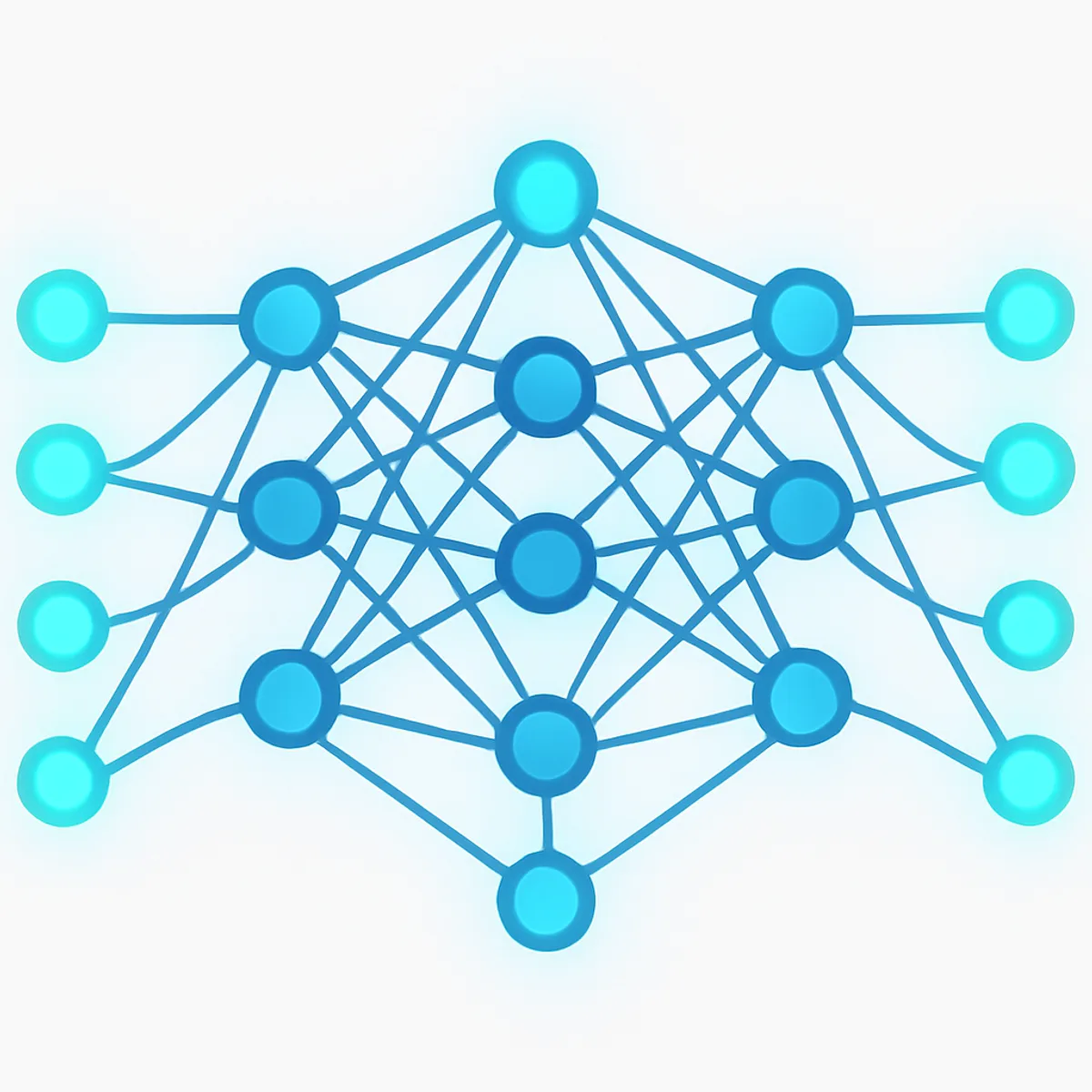
Neural networks loosely imitate how the human brain processes information. Unlike ELIZA's handful of rules, a modern neural network can contain billions of parameters, allowing it to generate text, recognize speech, and hold coherent multi-turn conversations across many topics.
Computer Vision, Robotics, and Expert Systems
The remaining branches round out the AI tree. Computer vision lets machines interpret visual information, robotics gives AI a physical body to act in the world, and expert systems apply structured rules to specialized problems like legal or medical advice.
Together with NLP and machine learning, these branches show that artificial intelligence is a broad ecosystem rather than one tool. ELIZA may seem primitive next to them, but it planted the seed for the conversational interfaces that now connect humans to all of these powerful technologies.
From ELIZA to Modern Conversational AI
The journey from ELIZA to today's AI assistants is a story of scale and sophistication. ELIZA had a few hundred lines of rules, while modern systems learn from trillions of words of text gathered from across the internet.
The comparison below highlights how far conversational AI has progressed since 1966.
| Feature | ELIZA (1966) | Modern Conversational AI (2026) |
|---|---|---|
| Method | Keyword pattern matching | Deep neural networks |
| Understanding | None, surface imitation | Contextual comprehension |
| Learning | No learning | Trained on massive datasets |
| Memory | None | Multi-turn conversation memory |
| Use Cases | Demonstration | Support, search, content, coding |
According to Grand View Research, the global conversational AI market was valued at over $13 billion in 2024 and continues to grow rapidly, a scale Weizenbaum could never have imagined. Gartner has also predicted that conversational AI deployments will reduce contact center agent labor costs by roughly $80 billion by 2026, underlining the real economic impact of this branch.
How Businesses Use the AI Branches Today
Businesses now apply these AI branches to solve real problems and improve customer experiences. Conversational AI, the modern grandchild of ELIZA, handles support tickets, qualifies leads, and answers product questions around the clock without human fatigue.
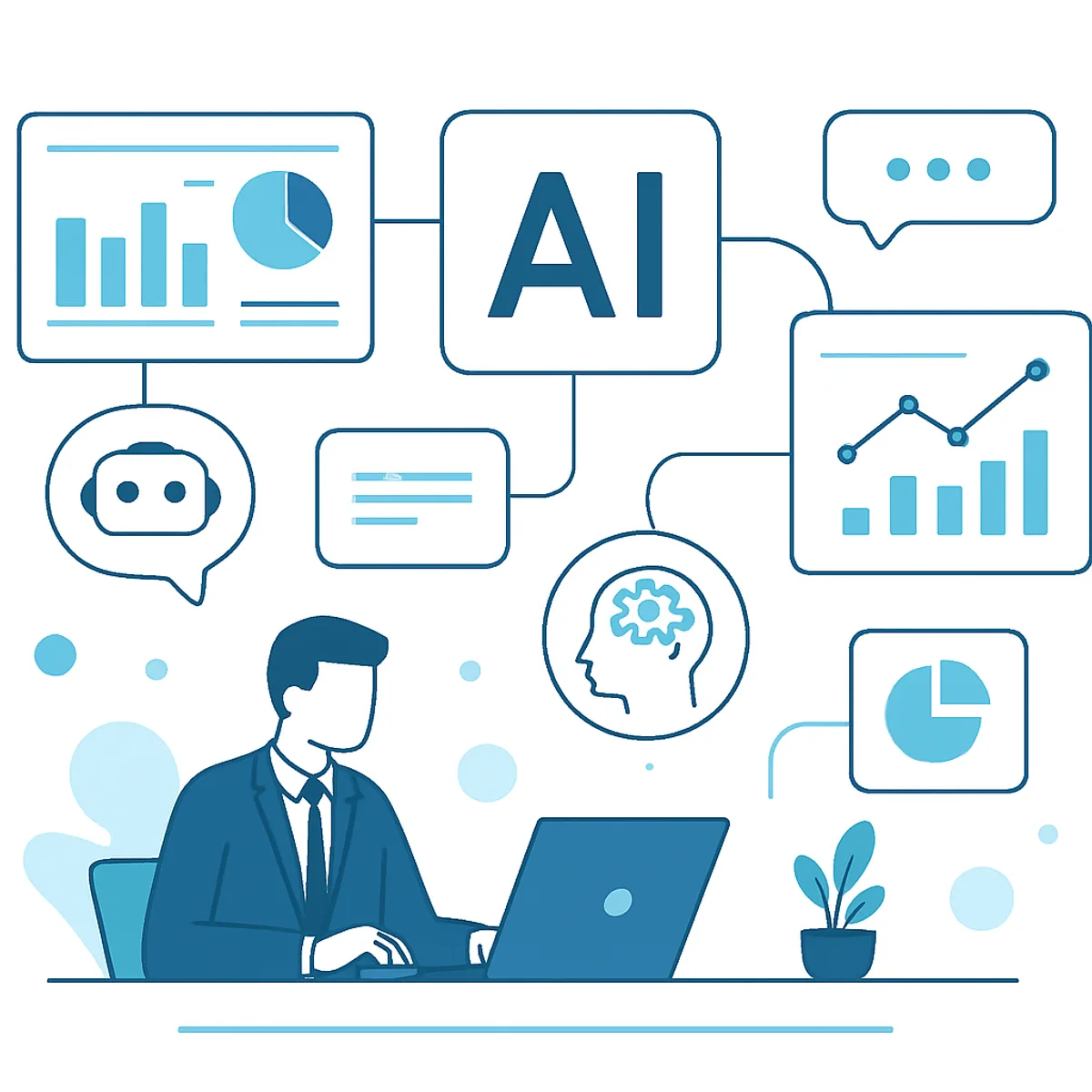
Companies combine NLP, machine learning, and deep learning to automate repetitive work and surface insights hidden inside their data. If you want to apply these technologies to your own business, professional teams like the experts at ZoneTechify and the specialists at WebPeak can help you build practical AI solutions. For dedicated implementation, explore ZoneTechify's artificial intelligence services or WebPeak's AI services to move from idea to a working product.
The Future of Conversational AI
The future of conversational AI builds directly on the foundation ELIZA laid. Tomorrow's assistants will be more personalized, more accurate, and more deeply integrated into the daily tools we already use, from email to enterprise software.

Expect AI that understands voice, images, and text together, that remembers your preferences responsibly, and that can explain its own reasoning. The ethical concerns Weizenbaum raised about trust and dependence will only grow more important as these systems become more convincing and more woven into everyday life.
Key Takeaways
- ELIZA, built in 1966 by Joseph Weizenbaum at MIT, was the first chatbot and a foundation of natural language processing.
- ELIZA used simple pattern matching, not real understanding, yet still convinced many users it was human, creating the "ELIZA effect."
- The main branches of AI include machine learning, natural language processing, deep learning, computer vision, robotics, and expert systems.
- Modern conversational AI evolved from ELIZA's fixed rules into deep neural networks trained on massive datasets.
- According to Grand View Research, the conversational AI market exceeded $13 billion in 2024, showing how far the field has grown.
Frequently Asked Questions (FAQ)
Who created ELIZA and when?
ELIZA was created by computer scientist Joseph Weizenbaum at the Massachusetts Institute of Technology between 1964 and 1966. It is recognized as the world's first chatbot and an early milestone in the natural language processing branch of artificial intelligence.
Is ELIZA considered real artificial intelligence?
ELIZA is considered an early form of artificial intelligence, but it did not truly understand language. It used keyword pattern matching to imitate conversation. It belongs to the history of AI as a foundational example rather than a modern intelligent system.
What branch of AI does ELIZA belong to?
ELIZA belongs to natural language processing, the branch of artificial intelligence focused on helping computers understand and generate human language. This same branch now powers modern chatbots, voice assistants, and large language models used by millions of people every day.
How is ELIZA different from modern chatbots?
ELIZA relied on a few hundred fixed rules and had no memory or learning. Modern chatbots use deep neural networks trained on enormous datasets, allowing them to understand context, remember conversations, and respond far more accurately and naturally than ELIZA ever could.
Why is ELIZA still important in 2026?
ELIZA remains important because it proved machines could imitate human conversation and raised early ethical questions about trust in AI. Every modern conversational system, from customer service bots to AI assistants, traces its conceptual origins back to ELIZA's 1966 design.
Conclusion
ELIZA may look primitive compared to today's AI, but it is the root from which the conversational branch of artificial intelligence grew. By understanding ELIZA, you understand the DNA of every chatbot and assistant you use today. As AI continues to branch and mature, the lessons from 1966 about both possibility and responsibility remain remarkably relevant.