A clear, expert breakdown of Dollar General's 2023 artificial intelligence initiatives across inventory, self-checkout, supply chain, and customer experience.
Dollar General Artificial Intelligence Initiatives 2023
Dollar General operates more than 19,000 stores across the United States, which makes it one of the largest retail footprints in the country. In 2023, the discount retailer leaned heavily on artificial intelligence to manage that scale, control shrink, and keep low-margin shelves stocked. This article breaks down exactly what Dollar General did with AI in 2023, why it mattered, and what retailers of every size can learn from it.
Unlike high-touch retailers, Dollar General runs lean stores in rural and small-town markets, often with a handful of staff per location. That operating model makes automation and predictive technology not a luxury but a survival tool. Below, we examine the concrete initiatives, the data behind them, and the practical takeaways.
Quick Answer: In 2023, Dollar General expanded artificial intelligence across self-checkout monitoring, AI-driven inventory forecasting, supply chain optimization, and store-level analytics. The retailer used computer vision to reduce theft, machine learning to predict demand, and data tools to keep its 19,000-plus low-margin stores stocked and efficient.
What Were Dollar General's Main AI Initiatives in 2023?
Dollar General's 2023 AI strategy centered on four pillars: loss prevention, inventory accuracy, supply chain efficiency, and store-level decision-making. Each pillar targeted a specific pain point that scales painfully across thousands of locations.
The common thread was practicality. Dollar General did not chase flashy AI gimmicks. Instead, it applied machine learning where small percentage gains translate into large dollar amounts because of sheer store volume. A one percent improvement in shrink or stock accuracy across 19,000 stores is a material financial outcome.
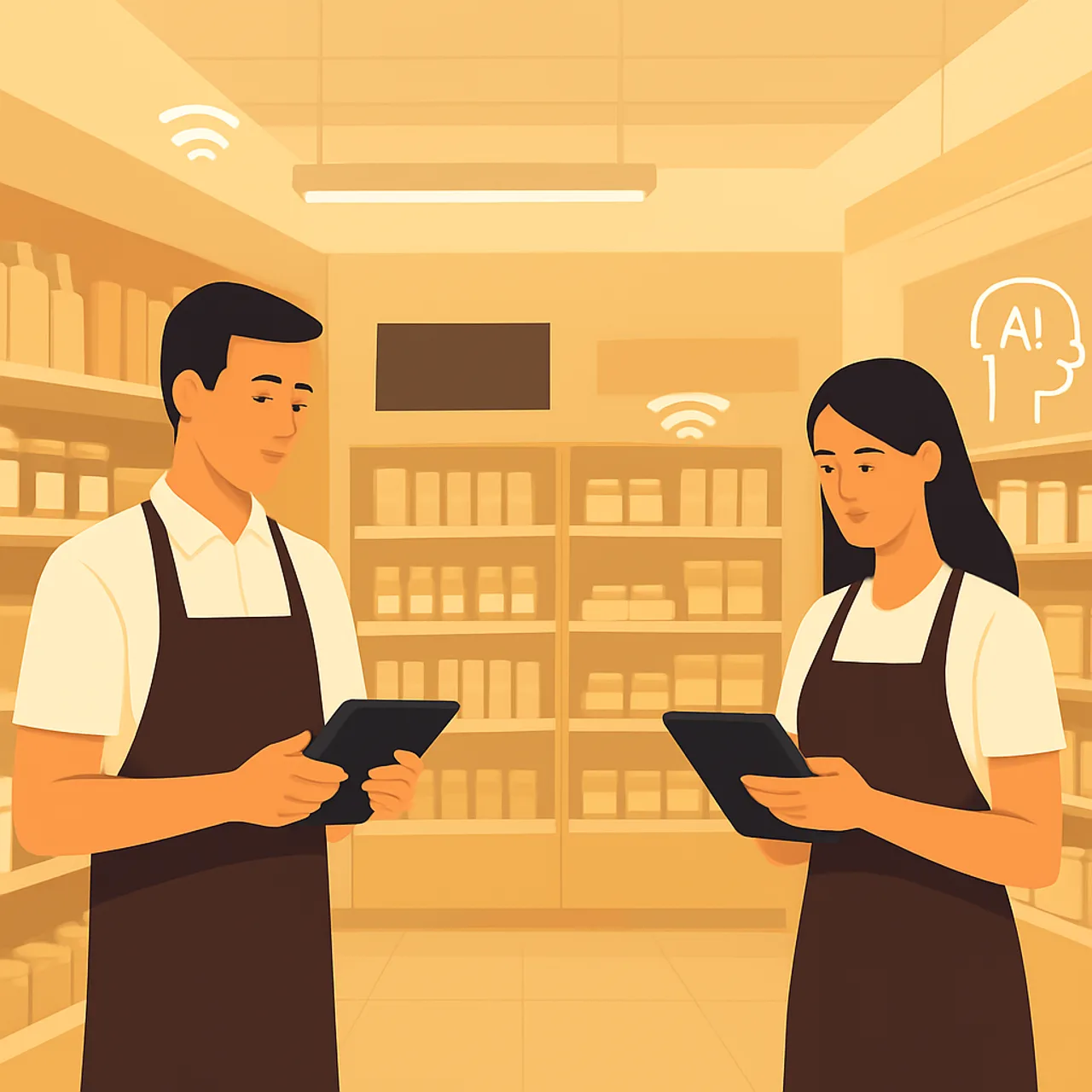
Definition: Retail artificial intelligence refers to machine learning systems that analyze sales, inventory, video, and customer data to automate decisions such as restocking, pricing, fraud detection, and demand forecasting.
AI-Powered Self-Checkout and Loss Prevention
Self-checkout was Dollar General's most visible AI battleground in 2023. The company had aggressively rolled out self-checkout to reduce labor pressure, but it created a new problem: shrink. Self-checkout lanes are statistically more vulnerable to both intentional theft and accidental scan errors.
To combat this, Dollar General deployed computer vision and AI-based monitoring at self-checkout terminals. These systems flag mismatches between scanned items and items placed in the bagging area, detect non-scanned products, and alert staff in real time.
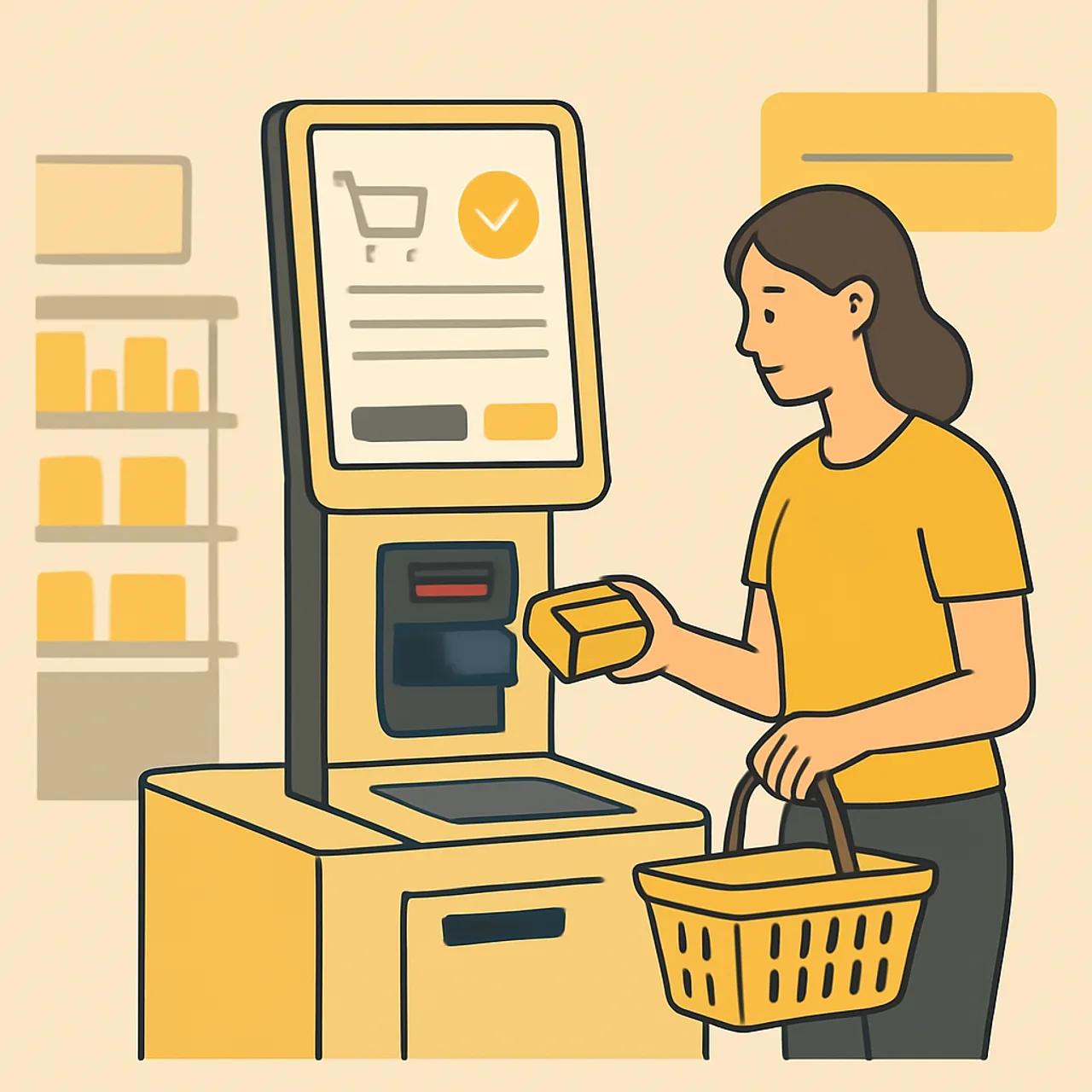
By late 2023, leadership publicly acknowledged that self-checkout shrink had grown beyond acceptable levels in many stores. The response was telling: rather than abandoning the technology, Dollar General used AI to tighten it and began converting some self-checkout lanes back to assisted checkout where data showed losses outweighed labor savings. This data-driven reversal is itself an example of AI in action, using analytics to decide where automation actually pays off.
The lesson for other retailers is direct: automation without intelligent oversight can increase costs. AI monitoring is what makes self-checkout financially viable at scale.
Smarter Inventory and Demand Forecasting
Inventory accuracy is the heartbeat of a discount retailer, and Dollar General invested in AI-driven forecasting throughout 2023 to keep shelves stocked without over-ordering. Empty shelves cost sales; overstock ties up cash and storage that small-format stores simply do not have.
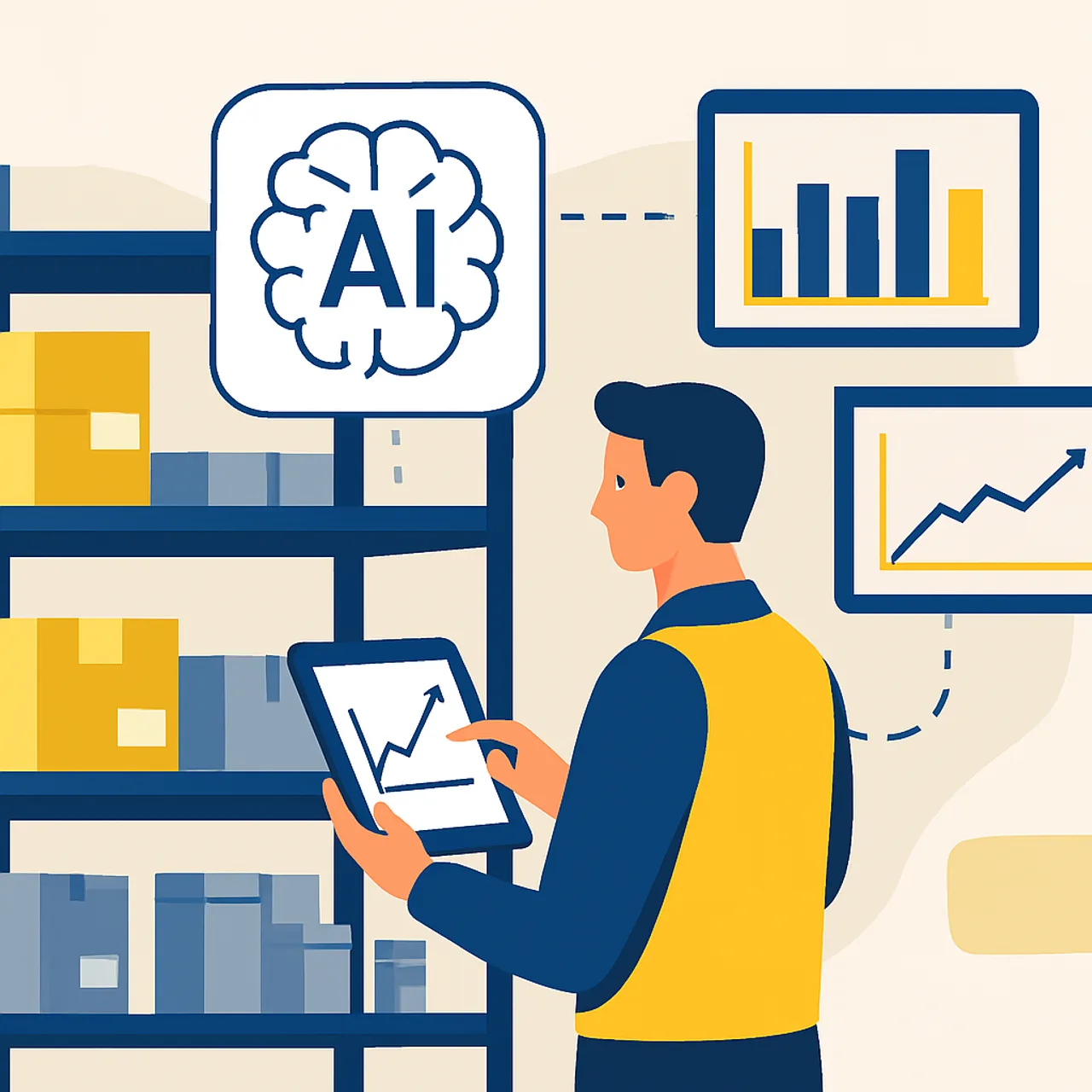
Machine learning models analyzed historical sales, seasonality, local demographics, weather, and promotional calendars to predict demand at the individual store level. This localized approach matters because a store in rural Texas has very different demand patterns than one in suburban Ohio.
Key benefits Dollar General targeted with AI forecasting include:
- Reduced stockouts on high-velocity essentials like cleaning supplies and packaged food.
- Lower carrying costs by ordering closer to actual demand.
- Better promotional planning by predicting lift from discounts before they run.
- Faster replenishment cycles that match delivery schedules to real consumption.
The payoff is measurable: McKinsey research has found that AI-driven supply chain and demand forecasting can reduce errors by up to 50 percent and cut lost sales from product unavailability significantly. For a retailer with Dollar General's volume, those gains compound quickly.
Supply Chain Optimization at Scale
Dollar General's supply chain is a logistical challenge few retailers face: delivering small quantities to thousands of small stores, many in hard-to-reach locations. In 2023, AI played a growing role in routing, distribution center efficiency, and load planning.
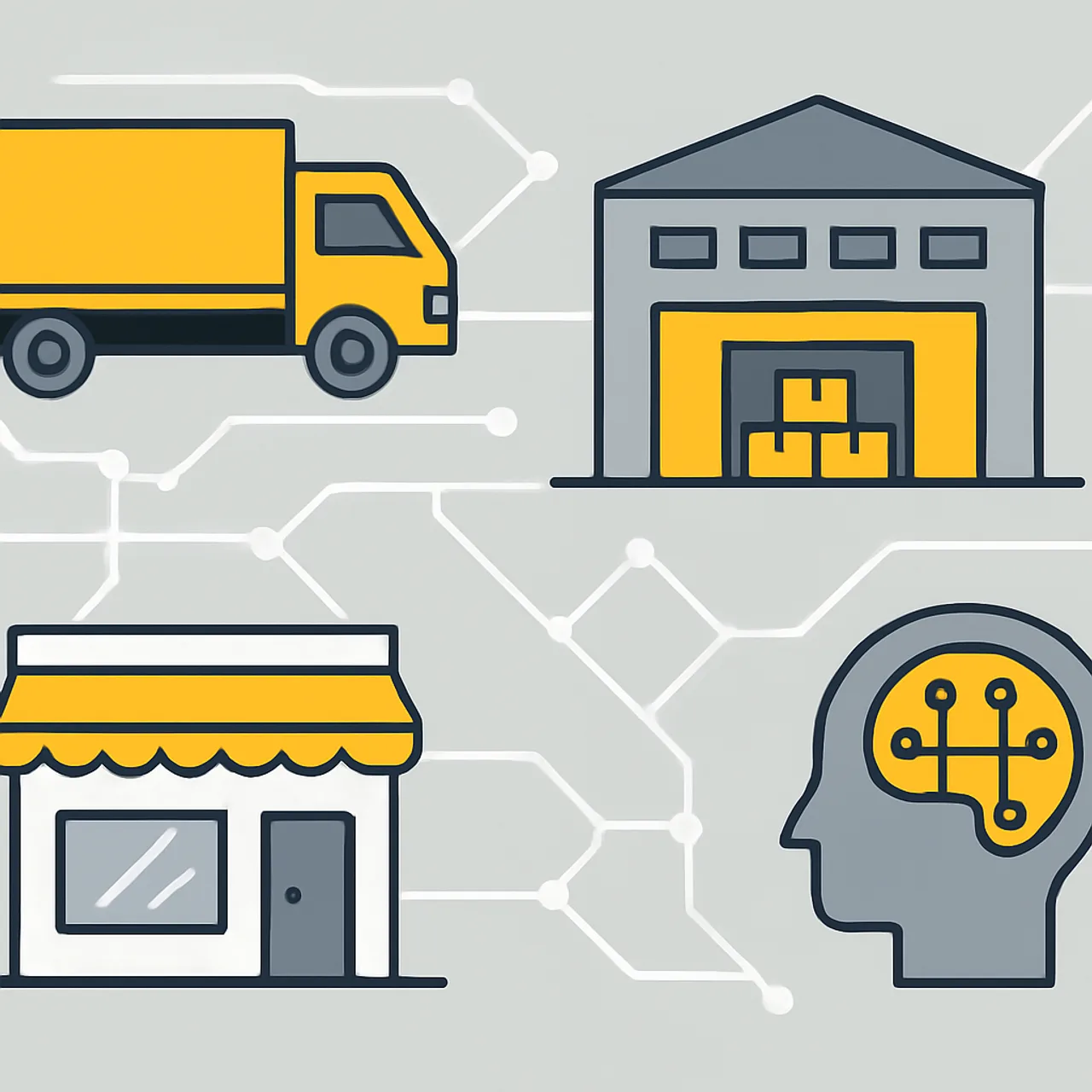
Machine learning models helped optimize delivery routes, predict the most efficient truck loads, and balance inventory across the company's network of traditional and DG Fresh distribution centers. The DG Fresh self-distribution network, which handles refrigerated and frozen goods, benefited especially from AI-driven temperature, demand, and routing analytics that reduce spoilage and missed deliveries.
According to industry analysis, transportation and logistics typically represent one of the largest controllable cost lines in discount retail. Even modest AI-driven routing improvements translate into millions in annual savings when applied across a national fleet. Dollar General's investment here reflects a clear understanding that the supply chain is where AI delivers some of the fastest return on investment.
Store-Level Data Analytics and Decision-Making
Beyond logistics, Dollar General used AI to turn raw store data into operational decisions in 2023. Each store generates a continuous stream of transaction, inventory, and foot-traffic data that is impossible for human teams to analyze manually at scale.
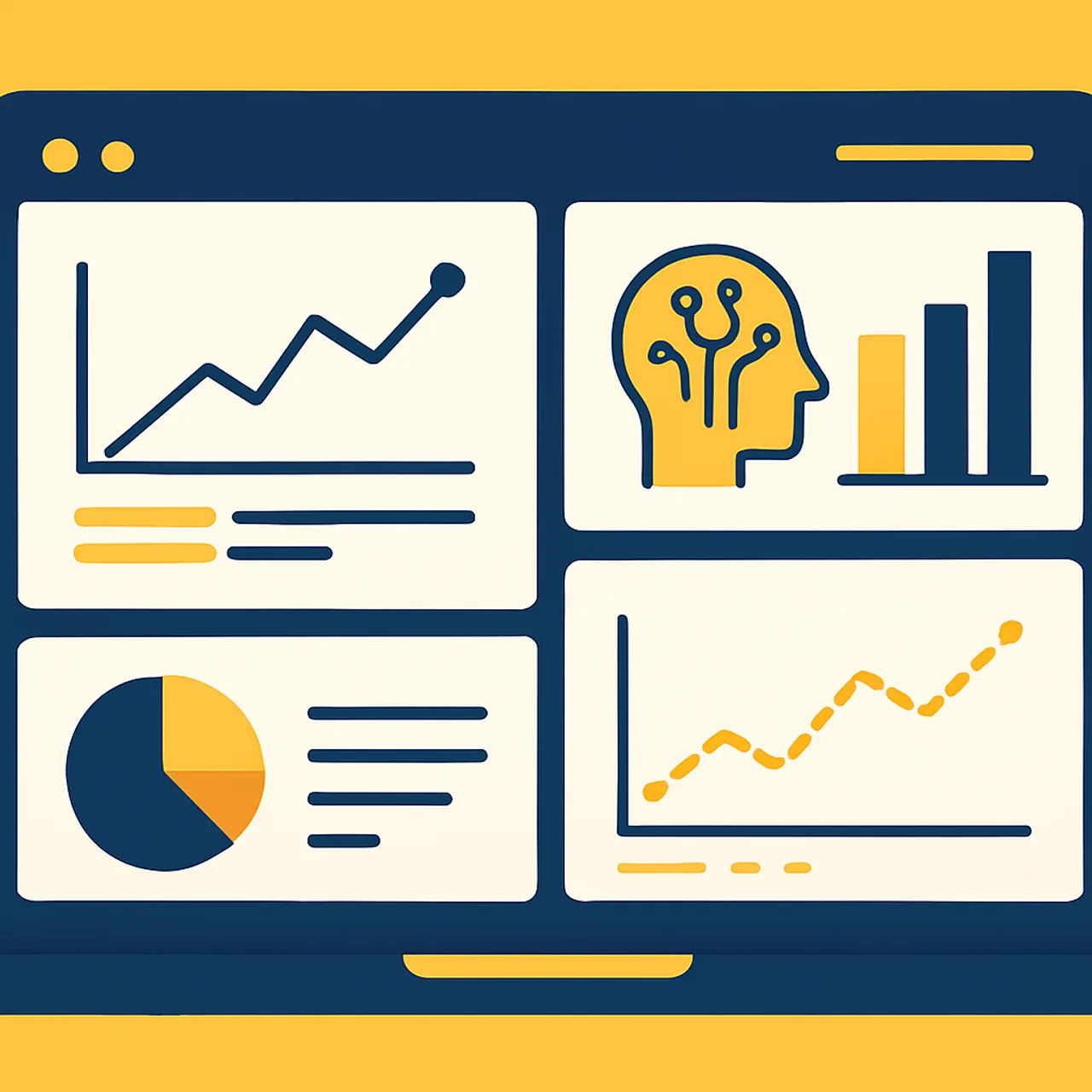
AI analytics platforms helped the company identify underperforming product categories, optimize shelf space, fine-tune pricing in select markets, and detect anomalies that signal theft or operational issues. This kind of analysis lets a lean corporate team manage an enormous network with precision that would otherwise be impossible.
For businesses looking to build similar data capabilities, working with specialists in artificial intelligence services can accelerate the move from raw data to actionable insight without building an in-house team from scratch.
Why This Matters for Smaller Retailers
Dollar General's playbook proves that AI is not just for tech giants. The same categories of tools, demand forecasting, loss prevention, and analytics, are now available to mid-size and small retailers through cloud platforms and off-the-shelf machine learning services. The barrier to entry has dropped dramatically since 2020.
Comparison: Dollar General AI Focus Areas in 2023
The table below summarizes how Dollar General prioritized AI investment and the business outcome each area targeted.
| AI Initiative | Primary Goal | Technology Used | Business Impact |
|---|---|---|---|
| Self-checkout monitoring | Reduce shrink | Computer vision | Lower theft, smarter labor use |
| Demand forecasting | Stock accuracy | Machine learning | Fewer stockouts, less overstock |
| Supply chain routing | Cost efficiency | Predictive analytics | Lower logistics spend |
| Store analytics | Better decisions | Data analytics | Higher per-store performance |
| DG Fresh distribution | Reduce spoilage | Forecasting models | Fresher inventory, less waste |
Challenges Dollar General Faced With AI
Dollar General's AI journey in 2023 was not without friction, and acknowledging this builds an honest picture. The self-checkout shrink problem demonstrated that technology can create unintended consequences when deployed faster than the safeguards around it.
The retailer also operated under broader financial and operational pressure in 2023, including margin compression and inventory challenges. AI was positioned as part of the solution, but it required disciplined investment and constant tuning. Models must be retrained as consumer behavior shifts, and poorly governed AI can amplify bad data rather than fix it.
These realities reinforce an important truth: AI is a tool that demands strong data governance, clear goals, and human oversight. Dollar General's willingness to scale back self-checkout where the numbers did not work shows mature, evidence-based decision-making rather than blind faith in automation.
What Dollar General's 2023 AI Moves Signal for the Future
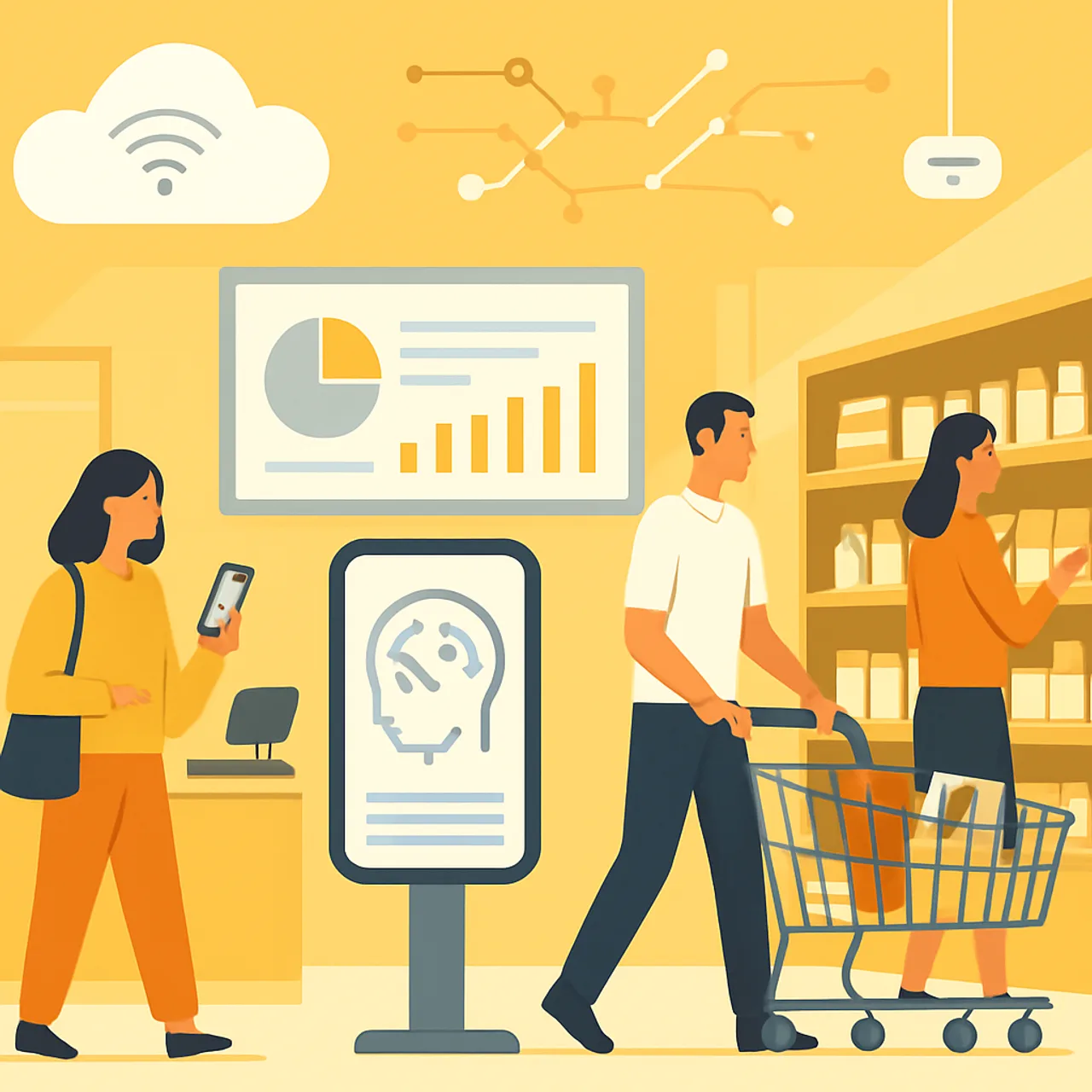
Dollar General's 2023 initiatives point toward a future where discount retail runs on continuous, AI-driven optimization. Expect deeper personalization through the DG mobile app, expanded computer vision for both security and shelf monitoring, and tighter integration between forecasting and automated replenishment.
The broader retail industry is moving the same direction. According to Gartner and other industry forecasts, the majority of large retailers have adopted or plan to adopt AI across core operations, and that share continues to climb each year. Companies that want to keep pace can explore modern AI implementation services to design systems suited to their own scale and data maturity.
For more practical guidance on technology, automation, and digital growth, resources from ZoneTechify and WebPeak offer ongoing insight for businesses navigating these shifts.
Key Takeaways
- Dollar General concentrated its 2023 AI investment on self-checkout loss prevention, demand forecasting, supply chain routing, and store-level analytics.
- Computer vision at self-checkout addressed rising shrink, and the company scaled back lanes where AI data showed losses exceeded savings.
- AI demand forecasting can reduce supply chain errors by up to 50 percent, a major gain across 19,000-plus stores.
- The DG Fresh network used AI forecasting to cut spoilage and improve fresh-food availability.
- Dollar General's approach proves AI delivers the most value where small percentage gains scale across massive store counts.
Frequently Asked Questions (FAQ)
What artificial intelligence did Dollar General use in 2023?
In 2023, Dollar General used computer vision for self-checkout loss prevention, machine learning for demand forecasting, and predictive analytics for supply chain routing. It also applied AI-driven store analytics to improve stocking, pricing, and operational decisions across its national network of stores.
Why did Dollar General reduce self-checkout in 2023?
Dollar General scaled back some self-checkout lanes in 2023 because AI monitoring data showed shrink and theft losses exceeded the labor savings in many stores. The decision was data-driven, using analytics to convert vulnerable lanes back to assisted checkout where it made financial sense.
How does AI help Dollar General manage inventory?
AI helps Dollar General predict demand at the individual store level by analyzing sales history, seasonality, local demographics, and promotions. This reduces stockouts on essentials, lowers overstock and carrying costs, and aligns replenishment with actual consumption across thousands of small-format locations.
Did Dollar General's AI initiatives save money in 2023?
Dollar General's AI initiatives targeted measurable savings in shrink reduction, logistics efficiency, and inventory accuracy. Because the company operates more than 19,000 stores, even small percentage improvements from AI forecasting and routing translate into significant aggregate cost savings across the entire network.
Can small retailers use the same AI tools as Dollar General?
Yes. The core tools Dollar General used, demand forecasting, loss prevention, and data analytics, are available to small and mid-size retailers through cloud platforms and off-the-shelf machine learning services. The cost barrier has dropped sharply, making retail AI accessible well beyond large chains.