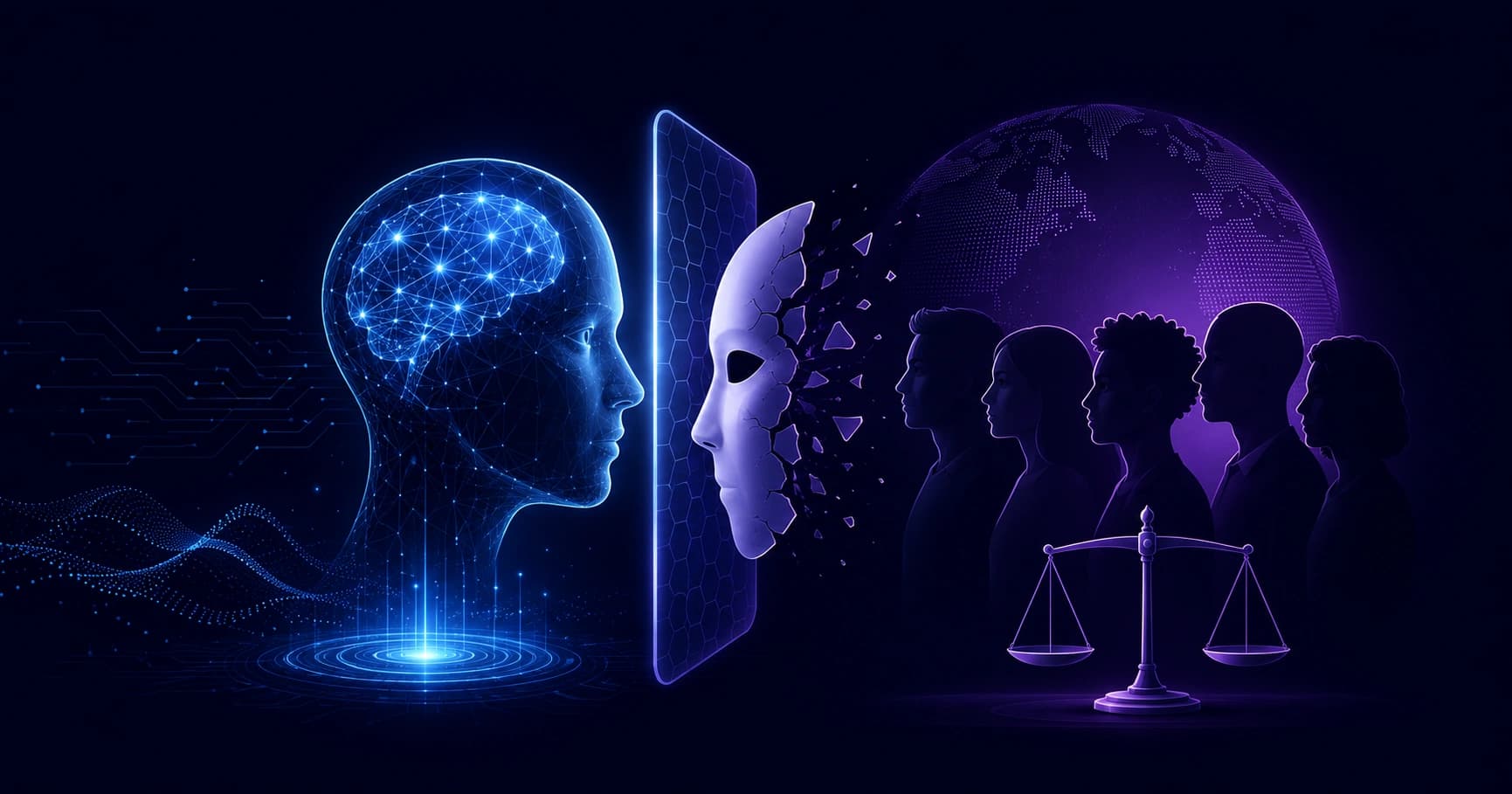
A people-first look at how hidden bias inside AI systems creates real discrimination, and the practical steps teams can take to expose and fix it.
Artificial Intelligence Deephacks Discrimination Exposed
Artificial intelligence promised fairness at scale. Feed a model enough data, the thinking went, and it would judge people without the prejudice that clouds human decisions. Reality has been messier. Behind sleek dashboards and confident predictions, many AI systems quietly reproduce, and sometimes amplify, the very discrimination they were supposed to remove. These hidden flaws, the "deephacks" buried inside training data and model logic, are now being exposed by researchers, journalists, and the people harmed by them. This article breaks down where AI discrimination comes from, how it hides, and what responsible teams can do about it.
If you build, buy, or rely on automated decisions, this matters. Bias is not an abstract ethics seminar topic. It decides who gets a loan, an interview, a medical referral, or bail. When a model gets it wrong at scale, it gets it wrong for millions at once. Brands like ZoneTechify and WebPeak increasingly help organizations audit these systems before they cause harm, because the cost of getting it wrong is no longer just reputational, it is legal and human.
What "AI Deephacks" Really Means
The term "deephacks" describes the subtle, often invisible ways bias gets baked into deep learning models. Unlike a coding bug you can spot in a single line, these problems live across millions of parameters and billions of data points. They emerge from how data was collected, labeled, and weighted, not from a single broken function. That is what makes them so dangerous: they pass every standard test, ship to production, and only reveal their discrimination once real people interact with them.
A deephack is rarely intentional. No engineer writes a rule saying "reject this group." Instead, the model learns statistical shortcuts. If historical data shows one group was hired less often, the model treats that pattern as a signal worth repeating. The discrimination is inherited, then automated, then scaled.
Why Bias Hides So Well
Modern models are praised for their accuracy, and high overall accuracy is exactly what conceals discrimination. A system can be 95 percent accurate overall while being far less accurate for a minority group that makes up a small slice of the data. The headline metric looks great. The lived experience for that group is unfair. Aggregate numbers hide disaggregated harm.
Where Discrimination Enters the Pipeline
Bias does not appear at one single moment. It accumulates across the machine learning lifecycle. Understanding each entry point is the first step to exposing it.
- Data collection: If the training data underrepresents certain populations, the model never learns them well.
- Labeling: Human annotators carry their own assumptions, which become ground truth.
- Feature selection: Seemingly neutral variables like zip code or name can act as proxies for race or income.
- Optimization: Models optimize for the majority pattern, quietly sacrificing minority accuracy.
- Deployment: A model trained in one context behaves differently when used in another.
Hiring Algorithms Under the Microscope
One of the most documented cases of AI discrimination is automated hiring. Resume-screening systems trained on a company's past hires learn to favor whoever was historically hired. If the past workforce skewed toward one gender or background, the model learns to downrank everyone else, sometimes penalizing resumes that merely mention certain schools, hobbies, or word patterns.
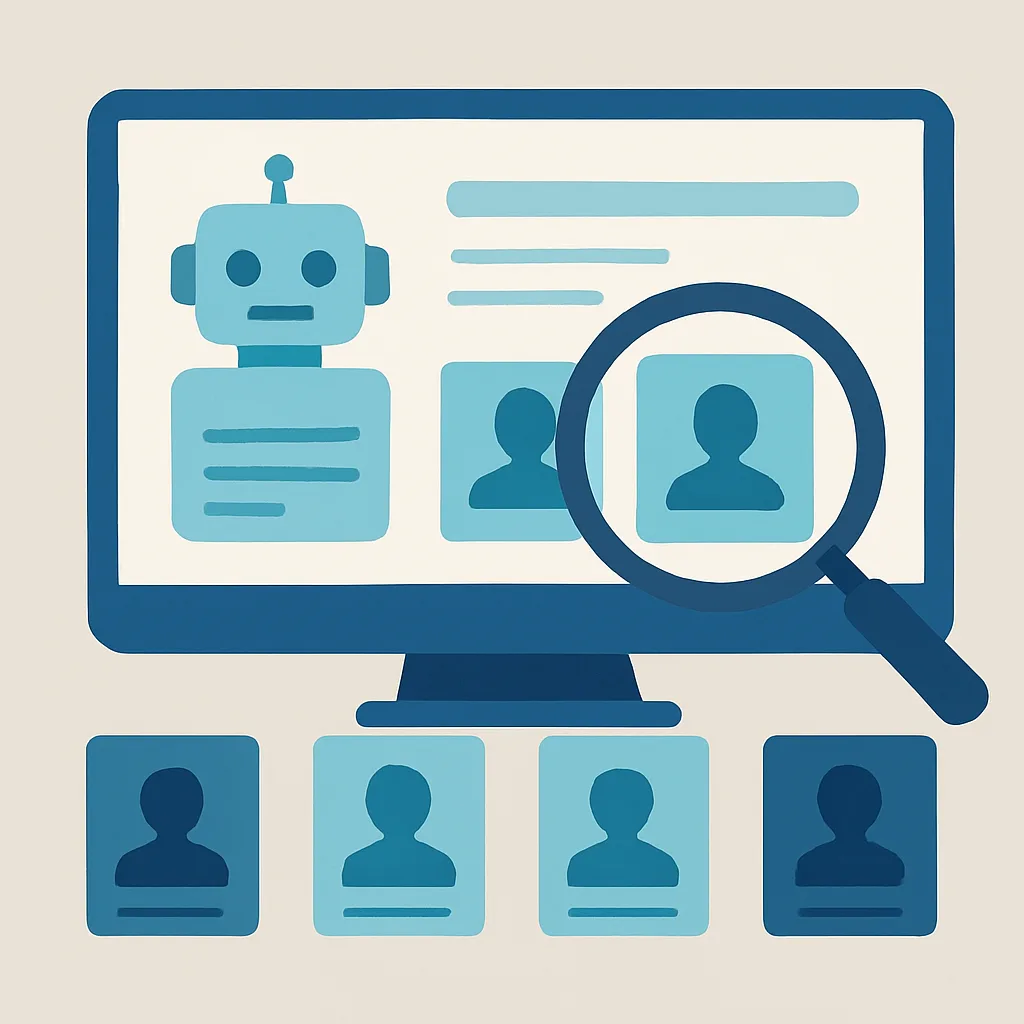
The scary part is efficiency. A biased human recruiter affects dozens of candidates a week. A biased model screens thousands an hour, applying the same flawed logic with mechanical consistency. Speed turns a small bias into a systemic one almost overnight.
Facial Recognition and the Accuracy Gap
Facial recognition is the clearest public example of exposed AI discrimination. Multiple independent studies found that leading systems were dramatically less accurate for darker-skinned faces and for women, with error rates many times higher than for lighter-skinned men. When such systems feed policing, surveillance, or identity verification, the consequences are severe: false matches, wrongful stops, and denied access.
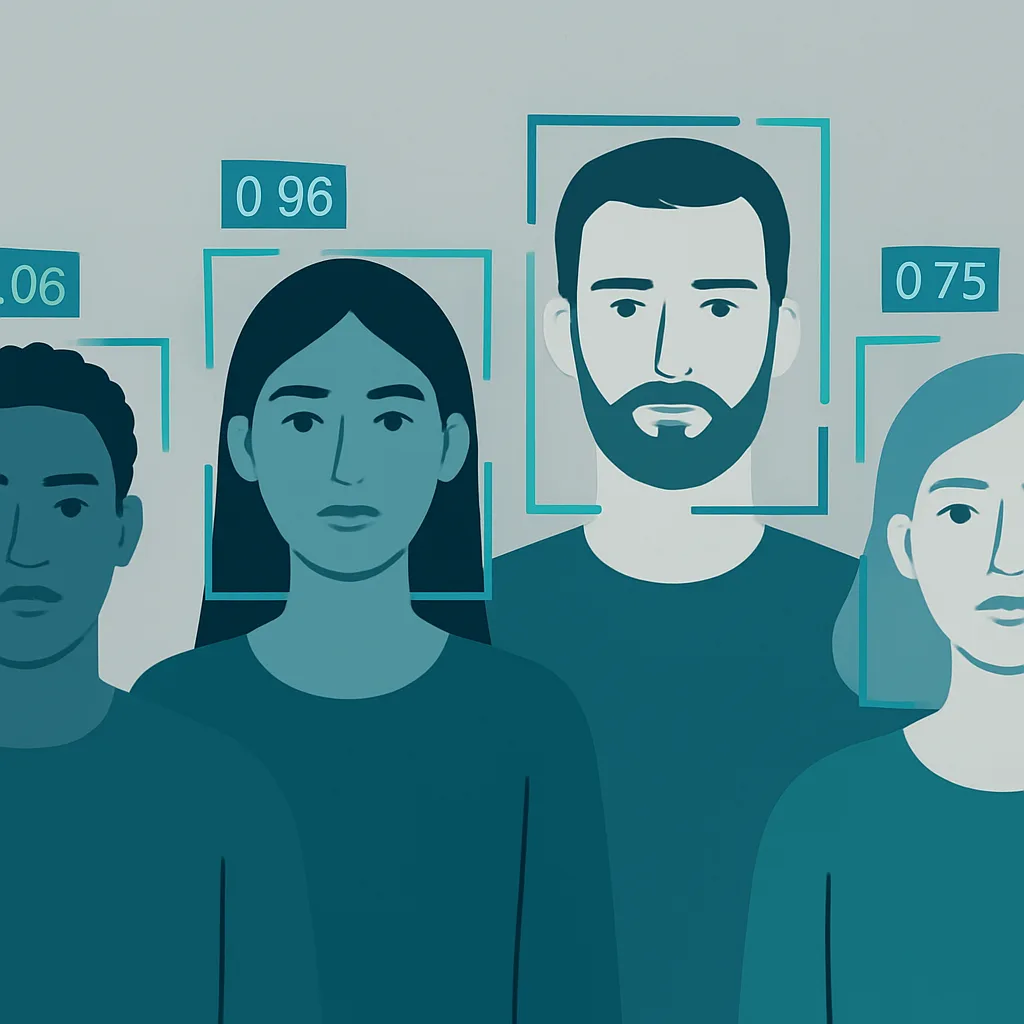
The root cause was familiar. Training datasets were dominated by a narrow demographic, so the model learned that demographic best. The technology was not malicious, but its blind spots fell hardest on the people least represented in the data, turning a technical gap into a civil rights issue.
How to Expose Discrimination Before It Ships
Exposing bias is not guesswork. It is a disciplined process of measurement. Teams that take fairness seriously treat it as a first-class metric, monitored as closely as accuracy or latency. The goal is to find harm in testing, not in the headlines.
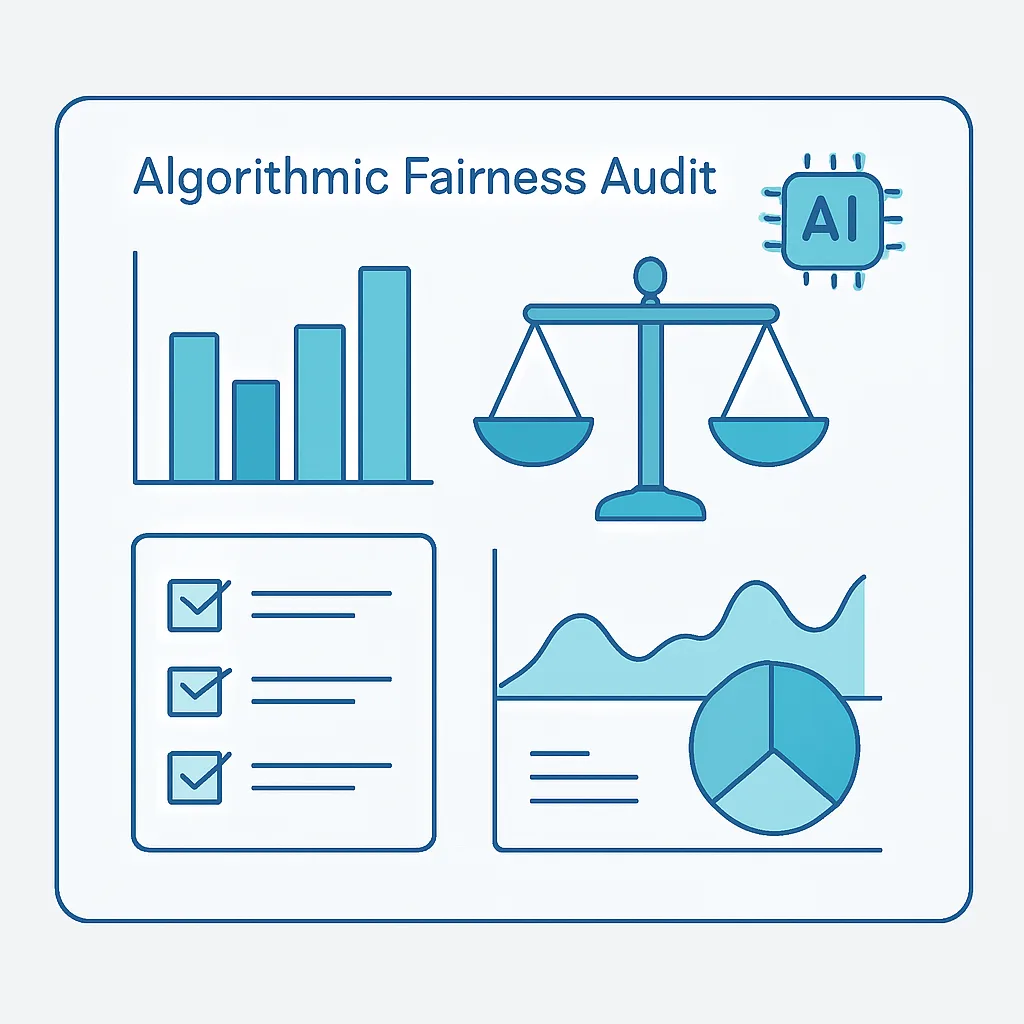
A practical audit examines model behavior across subgroups, not just in aggregate. The table below shows common fairness checks and what they reveal.
| Fairness Check | What It Measures | Why It Matters |
|---|---|---|
| Disaggregated accuracy | Performance per demographic group | Reveals hidden accuracy gaps |
| Demographic parity | Equal positive rates across groups | Flags unequal outcomes |
| Equal opportunity | Equal true positive rates | Ensures fair access to benefits |
| Proxy analysis | Hidden correlations with protected traits | Catches indirect discrimination |
| Counterfactual testing | Output changes when only group changes | Exposes direct bias |
Running these tests requires honesty. It is uncomfortable to discover your shipped product treats people unequally, but discovering it internally is far better than having a regulator or reporter do it for you.
Strategies to Mitigate AI Discrimination
Finding bias is only half the work. Fixing it requires changes across data, modeling, and governance. There is no single switch, but a layered approach reliably reduces harm.
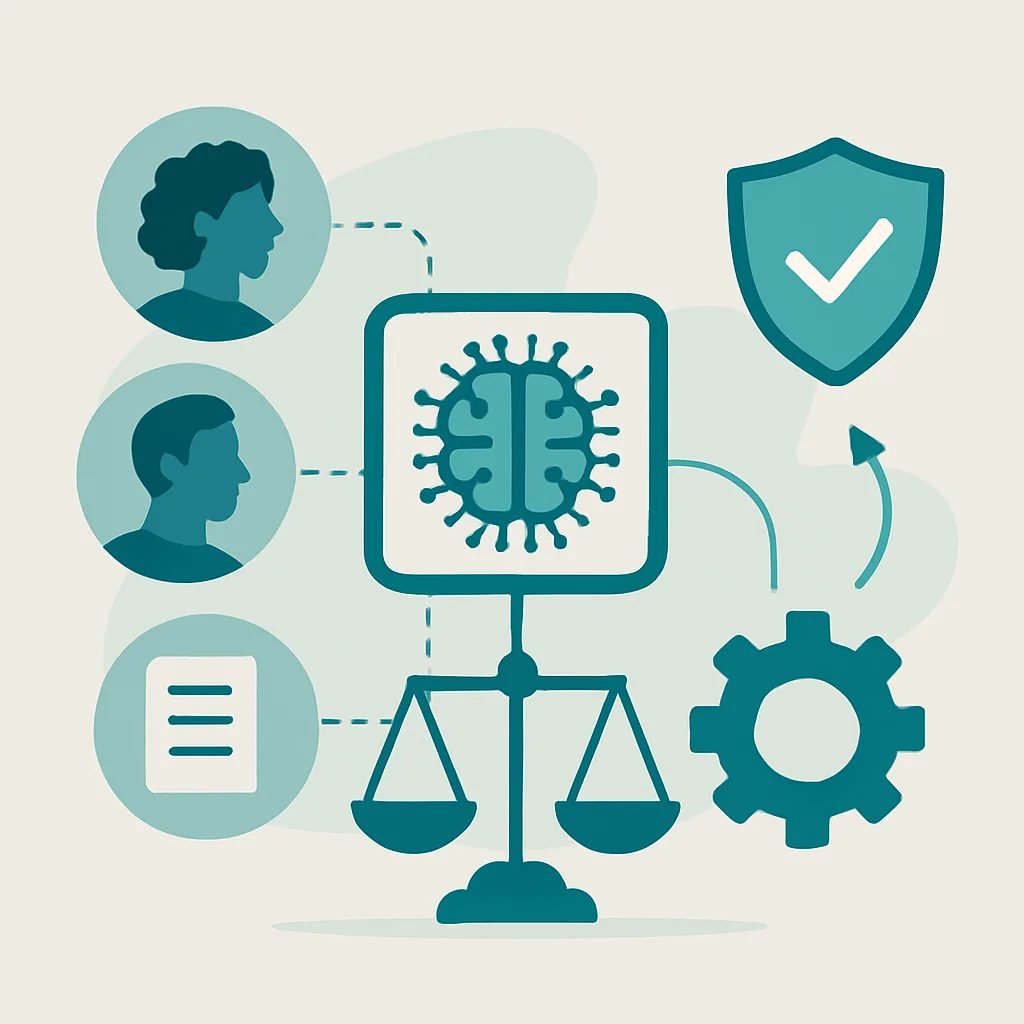
Build Better Data
Start upstream. Collect representative data, audit it for gaps, and document its limitations. Techniques like re-sampling underrepresented groups, re-weighting examples, and generating balanced datasets help the model learn everyone, not just the majority. Data documentation, sometimes called datasheets, forces teams to state what the data does and does not cover.
Adjust the Model and the Process
Fairness-aware training methods can penalize a model for unequal outcomes during optimization. Post-processing can recalibrate thresholds per group to equalize error rates. Just as important is human oversight: keeping a person in the loop for high-stakes decisions, and giving affected people a way to appeal an automated outcome.
Organizations that need help implementing these safeguards often turn to specialized partners. ZoneTechify's artificial intelligence services and WebPeak's artificial intelligence services focus on building and auditing models with fairness and transparency built in from day one, rather than bolted on after a scandal.
Govern It Like You Mean It
Technical fixes fail without accountability. Assign clear ownership for model fairness, require bias audits before launch, and keep records of decisions. Transparency reports, model cards, and regular re-audits turn fairness from a one-time project into an ongoing practice. Regulation is also catching up, so documented diligence is becoming a legal necessity, not a nice-to-have.
The Human Cost Behind the Metrics
It is easy to get lost in confusion matrices and parity scores. Behind every false negative is a person denied something they deserved. The applicant who never got the interview. The borrower who was charged more. The patient whose risk was underestimated. AI discrimination is not a rounding error; it is a series of individual injustices delivered at industrial scale.
That framing should guide every team building automated systems. The question is not only "Is the model accurate?" but "Who pays the price when it is wrong, and is that fair?" Centering the affected person changes priorities, and it changes products for the better.
A More Honest Future for AI
The exposure of AI discrimination is, paradoxically, a hopeful sign. Problems that stay hidden cannot be fixed. The fact that researchers, regulators, and users are now naming these deephacks means the industry can no longer pretend models are neutral by default. Fairness is becoming a measurable, demanded feature.
The path forward is clear even if the work is hard. Build with representative data. Test across groups, not just in aggregate. Keep humans accountable for high-stakes calls. Document everything, and invite scrutiny instead of hiding from it. Done right, AI can reduce bias rather than launder it, surfacing inconsistencies humans miss and applying standards consistently.
Conclusion
Artificial intelligence does not discriminate on its own; it learns to from the data and choices we give it. The deephacks exposed across hiring, facial recognition, lending, and beyond are a warning, not a verdict. With disciplined auditing, better data, fairness-aware modeling, and real governance, organizations can catch discrimination before it reaches a single user. The technology is powerful enough to scale fairness just as easily as it scales bias, the difference is the care we put into building it. Teams that treat fairness as core engineering, with help from partners like ZoneTechify and WebPeak when needed, will build AI that earns trust instead of losing it.