Discover how PR agencies help artificial intelligence startups build trust, earn media coverage, and turn complex technology into compelling brand stories.
PR Agencies Artificial Intelligence Startups
Artificial intelligence is reshaping every industry, yet many promising AI startups struggle with one fundamental problem: nobody knows they exist. Building a brilliant model or a game-changing automation platform is only half the battle. The other half is communication, credibility, and trust. This is exactly where specialized PR agencies for artificial intelligence startups come in. They translate dense technical breakthroughs into stories investors, journalists, and customers actually care about.
In this guide, we explore how PR agencies support AI startups, what makes AI public relations unique, how to choose the right partner, and how to measure success. Whether you are pre-seed or scaling toward Series B, the right communication strategy can be the difference between obscurity and category leadership.

Why AI Startups Need Specialized PR
The AI space is crowded, fast-moving, and full of hype. Every week brings new models, new funding rounds, and bold claims about replacing entire job categories. For a startup, this noise is dangerous. Generic messaging gets lost, and exaggerated promises invite skepticism. A specialized PR agency understands the technology deeply enough to position your startup honestly while still capturing attention.
Unlike traditional public relations, AI PR demands fluency in concepts like machine learning, large language models, data privacy, and algorithmic bias. Journalists covering this beat are sophisticated. They can quickly detect when a founder is overselling. Agencies that specialize in artificial intelligence know how to balance ambition with accuracy, which protects your reputation in the long run.
There is also the trust problem. Consumers and enterprises remain cautious about AI. Concerns about ethics, security, and transparency are real. A skilled agency helps you address these concerns proactively, framing your startup as responsible rather than reckless. This builds the credibility that closes enterprise deals and attracts serious investors.
What PR Agencies Actually Do for AI Startups
Public relations is far broader than sending press releases. A modern agency working with an AI startup typically handles a wide range of activities that compound over time.

Media Relations and Coverage
At the core, agencies build relationships with reporters at outlets your audience reads. They pitch story angles, secure interviews, and time announcements around funding, product launches, or research milestones. Earned media in a respected publication carries credibility that paid advertising simply cannot match.
Thought Leadership
Founders of AI companies are often the most valuable spokespeople. Agencies ghostwrite opinion pieces, prepare conference talks, and position executives as authoritative voices on emerging trends. When your CEO is quoted explaining the future of automation, your brand inherits that authority.
Messaging and Narrative
Before any outreach happens, a good agency defines your core narrative. What problem do you solve? Why now? Why you? This messaging architecture keeps every blog post, pitch, and social update consistent. Strong storytelling is what makes complex technology feel human and necessary.
Crisis and Reputation Management
AI invites scrutiny. A data incident, a biased output, or a controversial use case can spiral quickly. Agencies prepare response plans, draft holding statements, and coach spokespeople so that when something goes wrong, you respond with composure rather than panic.

The Unique Challenges of AI Public Relations
Marketing an AI startup is not like marketing a typical SaaS product. Several challenges make this niche genuinely difficult, which is why specialization matters so much.
First, the technology is abstract. Explaining a neural network to a mainstream audience without dumbing it down or misrepresenting it is an art. Second, the regulatory landscape keeps shifting. Agencies must stay current on AI legislation across regions to keep messaging compliant. Third, the hype cycle creates fatigue. Audiences are tired of every company claiming to be AI-powered, so differentiation requires substance, not buzzwords.
Finally, there is the ethics dimension. Responsible AI is no longer optional in your communications. Stakeholders want to know how you handle bias, privacy, and transparency. Brands like ZoneTechify and WebPeak emphasize that trustworthy positioning is now a competitive advantage rather than a compliance checkbox. A PR partner who weaves ethics into your narrative future-proofs your reputation.
How to Choose the Right PR Agency
Selecting an agency is a high-stakes decision. The wrong choice wastes budget and momentum, while the right one accelerates growth. Use the following criteria to evaluate potential partners.
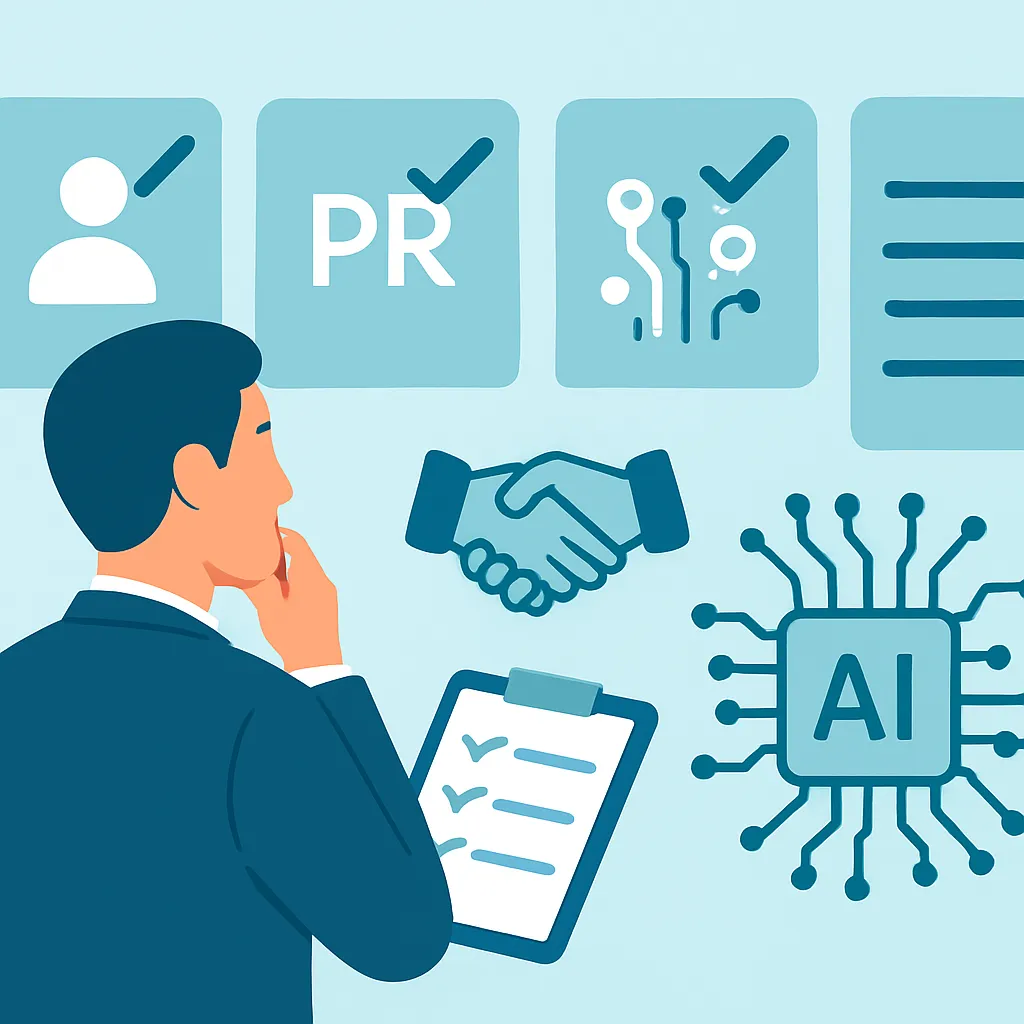
| Evaluation Factor | What to Look For |
|---|---|
| Industry expertise | Proven experience with AI or deep tech clients |
| Media relationships | Active contacts at tier-one tech publications |
| Strategic thinking | Focus on narrative, not just press releases |
| Measurement | Clear reporting on coverage, reach, and impact |
| Cultural fit | Team that understands your stage and pace |
Ask for case studies and references from companies at a similar stage. A pre-seed startup has different needs than a growth-stage scaleup. Beware agencies that promise guaranteed placements, as no ethical firm can guarantee earned media. Instead, look for partners who set realistic expectations and tie their work to your business goals.
Budget transparency also matters. Understand whether you are paying a monthly retainer, project fees, or performance-based pricing. Many AI startups benefit from pairing PR with broader digital marketing efforts so that earned media amplifies paid and owned channels for a unified presence.
Building a Compelling AI Brand Story
The most successful AI startups are not necessarily those with the best technology. They are the ones who tell the clearest story. Humans connect with narratives, not specifications. Your PR agency should help you articulate a story that answers three questions: what is broken in the world, how does your AI fix it, and what does the future look like once you succeed.

Strong AI storytelling avoids jargon and centers on outcomes. Instead of describing your model architecture, describe the customer who saves hours every day because of it. Instead of listing parameters, share the measurable results your platform delivers. Concrete proof points, customer testimonials, and real-world case studies make your claims believable.
Consistency is equally important. Your story should appear identically across your website, investor decks, social media, and press interviews. When everyone in the company tells the same story, the brand feels solid and intentional. This coherence reassures investors and customers that you know exactly who you are.
Measuring PR Success for AI Startups
One of the biggest myths is that public relations cannot be measured. Modern PR is highly accountable when you track the right metrics. Vanity numbers like raw impressions matter less than indicators tied to growth.
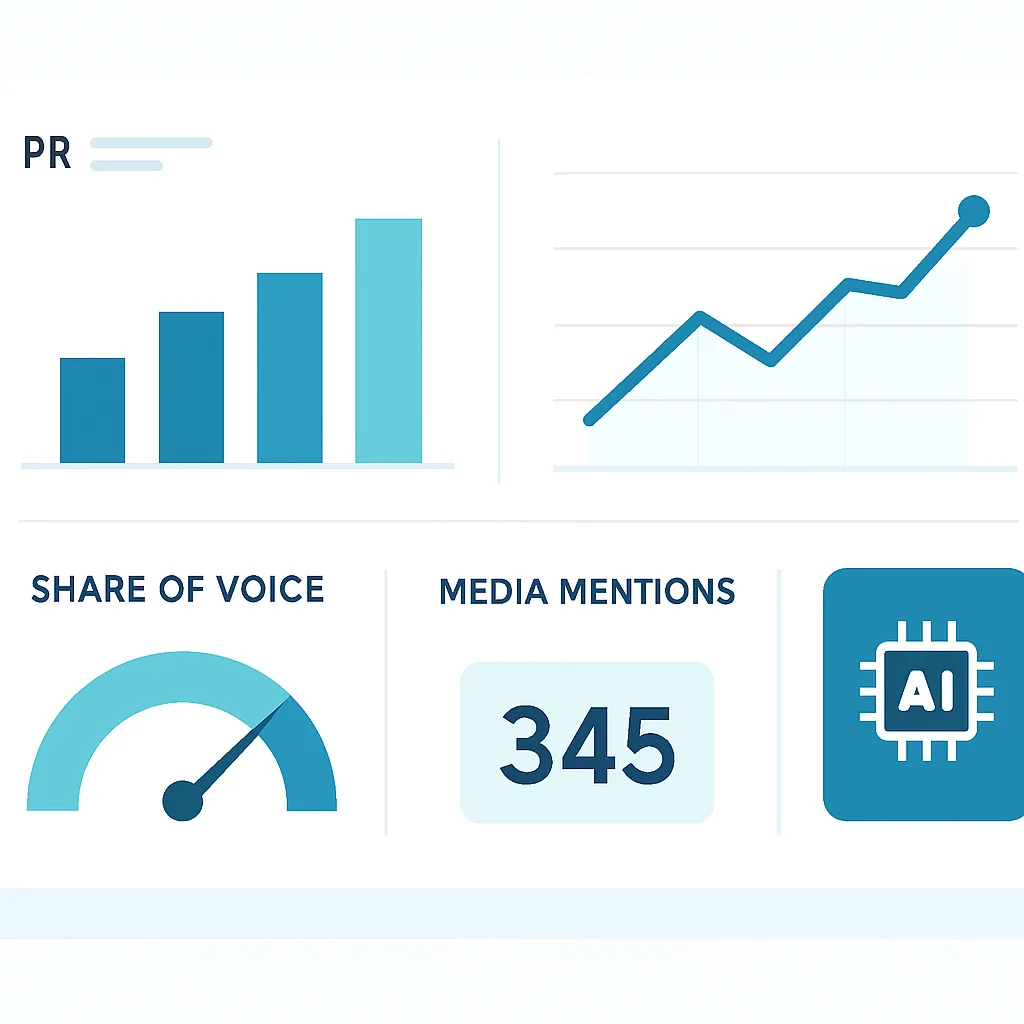
Key metrics to monitor include share of voice compared with competitors, quality of media coverage, message pull-through in articles, referral traffic from earned coverage, and inbound leads attributed to PR activity. Many teams also track investor inbound interest, as strong media presence often shortens fundraising cycles.
Set a baseline before your campaign begins, then review progress monthly. A reliable agency provides transparent reporting that connects communication outputs to business outcomes. Over time, you should see your startup mentioned in conversations you were previously excluded from, which is the clearest sign that positioning is working.
It is also worth remembering that PR compounds. A single article rarely transforms a business, but a steady stream of credible coverage builds a reputation that becomes self-reinforcing. Patience and consistency are essential.
The Future of PR for AI Startups
The relationship between AI and public relations is evolving in both directions. AI startups need PR, and PR itself is being transformed by AI tools that assist with media monitoring, sentiment analysis, and content drafting. Agencies that embrace these tools deliver faster insights and sharper targeting.

Looking ahead, expect deeper emphasis on responsible AI narratives, more demand for founder visibility, and tighter integration between earned, owned, and paid media. The startups that win will treat communication as a core function rather than an afterthought bolted on before a launch.
As AI becomes embedded in everyday life, the companies that communicate with clarity, honesty, and humanity will earn lasting trust. A specialized PR agency is no longer a luxury for AI startups, it is foundational infrastructure for sustainable growth.
Final Thoughts
Artificial intelligence startups face a unique communication challenge: they must explain the complex, build trust in the uncertain, and stand out in a crowded market. Specialized PR agencies bridge that gap by translating technology into stories, earning credible coverage, and protecting reputation. By choosing a partner with genuine AI expertise, crafting a consistent brand narrative, and measuring results that matter, your startup can rise above the noise. In a field defined by rapid change, clear and trustworthy communication may be your most durable competitive edge.