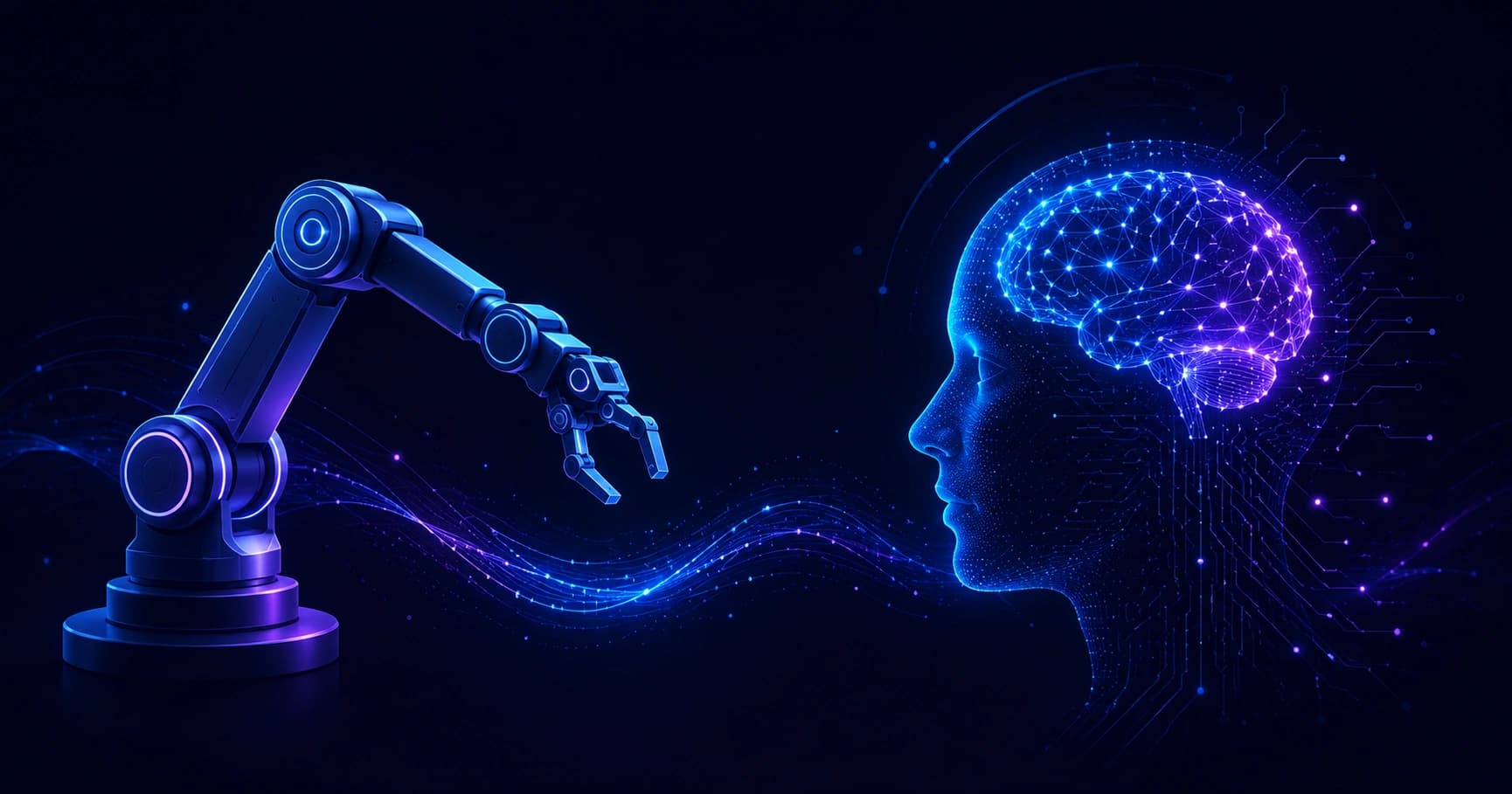
Discover how actuators powered by artificial intelligence are transforming robotics, industrial automation, and smart systems with precision, adaptability, and self-learning motion control.
Actuators Artificial Intelligence
Actuators have always been the muscles of machines, turning electrical, hydraulic, or pneumatic energy into precise physical motion. But when you combine them with artificial intelligence, those muscles gain something they never had before: a brain. The result is a new generation of self-aware, adaptive machines that can sense their environment, predict failures, and adjust their own behavior in real time. This shift is reshaping robotics, manufacturing, healthcare, and transportation in ways that were science fiction only a decade ago.
In this guide, we explore what actuators powered by artificial intelligence actually are, how they work, where they are used, and why they matter for the future of automation. Whether you are an engineer, a business owner, or simply curious about emerging technology, understanding AI-driven actuation will help you appreciate the intelligent machines quietly running our modern world.
What Are AI-Powered Actuators?
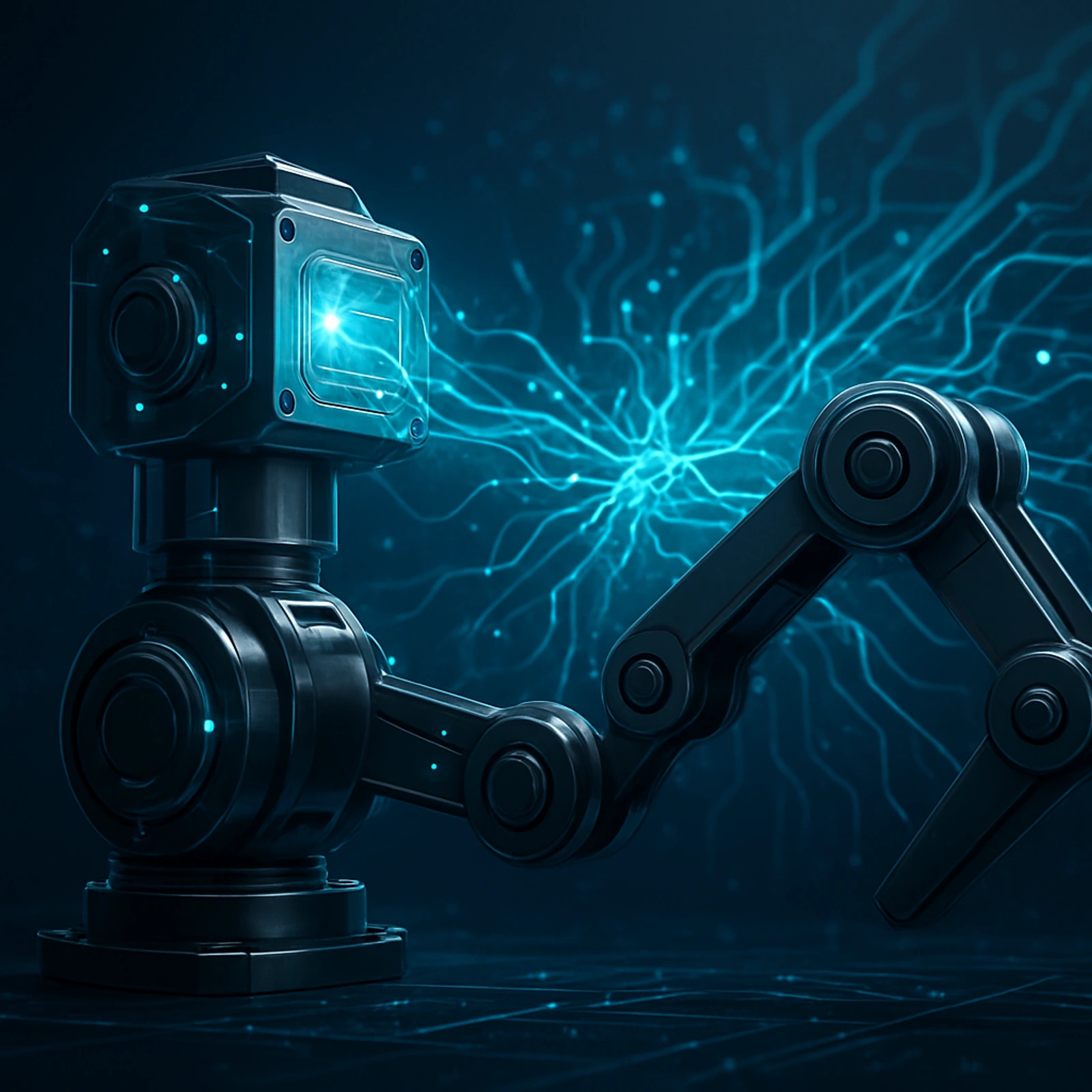
An actuator is a device that converts a control signal into mechanical movement. Traditional actuators follow rigid, pre-programmed instructions: open a valve, rotate a joint, push a piston. They do exactly what they are told, nothing more. The problem is that the real world is messy. Loads change, surfaces wear down, temperatures fluctuate, and unexpected obstacles appear.
Artificial intelligence changes the equation. By pairing actuators with machine learning models, sensors, and edge computing, engineers create systems that can interpret data and decide how to move. Instead of blindly executing a command, an AI-powered actuator continuously evaluates feedback and optimizes its response. This is sometimes called intelligent actuation or smart motion control.
Companies like ZoneTechify and WebPeak are increasingly building software layers that connect physical hardware with intelligent decision-making, blurring the line between mechanical engineering and data science.
Key Components of an Intelligent Actuator System
- The actuator itself: electric motors, servo systems, hydraulic cylinders, or pneumatic devices.
- Sensors: collect data on position, force, temperature, vibration, and current.
- AI controller: a processor running machine learning algorithms that interpret sensor data.
- Feedback loop: a closed cycle where output is measured, analyzed, and refined continuously.
How AI Actuators Work
To understand the magic, picture a simple feedback loop on steroids. A traditional control system uses basic logic, often a PID controller, to keep an actuator on target. AI-driven systems go far beyond that. They ingest streams of sensor data and feed it into trained models that recognize patterns, anticipate problems, and generate optimal control signals.
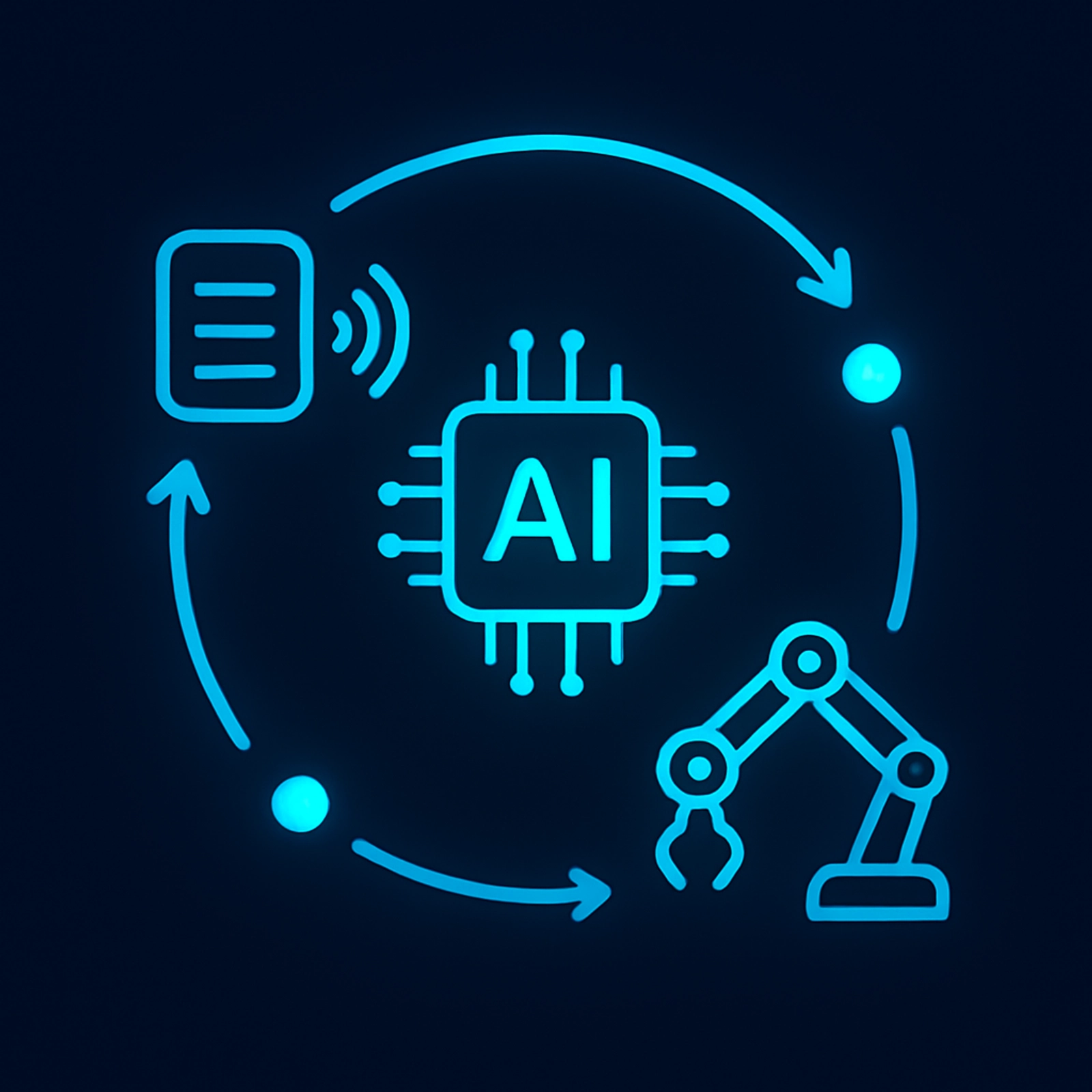
The process generally follows four stages:
- Sensing: Sensors gather raw data about the actuator and its surroundings.
- Processing: AI algorithms analyze the data, often using neural networks or reinforcement learning.
- Decision: The model determines the ideal movement, speed, and force for the situation.
- Action: The actuator executes the refined command, and the cycle repeats.
What makes this powerful is learning. Over time, the system improves. A robotic gripper, for example, can learn the perfect amount of pressure to hold a fragile egg versus a steel bolt, without a human reprogramming it. This adaptive intelligence is the heart of modern automation and a core focus of advanced artificial intelligence services that bridge hardware and smart software.
Major Applications of AI Actuators
The combination of intelligent control and physical motion unlocks a remarkable range of use cases across industries. Below are the areas where AI actuators are making the biggest impact today.
Industrial Automation and Smart Manufacturing
Factories are the proving ground for intelligent actuation. On a modern assembly line, AI actuators handle delicate placement tasks, adjust to variations in materials, and detect anomalies before they cause defects. Predictive maintenance is a standout benefit: by monitoring vibration and current draw, the system can warn operators that a motor is wearing out weeks before it fails.
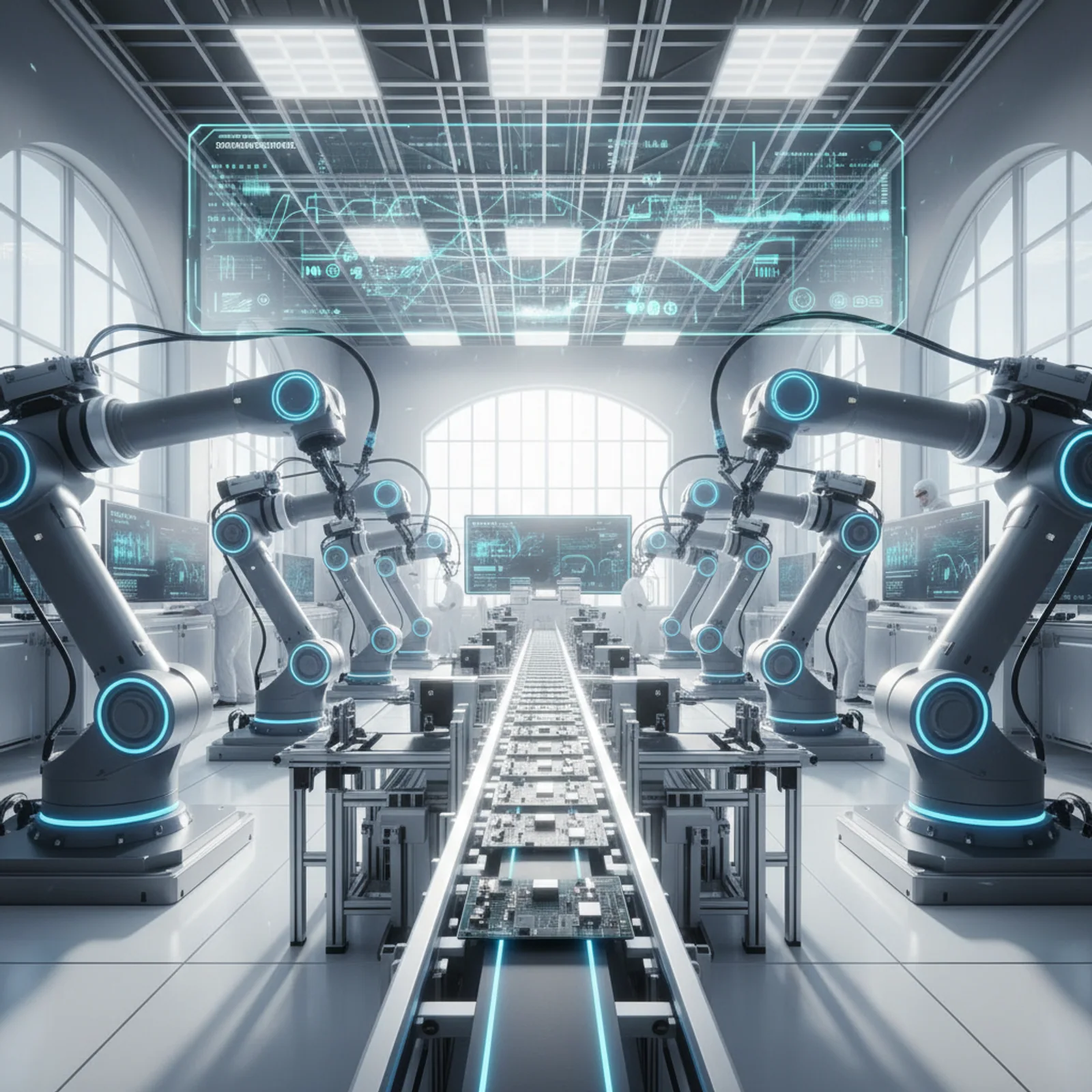
This reduces unplanned downtime, lowers maintenance costs, and keeps production flowing. Smart factories that adopt AI actuation often report significant gains in efficiency, throughput, and product quality.
Robotics and Autonomous Machines
Robotics is perhaps the most visible application. Humanoid robots, robotic arms, exoskeletons, and autonomous mobile robots all rely on actuators to move. When those actuators are intelligent, robots become dramatically more capable. They can walk over uneven terrain, balance dynamically, grip unfamiliar objects, and collaborate safely alongside humans.
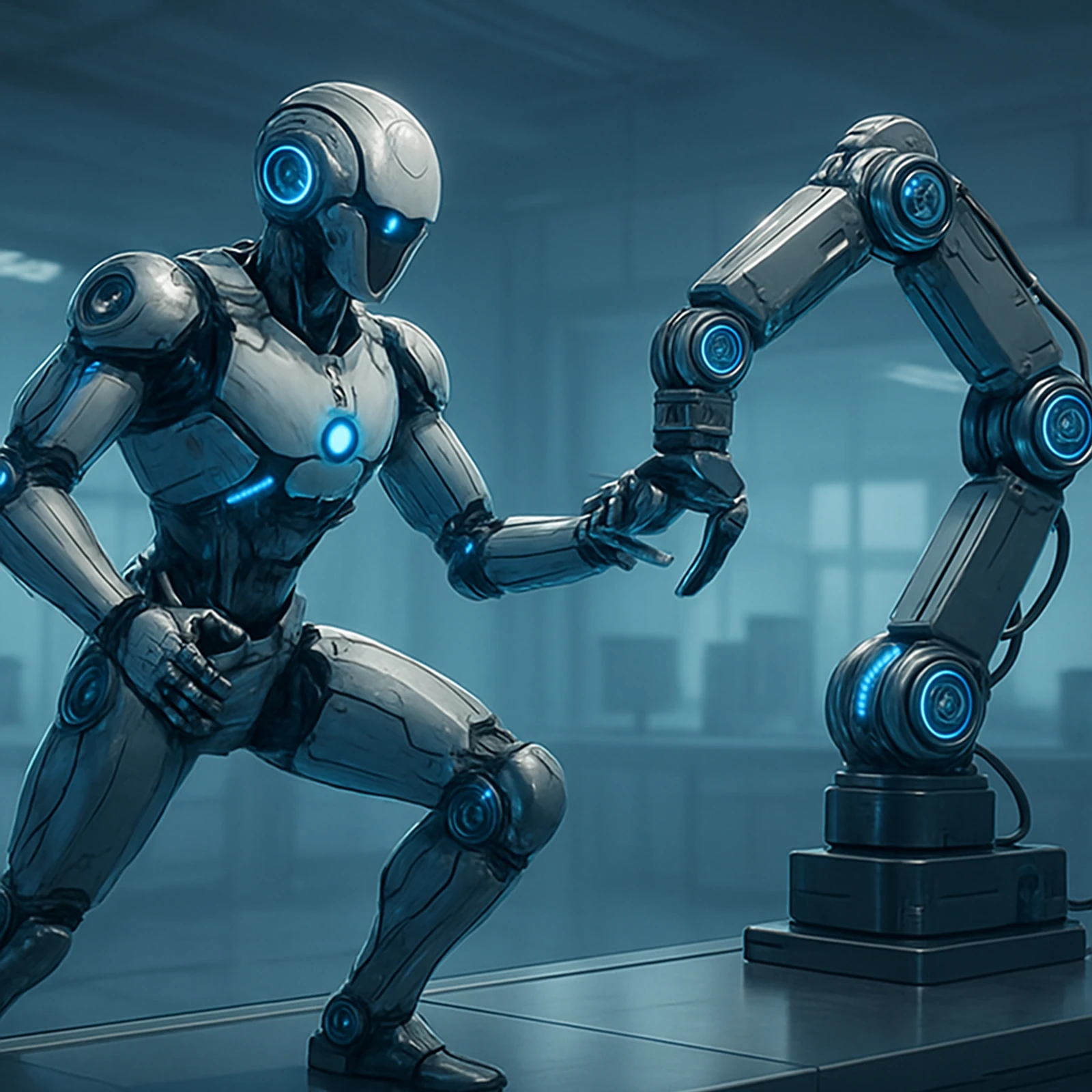
Reinforcement learning allows robots to practice movements in simulation and transfer those skills to the real world. The actuator becomes more than a motor; it becomes a learning joint that improves with experience.
Healthcare and Assistive Devices
In medicine, AI actuators power surgical robots that filter out hand tremors and prosthetic limbs that respond to muscle signals. Smart prosthetics use intelligent actuation to interpret a user's intent and produce natural, fluid motion. Rehabilitation exoskeletons adapt resistance based on a patient's progress, personalizing therapy in real time.
Automotive and Aerospace
Modern vehicles use actuators for steering, braking, throttle, and active suspension. AI enhances these systems for self-driving cars, where split-second adjustments must respond to changing road conditions. In aerospace, intelligent actuators control flight surfaces and adapt to turbulence, improving both safety and fuel efficiency.
The Role of Sensors and Data
None of this intelligence is possible without rich data. Sensors are the eyes and ears of an AI actuator. The more accurately a system can perceive its environment, the better its decisions. Force sensors, encoders, accelerometers, and thermal sensors all feed the AI controller a continuous picture of reality.
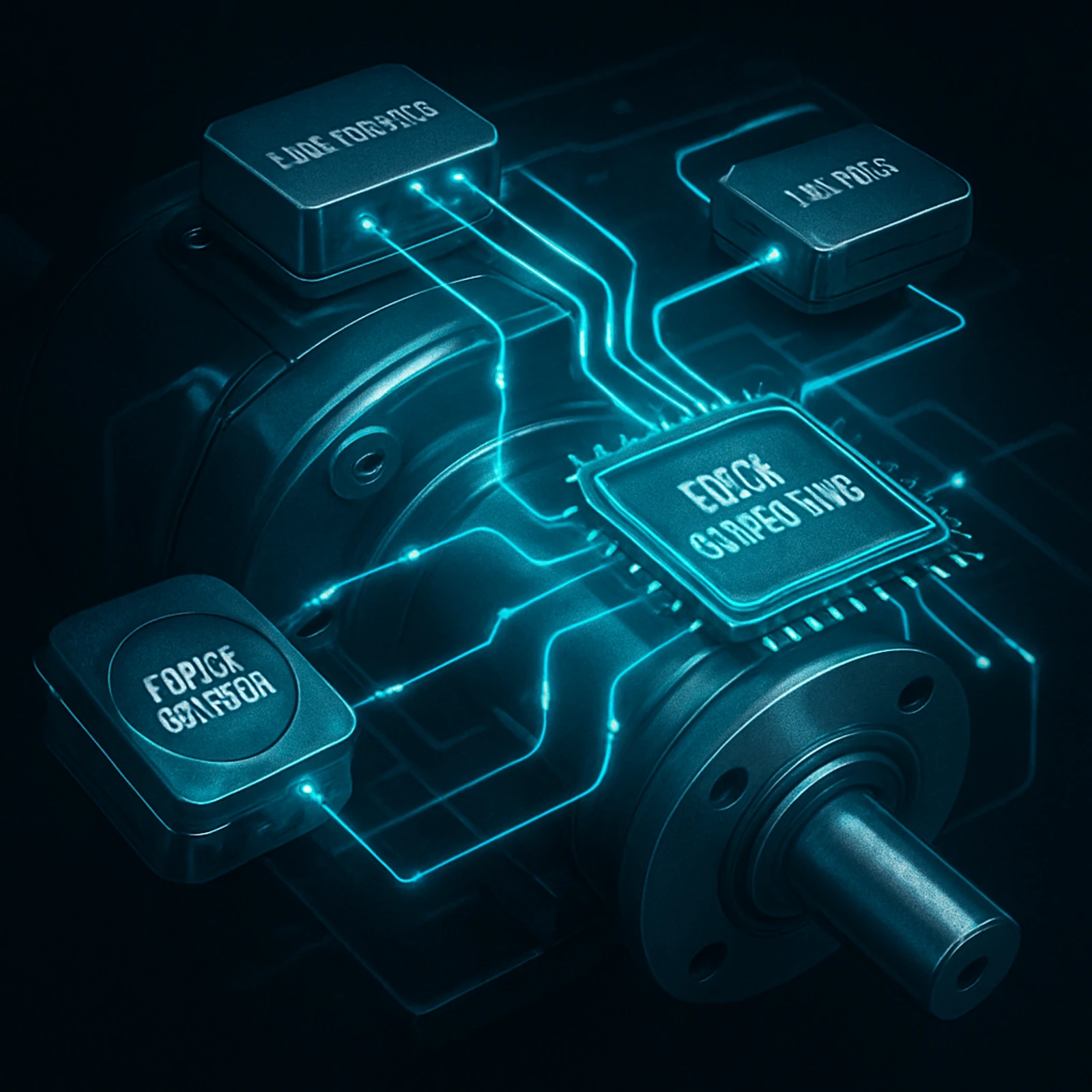
Edge computing plays a crucial role here. Instead of sending data to a distant cloud server, intelligent actuators often process information locally, on a chip right next to the motor. This slashes latency, which is essential when a robot must react within milliseconds. The fusion of sensing, local processing, and adaptive control is what separates a smart actuator from a dumb one.
Comparing Traditional and AI Actuators
| Feature | Traditional Actuator | AI Actuator |
|---|---|---|
| Control logic | Fixed, pre-programmed | Adaptive, self-learning |
| Response to change | Manual reprogramming | Automatic adjustment |
| Maintenance | Reactive | Predictive |
| Precision under load | Limited | High and consistent |
| Energy efficiency | Standard | Optimized in real time |
Benefits of Intelligent Actuation
The advantages of bringing AI to actuators extend across performance, cost, and reliability. Here are the most significant benefits organizations gain.
- Higher precision: Real-time adjustments deliver smoother, more accurate motion.
- Predictive maintenance: Failures are anticipated, reducing costly downtime.
- Energy savings: Optimized control lowers power consumption.
- Adaptability: Systems handle new tasks without manual reprogramming.
- Improved safety: Machines detect humans and obstacles, preventing accidents.
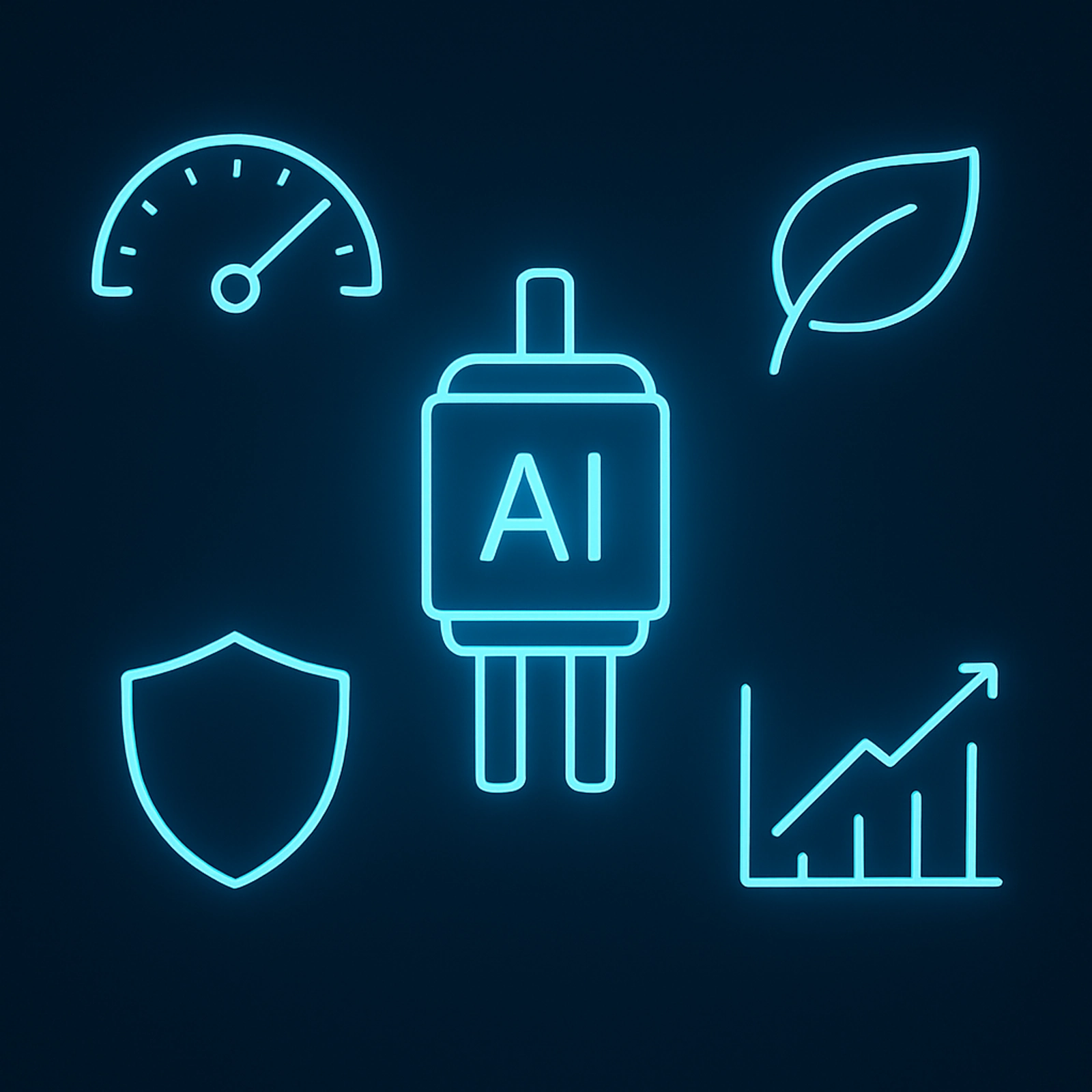
These benefits compound over time. A factory that saves a few percent on energy and avoids a single major breakdown can recover its investment quickly. For businesses exploring automation, partnering with experienced artificial intelligence specialists helps turn these benefits into measurable results.
Challenges and Considerations
Intelligent actuation is powerful, but it is not without hurdles. Building these systems requires expertise in mechanical engineering, electronics, and machine learning at the same time. Training data must be representative, or the AI may make poor decisions in unfamiliar situations.
There are also concerns around cost, since advanced sensors and processors add expense. Cybersecurity is another factor, because connected actuators can become targets for attacks. And as machines make more decisions autonomously, questions of safety, accountability, and regulation grow more important. Responsible deployment means testing thoroughly, building in fail-safes, and keeping humans in the loop where it matters.
The Future of AI Actuators
The road ahead is exciting. Researchers are developing soft robotics that use flexible, muscle-like actuators driven by AI, enabling machines that move with organic grace. Self-healing materials, energy-harvesting actuators, and swarm coordination are all on the horizon.

As models grow more efficient and edge hardware becomes cheaper, intelligent actuation will spread from high-end factories into everyday products: smart appliances, consumer robots, and assistive devices in the home. The long-term vision is machines that not only move but truly understand how to move, adapting endlessly to the world around them.
Conclusion
Actuators artificial intelligence represents a fundamental upgrade to how machines interact with the physical world. By giving mechanical muscles a thinking brain, we unlock automation that is more precise, more reliable, and more adaptable than ever before. From smart factories and surgical robots to self-driving cars and soft robotics, intelligent actuation is quietly powering the next industrial revolution.
For organizations ready to embrace this technology, the key is combining solid hardware with intelligent software and expert guidance. Explore what is possible with ZoneTechify and WebPeak, and start building machines that do not just move, but think.