A practical expert guide to artificial intelligence contract clauses, covering liability, data privacy, IP ownership, and negotiation tactics for safer AI deals.
Artificial Intelligence Contract Clauses
Artificial intelligence contract clauses are the specific provisions in a commercial agreement that define how AI systems may be built, trained, deployed, and held accountable. As companies rush to embed AI into products and workflows, the fine print is where deals quietly succeed or fail. A single missing clause on training data rights or model liability can expose a business to lawsuits, regulatory fines, and reputational damage that far outweigh the value of the contract itself.

Having reviewed and negotiated dozens of AI vendor agreements, I have seen the same expensive mistakes repeat across startups and enterprises alike. This guide breaks down the clauses that matter most, why they exist, and how to negotiate them so your organization stays protected. For teams building or buying AI systems, understanding these terms is no longer optional legal housekeeping, it is core risk management. You can explore related resources at ZoneTechify and WebPeak.
Quick Answer: Artificial intelligence contract clauses are contract provisions that govern AI use, including data ownership, model liability, intellectual property, confidentiality, and compliance. They allocate risk between vendor and client, clarify who owns AI outputs, and ensure lawful, transparent, and accountable use of AI systems.
What Are AI Contract Clauses?
An AI contract clause is a written term that governs a defined aspect of an artificial intelligence relationship between two or more parties. Unlike standard software clauses, AI clauses must account for probabilistic outputs, evolving models, third-party training data, and regulations that did not exist five years ago.
These clauses typically appear inside master service agreements, software licenses, data processing agreements, and statements of work. The core purpose is allocation: deciding who bears the risk when an AI system produces a harmful, inaccurate, or infringing result. Because AI behavior is not fully deterministic, traditional warranty language often fails, which is exactly why specialized clauses have become standard practice.
According to Gartner, more than 80% of enterprises will have used generative AI APIs or deployed AI-enabled applications by 2026, up from less than 5% in 2023. That surge means contract teams now negotiate AI terms far more often than they did even two years ago.
Why AI Contract Clauses Matter More Than Ever
Regulatory pressure is the single biggest reason these clauses now demand attention. The EU AI Act, the first comprehensive AI law, entered into force in 2024 and introduces obligations that can reach up to 35 million euros or 7% of global annual turnover for the most serious violations. Contracts that ignore compliance responsibilities leave both vendor and client exposed.
Beyond regulation, three business realities make strong clauses essential:
- Unpredictable outputs. AI can hallucinate, discriminate, or leak data, creating liability no one anticipated at signing.
- Blurry ownership. When a model generates content, ownership of that output is rarely obvious without explicit language.
- Data dependency. Most AI value comes from data, so unclear data rights can quietly hand your competitive advantage to a vendor.
In my experience, the contracts that age well are the ones that treat AI as a living system rather than a fixed deliverable. The teams that assume the model will change, and write clauses accordingly, avoid painful renegotiations later.
The Most Important AI Contract Clauses to Include
1. Liability and Indemnification

The liability clause defines who pays when an AI system causes harm. This is the most fiercely negotiated term in any AI deal. Vendors want caps and broad exclusions, while clients want indemnification for third-party claims involving infringement, data breaches, or biased outputs.
A balanced approach ties liability caps to a multiple of fees paid, while carving out uncapped liability for data breaches, IP infringement, and willful misconduct. Never accept blanket language that disclaims all responsibility for AI outputs, because that shifts every downstream risk onto you.
2. Data Ownership and Usage Rights

Data clauses determine who owns input data, output data, and any derived models. This is where companies lose the most value without realizing it. A vendor clause allowing them to use your data to train their global model can hand your proprietary insights to competitors.
Insist on clear language stating that your input data remains yours, that the vendor may not use it to train models serving other customers without consent, and that data is deleted or returned on termination. Pair this with a compliant data processing agreement whenever personal data is involved.
3. Intellectual Property Ownership
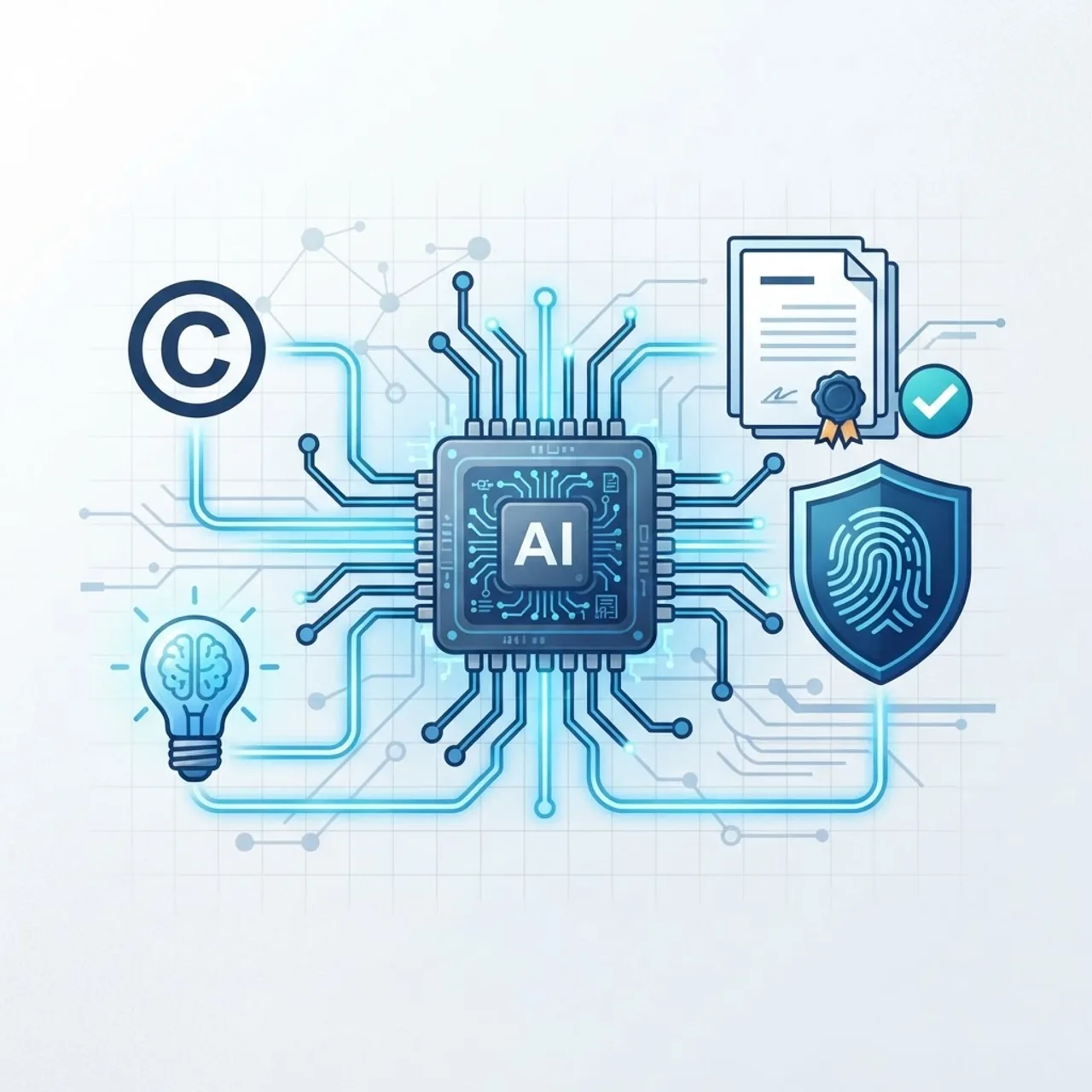
The IP clause answers a deceptively hard question: who owns what the AI creates? Courts in several jurisdictions have ruled that purely AI-generated works may not qualify for copyright protection, which complicates ownership assumptions.
A strong clause explicitly assigns ownership of AI outputs to the client, grants necessary licenses for any pre-existing vendor IP, and clarifies rights to fine-tuned or custom models. If your business depends on the outputs, do not leave ownership implied, spell it out. Building AI-driven products often benefits from specialist support, and services like ZoneTechify artificial intelligence solutions can help align technical delivery with these contractual commitments.
4. Confidentiality and Data Security
Confidentiality clauses protect sensitive information shared with or generated by the AI system. AI adds a twist because prompts, embeddings, and logs can inadvertently store confidential data. Require the vendor to maintain defined security standards, encrypt data in transit and at rest, and notify you of breaches within a fixed window, often 48 to 72 hours.
5. Performance, Accuracy, and Warranties
Warranty clauses set expectations for how the AI should perform. Because perfect accuracy is impossible, warranties should focus on measurable service levels, documented model behavior, and a commitment to industry-standard practices rather than guaranteed outcomes. Include the right to audit performance and remedies if the system consistently underperforms.
6. Compliance and Regulatory Clauses
This clause requires both parties to comply with applicable AI, privacy, and anti-discrimination laws. Given fast-moving regulation, include a mechanism to update obligations as new laws take effect, so the contract does not become non-compliant the moment a new rule passes.
7. Termination and Transition
Termination clauses define exit rights and what happens to data and models afterward. Ensure you can retrieve your data in a usable format, that the vendor deletes copies, and that you retain licenses needed to keep operating during a transition to a new provider.
AI Contract Clause Comparison Table
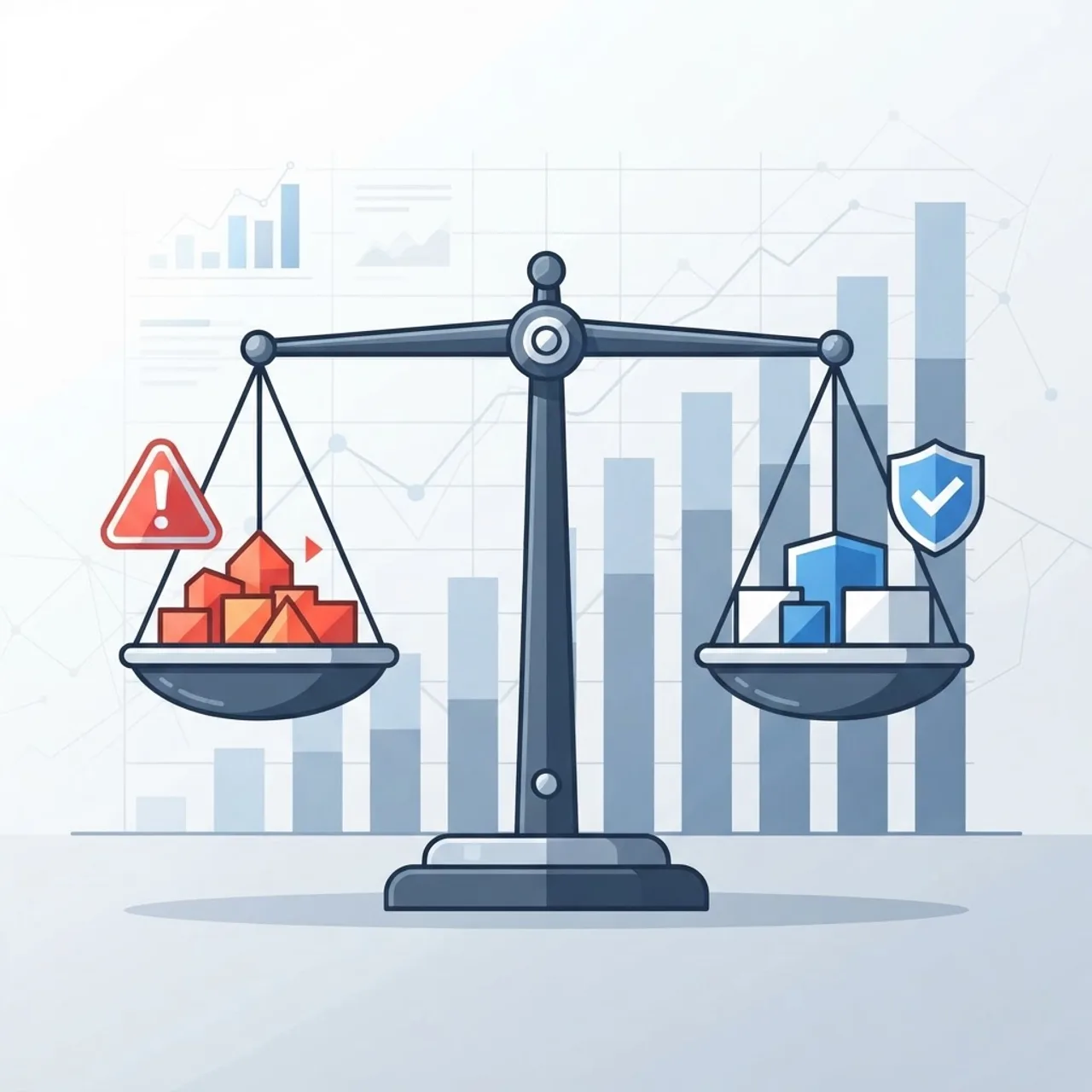
The table below compares key clauses by their primary risk and negotiation priority.
| Clause | Primary Risk Addressed | Who Usually Pushes Back | Negotiation Priority |
|---|---|---|---|
| Liability and Indemnity | Financial exposure from AI harm | Vendor | High |
| Data Ownership | Loss of proprietary data value | Vendor | High |
| IP Ownership | Unclear rights to AI outputs | Both | High |
| Confidentiality | Data leakage through prompts | Client | Medium |
| Warranties | Poor model performance | Vendor | Medium |
| Compliance | Regulatory fines | Both | High |
| Termination | Vendor lock-in | Vendor | Medium |
How to Negotiate AI Clauses Effectively
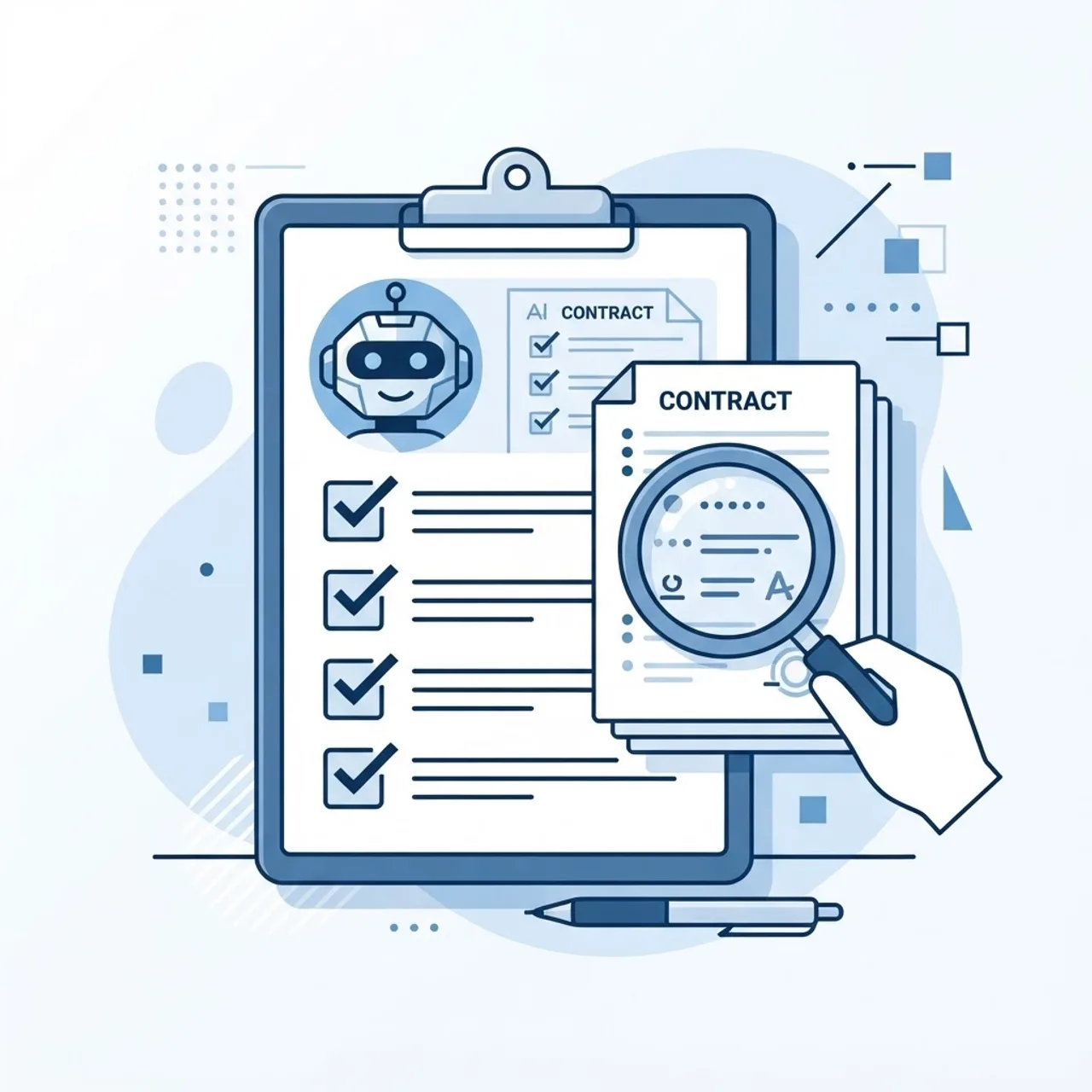
Effective negotiation starts with understanding your actual risk exposure before you open the contract. Follow these steps to strengthen your position:
- Map your data flows. Know exactly what data enters the AI system and how sensitive it is.
- Define acceptable risk. Decide which liabilities you can absorb and which must sit with the vendor.
- Prioritize deal-breakers. Focus energy on liability, data, and IP rather than every minor term.
- Request transparency. Ask how models are trained and whether third-party components introduce hidden obligations.
- Build in flexibility. Include review rights so clauses can adapt as the model and regulations evolve.
The most successful negotiations I have supported treated the vendor as a long-term partner while still insisting on enforceable protections. Clarity early prevents disputes later.
Key Takeaways
- AI contract clauses allocate risk around liability, data, intellectual property, confidentiality, and compliance.
- The EU AI Act can impose penalties up to 35 million euros or 7% of global turnover, making compliance clauses essential.
- Gartner projects over 80% of enterprises will use generative AI by 2026, sharply increasing the frequency of AI contract negotiations.
- Always secure ownership of AI outputs and prevent vendors from training external models on your data.
- Tie liability caps to fees while keeping data breaches and IP infringement uncapped.

Frequently Asked Questions (FAQ)
What is an artificial intelligence contract clause?
An artificial intelligence contract clause is a provision that governs a specific aspect of using AI, such as data ownership, liability, or intellectual property. It allocates risk between parties and clarifies rights and responsibilities, ensuring the AI system is deployed lawfully, transparently, and with clear accountability.
Why do AI contracts need special clauses?
AI contracts need special clauses because AI produces unpredictable outputs, relies heavily on data, and faces new regulations like the EU AI Act. Standard software terms cannot address hallucinations, training-data rights, or output ownership, so tailored clauses are essential to protect both vendors and clients from unexpected liability.
Who owns the content that AI generates under a contract?
Ownership depends on the contract language. Without an explicit clause, AI-generated content ownership is uncertain, and some courts deny copyright to purely machine-made works. To avoid disputes, contracts should clearly assign ownership of AI outputs to the client and license any pre-existing vendor intellectual property.
How should liability be handled in AI contracts?
Liability should be balanced by tying overall caps to a multiple of fees paid, while keeping certain risks uncapped. Data breaches, intellectual property infringement, and willful misconduct should never be fully disclaimed. Clients should also secure indemnification for third-party claims arising from the vendor's AI system.
Are AI contract clauses legally required?
Specific AI clauses are not always mandated by name, but regulations increasingly require obligations they contain, such as transparency, data protection, and risk management. The EU AI Act and privacy laws effectively make compliance clauses necessary, and omitting them exposes both parties to fines and enforceable legal liability.
Final Thoughts
Artificial intelligence contract clauses are no longer boilerplate, they are the frontline defense against the unique risks AI introduces. By focusing on liability, data rights, IP ownership, and compliance, you turn a vague AI relationship into an enforceable, defensible agreement. Treat these clauses as living terms that evolve with technology and regulation, and revisit them as your AI usage grows. For further guidance on building and protecting AI-driven projects, visit ZoneTechify and WebPeak.