A clear, practical breakdown of the AI Drake phenomenon: how voice cloning works, what the law actually says, how platforms respond, and what creators and brands should do next.
Artificial Intelligence Drake
The phrase "AI Drake" entered mainstream conversation in April 2023, when an anonymous creator known as ghostwriter977 uploaded a track called "Heart on My Sleeve" that used a synthetic model of Drake's and The Weeknd's voices. It gathered millions of plays across TikTok, Spotify, and YouTube within days, then vanished after Universal Music Group issued takedown requests. That single event became the reference case for every conversation about synthetic voices in music, and it is still the fastest way to understand what AI voice technology can and cannot legally do.
This article explains the technology behind AI Drake tracks, the legal reality in 2026, how detection works, and how artists, labels, and brands should respond. It is written for people who need accurate answers rather than hype.
Quick Answer: "AI Drake" refers to songs where a machine learning model imitates Drake's voice, popularized by the 2023 track "Heart on My Sleeve." The audio is generated by voice conversion models trained on existing vocals. Unauthorized commercial use generally violates publicity rights and platform policy, so most tracks get removed.
What Does "AI Drake" Actually Mean?
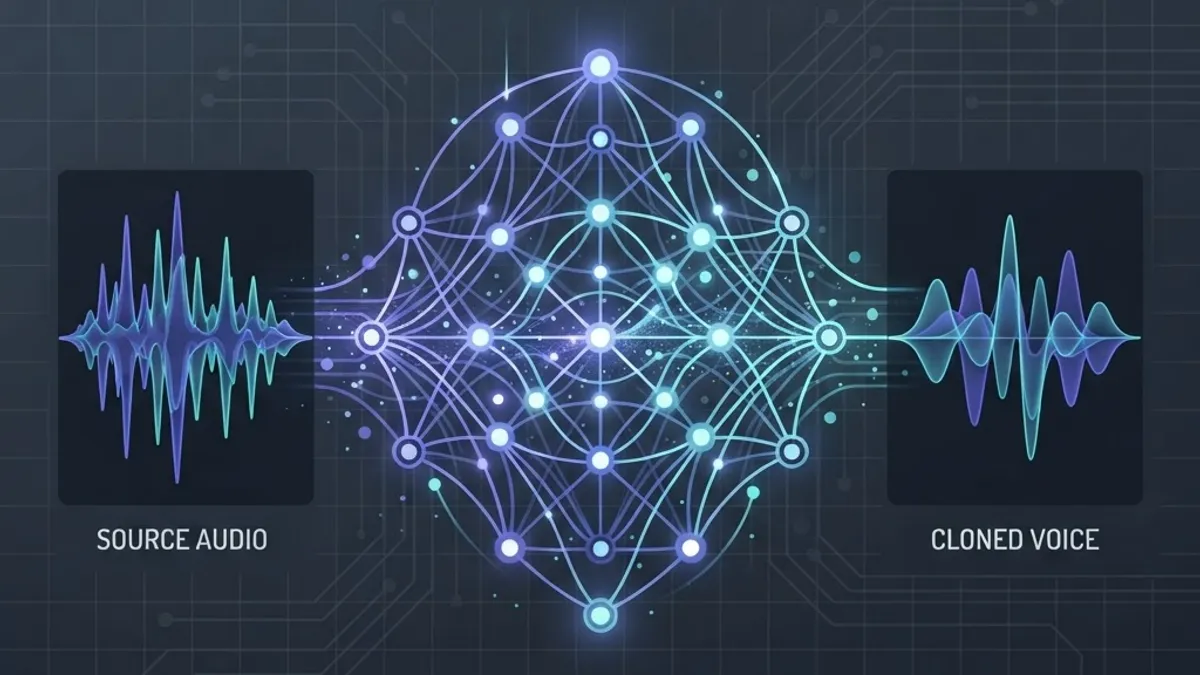
AI Drake is not one product or one app. It is a category of user-generated audio in which a voice conversion model reproduces the timbre, pitch behavior, and articulation patterns associated with Drake's recorded vocals.
Three terms are worth defining precisely, because most coverage blurs them:
- Text-to-speech (TTS): typed words become spoken audio. Used for narration, rarely convincing for singing.
- Voice conversion (VC): an existing vocal performance is re-rendered in a target voice. This is what nearly every AI Drake song uses, and it explains why the phrasing often sounds like someone else performing.
- Full generative music: a model produces melody, instrumentation, and vocals from a prompt. This is a separate technology and produces different artifacts.
The key insight most readers miss: an AI Drake track still requires a human singer. The model transfers vocal identity, not talent. Bad input performance produces bad output, which is why the small number of convincing tracks stand out among thousands of failed attempts.
How Are AI Drake Songs Made?
The production pipeline is consistent across the community and takes four steps.
- Dataset collection. Creators isolate clean vocal stems from released recordings, usually 10 to 60 minutes of audio. Stem separation tools make this trivial, and this is the first point at which copyright is touched, because the source recordings are protected.
- Model training. Open source frameworks such as RVC and so-VITS-SVC are trained for a few hours on consumer GPUs. Community model hubs then distribute the resulting checkpoint files freely.
- Reference performance. A human records the actual melody and lyrics. The model converts that performance into the target voice.
- Mixing. Pitch correction, de-essing, reverb matching, and mastering hide conversion artifacts. This stage separates viral tracks from obvious fakes.
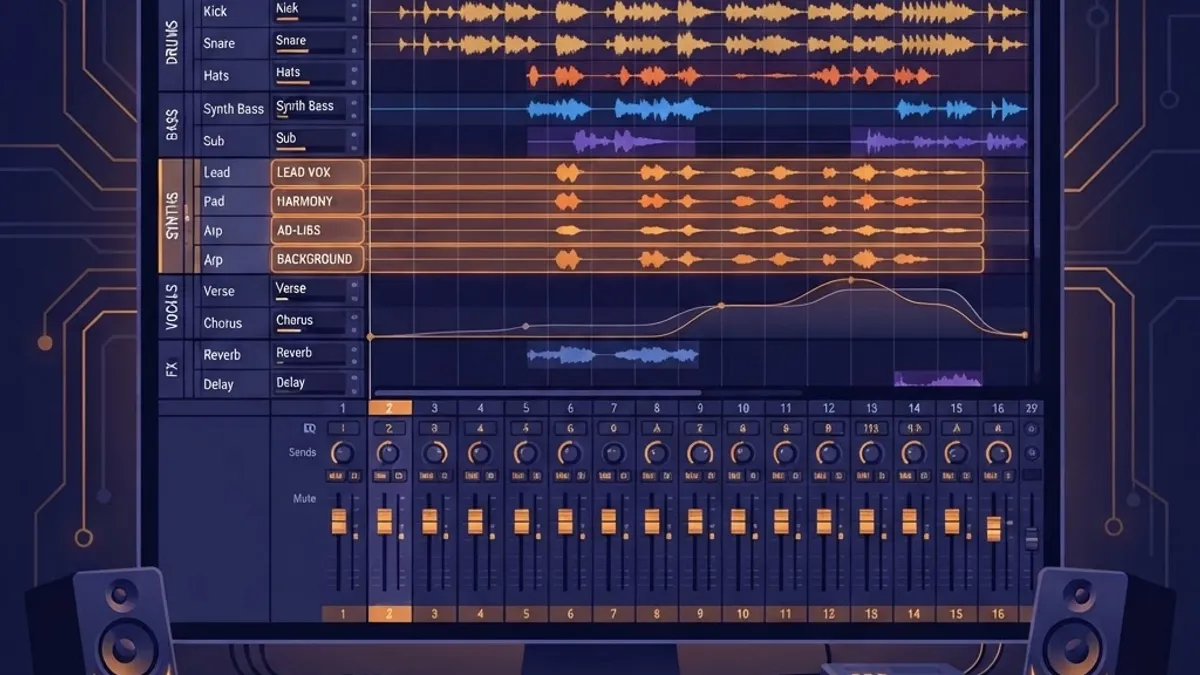
An honest technical caveat rarely stated publicly: current models struggle most with breath transitions, ad-libs, and rapid consonant clusters. Listen for unnaturally smooth breaths and identical vibrato across phrases, and you can usually identify a converted vocal without any software.
Is AI Drake Legal? What the Law Actually Says
Unauthorized AI Drake tracks sit in legal jeopardy on at least three separate grounds, and creators often assume only one applies.
Right of publicity. In the United States this is state law, not federal. Tennessee's ELVIS Act, effective July 1, 2024, was the first state statute to explicitly cover voice as a protected personal attribute against AI simulation. California, New York, and Illinois offer related protections.
Sound recording copyright. Training on protected vocal stems involves copying. The output may not contain the original recording, but the input pipeline usually did.
Composition copyright. If the AI track reuses a melody, beat, or lyric from a protected work, that is a conventional infringement question with decades of case law behind it.
Comparison: Voice Cloning Use Cases and Risk Levels
| Use case | Consent obtained | Commercial release | Typical outcome |
|---|---|---|---|
| Unauthorized artist clone on streaming | No | Yes | Takedown, possible statutory claim |
| Parody clip on social media | No | No | Often removed, low litigation risk |
| Licensed artist voice model | Yes | Yes | Fully permitted with royalty terms |
| Brand using a hired voice actor model | Yes | Yes | Permitted if contract covers synthesis |
| Personal experiment, never published | No | No | Practically unenforced |
The pattern in this table is the single most useful takeaway: consent and distribution, not technical sophistication, determine legal exposure.
How Platforms and Labels Detect AI Vocals
Detection now operates at three layers, and understanding them explains why unauthorized tracks disappear so quickly.
- Audio fingerprinting. Systems such as Content ID and Audible Magic match reused instrumentals and samples. Many AI tracks are caught here first, because the beat is borrowed.
- Classifier models. Spectral analysis flags vocoder artifacts, unnatural harmonic spacing, and phase inconsistencies typical of conversion models.
- Rights-holder reporting. Labels monitor upload feeds directly. In 2023 UMG publicly asked streaming services to block AI training scrapers, and enforcement escalated from there.
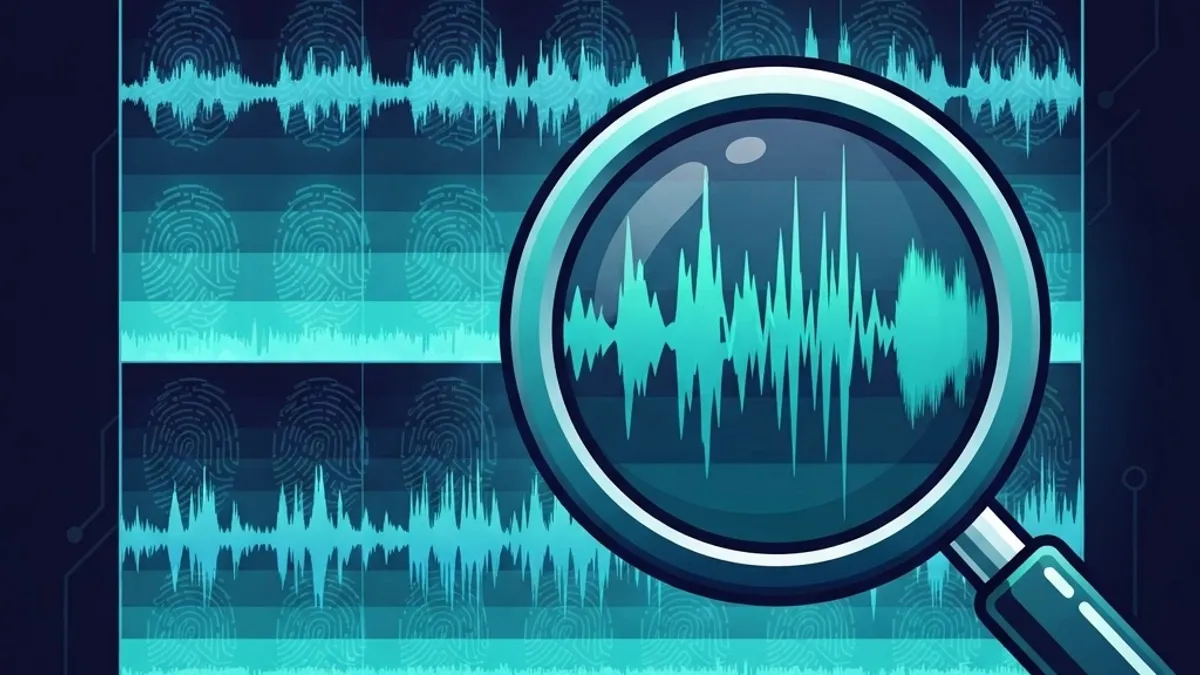
Platform policy also hardened. Spotify reported in 2023 that it removed tens of thousands of tracks uploaded by the AI music service Boomy over streaming manipulation concerns, and in 2025 it published expanded rules on AI disclosure and impersonation. YouTube introduced a synthetic-singing-voice removal request process through its privacy complaint system, which lets a rights holder request takedown even when no copyrighted recording is present in the output.
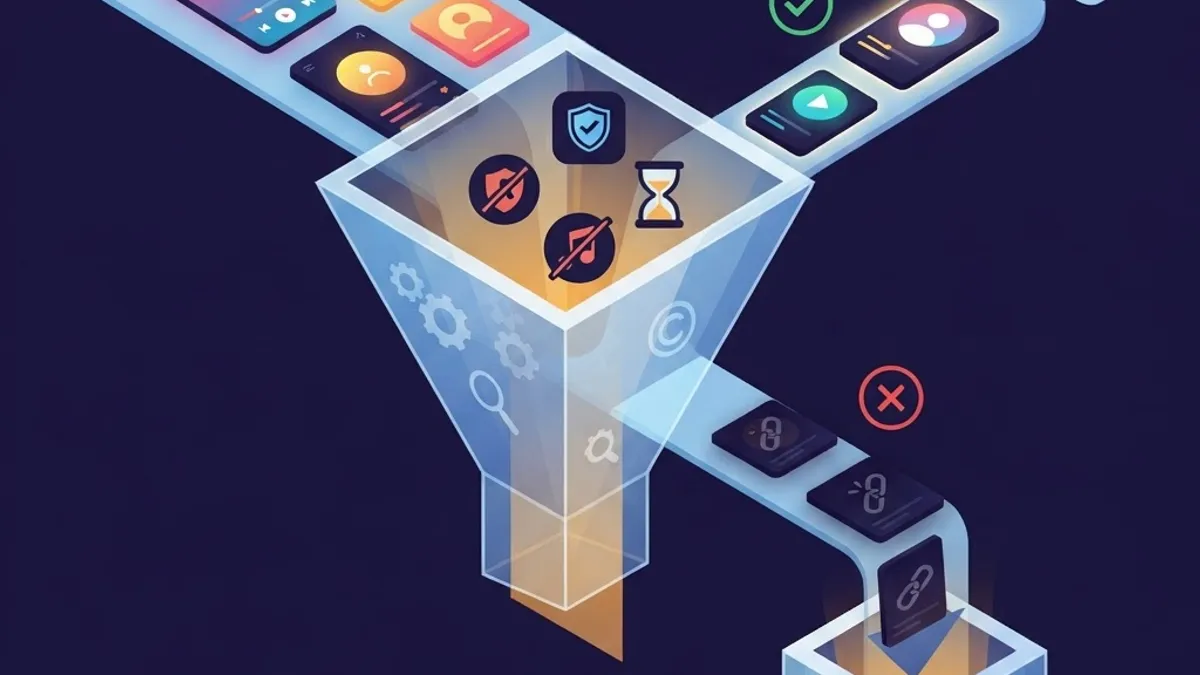
The Licensed Path: Where AI Voice Is Actually Working
The most important development after the AI Drake moment was not enforcement. It was licensing.
Grimes launched Elf.Tech in 2023, offering a 50 percent royalty split on approved tracks using her AI voice. In 2023 Universal Music Group and YouTube announced the Music AI Incubator to build artist-consented AI tooling. In 2024 UMG and other majors signed agreements with AI music companies, including licensing deals that positioned voice and style use as a negotiated right rather than a legal gray zone.
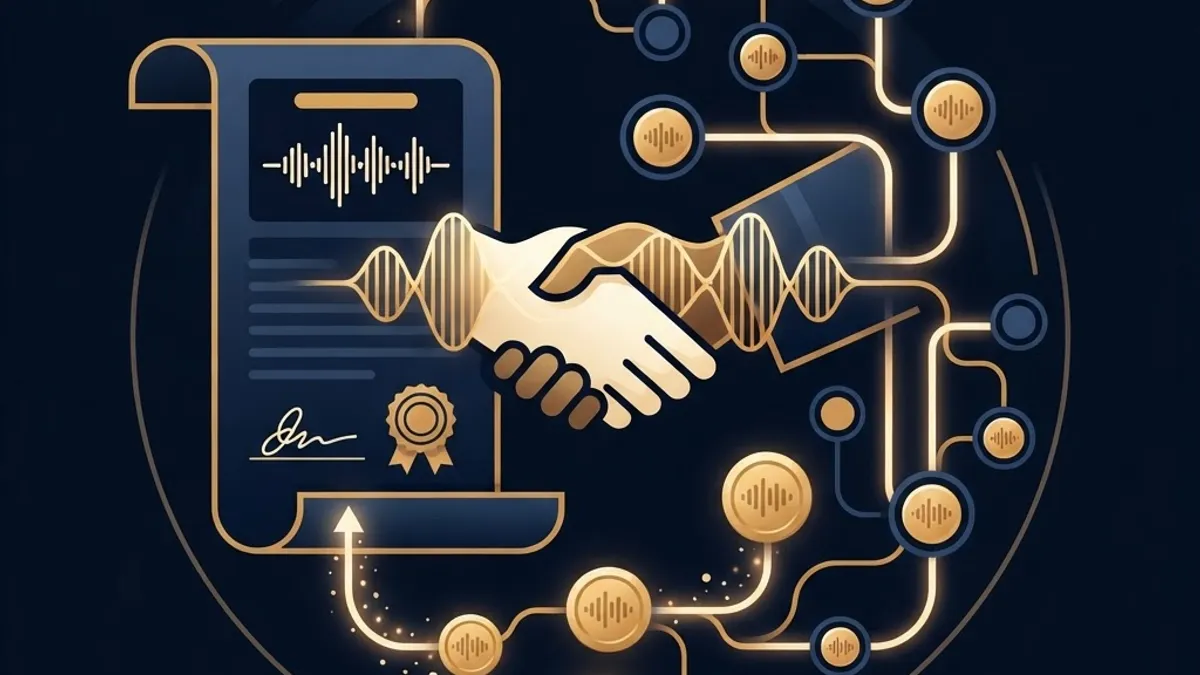
This is the structural shift worth planning around. Voice is becoming a licensable asset class with terms, splits, and usage restrictions, similar to sync licensing. Artists who publish clear AI usage terms early capture value from fan creativity instead of fighting it.
For brands and creators building on this shift, the practical work is systems work: consent capture, provenance metadata, disclosure labels, and audit logs. Teams that specialize in AI automation services usually handle this as a compliance-plus-workflow problem rather than a purely creative one, and that framing prevents expensive rework later.
Rules for Using AI Voice Without Getting Removed
If you create or commission synthetic vocals, these seven rules cover the vast majority of risk.
- Get written consent that specifically mentions AI training and voice synthesis. Standard performance releases usually do not.
- Never train on commercial released stems you do not have rights to use.
- Disclose synthetic vocals in metadata and in the description. Platform policies increasingly require it.
- Avoid implying endorsement. Impersonation for commercial gain is the fastest route to a publicity rights claim.
- License the underlying composition separately from the voice.
- Keep a provenance record of training data, consent documents, and model versions.
- Use licensed voice marketplaces when you need a recognizable style rather than a specific celebrity.
Agencies that publish transparent AI usage policies build more durable client trust, which is one reason a technically credible partner such as ZoneTechify Team or a strategy-led shop like AI-powered web development tends to lead with governance rather than novelty demos.
What Happens Next in AI Music
Three developments are already measurable and worth watching.
Provenance standards. Content credentials and audio watermarking are moving from research into shipping products, so "who made this" becomes machine-readable metadata rather than guesswork.
Legislative expansion. The ELVIS Act created a template. The proposed federal NO FAKES Act would establish a national digital replication right, which would end the current state-by-state patchwork.
Market normalization. Deezer reported in 2025 that a significant and rising share of daily uploads were fully AI-generated, reaching roughly a third of new tracks by mid-year. Volume at that scale forces platforms to label rather than simply remove.
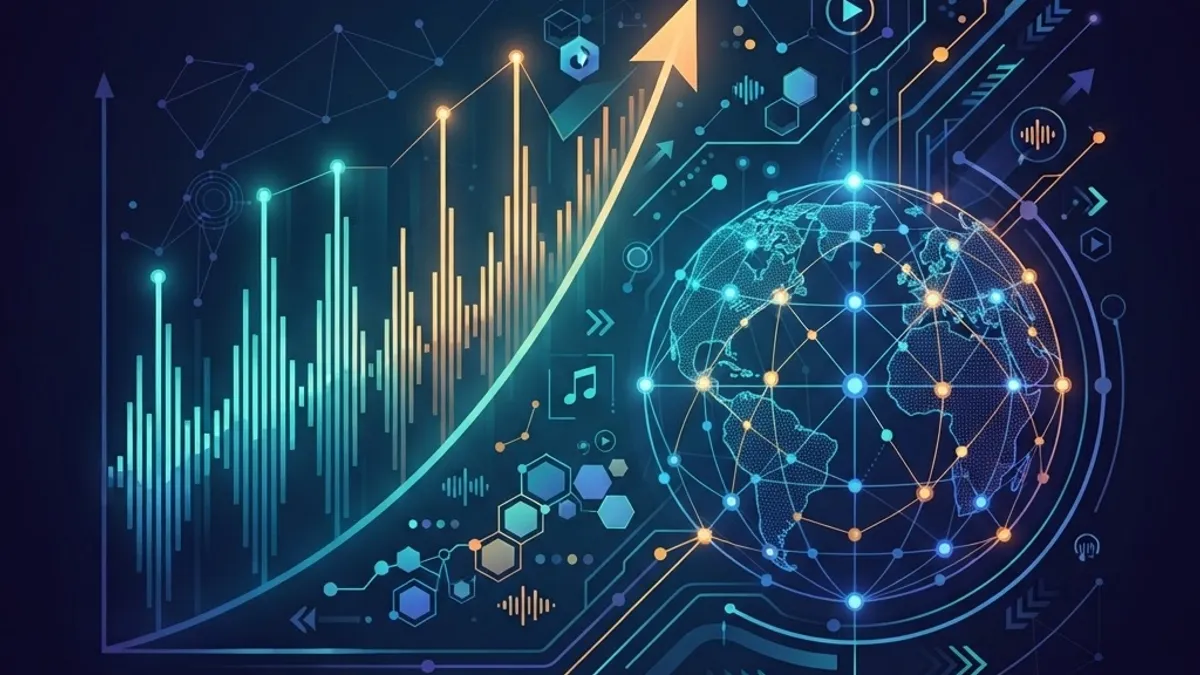
My own read, after tracking this since 2023: the AI Drake moment will be remembered less as a copyright scandal and more as the pricing event that taught the industry a voice has measurable market value independent of a recording.
Key Takeaways
- "Heart on My Sleeve" was released in April 2023 and removed within roughly two weeks after label takedown requests.
- AI Drake tracks use voice conversion, so they still require a human reference performance.
- Tennessee's ELVIS Act, effective July 1, 2024, was the first US law to explicitly protect voice from AI simulation.
- Spotify removed tens of thousands of AI-uploaded tracks in 2023 over streaming manipulation.
- Deezer reported in 2025 that roughly a third of daily uploads were fully AI-generated.
- Consent and commercial distribution, not audio quality, determine legal risk.
Frequently Asked Questions (FAQ)
Is the AI Drake song still available anywhere?
The original "Heart on My Sleeve" was removed from Spotify, Apple Music, and YouTube in 2023 after Universal Music Group takedown requests. Reuploads appear periodically and are usually removed again. No authorized commercial version exists, so any copy you find is unlicensed.
Can I get sued for making an AI Drake song?
Yes, if you distribute it. Claims can come from right of publicity statutes, sound recording copyright for the training stems, and composition copyright for reused beats or lyrics. Private experiments that are never published are rarely pursued, but publishing changes your exposure immediately.
How can you tell if a vocal is AI generated?
Listen for unnaturally smooth breaths, identical vibrato across different phrases, smeared consonants, and a flat emotional dynamic range. Spectral tools reveal vocoder artifacts and odd harmonic spacing. Detection classifiers combine these signals, though careful mixing can hide many of them.
Do artists earn money when fans use their AI voice?
Only under a licensing arrangement. Grimes offers a 50 percent royalty split through her AI voice platform, and major labels have signed AI licensing deals since 2024. Without an agreement, unauthorized tracks generate no artist revenue and typically get removed.
Is AI music allowed on Spotify and YouTube?
Yes, AI-assisted music is allowed, but impersonation and undisclosed synthetic vocals are not. Spotify published expanded AI disclosure and impersonation rules in 2025. YouTube accepts removal requests for synthetic singing voices that imitate a real person without consent.