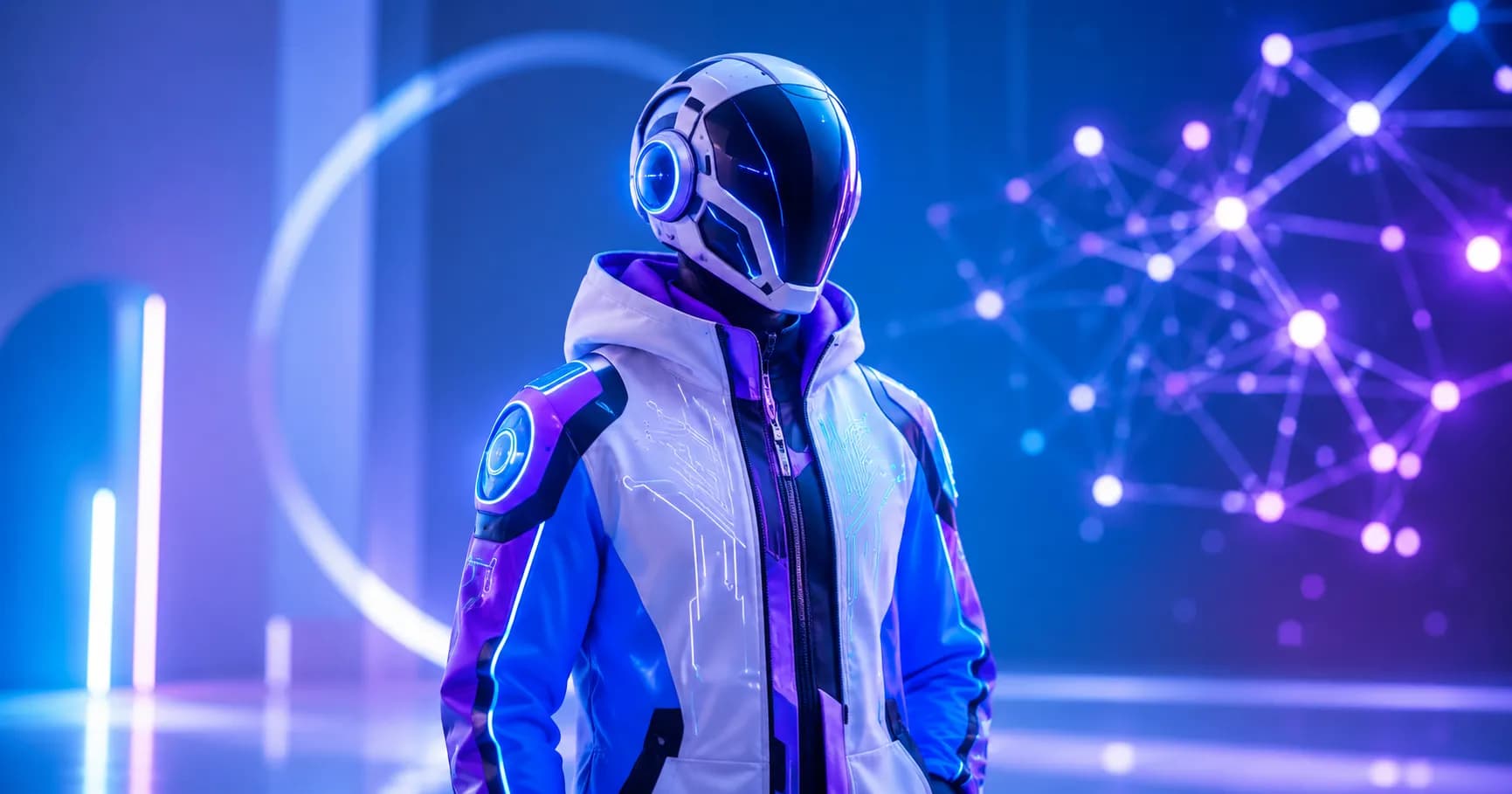
A practical guide to building an artificial intelligence costume, covering concept choices, materials, safe LED wiring, budgets, and group themes that actually read as AI.
Artificial Intelligence Costume
An artificial intelligence costume is one of the few tech costumes that can look genuinely impressive on a small budget, because the visual language of AI is simple: light, pattern, and geometry. The problem is that most people build a generic robot, get told they look like a toaster, and never solve the real design challenge. AI is invisible. Your job is to make an invisible thing legible in three seconds, at a party, in bad lighting, from ten feet away.
This guide is written from actual build experience: what materials survive a full night, how LEDs behave on fabric versus foam, what a realistic cost looks like, and which concepts get recognized instantly versus which ones need explaining. Everything here is testable before you commit money to it.
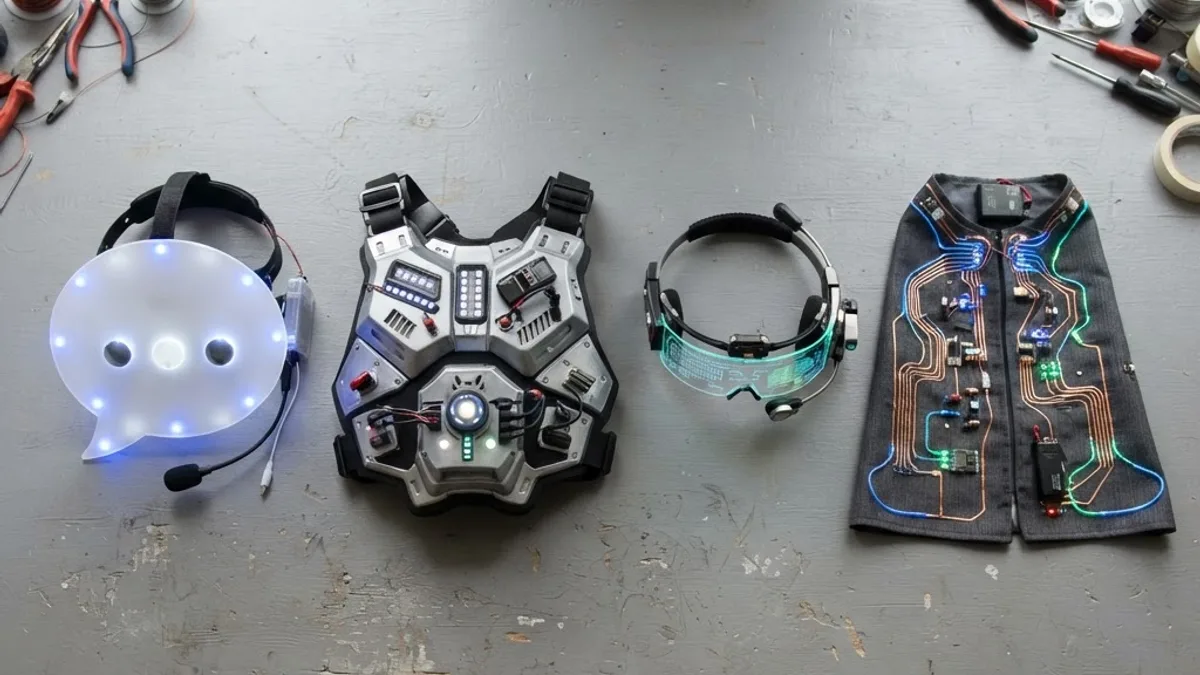
Quick Answer: An artificial intelligence costume works best when you represent one specific AI idea rather than a generic robot. Pick a recognizable symbol such as a chat interface, a neural network, or a data stream, then build it from EVA foam or cardboard with battery powered LED accents. Most solid builds cost 25 to 70 dollars and take two evenings.
What Counts as an Artificial Intelligence Costume?
An artificial intelligence costume is any wearable design that communicates machine intelligence rather than machine hardware. That distinction matters. A robot costume signals metal and motors. An AI costume signals thinking, data, and language. The strongest builds use one of four symbol families:
- Interface symbols - chat bubbles, cursors, loading spinners, prompt boxes.
- Network symbols - nodes, edges, neural layers, glowing connection paths.
- Data symbols - binary streams, waveforms, scrolling text panels.
- Embodiment symbols - visors, chest panels, exposed circuitry, chrome skin.
Pick one family and commit. Mixing all four produces visual noise, which is the single most common failure in homemade tech costumes. A clean chat bubble headpiece reads faster than a costume covered in eight unrelated tech references.
Why AI Costumes Suddenly Got Popular
Interest in AI themed costumes tracks mainstream AI adoption almost exactly. Pew Research Center reported that roughly 55 percent of American adults said they regularly use AI products, and generative AI tools crossed 100 million users faster than any consumer software category before them. When a technology becomes a daily habit, it becomes costume material, because a costume only works if strangers already share the reference.
That is also why concepts age fast. A costume referencing a specific product interface will read clearly this year and look dated in three. Symbol based costumes such as neural networks and data streams stay legible far longer, which is worth considering if you plan to reuse the build.
Choosing Your Concept: Five Builds That Actually Work
1. The Chat Interface
A large foam speech bubble worn as a headpiece or chest sign, with one short line of text on it. This is the highest recognition to effort ratio available. Keep the text to five words maximum so it can be read at a glance, and use high contrast lettering rather than thin script.
2. The Neural Network Bodysuit
A dark base layer marked with node circles and connecting lines. Use fabric paint or iron on vinyl for nodes at joints and along limbs, so the pattern moves with your body. This one photographs extremely well and needs no electronics.

3. The Embodied Assistant
A chest panel with a glowing indicator ring, plus a visor. The trick is restraint: one light source that pulses is more convincing than twenty static LEDs. Add a small hidden speaker playing a soft ambient tone if you want an audio layer.
4. The Training Data Ghost
A translucent white layer covered in overlapping printed fragments of text, images, and code. This is the most conceptual option and works best for audiences who follow AI debates around data sourcing. Expect to explain it once per conversation.
5. The Prompt and Output Pair
A two person build where one wears the prompt box and the other wears the generated result. Pair costumes multiply impact because the joke completes itself when you stand together.
Materials: What to Buy and What to Skip
Material choice determines whether your costume survives past 10 pm. Here is what performs in practice.
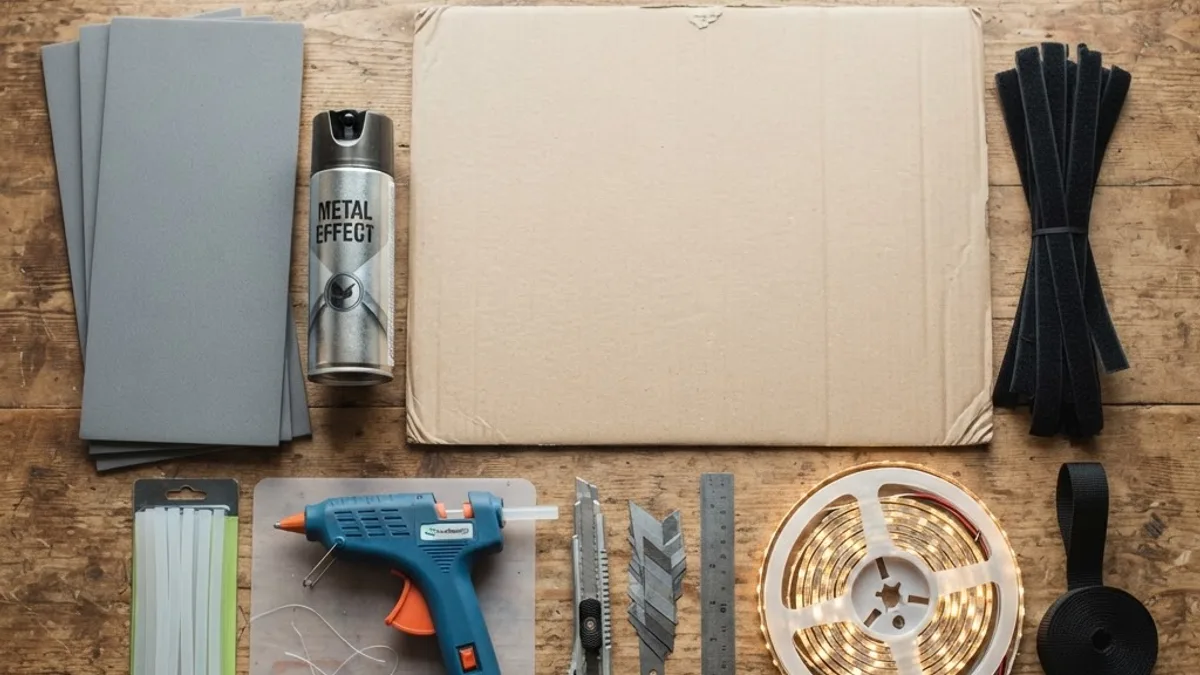
Use these:
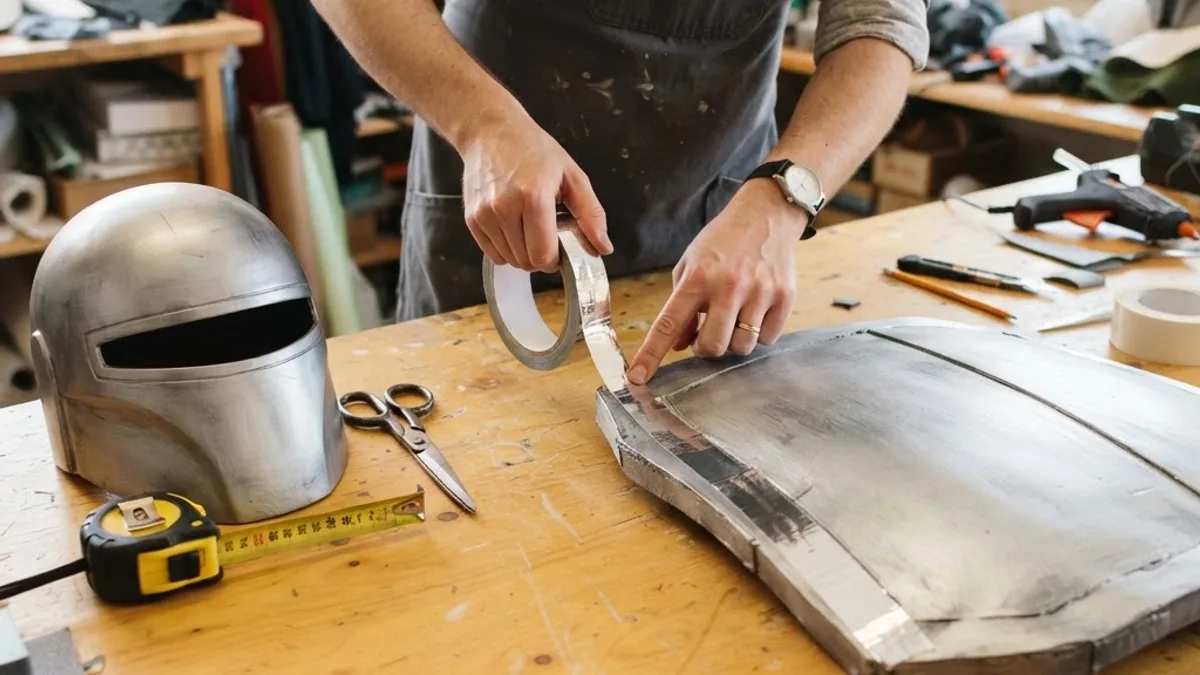
- EVA foam, 5mm to 10mm - lightweight, curves with heat, holds paint, survives crowds. The best structural choice for panels and helmets.
- Corrugated cardboard - free and fast, ideal for prototyping shapes before cutting foam.
- Battery powered LED strips with a USB power bank - safe, dimmable, and reusable.
- Velcro and elastic straps - lets you remove parts to sit down, which matters more than you think.
- Matte spray primer plus metallic topcoat - matte primer stops the plastic sheen that makes costumes look cheap.
Skip these:
- Rigid plastic buckets and bins - heavy, hot, and they restrict head movement.
- Coin cell LEDs - they dim noticeably within two to three hours.
- Mains powered lighting of any kind - never wire a costume to wall power or an unprotected lithium cell.
- Full face masks without ventilation - a night of talking inside sealed foam is genuinely unpleasant.
Wiring LEDs Without Ruining the Build
Lighting is what separates a costume that reads as AI from a costume that reads as scrap. Three rules cover almost every build.
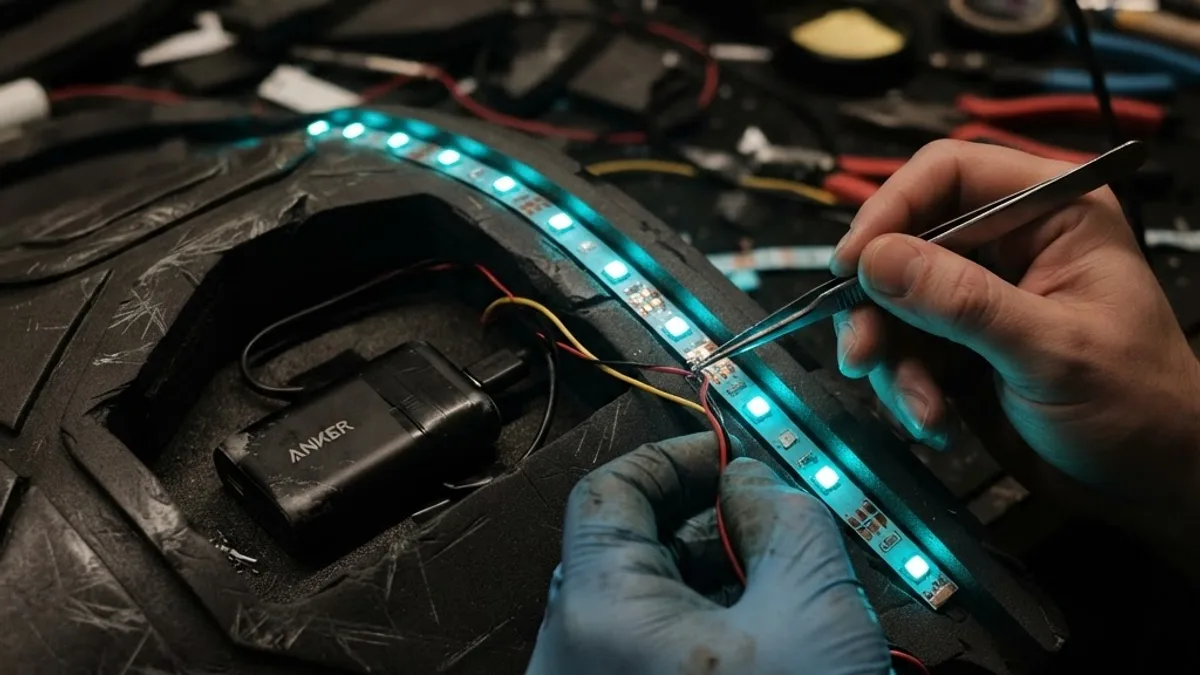
Rule one: diffuse everything. Bare LEDs create hot spots. Tape the strip behind a thin sheet of white acrylic, frosted plastic, or even two layers of baking paper. Diffusion is the difference between glowing lines and visible bulbs.
Rule two: power from a pocket. A 5,000 mAh USB power bank runs a one metre strip for a full evening and can be swapped in seconds. Route the cable inside the costume with fabric tape, leaving slack at every joint so movement does not pull connections apart.
Rule three: one colour, one behaviour. Cyan, white, or amber all read as computational. Rainbow cycling reads as party decor. If you want motion, use a slow breathing fade rather than a fast blink, which is harder to look at and drains power faster.
Test the full lighting setup in a dark room before the event. Brightness that looks strong under kitchen lights often disappears at a venue, and the reverse is also true.
Cost and Effort Comparison
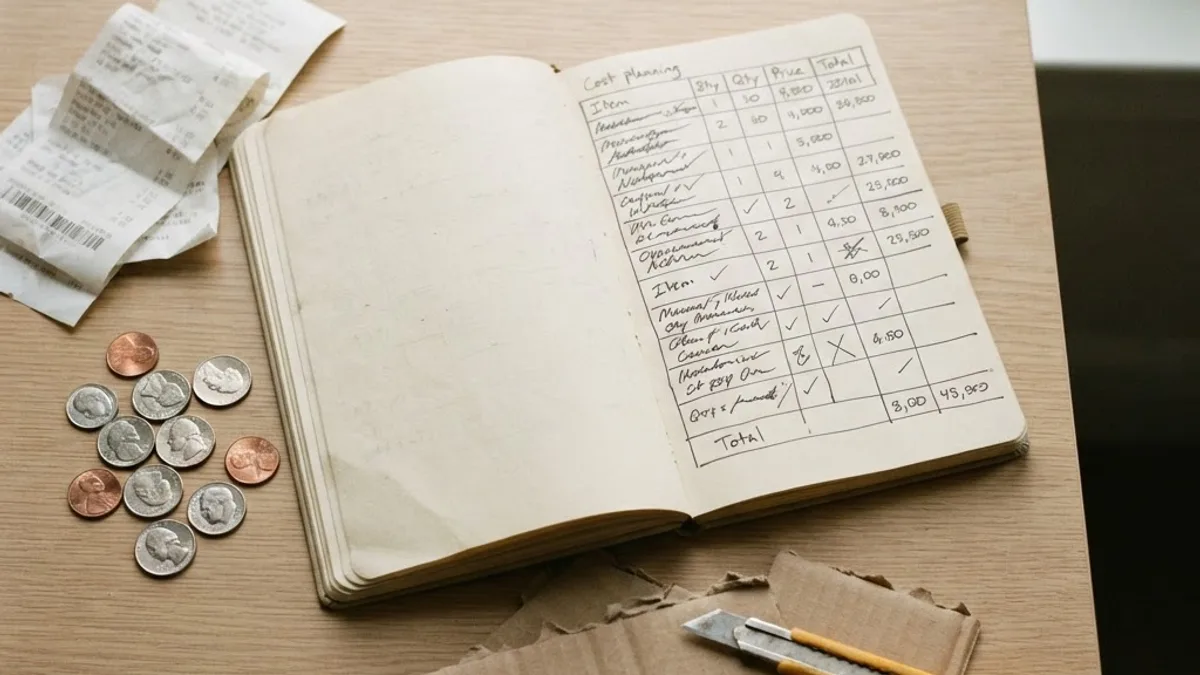
The table below reflects typical retail material costs and realistic build time for someone with basic craft skills.
| Costume Concept | Materials Cost | Build Time | Recognition | Reuse Value |
|---|---|---|---|---|
| Chat interface headpiece | 15 to 25 USD | 2 to 3 hours | Very high | Medium |
| Neural network bodysuit | 30 to 45 USD | 4 to 6 hours | High | High |
| Embodied assistant panel | 45 to 70 USD | 8 to 12 hours | High | High |
| Training data ghost | 20 to 30 USD | 3 to 4 hours | Low to medium | Low |
| Prompt and output pair | 35 to 55 USD | 6 to 8 hours | Very high | Medium |
The pattern is consistent: recognition correlates with symbol clarity, not spending. The cheapest option on this list scores highest on recognition because a speech bubble is universally understood.
Group and Couple Themes
Group builds are where AI costumes get genuinely clever, because you can stage a system instead of a character. Effective combinations include a prompt with three different outputs, a model with its training data and its hallucination, or a full pipeline of input, processing, and result.
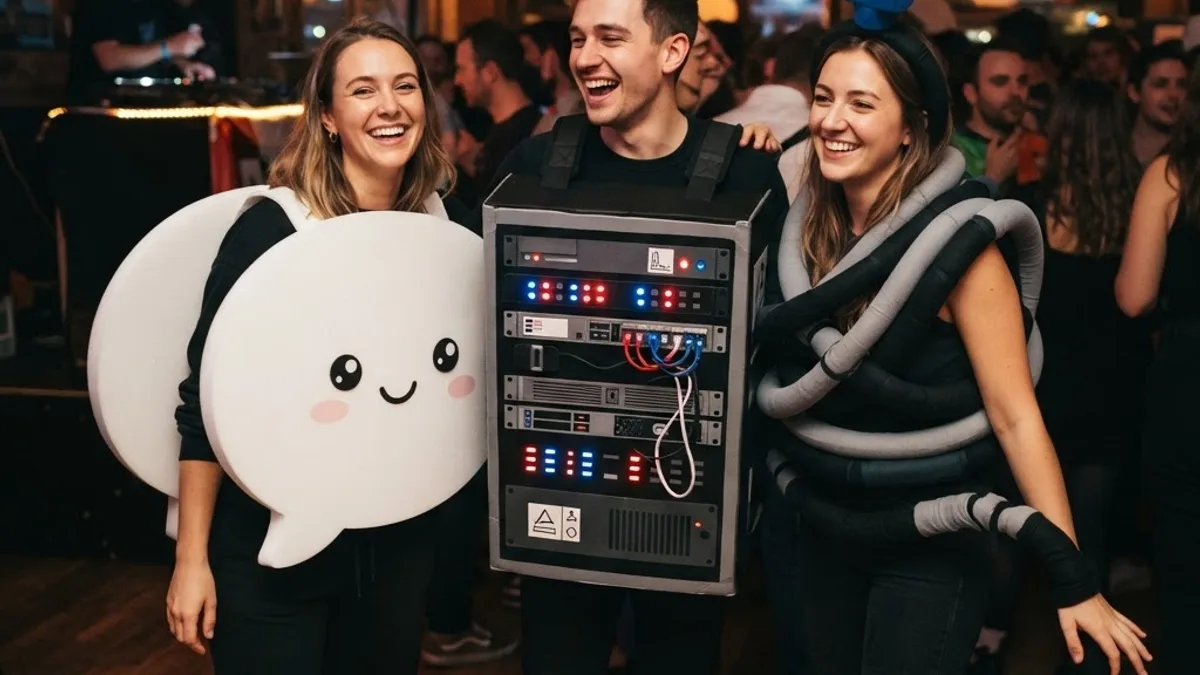
Coordinate two things across the group: colour palette and light temperature. Matching those two variables makes a set of separately built costumes look designed together, the same discipline a graphic design agency applies when unifying a brand across formats. The same visual consistency thinking that goes into visual identity services applies directly here, since a costume is a one night identity system.
Safety, Comfort, and Practical Details
Most costume failures are practical, not creative. The Consumer Product Safety Commission consistently reports that pedestrian visibility and restricted vision are leading causes of costume related injuries on Halloween night, which makes these checks non negotiable.
- Keep peripheral vision open. Visors should stop above eye level or use a mesh panel, never tinted plastic.
- Add reflective tape along the lower edges of large panels. It disappears indoors and appears in headlights.
- Test seated posture. If you cannot sit, eat, or use a restroom in the costume, add a quick release strap.
- Cap your shoulder load at roughly 2 kg for panel style builds, and distribute weight across both shoulders rather than the neck.
- Insulate battery contacts with electrical tape and keep the power bank in an outside pocket, never against skin.
Key Takeaways
- An artificial intelligence costume succeeds by representing one AI concept clearly, not by combining many tech references.
- Interface symbols such as chat bubbles deliver the highest recognition for the lowest cost, typically 15 to 25 USD.
- EVA foam plus battery powered, diffused LED strips is the most reliable material combination for a full evening of wear.
- Roughly 55 percent of US adults now use AI products regularly, which is why these costumes read instantly to general audiences.
- Symbol based designs such as neural networks stay recognizable far longer than product specific references.
- Restricted vision and low visibility are the leading practical risks, and both are solved with open visors and reflective tape.
For teams that think about how ideas get communicated visually across every channel, the studio work at ZoneTechify follows the same principle this costume guide does: one clear concept, executed precisely, beats a pile of features.
Frequently Asked Questions (FAQ)
What is the easiest artificial intelligence costume to make?
A chat interface costume is the easiest. Cut a large speech bubble from EVA foam or cardboard, paint it a light colour, add one short line of high contrast text, and mount it to a headband or chest harness. Total build time is two to three hours with no electronics required.
How do I make my AI costume glow safely?
Use a battery powered LED strip connected to a USB power bank carried in an outside pocket. Diffuse the light behind frosted plastic so individual bulbs are hidden, tape all battery contacts, and leave cable slack at joints. Never connect a costume to mains power or an unprotected lithium cell.
How much does an artificial intelligence costume cost?
Most homemade builds cost between 15 and 70 US dollars in materials. Simple foam and paint concepts sit at the low end, while lit chest panels with power banks and diffusion sheets reach the upper range. Recognition depends on design clarity rather than how much you spend.
What is the difference between a robot costume and an AI costume?
A robot costume represents physical machinery through metal panels, joints, and mechanical detail. An AI costume represents thinking and data through interfaces, networks, glowing pathways, and text. AI builds are usually lighter, cheaper, and more comfortable because they need pattern rather than heavy structure.
Can I make an AI costume without any electronics?
Yes. Neural network patterns, data stream prints, and interface cutouts all work with fabric paint, iron on vinyl, or printed panels. Reflective and metallic materials mimic a glow under camera flash and venue lighting, giving you a strong photographic result with zero wiring.
What are good group AI costume ideas?
Stage a system instead of separate characters. Effective sets include one prompt with several different outputs, a model paired with its training data, or an input, processing, and output pipeline. Match colour palette and light temperature across everyone so the separate builds look intentionally designed together.