Learn what a national artificial intelligence association does, how membership works, what it costs, and how to pick the right AI body for your company.
National Artificial Intelligence Association
Search for a national artificial intelligence association and you land in a crowded field: government advisory councils, industry trade groups, professional societies, and standards bodies that all borrow the same vocabulary. The differences matter commercially. The association you join shapes the rules your product gets audited against, the certifications your engineers need, the procurement doors that open, and the speed at which you hear about a regulatory change. This guide explains what these organizations actually do, how to evaluate one before paying a membership fee, and how to turn membership into measurable advantage. It is written for founders, compliance leads, and engineering directors who need a decision rather than a definition.
Quick Answer: A national artificial intelligence association is a country-level membership organization that coordinates AI policy, publishes technical and ethical standards, certifies practitioners, and represents member interests to regulators. Membership gives companies early access to compliance guidance, standards committees, procurement networks, and workforce certification pathways that reduce regulatory and hiring risk.
What Is a National Artificial Intelligence Association?
A national AI association is an intermediary between three groups that rarely speak the same language: government regulators, commercial AI builders, and the public affected by automated decisions. It has no direct legislative power in most countries, yet it influences outcomes because regulators consult it, courts cite its guidance, and buyers use its frameworks in procurement checklists.
Five functions define a credible national AI body:
- Policy representation. It files formal consultation responses on draft AI legislation on behalf of members, so a twelve-person startup gets the same regulatory voice as an enterprise.
- Standards development. It maintains national codes of practice and mirrors international standards work such as ISO and IEC committees.
- Certification and training. It accredits practitioner credentials, audit methodologies, and training providers.
- Ecosystem convening. It runs working groups where competitors solve shared problems, including model evaluation, incident reporting, and data provenance.
- Research translation. It converts academic safety and evaluation research into practical controls engineering teams can implement in a sprint.
If an organization only does conferences and a newsletter, it is a networking club, not an association. That distinction is the single fastest filter you can apply.
Why These Associations Matter More in 2026 Than They Did in 2022
Regulatory volume is the reason. The OECD AI Policy Observatory tracks more than 1,000 AI policy initiatives across over 70 countries, and that number keeps climbing. The Stanford AI Index reported that United States federal agencies issued 59 AI-related regulations in 2024, more than double the previous year, spread across 42 separate agencies. No in-house team reads all of that in time to act on it.

The European Union AI Act sharpens the timeline further. It entered into force on 1 August 2024, general-purpose AI model obligations began applying from 2 August 2025, and the bulk of high-risk system obligations land on 2 August 2026. Any company selling software into Europe is now inside that compliance window. National associations exist precisely to compress a 400-page legal instrument into an implementable checklist, and members typically receive that translation months before it reaches the open web.
How a National AI Association Is Structured
Most follow a three-layer model. A board or council sets strategy and holds the government relationship. Technical committees, staffed by member volunteers, produce the actual guidance documents. A small permanent secretariat handles operations, publications, and regulator liaison.
The practical implication is that influence sits in the committees, not the board. Committee membership is where you see draft standards early, argue against a control that would be unworkable for your architecture, and build relationships with the auditors who will later assess you. Companies that pay for membership but send nobody to committee meetings capture perhaps a fifth of the available value.
What Membership Actually Delivers
Strip out the marketing language and membership produces five concrete assets:
- Early regulatory intelligence. Draft guidance, consultation calendars, and enforcement signals ahead of public release.
- Reusable compliance artifacts. Model cards, risk assessment templates, data provenance registers, and incident response playbooks that would cost real money to build internally.
- Procurement credibility. Public sector and enterprise tenders increasingly ask whether a supplier follows a recognized AI governance framework. Documented alignment answers that question with evidence.
- Talent access. Accredited training routes and a member directory that shortens technical hiring cycles.
- Standing to be heard. A named seat in a working group means your operational reality shapes the rule instead of being surprised by it.
Teams that lack the internal bandwidth to act on this material often pair membership with an external partner. Working with a specialist AI automation services team is usually cheaper than hiring a full governance function in year one, particularly when the same partner also ships the production systems being governed.
Standards and Compliance: Where the Real Value Sits
Two reference documents anchor almost every national AI framework. The NIST AI Risk Management Framework 1.0, published in January 2023, is voluntary and organizes work around four functions: govern, map, measure, and manage. ISO/IEC 42001, published in December 2023, is the first certifiable AI management system standard, which means an accredited body can audit you against it and issue a certificate a buyer will accept.
The distinction is commercially important. NIST gives you a defensible internal process. ISO/IEC 42001 gives you a document you can attach to a tender. A good national association tells you which of the two your market actually rewards and, more usefully, maps its own national code onto both so you maintain one control set instead of three. Ask any association you are evaluating for that mapping document before you join. If it does not exist, the association is behind the curve.
Workforce Development and Certification Pathways
Certification is the quietest benefit and often the highest return. AI governance roles, including model risk officer, AI auditor, and responsible AI lead, barely existed as job titles five years ago, so there is no established degree pipeline. Associations fill that gap with accredited short-course credentials that hiring managers can verify.

For engineering leaders, the sharper move is dual-skilling existing staff rather than recruiting specialists. A senior backend engineer who completes a recognized AI risk credential becomes far more valuable than an external hire with governance theory and no knowledge of your codebase. This is the same logic behind building with a small senior team instead of a large junior one, an approach an AI digital agency style delivery model has used to ship regulated systems with fewer people and fewer handoffs.
National AI Association vs Other AI Bodies
People conflate four very different organization types. This table separates them.
| Body Type | Primary Purpose | Who Joins | Binding Power | Best For |
|---|---|---|---|---|
| National AI association | Policy, standards, certification within one country | Companies, researchers, public sector | Voluntary but often cited by regulators | Compliance readiness and national influence |
| Government AI office or institute | Enforce or advise on legislation, test frontier models | Public officials, appointed experts | Statutory in many jurisdictions | Understanding enforcement direction |
| Industry consortium | Advance a shared commercial or technical interest | Usually large firms only | None | Vendor-level interoperability work |
| Academic society | Publish research, run peer review | Researchers, students | None | Publication and research talent |
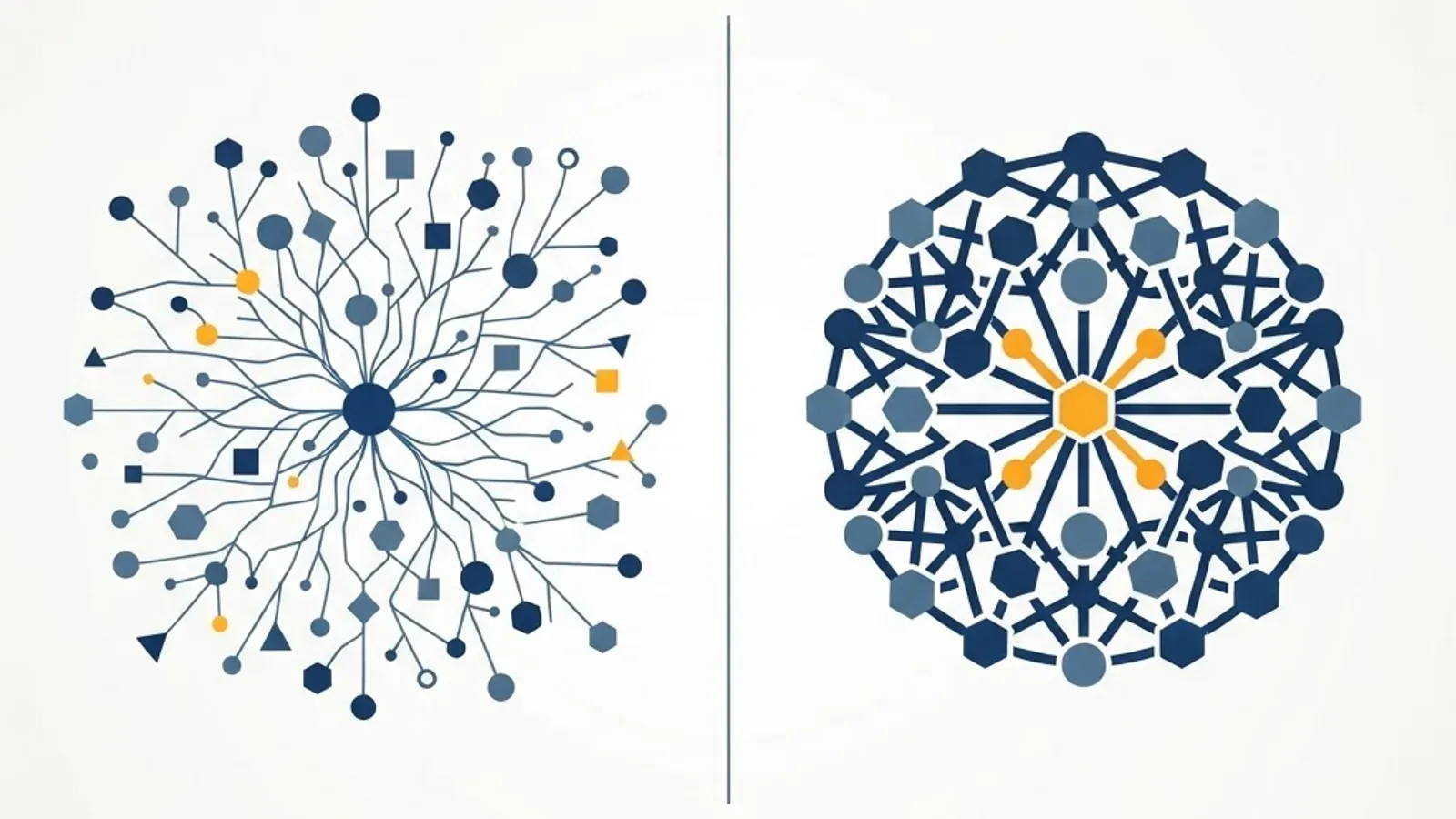
The practical read is that a national association is the only one of the four designed to serve a mid-sized commercial builder. Government institutes will not coach you. Consortiums frequently price out anyone below enterprise scale. Academic societies publish for peers, not practitioners.
How to Evaluate and Join the Right Association
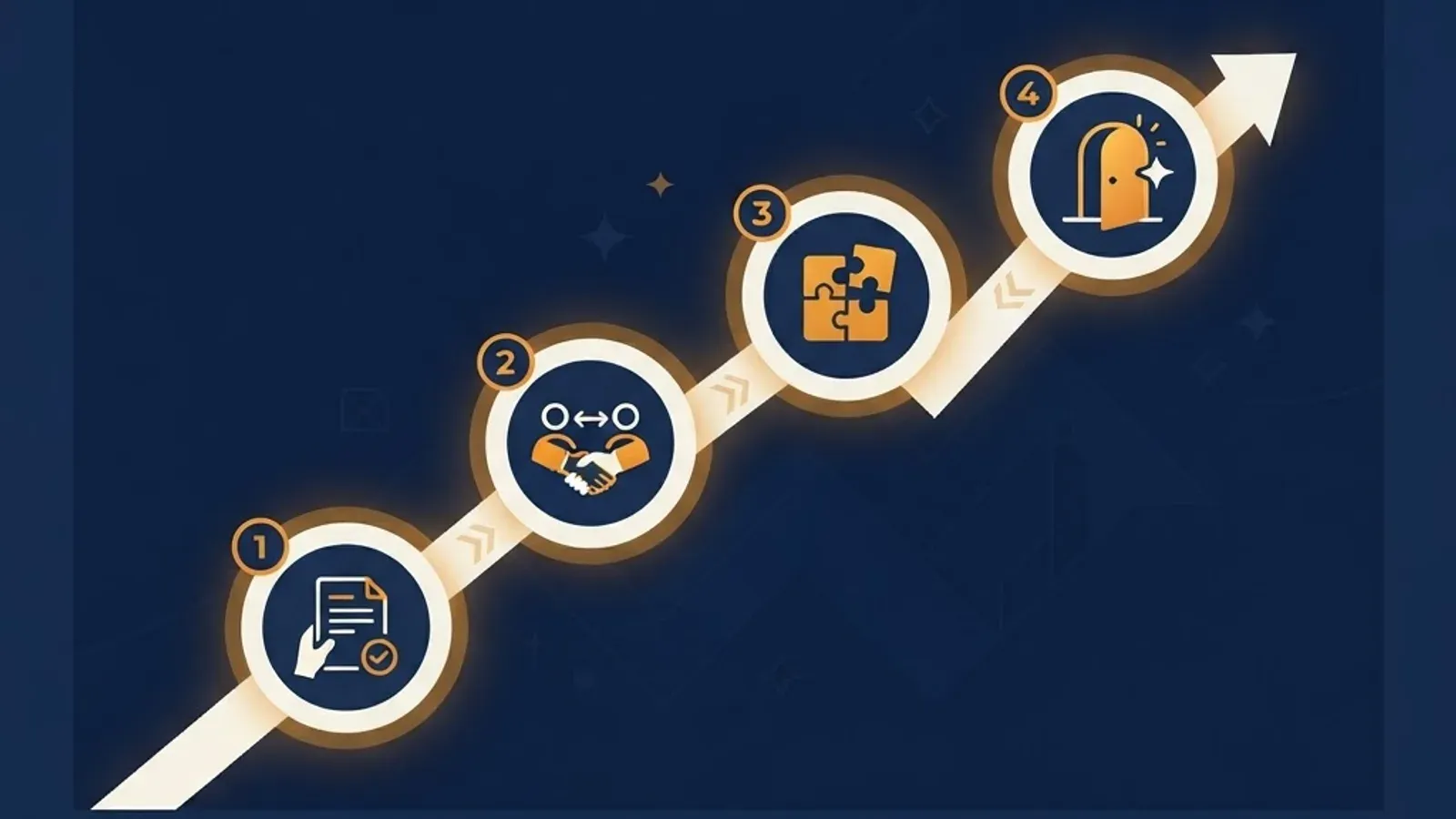
Run this five-step check before any payment.
- Verify the regulator relationship. Look for named consultation responses, advisory appointments, or citations in official documents from the last eighteen months. Vague claims of government engagement are not evidence.
- Audit the output shelf. Count the substantive publications from the past year. A serious body ships guidance continuously, not once a year at a summit.
- Check committee access at your tier. Some associations reserve technical committees for the highest membership band, which strips out most of the value for smaller members.
- Confirm the standards mapping. Ask for the crosswalk between the national code, ISO/IEC 42001, and NIST AI RMF.
- Measure the sector fit. A healthcare AI company gains little from an association dominated by adtech members, because the working groups will chase problems you do not have.
Assign one internal owner before you join and give that person a target, such as one committee seat and two published artifacts adopted internally per quarter. Membership without an owner reliably decays into an unread mailbox. Teams that want the governance work and the build work handled together often route both through a single partner such as the ZoneTechify Team, which keeps the compliance decisions attached to the code that implements them.
Mistakes Companies Make
- Joining for the logo and never attending a working group.
- Treating national guidance as optional because it is voluntary, then discovering a buyer requires it contractually.
- Maintaining separate control sets for each framework instead of one mapped set.
- Sending only legal staff to technical committees, which produces guidance engineers cannot implement.
- Waiting for final regulation before starting documentation, which converts a twelve-month task into a panic.
Key Takeaways
- A national AI association coordinates policy, standards, certification, and representation at country level; it is not a conference organizer.
- The OECD tracks over 1,000 AI policy initiatives across more than 70 countries, and US federal agencies issued 59 AI-related regulations in 2024 alone.
- EU AI Act high-risk obligations largely apply from 2 August 2026, making documentation work urgent now.
- ISO/IEC 42001 is certifiable and sellable; the NIST AI RMF is voluntary and process-oriented. Most companies need both, mapped to one control set.
- Value concentrates in technical committee participation, so confirm committee access at your membership tier before joining.
Frequently Asked Questions (FAQ)
What does a national artificial intelligence association actually do?
It represents members to regulators, publishes national AI standards and codes of practice, accredits training and certification, and runs technical working groups. In practice it translates broad legislation into implementable controls, then advocates for member interests during consultation on new AI rules.
Is joining a national AI association worth the fee?
It is worth it when you sell into regulated sectors or public procurement, because compliance templates, standards crosswalks, and tender credibility cost far more to build internally. It is poor value if you join for prestige and never staff a committee seat.
Are national AI association standards legally binding?
Usually not. Most associations publish voluntary guidance. That guidance becomes effectively binding when regulators cite it, courts treat it as reasonable practice, or buyers write it into contracts, which is increasingly common in healthcare, finance, and government tenders.
How is a national AI association different from a government AI institute?
A government institute advises on or enforces legislation and tests advanced models using statutory authority. An association is member-funded, represents commercial and research interests, and provides guidance plus certification. One regulates or advises; the other prepares you for it.
Which AI standard should a company adopt first?
Start with the NIST AI Risk Management Framework to establish internal governance, mapping, and measurement. Then pursue ISO/IEC 42001 certification when a buyer, regulator, or tender requires third-party proof. Adopting them in that order avoids rework and duplicated documentation.
Can startups join national AI associations?
Yes. Most offer tiered pricing with reduced startup or individual rates. Before paying, confirm that your tier includes technical working group access, because entry tiers sometimes limit membership to newsletters and events, which removes the main source of value.
Final Thought
The companies that will move fastest through the next two years of AI regulation are not the ones with the largest legal budgets. They are the ones sitting in the rooms where guidance gets written, reusing artifacts instead of authoring them, and keeping one mapped control set instead of five. A national artificial intelligence association is the cheapest available seat in those rooms. The fee is trivial; the attention you commit is what determines the return.