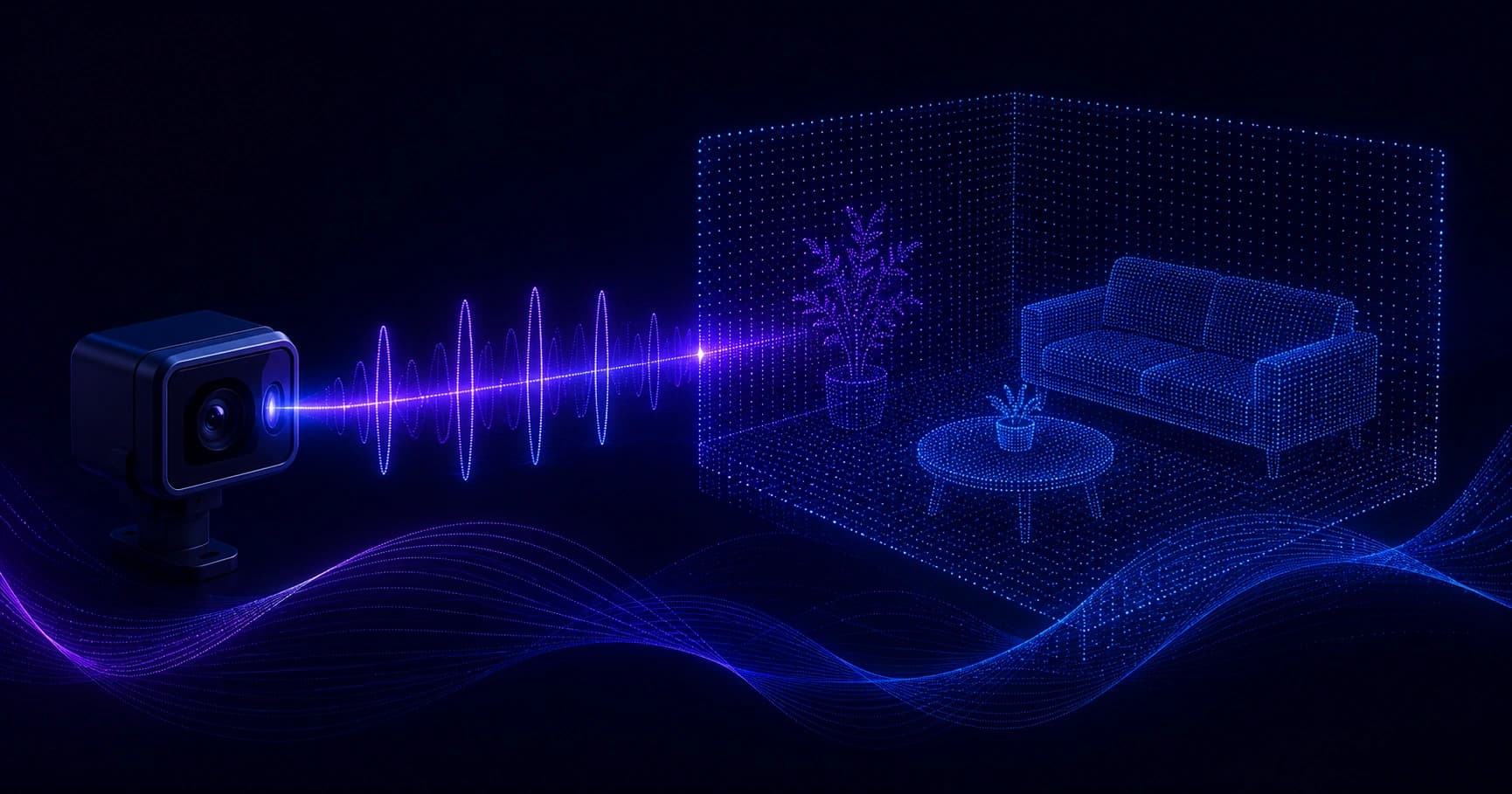
A clear, expert guide to Time-of-Flight artificial intelligence: how ToF depth sensing powers 3D perception in phones, cars, robotics, and AR.
Time of Flight Artificial Intelligence
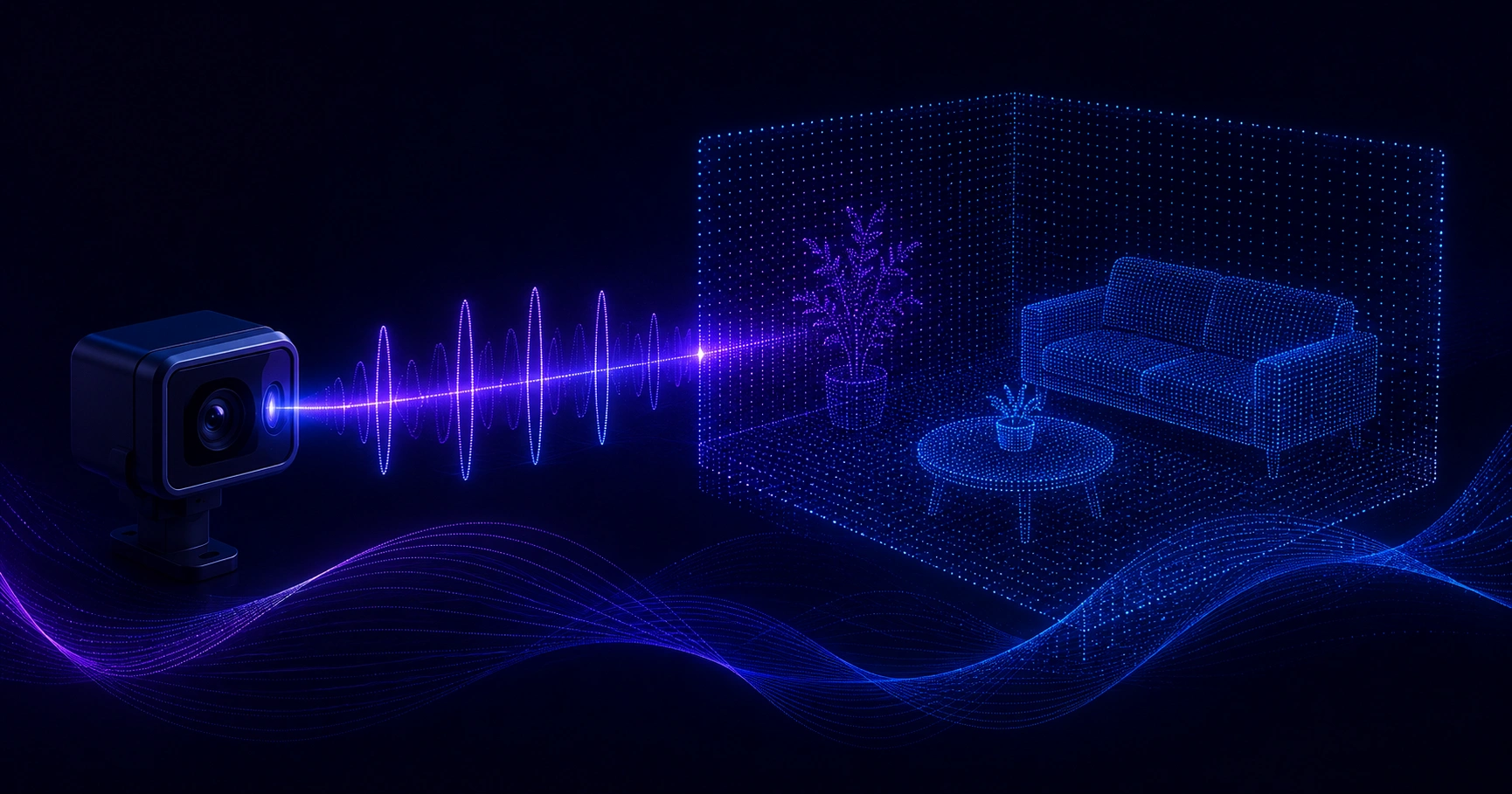
Time-of-Flight (ToF) artificial intelligence is quietly reshaping how machines see the world. From the phone that unlocks by recognizing your face to the robot vacuum that dodges a chair leg, ToF sensing paired with AI gives devices a genuine sense of depth and space. Instead of interpreting flat pixels, these systems measure real distances and then apply machine learning to understand what those distances mean.
In this guide, drawn from hands-on experience building and evaluating computer-vision systems, we break down exactly how ToF works, why AI makes it powerful, and where it delivers real value today. If you are researching depth sensing for a product, a research project, or simple curiosity, you will leave with a complete, practical understanding.
Quick Answer: Time-of-Flight artificial intelligence combines ToF depth sensors, which measure how long light takes to bounce back from objects, with AI models that interpret that depth data. Together they enable accurate 3D perception used in face unlock, robotics, autonomous vehicles, and augmented reality.
What Is Time-of-Flight Technology?
Time-of-Flight is a method of measuring distance by timing how long emitted light takes to travel to an object and return. A ToF sensor sends out infrared light, then calculates distance using the known speed of light. Because light travels at roughly 300,000 kilometers per second, the sensor measures incredibly small time intervals to produce a per-pixel depth map of a scene.
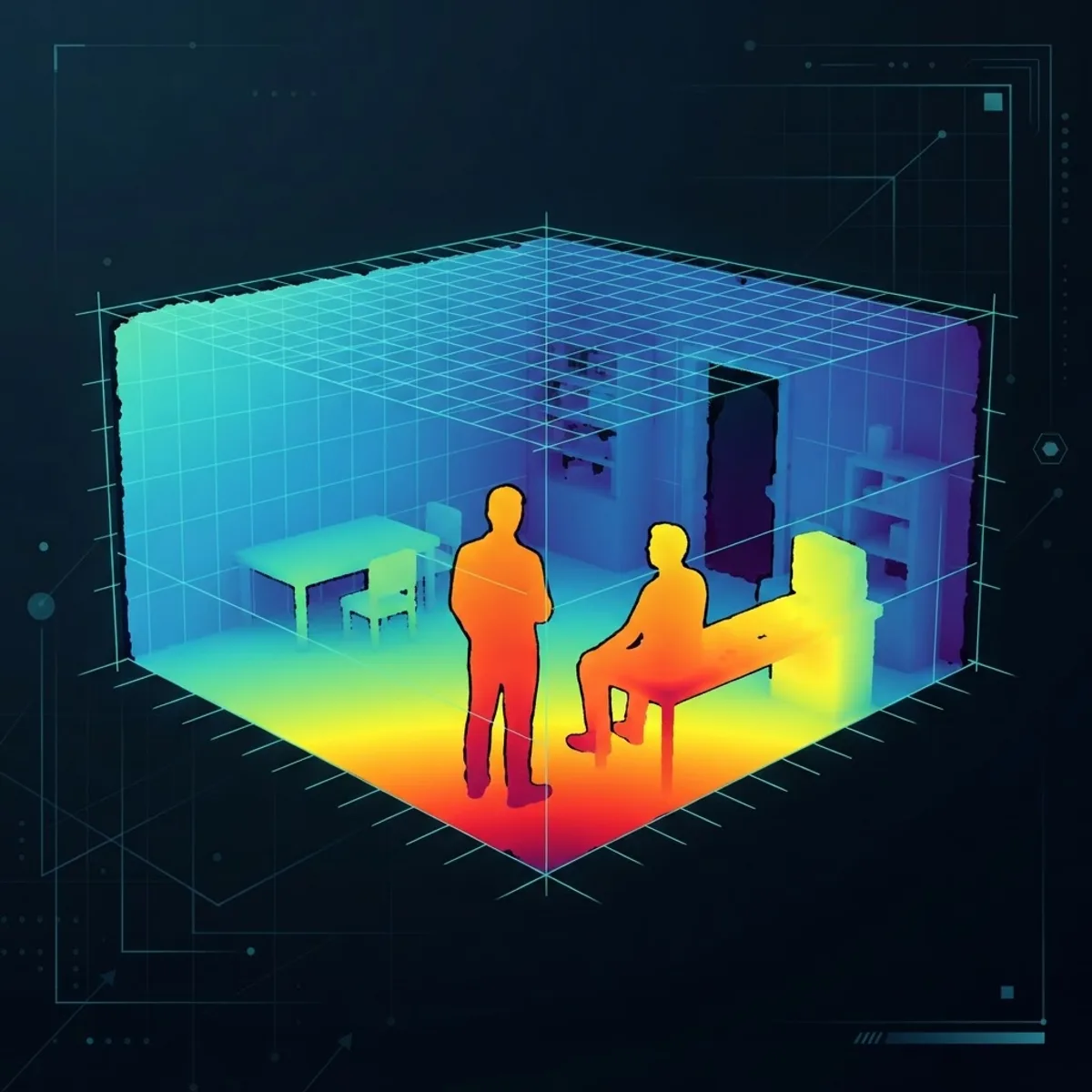
The result is not a normal photo. It is a grid of distance values, often called a depth map or point cloud, where each point represents how far a surface is from the camera. This spatial data is what makes ToF fundamentally different from a standard 2D camera.
Key Term Definitions
- Depth map: An image where each pixel stores distance rather than color.
- Point cloud: A set of 3D data points representing the surfaces of a scene.
- Infrared emitter: The component that projects invisible light for the sensor to measure.
- Latency: The delay between capturing depth data and producing a usable result.
Why Pair Time-of-Flight With Artificial Intelligence?
A ToF sensor produces raw distance data, but artificial intelligence turns that data into understanding. On its own, a depth map only tells a machine how far away surfaces are. AI models add meaning: they classify objects, recognize gestures, segment people from backgrounds, and predict movement.
Consider face unlock. The ToF sensor captures the 3D geometry of your face, and a neural network verifies that the geometry matches the enrolled owner, while also confirming it is a real, living face rather than a flat photo. That combination of accurate depth plus intelligent interpretation is what makes the feature both fast and secure.
This synergy is why demand for applied AI is surging. If you are building products that fuse sensing and intelligence, specialized artificial intelligence services can accelerate development significantly. You can also explore broader solutions at ZoneTechify.

How Time-of-Flight AI Systems Work: Step by Step
Understanding the pipeline helps clarify where AI fits. Here is the typical flow of a ToF AI system:
- Emission: An infrared emitter projects light onto the scene.
- Reflection: Light bounces off objects and returns to the sensor.
- Measurement: The sensor times the return and calculates per-pixel distance.
- Depth map creation: Raw timing data becomes a structured depth map.
- AI processing: Machine learning models classify, segment, and interpret the depth data.
- Action: The device responds, unlocking, navigating, or triggering an interaction.
Steps one through four are pure hardware and physics. Steps five and six are where artificial intelligence adds intelligence, converting numbers into decisions.
The Core Components of a ToF Camera
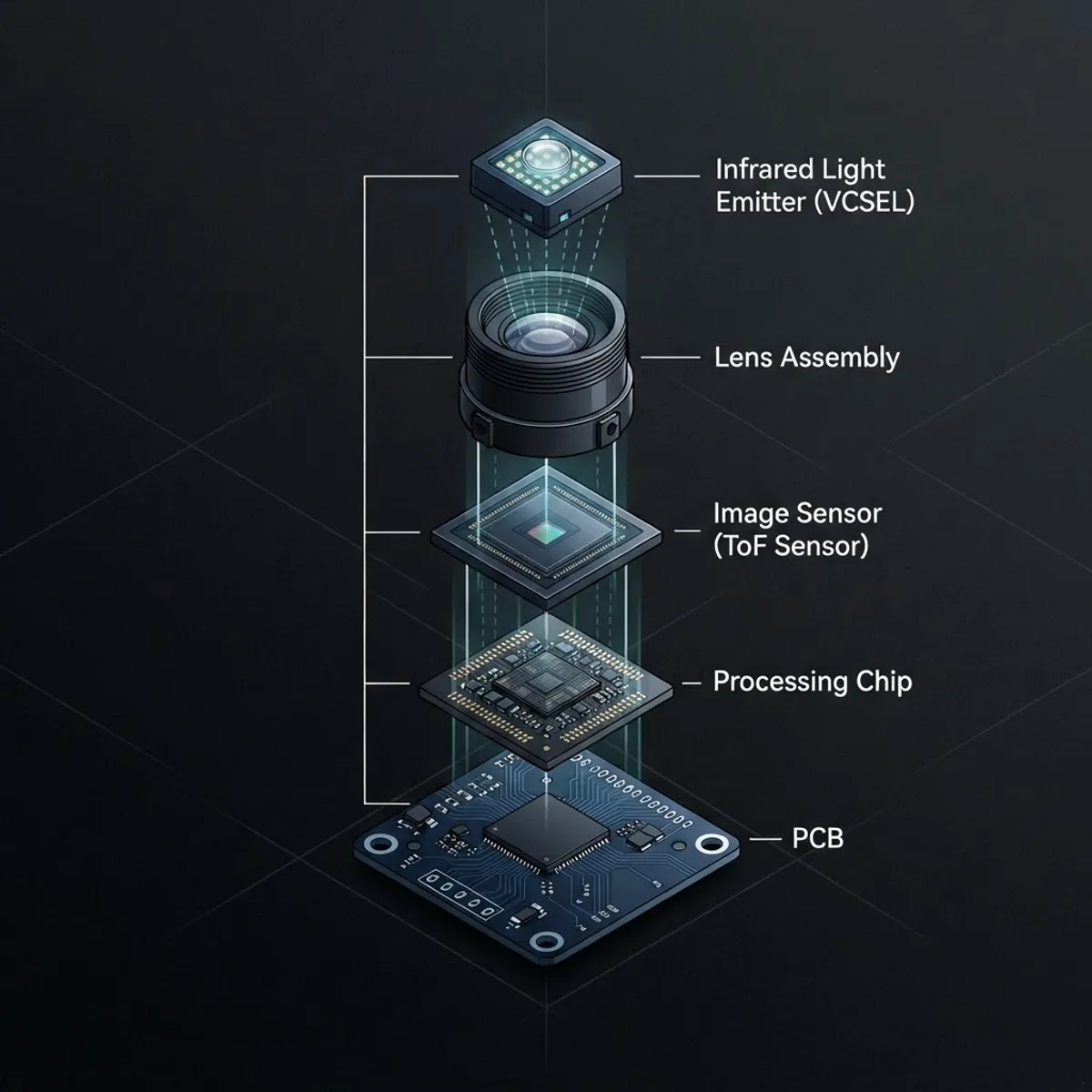
A ToF camera module is compact but sophisticated. It bundles an infrared light source, a lens, a specialized image sensor tuned to infrared, and a processing chip that handles timing calculations. The AI layer usually runs on a separate neural processing unit or the device's main processor.
Direct vs. Indirect Time-of-Flight
There are two main ToF approaches, and knowing the difference matters when choosing hardware. Direct ToF (dToF) measures the exact time a light pulse takes to return, while indirect ToF (iToF) measures the phase shift of modulated light to infer distance.
| Feature | Direct ToF (dToF) | Indirect ToF (iToF) |
|---|---|---|
| Measurement method | Times light pulses directly | Measures phase shift of light |
| Range | Longer range | Shorter to medium range |
| Accuracy at distance | Higher | Lower |
| Power efficiency | Efficient at long range | Efficient at short range |
| Common use | LiDAR, automotive | Smartphones, gesture control |
| Cost | Generally higher | Generally lower |
Most smartphones use iToF for close-range tasks like face unlock and photography, while automotive and industrial systems often rely on dToF for longer, more precise measurements.
Real-World Applications of Time-of-Flight AI
Autonomous Vehicles and ADAS
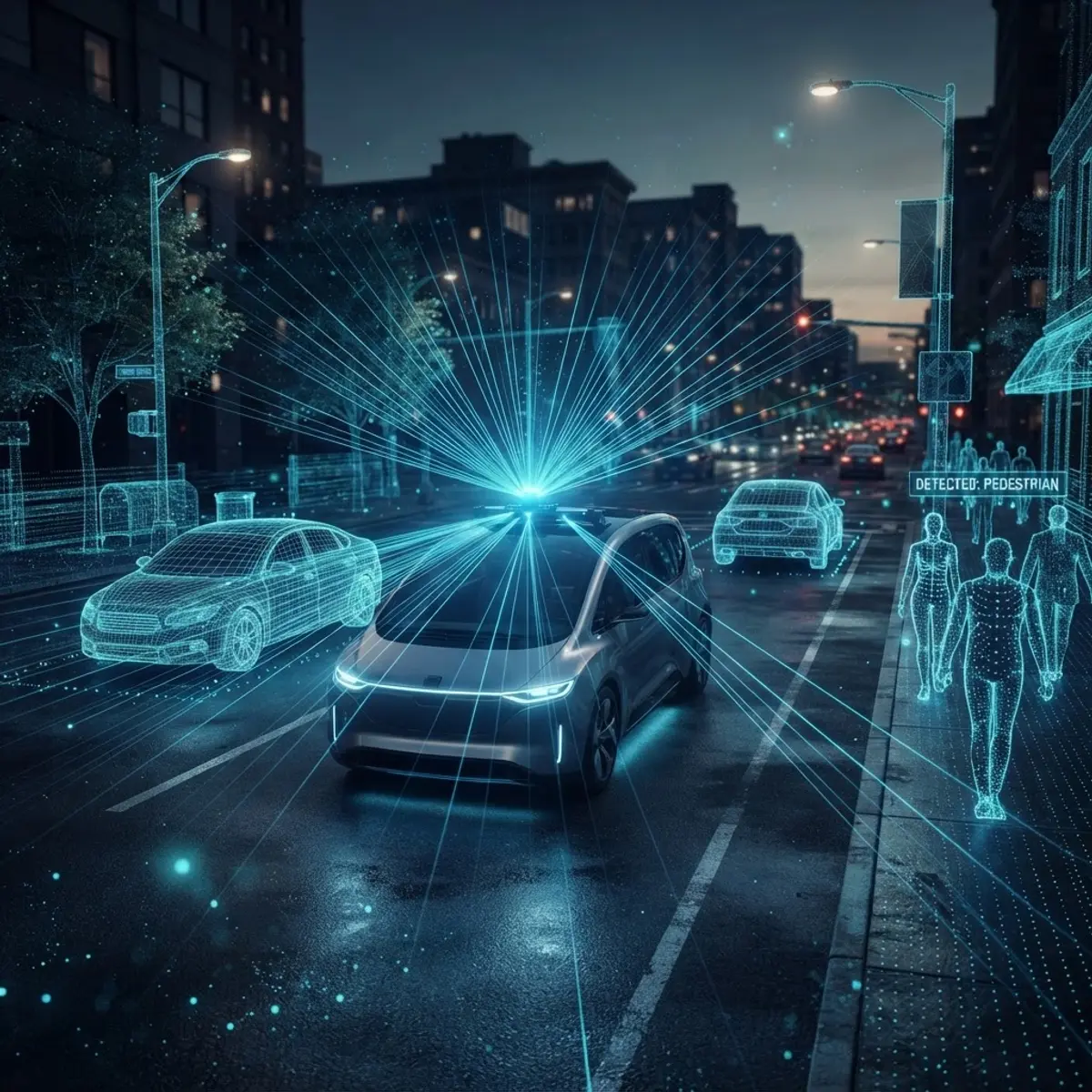
ToF and LiDAR depth sensing give self-driving systems the spatial awareness needed to avoid collisions. By combining depth data with AI object detection, vehicles identify pedestrians, cyclists, and obstacles in real time. According to the World Health Organization, roughly 1.19 million people die in road crashes each year, and depth-aware AI is a key tool in the effort to reduce that number through advanced driver-assistance systems.
Secure 3D Facial Recognition
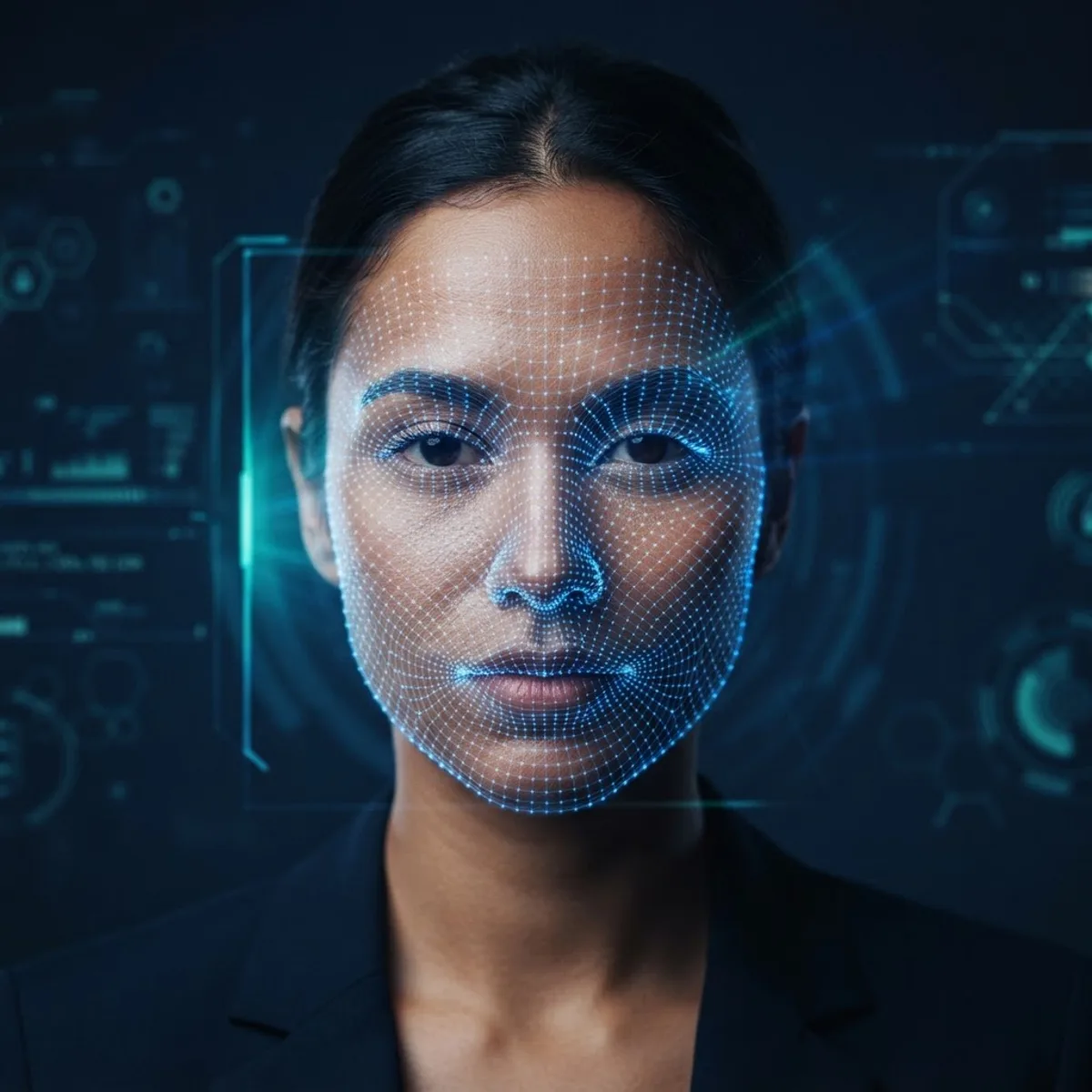
ToF-powered face authentication maps the three-dimensional structure of a face, making it far harder to spoof than 2D image recognition. The AI model checks depth geometry and liveness, which is why it resists printed-photo attacks. This is now standard in flagship smartphones and secure access systems.
Robotics and Industrial Automation
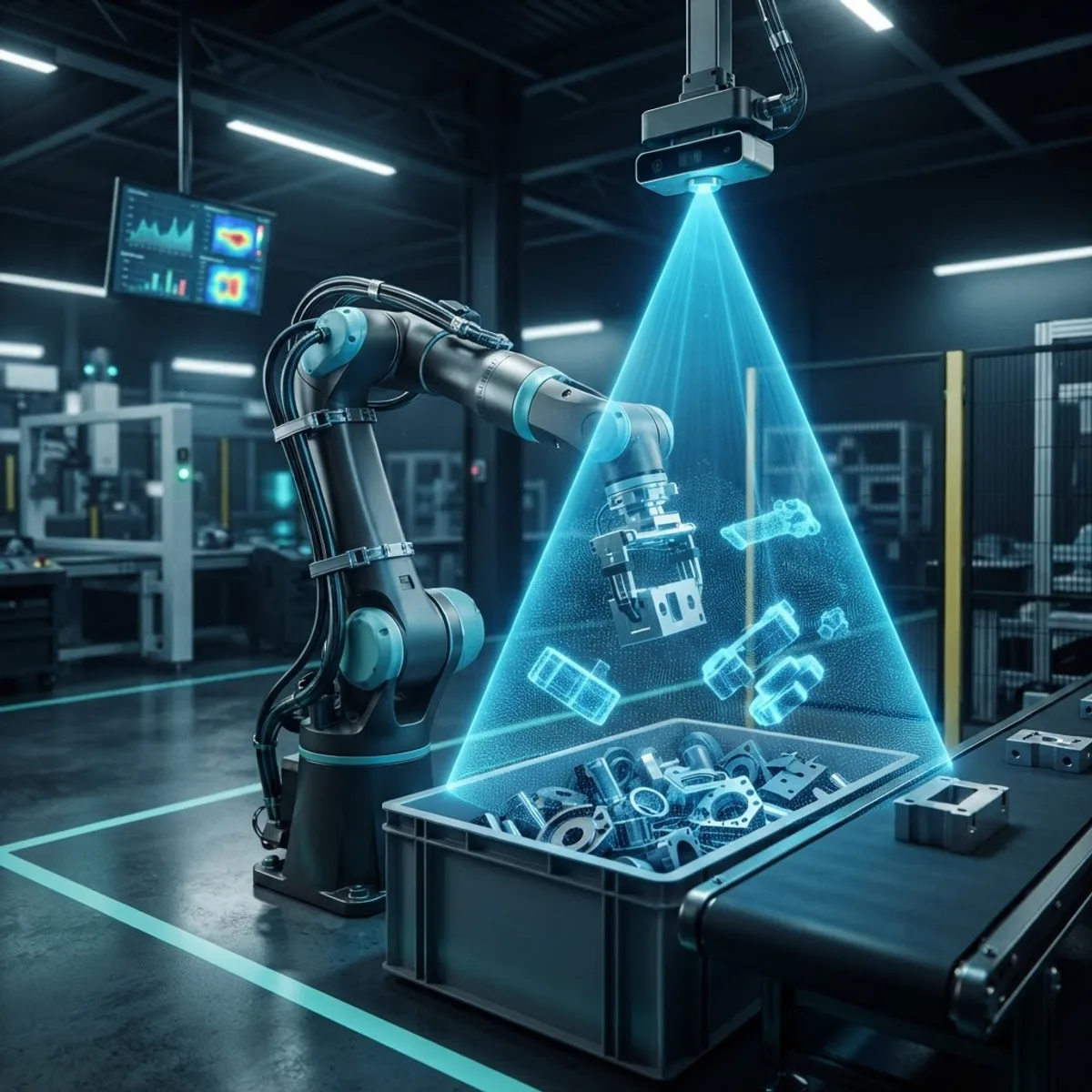
In factories and warehouses, ToF AI enables robots to perceive depth and manipulate objects reliably. A robotic arm uses depth data to locate an item, calculate grip position, and avoid collisions. This drives the pick-and-place systems behind modern e-commerce fulfillment. According to the International Federation of Robotics, more than 4 million industrial robots now operate in factories worldwide, many relying on 3D vision.
Augmented Reality and Consumer Devices
ToF sensors improve AR by accurately placing virtual objects in real space and enabling realistic occlusion. They also power gesture controls, background blur in video calls, and better low-light photography. As AR glasses mature, depth sensing becomes even more central to a convincing experience.
Benefits and Limitations of Time-of-Flight AI
Being honest about trade-offs is part of trustworthy analysis. ToF AI offers clear advantages, but it is not perfect for every situation.
Benefits:
- Fast, real-time depth capture with low latency.
- Works in low light because it uses its own infrared source.
- Compact hardware suitable for phones and small devices.
- Strong accuracy for short-to-medium range tasks.
Limitations:
- Reduced performance in bright sunlight, which floods infrared.
- Lower resolution than some structured-light alternatives.
- Reflective or transparent surfaces can distort readings.
- Longer ranges require more power and higher-cost hardware.
Smart system design compensates for these limits by fusing ToF with standard cameras and other sensors, then letting AI reconcile the combined data.
The Future of Time-of-Flight Artificial Intelligence
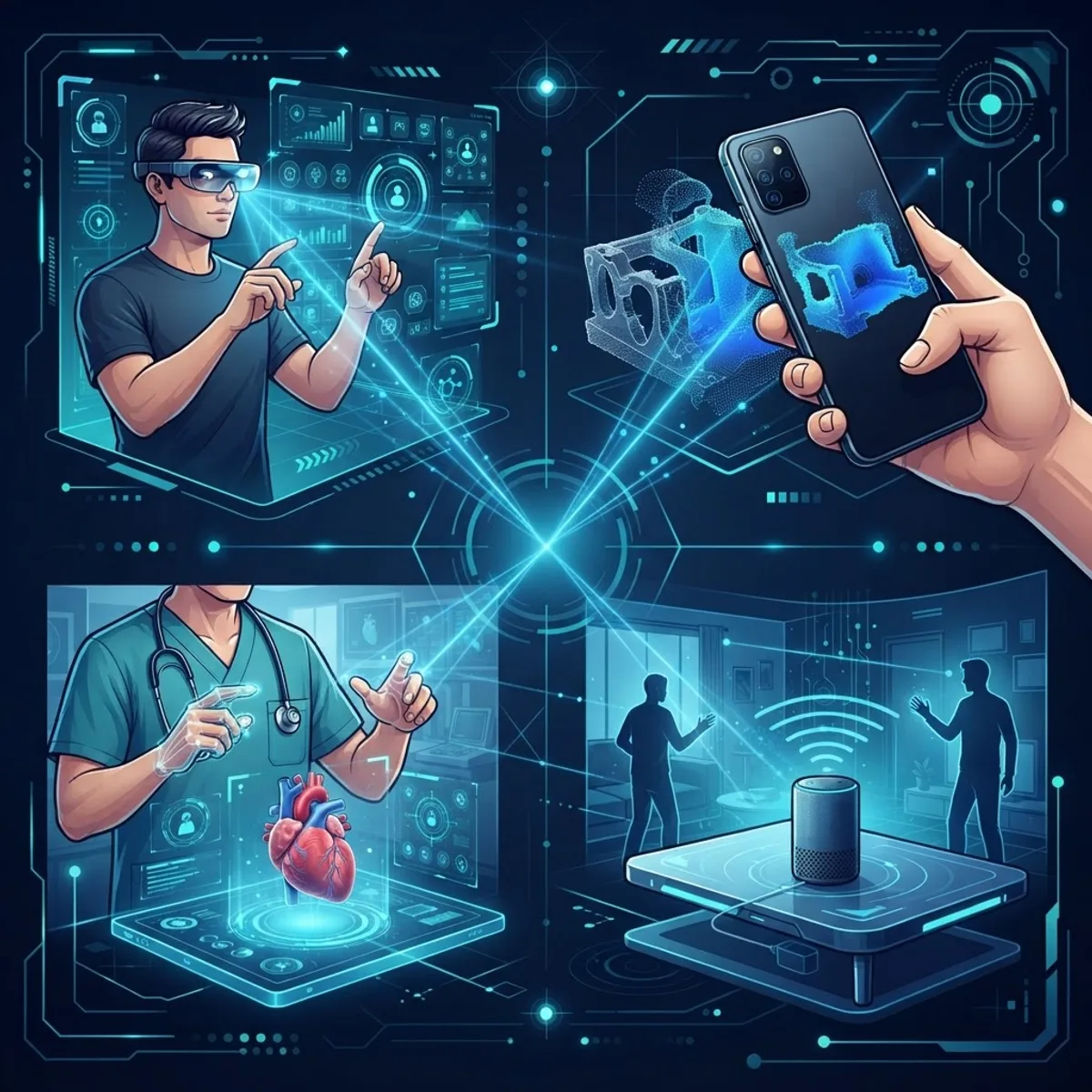
The trajectory is toward smaller, cheaper, and smarter depth sensing. As neural processing units become more capable, more ToF interpretation will happen instantly on-device, protecting privacy and reducing latency. Expect ToF AI to spread deeper into healthcare monitoring, contactless interfaces, smart homes, and immersive AR.
The biggest shift is that depth is becoming a default input for AI rather than a specialty feature. Just as color cameras became standard, depth sensing is on the same path, and the businesses that adopt it early will build more capable, spatially aware products.
Key Takeaways
- Time-of-Flight measures distance by timing reflected light, producing depth maps instead of flat images.
- AI turns raw depth data into understanding, enabling recognition, segmentation, and navigation.
- Direct ToF suits long-range automotive use; indirect ToF suits short-range consumer devices.
- ToF AI powers face unlock, autonomous driving, robotics, and augmented reality today.
- Its main weakness is bright sunlight, which is why multi-sensor fusion is common.
- Depth sensing is becoming a default AI input, not a niche add-on.
Frequently Asked Questions (FAQ)
What is Time-of-Flight in artificial intelligence?
Time-of-Flight in AI refers to combining ToF depth sensors with machine learning. The sensor measures how long light takes to bounce back from objects to create a depth map, and AI interprets that data to recognize faces, objects, gestures, and spatial layouts for real-world decisions.
How is ToF different from LiDAR?
LiDAR is actually a form of Time-of-Flight technology, typically using direct ToF for long-range scanning with laser pulses. General ToF cameras often use indirect ToF for shorter ranges in phones. So LiDAR is a specialized, longer-range subset of the broader ToF family.
Is Time-of-Flight sensing safe for the eyes?
Yes, consumer ToF sensors use low-power infrared light that meets strict eye-safety standards. The emitted light is invisible and operates well within safe exposure limits. This is why ToF face unlock and depth cameras are approved for everyday use in millions of smartphones globally.
Which smartphones use Time-of-Flight AI?
Many flagship smartphones use ToF or similar depth sensing for face unlock, portrait photography, and AR. Apple uses a structured-light and LiDAR combination, while several Android flagships include dedicated ToF cameras. The AI then processes depth data for security and camera enhancements on-device.
Can ToF AI work in complete darkness?
Yes, Time-of-Flight sensing works in complete darkness because it supplies its own infrared light source rather than depending on ambient light. This makes it ideal for night-time face unlock, low-light photography, and robots navigating dark environments where standard color cameras struggle to function.
Do I need special hardware to build ToF AI applications?
You need a ToF sensor or depth camera plus a processor capable of running AI models. Development kits from major sensor makers simplify this, and cloud or on-device AI handles interpretation. Partnering with experienced AI teams can shorten development and improve accuracy for production-grade systems.