
A practical, expert look at how artificial intelligence can renew American education, jobs, and innovation — and the concrete steps needed to Make America Intelligent Again.
Make America Intelligent Again
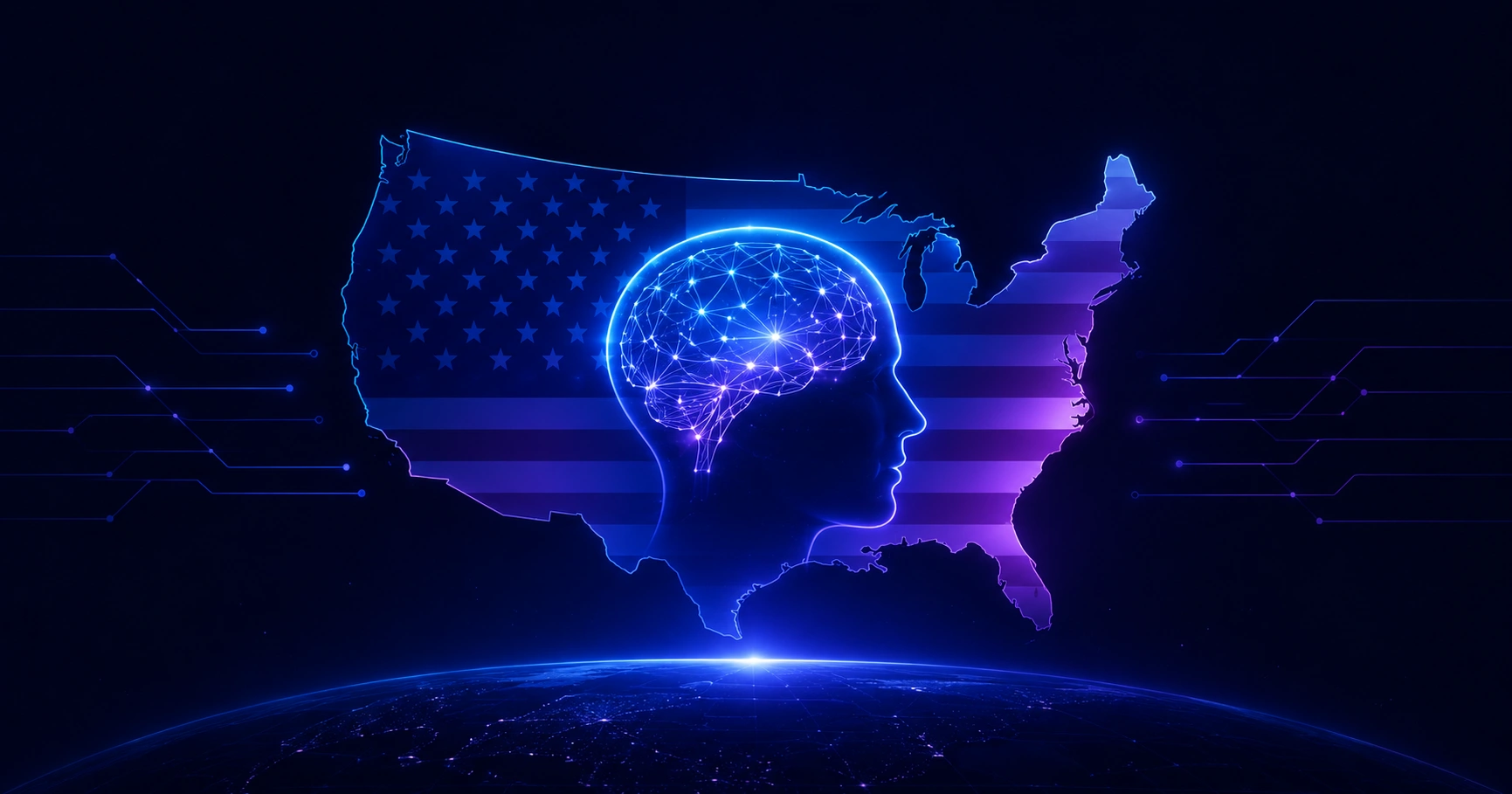
The phrase "Make America Intelligent Again" is more than a slogan — it is a national challenge. As artificial intelligence reshapes every industry, the countries that invest in AI skills, infrastructure, and responsible policy will define the next century of economic power. The United States helped invent modern computing, yet staying ahead now depends on how quickly it can turn AI research into everyday capability across schools, workplaces, and government. This guide breaks down what that renewal actually requires, backed by real data and practical steps you can act on today.
Quick Answer: To Make America Intelligent Again means investing in AI literacy, workforce reskilling, research funding, and responsible policy so the U.S. leads in artificial intelligence. It combines education reform, business adoption, and ethical governance to keep America globally competitive in the AI-driven economy.
What Does "Make America Intelligent Again" Really Mean?
"Make America Intelligent Again" is a call to rebuild national capability around artificial intelligence — the technology enabling machines to learn, reason, and make decisions. It is not about replacing people; it is about equipping them. True national intelligence in the AI era rests on four pillars: an AI-literate population, a reskilled workforce, sustained research investment, and trustworthy governance.
The stakes are measurable. According to PwC's global analysis, AI could contribute up to $15.7 trillion to the world economy by 2030 — more than the current output of China and India combined. The share a nation captures depends directly on how deeply it embeds AI into productivity. For the U.S., leadership is not guaranteed; it must be earned through deliberate, coordinated effort.
At ZoneTechify, we see this play out with clients daily: organizations that treat AI as a core competency, not a side experiment, consistently outperform those that wait.
Why AI Literacy Starts in the Classroom

A nation cannot lead in artificial intelligence if its students never learn how it works. Yet AI education in American K-12 schools remains inconsistent, often limited to a handful of well-funded districts. Making America intelligent again begins by making AI literacy a standard part of education — as fundamental as reading, writing, and arithmetic.
AI literacy means understanding how algorithms make decisions, how data shapes outcomes, and how to use AI tools responsibly. It does not require every student to become an engineer. It requires every student to become a capable, critical user of intelligent systems.
Practical steps schools can take now:
- Integrate AI concepts early — introduce pattern recognition and data thinking in elementary grades.
- Train teachers first — educators need professional development before they can teach AI confidently.
- Use real tools — let students experiment with generative AI under clear guidelines.
- Teach ethics alongside skills — bias, privacy, and misinformation must be part of the curriculum.
Countries like China and Singapore have already added AI to national curricula. The U.S. advantage lies in its openness and creativity — but only if that advantage is deployed at scale.
Reskilling the American Workforce for an AI Economy
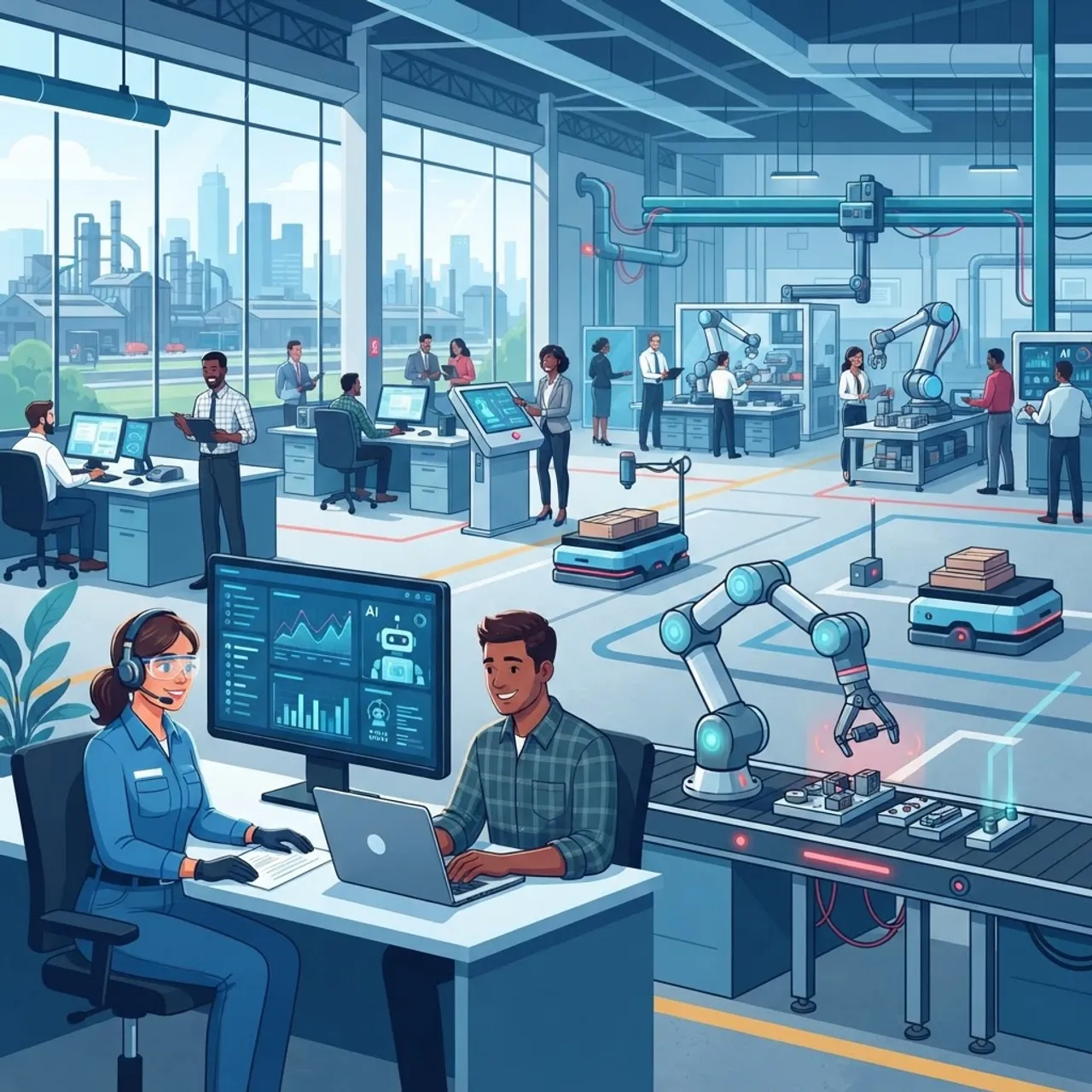
The biggest myth about AI is that it simply destroys jobs. The reality is more nuanced: AI transforms jobs. According to the World Economic Forum's Future of Jobs Report, AI and automation are expected to displace roughly 85 million roles while creating 97 million new ones by the mid-2020s — a net gain, but only for workers prepared to shift.
This is where reskilling becomes a national priority. The workers most at risk are not those who use AI, but those who never learn to. Making America intelligent again means building accessible pathways for adults to gain AI-adjacent skills without returning to a four-year degree.
High-Impact Reskilling Priorities
- Data fluency — reading dashboards, interpreting metrics, and questioning outputs.
- Prompt and tool proficiency — using AI assistants to accelerate everyday work.
- Human-only strengths — judgment, creativity, communication, and ethics.
- Technical tracks — coding, machine learning, and data engineering for those who want them.

Employers play a decisive role here. Companies that build internal AI training see faster adoption and higher retention. Businesses looking to modernize can explore dedicated AI services from ZoneTechify to design adoption strategies that upskill teams rather than sideline them.
The Role of Research and Innovation Funding

America's historic edge in technology came from sustained public and private research investment — from the internet to GPS to modern semiconductors. Maintaining AI leadership demands the same commitment. Foundational research produces the breakthroughs that private industry commercializes years later.
Three factors keep a research ecosystem healthy:
- Stable funding for universities and national labs, insulated from short-term politics.
- Talent retention and attraction, including clear immigration pathways for top AI researchers.
- Public-private collaboration that moves discoveries from the lab to the market quickly.
The competition is intense. Global AI investment has surged into the hundreds of billions of dollars annually, and nations are racing to secure compute power, chips, and specialized talent. A country that under-invests in research today borrows against its prosperity tomorrow. Innovation is not a luxury spend — it is the seed capital of national intelligence.
Smart Infrastructure: Intelligence Beyond the Screen

Artificial intelligence is not confined to apps and chatbots. Its greatest civic impact comes from smart infrastructure — energy grids that predict demand, transportation systems that reduce congestion, and healthcare networks that catch disease earlier. Making America intelligent again means embedding AI into the physical systems citizens rely on every day.
Consider the practical wins: predictive maintenance can cut infrastructure failures before they happen, AI-optimized power grids reduce waste, and intelligent logistics lower costs across supply chains. These are not futuristic fantasies — they are deployable technologies that improve daily life and strengthen national resilience.
The key is interoperability and trust. Infrastructure AI must be secure, transparent, and accountable, because when public systems fail, the consequences are shared by everyone.
Responsible AI: Intelligence Requires Trust
Raw capability without responsibility is not intelligence — it is risk. As AI systems make more consequential decisions, from lending to hiring to healthcare, trust becomes the currency that determines adoption. A truly intelligent nation builds guardrails that protect citizens while enabling innovation.
Responsible AI refers to developing and deploying systems that are fair, transparent, secure, and accountable. It addresses bias in training data, protects personal privacy, and ensures humans remain in meaningful control of critical decisions.
The policy balance is delicate. Over-regulation can smother startups; under-regulation can erode public trust and invite harm. The goal is smart, adaptive governance that evolves with the technology. For deeper strategy on ethical deployment, WebPeak and its AI services team help organizations build AI systems that are both powerful and principled.
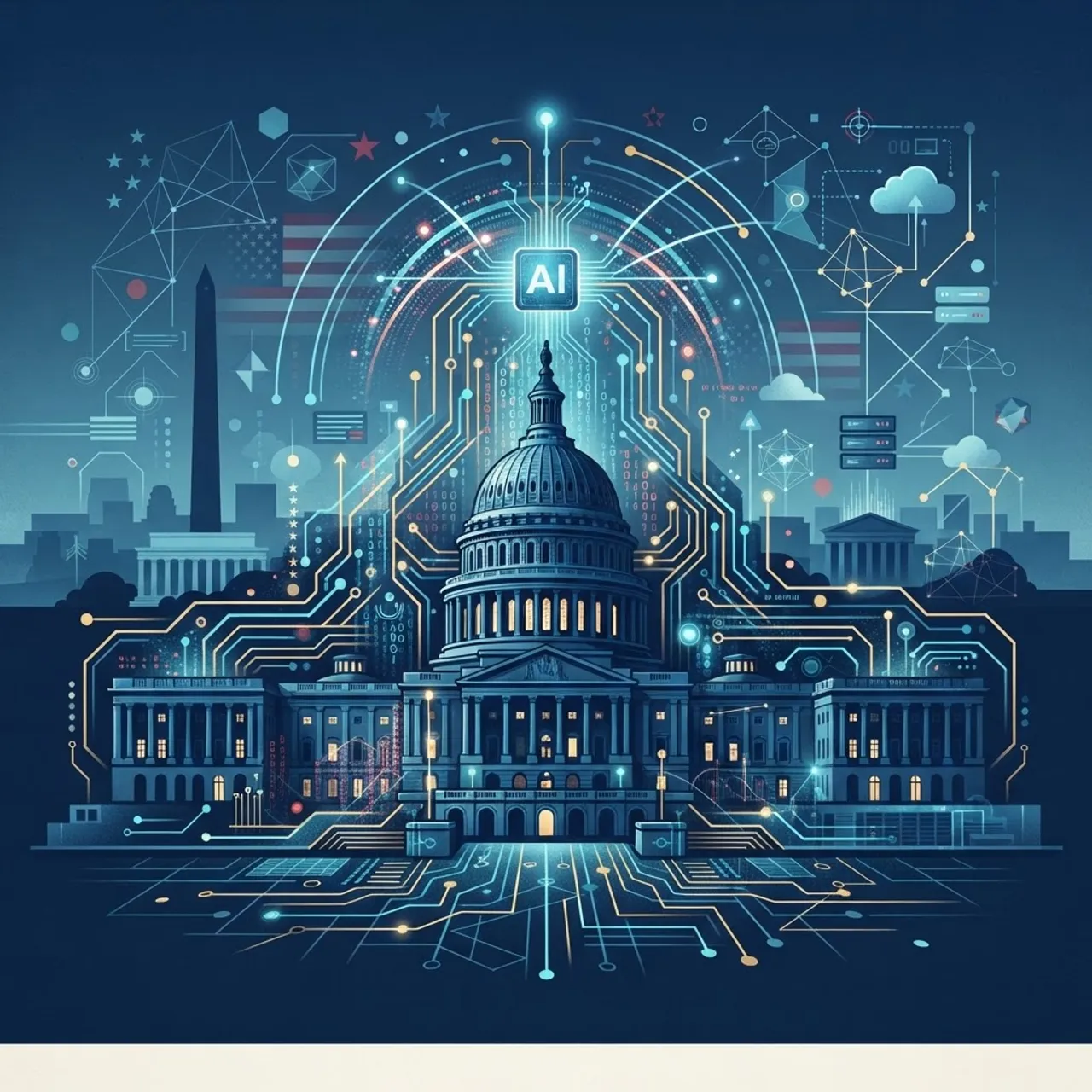
A Comparison: Reactive vs. Intelligent Nations
The difference between falling behind and leading in AI comes down to strategy. The table below contrasts a reactive approach with an intelligent, proactive one.
| Factor | Reactive Nation | Intelligent Nation |
|---|---|---|
| AI Education | Optional, uneven access | Standard national curriculum |
| Workforce | Fears automation | Actively reskills workers |
| Research | Short-term, unstable funding | Sustained long-term investment |
| Infrastructure | Aging, manual systems | AI-optimized and predictive |
| Governance | Reactive after harm | Proactive, adaptive policy |
| Business Adoption | Slow, siloed pilots | Company-wide integration |
The pattern is clear: intelligence is a set of deliberate choices repeated consistently, not a single breakthrough.
How Businesses Can Lead the Charge
Government sets direction, but businesses drive real adoption. Companies are where AI meets daily productivity, and their choices ripple across the economy. Organizations that lead share three habits: they start with clear problems, they train their people, and they measure results honestly.
A practical roadmap for any organization:
- Identify high-value use cases — automate repetitive, low-judgment tasks first.
- Invest in employee training — adoption fails without skilled users.
- Prioritize data quality — AI is only as good as the data feeding it.
- Build ethical guardrails — define acceptable use before scaling.
- Measure and iterate — track ROI and refine continuously.
Businesses that follow this path do not just cut costs — they unlock entirely new capabilities and revenue streams.
Key Takeaways
- Make America Intelligent Again means investing in AI literacy, reskilling, research, and responsible governance.
- AI could add up to $15.7 trillion to the global economy by 2030 (PwC), making leadership economically critical.
- AI is projected to create more jobs than it displaces — but only for a prepared workforce (World Economic Forum).
- AI literacy should be a standard part of education, taught alongside ethics from an early age.
- Sustained research funding and top talent retention are non-negotiable for national leadership.
- Responsible, trustworthy AI is the foundation of long-term adoption and public confidence.

Frequently Asked Questions (FAQ)
What does "Make America Intelligent Again" actually mean?
It means rebuilding national capability around artificial intelligence through education, workforce reskilling, research investment, and responsible policy. The goal is to keep the United States globally competitive by equipping people and institutions to use AI effectively, ethically, and at scale across every major industry.
How can artificial intelligence improve the U.S. economy?
AI boosts productivity by automating repetitive work, improving decision-making, and creating new industries. According to PwC, AI could add up to $15.7 trillion to the global economy by 2030. The U.S. share depends on how deeply businesses and workers adopt and integrate these tools.
Will AI take away American jobs?
AI transforms jobs more than it eliminates them. The World Economic Forum projects AI will create more roles than it displaces, but the benefit goes to workers who reskill. Learning to use AI tools, interpret data, and apply human judgment protects and improves career prospects.
Why is AI education important for students?
AI education builds critical thinking about how algorithms and data shape daily life. Students learn to use intelligent tools responsibly, recognize bias, and prepare for future careers. Teaching AI literacy early — alongside ethics — ensures the next generation can lead rather than simply react to rapid technological change.
How can small businesses start using AI today?
Small businesses should start by identifying repetitive tasks, choosing one clear use case, and training their team. Focus on data quality and set ethical guidelines before scaling. Partnering with experienced providers helps design adoption strategies that deliver measurable results without overwhelming existing staff or budgets.
Final Thoughts
Making America intelligent again is not the work of a single law, company, or classroom — it is a collective, ongoing choice. Every school that teaches AI literacy, every business that trains its people, and every policy that builds trust moves the nation forward. The technology already exists; what matters now is the will to use it wisely. The countries that treat intelligence as infrastructure will lead the future, and America still has every opportunity to be one of them.