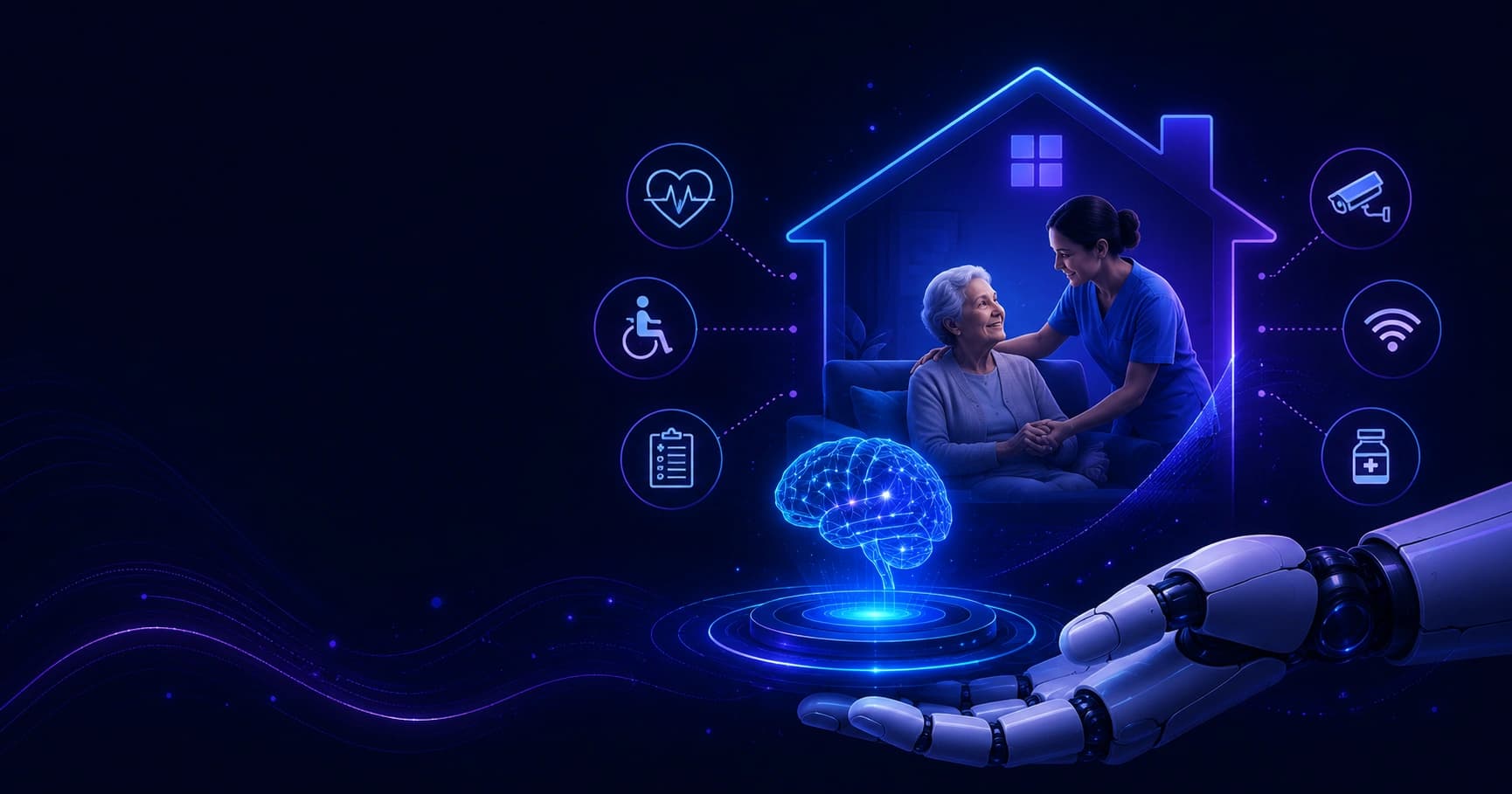
Discover how home care artificial intelligence improves safety, monitoring, and daily support for seniors while helping caregivers and agencies work smarter.
Home Care Artificial Intelligence
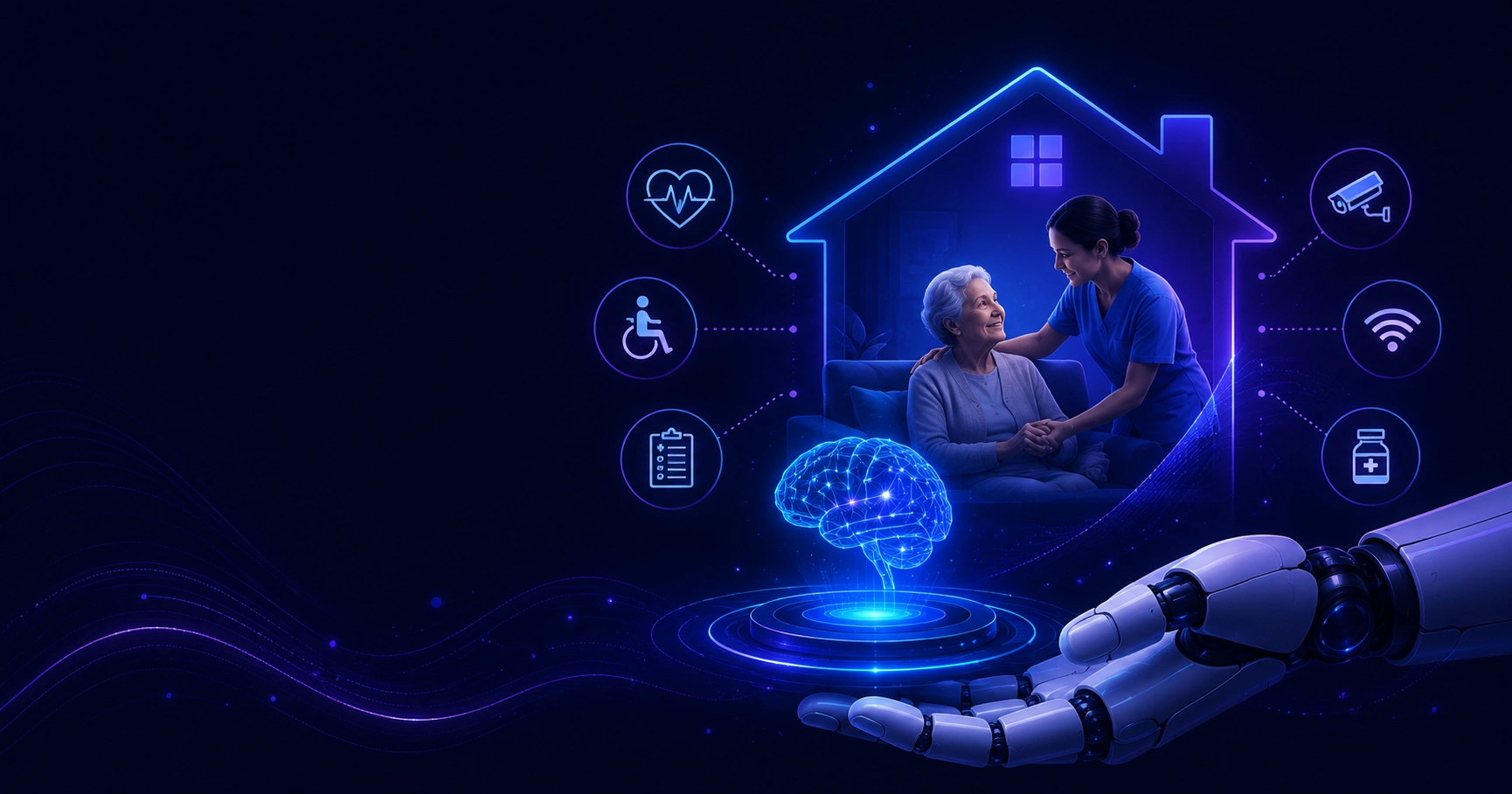
Home care is changing faster than at any point in the last two decades, and artificial intelligence sits at the center of that shift. Families want aging loved ones to stay safe at home, agencies face chronic caregiver shortages, and clinicians need better data between visits. Home care artificial intelligence answers all three needs at once by turning everyday devices, wearables, and care records into a proactive support system that watches for risk, reduces paperwork, and keeps humans focused on human work. In this guide, drawn from real deployments across home health agencies, I explain exactly what the technology does, where it delivers measurable value, and how to adopt it responsibly.
Quick Answer: Home care artificial intelligence uses sensors, wearables, and machine learning to monitor seniors at home, predict health risks early, automate caregiver scheduling and documentation, and manage medications. It helps people age safely in place while reducing hospital visits and easing pressure on overstretched caregivers and agencies.
What Is Home Care Artificial Intelligence?
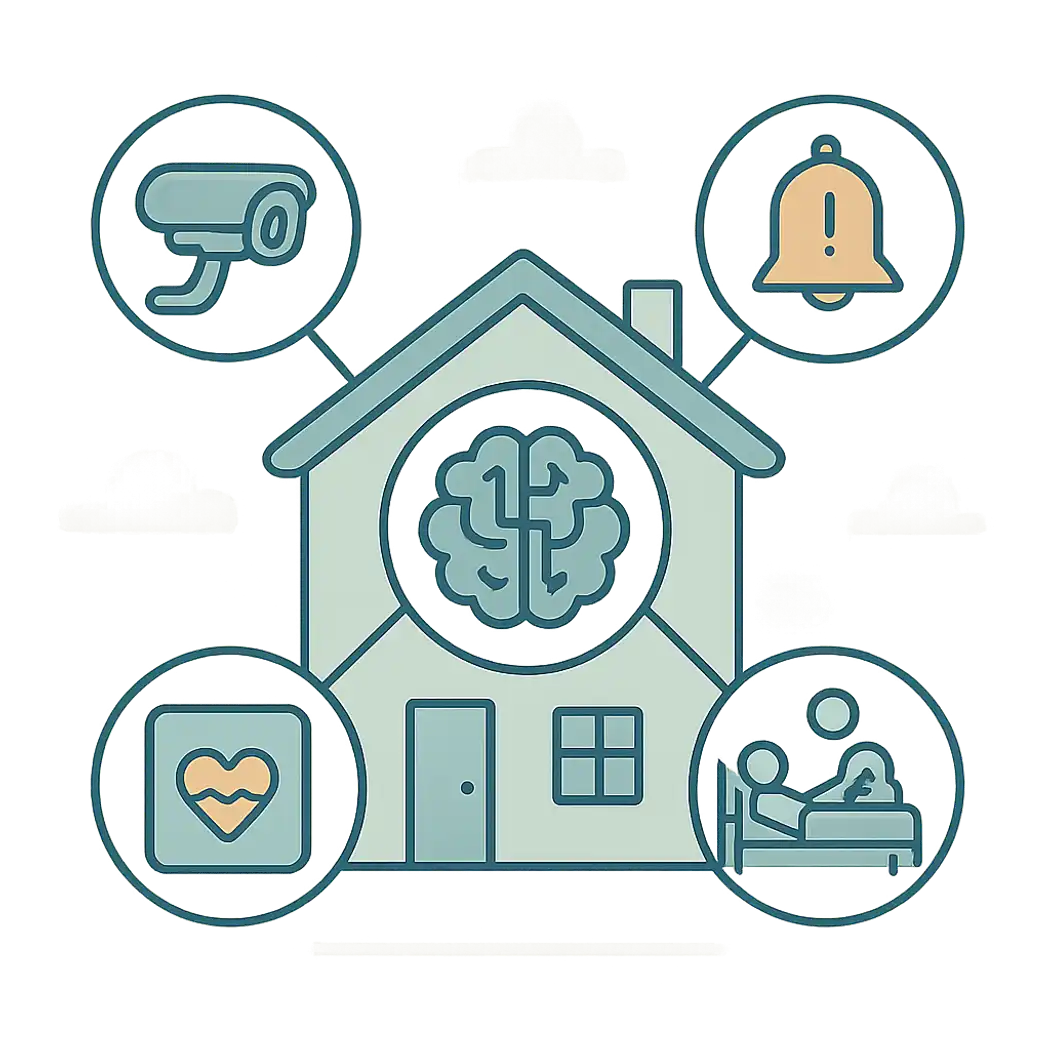
Home care artificial intelligence is the use of machine learning, sensors, and automation to support people receiving care in their own homes rather than in a facility. Instead of relying only on scheduled visits, AI systems continuously collect signals, such as movement, heart rate, sleep, and medication adherence, and analyze them to flag problems before they escalate.
Think of it as a quiet, always-on layer of intelligence that never replaces the caregiver but extends their reach. A nurse cannot sit beside a client 24 hours a day, but an AI model trained on that client's baseline can notice a subtle change in gait or a skipped meal and raise an alert. That is the core promise: earlier awareness, fewer emergencies, and more time for meaningful human care.
Why AI Matters in Home Care Right Now
The demand for home-based care is surging. According to the World Health Organization, the number of people aged 60 and older is expected to reach 2.1 billion by 2050, roughly doubling from 2020. At the same time, the U.S. Bureau of Labor Statistics projects that home health and personal care aide jobs will grow about 21% between 2023 and 2033, far faster than the average occupation, signaling a widening gap between demand and available workers.
Those two data points explain the urgency. There simply are not enough caregivers to meet demand through traditional staffing alone. AI closes part of that gap by handling repetitive monitoring and administrative tasks, so each caregiver can safely support more clients without sacrificing quality. This is a productivity story as much as a clinical one.
Businesses building these tools often partner with specialists in artificial intelligence services to design models that respect privacy and clinical accuracy from day one.
Core Applications of AI in Home Care
The most valuable uses of home care artificial intelligence are practical, not futuristic. Below are the applications delivering real results today.
1. Remote Patient Monitoring
Remote patient monitoring (RPM) uses connected devices, such as blood pressure cuffs, glucose monitors, and smartwatches, to stream vitals to a care team. AI adds intelligence by learning each person's normal range and filtering out noise, so clinicians only see alerts that matter. This reduces alert fatigue, a known problem that causes staff to ignore warnings when too many are false.
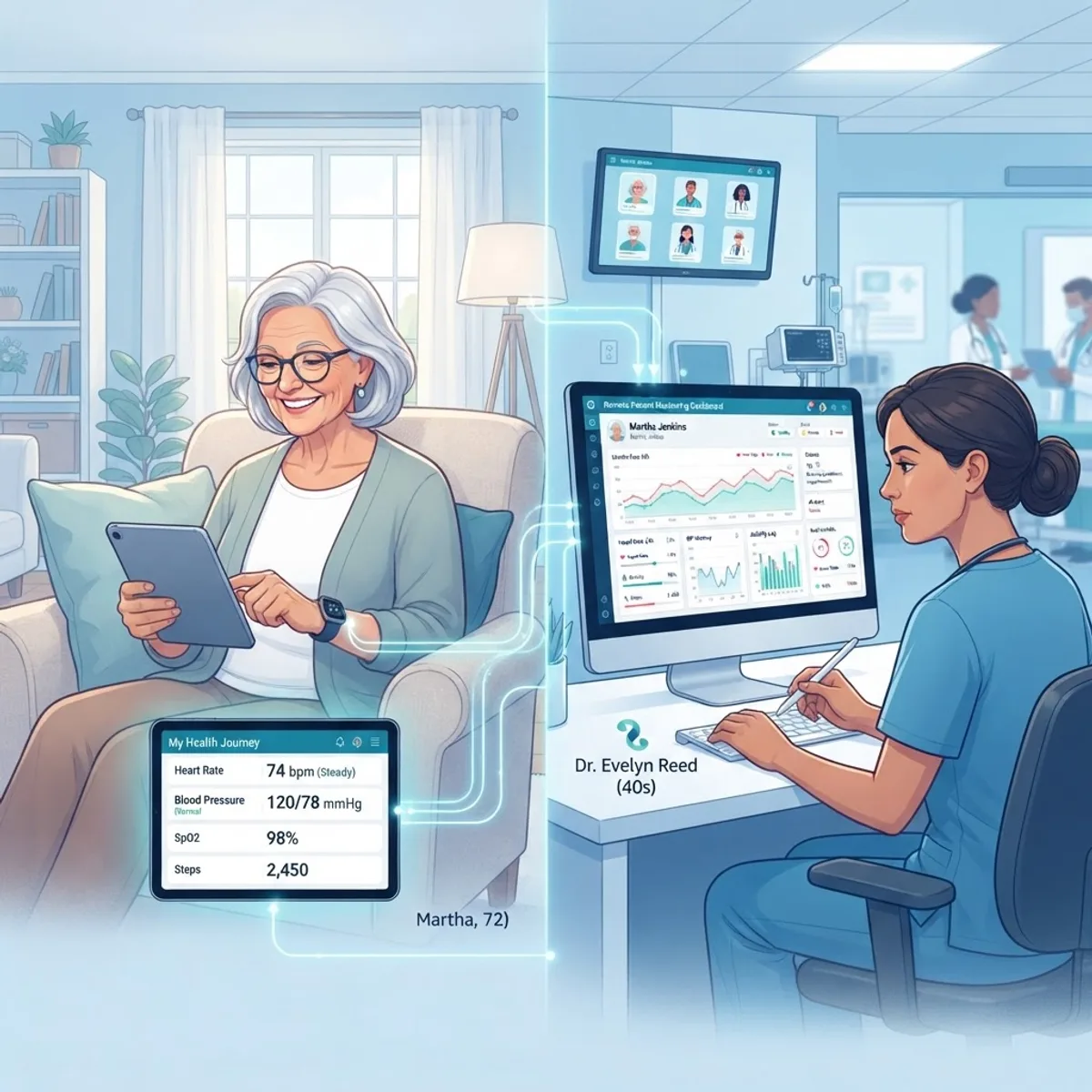
For a client managing heart failure, an AI model can detect a three-day trend of weight gain and fluid retention and prompt an intervention days before a hospital admission would otherwise occur. That single prevented admission can save thousands of dollars and, more importantly, spare the client a traumatic emergency.
2. Predictive Health Alerts and Fall Prevention
Falls are the leading cause of injury-related death among older adults, according to the U.S. Centers for Disease Control and Prevention. AI-driven ambient sensors and camera-free radar systems can detect changes in walking speed, balance, and nighttime activity that signal rising fall risk.
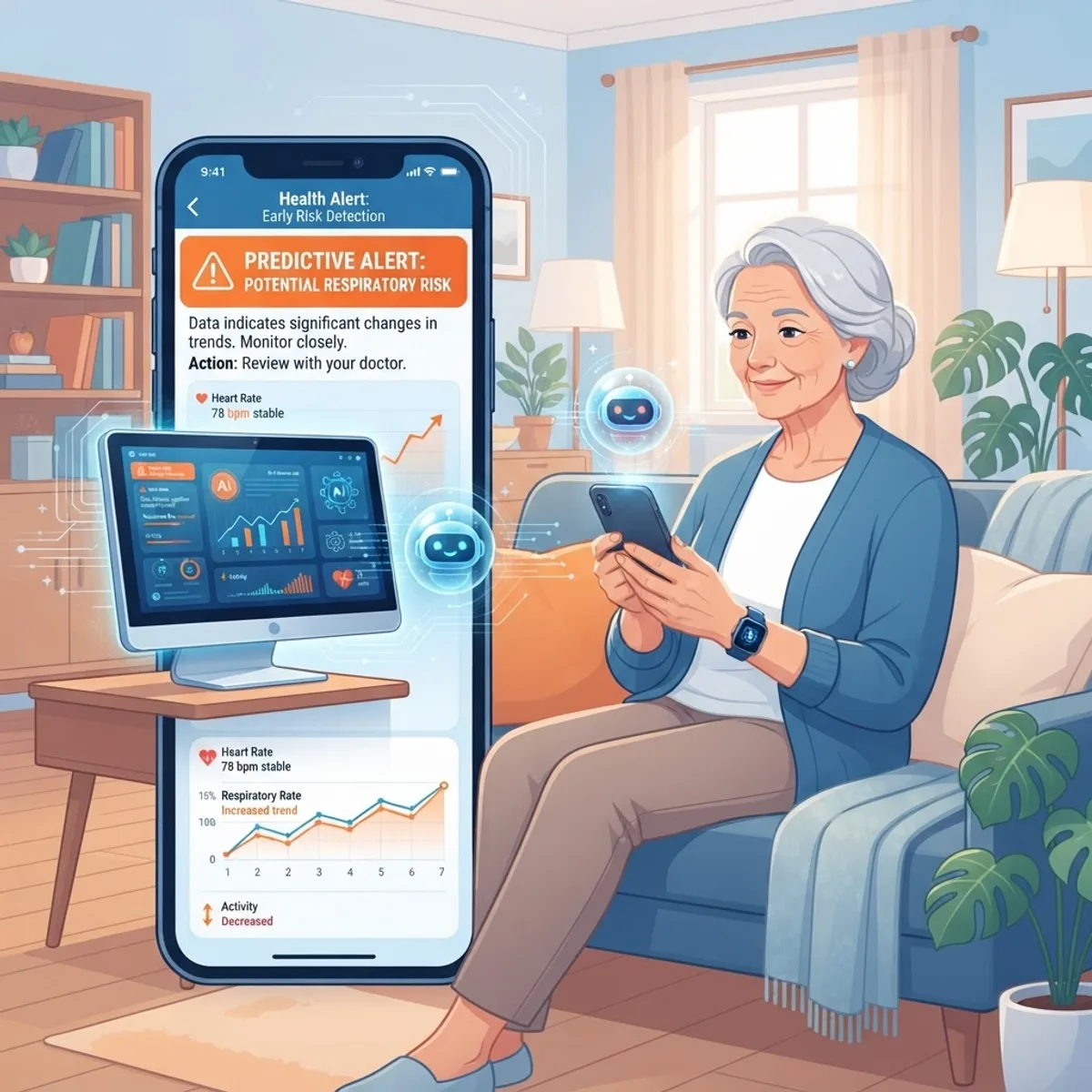
Rather than only reacting after a fall, predictive models identify the risk window and prompt a caregiver to intervene, whether by adjusting medication, adding a handrail, or scheduling a physical therapy visit. Prevention is dramatically cheaper and kinder than recovery.
3. AI Caregiver Scheduling and Coordination
Scheduling is one of the biggest operational headaches for home care agencies. Matching the right caregiver to the right client, factoring in skills, location, availability, and continuity, is a complex optimization problem. AI scheduling engines solve it in seconds and rebalance instantly when someone calls out sick.
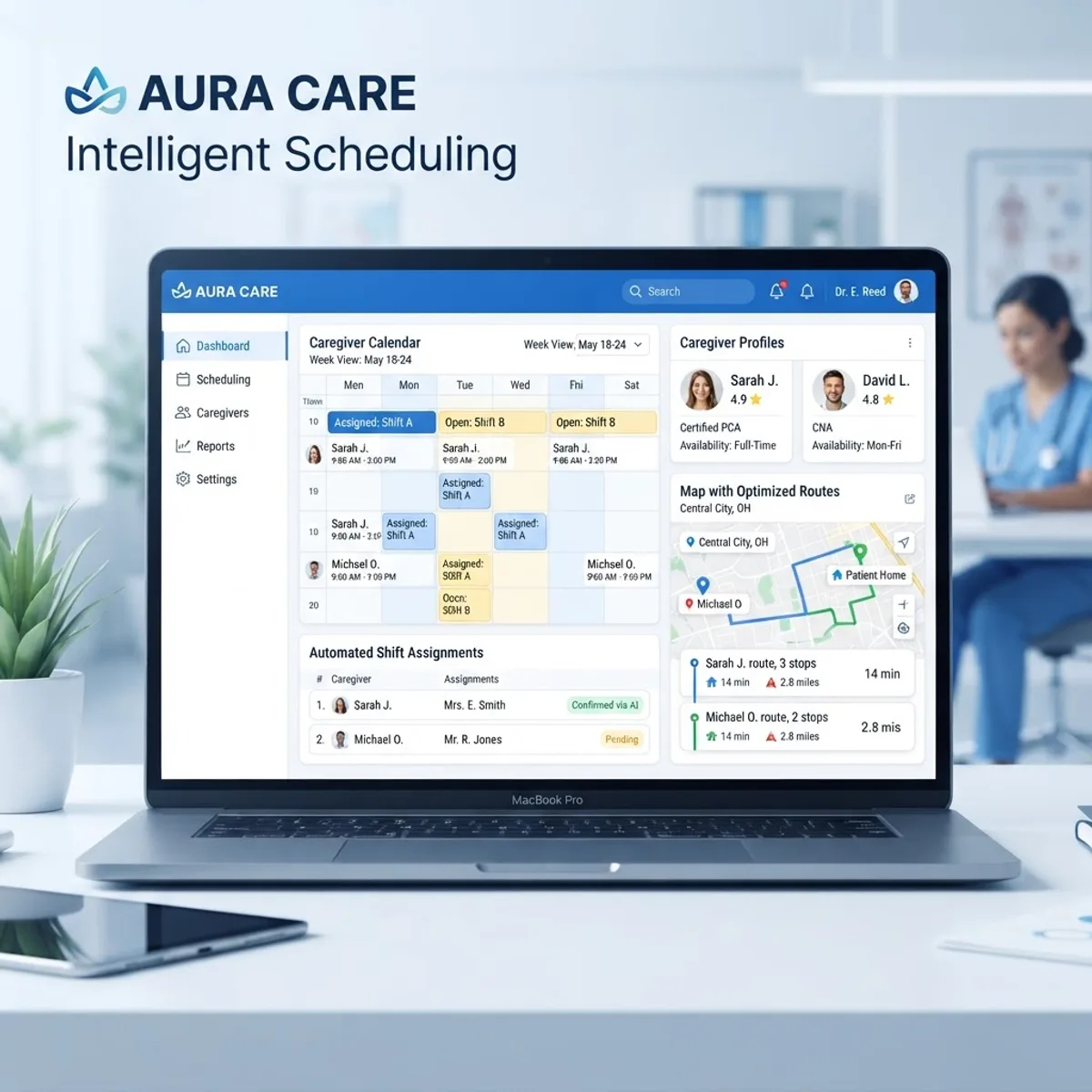
Good scheduling also improves continuity of care, meaning clients see the same familiar faces. That consistency builds trust, improves outcomes, and reduces caregiver burnout, which is directly tied to turnover in an industry where annual turnover often exceeds 60%.
4. Medication Management
Missed or incorrect medication doses drive a large share of avoidable hospitalizations. Smart dispensers paired with AI reminders confirm whether a dose was actually taken, not just scheduled, and escalate to a caregiver when a pattern of missed doses appears.
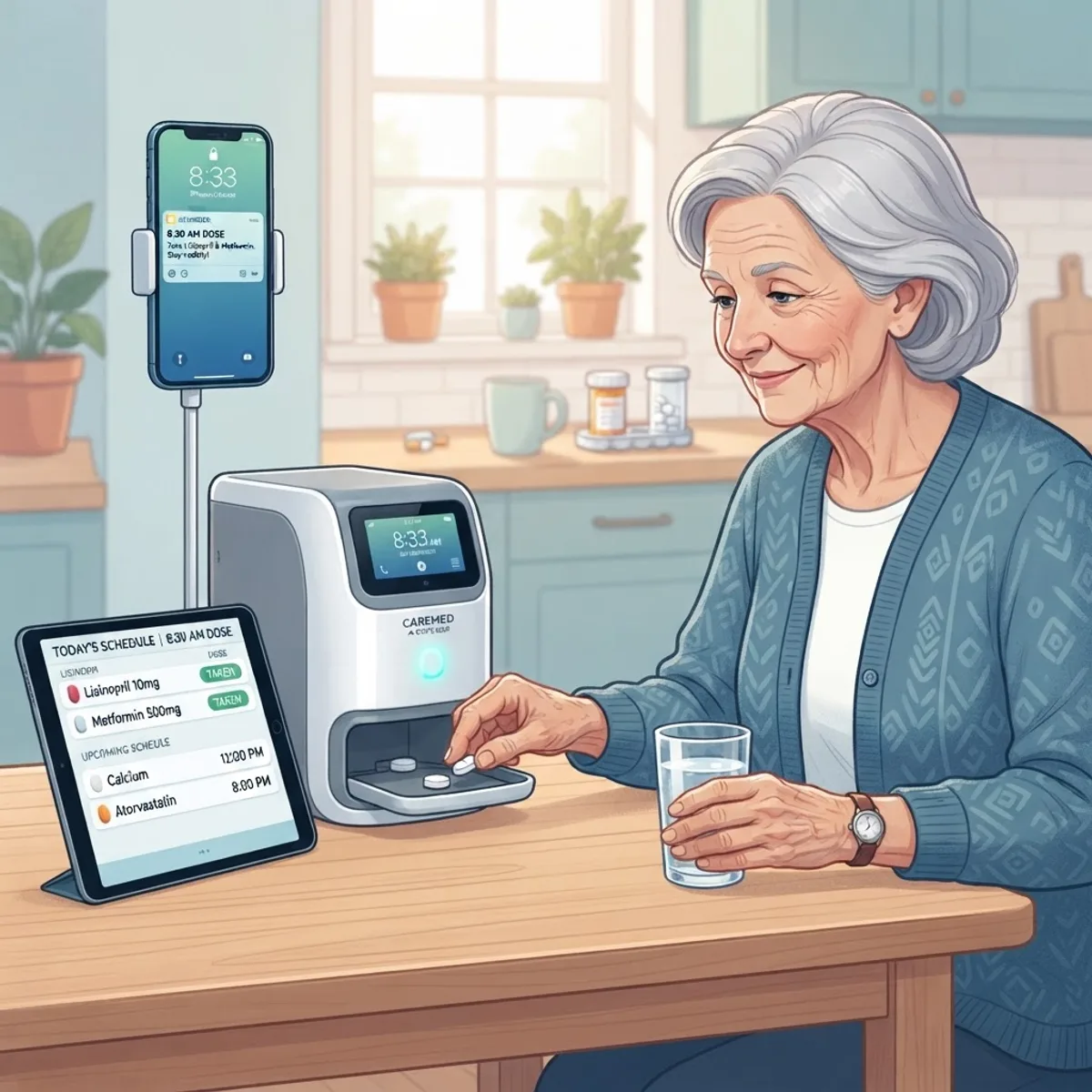
For clients on complex regimens, this closed-loop verification is far more reliable than a paper chart. It also gives family members peace of mind through simple status updates on their phones.
Traditional Home Care vs. AI-Enhanced Home Care
The difference between conventional care and AI-supported care is best seen side by side. The table below compares them across the factors families and agencies care about most.
| Factor | Traditional Home Care | AI-Enhanced Home Care |
|---|---|---|
| Monitoring | Only during scheduled visits | Continuous, around the clock |
| Risk detection | Reactive, after symptoms appear | Predictive, before escalation |
| Documentation | Manual, time-consuming | Automated and voice-assisted |
| Scheduling | Manual spreadsheets | Optimized in real time |
| Family visibility | Occasional phone updates | Live status via app |
| Cost of emergencies | High, frequent hospital visits | Lower, prevention-focused |
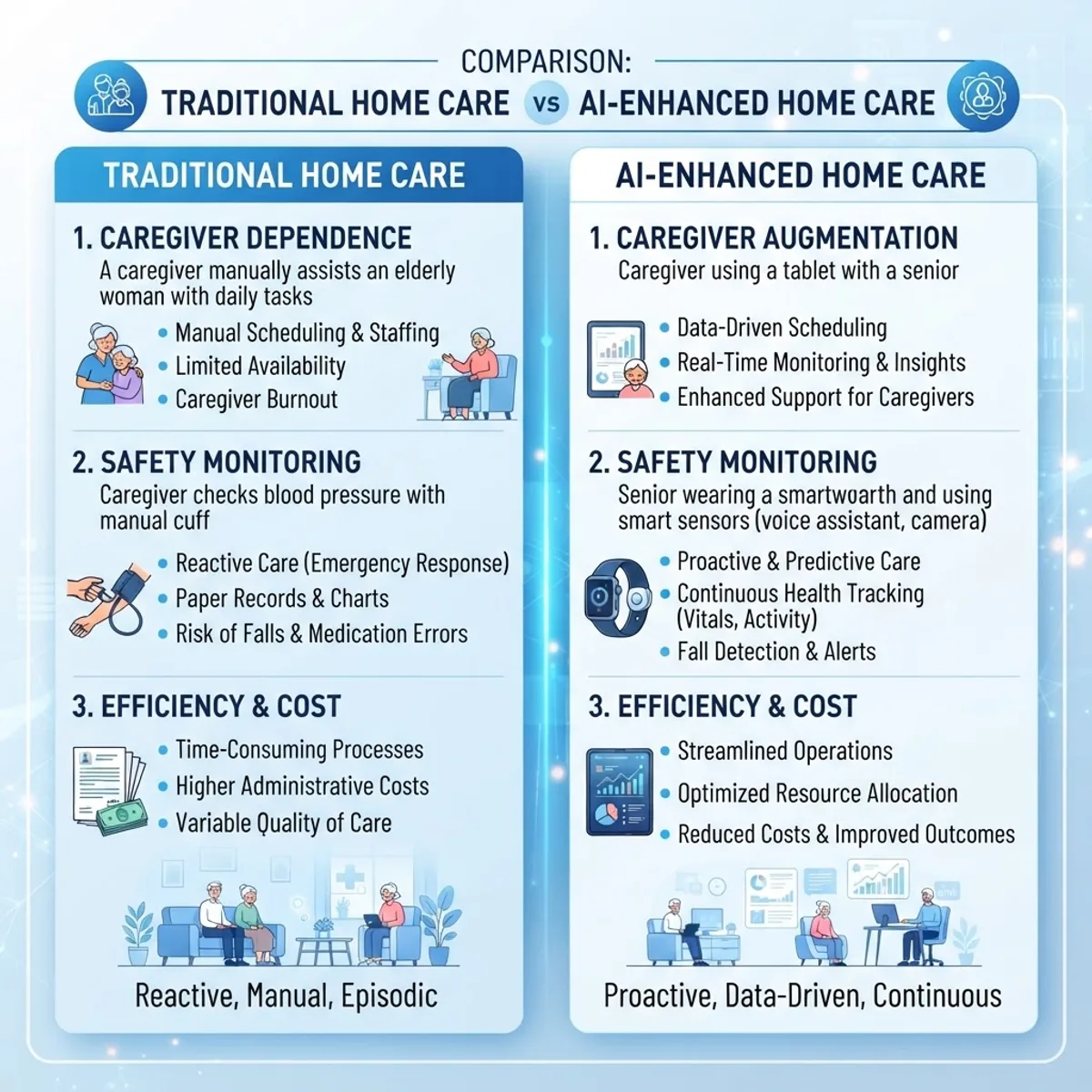
The pattern is clear: AI shifts care from reactive to proactive, which is where both cost savings and quality improvements come from.
Real Benefits for Families, Caregivers, and Agencies
Adopting home care artificial intelligence produces benefits for every stakeholder in the care relationship.
- For families: Greater peace of mind, real-time visibility into a loved one's wellbeing, and fewer late-night emergencies.
- For caregivers: Less paperwork, clearer priorities, and support that reduces burnout and physical strain.
- For agencies: Higher client capacity, better staff retention, stronger compliance records, and measurable outcome data for payers.
- For clients: The ability to age in place with dignity, independence, and safety.
These are not hypothetical. Agencies that adopt monitoring and predictive tools consistently report fewer avoidable hospitalizations and higher client satisfaction scores.
How to Implement AI in a Home Care Practice
Successful adoption follows a deliberate path rather than a rushed rollout. Based on real implementations, here is the sequence that works.
- Start with one problem. Choose a single high-impact use case, such as fall prevention or medication adherence, instead of trying to automate everything at once.
- Audit your data. Clean, consistent client records are the fuel for any AI system. Fix data quality before layering intelligence on top.
- Choose privacy-first tools. Confirm HIPAA compliance, encryption, and clear consent workflows for clients and families.
- Train your team. Caregivers must understand what alerts mean and how to act on them, or the technology sits unused.
- Measure outcomes. Track hospitalizations, response times, and satisfaction so you can prove value and refine your approach.
Teams that need help building custom platforms often work with an AI development partner to integrate monitoring, scheduling, and reporting into one secure system.
Addressing Privacy and Trust Concerns
Trust is the foundation of home care, and AI must strengthen it, not erode it. Cameras, microphones, and continuous data collection can feel intrusive if handled carelessly. The responsible approach uses privacy-preserving sensors, such as radar and motion detection instead of cameras where possible, gives clients clear control over what is shared, and stores data with strong encryption.
Transparency matters just as much as technology. Clients and families should always know what is being collected, why, and who can see it. When people understand that AI exists to protect them, adoption rises sharply. Ethical design is not a nice-to-have in home care; it is the difference between a tool people welcome and one they reject.
The Future of Home Care Artificial Intelligence
The next wave of home care AI will feel more conversational and more preventive. Voice assistants tuned for older adults will handle check-ins, companionship, and reminders in natural language. Predictive models will combine data from wearables, home sensors, and electronic health records to forecast risks weeks in advance.
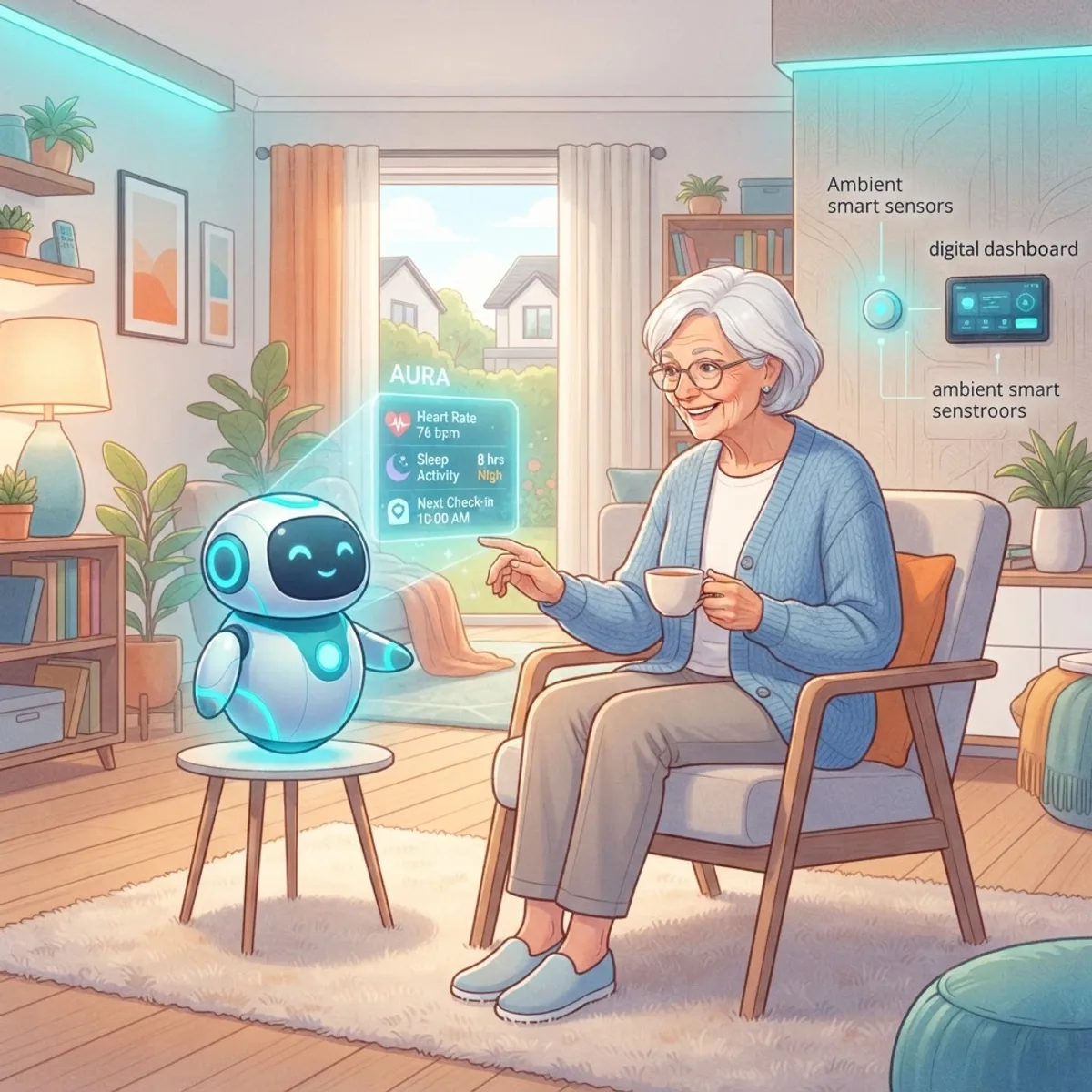
Companion robotics and ambient intelligence will reduce loneliness, a serious health risk in its own right, while keeping a human caregiver firmly in the loop. The destination is not automation for its own sake. It is a system where technology handles vigilance and logistics so people can deliver the warmth, judgment, and connection that only humans can. To explore practical technology partnerships, visit ZoneTechify or WebPeak.
Key Takeaways
- Home care artificial intelligence uses sensors, wearables, and machine learning to monitor seniors and predict risks before they escalate.
- The global population aged 60 and older is projected to reach 2.1 billion by 2050, driving urgent demand for scalable care solutions.
- U.S. home health and personal care aide jobs are projected to grow about 21% from 2023 to 2033, a gap AI helps bridge.
- Core applications include remote patient monitoring, predictive fall prevention, AI scheduling, and medication management.
- Privacy-first design and staff training are essential for successful, trusted adoption.
Frequently Asked Questions (FAQ)
What is home care artificial intelligence in simple terms?
It is technology that uses sensors, wearables, and machine learning to watch over people receiving care at home. It tracks vitals, movement, and medication, then alerts caregivers to problems early. It supports human caregivers rather than replacing them, helping seniors stay safe and independent.
Can AI really help seniors stay at home longer?
Yes. By continuously monitoring health signals and predicting risks like falls or medication issues, AI helps prevent the emergencies that often force a move to a facility. This proactive support lets many seniors age in place safely, with families and caregivers alerted before small problems become serious ones.
Is AI home care safe and private?
When built responsibly, yes. Reputable systems use HIPAA-compliant encryption, privacy-preserving sensors such as radar instead of cameras, and clear consent controls. Clients decide what data is shared and with whom. Transparency about collection and access is what makes AI home care both safe and genuinely trustworthy.
Does AI replace human caregivers?
No. AI handles vigilance, monitoring, scheduling, and paperwork so caregivers can focus on hands-on, compassionate care. It extends a caregiver's reach rather than removing the human role. The best outcomes come from combining AI's constant attention with the judgment, warmth, and connection only people provide.
How much does AI home care technology cost?
Costs vary by scope, from affordable consumer wearables and smart dispensers to full agency platforms. Many tools reduce overall spending by preventing costly hospital admissions and cutting administrative time. Agencies typically start with one high-impact use case, then expand as measurable savings and better outcomes justify further investment.