A practical, expert guide explaining how artificial intelligence transforms dropshipping, from product research and pricing to marketing, support, and future trends.
Explain Artificial Intelligence in Dropshipping
Artificial intelligence has quietly become the operating system behind modern dropshipping. What used to demand hours of manual spreadsheet work, guesswork, and late-night supplier chats is now handled by algorithms that learn, predict, and act. After years of building and auditing online stores, I have watched AI shift from a novelty into the single biggest lever a dropshipper can pull to compete with larger brands. This guide explains exactly how AI works inside a dropshipping business, where it delivers real returns, and where it still falls short.
Quick Answer: Artificial intelligence in dropshipping uses machine learning to automate product research, pricing, marketing, and customer support. It analyzes data to predict winning products, personalize ads, adjust prices in real time, and answer customers instantly, helping stores scale faster with lower costs and fewer manual tasks.
Dropshipping already has thin margins, so efficiency is everything. AI closes the gap between a solo store owner and a full marketing team by doing the heavy analytical lifting. Below, we break down each area where AI is genuinely reshaping the model, backed by data and real operational experience.
What Does Artificial Intelligence Mean in Dropshipping?
Artificial intelligence in dropshipping refers to software that mimics human decision-making by learning from data. Instead of following fixed rules, these systems detect patterns in sales, ads, and customer behavior, then make recommendations or take actions automatically.
In practical terms, AI powers four core jobs in a store: finding products, setting prices, running marketing, and serving customers. Each of these traditionally required specialized skill and constant attention. Machine learning models now compress that expertise into tools any operator can use.
According to McKinsey, businesses that adopt AI in ecommerce operations report cost reductions of up to 20% and measurable revenue lift from personalization. For a margin-sensitive model like dropshipping, that difference often decides whether a store survives its first year.
AI-Powered Product Research and Trend Prediction
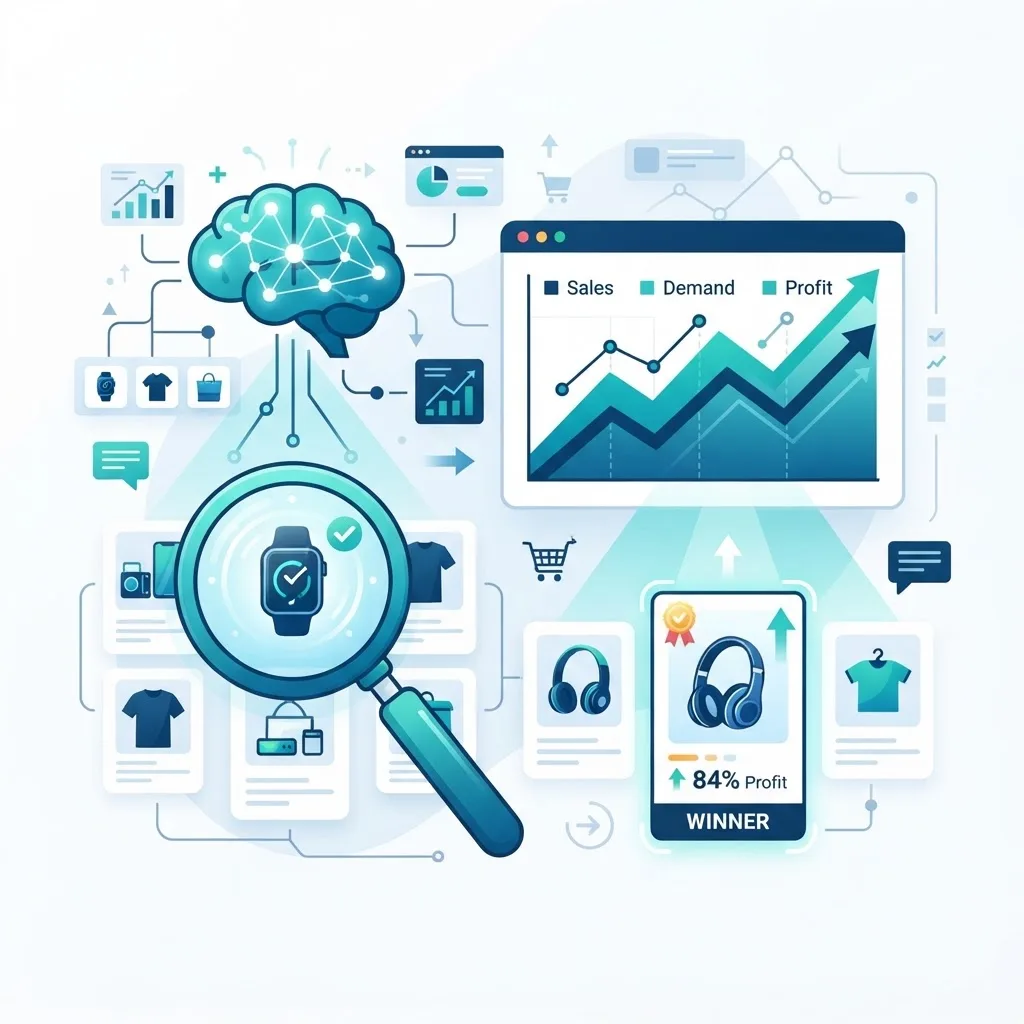
Product research is where dropshipping stores win or lose, and it is the first place AI proves its worth. Traditional research meant manually scanning marketplaces and social feeds hoping to spot a trend before it saturated. AI tools now scan millions of data points across marketplaces, ad libraries, and search trends to surface products with rising demand.
These systems evaluate signals humans cannot process at scale: search velocity, engagement growth, seasonal patterns, and competitor saturation. The result is a shortlist of validated products instead of a hunch.
How AI Improves Product Selection
- Demand forecasting: Models predict which items will trend based on historical and real-time data.
- Saturation checks: AI flags products already sold by too many competitors.
- Profit estimation: Tools calculate likely margins after shipping and ad costs.
- Supplier scoring: Algorithms rank suppliers by reliability, shipping time, and reviews.
In my own store audits, teams that switched from manual to AI-assisted research cut their testing budget roughly in half because they launched fewer losing products. That efficiency compounds quickly when every ad dollar counts.
Automating Store Operations With AI
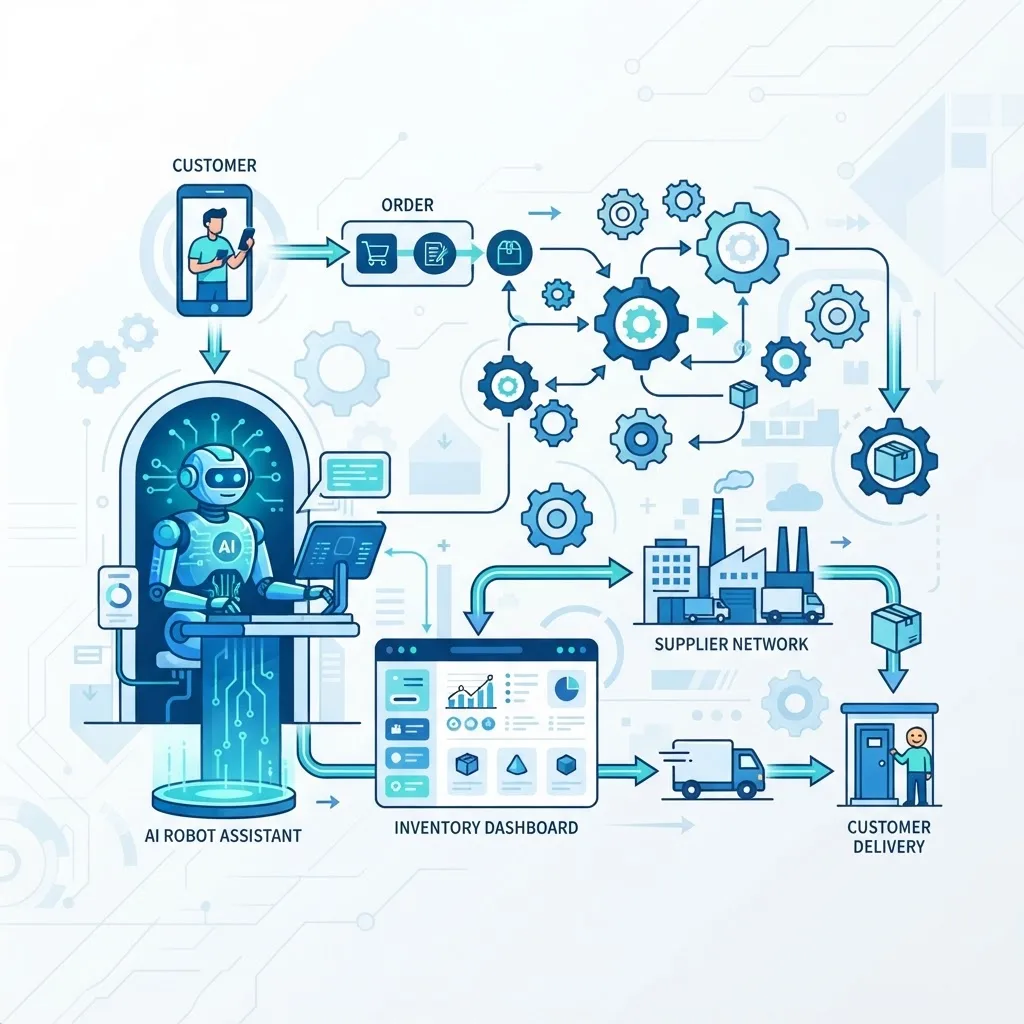
Operations are the invisible backbone of a store, and AI automation removes most of the repetitive work. Order routing, inventory syncing, and supplier communication can all run without human input once configured correctly.
AI-driven inventory systems monitor supplier stock in real time and automatically hide or pause products that go out of stock, preventing the refund requests and negative reviews that sink new stores. Fraud detection models also flag suspicious orders before they ship, protecting thin margins from chargebacks.
Businesses that need this level of automation built properly often partner with specialists. Agencies like ZoneTechify and WebPeak build custom automation layers so store owners can focus on strategy rather than manual order processing.
Smart Store Optimization and Content Generation
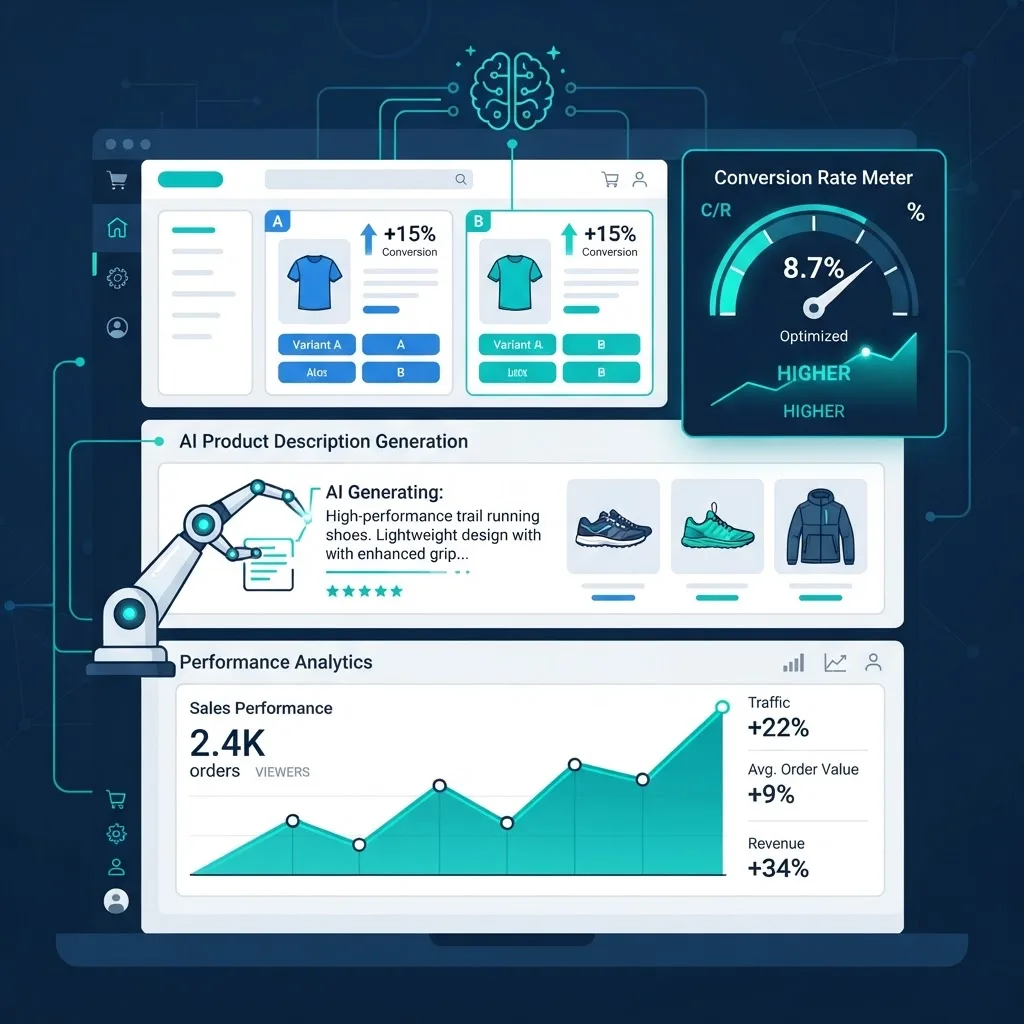
Conversion rate is the multiplier on every visitor you pay for, and AI directly improves it. Generative AI writes product descriptions, titles, and SEO metadata in seconds, replacing the flat manufacturer copy that hurts rankings and trust.
Beyond writing, AI runs continuous A/B tests on layouts, images, and calls to action. Instead of a single monthly experiment, machine learning tests dozens of variations at once and shifts traffic toward the winners automatically.
Definition: Conversion rate optimization (CRO) is the process of increasing the percentage of visitors who complete a purchase. AI accelerates CRO by testing and personalizing faster than any human team could.
According to Salesforce, 84% of shoppers say the experience a company provides is as important as its products. AI personalization, from tailored product recommendations to dynamic homepages, is how small stores deliver that experience at scale. For deeper implementation, specialized artificial intelligence services can integrate these optimization systems directly into your platform.
AI Chatbots and Customer Support
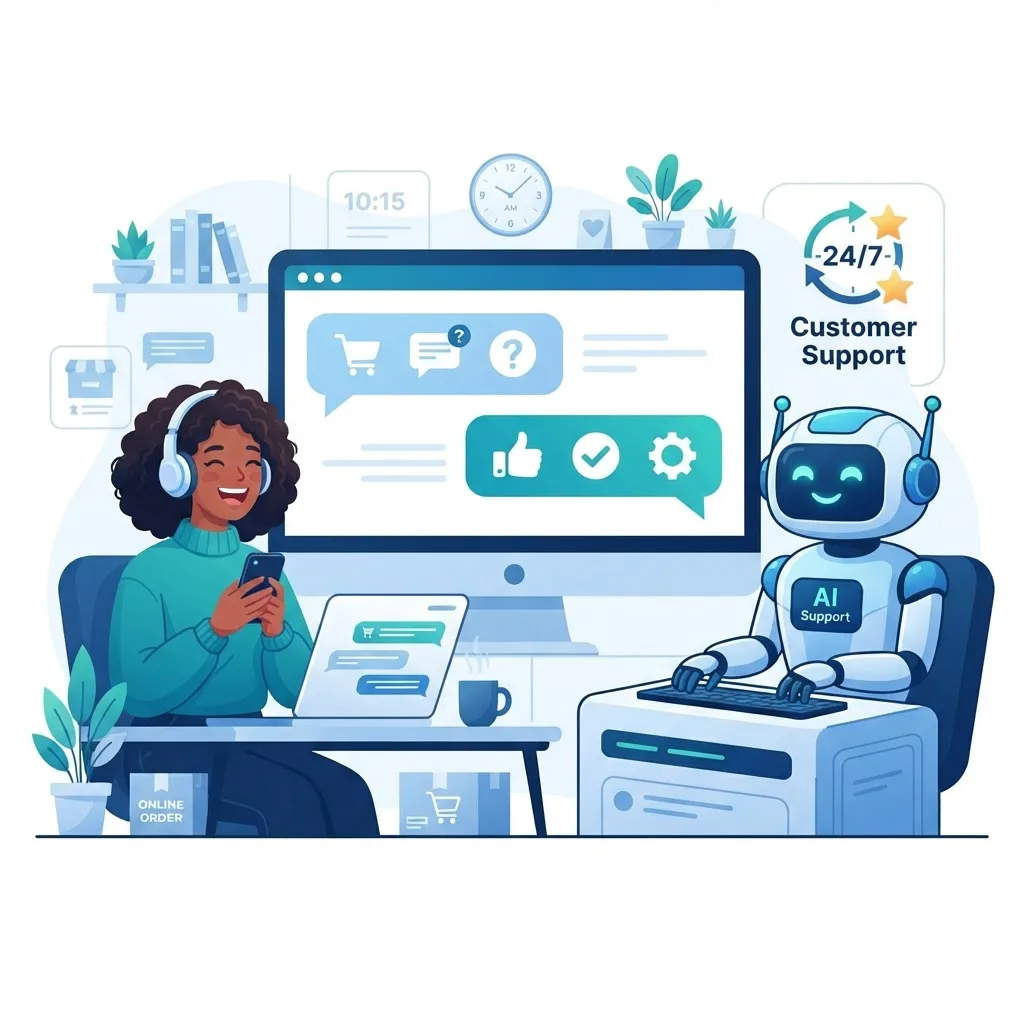
Customer support is a hidden cost center that AI dramatically reduces. Because dropshipping relies on longer shipping times, stores field constant questions about order status, returns, and delivery. AI chatbots handle these instantly, 24 hours a day, in multiple languages.
Modern chatbots do more than answer FAQs. They connect to order systems to give real tracking updates, recommend products, and escalate complex issues to humans only when needed. This keeps response times low without hiring a night-shift team.
The experience benefit is real: fast, accurate answers reduce refund requests and build the trust that repeat customers depend on. A well-tuned support bot often resolves the majority of tickets before a human ever sees them.
Intelligent Pricing and Profit Optimization
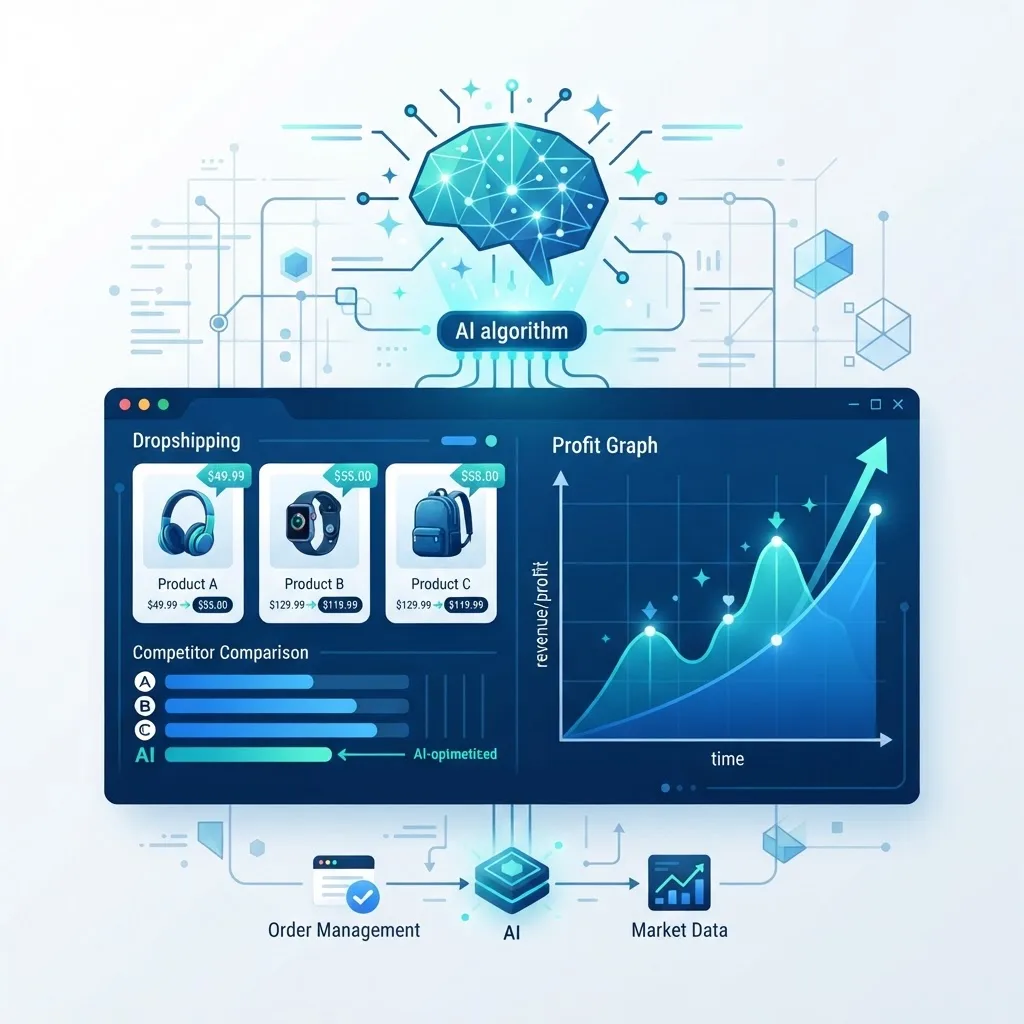
Pricing is the fastest way to lose or protect margin, and AI manages it in real time. Dynamic pricing algorithms monitor competitor prices, demand shifts, and ad costs, then adjust your prices automatically to stay competitive while protecting profit.
Instead of setting one static price and hoping, AI finds the sweet spot where conversion and margin both stay healthy. During high-demand periods it can raise prices slightly; when a competitor undercuts you, it responds within minutes rather than days.
This matters because dropshipping margins are frequently below 20%. Even small pricing improvements, applied consistently across a catalog, can double net profit without a single extra visitor.
AI in Marketing and Ad Targeting
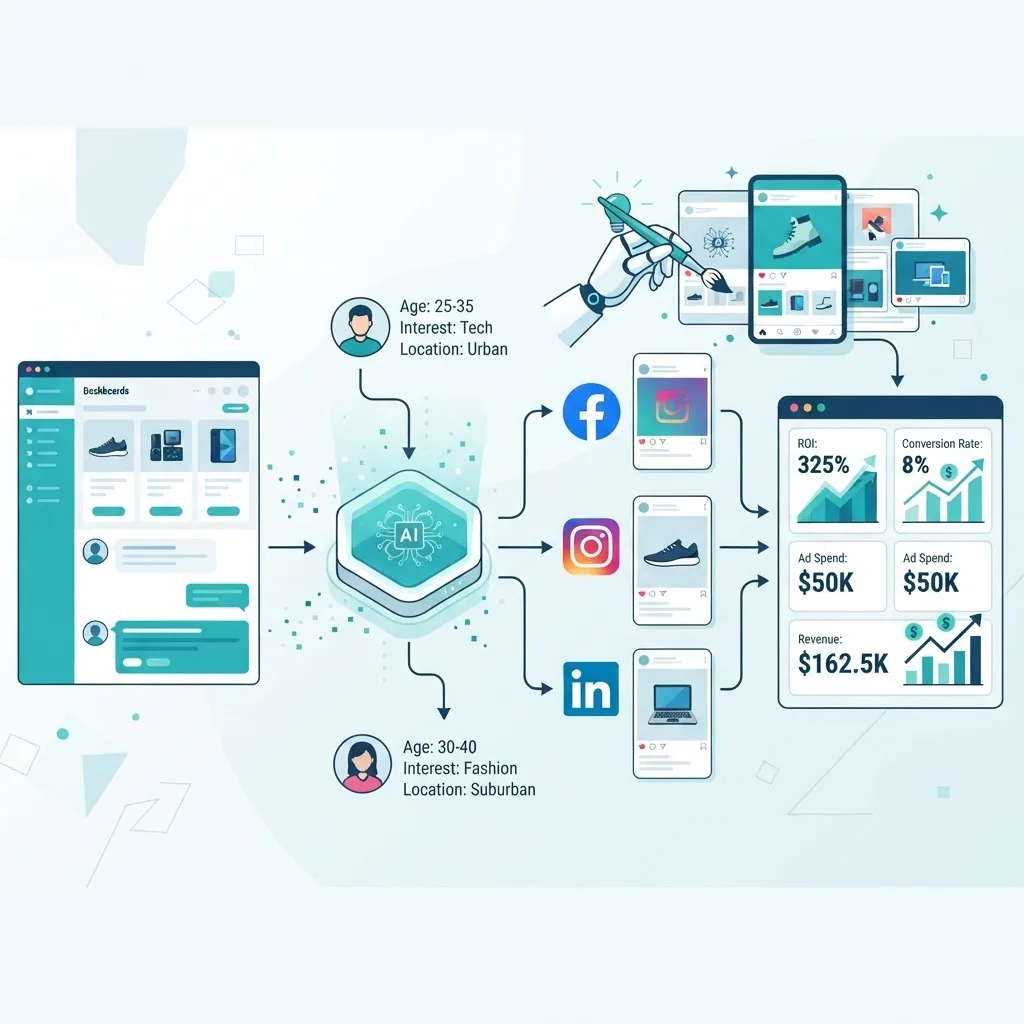
Marketing is where most dropshipping budgets are won or wasted, and AI has transformed it completely. Ad platforms like Meta and Google now use machine learning to find buyers, optimize bids, and allocate budget automatically. Your job is feeding these systems clean data and strong creative.
Generative AI also produces ad copy, images, and even short video variations at scale, letting you test many creatives cheaply. AI then identifies winning combinations and pauses underperformers before they drain your budget.
According to Google, 53% of mobile users abandon sites that take longer than three seconds to load, so AI-driven performance and creative testing directly protect the traffic you pay for. The stores that scale profitably are almost always the ones that trust data over intuition.
AI Dropshipping vs Traditional Dropshipping
The difference between AI-driven and manual dropshipping is stark once you compare them side by side.
| Function | Traditional Dropshipping | AI-Powered Dropshipping |
|---|---|---|
| Product research | Manual, slow, guess-based | Automated, data-driven, predictive |
| Pricing | Fixed, updated rarely | Dynamic, adjusted in real time |
| Customer support | Limited hours, manual | 24/7 instant chatbot responses |
| Ad targeting | Broad, manual tweaks | Precise, self-optimizing |
| Content creation | Time-consuming, costly | Instant, scalable, SEO-ready |
| Scaling ability | Constrained by labor | Highly scalable with automation |
The takeaway is not that AI replaces the operator. It replaces the repetitive tasks so the operator can focus on brand, offer, and strategy, the things machines still cannot own.
The Future of AI in Dropshipping
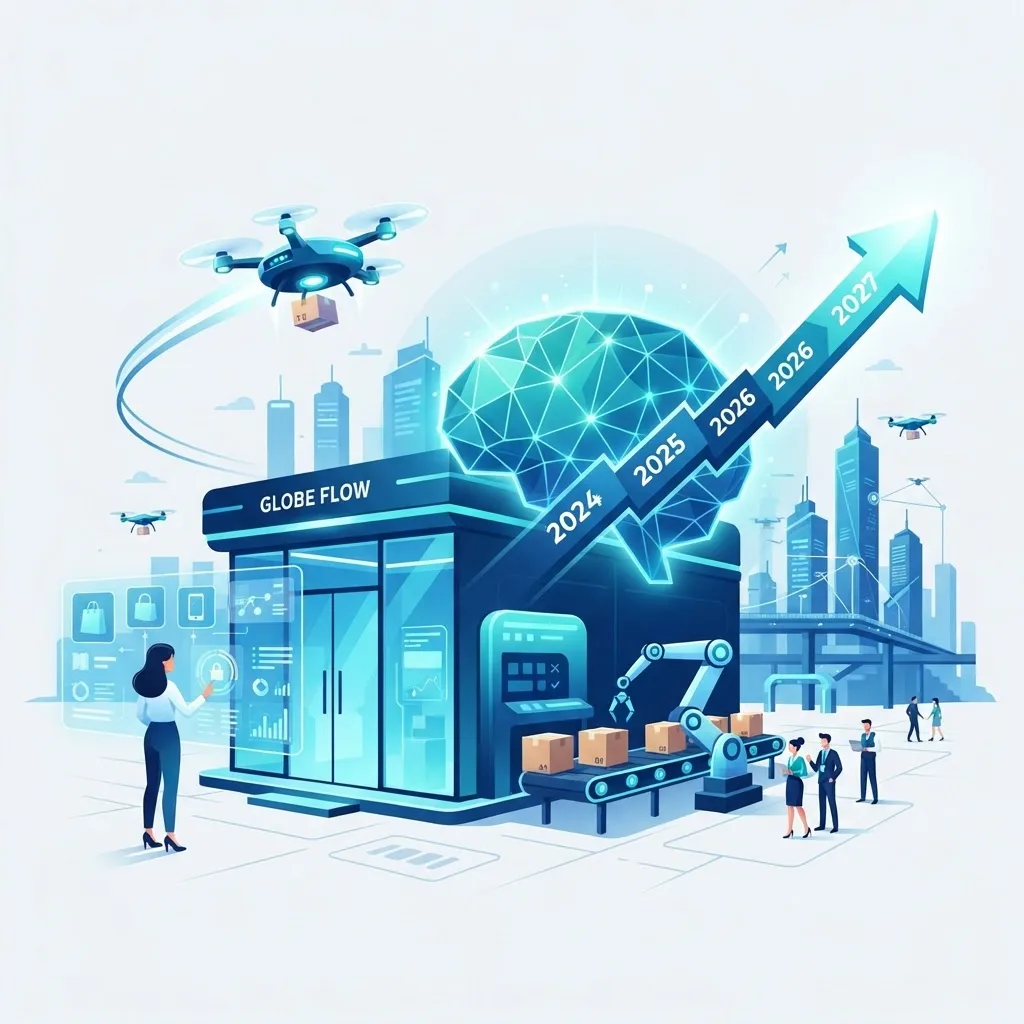
The next wave of AI will make stores more autonomous than ever. We are moving toward systems that research products, launch ads, adjust prices, and reorder inventory with minimal human oversight. Predictive analytics will forecast demand weeks ahead, and hyper-personalization will tailor every shopper's experience individually.
Expect voice commerce, AI-generated video ads, and fully automated supplier negotiation to become standard. The stores that win will not be those with the biggest budgets, but those that adopt these tools earliest and use them wisely.
Still, human judgment remains the moat. AI amplifies good strategy and accelerates bad strategy just as fast, so understanding your customer will always matter.
Key Takeaways
- AI automates product research, pricing, marketing, and support, the four pillars of dropshipping.
- McKinsey reports AI can cut ecommerce operational costs by up to 20%.
- Dynamic pricing protects margins that often sit below 20% in dropshipping.
- 84% of shoppers value experience as much as products, making AI personalization essential.
- AI amplifies strategy but does not replace human judgment or brand building.
Frequently Asked Questions (FAQ)
Is AI worth it for a beginner dropshipper?
Yes, AI is especially valuable for beginners because it reduces costly mistakes. Tools for product research and ad optimization help new store owners avoid losing products and wasted ad spend. Start with one or two AI tools, learn them well, then expand as your store grows and revenue allows.
Can AI run a dropshipping store completely on autopilot?
Not entirely yet. AI automates most repetitive tasks like pricing, support, and ad optimization, but human oversight is still essential for strategy, branding, and quality control. Think of AI as a powerful assistant that handles execution while you make the key business decisions that drive long-term growth.
How much does AI dropshipping software cost?
Costs vary widely, from free plans to a few hundred dollars monthly for advanced suites. Most beginners can start with affordable tools under fifty dollars a month. As revenue grows, investing in premium research, automation, and analytics tools usually pays for itself through higher conversions and lower ad waste.
Does AI help with dropshipping ads and marketing?
Absolutely. AI powers ad targeting, bid optimization, and budget allocation on platforms like Meta and Google. It also generates ad copy, images, and video variations for testing. This lets you find profitable audiences faster while spending less time and money on creatives that do not convert.
Will AI make dropshipping too competitive to profit?
AI raises the baseline for everyone, but it also rewards operators who use it strategically. Profit now comes from strong branding, unique offers, and better customer experience rather than just finding a product first. Those who combine AI efficiency with genuine value will continue to profit well.
Artificial intelligence has permanently changed dropshipping from a manual hustle into a data-driven business. The operators who treat AI as a core partner, not a gimmick, are the ones building stores that last.