A clear, expert breakdown of how Dollar Tree is using artificial intelligence collaborations to transform inventory, pricing, supply chains, and the in-store shopping experience.
Dollar Tree Artificial Intelligence Collaborations
Dollar Tree, one of North America's largest discount retailers with more than 16,000 stores, is quietly becoming a proving ground for practical artificial intelligence in low-margin retail. While flashy AI headlines usually belong to tech giants, the more interesting story is how a value-focused chain applies machine learning to squeeze efficiency out of pennies. This article explains what Dollar Tree's artificial intelligence collaborations actually look like, why they matter, and what retailers of every size can learn from them.
Having analyzed retail technology adoption for years, I can tell you the discount segment is where AI earns its keep fastest. When your average item sells for just over a dollar, a one-percent improvement in shrink, labor, or logistics is the difference between profit and loss. That pressure makes Dollar Tree a fascinating case study.
Quick Answer: Dollar Tree's artificial intelligence collaborations focus on partnering with cloud and AI vendors to modernize inventory forecasting, supply chain routing, dynamic pricing, and customer experience. These partnerships help the discount retailer cut waste, reduce out-of-stocks, and protect thin margins across its 16,000-plus stores.
What Are Dollar Tree's AI Collaborations?
Dollar Tree's AI collaborations are strategic partnerships with technology vendors, cloud providers, and analytics firms that embed machine learning into everyday retail operations. Rather than building AI entirely in-house, the company follows a common enterprise pattern: license proven platforms, connect them to internal data, and deploy them where the return is measurable.
Definition: An AI collaboration in retail is a joint arrangement where a retailer combines its operational data with an external partner's machine-learning models to solve a specific business problem, such as demand forecasting or store staffing.
This approach lets Dollar Tree and its Family Dollar banner move faster than a from-scratch build would allow. According to McKinsey, retailers that adopt AI at scale can see margin improvements of up to 10 percent, which is enormous in a business built on single-dollar price points. If your own business is exploring similar partnerships, teams like the specialists at ZoneTechify's artificial intelligence services approach it the same way: start with the highest-ROI use case, not the trendiest.
AI-Powered Inventory and Demand Forecasting
Inventory is the single biggest lever for a discount chain, and it is where Dollar Tree's AI work delivers the clearest wins. Traditional retail forecasting relies on historical sales and manual reorder points. Machine-learning models improve on this by weighing dozens of signals at once.
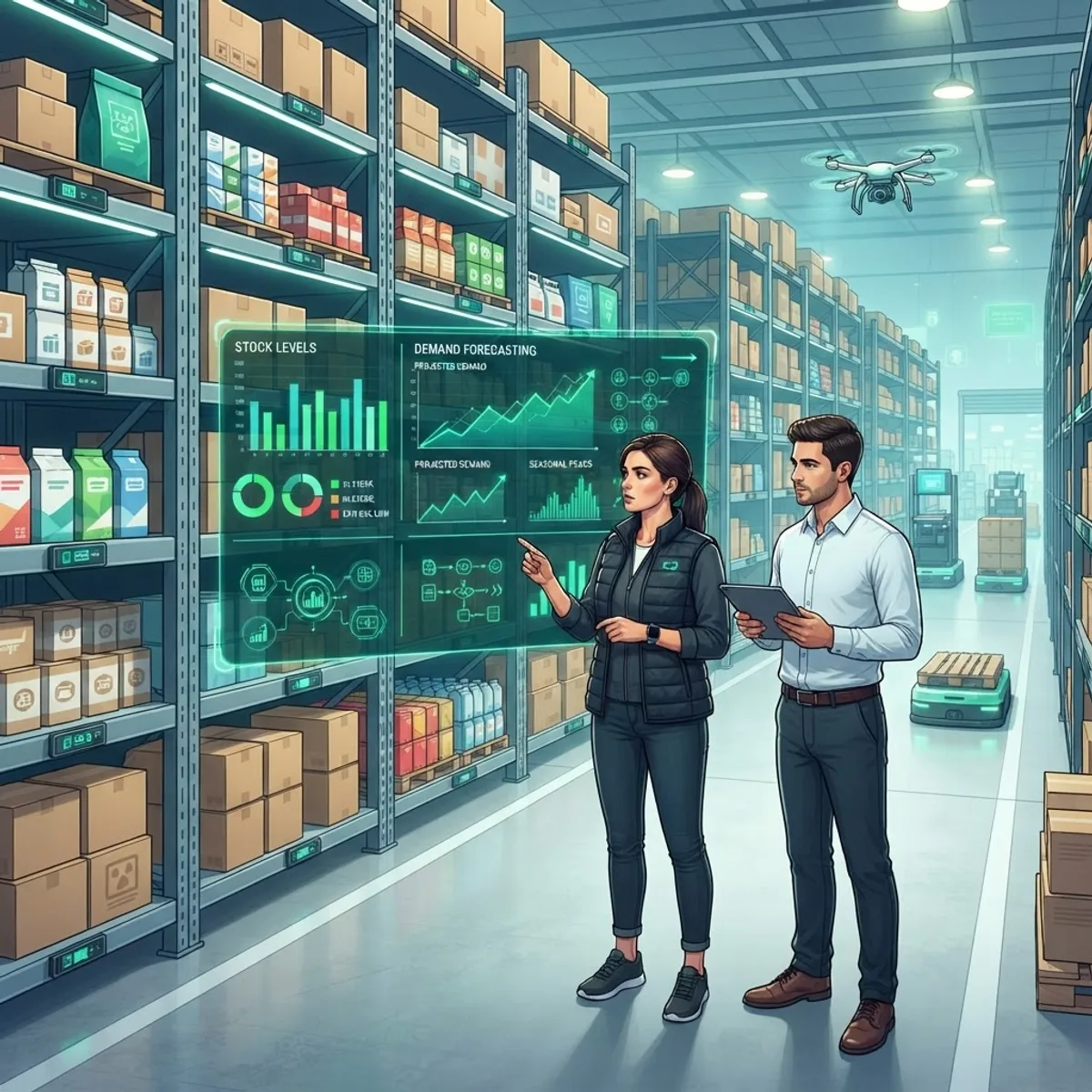
Modern forecasting models used across the industry evaluate:
- Seasonality across holidays, weather, and regional events.
- Local demographics that shift demand store-by-store.
- Promotional lift from featured products and end-caps.
- Supplier lead times that affect safe reorder windows.
The payoff is fewer empty shelves and less dead stock. Research from the IHL Group estimates that out-of-stocks and overstocks cost retailers roughly $1.77 trillion globally each year. Even a modest reduction, powered by better AI forecasting, translates into hundreds of millions in recovered sales for a chain of Dollar Tree's size.
Smarter Supply Chain and Logistics
Dollar Tree's supply chain is a second major focus of its AI collaborations. Moving billions of low-cost items efficiently requires precise routing, and this is exactly the kind of optimization machine learning excels at.
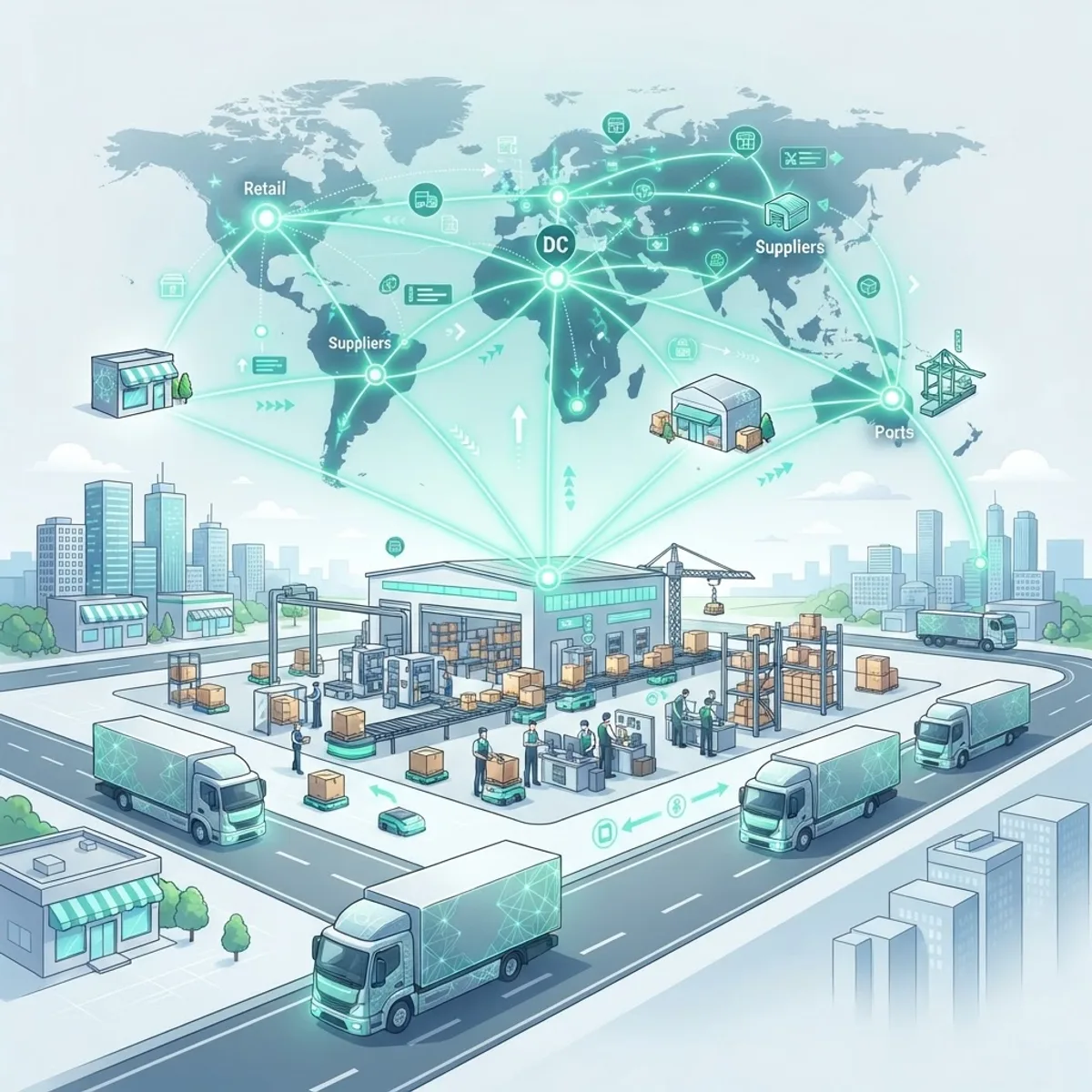
AI models help distribution centers decide which products ship to which stores, when trucks should roll, and how to consolidate loads to cut fuel costs. Because import-heavy discount retailers face volatile freight rates and port delays, predictive logistics gives Dollar Tree a way to anticipate disruptions rather than react to them.
The practical result is a tighter link between demand signals in the store and replenishment decisions in the warehouse. When forecasting and logistics share the same data backbone, the entire chain becomes more responsive, and that responsiveness is what keeps a dollar-priced product profitable.
In-Store Automation and Operations
Inside the store, Dollar Tree's technology partnerships target labor efficiency and shrink reduction. Store associates are stretched thin in discount retail, so AI tools that automate routine decisions free staff for customer-facing work.
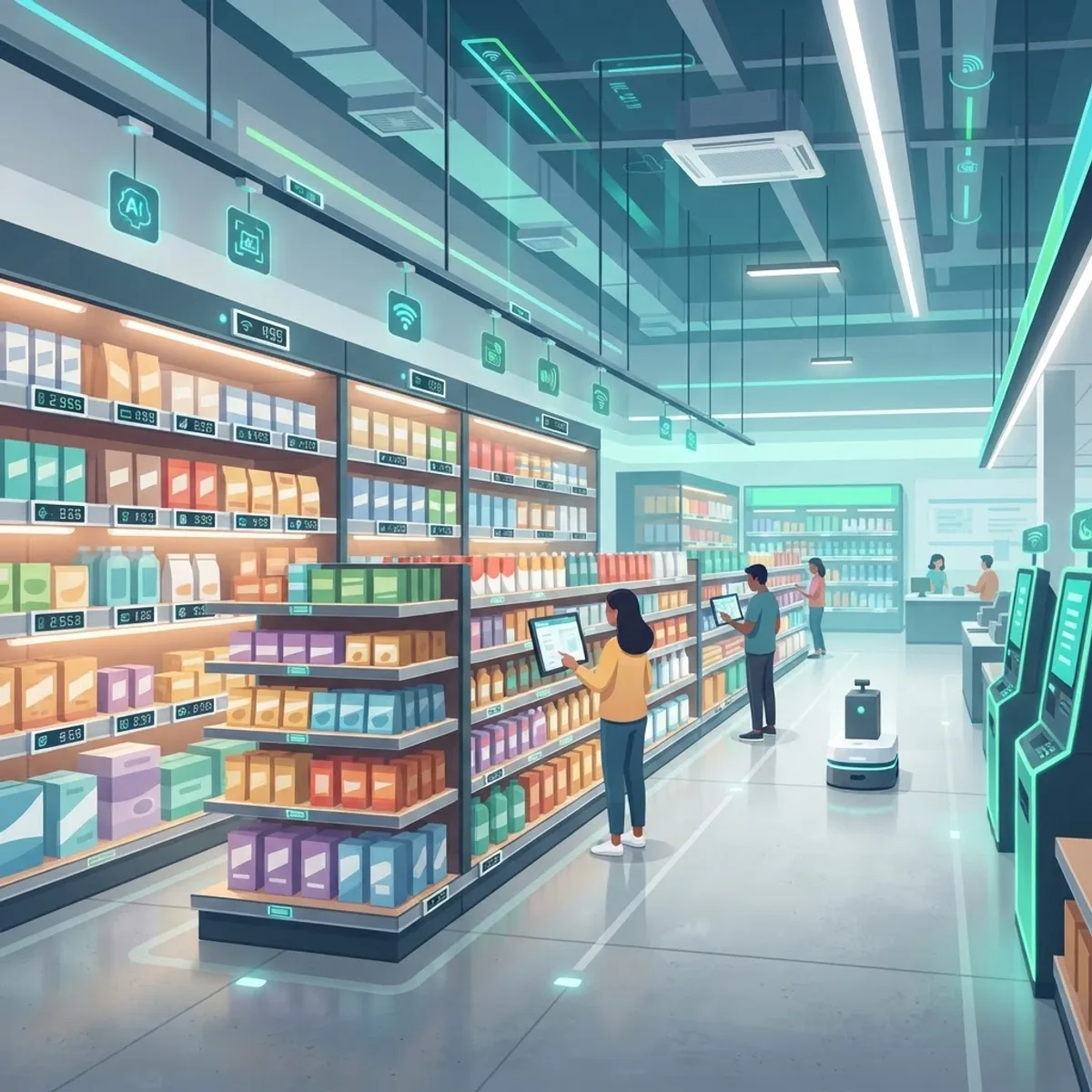
Common in-store applications include computer-vision systems that flag empty shelves, smart scheduling tools that match staffing to predicted foot traffic, and loss-prevention analytics that detect unusual transaction patterns. The National Retail Federation reported that retail shrink reached $112 billion in a recent year, so AI-driven loss prevention is not a luxury; it is a defensive necessity.
These automations rarely replace workers outright. Instead, they redirect human effort toward tasks that genuinely need judgment, such as helping shoppers or resetting displays, while software handles the repetitive monitoring.
Enhancing the Customer Experience
Dollar Tree's AI ambitions also touch the shopper directly, though more cautiously than in premium retail. Value customers care about availability and price, so AI investments here aim to keep products in stock and checkout lines short.

Emerging customer-facing uses include AI chat support for online orders, personalized digital circulars, and app features that show real-time store inventory. According to Salesforce research, 73 percent of customers expect companies to understand their unique needs, and even discount shoppers increasingly want that convenience.
The key insight is restraint. Dollar Tree does not need a heavily personalized experience to compete; it needs reliability. AI that quietly guarantees the advertised item is on the shelf does more for loyalty in this segment than any flashy recommendation engine. Brands documenting these strategies, such as those featured on ZoneTechify, consistently find that dependable basics beat novelty for value shoppers.
Dynamic Pricing and Margin Protection
Pricing is delicate for a chain historically built on fixed price points, but AI still plays a role. After Dollar Tree introduced multi-price merchandise, the ability to model price elasticity became far more valuable.
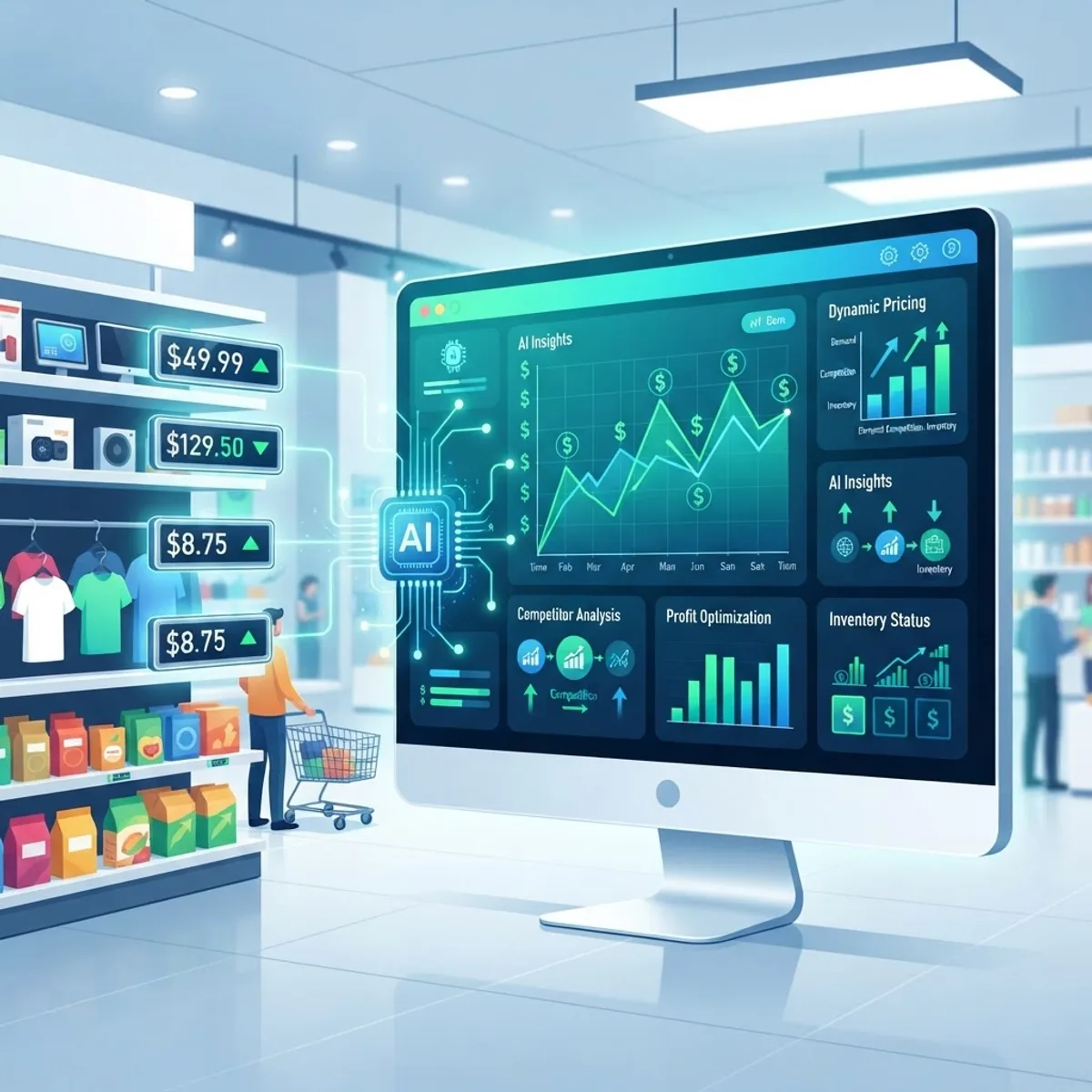
AI pricing models estimate how demand responds to different price tiers, helping merchandisers decide which products can support higher price points without alienating core customers. This is less about aggressive dynamic pricing and more about protecting margin while preserving the brand's value promise. In a business where cost inflation constantly threatens the model, that analytical precision is essential.
Comparison: Traditional Retail vs. AI-Enhanced Retail
The table below summarizes how AI collaborations change core operations for a discount retailer like Dollar Tree.
| Operation | Traditional Approach | AI-Enhanced Approach |
|---|---|---|
| Demand Forecasting | Historical averages, manual reorder | Multi-signal machine-learning prediction |
| Supply Chain | Fixed routes and schedules | Predictive, disruption-aware routing |
| Loss Prevention | Manual audits | Real-time anomaly detection |
| Staffing | Fixed shift patterns | Traffic-based smart scheduling |
| Pricing | Single fixed price point | Elasticity-modeled multi-price tiers |
The pattern is consistent: AI replaces static rules with adaptive, data-driven decisions, which matters most when margins are razor thin.
Why This Matters for Other Businesses
The biggest lesson from Dollar Tree's approach is that AI does not require a massive research lab. It requires clear problems, clean data, and the right partners. Small and mid-size businesses can copy this playbook by identifying one costly inefficiency and applying a proven tool to it.

Start where the math is obvious. If out-of-stocks cost you sales, invest in forecasting. If shrink hurts, invest in loss prevention. This disciplined, ROI-first mindset is exactly how successful digital teams operate, and resources like WebPeak emphasize measuring impact before scaling any AI initiative. The goal is never AI for its own sake; it is a measurable business outcome.
The Future of AI in Discount Retail
Looking ahead, expect Dollar Tree's AI collaborations to deepen around autonomous logistics, generative AI for merchandising decisions, and richer store-level personalization. As foundation models become cheaper to deploy, even penny-margin retailers will fold them into daily operations.
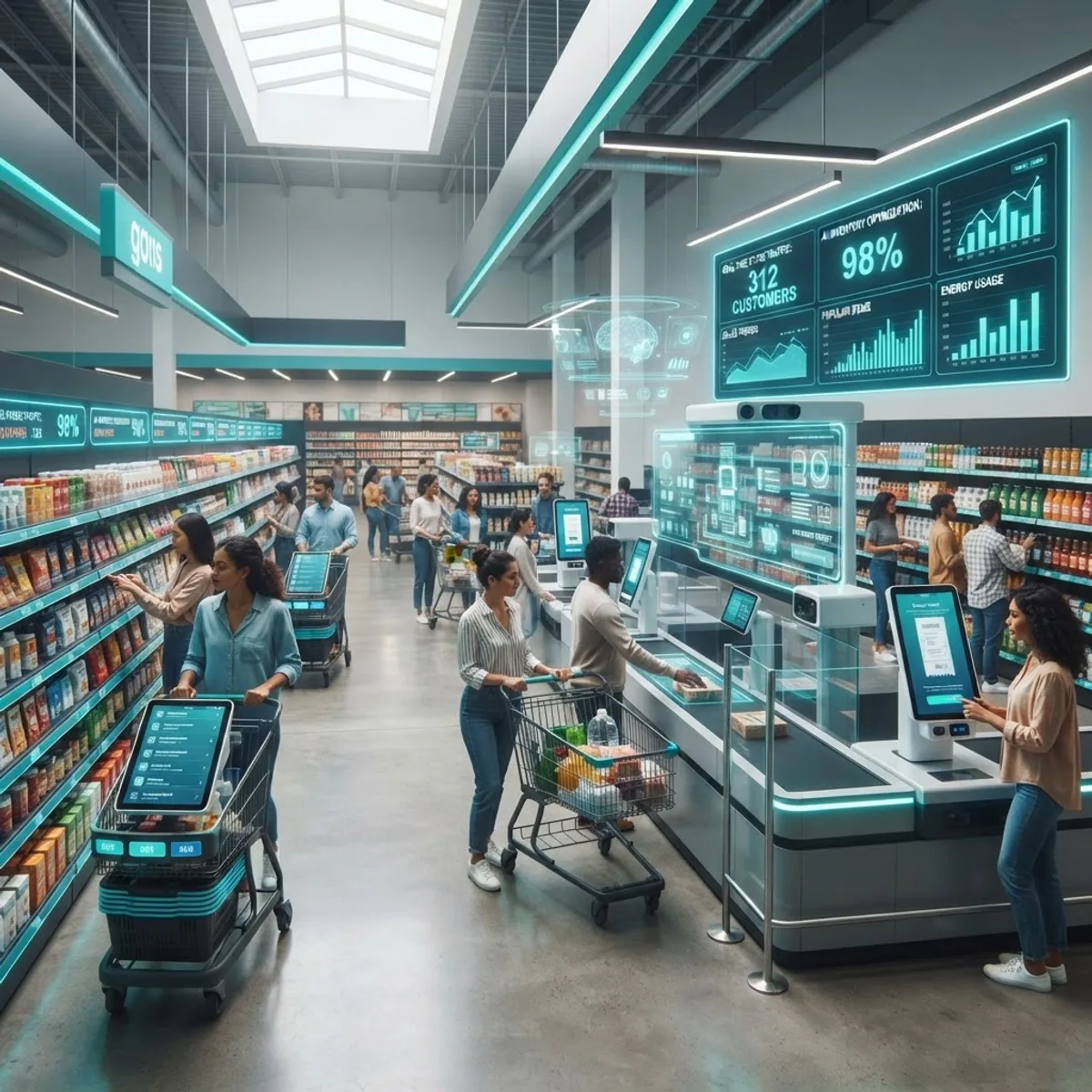
The retailers that win will treat AI as infrastructure, not a project. Dollar Tree's steady, partnership-driven rollout is a template for that mindset: adopt proven technology, connect it to real data, and let measurable results guide the next investment.
Key Takeaways
- Dollar Tree operates more than 16,000 stores, making even small AI-driven efficiency gains extremely valuable.
- Its AI collaborations center on inventory forecasting, supply chain routing, in-store automation, and multi-price strategy.
- Out-of-stocks and overstocks cost retailers about $1.77 trillion globally each year, per IHL Group.
- Retail shrink hit $112 billion in a recent year, according to the National Retail Federation, driving AI loss-prevention investment.
- McKinsey estimates AI at scale can improve retail margins by up to 10 percent.
- The winning strategy is ROI-first: solve one costly problem with proven tools before scaling.
Frequently Asked Questions (FAQ)
What is Dollar Tree doing with artificial intelligence?
Dollar Tree uses artificial intelligence through vendor and cloud partnerships to improve demand forecasting, supply chain routing, in-store automation, loss prevention, and multi-price strategy. These collaborations help the discount retailer reduce waste and out-of-stocks while protecting the thin margins that define its dollar-priced business model.
Does Dollar Tree build its own AI technology?
Mostly no. Like most large retailers, Dollar Tree favors collaborations, licensing proven AI platforms and connecting them to internal data. This lets the company deploy machine learning faster and more affordably than building everything in-house, focusing internal effort on integration and the highest-return operational use cases.
How does AI help a discount store stay profitable?
AI protects profit by attacking waste. Better forecasting cuts out-of-stocks and overstocks, smart scheduling matches labor to demand, and anomaly detection reduces shrink. In a business where items sell for around a dollar, even a one-percent efficiency gain meaningfully improves the bottom line across thousands of stores.
Will AI replace Dollar Tree workers?
Generally no. Dollar Tree's AI tools automate repetitive monitoring, such as tracking shelf gaps or transaction anomalies, so associates can focus on customer service and restocking. The technology redirects human effort toward judgment-based tasks rather than eliminating store roles outright, which is common across value retail today.
Can small businesses copy Dollar Tree's AI strategy?
Yes. The core playbook is accessible: identify one costly inefficiency, apply a proven AI tool, and measure the result before scaling. Small businesses do not need a research lab, only clean data, a clear problem, and a reliable technology partner to guide implementation and track return on investment.