Explore the emerging technologies in media reshaping how content is created, delivered, and consumed, from AI and AR to blockchain, 5G, and personalization.
Emerging Technologies in Media
The media industry is being rebuilt in real time. What once took a full production crew, expensive hardware, and weeks of post-production can now happen in hours with a laptop and the right tools. From newsrooms to streaming platforms, emerging technologies in media are changing not just how content is made, but who gets to make it and how audiences experience it. This guide breaks down the technologies that actually matter in 2026, backed by real data and practical insight from teams shipping media products today. At ZoneTechify and WebPeak, we work with these tools daily, and the shift is faster than most executives realize.
Quick Answer: Emerging technologies in media include artificial intelligence, augmented and virtual reality, blockchain for content rights, 5G-powered streaming, and personalization algorithms. Together they automate content creation, deliver immersive experiences, protect ownership, and tailor media to each viewer in real time, reshaping the entire production-to-consumption pipeline.
Why Emerging Media Technology Matters Now
Media consumption habits have permanently changed. According to Cisco's Annual Internet Report, video traffic accounts for more than 80% of all consumer internet traffic, and that share keeps climbing. Audiences now expect instant, high-quality, personalized content on every device. Legacy production workflows simply cannot keep up with that demand at scale.
The pressure is commercial, not just technical. A study by Deloitte found that a majority of consumers will abandon a streaming service within weeks if the content or experience does not feel relevant to them. That single data point explains why media companies are pouring investment into automation, immersion, and personalization. The technologies below are the direct response to that reality.
Artificial Intelligence in Content Creation
Artificial intelligence is the single most disruptive force in modern media. AI in media refers to machine learning systems that generate, edit, transcribe, translate, and recommend content with minimal human input. It is no longer a research experiment; it is embedded in the daily workflow of newsrooms, agencies, and studios.

In practice, AI is used to:
- Auto-generate first drafts of scripts, articles, and social captions
- Transcribe and caption video in dozens of languages within minutes
- Cut long-form footage into short clips optimized for each platform
- Restore, upscale, and colorize archival media
- Detect deepfakes and moderate harmful content at scale
The real advantage is speed without proportional cost. A two-person team can now produce the output that previously required ten people. That said, expertise still decides quality. AI accelerates the boring parts of production, but human judgment on tone, accuracy, and ethics remains non-negotiable. Teams that treat AI as a co-pilot rather than a replacement consistently ship better work. If you are building AI-driven media systems, WebPeak's artificial intelligence services focus on exactly this kind of integration.
Augmented Reality Is Redefining Engagement
Augmented reality overlays digital content onto the physical world, and it is quietly becoming one of the most commercially valuable media formats. Augmented reality (AR) in media means blending computer-generated visuals, data, or interactive layers on top of a live camera view. Think interactive filters, product try-ons, live sports overlays, and AR-enhanced print.
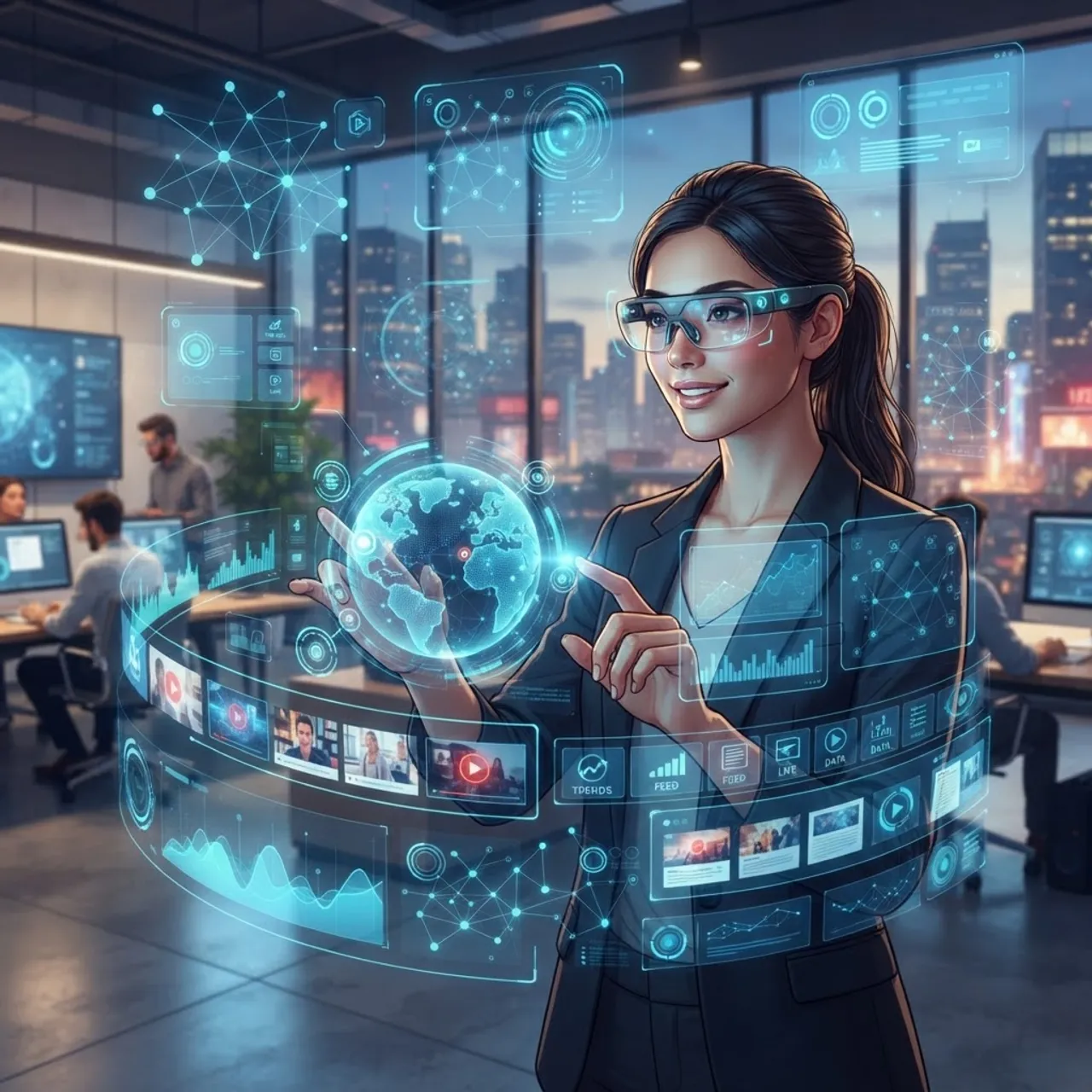
AR works because it meets audiences where they already are: their phones. There is no expensive headset required, which removes the biggest barrier to adoption. Sports broadcasters use AR to project statistics and player tracking directly onto the field. Retailers use it so customers can preview furniture or makeup before buying. Publishers use it to turn static magazine pages into interactive experiences.
The lesson from teams doing this well is to keep AR purposeful. Gimmicky effects get ignored quickly, but AR that genuinely helps someone decide, learn, or play drives measurable engagement and retention.
Virtual Reality and Immersive Storytelling
Virtual reality goes a step further by replacing the real environment entirely. Virtual reality (VR) in media is a fully simulated, immersive environment that a viewer experiences through a headset. While AR augments reality, VR creates a new one, and that makes it powerful for storytelling that demands total presence.
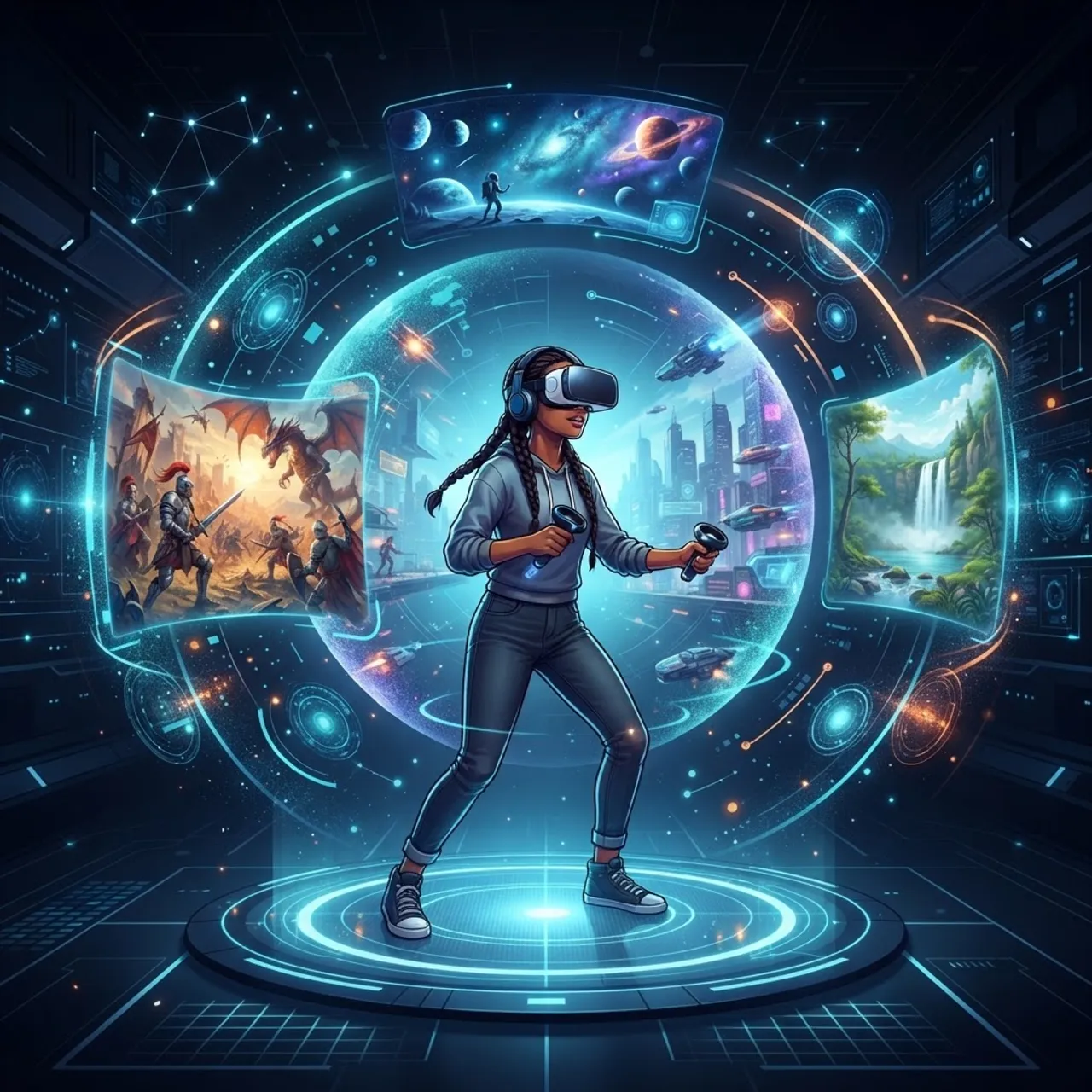
Documentary makers use VR to place viewers inside war zones, coral reefs, or historical events. Training providers use it for high-stakes simulations. Live events stream concerts and matches as 360-degree experiences that feel closer than a front-row seat. The emotional impact of well-produced VR is measurably higher because presence increases empathy and recall.
The honest constraint is hardware. Headset ownership is still limited compared to smartphones, so VR remains a premium format rather than a mass-market default. The smart play in 2026 is producing VR for high-value niches while distributing lighter AR or 360-video versions to reach everyone else.
Blockchain and the Future of Content Rights
Blockchain solves a problem that has haunted media for decades: proving who owns what. Blockchain in media is a distributed digital ledger that records content ownership, licensing, and transactions transparently and immutably. Every transfer is timestamped and verifiable, which is transformative for creators fighting piracy and unpaid usage.

Practical applications include:
- Rights management that tracks licensing across platforms automatically
- Royalty distribution that pays contributors instantly through smart contracts
- Content authentication that verifies whether media is original or manipulated
- Tokenized ownership that lets creators sell direct access to fans
The biggest near-term value is not speculative tokens; it is provenance. As AI-generated media floods the internet, the ability to cryptographically prove that a photo, video, or article is authentic becomes a trust anchor. Media organizations that adopt content provenance standards early will hold a real credibility advantage.
5G and the Streaming Revolution
5G is the invisible backbone making everything above possible. 5G is the fifth-generation mobile network offering dramatically faster speeds, lower latency, and higher capacity than 4G. Without it, high-resolution streaming, cloud production, and real-time AR or VR simply would not scale on mobile.

Lower latency is the quiet hero here. It enables live interactive experiences, cloud-based video editing from any location, and multiplayer immersive events without lag. Production teams can now upload raw 4K footage from the field and collaborate remotely in near real time. This is why distributed, cloud-first media workflows have exploded, and why high-quality video production no longer requires everyone in the same building.
Personalization and Recommendation Algorithms
Personalization is where media technology directly touches revenue. A recommendation algorithm is a machine learning system that analyzes user behavior to predict and surface content each individual is most likely to engage with. It is why streaming platforms feel almost eerily good at knowing what you want next.
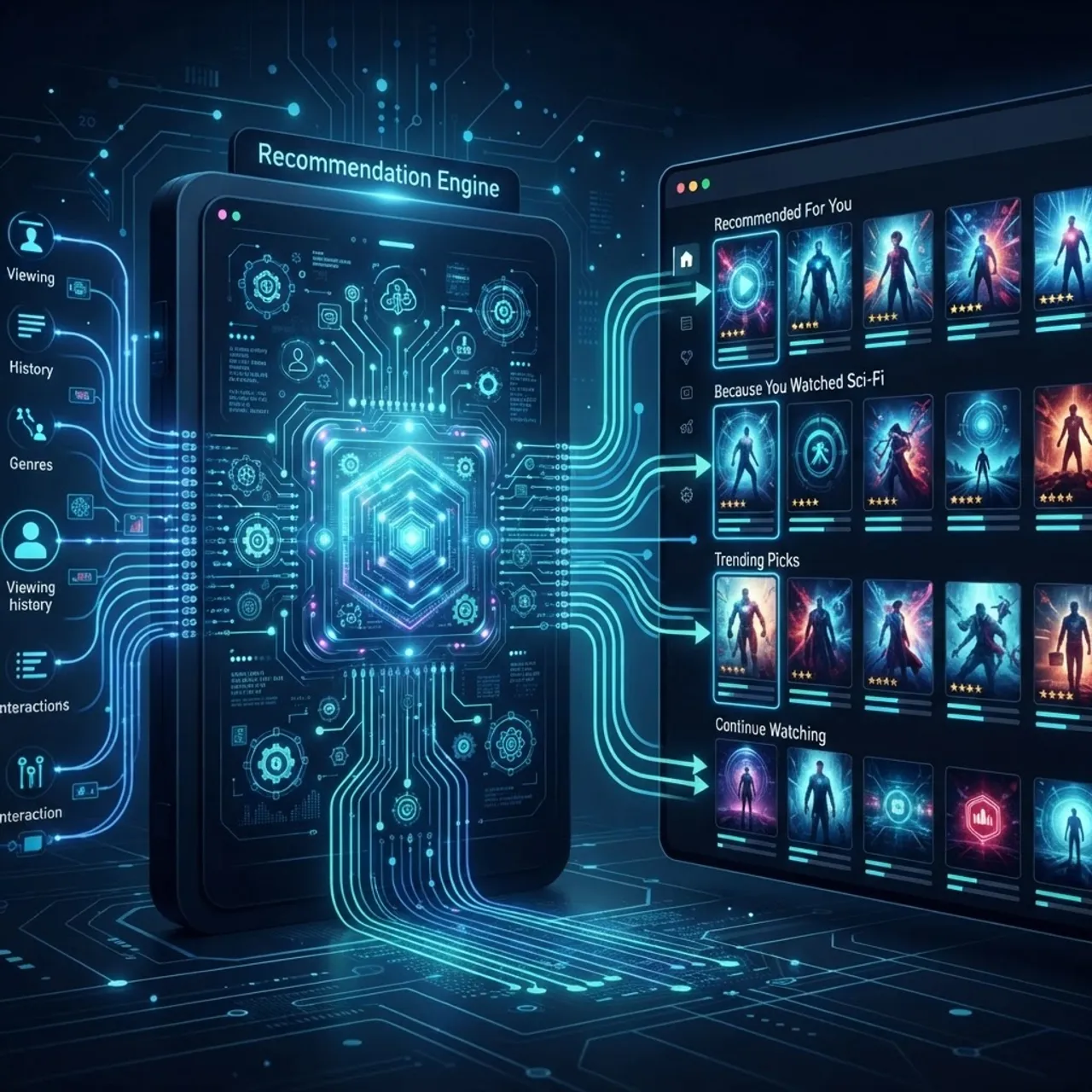
These systems track viewing history, watch time, skips, and context, then continuously refine their predictions. According to McKinsey research, personalization can lift engagement and conversion significantly while reducing churn, which is why every major platform treats its recommendation engine as core intellectual property.
The ethical dimension matters, though. Over-personalization can trap users in narrow content bubbles and raise privacy concerns. The most trustworthy media brands balance relevance with transparency, giving users control over their data and the ability to discover content outside their usual patterns.
Comparison of Key Emerging Media Technologies
| Technology | Primary Benefit | Maturity Level | Best Use Case |
|---|---|---|---|
| Artificial Intelligence | Automated creation and editing | High | Content production and moderation |
| Augmented Reality | Interactive real-world overlays | Medium to High | Retail, sports, publishing |
| Virtual Reality | Full immersion | Medium | Training, documentaries, events |
| Blockchain | Ownership and provenance | Medium | Rights and royalty management |
| 5G | Fast, low-latency delivery | High | Mobile streaming and cloud production |
| Personalization | Tailored user experience | High | Streaming and content discovery |
The Future of Media Technology
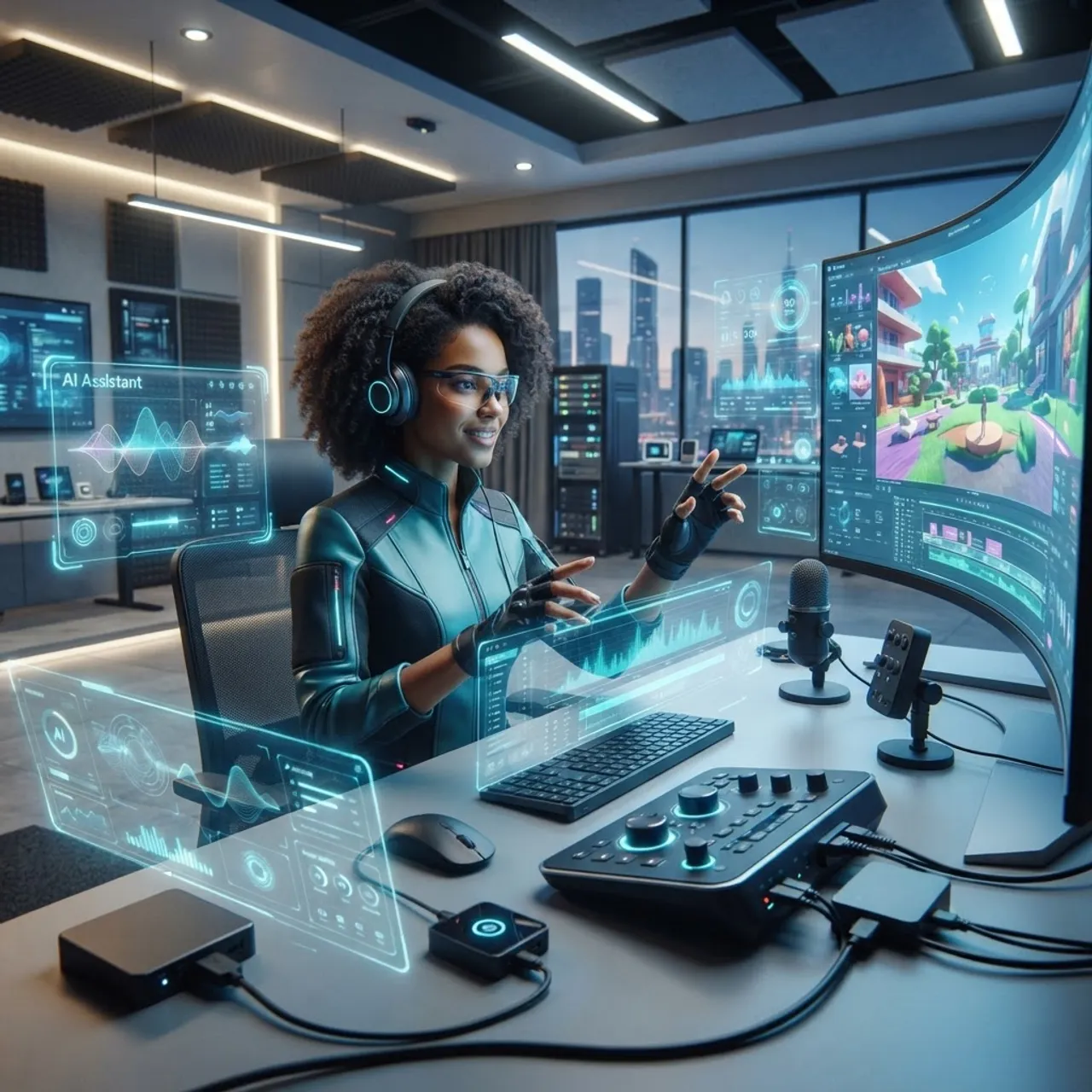
The next wave will not be about any single technology; it will be about convergence. AI will generate personalized VR experiences delivered over 5G and authenticated on blockchain, all in one seamless pipeline. Media companies that treat these tools as an integrated system, rather than isolated experiments, will define the next decade.
The practical advice from teams building today is to start small and stay outcome-focused. Pick one audience problem, apply the technology that solves it, measure the result, and expand from there. Chasing hype without a clear goal wastes budget. Solving a real viewer need with the right emerging tool compounds into a durable advantage.
Key Takeaways
- Video makes up more than 80% of consumer internet traffic, forcing rapid media innovation.
- Artificial intelligence automates creation, editing, and moderation, but human oversight still determines quality and trust.
- Augmented reality drives engagement through phones, while virtual reality delivers premium immersive storytelling.
- Blockchain provides verifiable ownership and content authenticity, increasingly vital in an AI-saturated web.
- 5G enables high-resolution streaming, cloud production, and real-time immersive experiences.
- Personalization boosts engagement and reduces churn but must be balanced with privacy and transparency.
Frequently Asked Questions (FAQ)
What are the most important emerging technologies in media?
The most important emerging technologies in media are artificial intelligence, augmented and virtual reality, blockchain, 5G networks, and personalization algorithms. Together they automate content creation, deliver immersive experiences, protect ownership rights, speed up delivery, and tailor content to individual viewers across every device.
How is AI changing the media industry?
AI is transforming media by automating scriptwriting, video editing, transcription, translation, and content recommendation. It lets small teams produce high volumes of quality content quickly and affordably. However, human oversight remains essential for accuracy, tone, and ethics, so AI works best as a co-pilot rather than a full replacement.
What is the difference between AR and VR in media?
Augmented reality overlays digital elements onto the real world through a device like a smartphone, while virtual reality replaces reality entirely with a simulated environment viewed through a headset. AR is more accessible for mass audiences, whereas VR delivers deeper immersion for premium, high-value storytelling and training.
Why is blockchain useful for media companies?
Blockchain gives media companies a transparent, tamper-proof way to record content ownership, automate royalty payments, and verify authenticity. As AI-generated content spreads, blockchain-based provenance helps prove that media is original and unmanipulated, building audience trust and protecting creators from piracy and unauthorized usage.
How does 5G improve media streaming?
5G improves media streaming by delivering much faster speeds, higher capacity, and dramatically lower latency than 4G. This enables smooth high-resolution and 360-degree video on mobile, real-time cloud-based production, and lag-free interactive AR and VR experiences, making distributed and mobile-first media workflows genuinely practical.
Are these media technologies affordable for small businesses?
Yes, many are increasingly affordable. AI content tools, AR filters, and cloud production run on standard devices with subscription pricing, lowering the barrier to entry. VR and advanced blockchain systems still cost more, so small businesses should start with high-impact, low-cost tools and scale investment as measurable results appear.