
A practical guide to the SEO metrics that actually matter in 2026, from organic traffic and rankings to Core Web Vitals, conversions, and backlink authority.
SEO Metrics You Should Be Measuring

Most SEO reports drown in numbers but say nothing useful. After running audits for dozens of sites, I have learned that tracking everything is the same as tracking nothing. The teams that grow focus on a tight set of metrics that connect search visibility to revenue. This guide breaks down exactly which SEO metrics deserve your attention, why each one matters, and how to act on it. If you want your search strategy to produce real business outcomes rather than vanity charts, these are the numbers to watch.
Quick Answer: The SEO metrics you should measure are organic traffic, keyword rankings, click-through rate, organic conversions, Core Web Vitals, backlink authority, and crawl health. Together these show whether your site is visible, fast, trusted, and actually turning search visitors into customers and measurable revenue.
Why Measuring the Right SEO Metrics Matters
SEO without measurement is guesswork. Google processes billions of searches daily, and according to BrightEdge research, organic search drives roughly 53% of all website traffic across industries. That single statistic explains why measurement is non-negotiable: if half your visitors arrive through search, you need to know whether that channel is healthy or quietly bleeding value.
The purpose of SEO metrics is not to fill a dashboard. It is to answer three questions: Are people finding us? Do they trust and engage with us? Do they convert? Every metric below maps to one of those questions. When you organize measurement this way, reporting becomes a decision-making tool instead of a monthly formality. Teams at agencies like ZoneTechify and WebPeak structure their reporting around outcomes rather than raw data volume for exactly this reason.
1. Organic Traffic and Traffic Quality
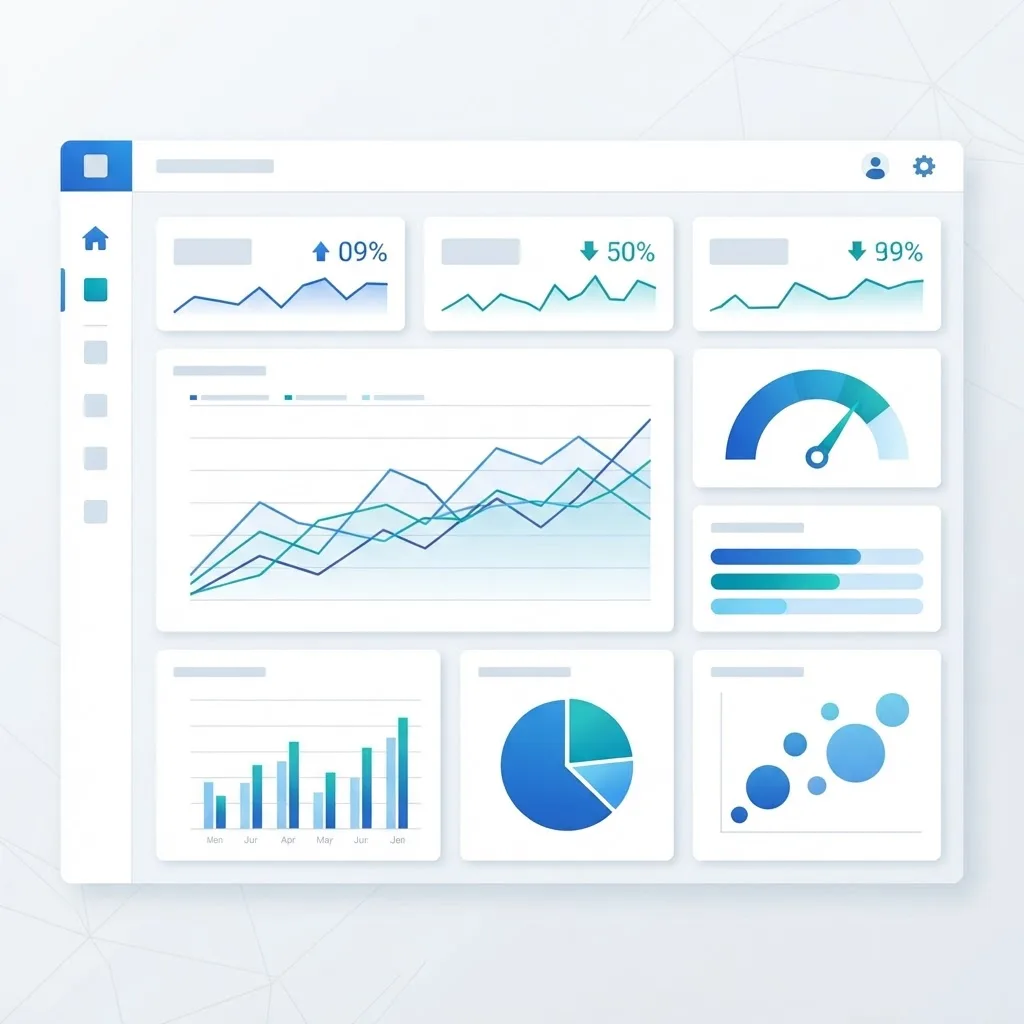
Organic traffic is the number of visitors who arrive at your site through unpaid search results. It is the headline metric, but the raw number alone can mislead you. A spike from an irrelevant keyword looks great in a chart and does nothing for the business.
Instead, segment organic traffic by landing page, device, and intent. Watch these dimensions closely:
- New vs. returning users to gauge whether content attracts and retains.
- Landing page performance to see which pages pull their weight.
- Branded vs. non-branded traffic to separate reputation from discovery.
A healthy site grows non-branded organic traffic over time, because that signals you are reaching people who did not already know you. Track this monthly in Google Analytics 4 and Google Search Console together, since GA4 shows behavior while Search Console shows how users found you.

2. Keyword Rankings and Visibility Share
Keyword rankings tell you where your pages appear in search results for specific queries. While Google personalizes results, average position still reveals trends that matter. The smarter modern metric is visibility share, the percentage of total possible clicks your site captures across your tracked keyword set.
Do not obsess over a single vanity keyword. Instead, track clusters of related terms tied to a topic. If your rankings for an entire cluster improve, you are building topical authority, which Google rewards more consistently than isolated keyword wins. Prioritize keywords by commercial intent: a term that ranks tenth but attracts buyers is worth more than a top spot for an informational query nobody converts on.

3. Click-Through Rate (CTR)
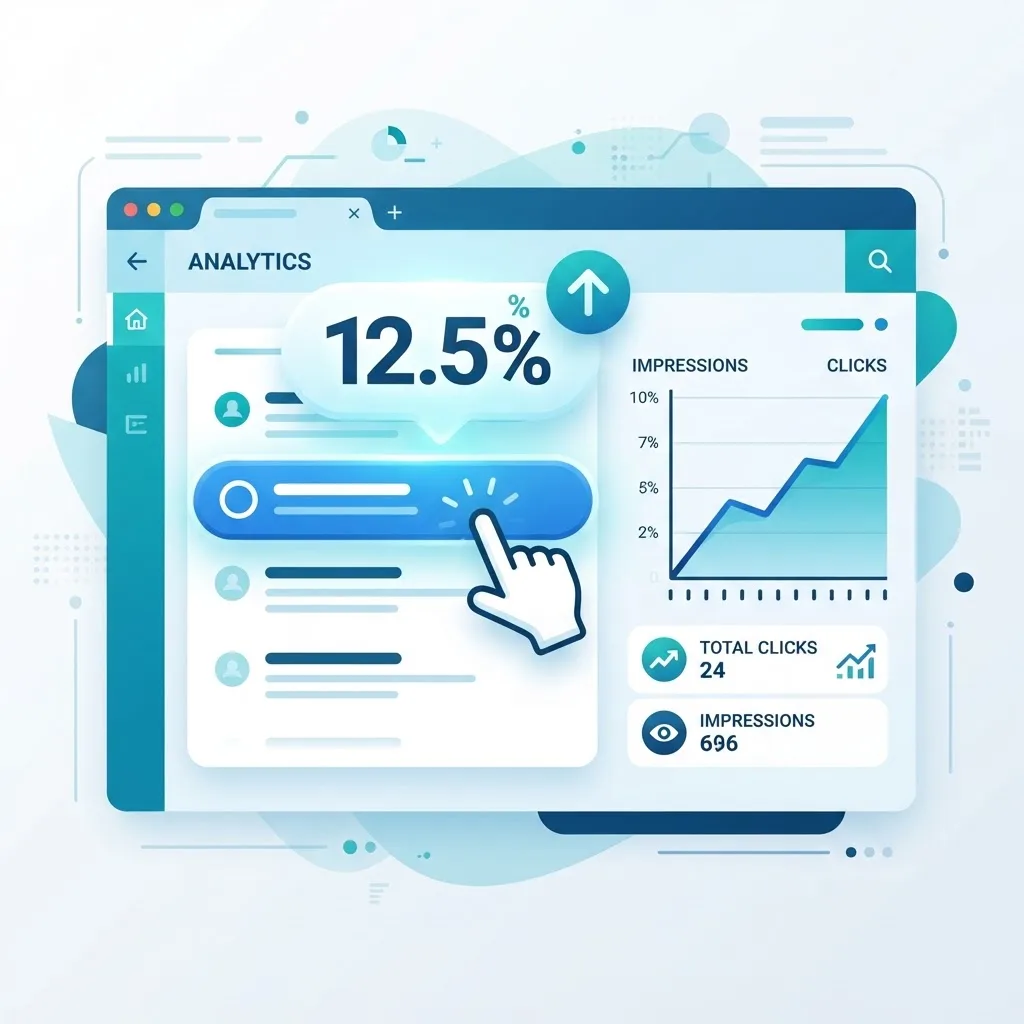
Click-through rate is the percentage of people who click your result after seeing it in search. It is calculated as clicks divided by impressions. CTR is the bridge between ranking and traffic: you can rank first and still lose clicks if your title and meta description fail to earn the click.
Google Search Console reports CTR per query and per page. A page with high impressions but low CTR is an opportunity, not a failure. Rewrite the title tag to match search intent, add a compelling meta description, and consider structured data to earn rich results. In practical tests, sharpening a title to include the exact query and a clear benefit routinely lifts CTR by one to three percentage points, which compounds into meaningful traffic at scale.
4. Organic Conversions and Conversion Rate
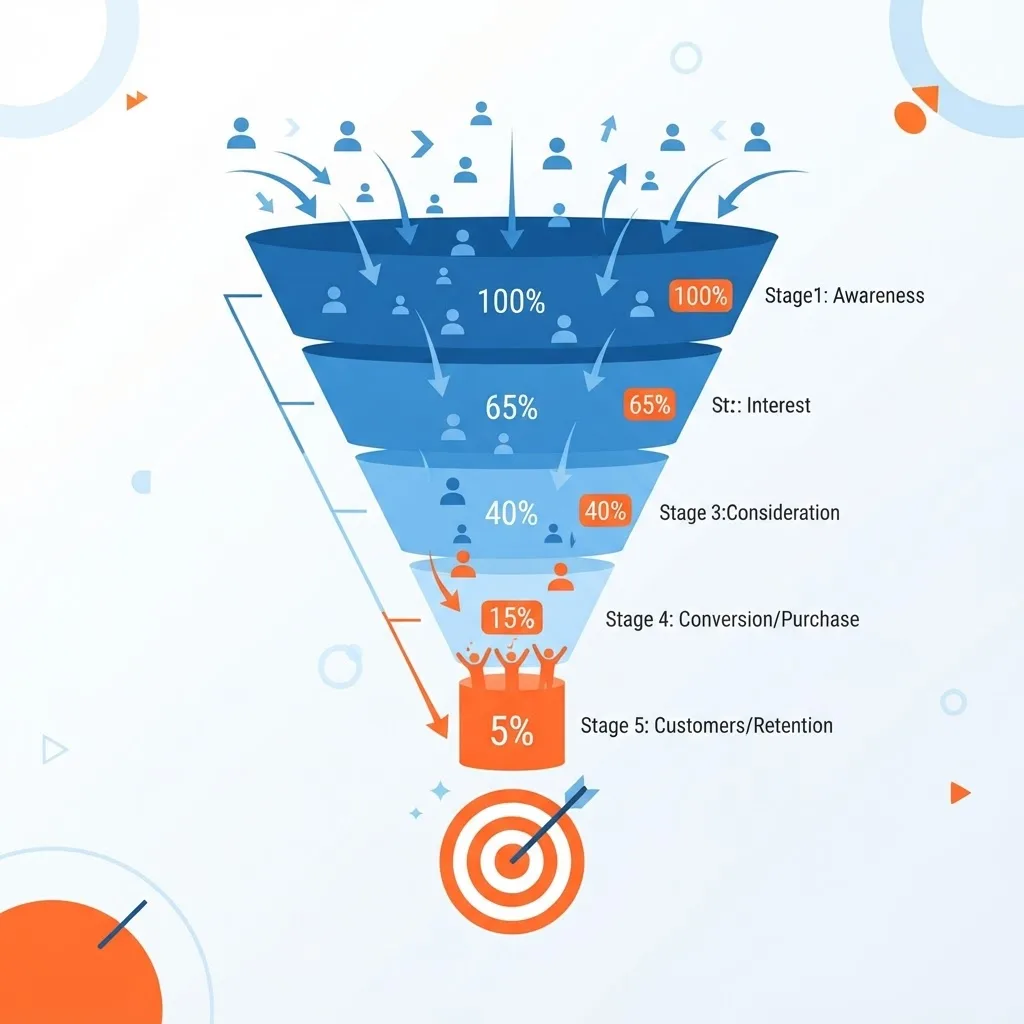
This is the metric executives care about, and rightly so. Organic conversion rate measures the percentage of organic visitors who complete a goal, whether that is a purchase, a lead form, or a signup. Traffic that never converts is a cost, not an asset.
Set up conversion tracking in GA4 and attribute conversions to organic search. Then analyze which landing pages and keywords produce them. You will often find that a small set of pages drives the majority of organic revenue, which tells you exactly where to invest more content and internal links. If your organic traffic is rising but conversions are flat, your content is attracting the wrong audience, and that is a targeting problem, not a volume problem. A strong digital marketing strategy ties every SEO effort back to this number.
5. Core Web Vitals and Page Experience
Core Web Vitals are Google's measurements of real-world user experience, made up of three signals: Largest Contentful Paint (loading speed), Interaction to Next Paint (responsiveness), and Cumulative Layout Shift (visual stability). According to Google, 53% of mobile visits are abandoned if a page takes longer than three seconds to load, which is why these metrics directly affect both rankings and revenue.
Measure Core Web Vitals in Search Console and PageSpeed Insights using field data from real users, not just lab scores. Aim for the "Good" threshold on all three. Common fixes include compressing images, deferring non-critical JavaScript, and reserving space for dynamic elements to prevent layout shift. Page experience is a tie-breaker: when two pages have similar content and authority, the faster, more stable one wins.

6. Backlinks and Domain Authority
Backlinks remain one of the strongest ranking signals, but quality beats quantity every time. Instead of counting total links, measure referring domains (unique websites linking to you) and the authority of those domains. Ten links from respected, relevant sites outperform a thousand from low-quality directories.
Track your referring domain growth, your link velocity, and your anchor text distribution. A sudden spike in exact-match anchors can look manipulative to Google, so natural, branded anchors are safer. Use tools like Ahrefs or Semrush to monitor new and lost links, and audit for toxic links that could invite penalties. Authority is earned slowly through content people genuinely want to reference, which is why sustainable link building focuses on creating citable resources.

7. Crawl Health and Indexation
If Google cannot crawl and index your pages, nothing else matters. Indexation rate is the ratio of pages Google has indexed to the pages you want indexed. Check the Pages report in Search Console to find pages excluded, blocked, or marked as duplicates.
Monitor crawl stats, fix broken internal links, submit clean XML sitemaps, and eliminate crawl traps like infinite parameter URLs. For large sites, crawl budget is a real constraint, so make every crawled page count. This technical foundation is the least glamorous metric on this list and often the most impactful when it is broken.
SEO Metrics Comparison Table
| Metric | What It Measures | Primary Tool | Business Impact |
|---|---|---|---|
| Organic Traffic | Unpaid search visitors | GA4 + Search Console | High |
| Keyword Rankings | Position for target queries | Ahrefs / Semrush | Medium |
| Click-Through Rate | Clicks per impression | Search Console | Medium |
| Organic Conversions | Visitors who complete goals | GA4 | Very High |
| Core Web Vitals | Page experience quality | PageSpeed Insights | High |
| Backlinks | Referring domain authority | Ahrefs / Semrush | High |
| Indexation | Pages crawled and indexed | Search Console | Critical |
Key Takeaways
- Organic search drives roughly 53% of all website traffic, making SEO measurement essential rather than optional.
- Focus on organic conversions and conversion rate, since traffic that does not convert is a cost, not an asset.
- Track referring domains and their authority instead of raw backlink counts, because quality outperforms quantity.
- Core Web Vitals matter for revenue: 53% of mobile visits are abandoned when a page takes over three seconds to load.
- Crawl health and indexation are foundational; if Google cannot index your pages, no other metric can save you.
Frequently Asked Questions (FAQ)
What is the most important SEO metric to track?
Organic conversion rate is the most important metric because it connects search visibility to revenue. Traffic and rankings matter, but they only create value when visitors complete goals. Track conversions in GA4, attribute them to organic search, and optimize the pages and keywords that produce them.
How often should I check my SEO metrics?
Review core metrics monthly for trends and check technical health, like indexation and Core Web Vitals, every two weeks. Rankings can be monitored weekly for priority keywords. Avoid daily checking, since search results fluctuate naturally and daily noise leads to reactive decisions rather than strategic ones.
What tools do I need to measure SEO metrics?
Google Search Console and Google Analytics 4 are free and cover traffic, rankings, CTR, conversions, and Core Web Vitals. For backlinks and competitor analysis, add Ahrefs or Semrush. These three tools together give you complete coverage of every metric that matters for most websites.
Do keyword rankings still matter in 2026?
Yes, but visibility share across keyword clusters matters more than single keyword positions. Google personalizes results, so average position is a trend signal rather than an exact truth. Focus on ranking for topic clusters that build authority and target keywords with genuine commercial intent behind them.
How do Core Web Vitals affect SEO rankings?
Core Web Vitals are a ranking factor and a tie-breaker between pages of similar quality. They measure loading speed, responsiveness, and visual stability using real user data. Poor scores increase bounce rates and hurt both rankings and conversions, so meeting the "Good" threshold on all three is worthwhile.
Final Thoughts
Measuring SEO is not about collecting the most data. It is about tracking the few metrics that reveal whether your site is visible, trusted, fast, and profitable. Start with organic conversions, protect your technical foundation, and let every other metric feed into clear decisions. Do that consistently, and your reporting stops being a chore and starts driving real, compounding growth.