
A practical guide to how search engine marketing and SEO work together, covering budget splits, keyword intent mapping, technical fixes, and the metrics that prove real ROI.
Search Engine Marketing SEO
Most businesses treat search engine marketing and SEO as two separate departments with two separate budgets, and that separation is exactly why their results plateau. In practice, both compete for the same screen, the same keywords, and the same buyer at the same moment of intent. When you run them as one system, paid search tells you which keywords convert before you spend six months trying to rank for them, and organic search lowers the cost of traffic you would otherwise rent forever.
This guide explains how the two disciplines fit together, how to split budget between them, and which measurements tell you the truth. It is written from the perspective of managing both channels inside the same accounts, where wins and wasted spend show up in the same dashboard.
Quick Answer: Search engine marketing (SEM) is the umbrella practice of gaining search visibility through paid ads and organic optimization. SEO is the organic half. Paid search buys immediate placement and conversion data, while SEO compounds into cheaper long-term traffic. Running both together lets paid data guide organic priorities and organic rankings reduce paid dependence.
What Search Engine Marketing and SEO Actually Mean
Search engine marketing (SEM) is any activity designed to make a business visible on a search results page. Historically the term covered both paid and organic work; today most practitioners use SEM as shorthand for paid search, such as Google Ads or Microsoft Advertising.
Search engine optimization (SEO) is the practice of earning unpaid placement by making a site technically crawlable, topically authoritative, and genuinely more useful than competing results.
The distinction matters because the channels behave differently in one critical way: paid search is a rental model that stops the moment your card declines, while SEO is an asset model where the investment keeps returning value after the work stops. Neither is inherently better. A SaaS company with a six-month sales cycle and a plumber who needs a call in the next twenty minutes should not use the same mix.

SEM vs SEO: A Direct Comparison
| Factor | Paid Search (SEM) | SEO |
|---|---|---|
| Time to first results | Same day | 3 to 9 months typically |
| Cost behavior | Ongoing cost per click | Front-loaded, then compounding |
| Traffic when you stop paying | Drops to zero | Largely persists |
| Keyword testing speed | Hours | Months |
| Share of search clicks | Roughly 15 to 20 percent | Roughly 70 percent or more |
| Best for | Launches, promotions, high-intent terms | Durable demand, comparison and informational queries |
| Attribution clarity | High, click-level data | Moderate, blended and delayed |
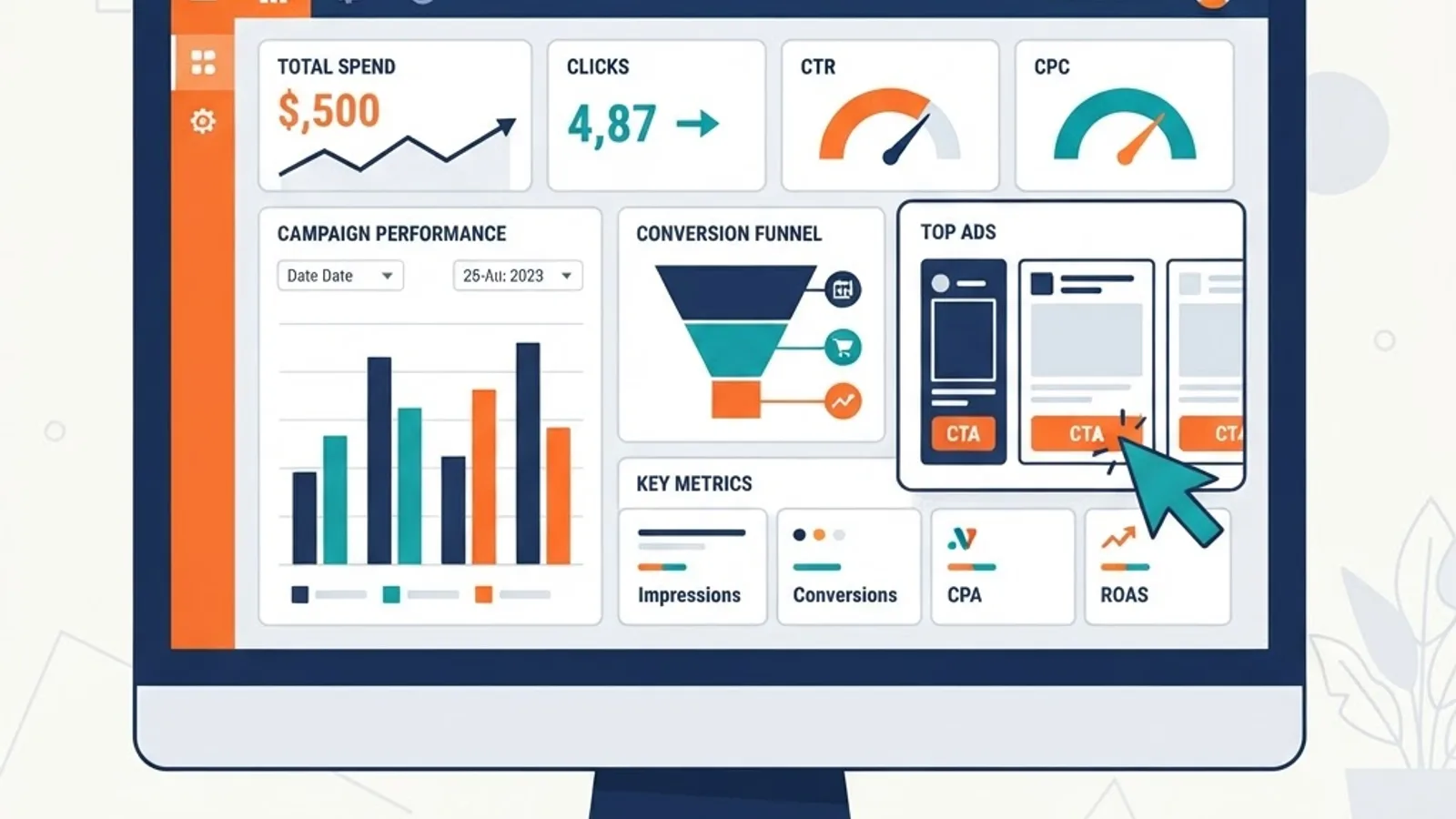
The most useful line in that table is keyword testing speed. Paid search is the cheapest research tool available for SEO. Before writing thirty articles, spend a small budget bidding on the exact terms you plan to target. Within two weeks you know which keywords produce leads and which only produce curiosity. That single habit prevents most of the wasted content budget we find in audits.
Why the Results Page Changed the Math
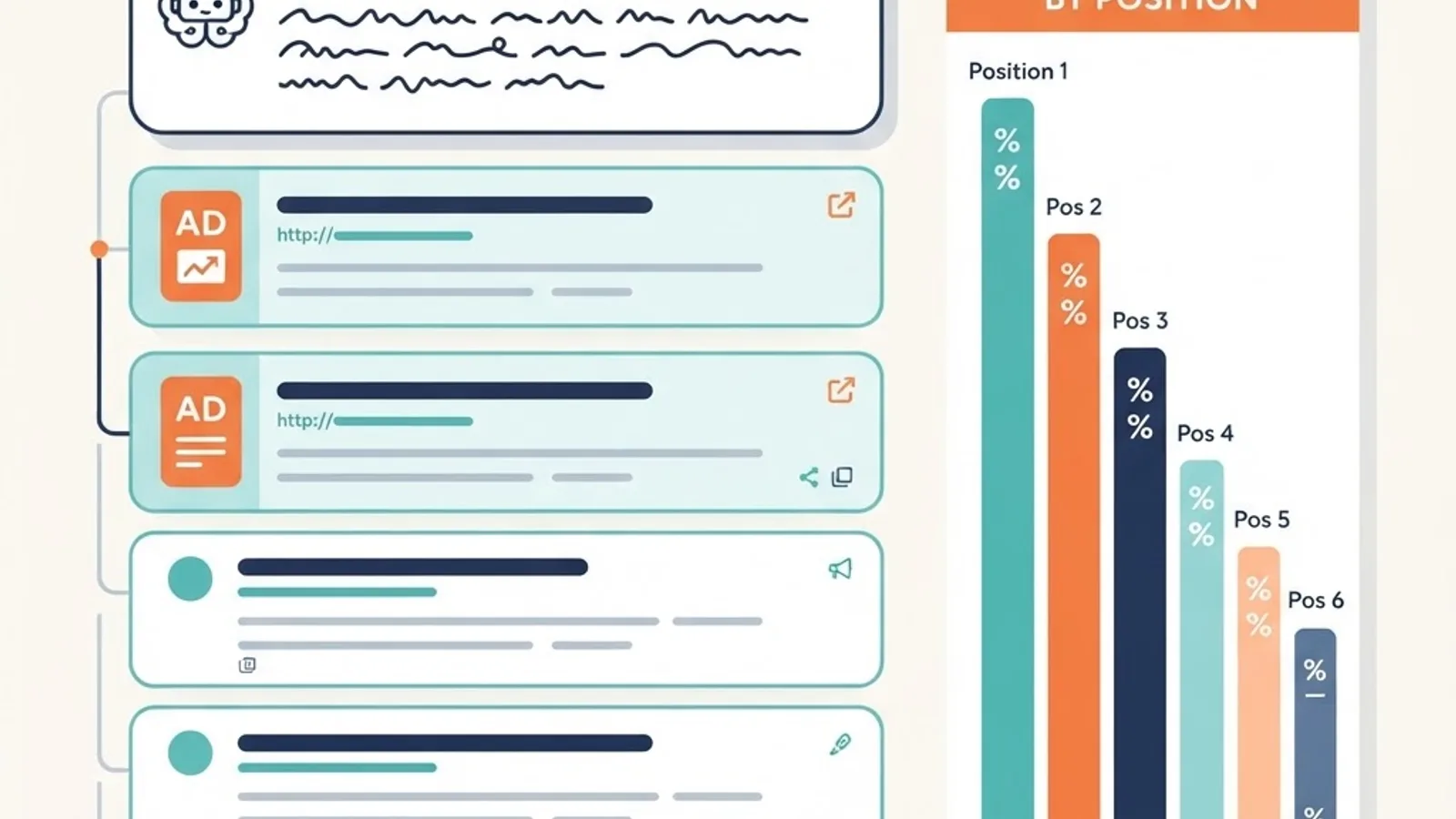
The search results page is no longer a clean list of ten links. AI answer panels, shopping carousels, local packs, video blocks, and up to four paid slots now sit above many organic results. Google has publicly stated that 53 percent of mobile visits are abandoned when load time exceeds three seconds. That figure is now a search marketing constraint, not just an engineering one, because slow landing pages raise cost per conversion in paid campaigns and reduce organic engagement at the same time.
Second, click distribution is brutally top-heavy. Independent click-through studies across millions of queries consistently find the first organic result earns roughly ten times more clicks than the tenth. Ranking eighth is closer to invisible than to first place. The honest strategic question is therefore never "can we rank" but "can we realistically reach the top three for this query, and if not, should we buy the placement instead?"
Step 1: Map Keywords by Intent, Not Volume
Sort every target keyword into one of four intent buckets before deciding whether it belongs to paid, organic, or both.
- Transactional — the searcher wants to buy now, such as "emergency plumber near me" or "buy CRM software." Bid on these and build a strong organic landing page, because they convert at every position.
- Commercial investigation — the searcher is comparing options, such as "best CRM for small teams." SEO wins here because buyers distrust ads on comparison queries. Paid support is optional.
- Informational — the searcher wants to learn, such as "how does lead scoring work." Almost always organic only. Paying for these terms is how ad budgets quietly evaporate.
- Navigational — the searcher wants a specific brand. Defend brand terms with a small paid budget only when competitors bid on them.
The practical rule: if a keyword cannot be tied to a revenue outcome within two steps, it does not deserve paid budget. It may still deserve content, because informational articles feed retargeting audiences and build the topical depth that organic rankings require.

Step 2: Fix the Technical Foundation First
Running campaigns on a broken site is the most expensive mistake in search marketing, because you pay for every click that fails to convert. Before adding budget or publishing content, verify these items:
- Indexability — confirm important pages return a 200 status, are not blocked in robots.txt, and carry no accidental noindex tags.
- Core Web Vitals — target Largest Contentful Paint under 2.5 seconds and Interaction to Next Paint under 200 milliseconds on mobile, measured with field data rather than lab scores.
- One canonical URL per topic — duplicate pages targeting the same keyword split authority and cannibalize each other.
- Structured data — add Article, Product, FAQ, LocalBusiness, or Organization schema where genuinely applicable so both search engines and AI answer tools understand your entity.
- Conversion tracking integrity — server-side or GA4 events must fire reliably, or every optimization decision after this point is guesswork.
Teams that need help executing this layer often bring in a specialist partner. A structured web development engagement usually resolves crawl, speed, and template issues far faster than patching them page by page.

Step 3: Allocate Budget With a Defensible Split
There is no universal ratio, but there are defensible starting points based on business stage.
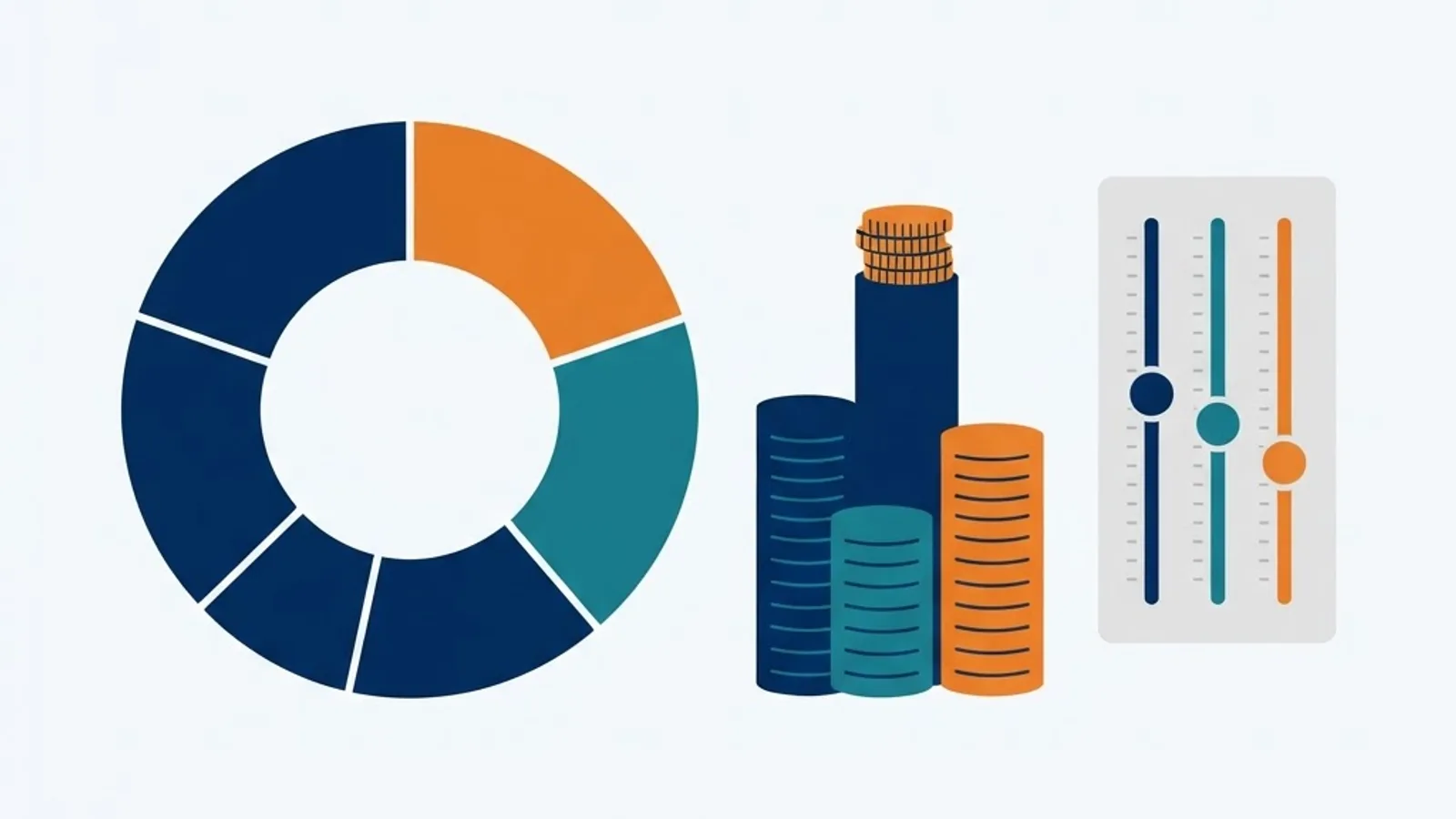
- New site, no rankings: 70 percent paid, 30 percent SEO. You need revenue and keyword data now, and organic cannot deliver either in month one.
- Established site, some rankings: roughly 50/50. Use paid to test expansion topics and cover gaps where you rank between positions four and fifteen.
- Mature site, strong authority: 30 percent paid, 70 percent SEO. Restrict paid to high-intent transactional terms, competitor conquesting, and seasonal pushes.
Revisit the split quarterly using one number: blended customer acquisition cost. If paid CAC is rising while organic sessions for money keywords stay flat, your content is not targeting commercial intent. If organic CAC is falling steadily, shift budget toward SEO and let paid focus on queries organic cannot win.
Step 4: Make the Two Channels Feed Each Other
This is the part most teams skip, and it is where compounding returns live.
- Use paid search terms reports to find real organic keywords. The exact phrases people typed are unfiltered demand data, better than any volume estimate.
- Turn organic winners into paid ad copy. Titles and meta descriptions with high organic click-through rates almost always outperform generic ad headlines.
- Suppress paid spend where you already rank first organically on non-transactional terms, then reallocate that budget to keywords sitting on page two.
- Run paid traffic to test landing page variants before rolling the winner into organic templates. Paid delivers statistical significance in days rather than quarters.
- Retarget informational organic readers with ads for commercial pages, turning content into an audience-building system rather than vanity traffic.
Step 5: Measure What Proves Business Impact
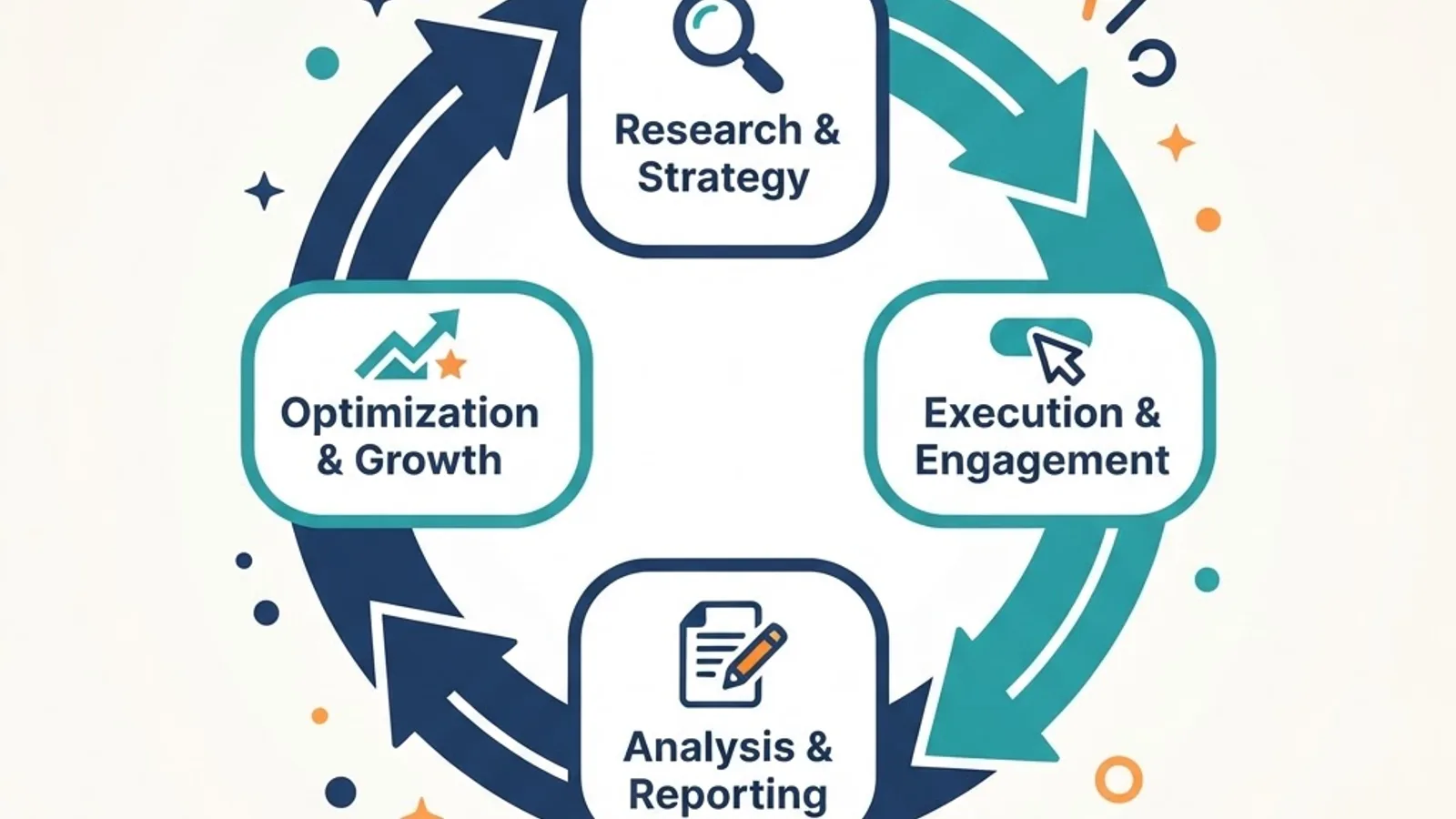
Rankings and impressions are diagnostics, not outcomes. Report on these instead:
- Revenue or qualified leads by landing page, segmented into paid and organic.
- Blended CAC across both channels, tracked monthly.
- Share of voice for your top twenty commercial keywords, combining paid and organic visibility.
- Assisted conversions, because organic content frequently starts journeys that paid ads close.
- Non-brand organic growth, the only honest signal that SEO is expanding demand rather than harvesting existing brand interest.
If a metric cannot change a decision next month, remove it from the report. Dashboards exist to force action, not to demonstrate effort. For ongoing management across both halves of search, teams often pair internal reporting with an external review, and resources from ZoneTechify and WebPeak are useful reference points when benchmarking your own process.
Common Mistakes That Waste Search Budget
- Bidding on broad informational keywords with no conversion path.
- Publishing content without checking whether the top three results are dominated by far stronger domains.
- Judging SEO after eight weeks, which is shorter than most indexing and evaluation cycles.
- Running paid and organic through separate agencies that never share keyword data.
- Optimizing for total traffic instead of traffic that matches commercial intent.
Key Takeaways
- SEM is the umbrella term for paid and organic search visibility; SEO is the organic component.
- Organic results capture roughly 70 percent or more of search clicks, while paid captures roughly 15 to 20 percent.
- Google reports that 53 percent of mobile visits are abandoned when a page takes longer than three seconds to load, which hurts paid conversion rates and organic engagement equally.
- Paid search is the fastest and cheapest way to validate keywords before committing to long-term SEO content.
- Start new sites near 70 percent paid and 30 percent SEO, then shift toward SEO as authority grows.
- Report blended customer acquisition cost and non-brand organic growth rather than rankings alone.
Frequently Asked Questions (FAQ)
Is SEM the same thing as SEO?
No. SEM is the broader practice of gaining visibility in search engines, and most marketers now use it to mean paid search advertising. SEO refers specifically to earning unpaid organic placement. SEO sits inside search engine marketing as its organic half, alongside paid campaigns.
Should I start with paid search or SEO first?
Start with paid search if you need revenue or keyword validation within weeks, since it delivers same-day placement and conversion data. Begin SEO simultaneously at a smaller budget, because rankings take three to nine months. Paid buys time while organic authority builds in the background.
How long does SEO take to show results?
Most sites see meaningful movement in three to six months, with competitive markets taking nine to twelve. Timing depends on domain authority, technical health, content quality, and competitor strength. New domains take longest because search engines need time to evaluate trust signals and crawl history.
Does running Google Ads improve my organic rankings?
No. Google has confirmed repeatedly that paid spend is not a ranking factor, and the two systems remain separate. Ads help indirectly by generating keyword data, testing landing pages, and increasing brand searches, but they never buy organic position directly.
How much should a small business spend on search marketing?
Many small businesses allocate 5 to 10 percent of revenue to marketing, with search taking a meaningful share. Practically, set a monthly paid budget large enough to generate at least fifty clicks per target keyword, which produces usable conversion data within about a month.
Can I do search engine marketing without an agency?
Yes, for a single location or narrow product set. Handle keyword research, one tightly themed campaign, and monthly reporting yourself. Bring in specialists for technical fixes, multi-market campaigns, or content at scale, since those are where inexperience costs the most money.