Discover why graphic design is important for any business — from brand identity and trust to marketing ROI — with data-backed insights from GFXTek experts.
Why Graphic Design Is Important for Any Business GFXTek
Every business, from a two-person startup to a global enterprise, communicates visually before it communicates verbally. Your logo, website, packaging, and social media posts all speak for you before a single salesperson does. At GFXTek and across the design teams at ZoneTechify, we have watched businesses double engagement and conversion rates simply by fixing weak visuals. This guide explains exactly why graphic design matters for any business, backed by data, real-world experience, and practical steps you can act on today.
Quick Answer: Graphic design is important for any business because it shapes first impressions, builds brand recognition, and directly influences buying decisions. Research shows users judge a website's credibility in about 50 milliseconds, and consistent branding can increase revenue by up to 23%. Strong design converts attention into trust — and trust into sales.
What Is Graphic Design in a Business Context?
Graphic design is the practice of combining typography, color, imagery, and layout to communicate a specific message visually. In a business context, it covers everything a customer sees: your logo, website, product packaging, advertisements, social media graphics, presentations, and even invoices.
The key distinction most business owners miss is this: graphic design is not decoration — it is communication. A well-designed pricing page reduces confusion. A clear infographic explains a complex service in seconds. Design decisions are business decisions, and treating them as an afterthought is where most small businesses lose money.
Design Shapes First Impressions in Milliseconds
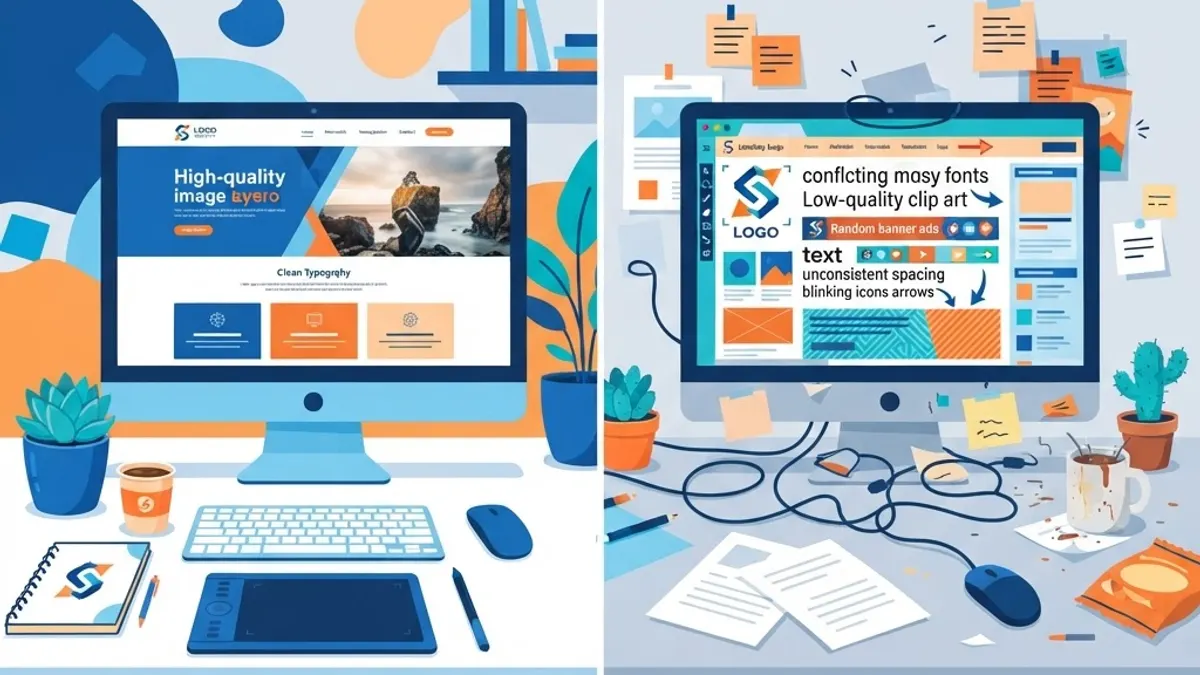
First impressions are formed faster than conscious thought. According to research published by Google, users form an opinion about a website's visual appeal in as little as 50 milliseconds — roughly 0.05 seconds. A separate Stanford University credibility study found that 75% of users admit to judging a company's credibility based on its website design alone.
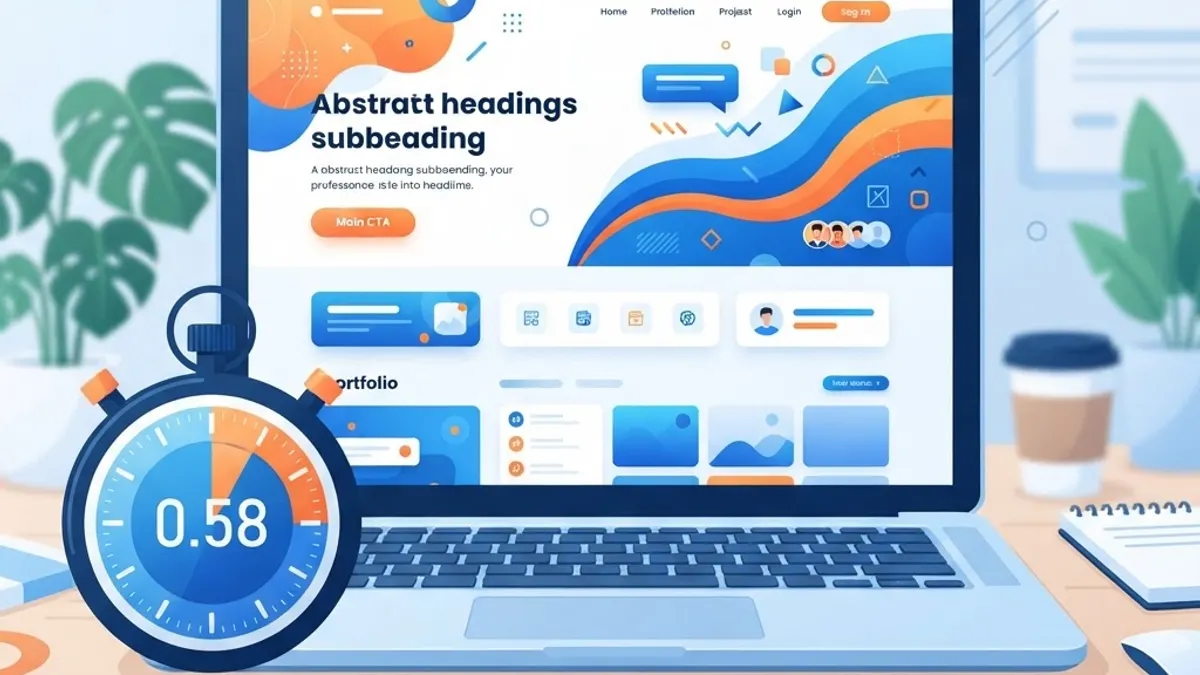
What does that mean practically? Before a visitor reads your headline, they have already decided whether your business looks trustworthy. In our client work at GFXTek, redesigning a cluttered homepage with clear hierarchy, consistent spacing, and professional imagery has repeatedly cut bounce rates by 20–35% within the first month. The content did not change — only the design did.
How to Improve First Impressions Quickly
- Simplify your homepage to one clear message and one primary call to action.
- Use consistent colors — a maximum of 3–5 brand colors across every asset.
- Replace stock-looking imagery with authentic photos or custom illustrations.
- Fix typography — two font families maximum, with readable sizes (16px+ body text).
Graphic Design Builds Brand Identity and Recognition
A brand identity is the complete visual system that makes your business recognizable: logo, color palette, typography, iconography, and imagery style. It is the reason you can identify a Coca-Cola ad from across a room without reading a word.
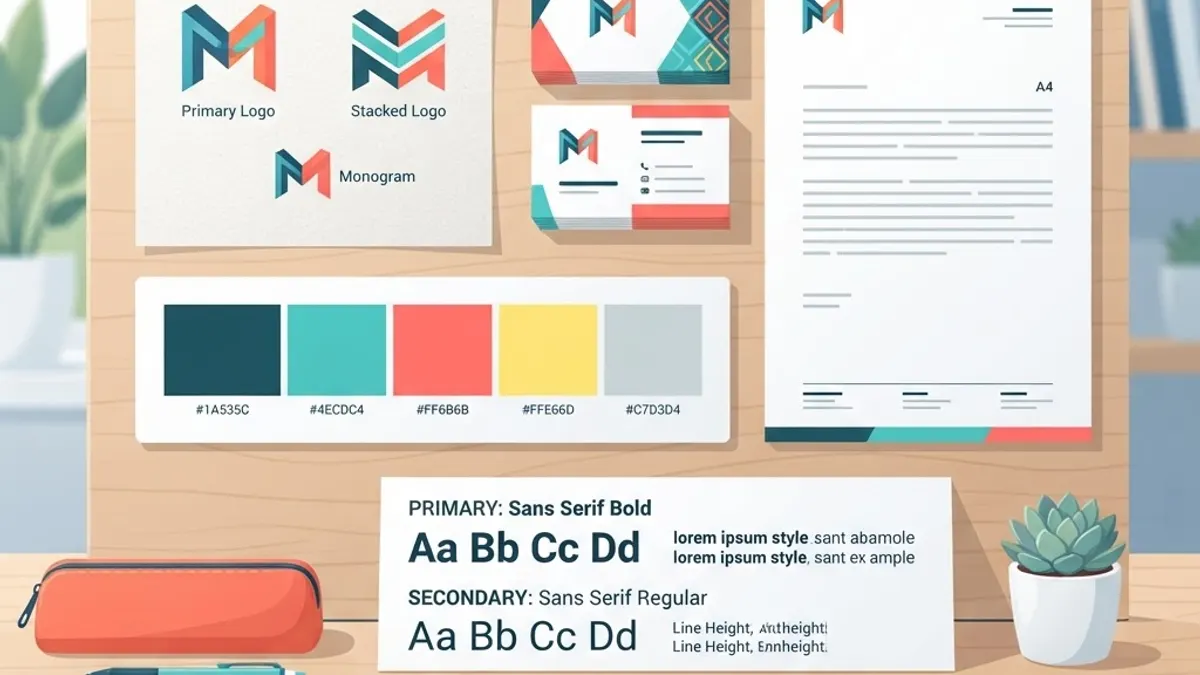
The financial case is well documented. A widely cited analysis by Lucidpress (now Marq) found that consistent brand presentation across all platforms can increase revenue by up to 23%. Consistency compounds: every time a customer sees the same colors, logo treatment, and visual tone, recognition deepens and the perceived professionalism of your business grows.
From experience, the businesses that struggle most are those using five different logo versions, random colors per platform, and whatever font the intern liked that week. A one-time investment in a brand style guide — even a simple two-page document — eliminates this inconsistency permanently. If you need help building one, the graphic design team at ZoneTechify creates complete brand identity systems for businesses at every stage.
Design Directly Drives Marketing ROI
Marketing without design is words on a page. Every high-performing marketing channel — paid ads, email, landing pages, print — depends on visual execution to convert.
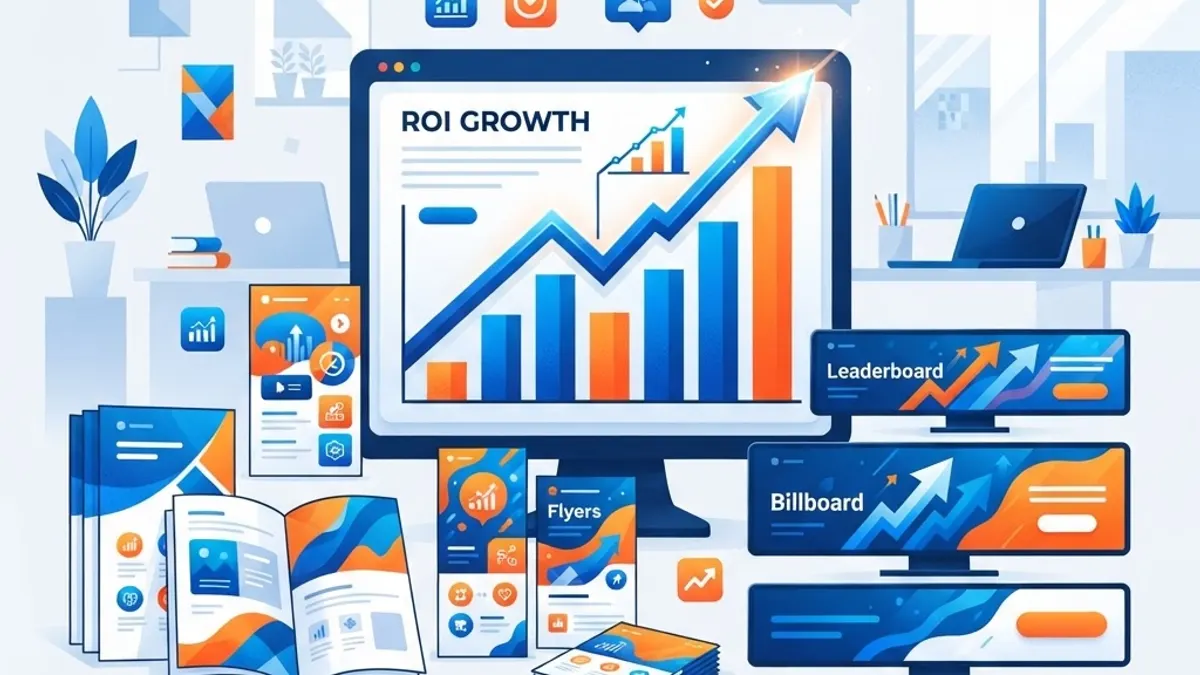
Here is what the data and our own campaign results consistently show:
- Landing pages: Visual hierarchy and contrast on call-to-action buttons routinely lift conversion rates by 10–30% in A/B tests we run for clients.
- Display ads: Ads with strong, simple visuals and minimal text outperform text-heavy creatives on click-through rate in nearly every campaign.
- Email marketing: Emails with a clear visual structure (single-column layout, obvious CTA button) reduce reader drop-off compared to plain text walls.
- Content marketing: Articles with relevant custom images earn more backlinks and social shares than text-only posts, which strengthens SEO over time.
The pattern is simple: design lowers the mental effort required to understand your offer. Lower effort means more people act.
Good Design Builds Customer Trust and Credibility
Trust is the currency of every transaction, and design is its first proof. Customers cannot inspect your internal processes, so they judge external signals — and visual quality is the loudest signal available.

Consider what poor design silently communicates: pixelated logos suggest carelessness, inconsistent colors suggest disorganization, and outdated layouts suggest a business that has stopped evolving. None of these may be true, but perception drives behavior. In e-commerce especially, checkout pages with professional, consistent design reduce cart abandonment because they feel safe.
Our practical rule at GFXTek: every customer touchpoint should look like it came from the same company on the same day. Invoices, proposals, packaging, and support emails included. That total consistency is what separates businesses that feel established from businesses that feel improvised.
Design Powers Social Media Performance
Social media is a visual battlefield. Feeds move fast, and users decide whether to stop scrolling in under a second. Strong graphic design is the difference between being seen and being skipped.
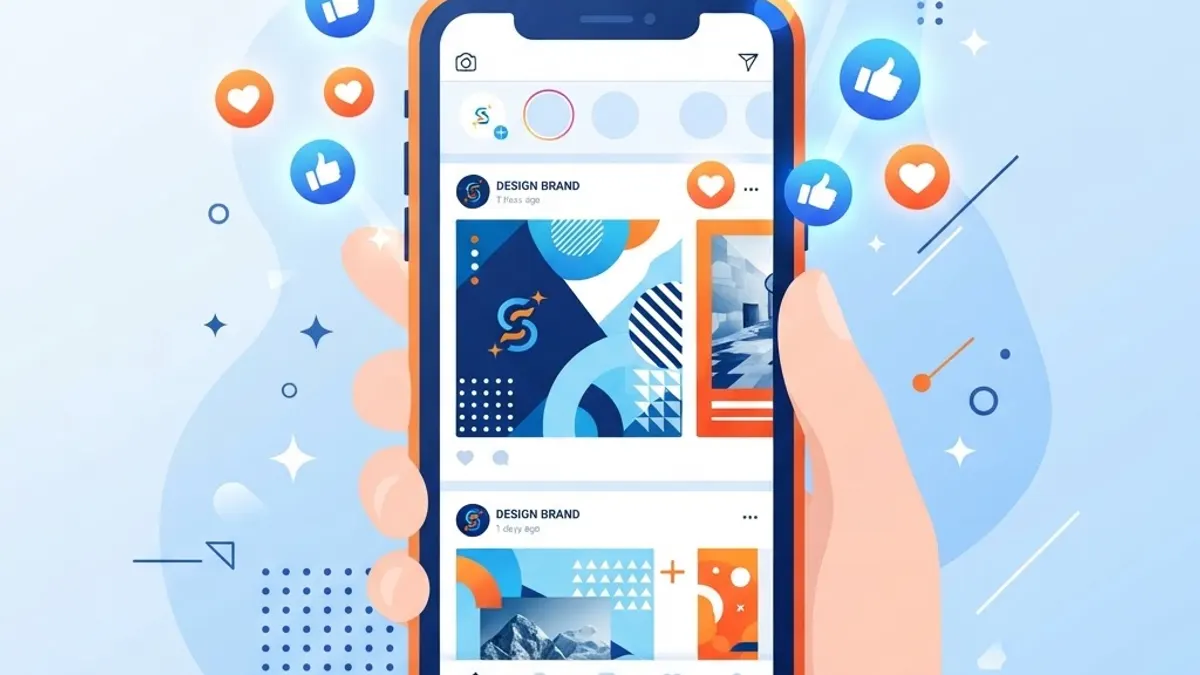
Three design principles consistently improve social performance in our client accounts:
- Template systems: Branded post templates keep your feed cohesive and cut production time by more than half.
- Readable text overlays: High-contrast text sized for mobile screens — most users never zoom in.
- Platform-native sizing: Correctly sized graphics for each platform avoid awkward crops that look amateurish.
A cohesive, recognizable feed also compounds over time. When followers can identify your post before seeing your handle, you have achieved the brand recognition that drives repeat engagement and referrals.
Professional Design vs. DIY: An Honest Comparison
Should you hire a professional or design it yourself with free tools? The honest answer depends on stakes, frequency, and skill. Here is a realistic comparison based on the projects we see:
| Factor | Professional Design | DIY Design |
|---|---|---|
| Upfront cost | Higher | Low or free |
| Brand consistency | Yes, systemized | Rarely maintained |
| Strategic thinking | Yes, tied to business goals | Usually aesthetic only |
| Time cost to owner | Minimal | High and recurring |
| Scalability across assets | Yes | Breaks down quickly |
| Conversion optimization | Data-informed | Guesswork |
| Best for | Logos, websites, campaigns | Quick internal or one-off posts |
Our recommendation is a hybrid approach: invest professionally in your foundation — logo, brand guide, website, and core templates — then use DIY tools to execute day-to-day content inside that professional framework. This gives you consistency without an agency invoice for every social post.
How Graphic Design Fuels Long-Term Business Growth
Design is not a one-time expense; it is infrastructure that appreciates. A strong visual foundation makes every future marketing dollar work harder because each campaign builds on recognizable, trusted assets rather than starting from zero.
The growth effects show up in three compounding ways:
- Lower acquisition costs: Recognizable brands earn higher click-through rates, which directly lowers cost-per-click in paid channels.
- Higher perceived value: Professional design supports premium pricing — customers pay more for products that look premium.
- Faster team execution: A documented design system means new hires, freelancers, and agencies like WebPeak can produce on-brand work immediately without lengthy back-and-forth.
Businesses that treat design as strategy, not decoration, consistently outperform competitors who compete on price alone.
Key Takeaways
- Users judge a website's visual appeal in roughly 50 milliseconds, according to Google research.
- 75% of users judge company credibility by website design alone (Stanford credibility study).
- Consistent brand presentation can increase revenue by up to 23% (Lucidpress/Marq analysis).
- Graphic design is communication, not decoration — it reduces mental effort and increases conversions.
- The highest-ROI approach is professional foundational design plus DIY daily execution within a brand system.
- Every customer touchpoint — from ads to invoices — should be visually consistent to build trust.
Frequently Asked Questions (FAQ)
Why is graphic design important for small businesses?
Small businesses rely on graphic design to compete with larger brands on perception. Professional visuals make a two-person company look established and trustworthy, which directly affects whether customers buy. Since small businesses cannot outspend competitors, looking credible and memorable is one of the most affordable competitive advantages available.
How much should a business spend on graphic design?
Most small businesses should budget for foundational assets first: a logo, brand guide, and website, which typically ranges from a few hundred to several thousand dollars depending on scope. After that, ongoing design costs stay low because templates and brand systems let you produce daily content efficiently in-house.
Can I do graphic design myself with free tools?
Yes, tools like Canva work well for everyday social posts and internal documents. However, foundational assets such as logos, brand identities, and websites benefit greatly from professional design because they carry long-term strategic weight. The best approach is professional foundations combined with DIY execution inside branded templates.
Does graphic design actually increase sales?
Yes, measurably. Design influences sales by improving first impressions, clarifying your offer, and building trust at checkout. A/B tests routinely show that improved visual hierarchy and clearer call-to-action design lift conversion rates by 10–30%. Consistent branding across platforms has also been linked to revenue increases of up to 23%.
What is the difference between graphic design and branding?
Branding is your business's overall identity — its values, voice, personality, and promise to customers. Graphic design is the visual execution of that branding through logos, colors, typography, and layouts. Think of branding as the strategy and graphic design as the craft that makes the strategy visible and recognizable.
How do I know if my business design needs an upgrade?
Watch for these signals: inconsistent logos or colors across platforms, a website that looks dated next to competitors, low engagement on visually weak social posts, or customers questioning your legitimacy. If your visuals were created more than five years ago without updates, an audit is almost certainly worthwhile.
Final Thoughts
Graphic design is not a luxury reserved for big brands — it is the visual language every business speaks whether it intends to or not. The only choice is whether that language communicates professionalism or carelessness. Start with the foundations: a consistent logo, a documented color and font system, and a website that earns trust in the first 50 milliseconds. From there, every marketing effort you make will compound on a stronger base. Invest in design deliberately, and it will quietly work for your business every single day.