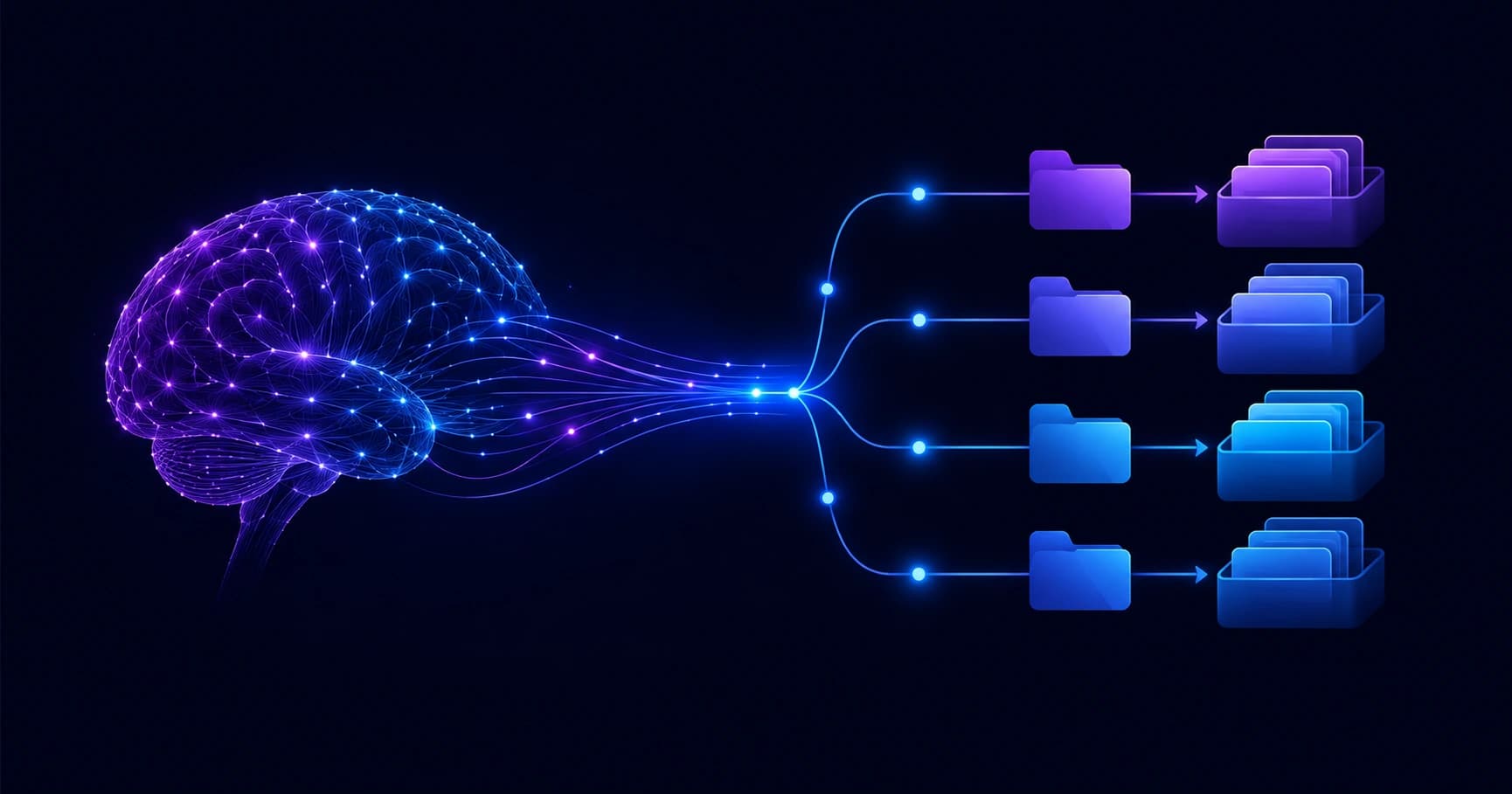
Organized intelligence turns scattered data into structured, searchable knowledge so teams and AI can make faster, smarter, and more reliable decisions.
Organized Intelligence
Every organization already owns more information than it can use. Files, chats, dashboards, customer records, and AI outputs pile up faster than anyone can process them. Organized intelligence is the discipline of turning that scattered raw data into structured, retrievable knowledge that both people and machines can act on. In our experience helping teams untangle their information systems, the companies that win are not the ones with the most data, but the ones whose data is the most organized. This guide explains what organized intelligence is, why it matters, and exactly how to build it.
Quick Answer: Organized intelligence is the practice of structuring raw information, data, and AI outputs into a clean, searchable knowledge system. It connects context, tags, and relationships so humans and AI can retrieve accurate answers instantly, reduce errors, and make faster, evidence-based decisions across an organization.
What Is Organized Intelligence?
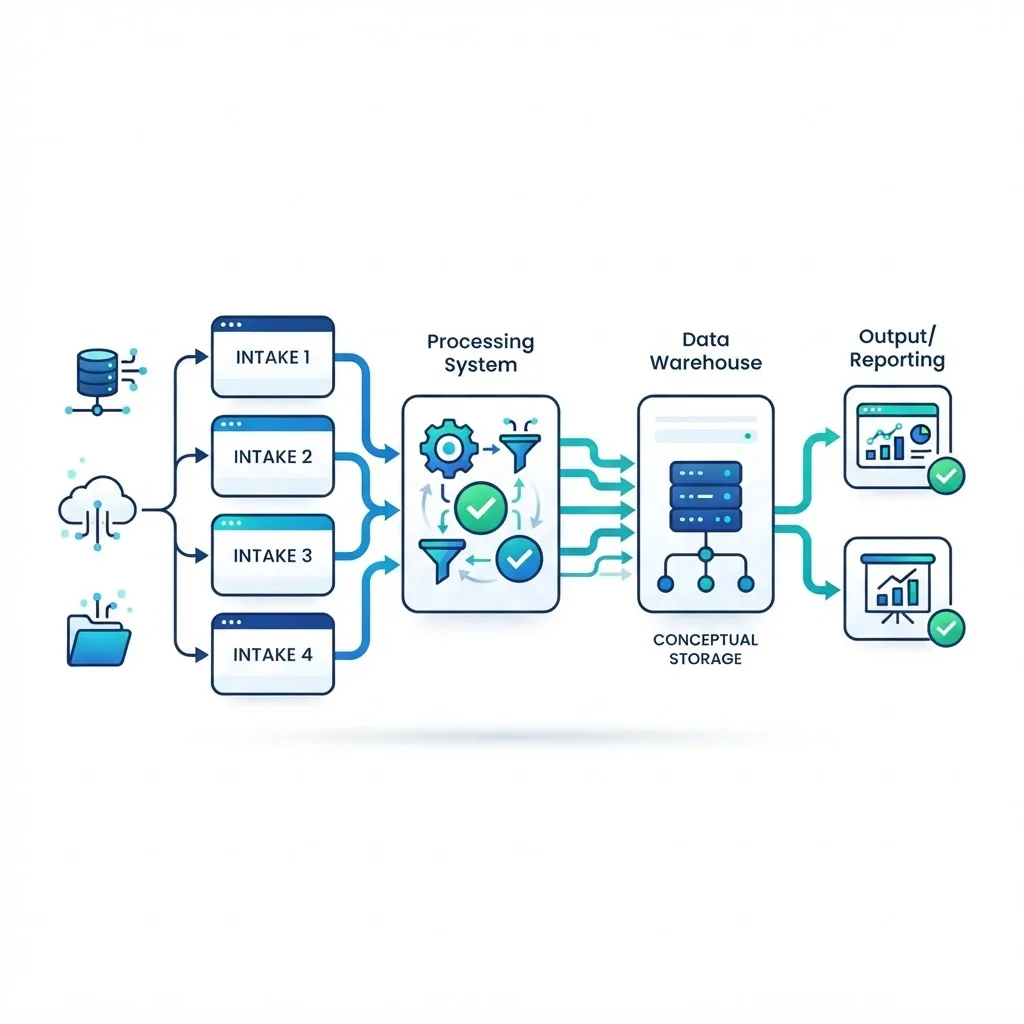
Organized intelligence is a knowledge framework that transforms unstructured information into a structured, context-rich system that is easy to search, verify, and reuse. Unlike simple data storage, it adds meaning: every piece of information carries tags, relationships, and context so it can be understood without a human re-explaining it each time.
Think of the difference between a pile of loose receipts and a labeled, categorized ledger. Both contain the same numbers, but only one lets you answer a question in seconds. Organized intelligence applies that same principle to documents, analytics, and increasingly to AI-generated content. It is the connective layer between raw data and confident decisions, and it is quickly becoming a core competency for modern teams. You can explore practical implementations of this approach at ZoneTechify.
Why Organized Intelligence Matters Now
The cost of disorganized information is measurable and rising. According to McKinsey, knowledge workers spend roughly 19% of their week — nearly one full day — searching for and gathering information rather than using it. That is time lost to poor structure, not poor talent.

The stakes climb higher with AI adoption. According to IDC, the volume of data created worldwide is projected to exceed 180 zettabytes, yet most of it remains unstructured and unused. AI models are only as reliable as the information they draw from. Feed a model messy, contradictory, or unlabeled data, and it produces confident but wrong answers. Organized intelligence is what makes AI trustworthy: it gives models clean context to reason over. This is why forward-looking teams treat information architecture as a strategic asset rather than an afterthought, and why the shift toward structured knowledge is accelerating across every industry.
The Core Components of Organized Intelligence
A durable organized intelligence system rests on a few essential building blocks. Each one turns raw material into usable knowledge:
- Structured data: Information stored in consistent formats with defined fields, making it machine-readable and queryable.
- Metadata and tags: Labels that describe what each item is, who owns it, and when it was created, so retrieval is precise.
- Relationships: Connections between items — like linking a customer to their orders and support tickets — that create context.
- A single source of truth: One authoritative version of each fact, eliminating conflicting duplicates.
- Access and governance: Clear rules about who can view, edit, and trust each piece of information.

When these components work together, information stops being a liability and becomes leverage. The absence of any one of them — especially a single source of truth — is where most systems quietly break down.
How to Build an Organized Intelligence System: Step by Step
Building organized intelligence is a process, not a purchase. Follow these steps to move from chaos to clarity:
- Audit your information. Map where data lives, who owns it, and how current it is. You cannot organize what you have not located.
- Define a taxonomy. Create a consistent naming and tagging system so every item has a predictable home and label.
- Consolidate sources. Merge duplicate systems into a single source of truth to remove contradictions.
- Add context with metadata. Enrich each record with tags, dates, ownership, and relationships.
- Layer in automation and AI. Use tools to auto-classify, summarize, and surface information on demand.
- Set governance rules. Assign owners, review cycles, and access permissions to keep the system trustworthy over time.

Start small with one high-value domain — such as customer knowledge or product documentation — prove the value, then expand. Teams that try to organize everything at once usually stall. For hands-on help designing intelligent systems, the artificial intelligence services from ZoneTechify can accelerate the build.
Organized Intelligence vs. Raw Data: A Comparison
The difference between raw data and organized intelligence is the difference between potential and performance. The table below makes it concrete:
| Factor | Raw Data | Organized Intelligence |
|---|---|---|
| Structure | Scattered, inconsistent | Standardized and tagged |
| Retrieval speed | Slow, manual search | Instant, precise |
| AI reliability | Low, prone to errors | High, context-rich |
| Decision quality | Guesswork | Evidence-based |
| Scalability | Breaks under volume | Grows cleanly |
| Trust | Uncertain accuracy | Verified source of truth |

Raw data answers the question "do we have it?" Organized intelligence answers the far more valuable question: "can we act on it right now?" That shift from ownership to usability is the entire point.
Tools That Power Organized Intelligence
No single tool delivers organized intelligence, but the right stack makes it achievable. Knowledge bases such as Notion or Confluence provide structured storage. Data warehouses centralize analytics. Vector databases and AI retrieval systems let models pull relevant context on demand, powering accurate AI answers.
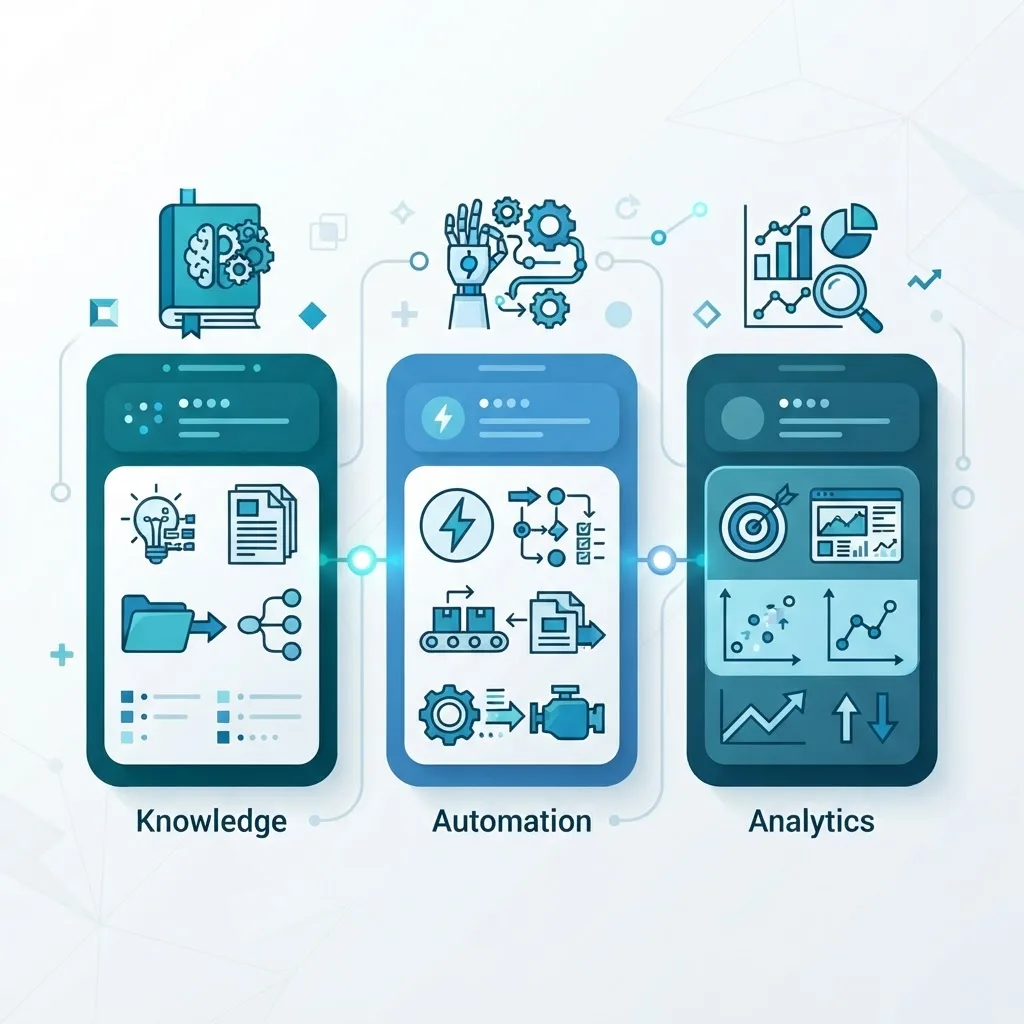
The common thread is integration: tools must talk to each other so information flows without manual copying. A knowledge base that cannot connect to your AI assistant creates another silo. When evaluating tools, prioritize interoperability, strong search, and clear governance over flashy features. If you are building custom AI-driven retrieval or automation, WebPeak and its AI services specialize in wiring these systems together so your knowledge stays connected and queryable.
The Future of Organized Intelligence
Organized intelligence is heading toward becoming invisible and automatic. Instead of humans manually tagging every file, AI will classify, summarize, and link information as it is created. The line between "storing" and "understanding" data will blur, and knowledge systems will proactively surface the right answer before you finish asking.

The organizations that invest in clean information architecture today will hold a compounding advantage. As AI becomes central to operations, the quality of your organized intelligence will directly determine the quality of your AI. In short, the future belongs to the well-organized — those who treat knowledge as infrastructure rather than clutter.
Key Takeaways
- Organized intelligence turns scattered raw data into structured, searchable, context-rich knowledge that people and AI can act on.
- Knowledge workers lose nearly 19% of their week searching for information, according to McKinsey — a cost that organization directly reduces.
- With global data projected to exceed 180 zettabytes (IDC), most information stays unstructured and unused without deliberate organization.
- The core components are structured data, metadata, relationships, a single source of truth, and governance.
- Clean, organized information is what makes AI outputs accurate and trustworthy rather than confidently wrong.
Frequently Asked Questions (FAQ)
What does organized intelligence actually mean?
Organized intelligence means structuring raw information into a tagged, connected, searchable system with clear context and ownership. It goes beyond storing data by adding meaning and relationships, so both humans and AI can retrieve accurate answers quickly and make confident, evidence-based decisions instead of guessing.
How is organized intelligence different from business intelligence?
Business intelligence focuses on analyzing data to produce reports and dashboards. Organized intelligence is the foundational layer beneath it — structuring, tagging, and connecting information so it is clean and reliable. Without organized intelligence, business intelligence tools analyze messy inputs and produce misleading or incomplete insights.
Why does organized intelligence matter for AI?
AI models are only as accurate as the information they access. Organized intelligence gives AI clean, labeled, contextual data to reason over, reducing hallucinations and wrong answers. Disorganized inputs produce confident but incorrect outputs, so structuring your knowledge is essential before trusting AI with important decisions.
How do I start building organized intelligence?
Begin by auditing where your information lives and who owns it. Then define a consistent tagging taxonomy, consolidate duplicate sources into one source of truth, and enrich records with metadata. Start with a single high-value area, prove the value, and expand gradually rather than organizing everything at once.
Is organized intelligence only for large companies?
No. Small teams often benefit the most, because disorganized information slows them down disproportionately. A startup with a clean, searchable knowledge base moves faster than a large company drowning in silos. The principles scale down easily, and starting early prevents the costly cleanup bigger organizations eventually face.
Organized intelligence is not a trend — it is the operating system for modern, AI-ready decision making. Structure your information now, and every future decision, tool, and model you deploy will be sharper for it.