A practical, expert guide to how artificial intelligence is reshaping medical writing, including workflows, regulatory compliance, real benefits, tools, and limitations.
Medical Writing Artificial Intelligence
Medical writing has always demanded a rare combination of scientific precision, regulatory awareness, and clear communication. Now artificial intelligence is changing how this work gets done. From drafting clinical study reports to summarizing dense research papers, AI tools are helping medical writers move faster without sacrificing accuracy. But used carelessly, the same tools can introduce serious errors into documents where mistakes can affect patient safety and regulatory approval.
This guide explains exactly how AI fits into modern medical writing, where it genuinely helps, where it must never be trusted blindly, and how experienced teams are integrating it today. Whether you write regulatory submissions, scientific manuscripts, or patient education material, you will leave knowing how to use AI responsibly and effectively.
Quick Answer: Medical writing artificial intelligence uses AI tools like large language models to draft, edit, summarize, and structure healthcare and regulatory documents faster. It boosts productivity and consistency, but trained medical writers must verify every fact, citation, and claim to ensure scientific accuracy and regulatory compliance.
What Is AI in Medical Writing?
AI in medical writing refers to the use of artificial intelligence systems, especially large language models (LLMs), to assist with creating, editing, and managing medical and scientific documents. These systems can generate first drafts, restructure complex information, check consistency across long documents, and translate technical language for different audiences.
Medical writing covers a wide range of document types: clinical study reports, regulatory submissions, manuscripts for journals, patient information leaflets, and continuing medical education content. AI does not replace the writer in any of these. Instead, it acts as a high-speed assistant that handles repetitive structuring and drafting, freeing experts to focus on scientific judgment and accuracy.
The distinction matters. A skilled medical writer understands study design, statistical significance, and the legal weight of every claim. AI understands patterns in language. Combining the two correctly is where the real value appears. You can learn more about applied AI solutions at ZoneTechify and WebPeak.
Why Medical Writing Teams Are Adopting AI
The pressure to produce accurate documents faster is the main driver. Drug development timelines are long and expensive, and documentation is a major bottleneck. According to a 2023 Deloitte analysis, the average cost to bring a new drug to market exceeds 2 billion dollars, and much of that timeline involves writing and reviewing regulatory documentation. Anything that shortens this process without reducing quality has clear value.
There is also a documented productivity effect. A study published in Science in 2023 found that professionals using generative AI for writing tasks completed them roughly 40 percent faster while improving quality ratings. In medical writing, where documents can run hundreds of pages, even modest time savings compound dramatically across a portfolio.
Three practical reasons stand out:
- Speed: AI generates structured first drafts in minutes rather than days.
- Consistency: It maintains terminology and formatting across long documents.
- Accessibility: It helps non-native English writers produce clearer scientific prose.
How AI Fits Into the Medical Writing Workflow
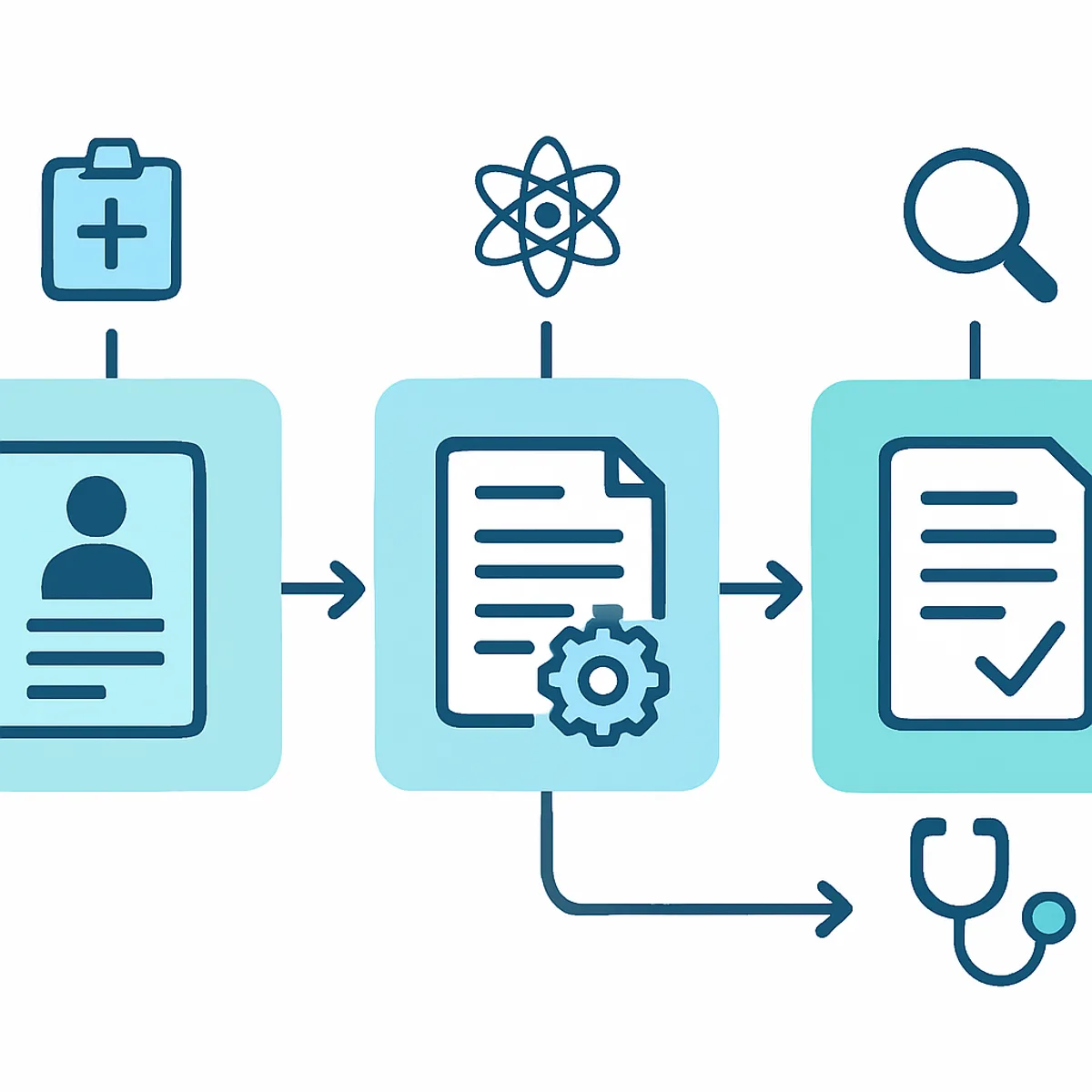
The most effective approach treats AI as one stage in a controlled process, never as the final author. A typical AI-assisted workflow looks like this:
- Source preparation: The writer gathers verified data, study results, and references.
- AI drafting: The model produces a structured draft from approved source material.
- Expert review: The medical writer checks every fact, number, and citation.
- Compliance check: Regulatory and quality teams confirm adherence to standards.
- Finalization: Human sign-off before submission or publication.
The non-negotiable rule is that AI output is a draft, not a fact. Large language models can produce confident but fabricated references, a phenomenon known as hallucination. In medical writing, an invented citation or a misstated dosage is unacceptable, so verification is mandatory at every step.
Regulatory and Compliance Considerations
Regulatory medical writing is the highest-stakes use case, and it requires the strictest controls. Agencies such as the FDA and EMA expect documents to be accurate, traceable, and supported by source data. AI can accelerate drafting of these documents, but it introduces specific risks that teams must manage.
Key compliance requirements when using AI:
- Data privacy: Never input identifiable patient data or confidential trial data into public AI tools. Use enterprise systems with proper data agreements.
- Traceability: Every claim must trace back to verified source documents, not AI memory.
- Validation: Organizations increasingly document how AI was used in the writing process.
- Human accountability: A qualified person remains legally responsible for the content.
Regulators are actively developing guidance on AI use in submissions. The safe position today is full transparency about where AI assisted and rigorous human verification of everything it produced. For organizations building compliant AI systems, specialized support such as ZoneTechify's artificial intelligence services and WebPeak's AI services can help establish secure, auditable workflows.
Real Benefits of AI in Medical Writing
When used within a controlled process, AI delivers measurable benefits that go beyond raw speed.
- Faster literature summaries: AI condenses dozens of papers into structured overviews for writers to verify.
- Improved readability: It rewrites dense passages into plain language for patient materials.
- Reduced administrative load: It handles formatting, reference styling, and consistency checks.
- Multilingual support: It assists with first-pass translation of materials for global studies.
- Editing efficiency: It flags inconsistencies in terminology and tense across long documents.
The common thread is that AI removes mechanical effort so experts can apply scientific judgment where it matters most. This is the difference between using AI as a shortcut and using it as a force multiplier.
Limitations You Cannot Ignore
AI has real weaknesses that are especially dangerous in medical contexts. Understanding them is part of using the technology responsibly.
- Hallucinations: Models can invent studies, statistics, and citations that look authentic.
- Outdated knowledge: Training data has a cutoff, so recent findings may be missing.
- No true understanding: AI predicts language patterns; it does not grasp clinical meaning.
- Bias: Outputs can reflect biases present in training data.
- Confidentiality risk: Public tools may retain or expose sensitive input.
None of these limitations make AI unusable. They simply define the boundaries: AI assists, humans decide. A medical writer who treats AI output as a starting draft rather than a finished fact captures the benefits while controlling the risks.
Human and AI Collaboration: The Right Balance
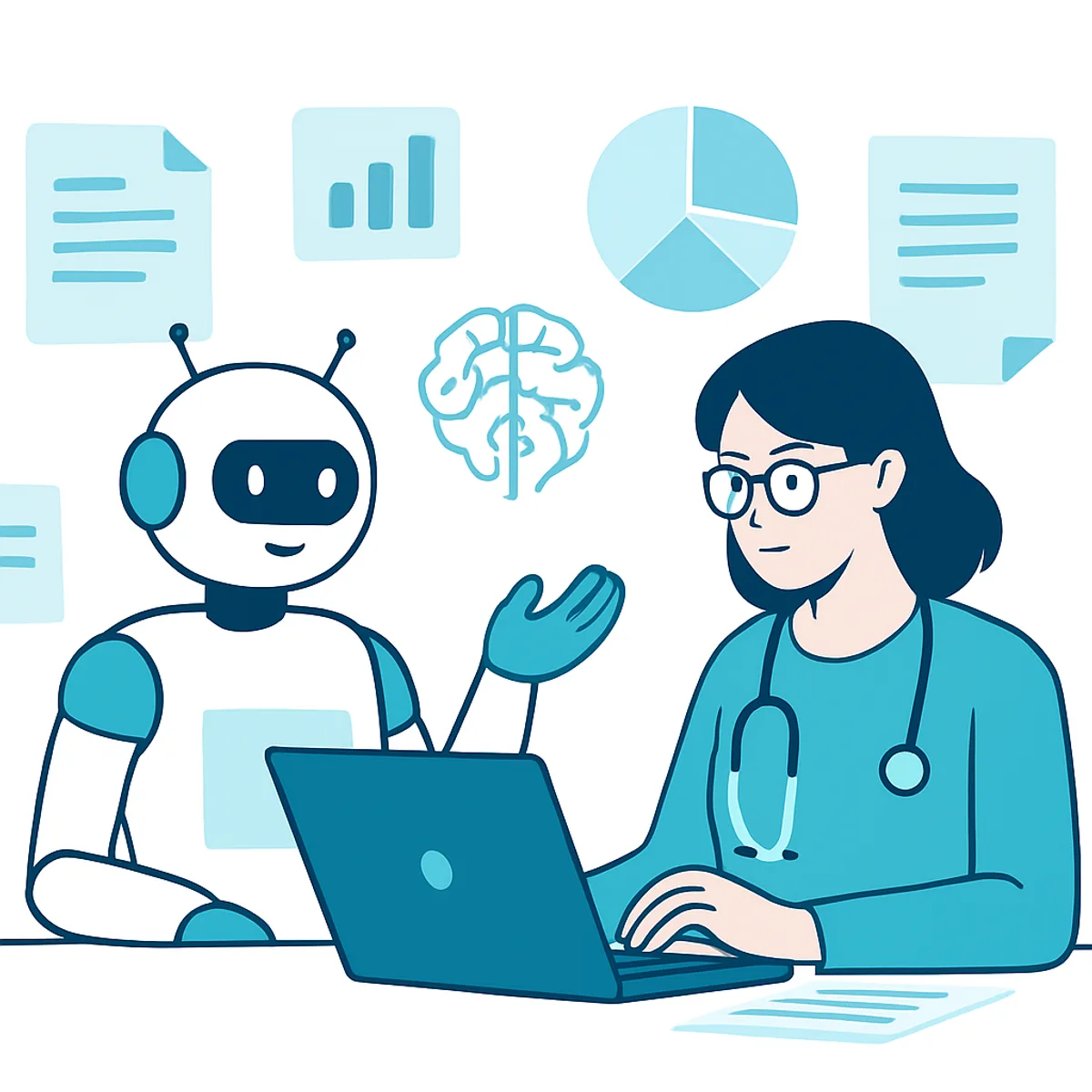
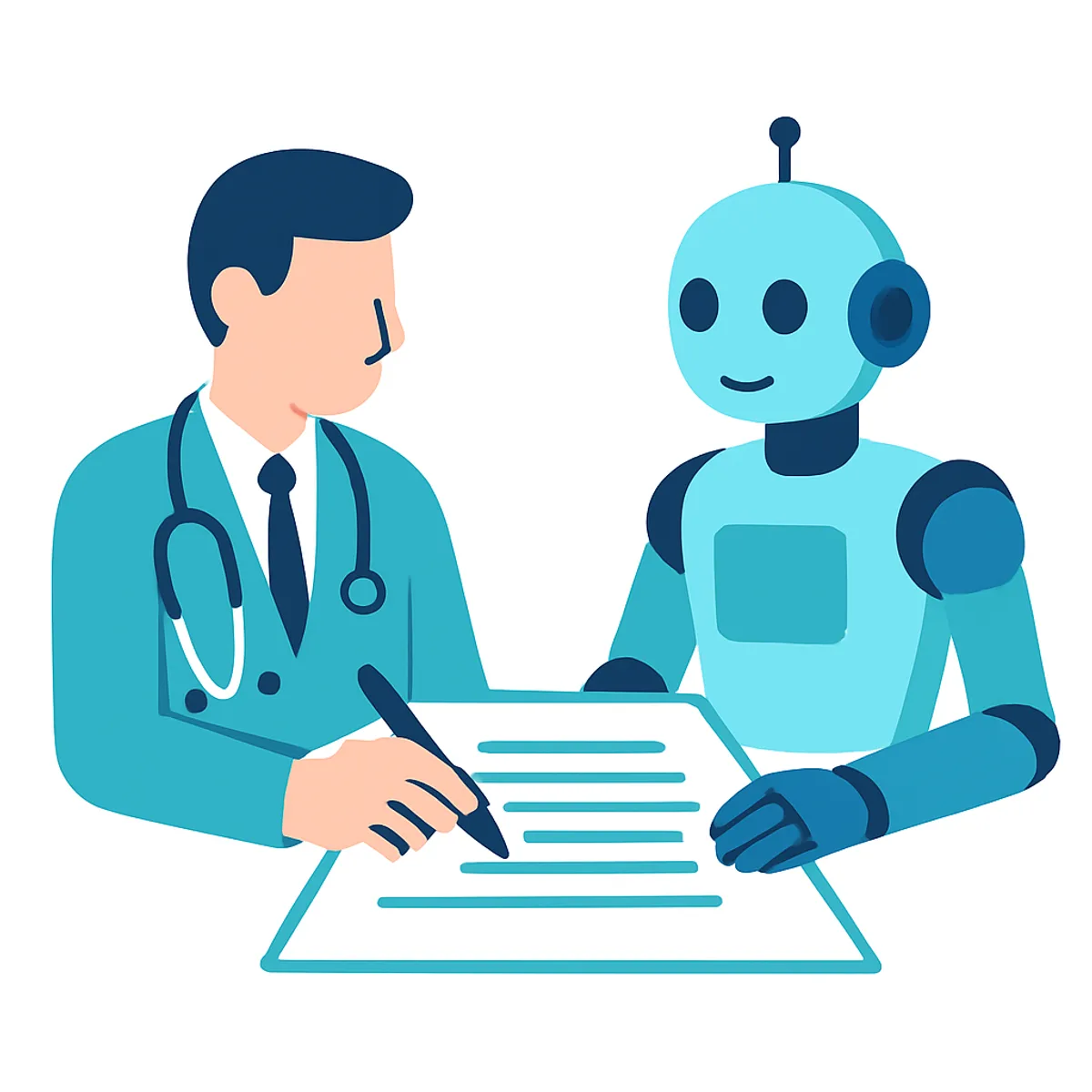
The future of medical writing is not human versus machine. It is human plus machine, with clear division of labor. AI handles volume, structure, and speed. The medical writer provides scientific accuracy, regulatory judgment, ethical responsibility, and contextual understanding.
Think of AI as a talented junior assistant who drafts quickly but lacks experience and accountability. You would never submit that assistant's work without review, and the same applies here. The writers who thrive will be those who learn to direct AI precisely, write detailed prompts grounded in verified sources, and review output with a critical, expert eye.
This collaborative model also raises the value of human expertise rather than diminishing it. As drafting becomes faster, the scarce skill becomes judgment: knowing what is correct, what is compliant, and what is safe to publish.
Comparing AI Tools for Medical Writing
Different tools suit different tasks. The table below compares common approaches medical writing teams evaluate.
| Tool Type | Best For | Strength | Key Caution |
|---|---|---|---|
| General LLMs | Drafting, summarizing | Flexible and fast | Hallucination risk, data privacy |
| Enterprise medical AI | Regulatory documents | Secure, auditable | Higher cost and setup |
| Reference managers with AI | Citations, literature | Source accuracy | Limited drafting ability |
| Plain-language tools | Patient materials | Readability | Needs clinical review |
The right choice depends on document type and risk level. For regulatory submissions, enterprise tools with proper data controls are essential. For internal summaries or early drafts, general tools may be acceptable under strict review.
The Future of AI in Medical Writing
AI capabilities in this field are advancing quickly, and the direction is clear. Expect deeper integration with trusted data sources, better citation grounding to reduce hallucinations, and validated enterprise systems built specifically for regulatory work. Tools that connect directly to verified study databases will make AI output far more reliable.
The role of the medical writer will shift, not disappear. Routine drafting will be automated, while expert oversight, ethical responsibility, and strategic communication will grow in importance. Writers who develop strong AI direction skills today are positioning themselves for a more productive and higher-value future.
Key Takeaways
- Medical writing AI uses large language models to draft, edit, and summarize healthcare documents faster, but humans must verify everything.
- Studies show generative AI can make writing tasks roughly 40 percent faster while maintaining quality, according to research published in Science in 2023.
- AI hallucinations make independent fact and citation checking mandatory in every medical document.
- Regulatory work requires secure, auditable tools, data privacy protection, and full human accountability.
- The winning model is human plus AI: machines handle speed and structure, experts handle judgment and compliance.
Frequently Asked Questions (FAQ)
Can AI replace medical writers?
No. AI can draft and summarize quickly, but it cannot guarantee scientific accuracy, regulatory compliance, or ethical responsibility. Qualified medical writers remain legally accountable for content. AI works best as an assistant that speeds up drafting while experts verify every fact, claim, and citation before approval.
Is it safe to use AI for regulatory documents?
It can be, but only with strict controls. Use enterprise tools with proper data agreements, never input confidential patient data into public tools, and verify every claim against source documents. A qualified person must review and approve all content, and teams should document exactly how AI assisted.
What is an AI hallucination in medical writing?
An AI hallucination is when a model generates confident but false information, such as invented studies, fake citations, or incorrect statistics. In medical writing this is especially dangerous, so writers must independently verify every reference and data point that an AI tool produces before using it anywhere.
How much faster does AI make medical writing?
Results vary by task, but research published in Science in 2023 found generative AI made professional writing tasks roughly 40 percent faster while improving quality ratings. In medical writing, where documents are long and structured, AI mainly accelerates first drafts, summaries, and formatting rather than final expert review.
What skills do medical writers need to use AI well?
Medical writers need strong scientific knowledge, regulatory awareness, and critical review skills, plus the ability to write clear, source-grounded prompts. The most valuable skill is judgment: knowing how to direct AI, spot hallucinations, and verify accuracy so AI output becomes a reliable, compliant draft.