
A clear, expert breakdown of the Global X Artificial Intelligence UCITS ETF USD Accumulating: what the name means, how it invests, and who it suits.
Global X Artificial Intelligence UCITS ETF USD Accumulating
Artificial intelligence has moved from a niche research field into the single largest technology theme reshaping global markets. For European investors who want structured, regulated exposure to that theme, the Global X Artificial Intelligence UCITS ETF USD Accumulating has become one of the most searched thematic funds available. Yet its long, technical name confuses many first-time buyers who simply want to know what they are actually purchasing.
This guide breaks the fund down in plain language: what each part of the name means, how it invests, how the accumulating share class works, and who it genuinely suits. Whether you are a beginner comparing thematic ETFs or an experienced investor validating your due diligence, you will leave with an accurate, usable picture instead of marketing gloss.

Quick Answer: The Global X Artificial Intelligence UCITS ETF USD Accumulating is a Europe-regulated fund that invests in global companies developing AI and big-data technologies. Its accumulating share class automatically reinvests dividends, and it is priced in US dollars, making it well suited to long-term investors focused on compounding rather than income.
What Is the Global X Artificial Intelligence UCITS ETF USD Accumulating?
The fund is a thematic exchange-traded fund (ETF) that gives investors a single, tradable holding covering many companies tied to artificial intelligence and big data. Instead of picking individual AI stocks and guessing which one wins, you buy one basket that spreads risk across chipmakers, cloud infrastructure providers, software platforms, data analytics firms, and hardware suppliers.
An ETF is a fund that trades on a stock exchange like a normal share. It typically tracks an underlying index, so its goal is to mirror the performance of that index minus a small annual fee. Global X, the fund provider, is a well-established issuer known specifically for thematic and disruptive-technology ETFs, which gives the product a clear track record and specialist focus rather than a generic one-size-fits-all mandate.
Because the fund is designed for the European market, it is structured to comply with strict EU investor-protection rules. That structure is exactly what the acronyms in the name are telling you, so understanding them removes most of the confusion.
Understanding the Key Terms in the Fund Name
The name looks intimidating, but each segment answers a specific question about the product. Reading it left to right tells you the provider, the theme, the regulatory wrapper, the trading currency, and the dividend policy.
UCITS Explained
UCITS stands for Undertakings for the Collective Investment in Transferable Securities. It is an EU regulatory framework that sets rules on diversification, liquidity, transparency, and risk management for funds sold to retail investors across Europe.
In practical terms, a UCITS label means the fund must follow investor-protection standards such as holding a diversified portfolio, publishing a Key Information Document (KID), and limiting exposure to any single position. For most European and UK investors, UCITS funds are also more tax-efficient and easier to buy through local brokers than US-domiciled ETFs, which is a major reason this share class exists.
USD Accumulating Explained
"USD" refers to the currency the fund is denominated in, which is US dollars. Since most large AI companies report and trade in dollars, USD denomination keeps the fund aligned with the underlying assets. If your account is in euros or pounds, you still carry currency risk, because exchange-rate movements between USD and your home currency will affect your returns.
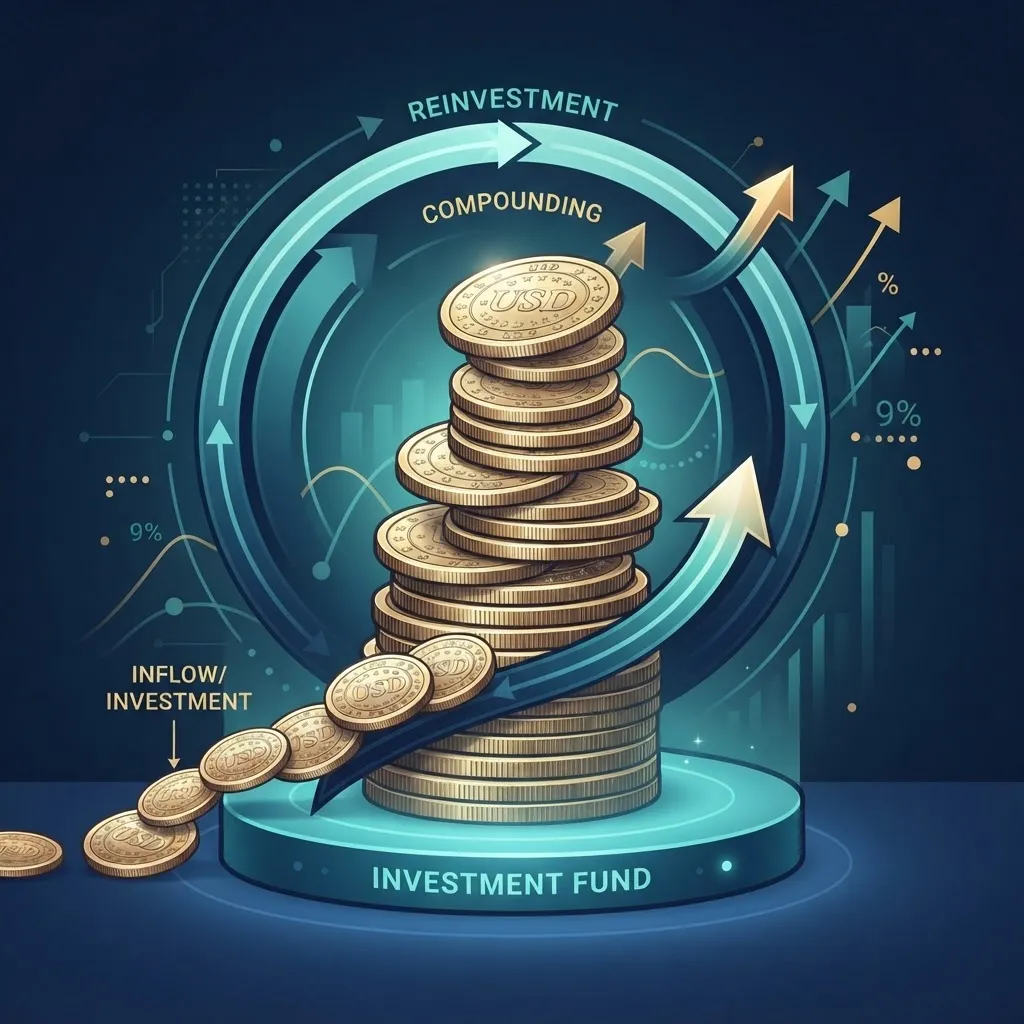
"Accumulating" describes what happens to dividends. Rather than paying cash into your account, the fund automatically reinvests all dividends back into the holdings. This compounds your investment over time and removes the friction of manually reinvesting small distributions, which is why accumulating share classes are popular with long-term, buy-and-hold investors.

How the Fund Invests in Artificial Intelligence
The fund tracks an index of companies with meaningful business exposure to artificial intelligence and big data. Rather than owning only headline names, it captures the full AI value chain, which typically spans several distinct layers of the technology stack.
- Semiconductors and hardware: the chips and processors that make AI computation possible.
- Cloud and data infrastructure: the servers and platforms that store and process massive datasets.
- Software and analytics: the applications, models, and tools that turn raw data into insight.
- Enablers and adjacent tech: networking, sensors, and components that support AI systems.
This layered approach matters because the winners in AI shift over time. A pure software bet could underperform while hardware surges, or vice versa. By spreading exposure across the chain, the fund reduces single-company risk while keeping you invested in the broader theme.
The opportunity is genuinely large. According to PwC, AI could contribute up to 15.7 trillion US dollars to the global economy by 2030. Grand View Research separately projects the global AI market to expand at a compound annual growth rate above 35 percent through the end of the decade. Those figures explain the investor appetite, though they describe the theme, not a guarantee for any single fund.

Accumulating vs Distributing: Why It Matters
Many AI UCITS ETFs come in two flavours: accumulating (often marked "Acc") and distributing (often marked "Dist"). Choosing the wrong one for your goals is one of the most common beginner mistakes, so it is worth understanding the difference clearly before you buy.
| Feature | Accumulating (USD Acc) | Distributing (USD Dist) |
|---|---|---|
| Dividend handling | Reinvested automatically | Paid to you as cash |
| Best for | Long-term growth, compounding | Investors needing income |
| Manual reinvestment | Not required | Required to compound |
| Cash flow | None during holding | Regular payouts |
| Tax reporting | Can be simpler in some regions | May trigger income tax on payouts |
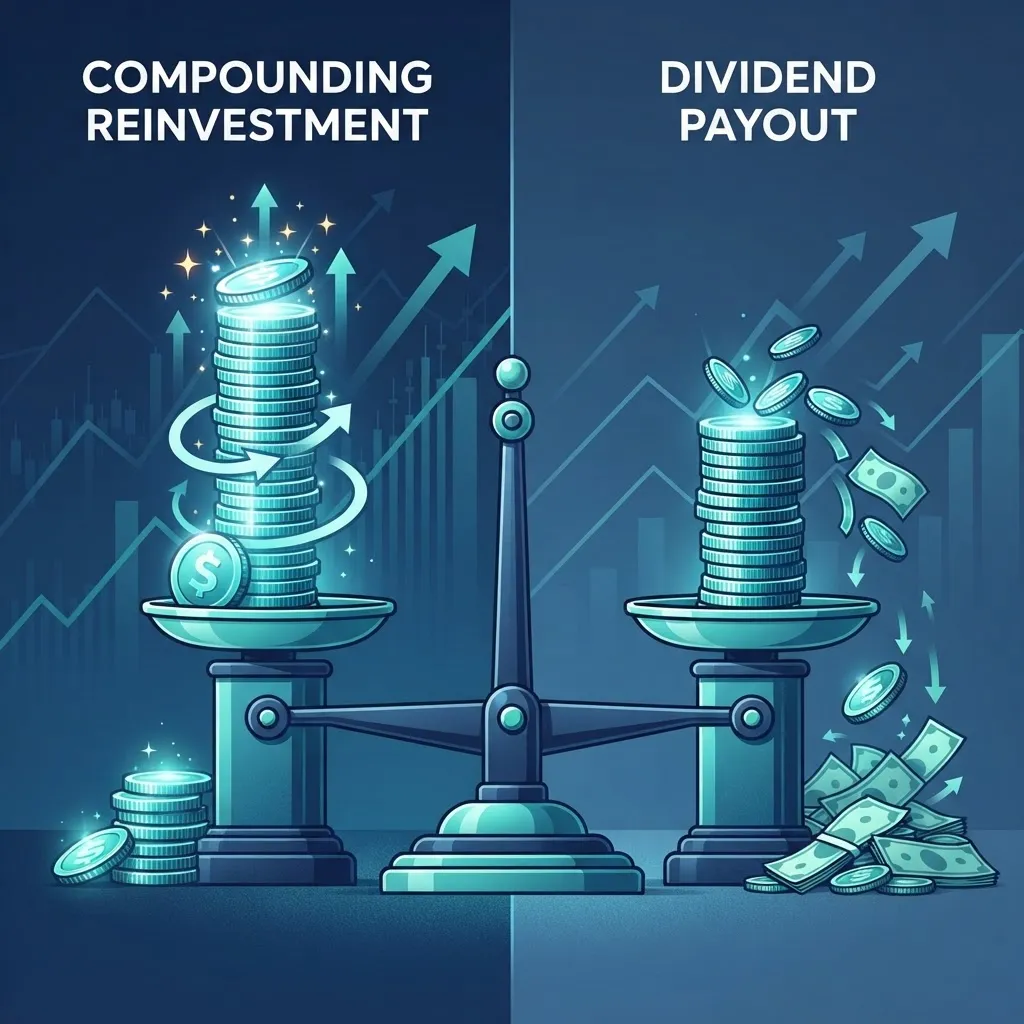
The accumulating class in this fund is built for compounding. Reinvesting dividends automatically means your money keeps working without you lifting a finger, and over long horizons that compounding effect can meaningfully increase total returns. If you instead need regular income from your investments, a distributing version of an equivalent fund would fit better.
Who Should Consider This ETF?
This fund fits a specific investor profile rather than everyone. Being honest about that fit is part of responsible investing and helps you avoid buying something misaligned with your goals.
- Long-term believers in AI: investors who expect artificial intelligence to keep expanding over five to ten years or more.
- Compounding-focused savers: people who want dividends reinvested automatically instead of managing payouts.
- Diversification seekers: those who want AI exposure without betting everything on one company.
- European and UK investors: people who benefit from the UCITS wrapper and prefer locally accessible, regulated funds.
It is less suitable for investors who need current income, have a short time horizon, or cannot tolerate the sharp swings that thematic technology funds routinely experience. For broader guidance on building modern, technology-forward strategies, resources like ZoneTechify and WebPeak can help you think through how emerging tech themes fit into a wider plan.

Risks and Considerations Before Investing
Every investment carries risk, and thematic ETFs concentrated in one sector carry more than a broad global index fund. Being aware of these risks is what separates informed investors from those chasing hype.
- Concentration risk: the fund focuses on one theme, so a tech downturn hits it harder than a diversified fund.
- Volatility: AI and technology stocks can swing dramatically in short periods.
- Currency risk: USD denomination means exchange-rate moves affect non-dollar investors.
- Valuation risk: popular themes can become overpriced, reducing future return potential.
- Fees: thematic ETFs usually charge higher expense ratios than plain index trackers, which compounds against you over time.
Always read the fund's official KID and factsheet for the current expense ratio, exact holdings, and index methodology before investing, because these details are updated periodically and vary between share classes.

Key Takeaways
- The Global X Artificial Intelligence UCITS ETF USD Accumulating offers regulated, diversified exposure to global AI and big-data companies.
- UCITS signals EU investor-protection standards; USD is the trading currency; accumulating means dividends are automatically reinvested.
- PwC estimates AI could add up to 15.7 trillion US dollars to the global economy by 2030, underpinning the theme's long-term appeal.
- Accumulating share classes suit compounding-focused, long-term investors, while distributing classes suit those needing income.
- Key risks include concentration, volatility, currency exposure, and higher fees than broad index trackers.
- Always verify the current KID, factsheet, and expense ratio before investing.
Frequently Asked Questions (FAQ)
What does accumulating mean in the Global X AI UCITS ETF?
Accumulating means the fund automatically reinvests all dividends back into its holdings instead of paying them to you as cash. This lets your investment compound over time without manual effort, which is ideal for long-term investors who prioritise growth over regular income.
Is the Global X Artificial Intelligence UCITS ETF a good investment?
It can be a strong fit for long-term investors who believe in AI growth and can tolerate volatility. It is not ideal for those needing income or short-term stability. As with any thematic fund, review the fees, holdings, and your own risk tolerance first.
What is the difference between USD accumulating and distributing?
USD accumulating reinvests dividends automatically to grow your holding, while distributing pays dividends to you as cash. Accumulating suits compounding-focused, long-term investors; distributing suits those who want regular income payouts from their investment during the holding period.
Does UCITS make this ETF safer for European investors?
UCITS does not remove market risk, but it enforces EU rules on diversification, transparency, and liquidity. This regulatory framework offers stronger investor protection and easier local access than many US-domiciled funds, making UCITS ETFs a common choice for European and UK retail investors.
What companies does an AI UCITS ETF typically hold?
An AI UCITS ETF usually holds companies across the AI value chain, including semiconductor makers, cloud infrastructure providers, data-analytics firms, and AI software developers. This spread reduces single-stock risk while keeping your money exposed to the broader artificial intelligence growth theme.
Investing involves risk, including possible loss of capital. This article is educational and not financial advice; consult a qualified adviser and read the official fund documents before investing.