
A practical guide to Functional AI: what it is, how it differs from traditional AI, real business applications, implementation steps, benefits, and future trends.
Functional AI

Most organizations do not need artificial intelligence that can pass an exam or write poetry. They need AI that reliably completes a specific job, day after day, without breaking. That is exactly what Functional AI delivers. Instead of chasing general intelligence, Functional AI focuses on solving one clearly defined problem extremely well, whether that is routing support tickets, forecasting inventory, or approving invoices. This shift from impressive demos to dependable outcomes is why Functional AI has become the practical backbone of modern automation. At ZoneTechify, we have seen teams cut manual workloads dramatically simply by deploying focused, function-first AI instead of sprawling general models.
Quick Answer: Functional AI is artificial intelligence built to perform a specific, well-defined task with reliable, measurable results. Rather than mimicking general human intelligence, it automates one clear function, such as classification, prediction, or extraction, making it accurate, cost-efficient, and easy to deploy in real business workflows.
What Is Functional AI?
Functional AI is a task-oriented approach to artificial intelligence where the system is designed, trained, and evaluated around a single measurable function. The success of the system is judged by how well it performs that job, not by how human it appears. A spam filter, a fraud-detection engine, and a document classifier are all examples of Functional AI in action.
The defining trait is scope. A functional model has narrow inputs, predictable outputs, and a clear metric for success, such as accuracy, precision, or processing time. This narrow focus makes the technology easier to test, monitor, and trust, which matters enormously when AI decisions affect customers or revenue.
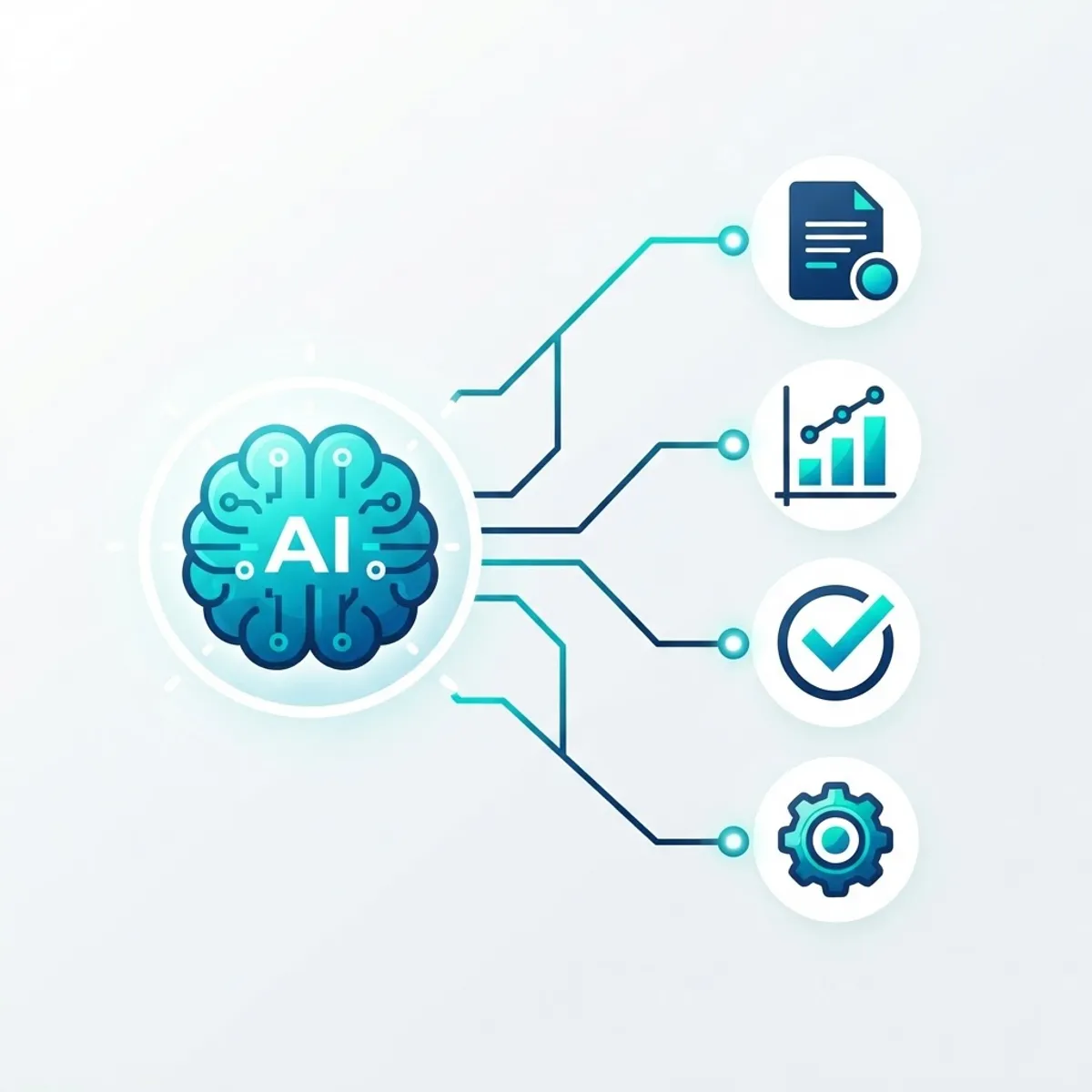
Key Terms Defined
- Function: The single, specific job the AI is built to complete, such as detecting fraud or tagging images.
- Model scope: The boundaries of what the AI is expected to handle, kept deliberately narrow.
- Deterministic output: A predictable, repeatable result for the same input, which builds trust in production.
Functional AI vs. Traditional and General AI
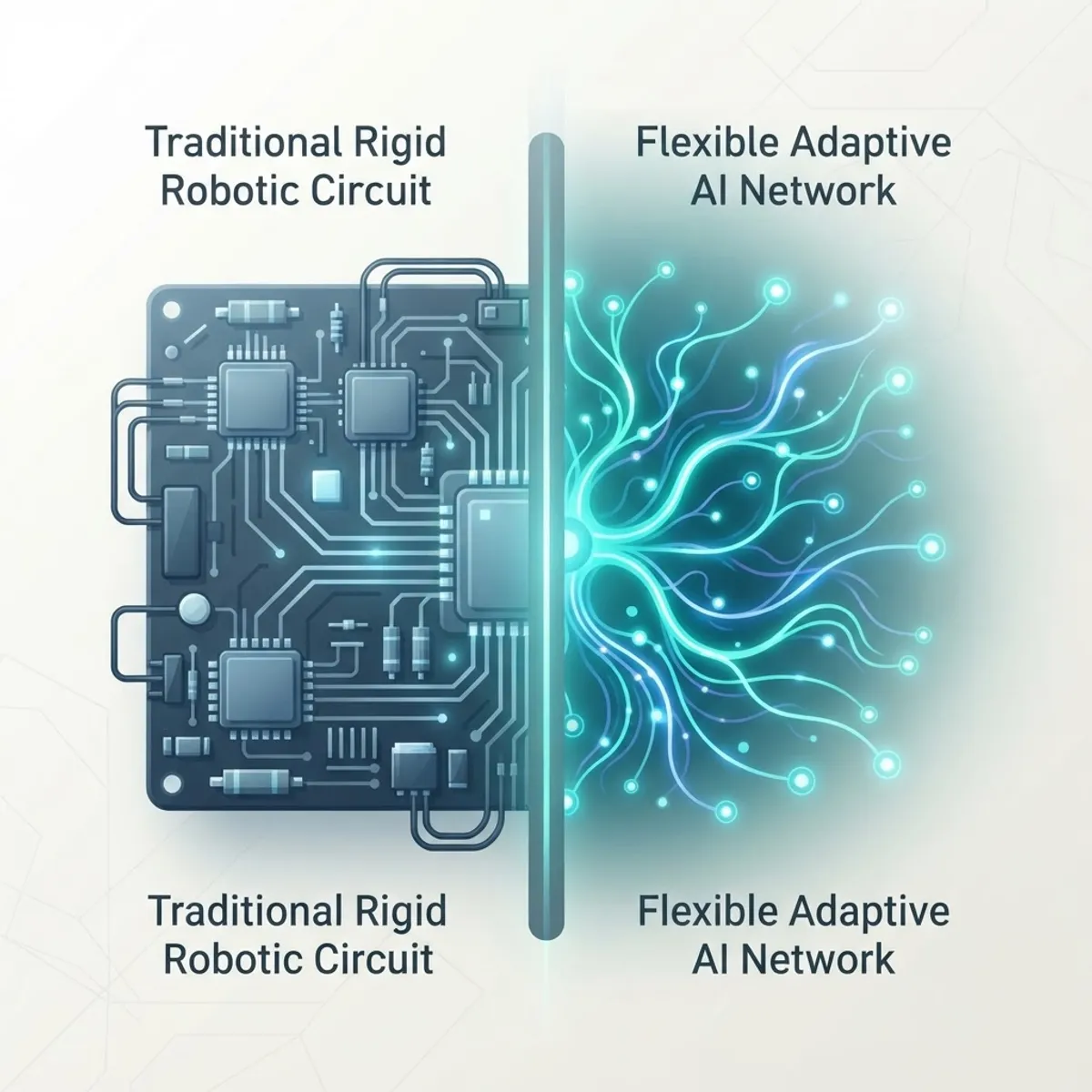
Understanding Functional AI is easier when you compare it directly to broader AI approaches. General AI aims to reason across many domains, while traditional rule-based systems follow rigid hand-coded logic. Functional AI sits between them: it learns from data like modern machine learning but stays tightly scoped like a purpose-built tool.
| Attribute | Functional AI | Traditional Rule-Based AI | General AI |
|---|---|---|---|
| Scope | Single defined task | Fixed predefined rules | Broad, open-ended |
| Adaptability | Learns from data | Manual updates only | Highly adaptive |
| Reliability | High and measurable | High but brittle | Unpredictable |
| Deployment cost | Low to moderate | Low | Very high |
| Best use case | Automating specific workflows | Simple logic tasks | Research and reasoning |
The practical takeaway is clear. When you know exactly what job needs doing, Functional AI usually wins on cost, speed, and reliability. General AI is powerful but expensive and harder to control, which is why most production systems today rely on functional, narrowly scoped models.
Why Functional AI Matters for Businesses
Functional AI matters because it turns AI from an experiment into a dependable operational asset. According to McKinsey, organizations that adopt AI in targeted business functions report meaningful cost reductions and revenue gains within those functions, precisely because focused deployments are measurable and repeatable. Narrow scope means faster proof of value.
There is also a data efficiency advantage. A functional model solving one problem needs far less training data than a general model attempting everything. According to IBM research on enterprise AI, data quality and task specificity are among the strongest predictors of successful AI outcomes, and Functional AI naturally optimizes for both.

Real-World Applications
- Customer support: Automatically classifying and routing tickets to the right team.
- Finance: Detecting anomalous transactions and flagging potential fraud in real time.
- E-commerce: Predicting demand to keep inventory optimized and reduce waste.
- Healthcare admin: Extracting structured data from unstructured medical forms.
- Marketing: Scoring leads so sales teams focus on the highest-value prospects.
Each of these examples shares the same pattern: one clear input, one clear output, and one measurable result. That is the essence of building AI that actually earns its keep.
How Functional AI Powers Workflow Automation
Functional AI is the engine behind most reliable workflow automation. Because each model handles a single step, you can chain several functional components together into an end-to-end pipeline while keeping each part testable. One model extracts data, another validates it, and a third triggers the next action.

This modular design is a major advantage. If one function underperforms, you can retrain or replace only that component without rebuilding the entire system. This is how teams keep automation stable at scale. Businesses looking to design these pipelines often partner with specialists in artificial intelligence services to ensure each function is correctly scoped, trained, and monitored.
The Modular Advantage
- Isolation: Problems stay contained to a single function, simplifying debugging.
- Reusability: A well-built function can serve multiple workflows across departments.
- Scalability: You can scale high-demand functions independently to control costs.
How to Implement Functional AI: A Step-by-Step Approach
Implementing Functional AI works best when you resist the urge to automate everything at once. Start with one high-friction, well-defined task and prove value before expanding. This disciplined approach keeps risk low and adoption smooth.

- Identify the function. Choose a repetitive task with clear inputs, outputs, and a measurable success metric.
- Gather quality data. Collect and clean data that accurately represents real-world conditions for that task.
- Select the right model. Match the model type to the job; classification, regression, or extraction each suit different functions.
- Train and validate. Test performance against a held-out dataset and set a clear accuracy threshold.
- Deploy with guardrails. Add monitoring, fallback rules, and human review for edge cases.
- Monitor and retrain. Track performance over time and retrain as data patterns shift.
The most common mistake is skipping step one. Teams that clearly define the function before touching data consistently ship faster and see stronger results. Precision at the start prevents wasted effort later. Resources like WebPeak offer practical guidance for teams planning their first functional deployment.
Benefits and Measurable Outcomes
The core benefit of Functional AI is predictable return on investment. Because every function is tied to a metric, you can quantify improvements in accuracy, speed, and cost directly. This makes it far easier to justify budget and expand adoption.
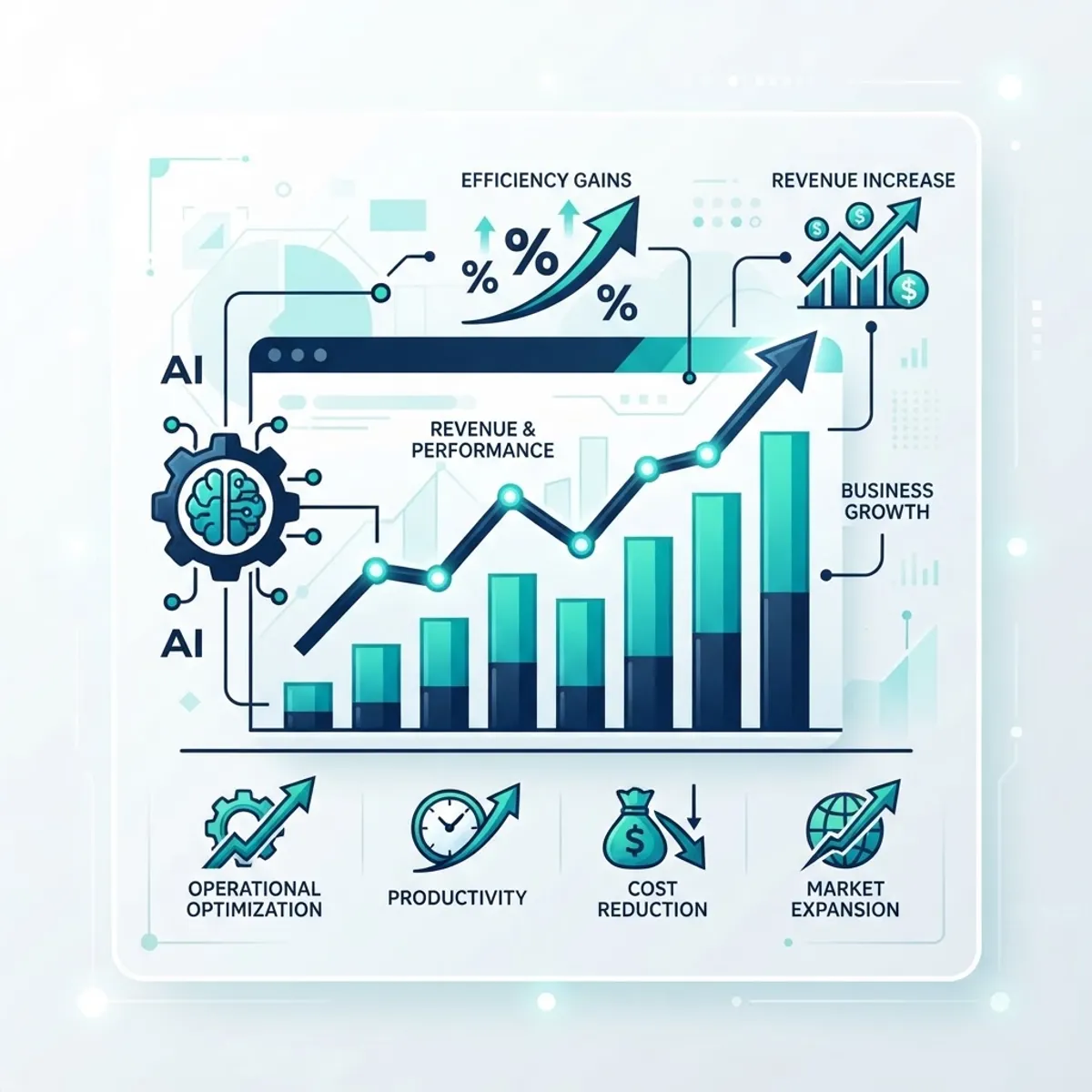
Key benefits include:
- Lower operational cost through automation of repetitive manual tasks.
- Higher consistency because the model applies the same logic every time.
- Faster processing that scales without adding headcount.
- Easier compliance thanks to transparent, auditable single-purpose decisions.
- Reduced risk since narrow scope limits unexpected behavior.
These outcomes compound. A single functional model that saves a few minutes per transaction can free thousands of staff hours annually once deployed across an organization.
The Future of Functional AI
Functional AI is evolving toward composable systems where dozens of small, specialized models cooperate. Rather than one giant model doing everything, the future favors orchestrated networks of functions, each excellent at its own job. This mirrors how well-designed software has always been built: modular, testable, and maintainable.

We also expect tighter integration between Functional AI and large language models, where a general model handles reasoning while functional components handle precise, verifiable tasks. This hybrid pattern combines flexibility with reliability, giving organizations the best of both worlds without sacrificing control.
Key Takeaways
- Functional AI is task-first: It is designed to perform one specific, measurable job with reliable results.
- It beats general AI on cost and control for well-defined problems, making it the practical choice for most production systems.
- Data efficiency is a core strength: Narrow scope means less data and faster deployment.
- Modularity enables scale: Functional components can be chained, reused, and independently improved.
- ROI is measurable: Every function ties to a metric, making value easy to prove and expand.
Frequently Asked Questions (FAQ)
What is Functional AI in simple terms?
Functional AI is artificial intelligence built to do one specific job very well, like sorting emails or detecting fraud. Instead of trying to think like a human across many topics, it focuses on a single task with a clear, measurable outcome, making it reliable and easy to trust.
How is Functional AI different from general AI?
General AI aims to reason across many domains like a human, while Functional AI targets one defined task. Functional AI is cheaper, faster to deploy, and far more predictable because its scope is narrow. General AI is more flexible but harder to control, costlier, and often unnecessary for practical business needs.
Is Functional AI expensive to implement?
Not usually. Because Functional AI solves one problem, it needs less training data and simpler infrastructure than general models. Costs stay low to moderate, and since every function ties to a measurable metric, you can prove return on investment quickly before scaling to additional tasks across the business.
What are common examples of Functional AI?
Common examples include spam filters, fraud detection, demand forecasting, ticket routing, lead scoring, and document data extraction. Each takes clear inputs, produces predictable outputs, and is judged by a defined success metric. These focused deployments power much of the everyday automation businesses already rely on today.
How do I start using Functional AI in my business?
Start by choosing one repetitive task with clear inputs and a measurable goal. Gather clean data, pick a model that matches the task, train and validate it, then deploy with monitoring and human review. Prove value on that single function before expanding to more workflows.
Final Thoughts
Functional AI represents a mature, practical view of artificial intelligence: build for the job, measure the result, and scale what works. By focusing on specific functions instead of chasing general intelligence, organizations gain reliable automation that is affordable, transparent, and genuinely useful. Whether you are automating support, finance, or logistics, starting small and functional is the fastest path to real, measurable impact.