A clear, expert guide to how the U.S. Congress is shaping artificial intelligence law, the key bills to watch, and what AI regulation means for your business.
Congress Artificial Intelligence
Artificial intelligence has moved from research labs into hospitals, courtrooms, classrooms, and boardrooms faster than almost any technology in history. That speed has put one institution under intense pressure to respond: the United States Congress. Lawmakers are now debating how to govern systems that can write code, approve loans, screen job applicants, and generate convincing media. Understanding what Congress is doing on artificial intelligence is no longer a niche policy interest. It directly affects how companies build products, how consumers are protected, and how the U.S. competes globally.
This guide breaks down what Congress is actually doing on AI, why progress has been slow, the specific bills and frameworks that matter, and the practical steps businesses should take right now. It is written for founders, marketers, developers, and decision-makers who need clarity instead of headlines.
Quick Answer: Congress is working on artificial intelligence through hearings, bipartisan working groups, and proposed bills covering transparency, deepfakes, safety testing, and federal AI use. No single comprehensive AI law has passed yet, so most U.S. governance currently comes from executive action, agency rules, and state legislation.
What Does "Congress Artificial Intelligence" Actually Mean?
"Congress artificial intelligence" refers to the collective legislative effort by the U.S. House of Representatives and the Senate to study, regulate, and fund AI. AI legislation is any proposed or enacted law that sets rules for how AI systems are built, tested, disclosed, or deployed. This includes consumer protection, national security, intellectual property, and government accountability.
Congress approaches AI on three fronts at once: oversight (holding hearings and demanding answers), lawmaking (drafting bills), and funding (allocating money for research and enforcement). Each front moves at a different pace, which is why the picture can feel confusing.
Why Has Congress Been Slow to Pass AI Laws?
Congress has held dozens of AI hearings, yet comprehensive federal legislation remains stalled. There are several concrete reasons for this gap.
- Technical complexity: Many lawmakers lack deep technical backgrounds, so they rely heavily on expert testimony, which slows consensus.
- Pace mismatch: AI capabilities double in months, while a bill can take years to move from draft to law.
- Competing priorities: Innovation advocates fear heavy rules will hurt U.S. competitiveness against China, while safety advocates warn that waiting invites real harm.
- Jurisdictional overlap: AI touches dozens of committees, from Commerce to Judiciary to Armed Services, making coordination difficult.
According to the Stanford AI Index, the number of AI-related bills proposed across U.S. legislatures has risen sharply year over year, yet only a small fraction become law. This signals strong intent but weak throughput. In practice, the slow federal pace has pushed real regulation toward states and federal agencies.
The Congressional AI Hearings That Shaped the Debate
Hearings are where Congress builds the record it later uses to justify legislation. High-profile sessions featuring leaders from major AI labs marked a turning point, because executives themselves asked for regulation, an unusual move in the tech industry.
These hearings surfaced recurring themes that now define proposed bills: the need for transparency about training data, independent safety testing before deployment, clear liability when AI causes harm, and protection against AI-generated election misinformation. The testimony also revealed bipartisan agreement on at least one point: doing nothing is not an acceptable outcome.
The expertise gathered in these sessions matters because it becomes the foundation for definitions written into law. When Congress defines terms like "high-risk AI system" or "synthetic content," the wording often traces directly back to expert testimony given on the record.
Key AI Bills and Frameworks to Watch
While no sweeping AI statute has passed, Congress has produced a meaningful set of targeted proposals and bipartisan roadmaps. The Senate's bipartisan AI working group released a policy roadmap directing committees to act on specific issues rather than waiting for one giant bill.
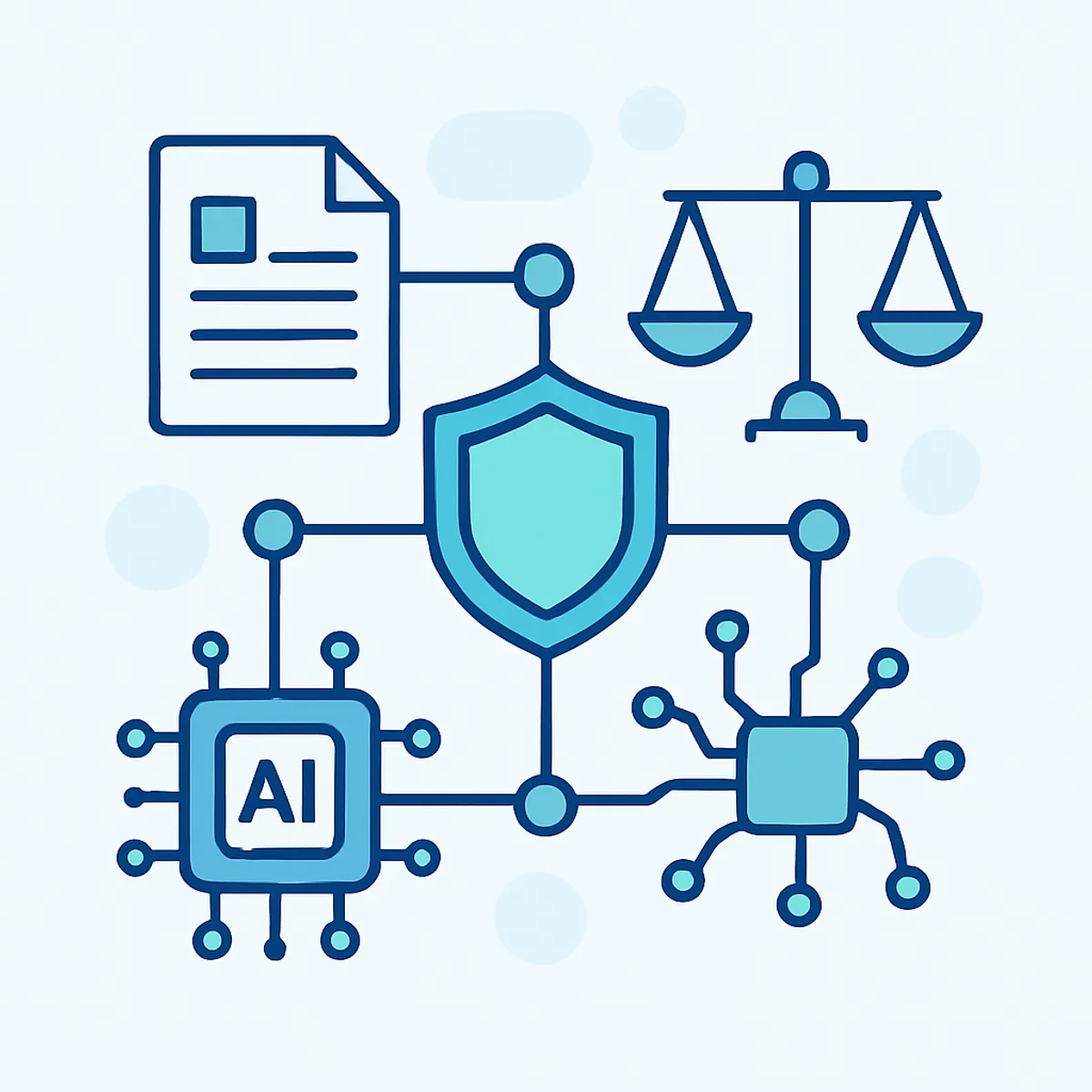
The most active areas of proposed legislation include:
- Deepfake and election integrity rules that require labeling AI-generated political content.
- Transparency and disclosure requirements so users know when they are interacting with AI.
- Federal AI procurement standards governing how government agencies buy and use AI.
- Research funding to expand the National AI Research Resource and keep U.S. innovation competitive.
- Child safety and non-consensual imagery protections targeting AI-generated abuse material.
This targeted, issue-by-issue strategy is more likely to succeed than an all-encompassing act, because narrow bills attract clearer bipartisan support.
Congress vs. Executive vs. State Action: Who Is Really Regulating AI?
A common misconception is that Congress is the only body shaping AI rules. In reality, three layers of U.S. governance are moving at once, and businesses must track all of them.
| Governance Layer | Speed | Binding Power | Example Focus |
|---|---|---|---|
| Congress (federal law) | Slow | Nationwide, durable | Comprehensive standards, funding |
| Executive branch and agencies | Medium | Nationwide, changeable | Safety guidance, procurement, enforcement |
| State legislatures | Fast | State-level only | Privacy, deepfakes, hiring algorithms |
State laws often arrive first and create a patchwork that businesses must navigate. This patchwork is one of the strongest arguments lawmakers use for a single federal standard: companies operating in multiple states would prefer one clear rule over fifty different ones. Until Congress acts comprehensively, the executive branch and the states will continue to fill the gap.
For organizations trying to keep up, partnering with experts who track this fast-moving landscape helps. Teams at ZoneTechify and WebPeak follow regulatory shifts so that the products they build stay aligned with emerging compliance expectations.
How AI Regulation Affects Your Business
Even without a single federal AI law, the direction of travel is clear, and smart businesses are preparing now. Regulation tends to reward companies that already practice transparency and documentation.

Here is what proactive organizations are doing today:
- Documenting AI use: Keeping records of where and how AI systems make or influence decisions.
- Disclosing AI interactions: Telling customers clearly when content or support is AI-generated.
- Testing for bias: Auditing models that affect hiring, lending, or pricing to reduce discrimination risk.
- Securing data: Treating training data with the same care as sensitive customer records.
These steps are not just defensive. According to research summarized by major consulting firms, organizations with strong AI governance report higher customer trust and faster deployment, because clear internal rules remove guesswork. If your company is building AI features, professional artificial intelligence services can help align development with compliance from day one, and specialized AI services from WebPeak support responsible implementation at scale.
Balancing Innovation and Safety
The central tension in every congressional AI debate is balance. Lawmakers must protect citizens without strangling the innovation that drives economic growth and national security.
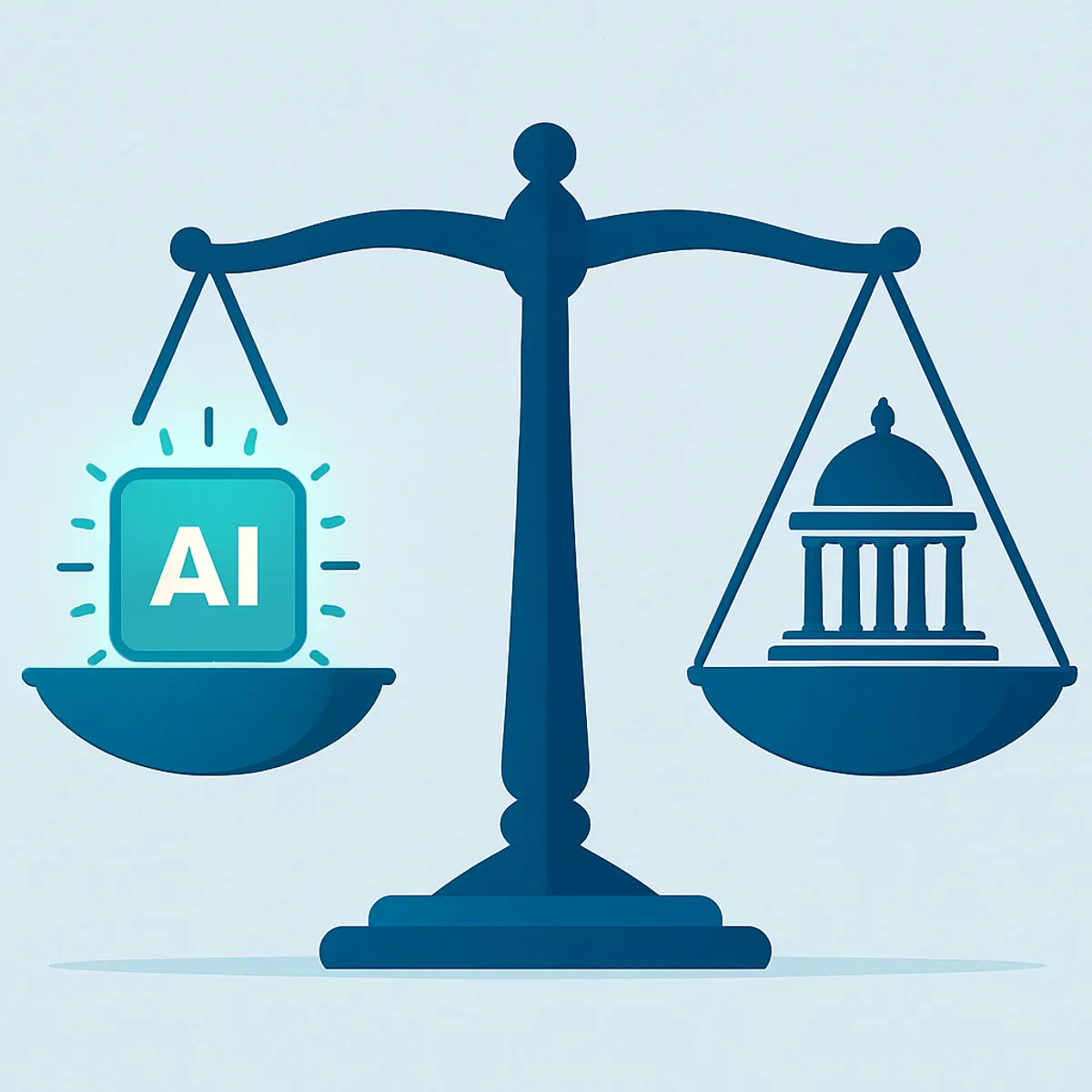
The most thoughtful proposals use a risk-based approach: light-touch rules for low-risk applications like spam filters, and strict requirements for high-risk uses like medical diagnosis or critical infrastructure. This tiered model, already adopted in other regions, is increasingly referenced in U.S. discussions because it avoids treating a chatbot and a self-driving car as the same thing.
In my experience advising teams on technology adoption, the companies that thrive under new rules are those that build governance in early rather than bolting it on later. Regulation rarely punishes good documentation and clear disclosure. It punishes opacity.
The Future Outlook for Congress and AI
The realistic near-term outcome is continued incremental progress: narrow bills on deepfakes, child safety, and federal AI use passing before any comprehensive framework. Expect more funding for research, more agency authority, and growing pressure created by the state-law patchwork.
The longer-term question is whether Congress can pass a durable federal standard that preempts conflicting state laws while preserving room for innovation. The institutional groundwork, hearings, working groups, and roadmaps, is already in place. What remains is political will and timing.
Key Takeaways
- Congress is actively shaping AI through hearings, bipartisan working groups, and targeted bills, but no comprehensive federal AI law has passed yet.
- Most current U.S. AI regulation comes from executive action and fast-moving state legislatures, creating a patchwork businesses must track.
- Proposed federal bills focus on deepfakes, transparency, safety testing, child protection, and government AI procurement.
- A risk-based approach, light rules for low-risk AI and strict rules for high-risk AI, is the most widely supported model.
- Businesses that document AI use, disclose interactions, and audit for bias are best positioned for whatever Congress finalizes.
Frequently Asked Questions (FAQ)
Has Congress passed a major artificial intelligence law yet?
No. As of now, Congress has not passed a single comprehensive federal AI law. Lawmakers have advanced narrow proposals on deepfakes, child safety, and federal AI use, but most binding U.S. AI regulation currently comes from executive orders, agency guidance, and individual state legislation.
Why is Congress regulating artificial intelligence?
Congress is regulating AI to protect consumers from harm, prevent election misinformation, address bias in automated decisions, and maintain national security. Lawmakers also want to keep the U.S. globally competitive while ensuring powerful AI systems are tested for safety before they reach the public at scale.
What AI issues is Congress focused on most?
Congress is focused most on deepfakes and election integrity, transparency about AI-generated content, safety testing for high-risk systems, child protection, and how federal agencies buy and use AI. These targeted areas attract more bipartisan support than a single sweeping bill, making them likelier to become law.
How does AI regulation affect small businesses?
AI regulation pushes small businesses to disclose when they use AI, document automated decisions, and protect customer data. While compliance adds some effort, it builds customer trust and reduces legal risk. Starting with clear documentation and transparency now makes adapting to future federal rules far easier.
Will states or Congress decide AI rules first?
States are deciding AI rules first because they legislate faster than Congress. This has created a patchwork of differing state laws on privacy, deepfakes, and hiring algorithms. Many businesses now support a single federal standard from Congress to replace conflicting state requirements with one clear nationwide rule.