A practical guide to the artificial intelligence shirt: AI-designed graphic tees, sensor-equipped smart shirts, print quality checks, pricing, and how to launch your own AI apparel line.
Artificial Intelligence Shirt
The phrase artificial intelligence shirt now covers two completely different products sold under the same search term, and confusing them is the fastest way to waste money. One is a graphic t-shirt whose artwork or slogan was produced with generative AI tools. The other is a smart garment with conductive yarns and sensors that captures biometric data and runs machine learning on the readings. This guide separates them clearly, then gives you the buying checks, production economics, and launch playbook that most apparel content skips.
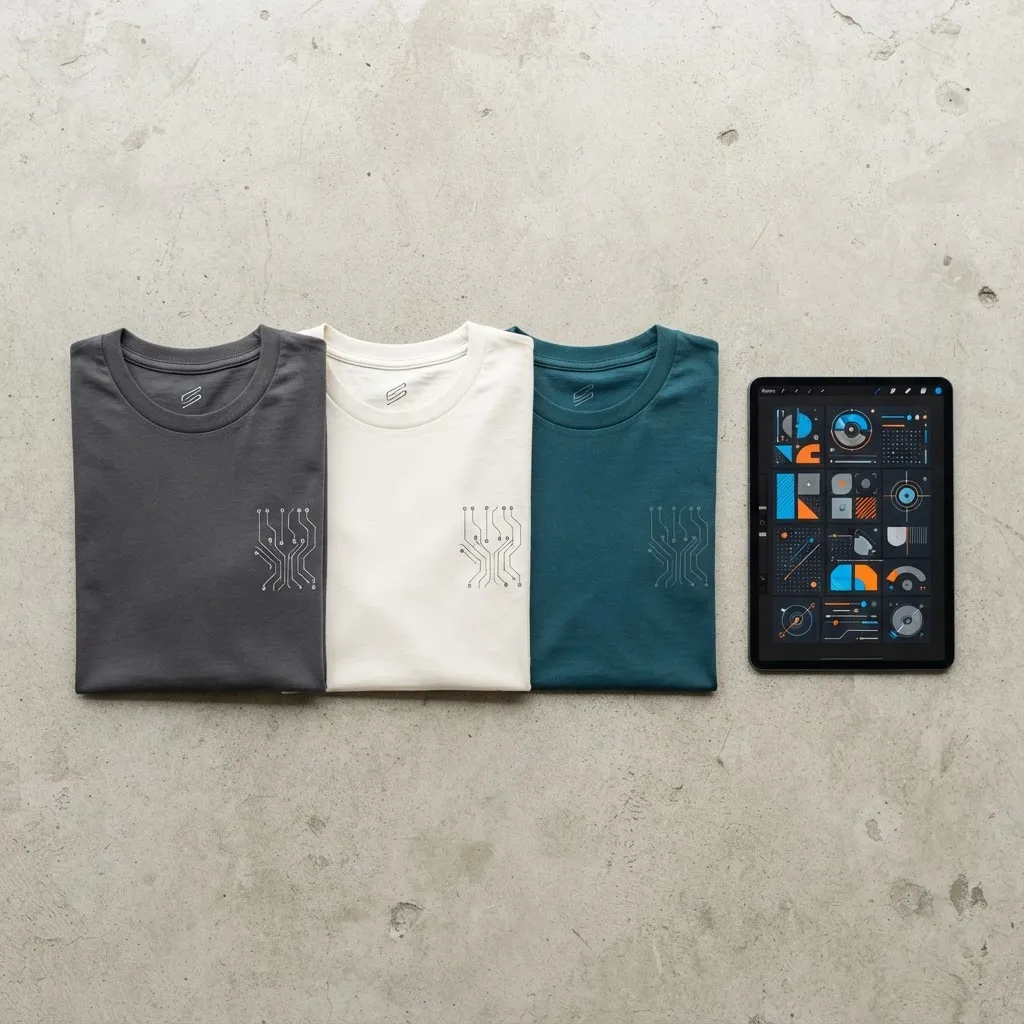
Quick Answer: An artificial intelligence shirt is either a graphic tee whose design was created using AI image tools, or a sensor-equipped smart shirt that uses machine learning to track heart rate, breathing, and posture. AI-designed tees cost about 20 to 45 dollars, while sensor shirts typically run 100 to 300 dollars.
What Exactly Is an Artificial Intelligence Shirt?
There are three product categories hiding behind one keyword, and each has a different price, lifespan, and buyer.
- AI-designed apparel. A human prompts a generative image model, cleans the output in vector software, and prints it on blank cotton. The AI touched the artwork, not the garment.
- AI-themed apparel. Standard tees with slogans, neural-network diagrams, or developer jokes about machine learning. No AI involved in production at all.
- Smart shirts. Textiles with conductive threads, a snap-on sensor pod, and an app that applies algorithms to raw signals. Here the intelligence is in the hardware and software stack.
When a listing does not say which of the three it is, assume category two. That is the default in most marketplaces.
Key Terms Defined
- Generative design: artwork produced by a text-to-image model from a written prompt.
- DTG printing: direct to garment printing, where ink is sprayed into the fabric like an inkjet printer.
- Conductive yarn: thread blended with silver or steel fibers that carries a signal through fabric.
- Textile electrode: a woven contact patch that reads electrical activity from the skin without adhesive gel.
How AI-Designed Shirts Are Actually Made
AI shortens the design step, not the manufacturing step. A realistic workflow looks like this.

- Research demand first. Pull search volume and marketplace best sellers for the niche before generating anything.
- Prompt in batches. Generate 30 to 50 variations, then keep three. The hit rate on usable apparel art is low.
- Vectorize and clean. Raster AI output at 1024 pixels is unusable on a 12 inch print. Rebuild it as vector or upscale to 300 DPI at final print size.
- Fix the color count. Screen printing charges per color. Reducing an AI image from 40 colors to 3 can cut unit cost by half.
- Print a physical sample. Screen colors are brighter than ink on cotton. Always check one real shirt before listing.
- Verify rights. Confirm the tool grants commercial use, and remember that in the United States the Copyright Office has stated that purely machine-generated work without meaningful human authorship is not eligible for copyright registration. Human editing matters legally, not just visually.
The honest bottleneck is step three. Teams that treat AI output as a finished file end up with blurry prints and refund requests. The same discipline applies to any AI-assisted production pipeline, which is why brands that scale often bring in an experienced partner such as ZoneTechify to build repeatable workflows instead of one-off experiments.
Smart Shirts: What the Sensors Really Measure
A sensor shirt is a medical-adjacent device wearing the shape of clothing. Textile electrodes sit against the chest, a removable module samples the signal, and an algorithm converts it into readable metrics.
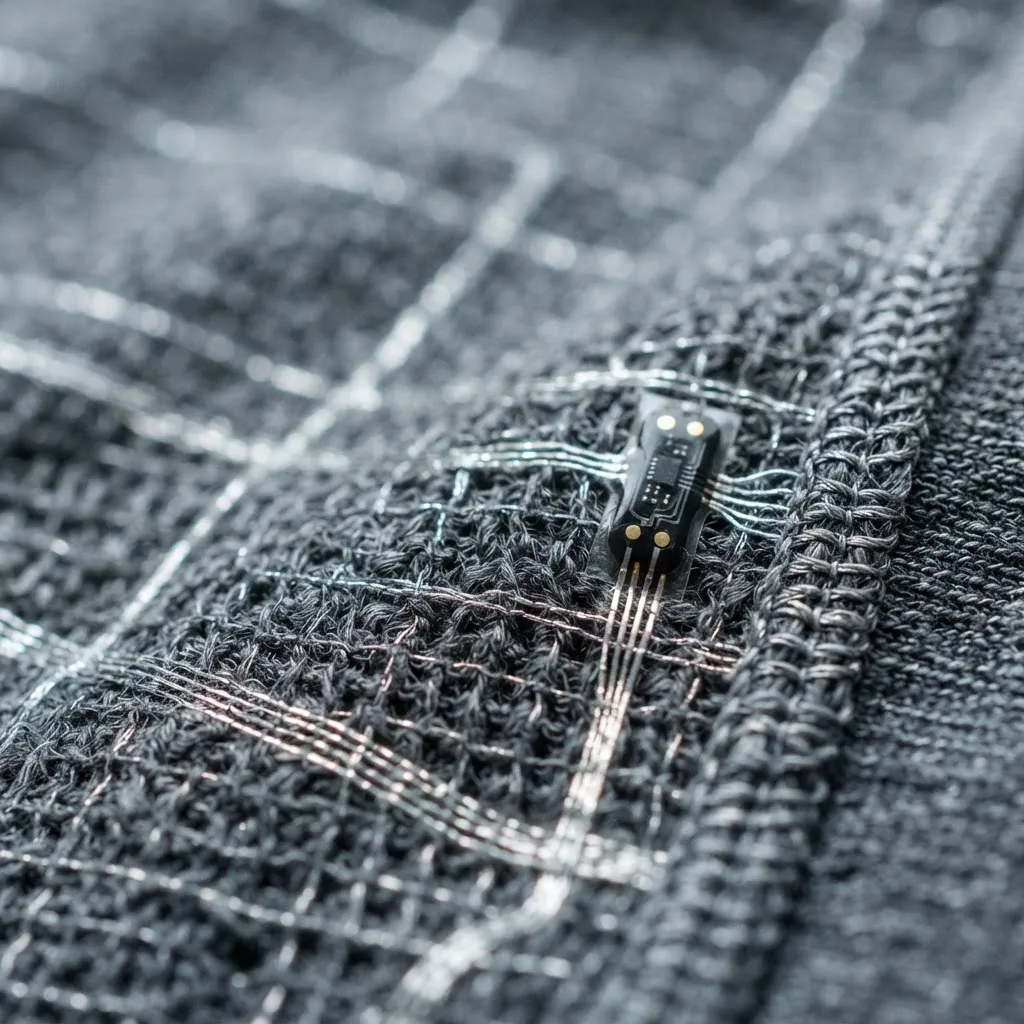
Common measurements include single-lead ECG, heart rate variability, breathing rate and depth, torso motion, and posture angle. Chest-based sensing has a real accuracy advantage over the wrist because the electrodes stay closer to the signal source and move less during exercise, which is why clinical ambulatory monitoring has used chest leads for decades.
The three failure points buyers discover after purchase:
- Fit dependency. A loose smart shirt produces noisy data. Size down if the brand recommends compression fit.
- Wash cycles. Conductive textiles degrade. Look for a stated wash count, typically 30 to 50 cycles, and always remove the module first.
- Subscription lock-in. Some platforms put historical trends and export behind a monthly fee. Check before you buy.
Also check the regulatory language. "Wellness device" means it is not cleared to diagnose anything. "FDA cleared" for a specific use is a materially different claim, and only the second one belongs in a medical conversation.
Comparison: AI-Designed Tee vs Smart Shirt
| Factor | AI-Designed Graphic Tee | Sensor Smart Shirt |
|---|---|---|
| Typical price | 20 to 45 USD | 100 to 300 USD |
| Where the AI lives | Design software | Onboard sensing plus app algorithms |
| Core value | Style and self expression | Health and performance data |
| Care requirements | Standard cold wash, inside out | Remove module, gentle cycle, air dry |
| Realistic lifespan | 25 to 50 washes before print fade | 30 to 50 washes before signal loss |
| Best buyer | Developers, students, gift shoppers | Athletes, coaches, remote monitoring users |
| Return risk | Print quality and sizing | Fit-driven data accuracy |
The Economics of Selling AI Shirt Designs
Print on demand removes inventory risk and replaces it with margin risk. The math is unforgiving and worth doing before you launch.
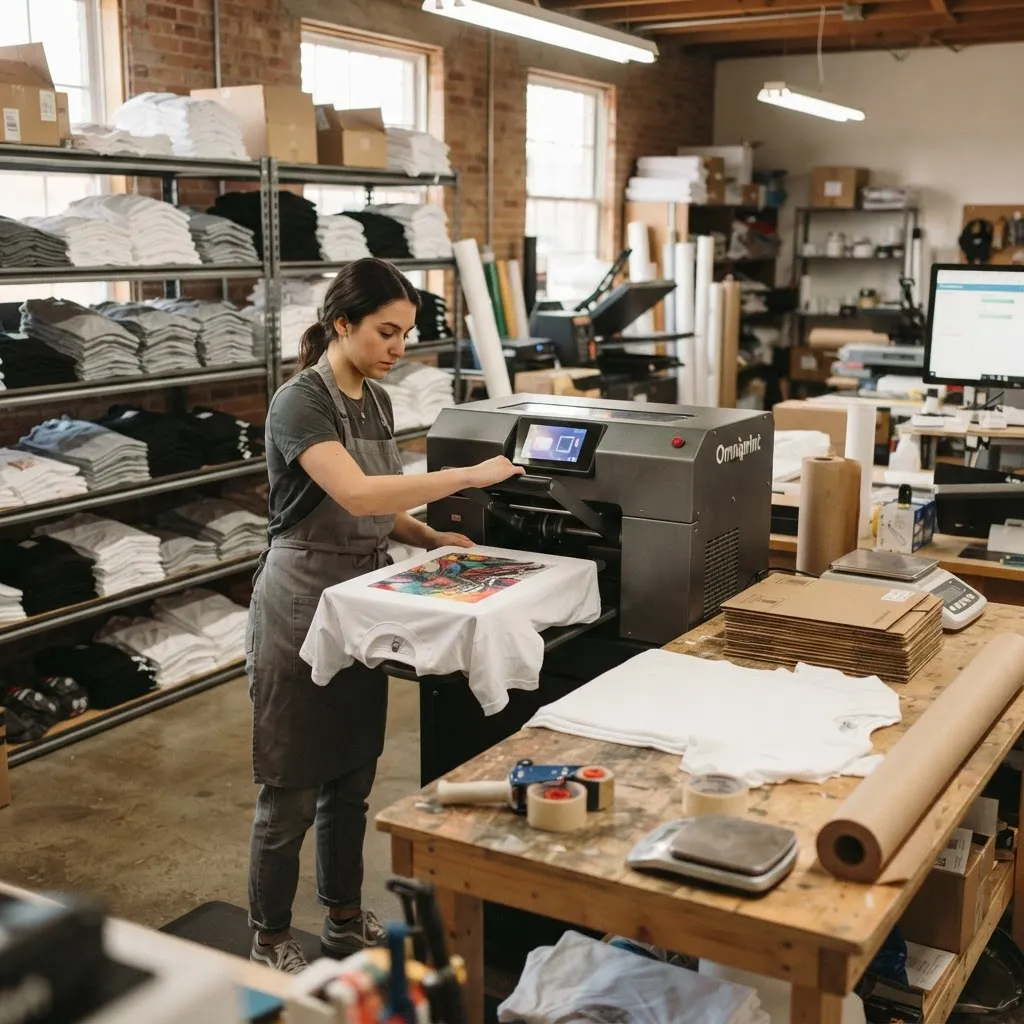
A typical print on demand tee lands at 12 to 18 dollars in base plus print cost. Sell at 26 dollars and you keep roughly 8 to 12 dollars before ads, fees, and returns. Once customer acquisition cost passes about 10 dollars, the design is losing money at that price point.
Three levers move the number:
- Average order value. Bundling two shirts or adding a matching item raises revenue per acquisition without a second ad spend.
- Organic traffic. Niche design pages that rank for long-tail phrases turn acquisition cost toward zero over time.
- Design volume with judgment. Volume alone floods your catalog with dead listings. Track sell-through per design and retire the bottom half every quarter.
Global ecommerce apparel is a multi-hundred-billion-dollar category, and low barriers mean thousands of near-identical AI tees launch weekly. Differentiation now comes from niche depth and brand voice, not from access to the tools.
Building an AI Apparel Brand That Lasts
The stores that survive treat shirts as one product inside a system.
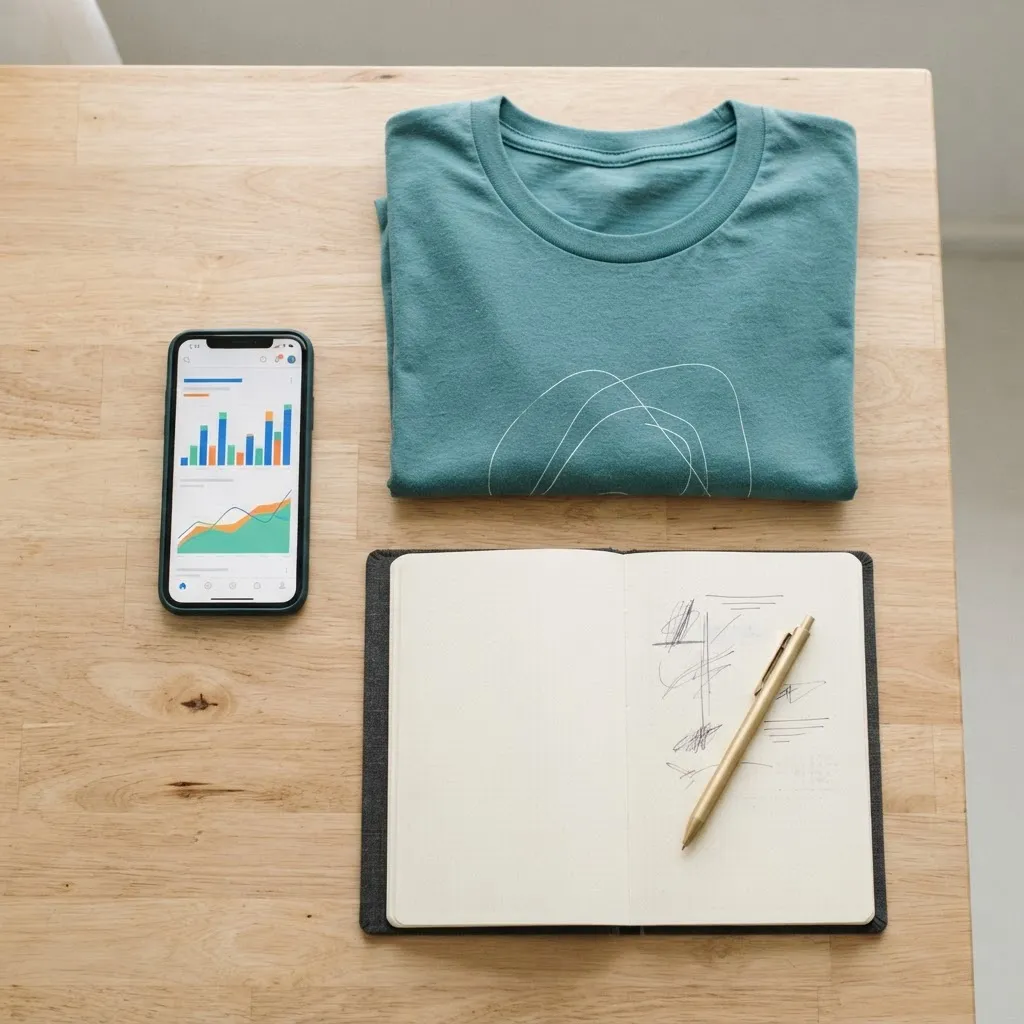
- Own one niche. "AI shirts" is too broad. "Shirts for machine learning engineers" gives you a voice, a joke set, and a community.
- Show the product on people. Flat mockups convert worse than worn photos in real light.
- Publish sizing reality. Chest width and body length in inches, plus the model's height and worn size, cuts returns more than any policy page.
- Automate the boring work. Order routing, review requests, and restock alerts belong in workflows, not in your inbox. Practical AI automation services turn those repeated tasks into background processes.
- Fix the storefront speed. Apparel buyers browse on mobile, and every extra second of load time on a product page measurably reduces conversion. Teams that need production-grade builds rather than a fragile theme often work with an AI-augmented development team to get there.

Buying Checklist Before You Add to Cart
Run these seven checks on any artificial intelligence shirt listing.
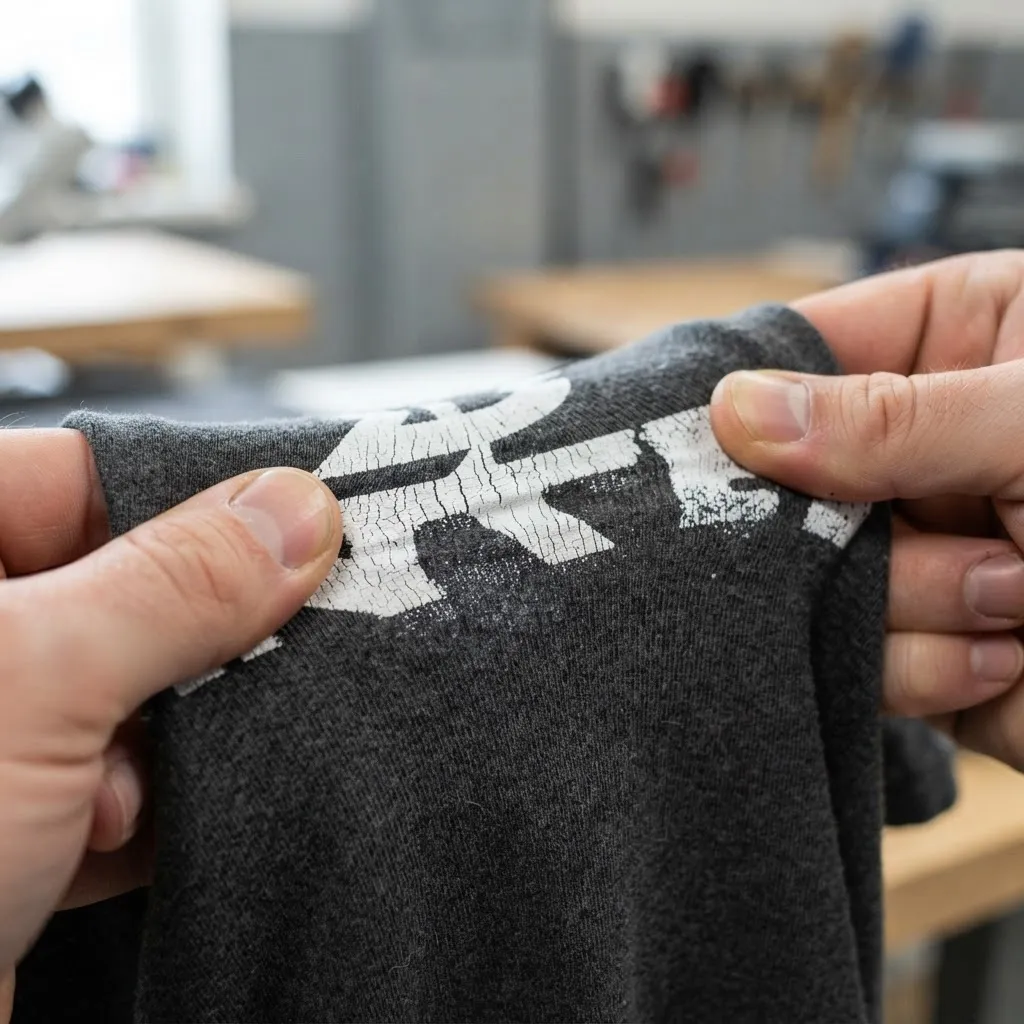
- Fabric weight. Anything under 4.5 ounces per square yard will feel thin and show wear fast. Aim for 5.3 to 6 ounces for graphic tees.
- Print method stated. DTG for detailed multicolor art, screen print for durability on simple designs, embroidery for logos.
- Real photos. At least one non-mockup image of the actual printed garment.
- Measurements table. Chest and length in inches, not just S to XXL.
- Shrinkage note. Untreated cotton can shrink noticeably on a hot first wash. Preshrunk or ringspun combed cotton is safer.
- For smart shirts, wash count and battery life. Both should be published numbers, not marketing adjectives.
- Return window. Fit-dependent products need at least 30 days.
Key Takeaways
- An artificial intelligence shirt means either AI-created artwork or a sensor-equipped smart garment. Verify which before buying.
- AI-designed tees typically sell for 20 to 45 dollars, sensor shirts for 100 to 300 dollars.
- Purely machine-generated artwork without meaningful human authorship is not registrable for copyright in the United States, so human editing has legal value.
- Chest-based textile electrodes generally outperform wrist sensors during movement because they sit closer to the signal and shift less.
- Smart shirt accuracy depends on compression fit, and conductive yarns commonly degrade after 30 to 50 wash cycles.
- Print on demand margins average 8 to 12 dollars per tee, so acquisition cost above 10 dollars erases profit.
- Fabric weight of 5.3 to 6 ounces and published measurements are the two strongest quality signals in a listing.
Frequently Asked Questions (FAQ)
What is an artificial intelligence shirt?
It is one of two products. Either a graphic t-shirt whose design was generated with AI image tools, or a smart shirt with conductive threads and sensors that uses machine learning to interpret heart rate, breathing, and posture data through a companion app.
Are AI-generated shirt designs legal to sell?
Generally yes, if your tool grants commercial rights and the artwork does not copy trademarks or a living artist's protected work. In the United States, however, purely machine-generated art cannot be registered for copyright, so meaningful human editing strengthens your ownership position considerably.
Do smart shirts actually measure heart rate accurately?
Yes, when worn correctly. Textile chest electrodes sit closer to the heart than wrist sensors and move less during exercise, which reduces motion noise. Accuracy drops sharply if the shirt fits loosely, so most brands recommend a snug compression fit.
How do I wash an artificial intelligence shirt?
For printed tees, turn inside out, wash cold, and skip the dryer to protect the ink. For smart shirts, always remove the sensor module first, use a gentle cold cycle without fabric softener, and air dry flat to preserve the conductive yarns.
Is selling AI-designed t-shirts still profitable?
It can be, but not on volume alone. Margins run about 8 to 12 dollars per shirt, so profit depends on a specific niche, organic traffic, and higher average order value. Generic AI art competing on paid ads rarely covers its acquisition cost.
How much should I pay for a good AI shirt?
Expect 20 to 45 dollars for a quality AI-designed tee with 5.3 ounce or heavier cotton and a documented print method. Sensor-equipped smart shirts start near 100 dollars and reach 300 dollars, with some platforms adding an app subscription for historical data.