
Discover how the artificial intelligence navy works, from autonomous ships to AI surveillance, decision support, and cyber defense reshaping modern maritime power.
Artificial Intelligence Navy: How AI Is Transforming Modern Naval Power
The phrase "artificial intelligence navy" describes a fast-emerging reality: naval forces worldwide are embedding AI into ships, sensors, weapons, and command systems to make faster, smarter decisions at sea. What was once science fiction is now operational technology being tested and deployed by leading maritime powers.
In this guide, we break down exactly how AI is reshaping naval operations, from autonomous vessels and predictive maintenance to real-time threat detection, and what it means for the future of maritime security. Whether you follow defense technology or work in digital innovation, you will leave with a clear, expert-level understanding of where the technology stands today and where it is heading next.
Quick Answer: An artificial intelligence navy uses AI to power autonomous ships, smart surveillance, predictive maintenance, and rapid decision-making at sea. AI processes sensor data faster than humans, detects threats early, and coordinates fleets, making naval operations safer, cheaper, and significantly more responsive.
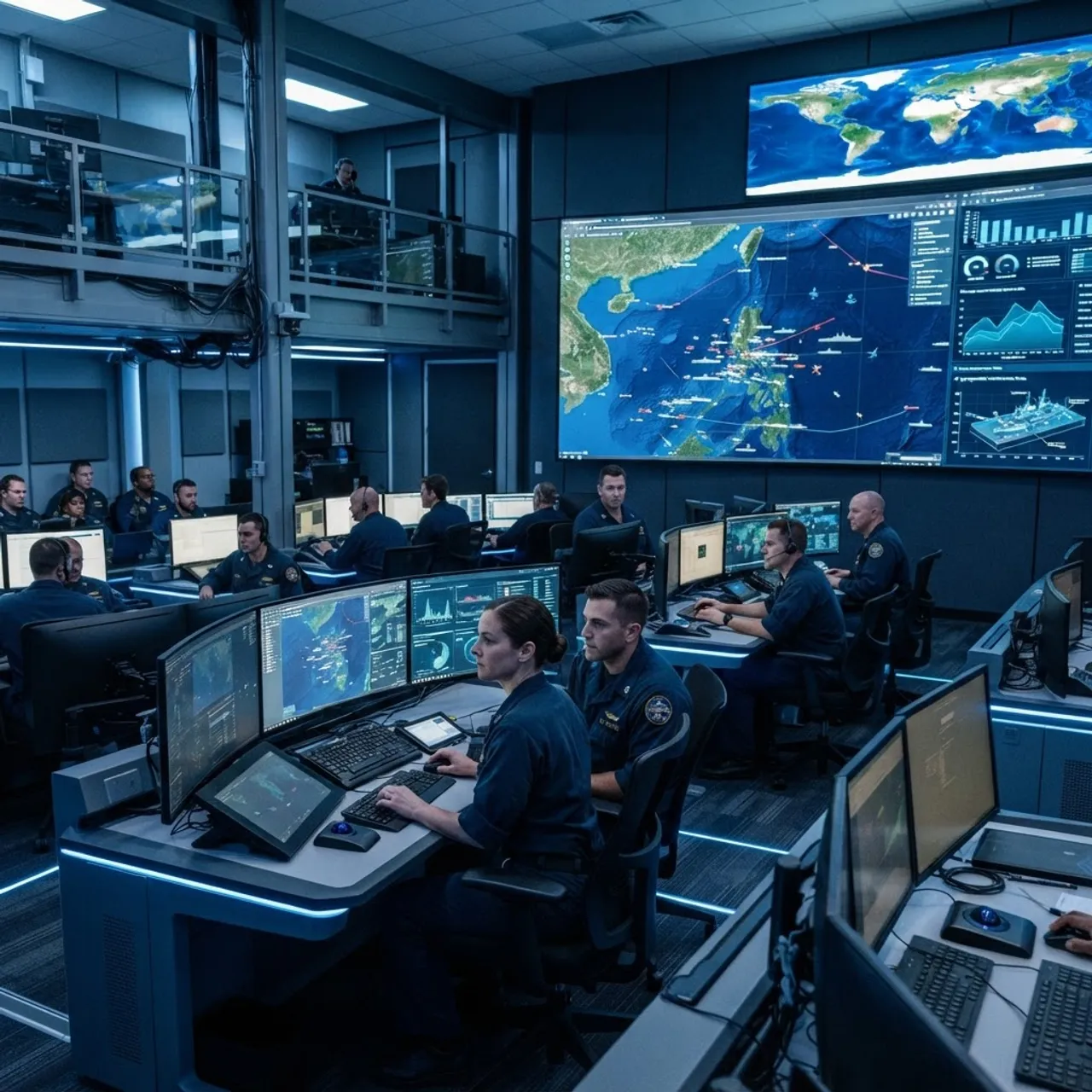
What Is Artificial Intelligence in the Navy?
Artificial intelligence in the navy refers to the use of machine learning, computer vision, and autonomous systems to support or automate naval tasks. These tasks range from navigation and surveillance to logistics, maintenance, and combat decision support.
Definition: A "naval AI system" is any software or hardware that analyzes data, learns patterns, and takes or recommends actions with limited human input to improve maritime operations.
Unlike traditional automation, which follows fixed rules, modern naval AI adapts. It learns from sonar signatures, satellite feeds, weather data, and historical mission logs to improve its accuracy over time. This shift from rule-based systems to learning systems is what makes today's developments so significant, because the technology now improves with every mission rather than remaining static.
Why Navies Are Investing in AI Right Now
Navies are prioritizing AI because the volume of battlefield data now exceeds what human crews can process manually. A single modern warship generates enormous streams of radar, sonar, and electronic signals every second, and AI is the only practical way to turn that flood into usable intelligence.
Consider the scale of investment. According to the U.S. Department of Defense, the Pentagon requested roughly $1.8 billion for AI-related programs in a single fiscal year, with maritime autonomy among the fastest-growing categories. Defense research firms project the global military AI market will surpass $30 billion within the decade, driven heavily by naval and unmanned systems.
Three practical pressures explain the urgency:
- Speed of modern threats — hypersonic missiles and swarming drones leave seconds, not minutes, to respond.
- Crew and cost constraints — autonomous vessels reduce the need for large, expensive crews.
- Data overload — AI filters noise so human commanders focus on genuine decisions.
Organizations exploring how AI reshapes operations, from defense to enterprise, often study these same principles. Teams at ZoneTechify and WebPeak apply comparable machine-learning fundamentals to commercial automation challenges.
Key Applications of AI in Naval Operations
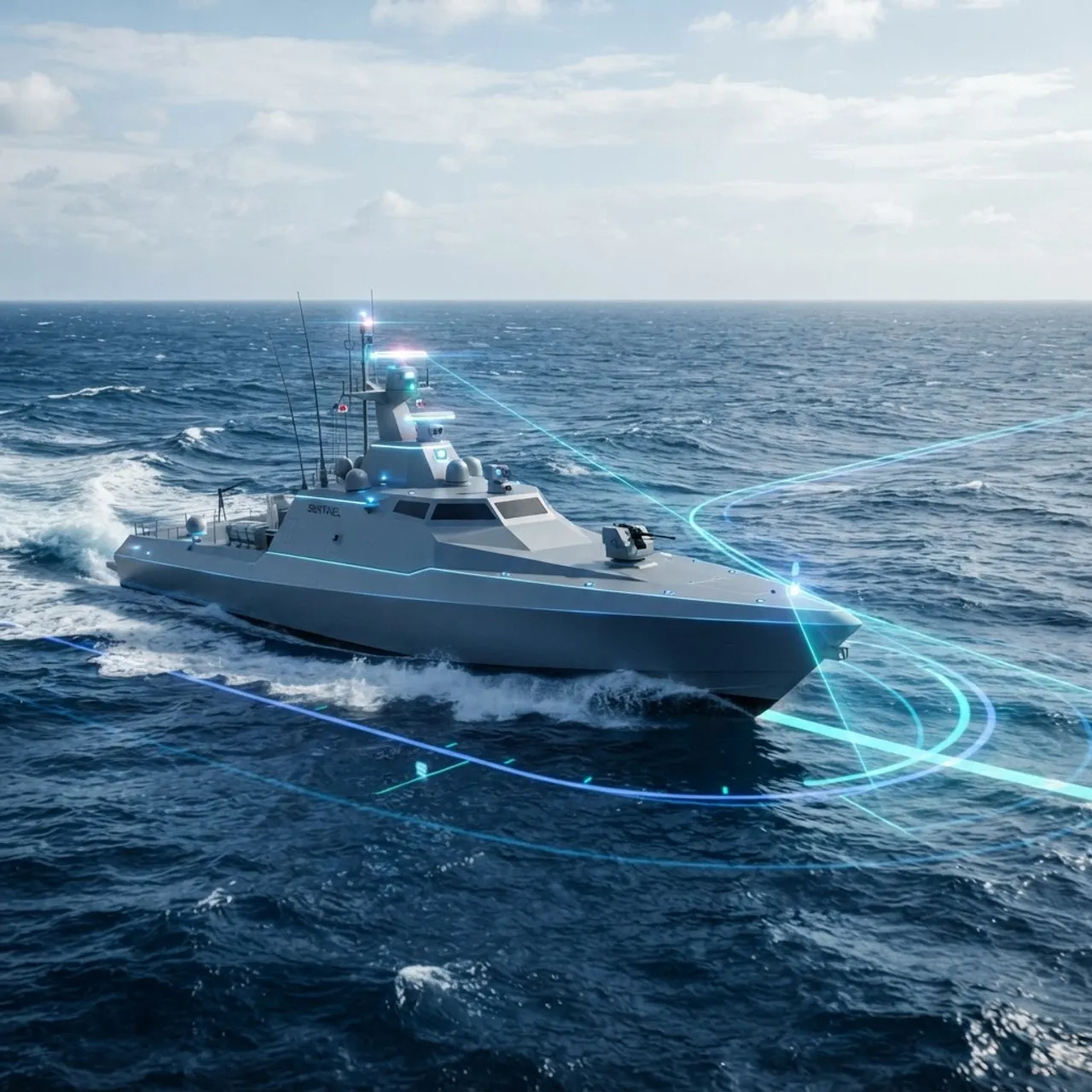
AI now touches nearly every layer of naval activity. Below are the most impactful areas where it delivers measurable results.
1. Autonomous Surface and Underwater Vessels
Uncrewed vessels can patrol for weeks without rest, entering dangerous zones without risking sailors. The U.S. Navy's experimental unmanned surface vessels have already sailed thousands of nautical miles autonomously, proving that long-endurance AI navigation is viable rather than theoretical.
2. Intelligent Surveillance and Threat Detection
AI-driven surveillance is arguably the highest-value application. Machine-vision models scan radar and camera feeds to classify vessels, flag anomalies, and predict hostile intent far faster than a human watch team could manage alone.
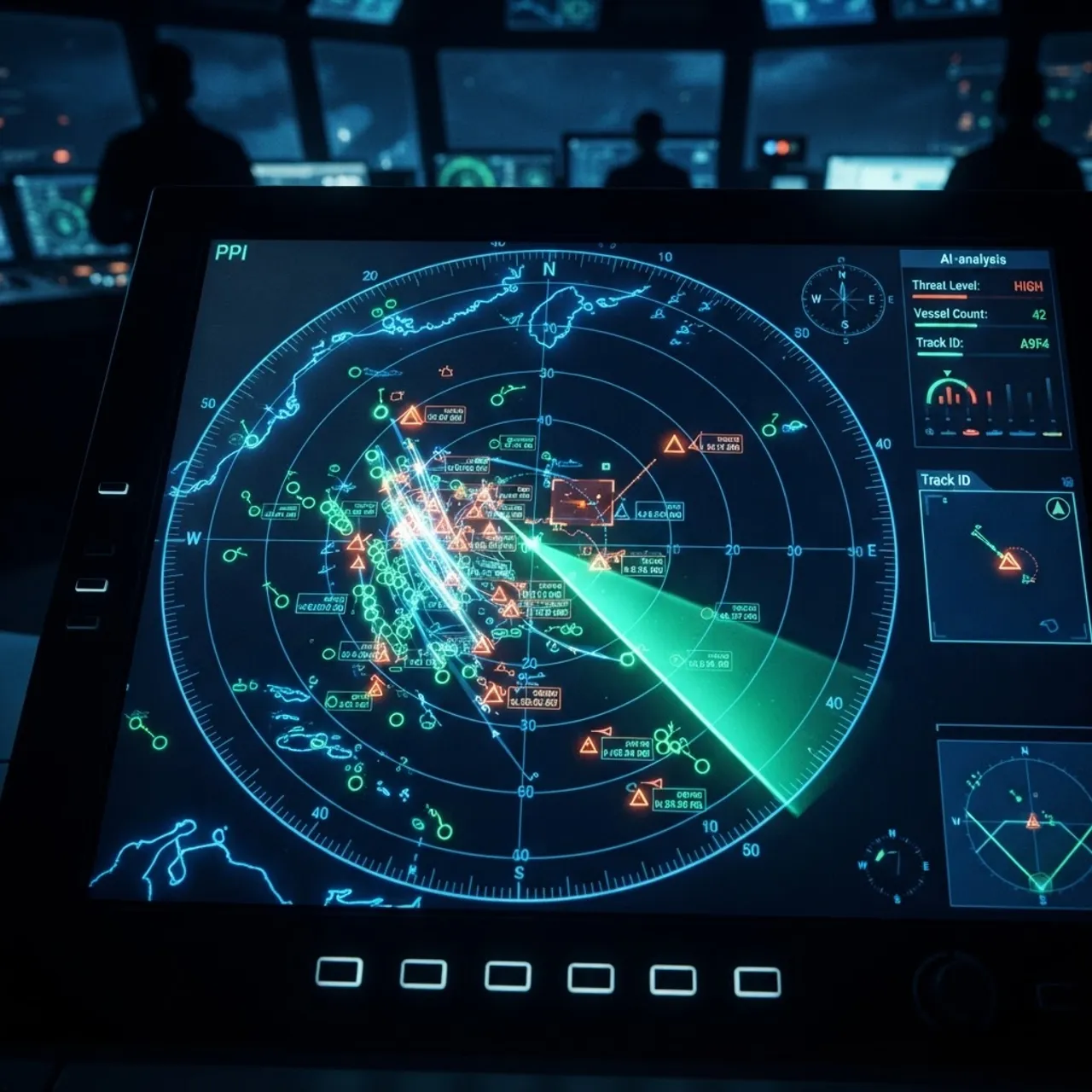
Instead of a sailor staring at a screen for hours, AI continuously monitors every contact and raises an alert only when a pattern looks suspicious, reducing fatigue-related errors and shrinking reaction time to a fraction of what it once was.
3. Predictive Maintenance
AI predicts equipment failures before they happen by analyzing sensor data from engines, pumps, and electronics. This "condition-based maintenance" cuts unexpected breakdowns, extends ship availability, and lowers repair costs, a direct force-multiplier for fleets operating far from home ports.
4. Logistics and Supply Optimization
AI optimizes fuel usage, spare-part inventories, and resupply scheduling across an entire fleet. By forecasting demand and routing supplies efficiently, it keeps ships operational longer and reduces waste, an unglamorous but decisive advantage during extended deployments when every resupply run carries risk.
AI-Powered Decision Support at Sea
AI decision-support systems give commanders a real-time, prioritized picture of the battlespace. Rather than replacing human judgment, these systems recommend options and highlight risks so officers can decide faster and with better information.
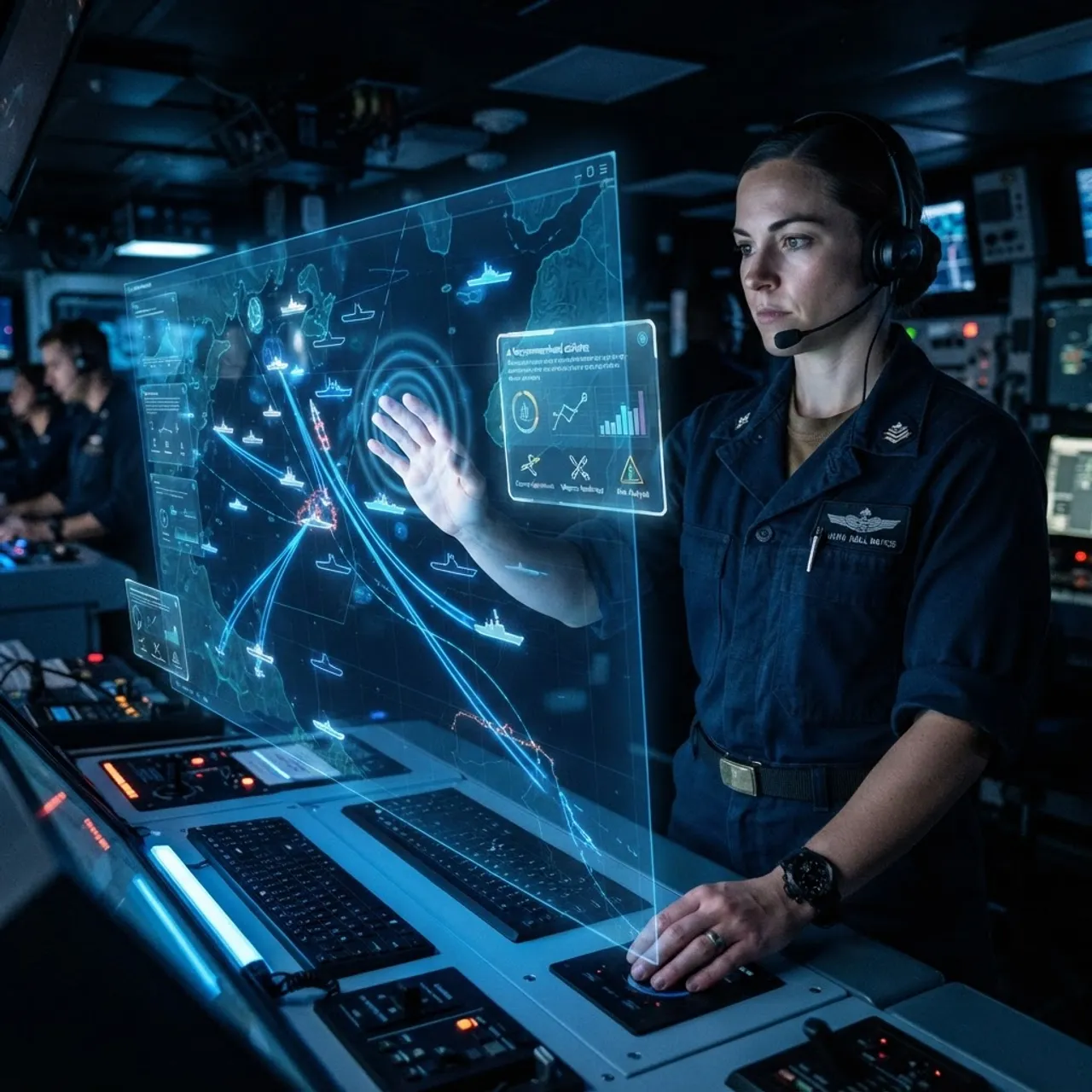
For example, a decision-support tool can fuse sonar, radar, and satellite data into a single tactical map, then simulate how a threat might unfold over the next several minutes. This "human-on-the-loop" model keeps a person in control of lethal decisions while letting AI handle the heavy analytical lifting. Most Western navies treat meaningful human control as a non-negotiable design principle, ensuring accountability remains with trained officers.
Unmanned Underwater Vehicles and the Silent Frontier
Underwater is where AI may prove most transformative. Water blocks GPS and most communications, so underwater drones must think for themselves. AI-guided unmanned underwater vehicles (UUVs) handle mine detection, seabed mapping, and covert reconnaissance without constant human guidance.
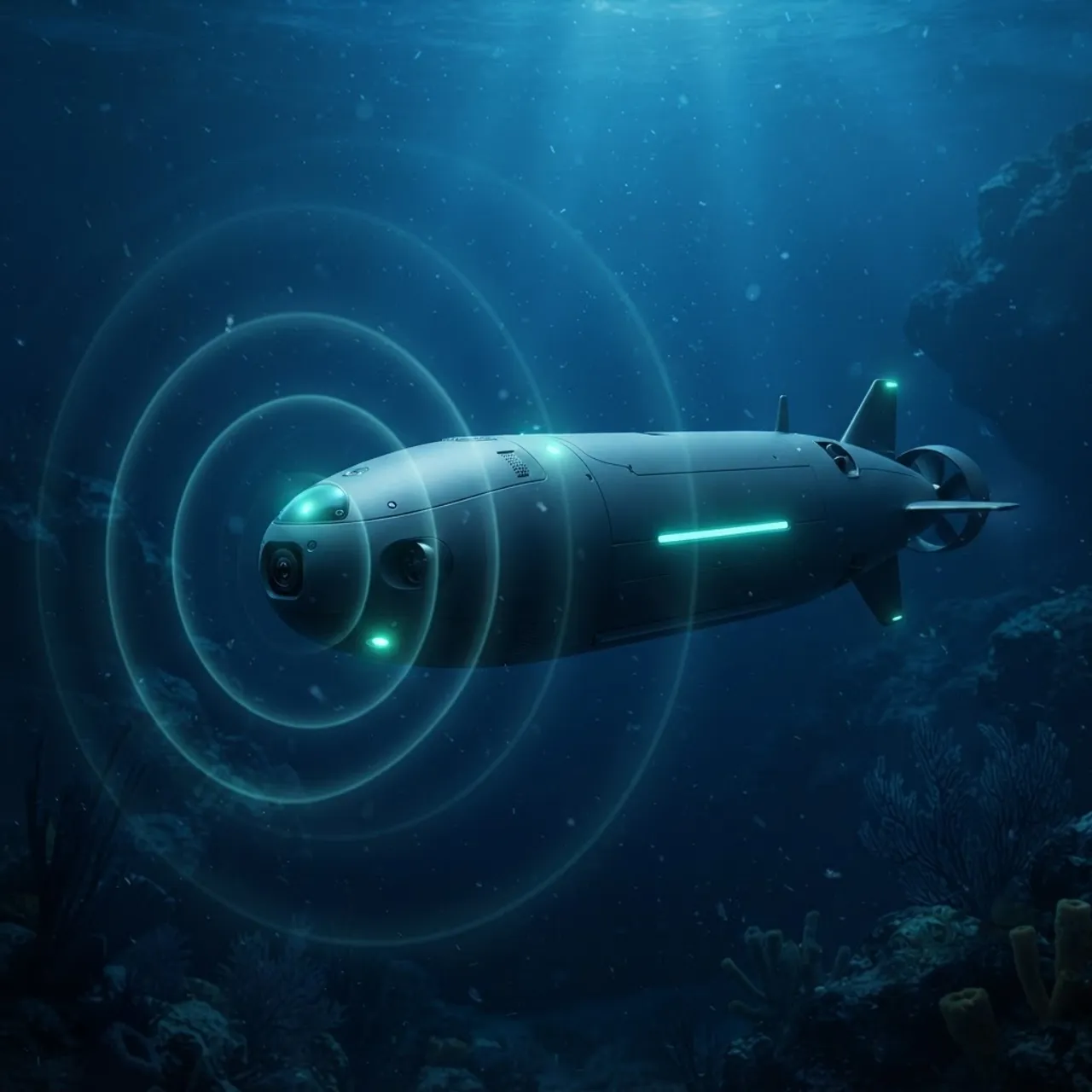
Because these vehicles operate in communication-denied environments, onboard AI must make navigation and identification decisions independently, a demanding challenge that pushes autonomy research forward. Advances here directly benefit civilian sectors too, including offshore energy inspection and ocean science, showing how naval investment often spills over into the wider economy.
Cybersecurity: Defending the Digital Fleet
As ships become more connected, they also become more hackable. AI plays defense by monitoring network traffic for intrusions and responding to attacks in milliseconds, far faster than manual security teams could react.
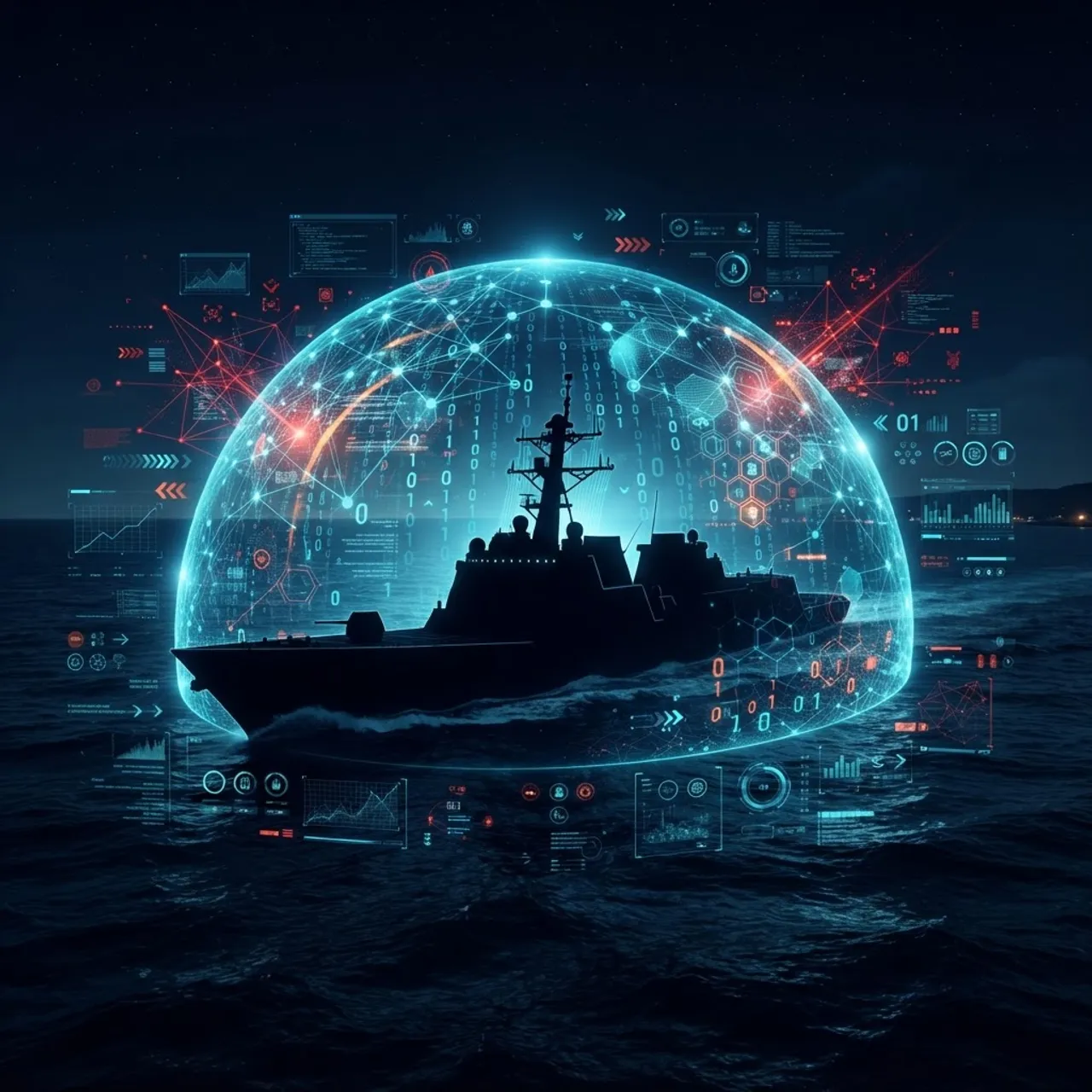
A modern warship is essentially a floating data center, and a single breach could disable navigation or weapons systems. AI-based intrusion detection learns normal network behavior and flags deviations instantly. This is the same class of technology many businesses now adopt; specialists offering AI services at WebPeak and ZoneTechify's AI solutions build comparable threat-detection and automation tools for commercial clients.
Traditional vs AI-Enabled Naval Operations
The table below compares conventional naval methods with AI-enabled approaches.
| Capability | Traditional Navy | AI-Enabled Navy |
|---|---|---|
| Threat detection | Manual watch teams | Automated, continuous, real-time |
| Reaction time | Minutes | Seconds |
| Crew requirements | Large crews | Reduced or uncrewed |
| Maintenance | Scheduled or reactive | Predictive |
| Data processing | Limited by humans | Massive, automated |
| Risk to sailors | High in danger zones | Lower via autonomy |
The Future of the AI Naval Fleet
The next decade will bring "manned-unmanned teaming," where crewed warships command fleets of autonomous drones acting as scouts, decoys, and sensors. This distributed model spreads capability across many low-cost platforms instead of concentrating it in a few expensive ships.
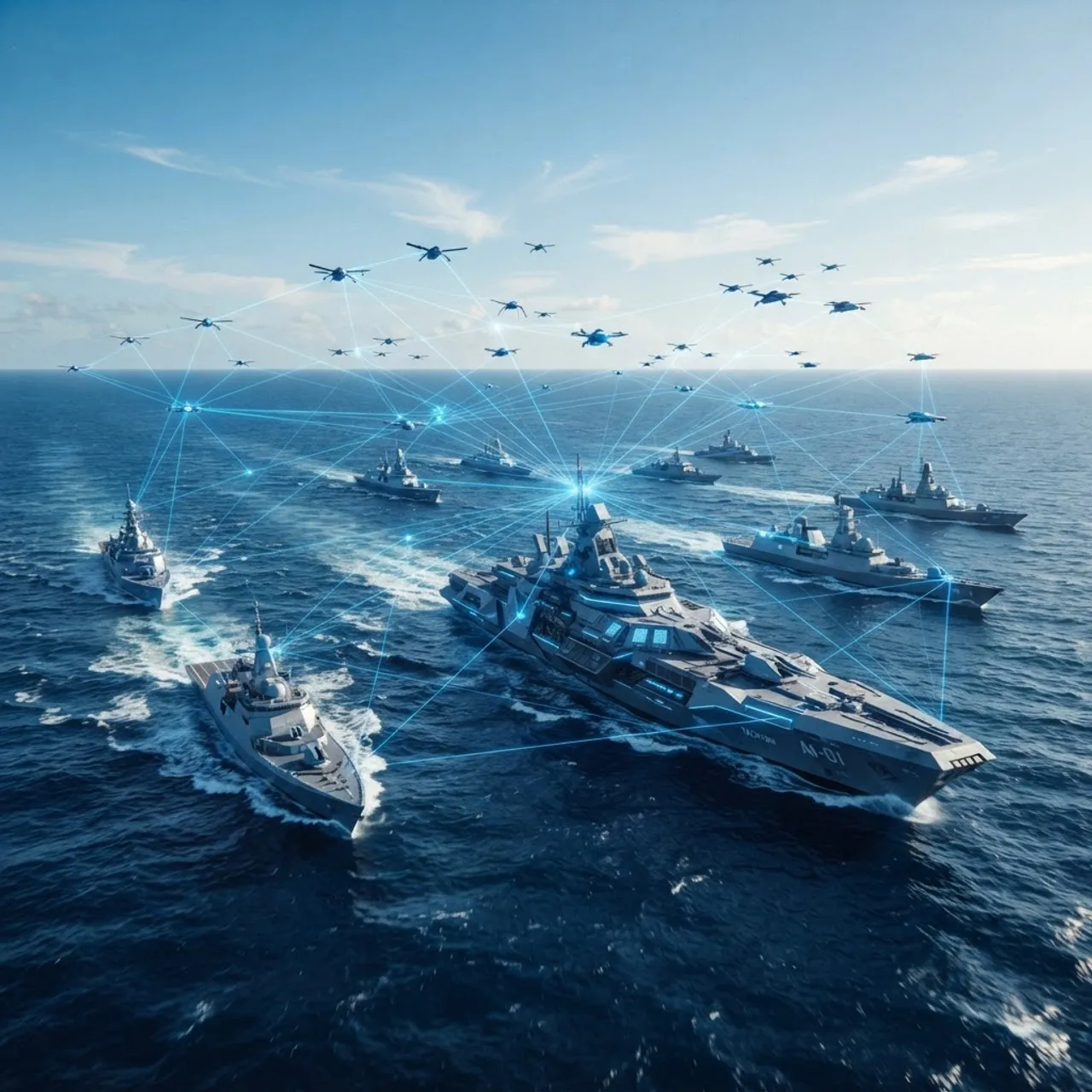
Expect fleets that share a single AI-driven picture of the ocean, coordinate autonomously, and adapt to threats collectively. The navy that masters this integration will hold a decisive advantage, not because of bigger ships, but because of smarter, faster networks that connect every platform into one thinking system.
Challenges and Ethical Considerations
AI at sea raises serious questions. Autonomous weapons demand strict rules on human control, accountability, and the laws of armed conflict. There are also technical risks: AI can be fooled by adversarial data, and over-reliance on automation can erode human skill over time.
Trustworthy naval AI must therefore be explainable, testable, and reversible. Leading navies emphasize "responsible AI" frameworks that require rigorous testing, clear accountability, and a human authority for any use of force. Getting this governance right is as important as the technology itself.
Key Takeaways
- An artificial intelligence navy uses AI for autonomy, surveillance, maintenance, and decision support at sea.
- The global military AI market is projected to exceed $30 billion within the decade, with naval systems a major driver.
- AI cuts reaction time from minutes to seconds and reduces risk to sailors through unmanned platforms.
- Human-on-the-loop control remains the standard for lethal decisions in most Western navies.
- Predictive maintenance and AI cybersecurity deliver immediate, measurable cost and readiness benefits.
Frequently Asked Questions (FAQ)
What is an artificial intelligence navy?
An artificial intelligence navy is a naval force that uses AI technologies such as machine learning, autonomous vessels, and smart surveillance to improve decision-making, detect threats, and operate ships with less human input. It makes maritime operations faster, safer, and far more cost-effective.
Does the navy use fully autonomous weapons?
Most navies do not deploy fully autonomous lethal weapons. They follow a "human-on-the-loop" model, where AI recommends actions but a human retains final authority over any use of force. This preserves accountability and complies with international laws of armed conflict.
How does AI improve naval surveillance?
AI improves naval surveillance by continuously scanning radar, sonar, and camera feeds to classify vessels and detect anomalies automatically. It flags only suspicious activity, reducing human fatigue, cutting reaction time, and helping crews focus on genuine threats instead of routine monitoring.
Are AI-powered navy ships safer for sailors?
Yes. Uncrewed and AI-assisted vessels can enter minefields, contested waters, and other high-risk zones without putting sailors aboard. This reduces human exposure to danger while maintaining operational capability, which is one of the strongest arguments for naval AI adoption today.
Can AI navy systems be hacked?
Any connected system carries cyber risk, but navies use AI-based cybersecurity to defend against it. These systems learn normal network behavior and detect intrusions in milliseconds, responding far faster than manual teams. Responsible design, testing, and human oversight further reduce the overall risk.