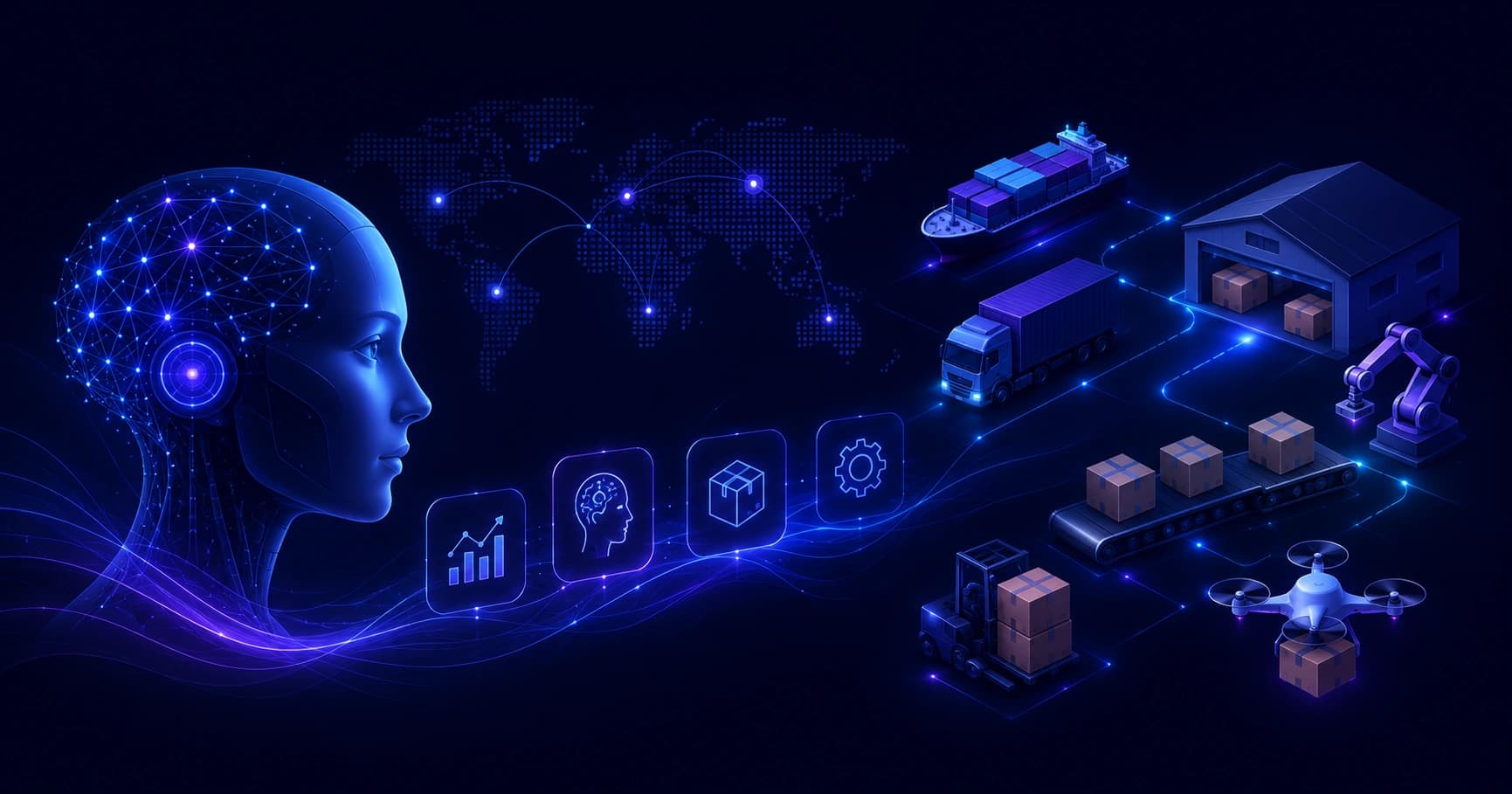
Discover how an artificial intelligence in supply chain management course works, what you learn, the skills you build, career paths, and how to pick the best program.
Artificial Intelligence in Supply Chain Management Course
Supply chains have become the nervous system of the global economy, and artificial intelligence is quickly becoming the brain that runs them. An artificial intelligence in supply chain management course teaches professionals how to apply machine learning, predictive analytics, and automation to real logistics, procurement, and inventory problems. Whether you are a supply chain analyst, an operations manager, or a recent graduate, AI literacy is no longer optional. It has become the difference between reacting to disruption and predicting it before it happens.
This guide breaks down exactly what these courses cover, who they are built for, the skills you will develop, and how to choose a program that delivers measurable career value. Everything below reflects how leading logistics teams and educators actually structure AI learning today, not generic theory.
Quick Answer: An artificial intelligence in supply chain management course teaches you to use machine learning, forecasting, and automation to optimize inventory, logistics, and procurement. It blends data analytics, practical AI tools, and real case studies, preparing professionals for high-demand roles across modern, data-driven global supply chains.
Why AI Is Transforming Supply Chain Management
AI is reshaping supply chains because it turns raw operational data into fast, accurate decisions. Traditional planning relies on spreadsheets and historical averages, which struggle with demand spikes, supplier delays, and shifting costs. Machine learning models process thousands of variables at once, spotting patterns humans miss and recommending actions in near real time.
The business impact is significant. According to Gartner, more than 50% of supply chain organizations are expected to invest in applications that support AI and advanced analytics capabilities. McKinsey research has also found that early adopters of AI-enabled supply chain management improved service levels and reduced logistics costs by double-digit percentages. These numbers explain why demand for professionals who understand both supply chains and AI is climbing sharply.
A quality course closes this exact skills gap. It does not just explain what AI is; it shows how to deploy it against real bottlenecks like stockouts, late shipments, and excess inventory. If you want a broader view of applied AI, ZoneTechify publishes practical guidance for teams adopting these technologies.
What Is an Artificial Intelligence in Supply Chain Management Course?
An artificial intelligence in supply chain management course is a structured training program that teaches you to apply AI techniques to sourcing, planning, manufacturing, warehousing, and distribution. Courses range from short online certificates to full university modules, and most combine three pillars: supply chain fundamentals, data analytics, and hands-on AI tools.
The goal is applied competence. Instead of only studying algorithms, you learn to frame a business problem, prepare data, build or use a model, and measure the result in metrics that matter, such as fill rate, lead time, and carrying cost.
Who Should Take This Course
- Supply chain and logistics professionals who want to future-proof their careers.
- Operations and procurement managers aiming to lead data-driven teams.
- Data analysts and IT staff moving into supply chain roles.
- Business and engineering students targeting high-growth industries.
- Entrepreneurs building product, e-commerce, or manufacturing ventures.
No advanced coding background is required for beginner programs, though comfort with data and basic statistics helps you move faster.
What You Will Learn: Core Modules
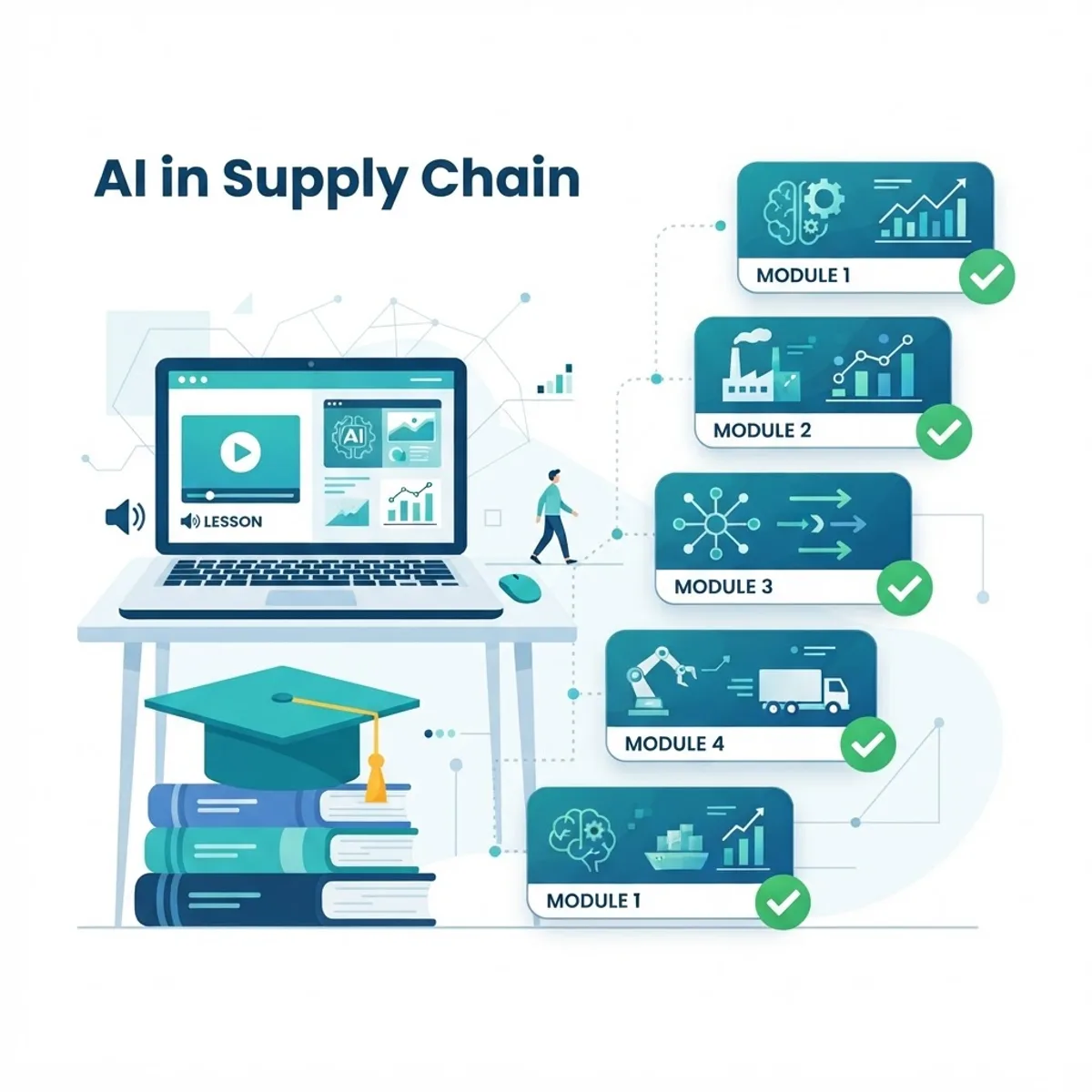
Most well-designed programs follow a similar progression, moving from foundations to applied projects. A typical curriculum includes:
- Supply chain fundamentals covering planning, sourcing, production, and delivery flows.
- Data foundations including data collection, cleaning, and visualization.
- Machine learning basics such as regression, classification, and clustering.
- AI applications in forecasting, logistics, and inventory optimization.
- Automation and IoT for real-time tracking and smart warehousing.
- Ethics, risk, and governance to keep AI use responsible and compliant.
- A capstone project applying everything to a realistic business scenario.
The capstone matters most. Employers value candidates who can show a completed project, such as a demand forecast that cut inventory waste or a routing model that reduced delivery time.
Key AI Applications Covered in the Course
The strongest courses spend most of their time on high-impact use cases. These are the applications you will practice and be expected to explain in interviews.
Demand Forecasting

Demand forecasting is often the first and most valuable AI skill you build. Machine learning models blend historical sales, seasonality, promotions, weather, and market signals to predict future demand far more accurately than manual methods. Better forecasts mean fewer stockouts, less overstock, and healthier cash flow. Courses teach you to evaluate forecast accuracy using metrics like MAPE so you can prove the model actually improves decisions.
Logistics and Route Optimization
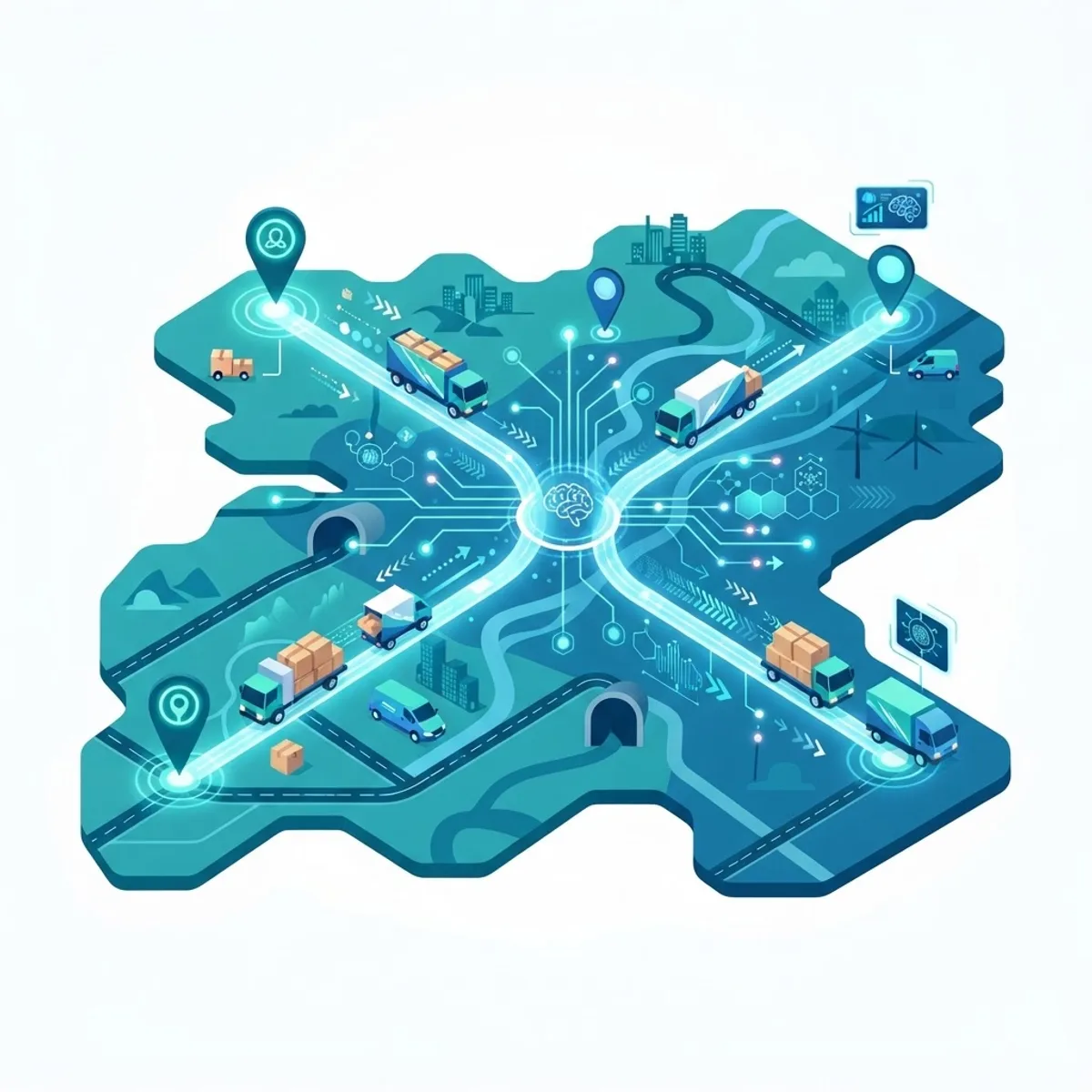
Logistics optimization uses AI to plan the fastest, cheapest, and most reliable delivery routes. Algorithms weigh traffic, fuel cost, delivery windows, and vehicle capacity to minimize miles and emissions. You will learn how optimization and reinforcement learning support last-mile delivery, freight consolidation, and dynamic rerouting when disruptions occur. This is where AI directly reduces cost and improves customer satisfaction at the same time.
Inventory Management Automation
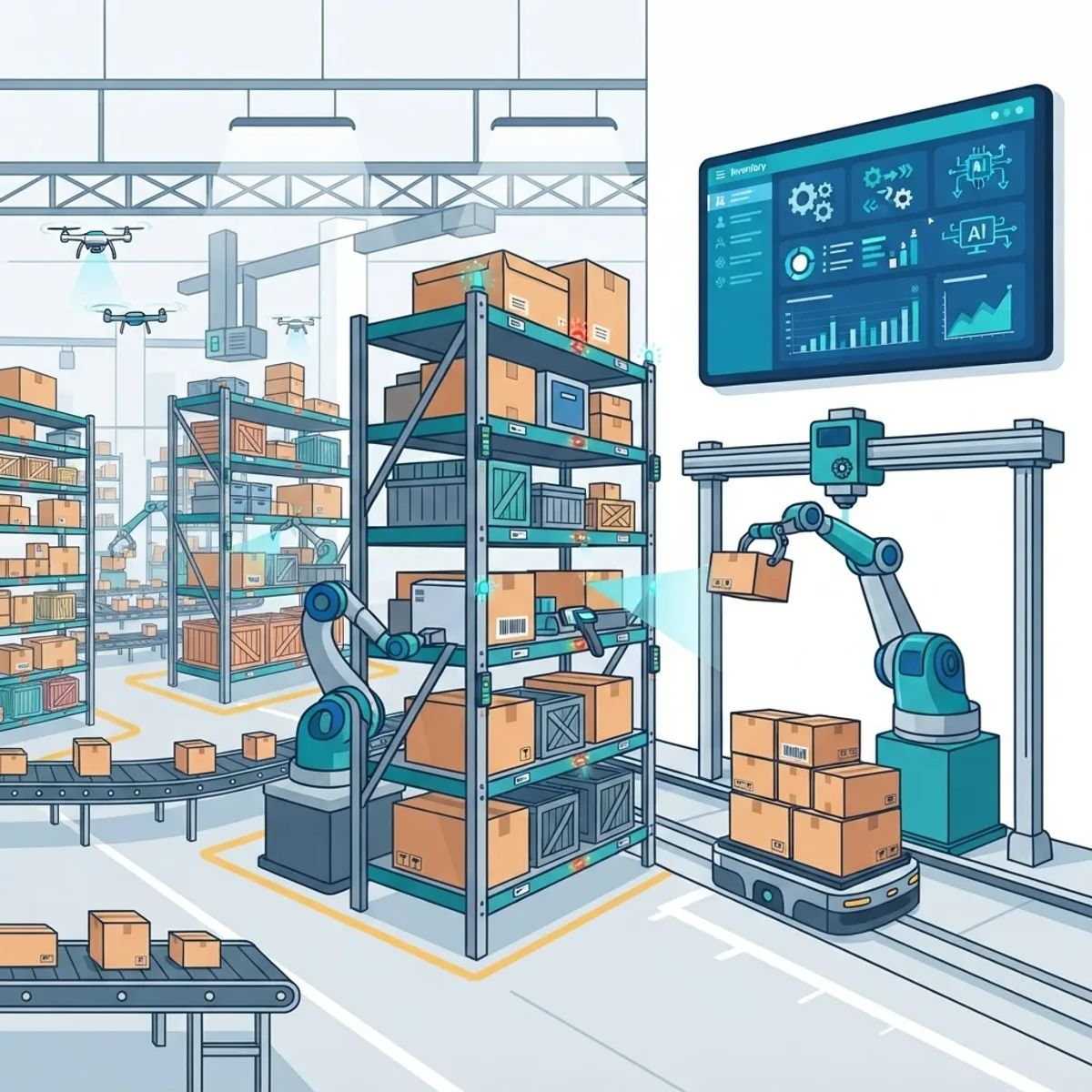
Inventory automation keeps the right stock in the right place without constant manual intervention. AI systems set reorder points automatically, flag slow-moving items, and balance stock across warehouses. Combined with IoT sensors and robotics, they enable smart warehouses that track goods in real time. Courses show you how to design rules and models that cut carrying costs while protecting service levels, a balance that defines profitable operations.
How AI Delivers Measurable Results
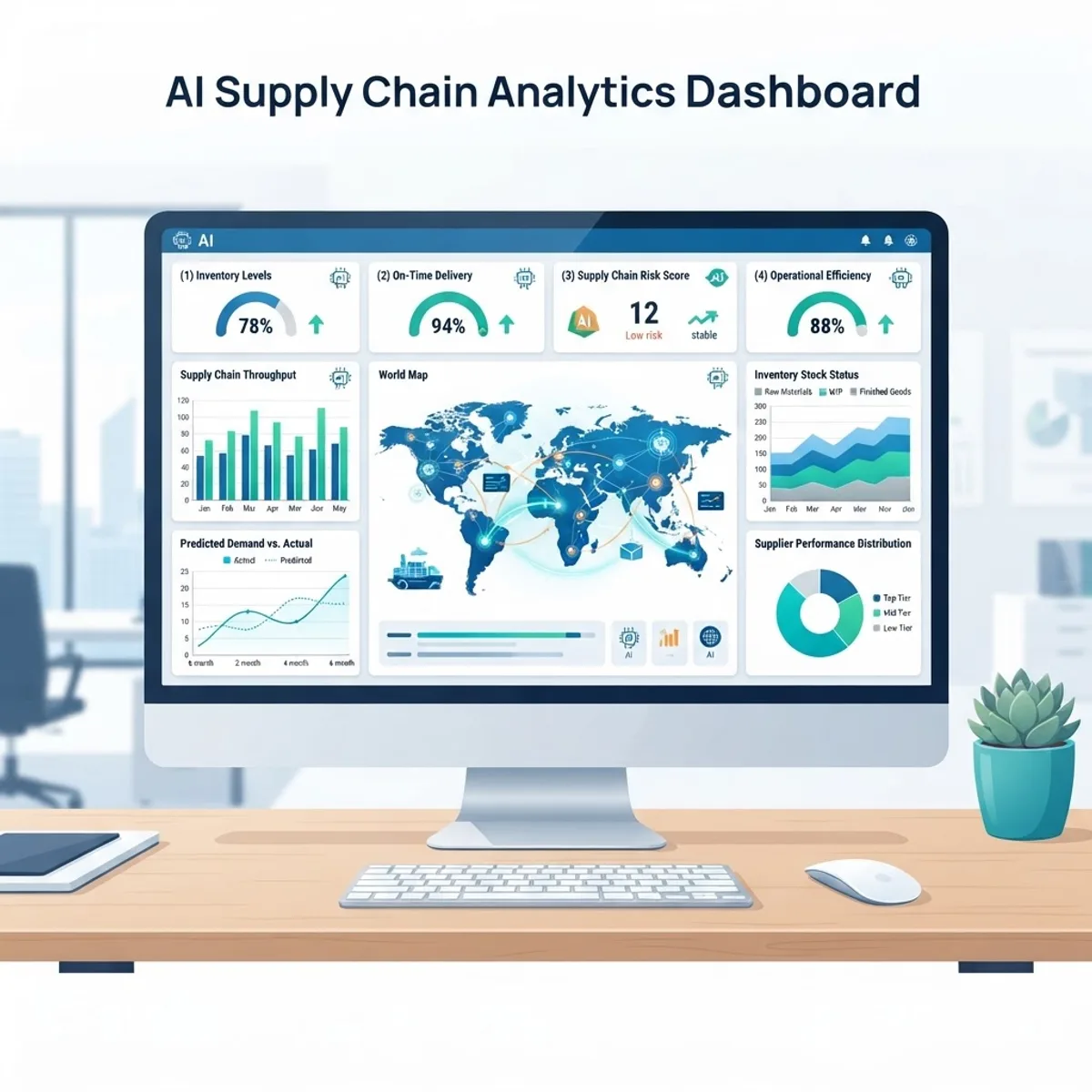
The defining trait of a serious course is its focus on measurable outcomes. You learn to connect every model to a dashboard that leaders actually watch: on-time delivery, forecast accuracy, inventory turnover, and total landed cost. Reading and building these analytics views is a core skill, because AI value is only real when it appears in reporting.
This outcome-first mindset separates hobby learning from professional training. Expect to justify projects in financial terms, present findings clearly, and recommend the next action, not just the prettiest chart.
Skills You Need and Will Build

A good program develops both technical and business skills. On the technical side, you build comfort with data analysis, Python or similar tools, core machine learning concepts, and visualization. On the business side, you sharpen supply chain strategy, problem framing, and communication.
The most employable graduates combine both. They can clean a messy dataset and also explain to a warehouse manager why the model recommends a change. If your organization needs help operationalizing these capabilities, the artificial intelligence services team at ZoneTechify and the specialists at WebPeak support real-world AI deployment beyond the classroom.
Comparison Table: Traditional vs AI-Driven Supply Chains
| Factor | Traditional Supply Chain | AI-Driven Supply Chain |
|---|---|---|
| Forecasting | Historical averages, manual | Predictive machine learning models |
| Decision speed | Slow, periodic reviews | Near real-time recommendations |
| Inventory | Frequent overstock or stockouts | Optimized, automated reorder points |
| Disruption response | Reactive | Predictive and proactive |
| Cost control | Limited visibility | Continuous, data-backed optimization |
| Scalability | Effort grows with volume | Scales efficiently with data |
This contrast is exactly why organizations invest in trained talent. The AI-driven column is not a future promise; it is the current standard for competitive operations.
Career Opportunities After the Course

Completing an AI supply chain course opens doors to some of the fastest-growing roles in operations. Common titles include:
- Supply Chain Data Analyst
- AI or Machine Learning Supply Chain Specialist
- Demand Planning Analyst
- Logistics Optimization Analyst
- Operations Research Analyst
- Supply Chain Consultant
These roles typically command higher salaries than traditional planning positions because they blend scarce skills. Just as important, the knowledge is transferable across retail, manufacturing, healthcare, e-commerce, and technology, giving you flexibility as industries evolve.
How to Choose the Right Course
Choosing the right program comes down to fit, credibility, and practical output. Use these criteria before you enroll:
- Hands-on projects. Prioritize courses with real datasets and a capstone.
- Current tools. Look for modern AI and analytics tooling, not outdated theory.
- Instructor expertise. Check that instructors have real industry experience.
- Recognized certification. A credible certificate strengthens your resume.
- Support and community. Mentorship and peer networks speed learning.
- Clear outcomes. The course should state the skills and roles it prepares you for.
Avoid programs that are heavy on buzzwords but light on practice. The ability to show a finished, measurable project is worth far more than a long list of watched videos.
Key Takeaways
- An AI in supply chain management course teaches applied machine learning for forecasting, logistics, and inventory.
- Gartner expects more than 50% of supply chain organizations to invest in AI and advanced analytics.
- The best courses focus on measurable outcomes like forecast accuracy, cost, and on-time delivery.
- Core skills combine data analytics with supply chain strategy and clear communication.
- Graduates qualify for high-demand roles across retail, manufacturing, healthcare, and e-commerce.
- Choose programs with hands-on projects, current tools, and a credible capstone.
Frequently Asked Questions (FAQ)
What is an artificial intelligence in supply chain management course?
It is a training program that teaches you to apply AI, machine learning, and automation to supply chain tasks like forecasting, logistics, and inventory. You learn data analysis, practical AI tools, and real case studies so you can make faster, smarter, cost-saving operational decisions.
Do I need coding experience to take this course?
Not for most beginner programs. Introductory courses teach the concepts and use user-friendly tools, so basic comfort with data and spreadsheets is enough. Advanced programs may use Python, but many guide you step by step, making the material accessible to non-technical supply chain professionals.
How long does an AI supply chain course take?
It depends on the format. Short online certificates can take a few weeks of part-time study, while university modules and specializations may run several months. Self-paced programs let you finish faster, but plan enough time to complete hands-on projects that prove your practical skills.
Is an AI in supply chain course worth it in 2026?
Yes. Demand for professionals who combine supply chain knowledge with AI skills is rising quickly, and these roles often pay more than traditional planning jobs. The training helps you cut costs, reduce disruptions, and stay competitive as data-driven operations become the industry standard.
What jobs can I get after completing the course?
Graduates commonly move into roles such as supply chain data analyst, demand planning analyst, logistics optimization analyst, operations research analyst, and AI supply chain specialist. These positions exist across retail, manufacturing, healthcare, and e-commerce, giving you strong flexibility and long-term career growth.
Final Thoughts
Artificial intelligence is now core infrastructure for modern supply chains, not a luxury. A focused course gives you the practical ability to forecast demand, optimize logistics, and automate inventory while proving results in real business metrics. Choose a program with hands-on projects and current tools, complete a strong capstone, and you will be positioned for one of the most resilient, high-growth career paths in operations today.