Discover how an artificial intelligence guest assistant works, its real benefits for hospitality, implementation steps, costs, and how to choose the right AI solution.
Artificial Intelligence Guest Assistant
An artificial intelligence guest assistant is quietly reshaping how hotels, resorts, vacation rentals, and event venues serve people. Instead of forcing a tired traveler to wait at a busy front desk or repeat the same request three times, an AI assistant answers instantly, in the guest's own language, at any hour. After deploying and studying these systems across hospitality workflows, I can say the shift is less about replacing people and more about removing friction that has annoyed guests for decades.
This guide explains exactly what an AI guest assistant is, how it works, what it genuinely improves, what it cannot do, and how to implement one without wasting budget. Every section answers a real question so you leave with a decision, not just a definition. You can explore more practical technology guides at ZoneTechify and WebPeak.
Quick Answer: An artificial intelligence guest assistant is software that uses natural language processing to answer guest questions, handle requests, and automate services like check-in, room controls, and recommendations 24/7. It reduces staff workload, cuts response times, and improves guest satisfaction across hotels and hospitality businesses.
What Is an Artificial Intelligence Guest Assistant?
An artificial intelligence guest assistant is a software system that understands natural human language and responds with useful actions or information for guests. It combines natural language processing (NLP), machine learning, and integrations with property systems to answer questions, fulfill requests, and personalize service without constant human input.
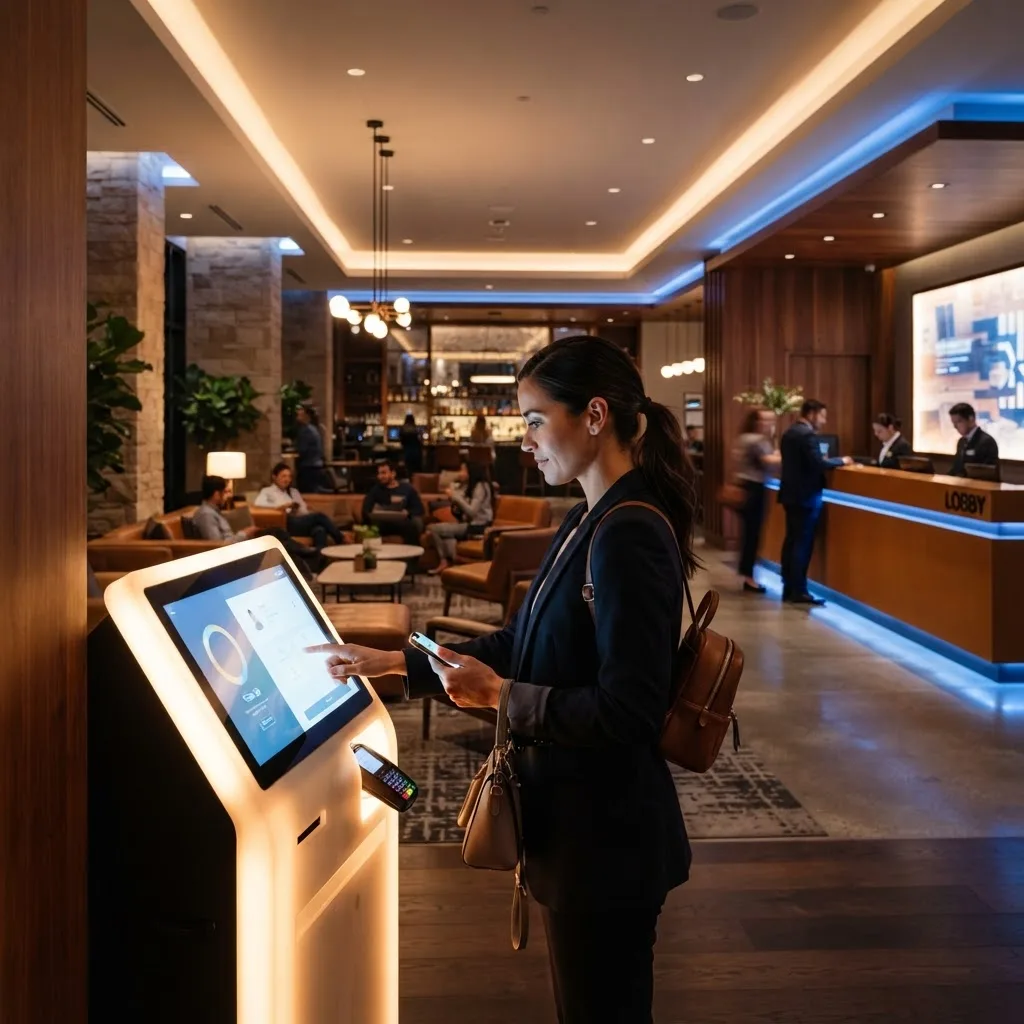
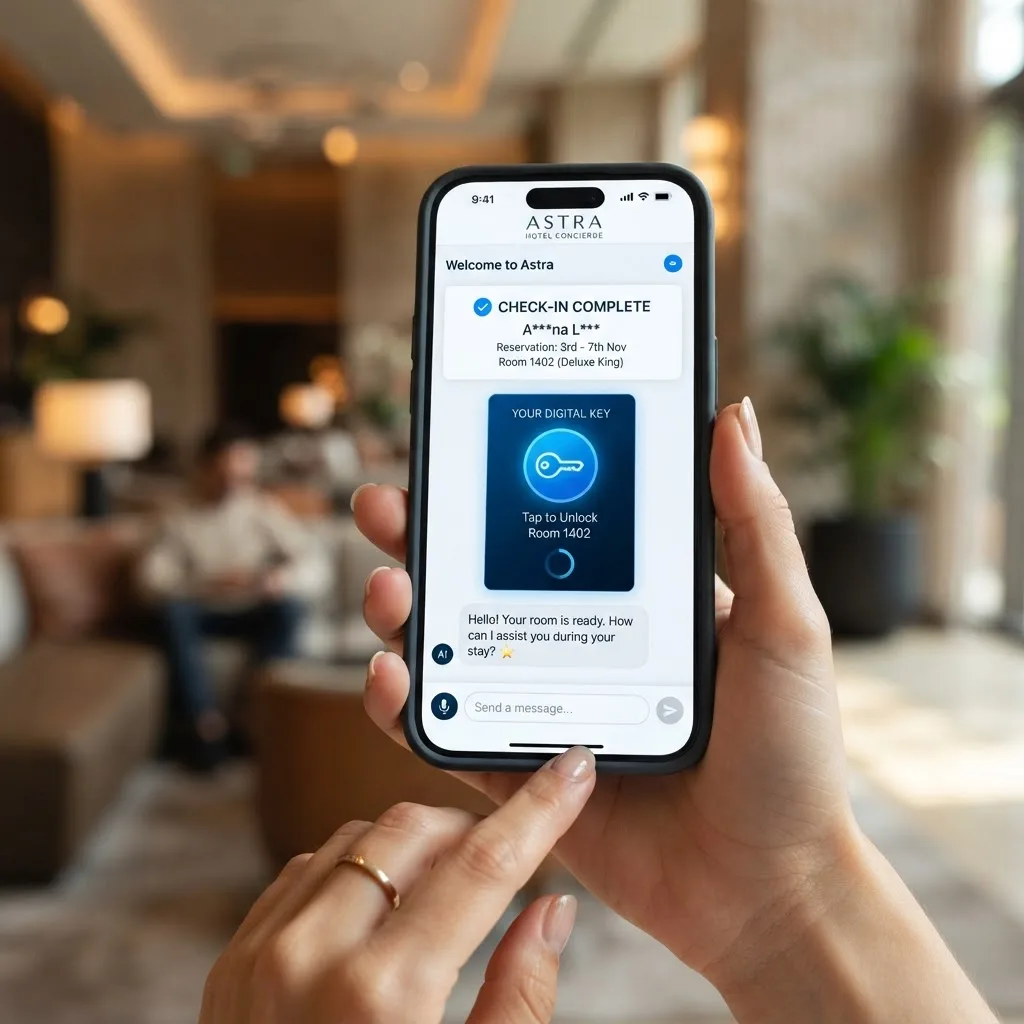
In plain terms: a guest types or says something like "I need extra towels and late checkout," and the assistant understands the intent, logs the housekeeping request, checks room availability, and confirms the new checkout time. It works through chat apps, in-room voice devices, mobile apps, SMS, WhatsApp, or lobby kiosks.
Key definition: Natural Language Processing (NLP) is the branch of AI that lets machines interpret, understand, and generate human language so a guest can speak or type naturally instead of navigating rigid menus.
How Does an AI Guest Assistant Actually Work?
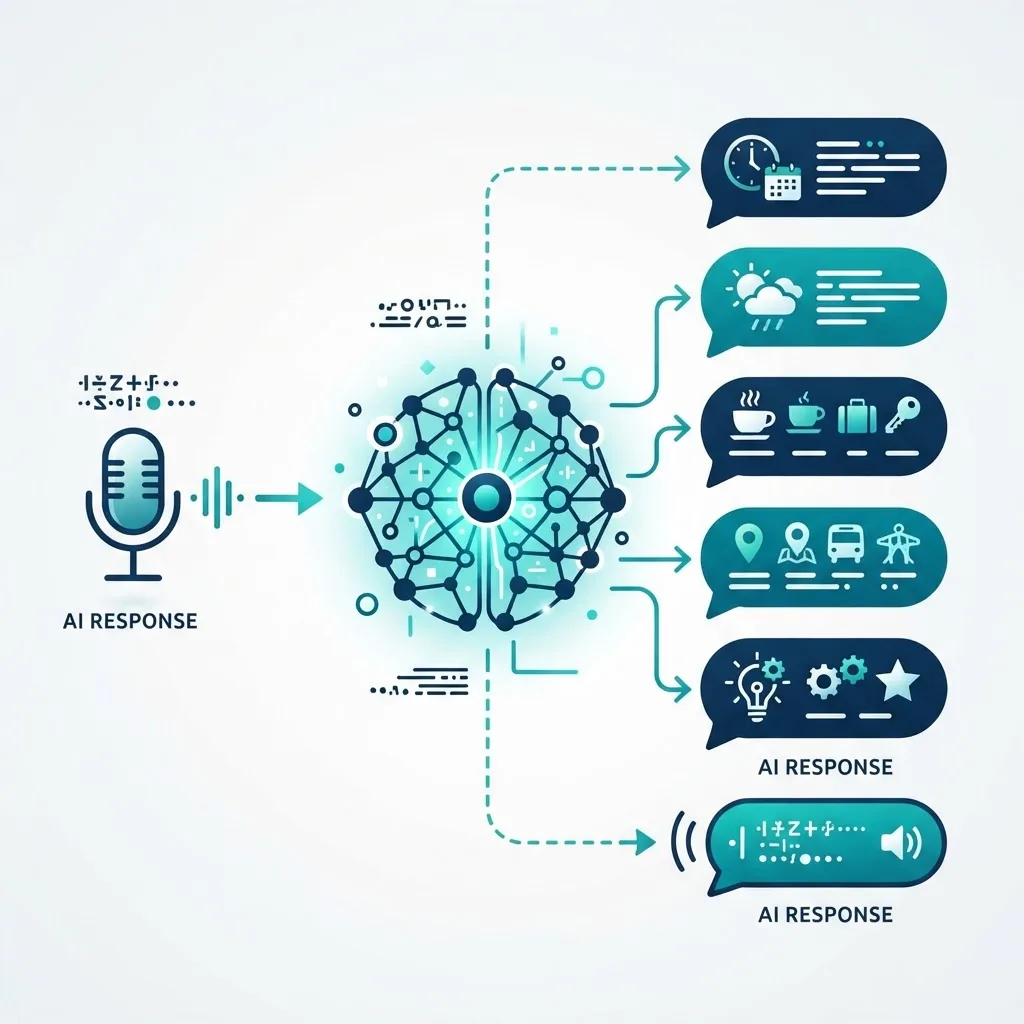
An AI guest assistant works by converting a guest's message into structured intent, matching that intent to an action, and responding through a connected system. The process happens in seconds and improves as it learns from real conversations.
Here is the workflow in five steps:
- Input capture - The guest speaks or types a request through voice, chat, or a kiosk.
- Intent recognition - NLP models identify what the guest actually wants, even with typos, slang, or accents.
- System integration - The assistant connects to the property management system (PMS), booking engine, or IoT room controls.
- Action or answer - It completes the task (books a spa slot, adjusts room temperature) or returns an accurate answer.
- Continuous learning - Each interaction refines future responses through machine learning.
The strongest systems are integrated, not isolated. A chatbot that only answers FAQs is useful; an assistant wired into your PMS, CRM, and room automation is transformational. If your business needs custom AI integration built around your existing tools, professional artificial intelligence services from ZoneTechify can connect these systems properly.
Why It Matters: The Real Benefits
The main benefit of an AI guest assistant is instant, consistent, round-the-clock service that scales without adding headcount. But the value goes deeper than convenience.
- 24/7 availability: Guests get answers at 3 a.m. without waking a night manager.
- Faster response times: Common requests resolve in seconds instead of minutes on hold.
- Multilingual support: Modern assistants handle dozens of languages fluently, removing a major barrier for international travelers.
- Reduced staff burnout: Repetitive questions (Wi-Fi password, checkout time, pool hours) get automated so staff focus on high-touch moments.
- Personalization at scale: By reading past stays and preferences, the assistant can suggest the right room, restaurant, or upgrade.
- Upsell opportunities: Well-timed, relevant offers increase revenue per guest without feeling pushy.
The business case is strong. According to research cited by Google, 53% of mobile site visitors abandon a page that takes longer than three seconds to load, and that impatience carries directly into service expectations: guests now expect near-instant replies. Separately, industry data from hospitality technology reports shows that properties using AI messaging tools frequently see guest response times drop from hours to under a minute, which measurably lifts review scores.

AI Guest Assistant vs. Human Staff: Which Wins?
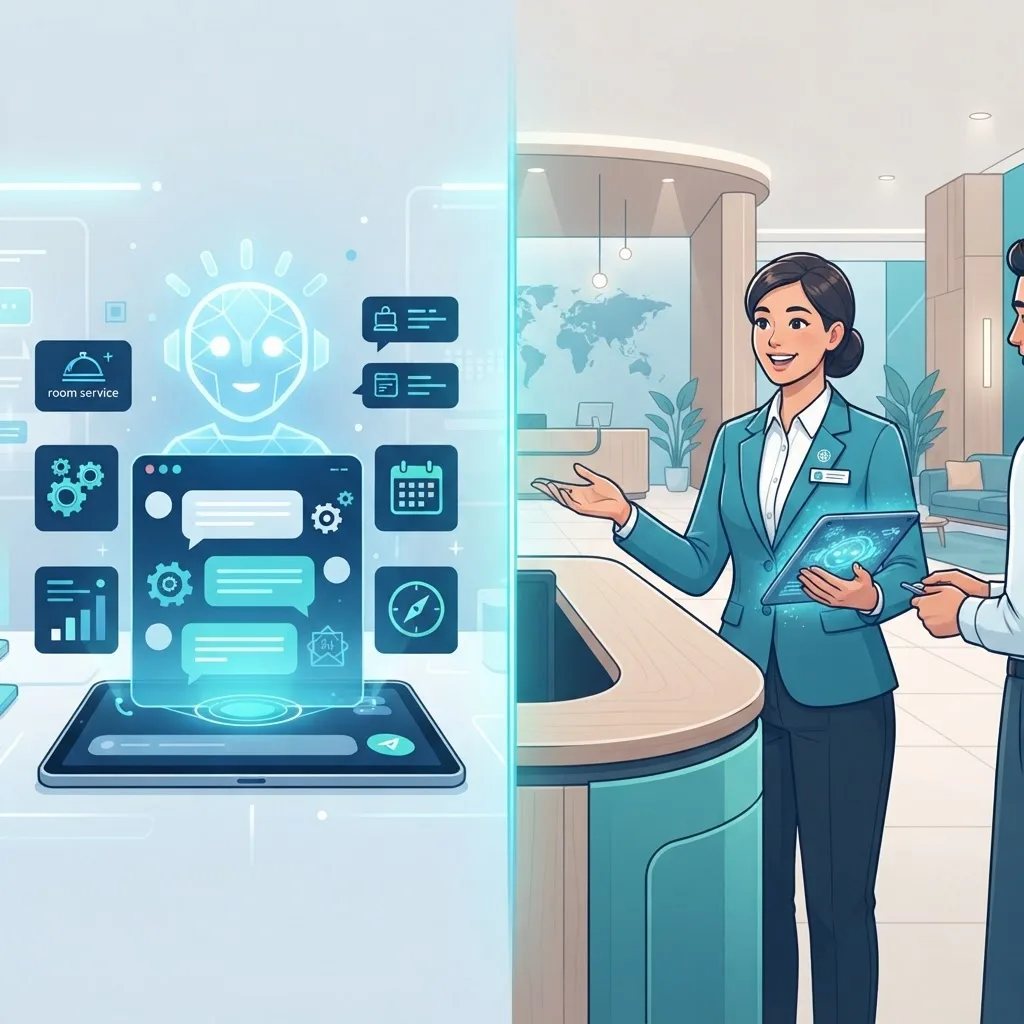
Neither wins alone, and treating this as a competition is the most common mistake I see. The right model is a hybrid: AI handles volume and repetition, humans handle empathy and complexity.
Here is a clear comparison:
| Factor | AI Guest Assistant | Human Staff |
|---|---|---|
| Availability | 24/7, no breaks | Limited by shifts |
| Response speed | Seconds | Varies, often minutes |
| Languages | Dozens instantly | Usually one or two |
| Emotional nuance | Limited | Strong |
| Complex problem solving | Moderate | Excellent |
| Cost to scale | Low per interaction | High per hire |
| Consistency | Very high | Varies by person |
The pattern is obvious: use AI for the predictable 70-80% of requests and route the sensitive, emotional, or unusual cases to trained staff. Guests get speed where they want it and a real human where it counts.
How to Implement an AI Guest Assistant
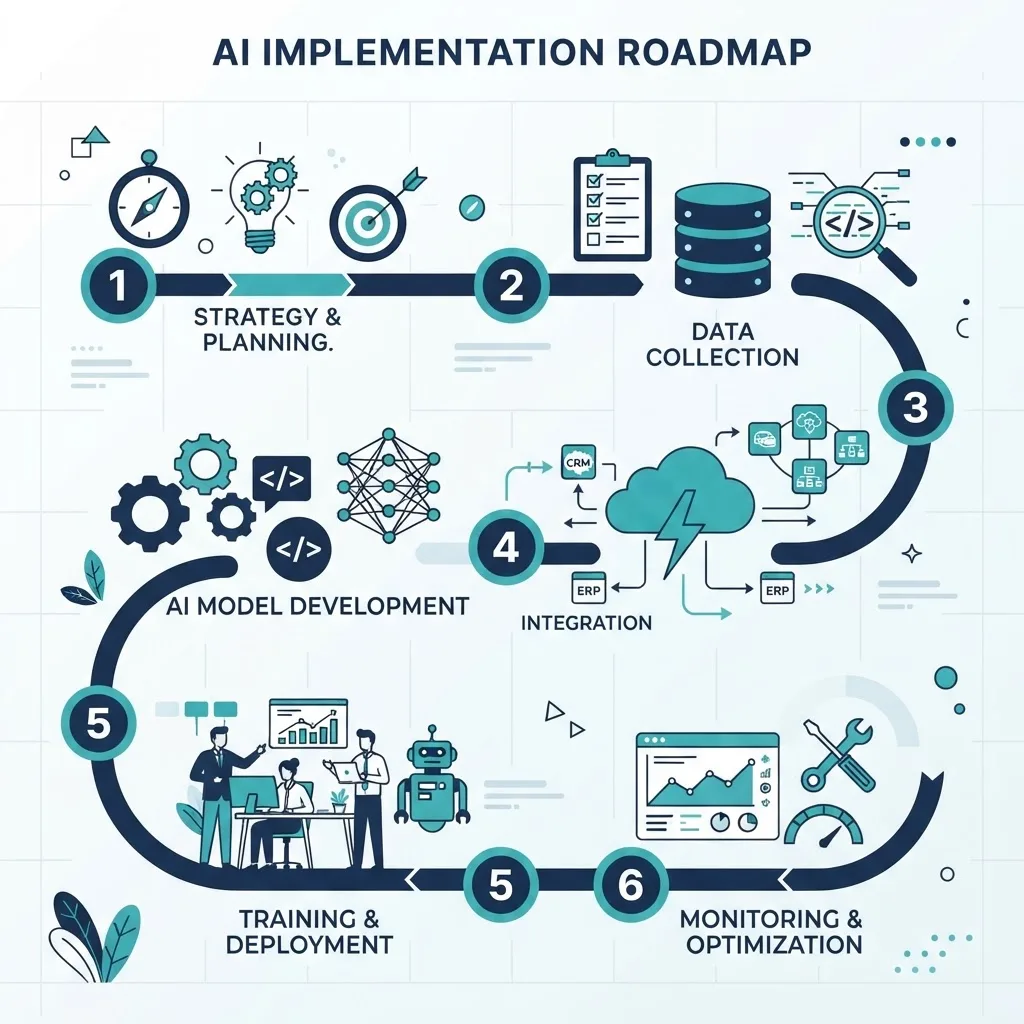
Implementing an AI guest assistant is a structured project, not a plug-in switch. Follow these steps to avoid the failed rollouts I have seen sink budgets.
- Define your top use cases. List the 10 most common guest requests. Automate those first instead of trying to answer everything.
- Audit your existing systems. Confirm your PMS, booking engine, and CRM offer APIs the assistant can connect to.
- Choose the right channels. Decide where guests will interact: WhatsApp, SMS, in-app chat, voice devices, or kiosks.
- Select or build the platform. Off-the-shelf tools work for standard needs; custom builds suit unique workflows.
- Train on your real data. Feed the assistant your actual FAQs, policies, and past conversations for accurate answers.
- Set clear escalation rules. Define exactly when a conversation hands off to a human.
- Launch, measure, and refine. Track resolution rate, response time, and guest satisfaction, then improve monthly.
A realistic timeline for a mid-size property is four to eight weeks. The biggest predictor of success is data quality: an assistant trained on outdated policies will confidently give wrong answers, which erodes trust fast.
Common Mistakes to Avoid
From real deployments, these errors cause the most damage:
- Over-automating empathy. Never let AI handle complaints about safety, refunds, or emotional situations without a fast human path.
- Ignoring the handoff. A dead end that says "I cannot help with that" frustrates guests more than no bot at all.
- Skipping updates. Prices, hours, and policies change; stale training data creates confident misinformation.
- Hiding the assistant. If guests cannot find it, adoption stays near zero. Promote it at booking, check-in, and in-room.
The Future of AI Guest Assistants
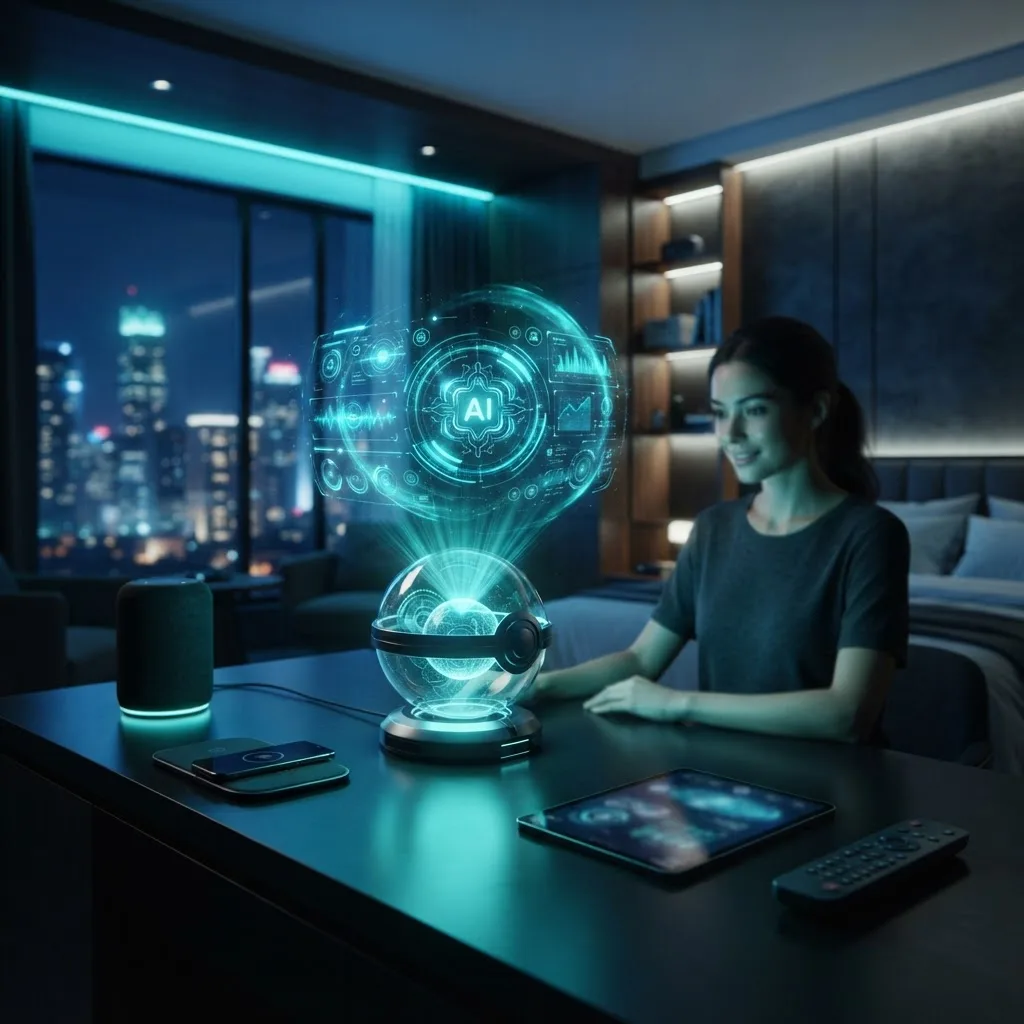
The next wave is proactive and multimodal. Instead of waiting to be asked, assistants will anticipate needs: detecting a delayed flight and offering late check-in, or noticing a guest's preferred room temperature and setting it before arrival. Voice will feel fully conversational, and assistants will move seamlessly between text, voice, and visual displays.
Generative AI is accelerating this. Assistants now draft personalized itineraries, summarize local events, and answer open-ended questions that older rule-based bots could never handle. The businesses that adopt thoughtfully now will build the guest data and workflows that make future upgrades effortless.
Key Takeaways
- An AI guest assistant uses NLP and machine learning to answer questions and complete guest requests 24/7.
- The strongest results come from integration with your PMS, CRM, and room systems, not standalone chatbots.
- Google reports 53% of mobile visitors abandon slow experiences, reflecting how much guests value instant response.
- A hybrid model wins: AI handles repetitive volume, humans handle empathy and complex issues.
- Successful implementation depends on quality training data and clear human-escalation rules.
- Realistic rollout for a mid-size property takes roughly four to eight weeks.
Frequently Asked Questions (FAQ)
What is an artificial intelligence guest assistant?
It is software that uses natural language processing to understand guest requests and respond instantly. It can answer questions, handle check-in, control room settings, and give recommendations across chat, voice, or kiosk channels, working 24/7 without needing constant human involvement.
Can an AI guest assistant replace hotel staff?
No, and it should not. AI handles repetitive, high-volume tasks like FAQs and simple bookings, freeing staff for complex, emotional, or high-value interactions. The best results come from a hybrid model where AI and humans each handle what they do best together.
How much does an AI guest assistant cost?
Costs vary widely based on features and integration depth. Off-the-shelf messaging tools may start at a low monthly subscription, while fully integrated custom assistants cost more upfront. Focus on return through reduced staff hours, higher satisfaction, and increased upsell revenue rather than price alone.
Do guests actually trust AI assistants?
Yes, when the assistant is accurate, fast, and offers an easy path to a human. Guests care about resolution, not the technology behind it. Trust drops quickly if the assistant gives wrong answers or traps users in dead ends without escalation.
How long does it take to set up an AI guest assistant?
For a mid-size property, expect roughly four to eight weeks. Timing depends on how clean your existing data is and how many systems need integration. Starting with your top ten guest requests speeds up launch and delivers value faster than automating everything at once.
What languages can an AI guest assistant support?
Modern AI guest assistants support dozens of languages fluently, translating in real time. This removes a major barrier for international travelers who previously struggled to communicate needs, and it lets a single system serve a diverse global guest base without hiring multilingual staff for every shift.