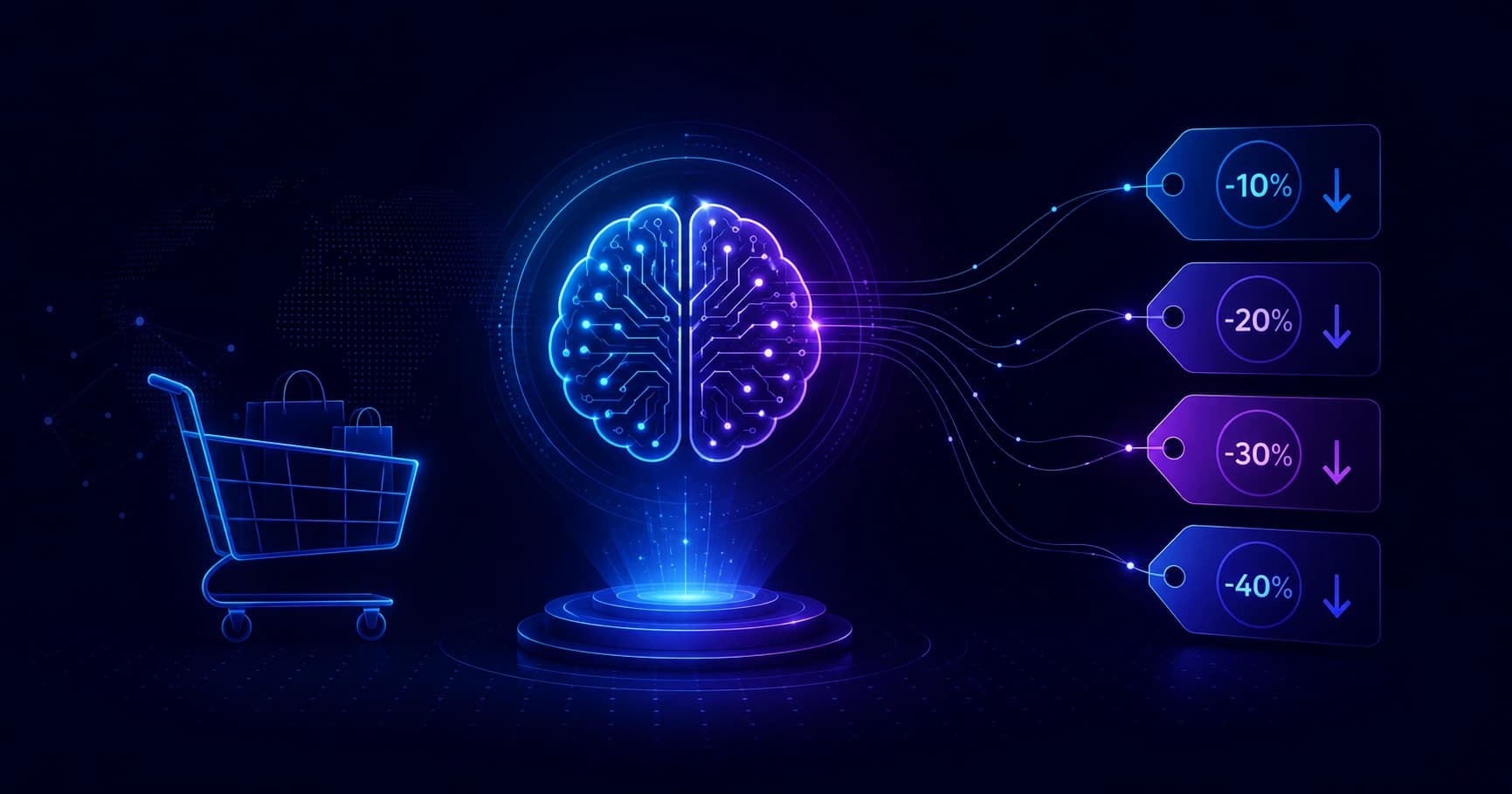
Discover how AI-powered dynamic discounting revolutionizes pricing strategies, maximizing revenue while delivering personalized offers to every customer in real time.
Artificial Intelligence Dynamic Discounting
In today's competitive retail and e-commerce landscape, businesses face an unprecedented challenge: how do you price products to maximize revenue while remaining attractive to customers? Traditional static pricing models no longer cut it. Enter artificial intelligence dynamic discounting — a transformative approach that uses machine learning algorithms to automatically adjust prices based on real-time market conditions, customer behavior, inventory levels, and demand patterns.
Dynamic discounting powered by AI is revolutionizing how businesses think about pricing strategy. Rather than relying on manual price adjustments or predetermined discount schedules, companies can now leverage intelligent systems that make thousands of pricing decisions every second, optimizing for both profitability and customer satisfaction.
What Is Dynamic Discounting?
Dynamic discounting is the practice of adjusting product prices in real time based on various factors such as demand, competition, inventory, and customer segments. It's not a new concept — airlines and ride-sharing companies have been using it for years — but artificial intelligence has made it dramatically more sophisticated and accessible.
Without AI, dynamic discounting requires teams of pricing analysts to manually review data and make decisions. With AI, the process becomes autonomous, continuous, and infinitely more granular. An AI system can create custom pricing for individual customers or product combinations, considering hundreds of variables simultaneously.
The core principle is simple: sell more by charging the right price to the right person at the right time. A price that's too high loses customers; a price that's too low leaves money on the table. AI finds the sweet spot automatically.
How Artificial Intelligence Powers Dynamic Discounting
AI-driven dynamic discounting relies on several interconnected technologies working in harmony. Machine learning models analyze vast amounts of historical and real-time data to identify patterns and predict customer behavior. Natural language processing can assess competitor pricing and market sentiment. Predictive analytics forecast demand spikes. All of this feeds into optimization engines that calculate the ideal price point for each scenario.
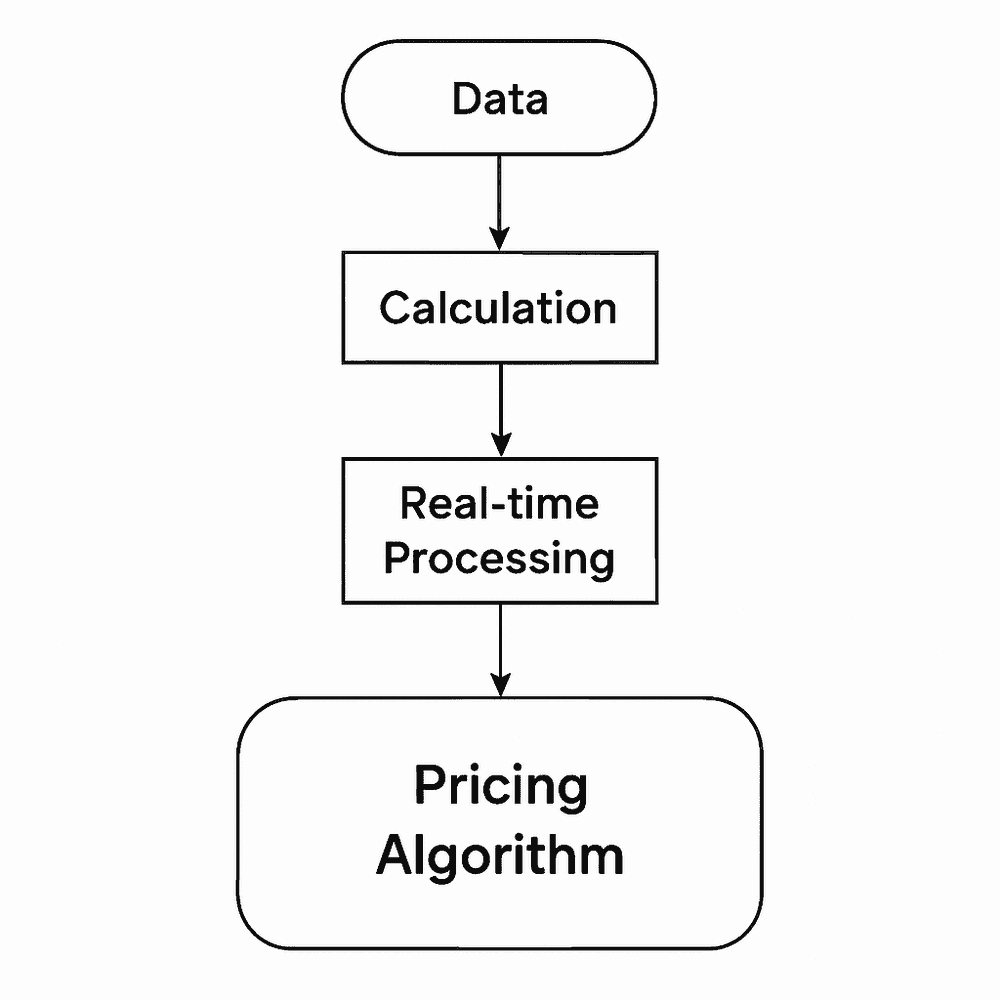
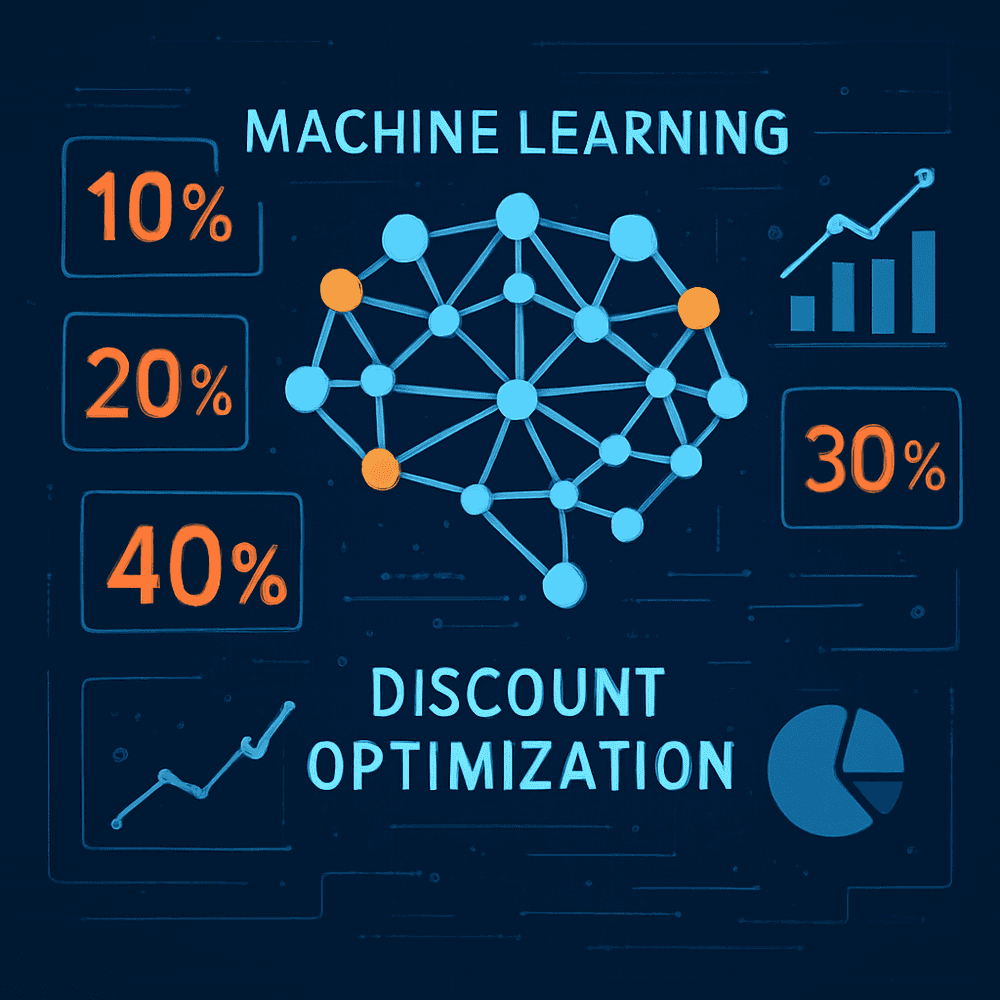
The AI system continuously learns from outcomes. When a discounted price successfully converts a customer, the system records that success. When a high price causes a customer to abandon their cart, the system learns that too. Over time, these algorithms become remarkably accurate at predicting which discount will maximize the likelihood of purchase while protecting profit margins.
Key technologies enabling AI dynamic discounting include:
- Machine Learning Models: Neural networks trained on millions of transactions to predict price elasticity (how sensitive customers are to price changes)
- Real-Time Data Processing: Systems that instantly incorporate inventory levels, competitor prices, weather data, and browsing behavior
- Predictive Analytics: Forecasting tools that anticipate seasonal demand, trends, and customer lifetime value
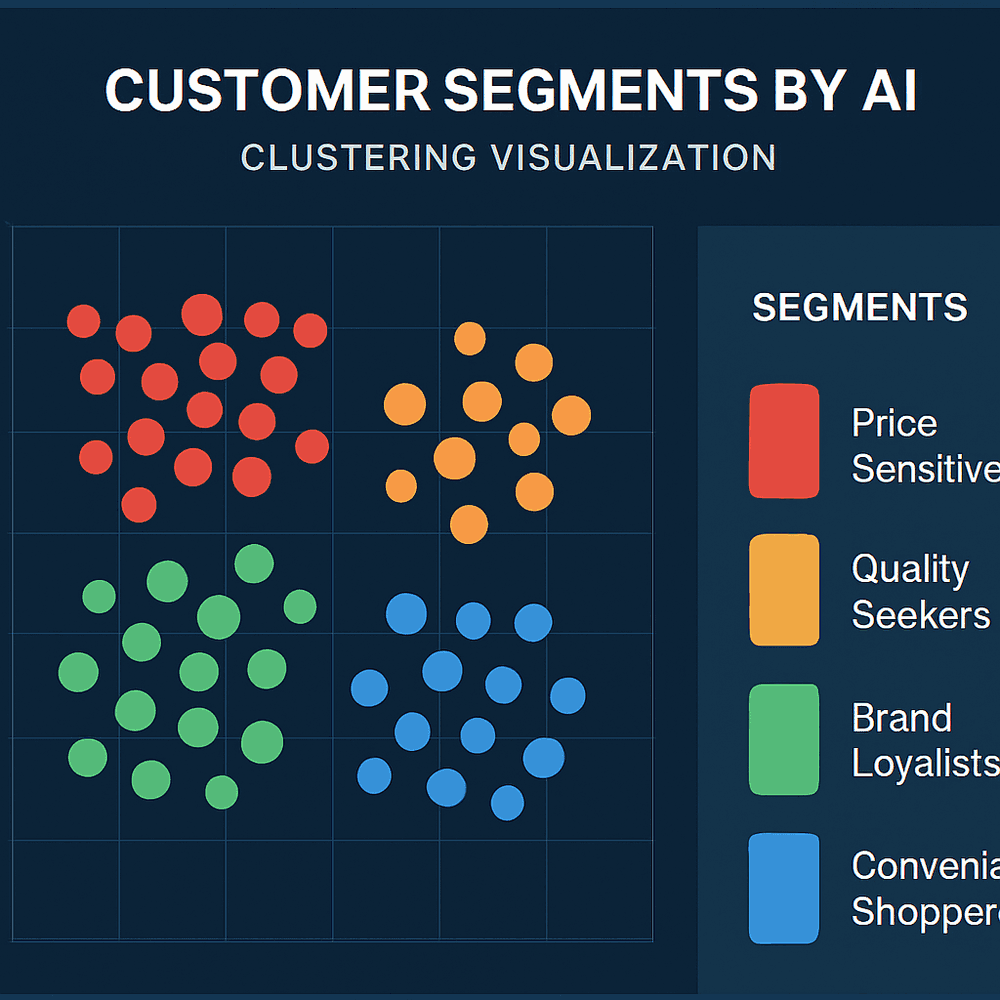
- Customer Segmentation: AI algorithms that automatically categorize customers into micro-segments based on purchase history, demographics, and behavior
- Optimization Engines: Sophisticated algorithms that balance multiple objectives — revenue, profit, customer acquisition, inventory clearance — simultaneously
Key Algorithms & Technologies Behind the Scenes
The secret sauce behind effective AI dynamic discounting lies in several proven algorithmic approaches. Reinforcement learning allows systems to continuously improve by testing different prices and rewarding outcomes that increase profit. Collaborative filtering identifies which customers are similar to each other, enabling personalized pricing that feels fair to each segment. Price elasticity models measure how demand changes with price, enabling predictions of revenue impact from any price adjustment.
Companies like ZoneTechify have built sophisticated platforms that integrate these technologies with webpeak.org capabilities to deliver enterprise-grade AI solutions. Many businesses also turn to the AI services from ZoneTechify to implement custom dynamic discounting systems tailored to their specific industry and customer base.
Consistency matters deeply. A customer who received a 20% discount yesterday shouldn't feel cheated seeing a 5% discount today for the same product — yet AI systems must balance fairness perceptions with revenue optimization. Advanced systems use fairness constraints to ensure pricing adjustments are defensible and maintain customer trust.
Real-World Applications of AI Dynamic Discounting
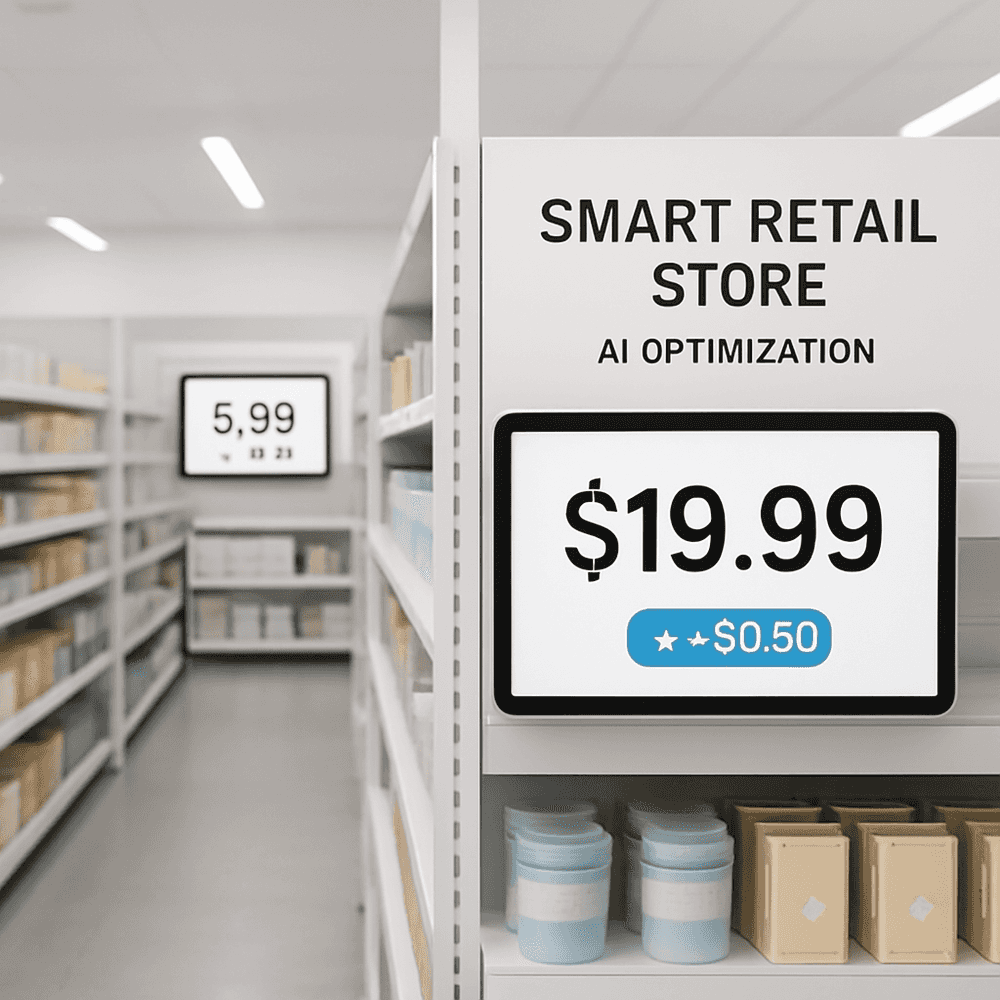
Artificial intelligence dynamic discounting is already transforming multiple industries. E-commerce retailers use AI to adjust product prices throughout the day based on inventory levels and demand signals, clearing excess stock while maximizing profits on bestsellers. Airlines and hotels have pioneered this approach, offering personalized pricing based on booking patterns, occupancy forecasts, and customer loyalty status.
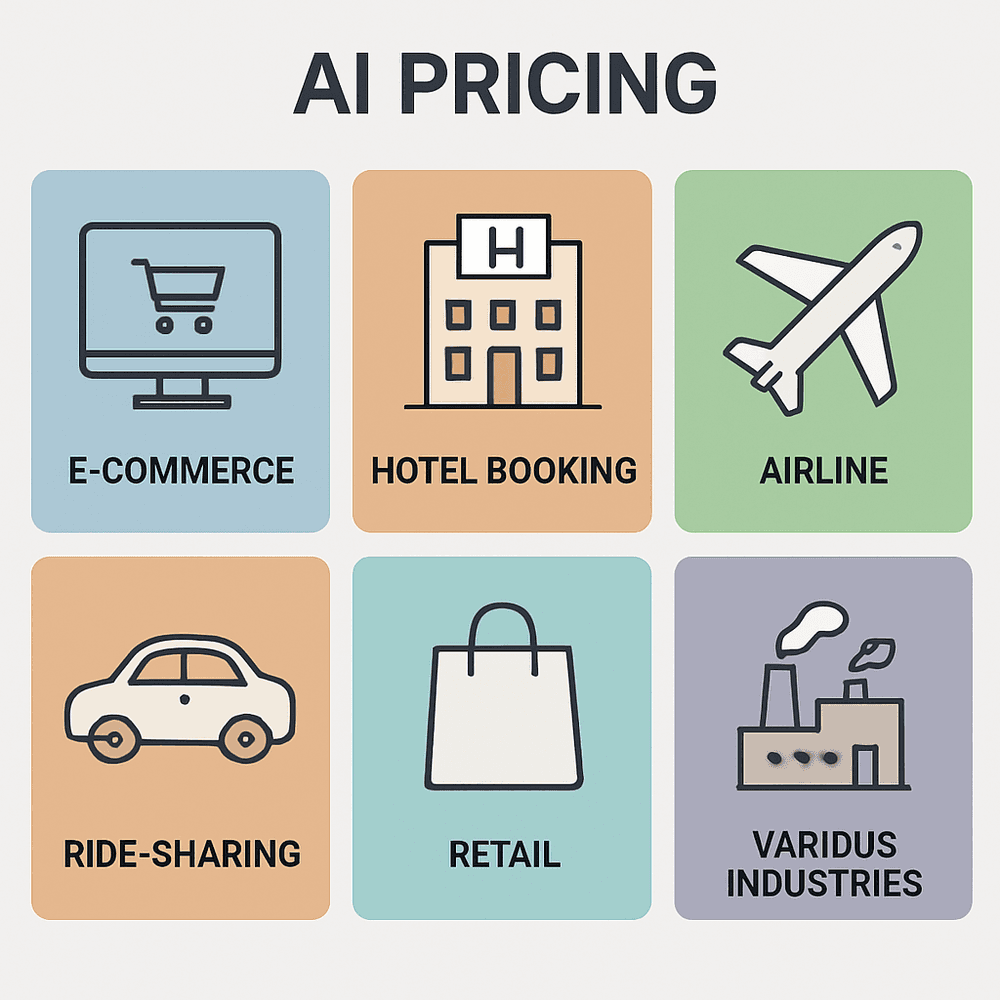
Subscription services leverage AI dynamic discounting to optimize churn reduction — offering personalized retention discounts to customers most likely to cancel. Automotive dealers use AI to suggest pricing that accounts for market conditions, local inventory levels, and specific customer profiles. Restaurants and food delivery services adjust menu pricing based on time of day, local demand, weather, and nearby competitor activity.
Marketing and promotional teams benefit tremendously. Rather than running blanket sales that hurt margins, AI enables targeted promotions where each customer receives an offer they're most likely to accept. This is fundamentally more effective than traditional "30% off everything" campaigns.
Business Benefits: Revenue, Profit, and Growth
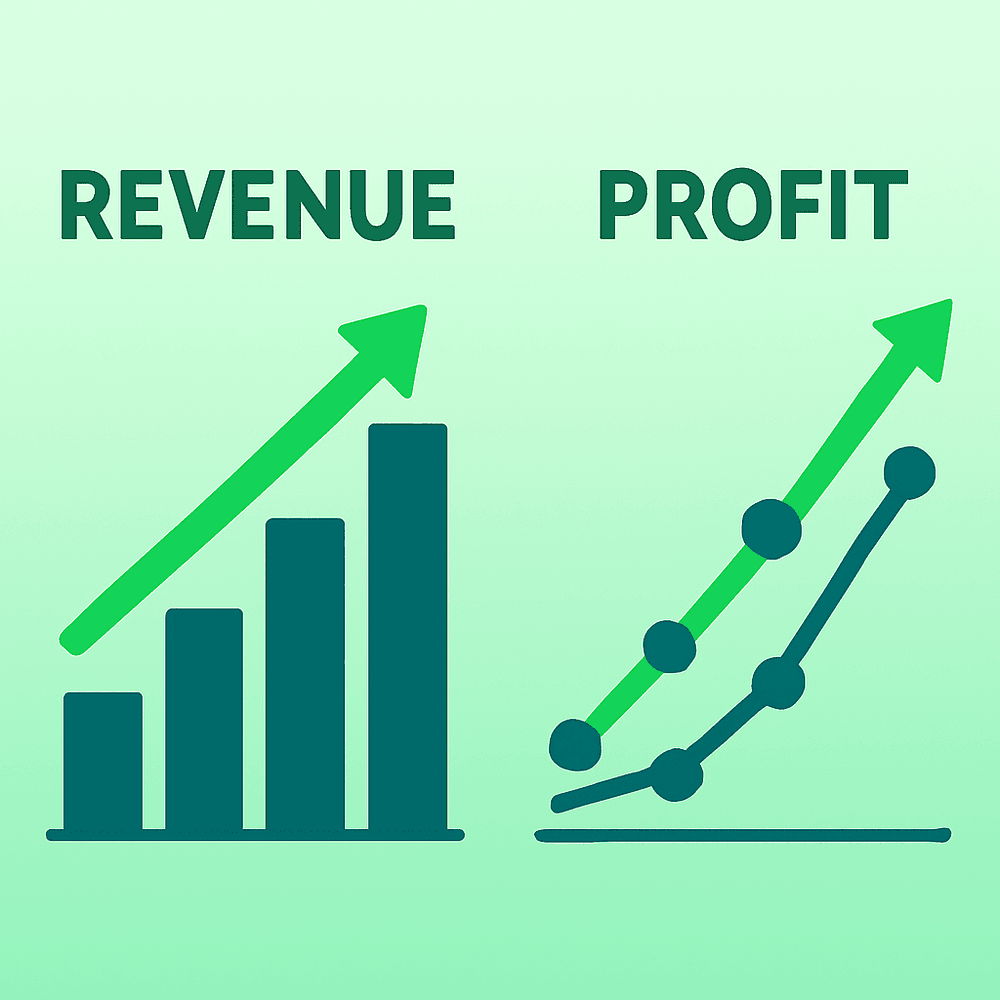
When implemented correctly, AI dynamic discounting delivers impressive financial results. Studies show that retailers using AI-optimized pricing see revenue increases of 5-15% compared to static pricing models. Profit margins often expand even while prices drop, thanks to the precision of targeting and the elimination of unnecessary discounts.
Beyond immediate financial gains, businesses experience:
- Improved inventory turnover: AI automatically identifies items that need aggressive discounting to move, preventing deadstock
- Better competitive positioning: Dynamic pricing helps retailers respond instantly to competitor moves
- Enhanced customer insights: The AI system reveals exactly how price-sensitive each segment is
- Reduced manual work: Pricing teams focus on strategy while AI handles execution
- Data-driven decision making: Pricing becomes scientific rather than guesswork
Customer Experience and Personalization Benefits
From a customer perspective, AI dynamic discounting creates positive experiences when implemented ethically. Personalized discounts make customers feel valued — receiving an offer tailored to their preferences and budget feels better than generic sales. Price matching capabilities powered by AI ensure customers feel they're getting fair deals.
AI systems can also improve transparency. Rather than mystery prices that confuse customers, some implementations use AI to explain why a price is what it is — "This price reflects current high demand, but we'll notify you if it drops" — building trust rather than suspicion.
Customer satisfaction often improves because AI can offer better value propositions. Instead of a "buy two, get one free" promotion that doesn't suit your needs, an AI system recognizes you as a budget-conscious buyer and offers a straightforward discount that's actually more valuable to you personally.
Challenges and Considerations
Implementing AI dynamic discounting isn't without challenges. Data quality remains critical — garbage in, garbage out applies to AI as much as any system. Companies need clean, comprehensive data about customer behavior, competition, and inventory to feed their models.
Ethical considerations matter significantly. Algorithmic pricing transparency is increasingly important; customers and regulators want to understand why prices vary. Some jurisdictions have laws against price discrimination, requiring companies to carefully navigate which customer characteristics can legally influence pricing.
Technical complexity shouldn't be underestimated. Building production-grade machine learning systems requires expertise in data engineering, model development, and continuous monitoring. Many companies benefit from working with experienced partners rather than building from scratch.
Integration challenges arise when connecting AI pricing systems to existing point-of-sale, inventory management, and e-commerce platforms. Legacy systems may not support rapid price updates across all channels.
The Future of AI-Driven Pricing
As AI continues to advance, dynamic discounting will become even more sophisticated. Contextual pricing will incorporate real-time factors like weather, local events, and even a customer's current mood (detected through behavioral signals). Cross-channel optimization will ensure prices remain consistent and optimized across websites, mobile apps, physical stores, and partner platforms.
Privacy-first AI will enable personalization without storing invasive customer data. Quantum computing, when mature, could optimize pricing across billions of scenarios in microseconds. Federated learning might allow retailers to benefit from collective pricing intelligence without sharing sensitive data.
The convergence of AI with other technologies — augmented reality for price visualization, voice commerce for dynamic verbal offers, and IoT sensors for real-time shelf data — will create entirely new possibilities for intelligent pricing.
Conclusion
Artificial intelligence dynamic discounting represents a fundamental shift in how modern businesses approach pricing strategy. It transforms pricing from a static, infrequent decision into a continuous, data-driven optimization that benefits both companies and customers.
The technology is mature, proven, and increasingly accessible. Whether you're running a small e-commerce store or a large retail chain, AI-powered dynamic discounting can help you capture more revenue, reduce wasted inventory, and improve customer satisfaction. The question is no longer whether AI dynamic discounting works — it clearly does — but rather how quickly your business will adopt it to stay competitive in an increasingly intelligent marketplace.