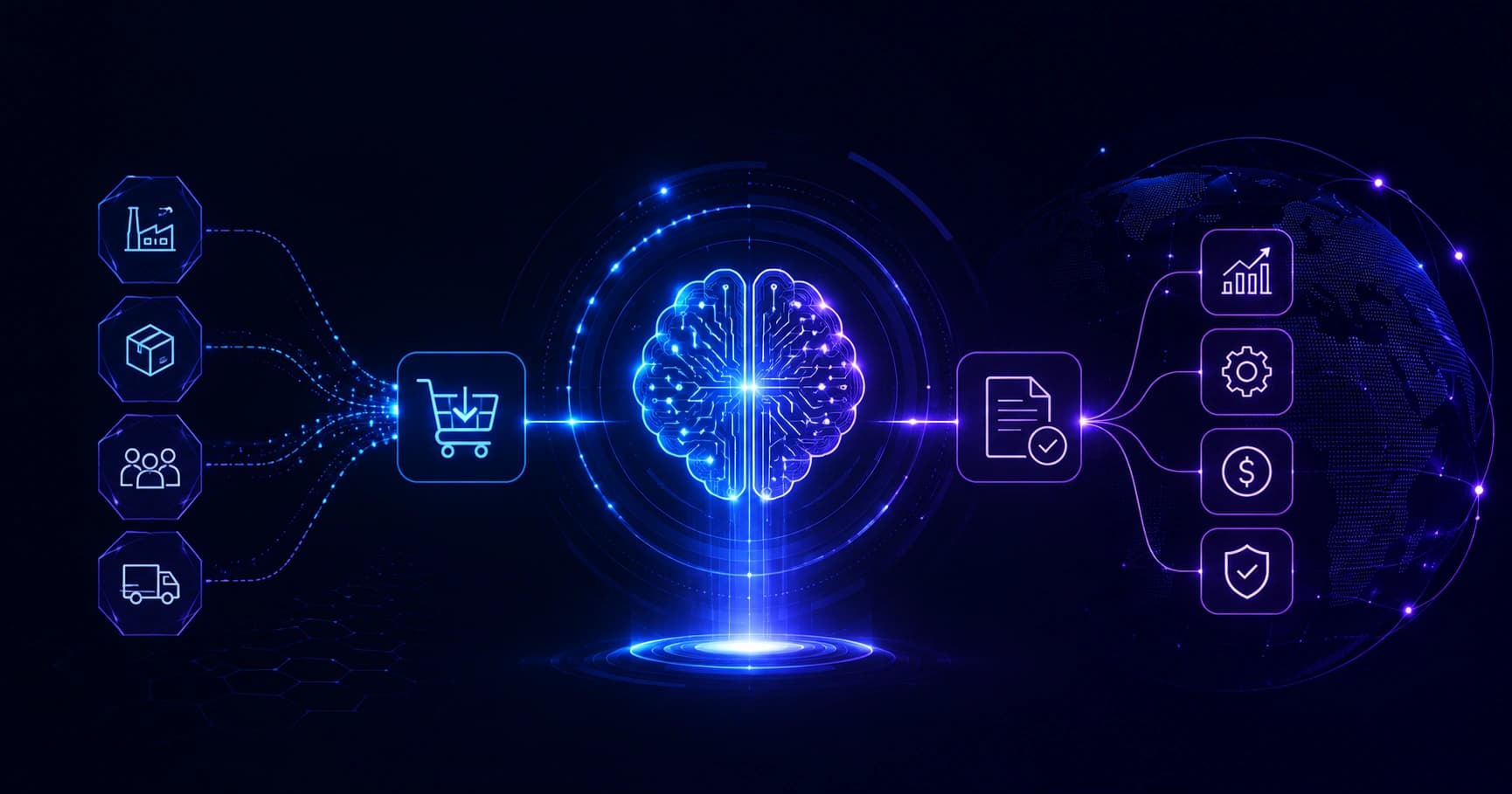
Discover how artificial intelligence is driving digital procurement transformation, automating sourcing, cutting costs, reducing risk, and enabling smarter, data-driven buying decisions.
Artificial Intelligence Digital Procurement Transformation
Procurement has quietly become one of the most strategic functions inside modern organizations. What was once a back-office task of placing orders and chasing invoices is now a data-rich discipline that shapes margins, resilience, and competitiveness. At the center of this shift sits artificial intelligence digital procurement transformation the practical use of AI to automate workflows, predict demand, evaluate suppliers, and surface insights that humans alone would miss.
This guide explains how AI is reshaping procurement from end to end, what benefits it delivers, and how to roll it out responsibly. Whether you lead a sourcing team or run a growing business, understanding this transformation helps you spend smarter and build a supply chain that adapts faster than the market changes.

Why Procurement Needs AI Now
Global supply chains have grown more volatile, complex, and interconnected. Pricing fluctuates daily, supplier risk shifts overnight, and finance teams demand tighter visibility into every dollar spent. Traditional procurement tools rely on static rules and manual review, which simply cannot keep pace with this velocity.
Artificial intelligence changes the equation. Instead of reacting to problems after they appear, AI-driven procurement anticipates them. Machine learning models read patterns across millions of transactions, flag anomalies, and recommend actions in seconds. The result is a procurement function that is proactive rather than reactive.
Companies that embrace this shift gain a measurable edge. They negotiate from a position of insight, reduce maverick spending, and free skilled professionals from repetitive data entry so they can focus on strategy and relationships. If you want a partner to guide this journey, ZoneTechify and WebPeak both work with teams modernizing their digital operations.
How AI Automates the Procurement Workflow
The procurement lifecycle includes sourcing, purchasing, contracting, invoicing, and supplier management. AI touches each stage, removing friction and accelerating cycle times.
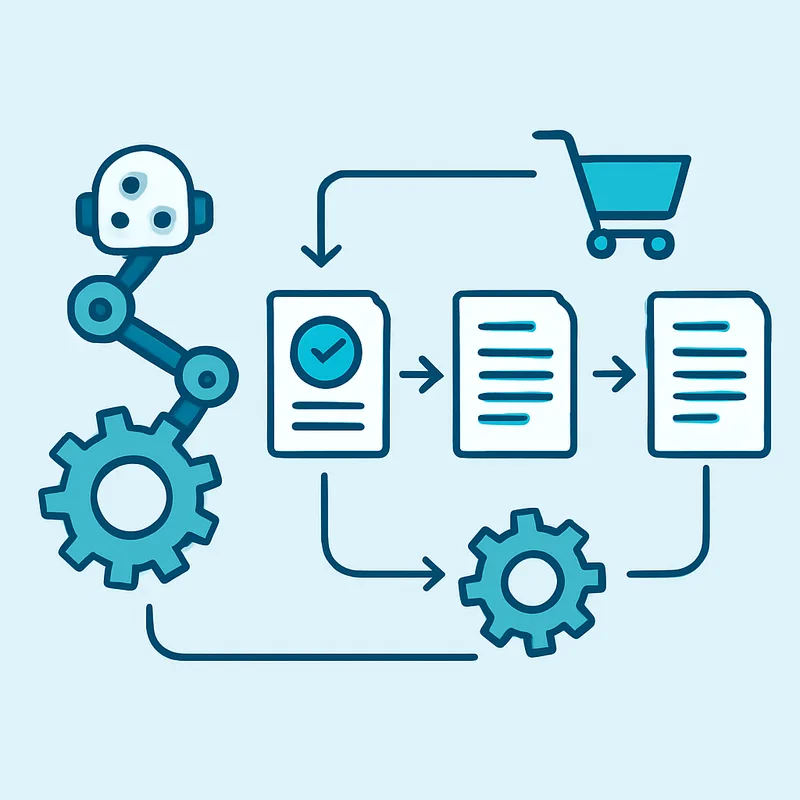
Intelligent automation begins with intake. When an employee requests a product or service, AI classifies the request, routes it to the right category, and matches it against approved suppliers and existing contracts. This eliminates the back-and-forth that traditionally delays approvals.
During sourcing, AI scans market data, historical pricing, and supplier performance to recommend the best vendors. In contracting, natural language processing reviews clauses, highlights risky terms, and ensures compliance with internal policy. For invoicing, optical character recognition and machine learning automatically match invoices to purchase orders, catching discrepancies before payment.
Key Automation Wins
- Faster requisition-to-order cycles with fewer manual touchpoints
- Automatic three-way matching of orders, receipts, and invoices
- Reduced human error in data entry and classification
- Continuous policy compliance checks across every transaction
These automations do not replace people. They remove the tedious work that consumes hours each week, allowing procurement professionals to concentrate on negotiation, innovation, and supplier partnerships.
Tangible Benefits of Digital Procurement Transformation
The business case for AI in procurement is grounded in real, measurable outcomes. Organizations report shorter cycle times, stronger compliance, and significant cost savings within the first year of adoption.

Visibility is one of the biggest gains. AI consolidates fragmented spend data into a single, searchable view. Leaders finally see who is buying what, from whom, and at what price across every department and region. This transparency exposes duplicate vendors, off-contract spending, and savings opportunities that were previously invisible.
Speed is another advantage. Tasks that once took days such as supplier onboarding or contract review now happen in hours. Faster processes mean teams capture time-sensitive discounts and respond quickly to demand spikes.
Finally, AI strengthens governance. Every decision is logged, every exception is flagged, and audit trails are generated automatically. This reduces fraud risk and makes compliance reporting far less painful.
Smarter Supplier Management With AI
Suppliers are the lifeblood of any procurement operation, and AI dramatically improves how organizations evaluate and manage them. Instead of relying on gut feel or outdated scorecards, teams use live data to assess performance, risk, and value.
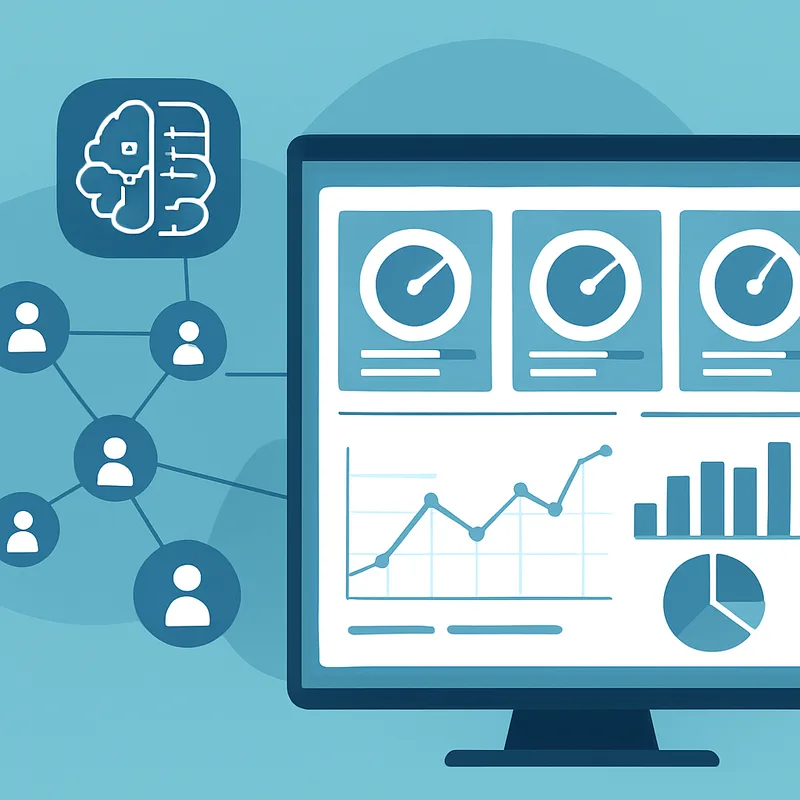
Machine learning models continuously monitor delivery times, quality metrics, pricing trends, and financial stability. They pull signals from news feeds, credit reports, and even weather data to predict disruptions before they hit. If a key supplier shows early warning signs, the system alerts buyers so they can secure alternatives in advance.
AI also supports supplier diversity and sustainability goals. Models can score vendors against environmental, social, and governance criteria, helping organizations build responsible supply chains that align with their values and regulatory obligations.
Predictive Risk Scoring
By combining internal performance history with external market intelligence, AI assigns each supplier a dynamic risk score. This living metric updates automatically, giving procurement leaders a real-time map of where their supply chain is strong and where it is vulnerable.
Data-Driven Decisions and Spend Intelligence
Procurement generates enormous volumes of data, yet most organizations barely use it. AI unlocks this resource, turning raw transactions into actionable spend intelligence.
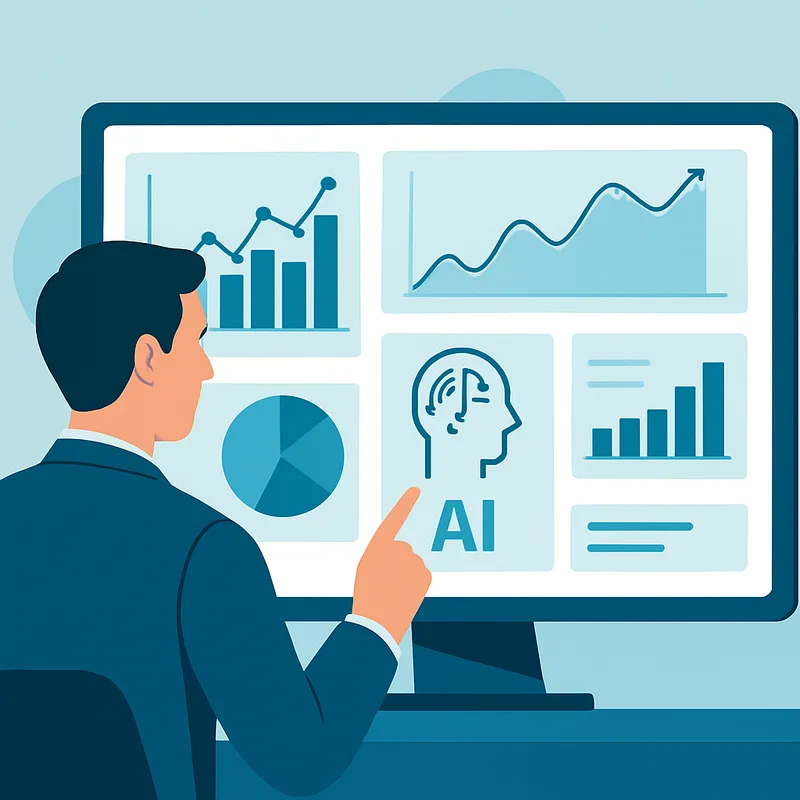
Predictive analytics forecast future demand based on seasonality, historical consumption, and market signals. This allows teams to plan purchases strategically, avoid stockouts, and negotiate volume discounts with confidence. Prescriptive models go a step further, recommending the optimal time, quantity, and supplier for each purchase.
Natural language interfaces make this intelligence accessible to everyone. Instead of building complex reports, a category manager can simply ask, in plain language, how much was spent on a product last quarter and receive an instant answer with supporting visuals.
This democratization of data ensures decisions are based on evidence rather than assumption. For teams building these capabilities, AI-focused expertise matters and specialized artificial intelligence services can accelerate the path from raw data to reliable insight.
Driving Cost Savings Through AI
Cost reduction remains the most cited reason for adopting AI in procurement, and the savings come from several directions at once.
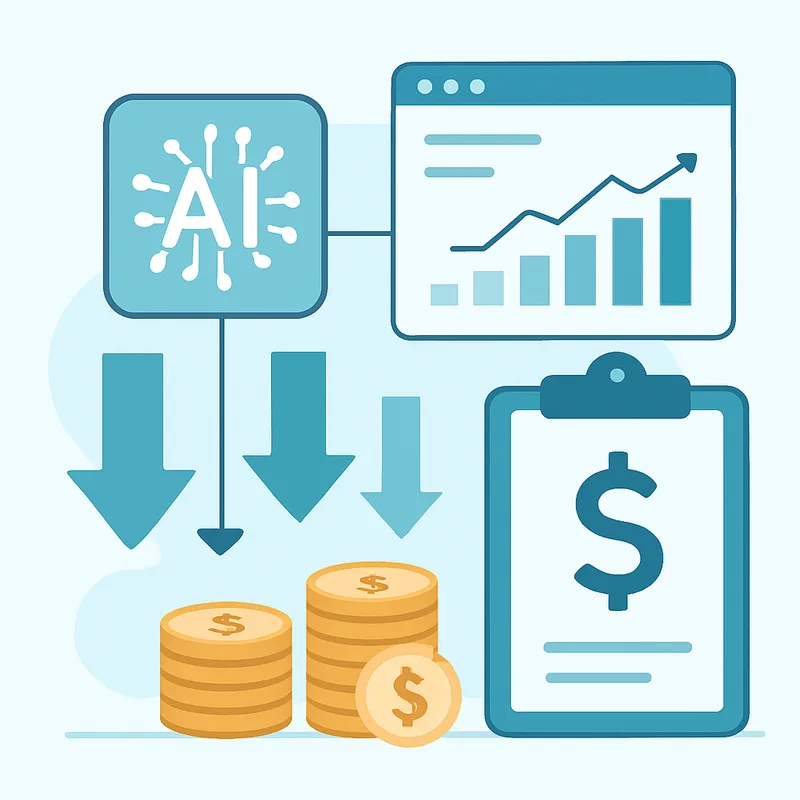
First, AI eliminates maverick spending by steering purchases toward approved contracts and preferred suppliers. Second, it identifies price discrepancies and duplicate payments that drain budgets unnoticed. Third, predictive negotiation tools analyze market benchmarks and supplier behavior to recommend optimal pricing strategies before talks begin.
Consider the difference in approach below.
| Capability | Traditional Procurement | AI-Driven Procurement |
|---|---|---|
| Spend visibility | Limited and delayed | Real-time and unified |
| Supplier risk monitoring | Periodic and manual | Continuous and predictive |
| Invoice processing | Manual matching | Automated matching |
| Negotiation support | Experience based | Data and benchmark driven |
| Compliance checks | Sample audits | Every transaction |
The cumulative effect is substantial. Even modest percentage savings on large spend categories translate into significant bottom-line impact, often funding the entire transformation many times over.
Building Your AI Procurement Roadmap
Successful transformation is a journey, not a switch you flip. A phased roadmap reduces risk and builds momentum through early wins.
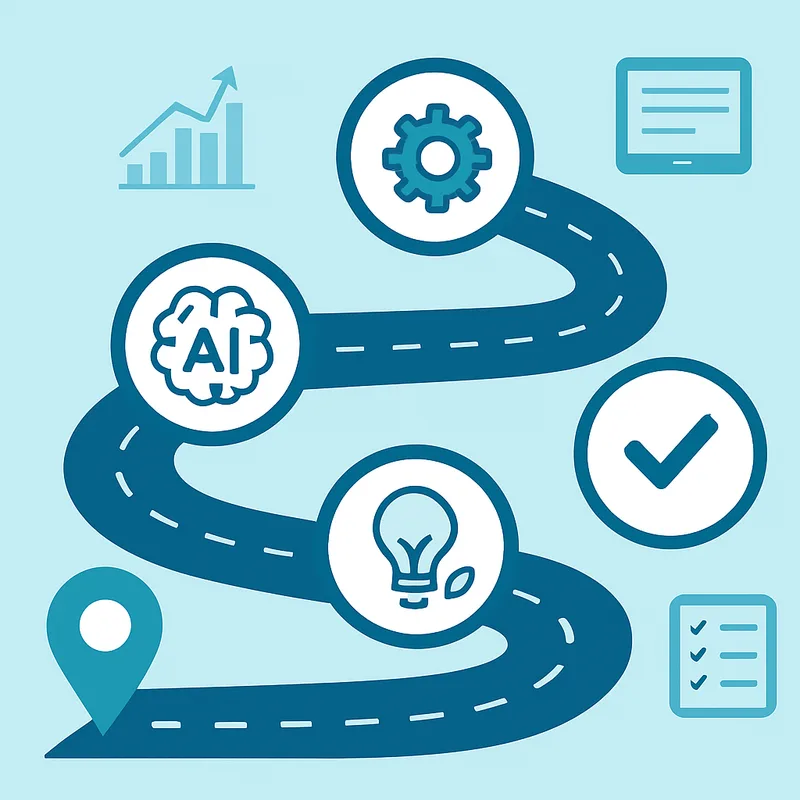
Start by cleaning and centralizing your spend data, since AI is only as good as the information it learns from. Next, identify a high-impact pilot such as invoice automation or supplier risk scoring where results are easy to measure. Prove value in that area, then expand to adjacent processes.
Practical Steps to Begin
- Assess readiness. Audit current systems, data quality, and team skills.
- Set clear goals. Define measurable targets for savings, speed, and compliance.
- Choose the right tools. Select platforms that integrate with your ERP and scale with you.
- Pilot and measure. Launch a focused project and track outcomes rigorously.
- Scale and train. Expand successful pilots and invest in upskilling your team.
Change management deserves equal attention. Involve procurement staff early, communicate how AI augments rather than replaces their roles, and provide training so adoption feels empowering. Partnering with experienced teams that offer artificial intelligence services can shorten the learning curve and help you avoid common pitfalls.
The Future of AI in Procurement
The transformation underway today is only the beginning. As models mature, procurement will move toward greater autonomy and intelligence.

We are entering an era of autonomous procurement, where AI agents handle routine purchasing decisions within defined guardrails, escalating only the exceptions that require human judgment. Generative AI will draft contracts, summarize supplier negotiations, and answer complex sourcing questions conversationally.
Looking further ahead, procurement systems will connect more deeply with broader business intelligence, linking buying decisions directly to revenue, sustainability targets, and customer outcomes. The organizations that prepare now by building clean data foundations and AI literacy will be best positioned to lead.
Conclusion
Artificial intelligence digital procurement transformation is no longer a futuristic concept; it is a present-day competitive necessity. By automating workflows, sharpening supplier management, unlocking spend intelligence, and driving real cost savings, AI elevates procurement from a cost center into a strategic engine of growth.
The path forward is clear: invest in quality data, start with focused pilots, empower your people, and scale what works. Businesses that act decisively will enjoy more resilient supply chains, leaner budgets, and the agility to thrive in an unpredictable world. The transformation is here, and the time to begin is now.