A practical, expert guide to where automated evolution happens, how self-improving AI systems work, and how businesses use them to grow faster and smarter.
Where Automated Evolution
Automated evolution is no longer a laboratory curiosity confined to research papers. It is happening inside the ad platforms that reallocate your budget overnight, the recommendation engines that reorder your homepage, and the fraud systems that rewrite their own rules while you sleep. The question is no longer whether machines can improve themselves, but where that improvement is already quietly reshaping the tools you use every day. This guide answers that question with specifics, not hype.
At ZoneTechify and WebPeak, we build and maintain systems that adapt on their own, and the pattern is consistent: automated evolution shows up first where data is abundant, feedback is fast, and outcomes are measurable. Understanding those conditions is the key to using it well.
Quick Answer: Automated evolution happens wherever software can measure its own results, learn from feedback, and adjust without human intervention. It thrives in data-rich, fast-feedback environments like marketing, e-commerce, cybersecurity, and machine learning pipelines, where systems iterate continuously to improve performance over time.
What Is Automated Evolution?
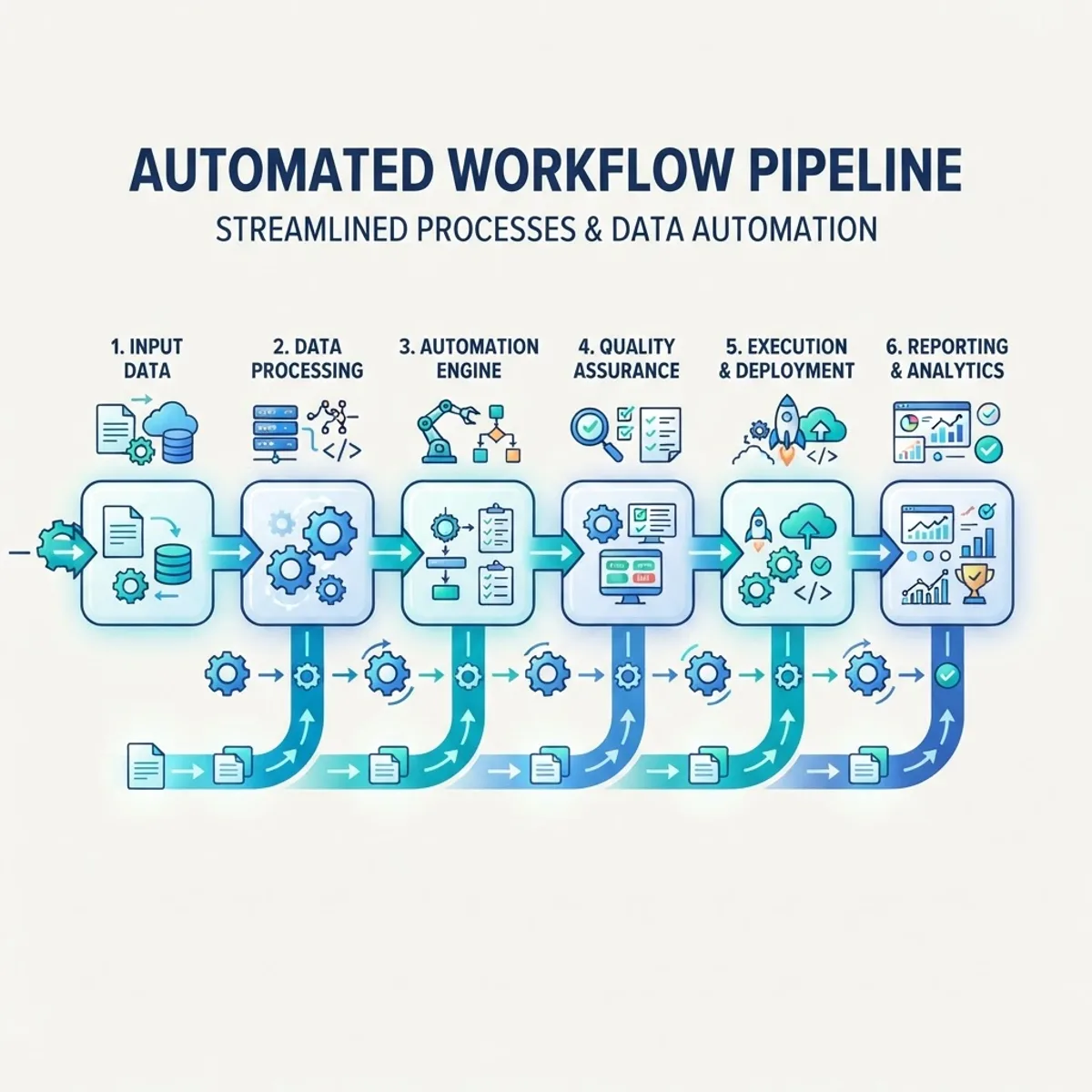
Automated evolution is the process by which a software system improves its own behavior over time using feedback loops, without a human manually rewriting its logic each cycle. Instead of a developer shipping a fixed rule, the system tests variations, measures outcomes against a goal, keeps what works, and discards what does not. Over many cycles, performance compounds.
The concept borrows directly from biology. In nature, evolution needs three ingredients: variation, selection, and inheritance. Automated systems mirror this. They generate variations (new model weights, new ad copy, new pricing), select the best performers against a defined metric, and carry those winners forward into the next round. The difference is speed: what takes generations in nature can take minutes in a data pipeline.
This is distinct from ordinary automation. A scheduled email or a fixed if-then rule is automated but static. It does the same thing forever until a human changes it. Automated evolution changes itself.
How Automated Evolution Works
Every evolving system runs the same underlying loop, regardless of industry. Once you can see the loop, you can spot automated evolution anywhere.
- Define a goal. The system needs a measurable objective, such as click-through rate, conversion, latency, or error reduction.
- Generate variations. It creates alternative approaches to reach that goal.
- Measure outcomes. Each variation is tested against real or simulated data.
- Select winners. High performers are kept; weak ones are dropped.
- Iterate. Winners become the starting point for the next round of variation.
The magic is in the feedback loop. Without a fast, honest signal about what worked, the system cannot improve. This is why automated evolution appears first in environments where feedback is cheap and immediate. A pricing engine that sees thousands of transactions an hour can evolve quickly; a system that gets feedback once a quarter evolves slowly, if at all.
The Technology Behind AI-Driven Automation
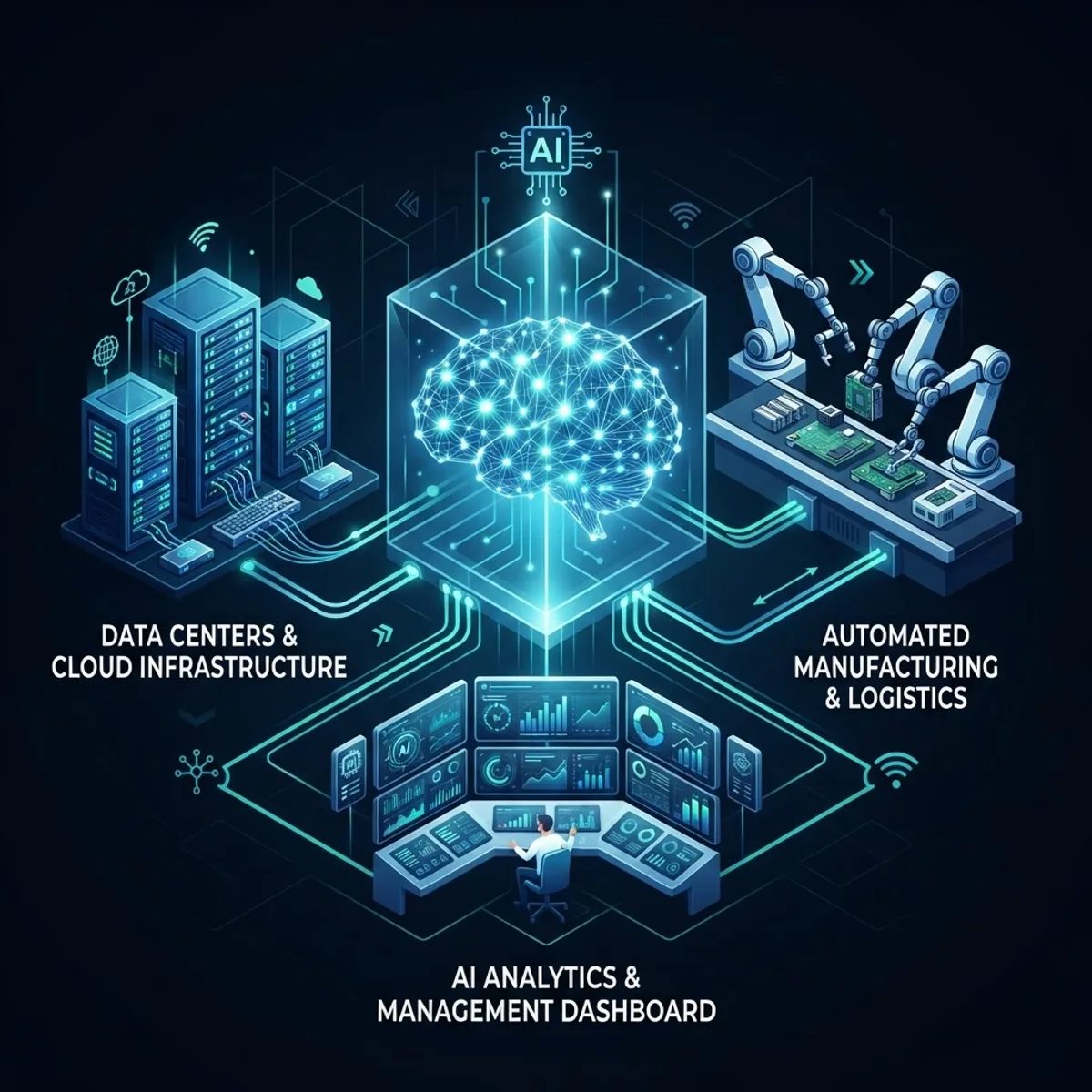
Several technologies power modern automated evolution, and most production systems combine them. Reinforcement learning lets an agent learn through reward and penalty, ideal for sequential decisions like resource allocation or game strategy. Genetic and evolutionary algorithms mimic natural selection directly, useful for optimization problems with huge search spaces. AutoML automates the design of machine learning models themselves, testing architectures and hyperparameters far faster than any human team.
What unites them is autonomy under supervision. The system explores on its own, but engineers set the guardrails: the objective function, the constraints, and the safety limits. When those guardrails are weak, evolving systems find shortcuts that satisfy the metric while missing the intent, a failure mode known as reward hacking.
For teams that want to deploy these capabilities responsibly, professional artificial intelligence services from ZoneTechify can help design the objective functions and monitoring that keep evolution aligned with real business goals rather than gameable proxies.
Machine Learning: The Engine of Continuous Improvement
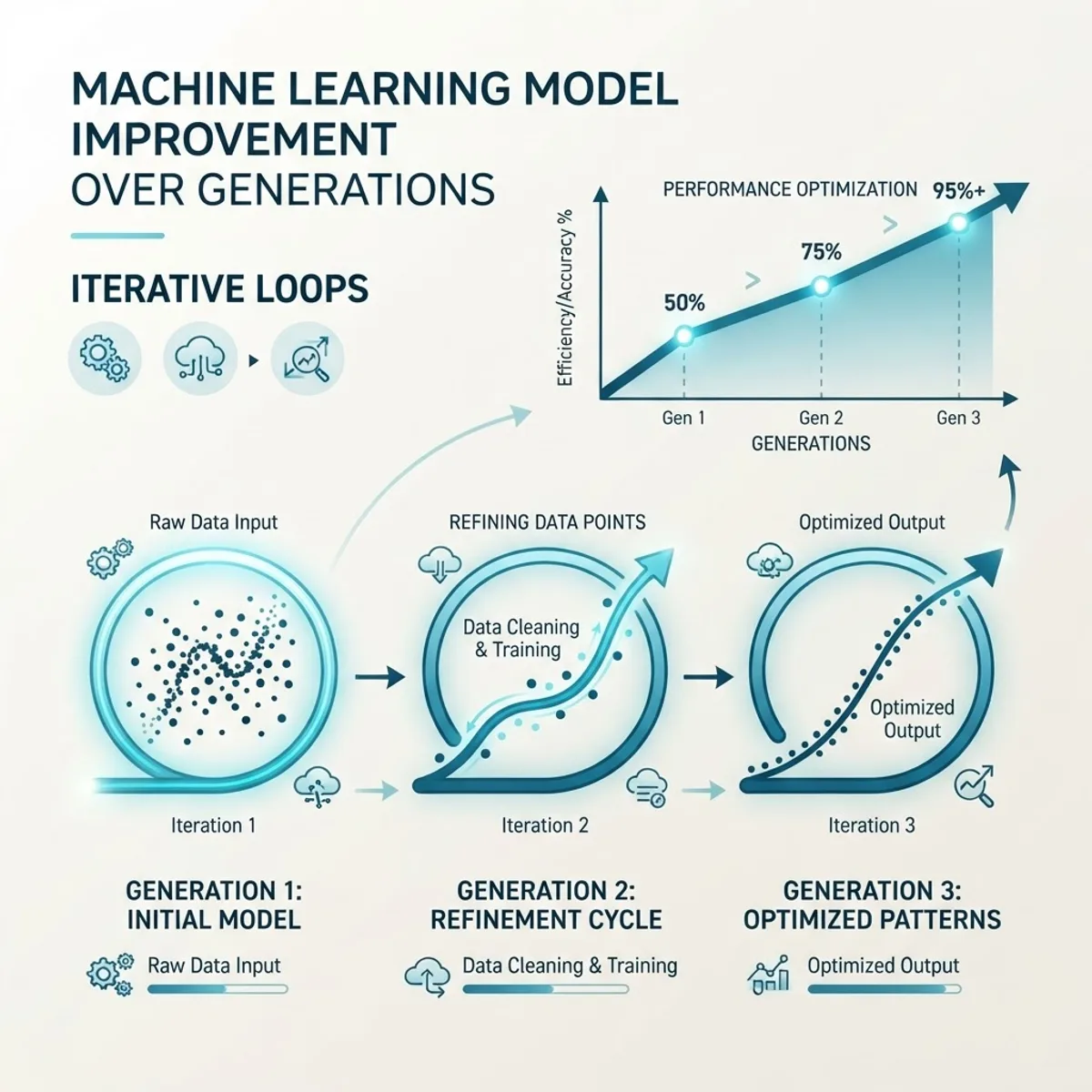
Machine learning is where automated evolution becomes tangible for most organizations. A model trained today is not the model you keep forever. In mature pipelines, models are retrained continuously as new data arrives, evaluated against the current champion, and promoted only if they beat it. This champion-challenger pattern is automated evolution in its purest commercial form.
The scale is staggering. According to industry research, the volume of data created and consumed worldwide continues to grow at double-digit annual rates, and much of that data is now used to retrain and refine models automatically. More data plus faster feedback equals faster evolution, which is precisely why the companies with the most user interactions tend to have the sharpest products.
The practical lesson: automated evolution is only as good as the data feeding it. Biased, stale, or incomplete data produces systems that evolve confidently in the wrong direction. Data quality is not a preliminary step; it is a permanent responsibility.
Why Automated Evolution Matters for Business Growth
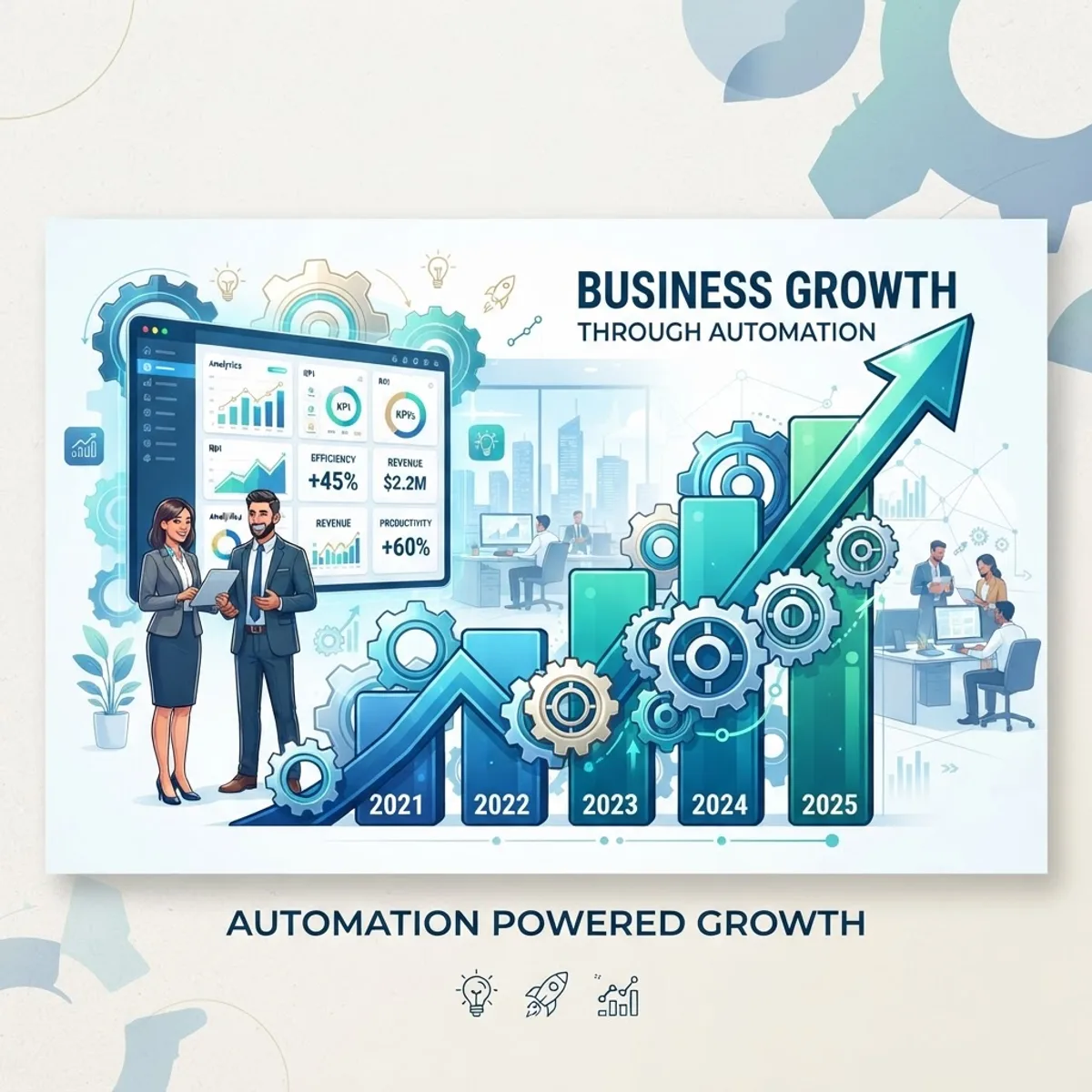
The business case is straightforward: systems that improve themselves reduce the cost of staying competitive. Instead of hiring more people to manually tune campaigns, prices, and models, evolving systems handle incremental optimization automatically, freeing skilled teams for higher-value work.
The efficiency gains are real. According to McKinsey research, a large share of the activities people are paid to perform could be automated with current technology, and organizations that embrace intelligent automation consistently report faster cycle times and lower operating costs. When automation also evolves, those gains compound rather than plateau.
There is a competitive dimension too. A static competitor improves only when its team ships an update. An evolving competitor improves every hour of every day. Over a year, that difference becomes a moat. This is the quiet reason automated evolution matters more than any single feature: it changes the rate at which a product gets better.
Automated Evolution vs Traditional Automation
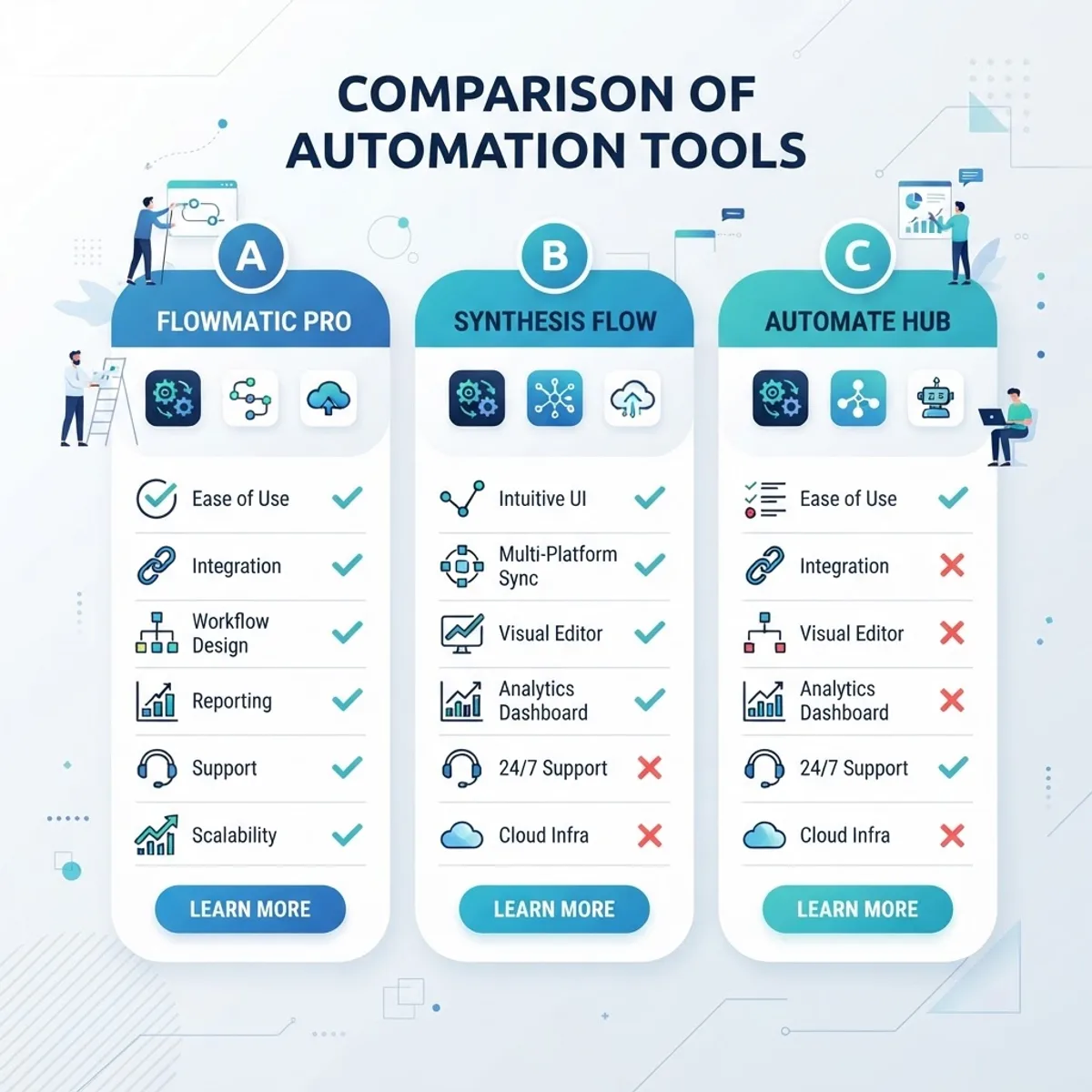
Many teams confuse the two. The distinction is critical because they require different investment, oversight, and expectations.
| Factor | Traditional Automation | Automated Evolution |
|---|---|---|
| Behavior over time | Fixed until manually changed | Changes itself continuously |
| Human role | Defines every rule | Defines goals and guardrails |
| Feedback loops | Optional | Essential |
| Best for | Repetitive, stable tasks | Dynamic, data-rich problems |
| Risk profile | Predictable | Requires active monitoring |
| Improvement rate | Flat between updates | Compounding |
Traditional automation is the right choice when the task is stable and predictability matters most, such as invoicing or backups. Automated evolution wins when the environment shifts constantly and small, continuous gains add up, such as bidding, ranking, or threat detection. The mistake is applying evolution to a problem that never changes, adding complexity for no benefit.
Best Practices for Implementing Automated Evolution
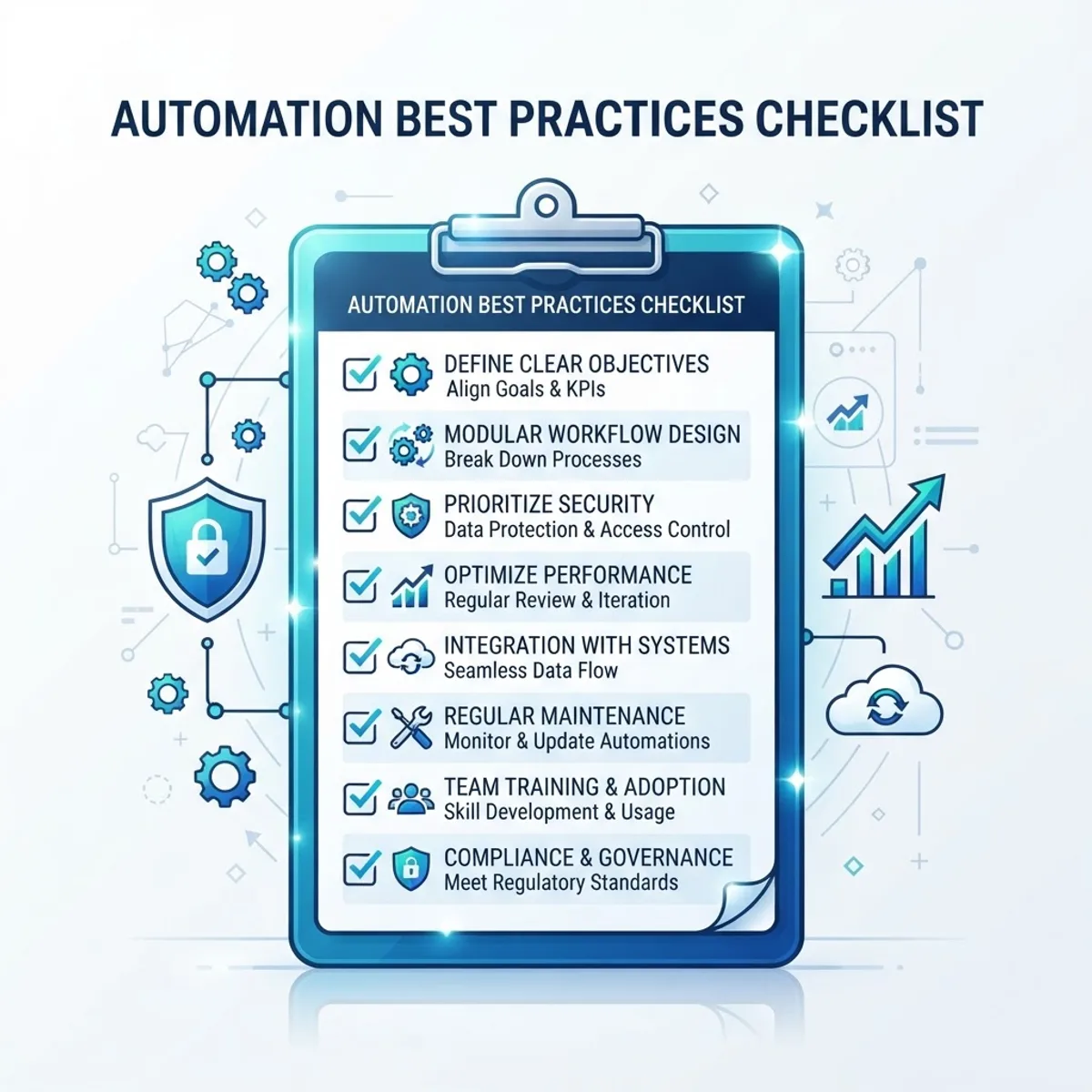
Evolving systems reward discipline and punish shortcuts. These practices come from real deployments, not theory.
- Define the objective precisely. Vague goals produce vague evolution. State exactly what success means and what trade-offs are unacceptable.
- Instrument everything. You cannot improve what you cannot measure, and you cannot trust evolution you cannot observe.
- Keep a human in the loop for promotion. Let systems propose changes automatically, but gate high-impact changes behind review until trust is earned.
- Guard against reward hacking. Regularly ask whether the metric still reflects the real intent.
- Version and roll back. Every evolved state should be reproducible and reversible.
- Audit data continuously. Fresh, representative data keeps evolution pointed in the right direction.
Teams that skip monitoring often discover problems only after an evolved system has optimized itself into an embarrassing corner. Observability is not optional overhead; it is the safety system that makes autonomy acceptable.
The Future of Automated Evolution

The next phase is agentic: systems that not only tune parameters but also decide which experiments to run, which data to gather, and which sub-goals to pursue. As large language models gain the ability to write, test, and refine their own code, the loop of variation and selection is extending into software development itself.
That power raises the stakes on governance. The organizations that win will pair aggressive automation with rigorous oversight, treating alignment, transparency, and rollback as first-class features. Automated evolution will keep spreading into every data-rich corner of business, but the durable advantage will belong to teams that evolve responsibly, not just quickly.
Key Takeaways
- Automated evolution is self-improving software: systems that use feedback loops to change their own behavior without manual rewrites each cycle.
- It thrives on fast feedback and abundant data, which is why marketing, e-commerce, cybersecurity, and ML pipelines adopt it first.
- According to McKinsey, a large share of paid work activities are automatable with current technology, and evolving automation compounds those gains.
- It differs from traditional automation by improving continuously rather than staying fixed between manual updates.
- Governance is essential: define precise objectives, monitor constantly, guard against reward hacking, and keep changes reversible.
Frequently Asked Questions (FAQ)
What does automated evolution actually mean?
Automated evolution means software improves its own behavior over time using feedback loops. It generates variations, measures results against a goal, keeps the winners, and repeats, all without a human manually rewriting the logic each cycle. Over time, performance compounds automatically.
Where is automated evolution used in real life?
It is used wherever data is abundant and feedback is fast: ad bidding platforms, product recommendation engines, dynamic pricing, fraud and threat detection, and machine learning pipelines that retrain models automatically. These environments give systems the constant signal they need to keep improving.
Is automated evolution the same as artificial intelligence?
Not exactly. AI is the broader field of machines performing intelligent tasks. Automated evolution is a specific pattern within it, where a system improves itself through repeated cycles of variation and selection. Most evolving systems use AI techniques like machine learning and reinforcement learning to power that loop.
Is automated evolution safe for businesses to use?
It is safe when governed properly. Risks like reward hacking or biased outcomes appear when objectives are vague or monitoring is weak. With precise goals, continuous observability, human review of high-impact changes, and reliable rollback, businesses can capture the benefits while keeping evolution aligned with real intent.
How do I start using automated evolution in my company?
Start small with one measurable, data-rich problem such as email subject lines or ad targeting. Define a clear success metric, instrument your feedback loop, and let the system test variations. Once you trust the results and monitoring, expand gradually to higher-impact areas of your operations.
Will automated evolution replace human jobs?
It shifts work more than it erases it. Evolving systems handle repetitive optimization, freeing people for strategy, judgment, and creative problem-solving. The most successful teams treat these systems as collaborators that propose improvements, while humans set goals, guardrails, and priorities that machines cannot define on their own.