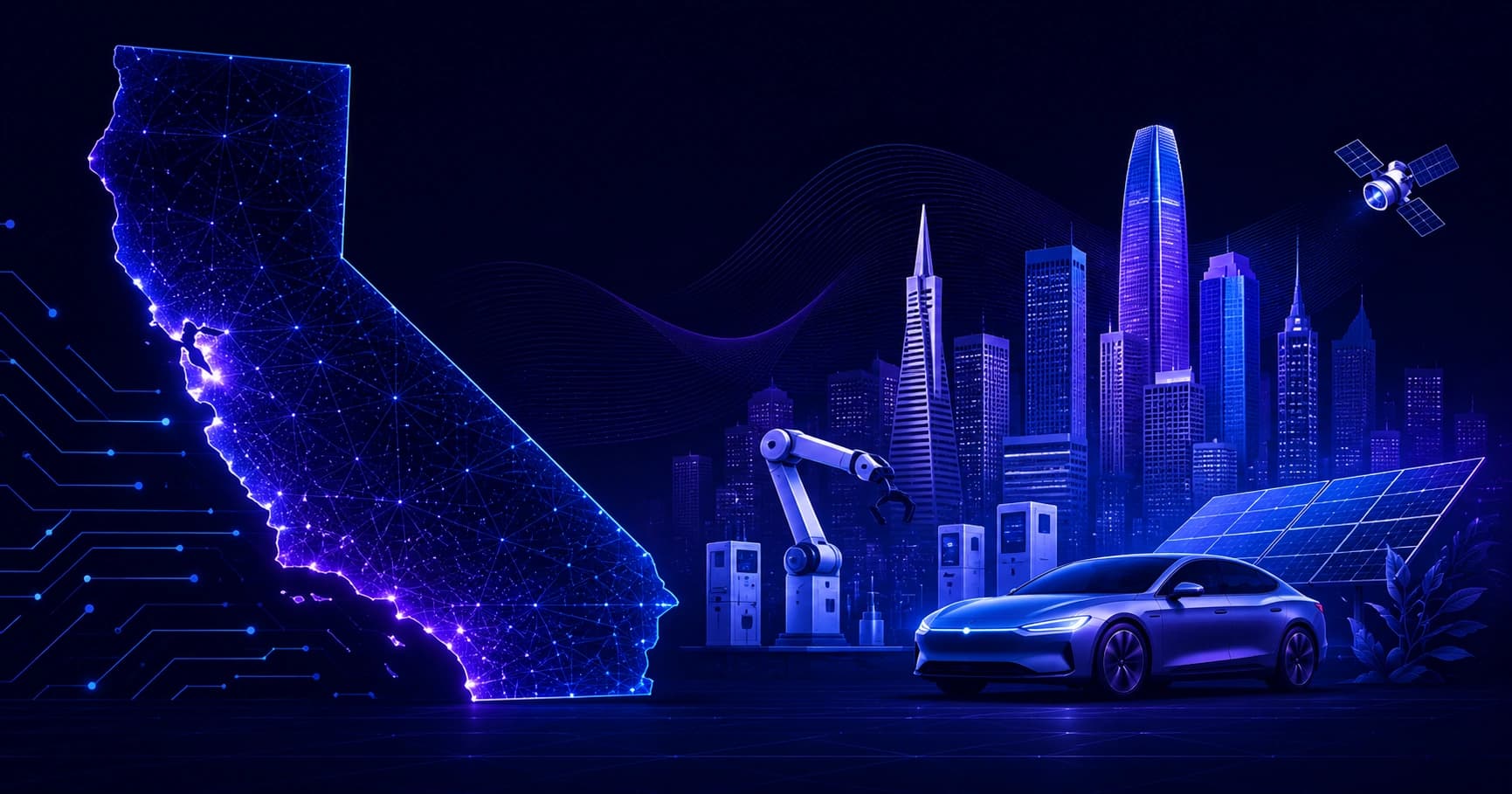
A clear, expert breakdown of the technology innovations that came out of California, from the transistor and the internet to AI, robotaxis, and clean energy.
What Technology Innovations Happened in California
California has produced more foundational technology than any other single region on Earth, and the pattern behind it is more specific than most people assume. The state did not simply get lucky with the internet. It built a repeatable machine: research universities feeding talent into risk-tolerant capital, a legal environment that let engineers leave and compete, and manufacturing know-how that turned lab results into shipped products. This article walks through the actual innovations, decade by decade and sector by sector, and explains why they clustered where they did.
Quick Answer: California produced the silicon transistor and integrated circuit, the microprocessor, the personal computer, the graphical user interface and mouse, the computer mouse-driven desktop, ARPANET's first nodes, the modern internet browser, cloud computing, smartphones, social media, electric vehicles, CRISPR gene editing tools, reusable rockets, and today's large language models and robotaxis.
Why California Became the World's Innovation Center
The short explanation is talent density plus capital plus legal freedom to leave your employer. California courts do not enforce non-compete agreements, which is unusual among major economies. That single legal fact meant engineers at Shockley Semiconductor could walk out in 1957, found Fairchild Semiconductor, and later spawn Intel, AMD, and dozens of others. Each departure carried knowledge outward instead of locking it inside one company.
Add Stanford University and the University of California system, which together supplied both researchers and licensable patents, and add Sand Hill Road venture capital, which normalized funding unprofitable technical bets. According to the National Venture Capital Association, California has consistently captured roughly half of all U.S. venture capital dollars each year, and in recent AI-heavy years the Bay Area alone has taken a majority share of national AI funding. Concentration compounds: the more startups in one zip code, the cheaper it is to hire the eleventh specialist you need.
The Definition That Matters
Technology innovation cluster: a geographically concentrated network of firms, universities, suppliers, and investors where knowledge spillover between organizations happens faster than knowledge transfer within a single large firm. California is the textbook case, and it is the reason the same square miles produced the integrated circuit in 1959 and the transformer-based language model in 2017.
Semiconductors: The Innovation That Named the Valley
Everything downstream starts here. In 1957 the "traitorous eight" left Shockley to found Fairchild Semiconductor in Mountain View. In 1959 Jean Hoerni invented the planar process there, and Robert Noyce used it to build the first practical silicon integrated circuit. The planar process is the direct ancestor of every chip manufactured today.
The follow-on milestones were also Californian:
- 1968: Intel founded in Santa Clara by Noyce and Gordon Moore.
- 1971: The Intel 4004, the first commercial microprocessor, put a CPU on a single chip.
- 1980s: Fabless design and EDA software let companies design chips without owning factories.
- 1993–1999: Nvidia in Santa Clara commercializes the GPU, unintentionally building the hardware substrate for deep learning.
- 2020s: Apple silicon moves high-performance computing to ARM-based custom chips designed in Cupertino.
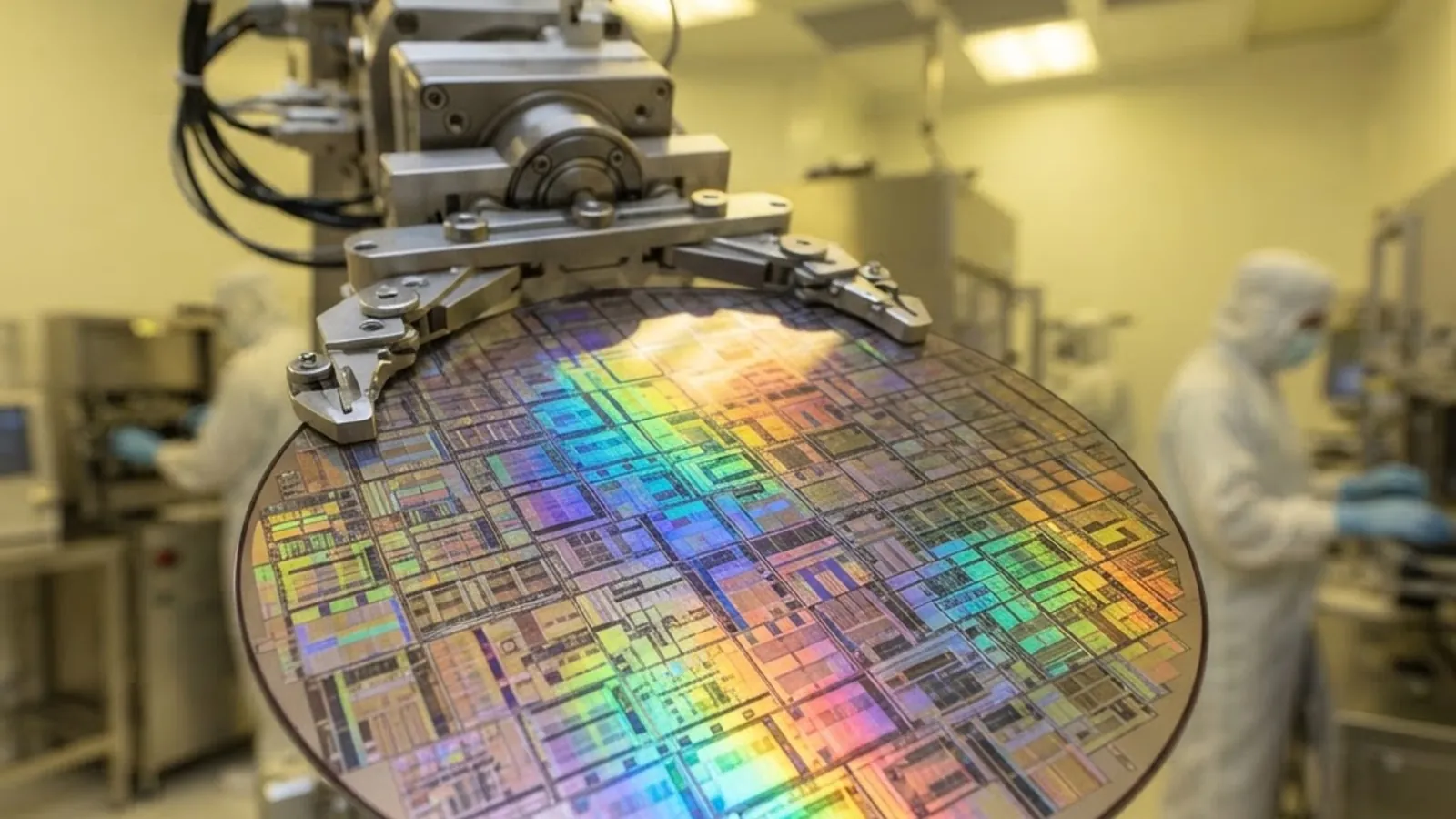
Moore's Law itself was a California artifact: Gordon Moore published his observation in 1965 that transistor counts on a chip roughly double at a predictable cadence. It became less a physical law than an industry coordination contract, and it held for roughly five decades.
Personal Computing and the Graphical Interface
Xerox PARC in Palo Alto is the most consequential research lab most people cannot name. Between 1970 and 1980 it produced the Alto computer, the graphical user interface with overlapping windows and icons, WYSIWYG editing, the laser printer, object-oriented programming through Smalltalk, and Ethernet. Douglas Engelbart's team at SRI in Menlo Park had already demonstrated the mouse and hypertext in 1968.
The commercialization step happened a few miles away. Apple, founded in Los Altos in 1976, shipped the Apple II and then the Macintosh in 1984, turning PARC's research ideas into consumer products. The pattern is instructive and still repeats: California labs generate the primitive, California startups productize it, and the rest of the world adopts it within a decade.
Networking and the Internet
The first ARPANET message was sent in 1969 from UCLA to SRI in Menlo Park. TCP/IP work involving researchers at Stanford in the 1970s produced the protocol suite that still routes essentially all internet traffic. Cisco, founded by Stanford staff in 1984, commercialized multi-protocol routers.
The web layer followed. Netscape Navigator, built in Mountain View in 1994, made the web usable for non-technical people and introduced SSL, the ancestor of the HTTPS padlock. Yahoo (1994) and Google (1998) both began as Stanford projects, and PageRank turned search from keyword matching into link-graph reasoning. Later, Amazon Web Services popularized cloud computing while Salesforce, founded in San Francisco in 1999, proved that serious business software could be delivered entirely through a browser, creating the SaaS category that most modern software companies still operate in. Teams building on that model today still rely on the same architectural principles we apply in web application development work.
Mobile, Social, and Streaming
The iPhone launch in 2007 reset personal computing again. Its real innovation was less the hardware than the combination of capacitive multitouch, a full mobile browser, and a year later an app store that turned distribution into a solved problem for independent developers.
Social platforms scaled from the same region: Facebook relocated to Palo Alto in 2004, Twitter launched in San Francisco in 2006, and Instagram was built there in 2010. Netflix, founded in Scotts Valley in 1997, pivoted from DVD mail to streaming in 2007 and then to original production, and in doing so pioneered chaos engineering and microservice patterns that thousands of engineering teams copied.
Artificial Intelligence: The Current Wave
California is the center of the modern AI era for three linked reasons: the GPUs come from Santa Clara, the research labs sit in San Francisco and Mountain View, and the capital is on Sand Hill Road.
Specific milestones worth citing:
- 2012: Google's Mountain View team demonstrates large-scale unsupervised feature learning, a turning point for deep learning credibility.
- 2017: Google researchers publish "Attention Is All You Need," introducing the transformer architecture behind every major language model.
- 2015–present: OpenAI in San Francisco, Google DeepMind's U.S. operations, and Anthropic in San Francisco push large models from research demos into everyday products.
- Compute: Nvidia's CUDA platform, launched in 2006, made GPUs programmable for science and is the reason AI training consolidated on its hardware.
Stanford's AI Index has repeatedly reported that the United States leads the world in notable machine learning model releases and private AI investment, and the majority of that U.S. activity is concentrated in California. For organizations trying to apply these models rather than build them, the practical work is integration, evaluation, and governance, which is the focus of specialist artificial intelligence services rather than frontier research.
Biotechnology and Genetics
California invented the biotech industry. Genentech, founded in South San Francisco in 1976, produced the first recombinant DNA drug, human insulin, licensed in 1982. The Cohen-Boyer recombinant DNA patents came from Stanford and UCSF in 1980 and became one of the most lucrative university licensing programs ever run.
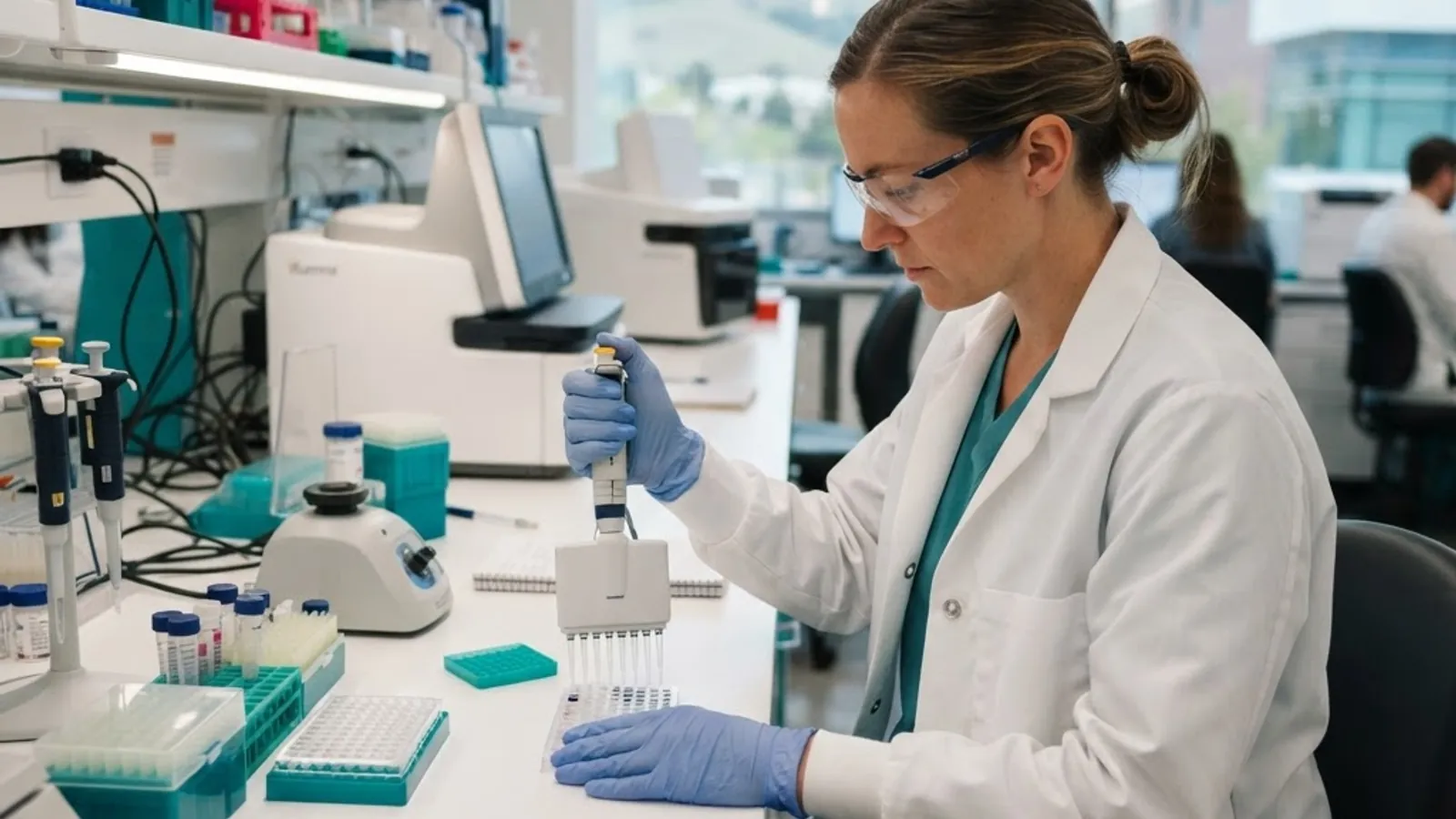
The modern equivalent is CRISPR-Cas9 gene editing, developed with central contributions from Jennifer Doudna at UC Berkeley, work that earned the 2020 Nobel Prize in Chemistry. That research line has since produced approved gene therapies for sickle cell disease. Meanwhile, the plummeting cost of DNA sequencing, from roughly $100 million per genome in 2001 to under $1,000 today according to the National Human Genome Research Institute, was driven largely by San Diego-based Illumina.
Clean Energy, Electric Vehicles, and Grid Storage
California's environmental regulation functioned as an innovation forcing function. The California Air Resources Board's Zero Emission Vehicle mandate, first adopted in 1990, created guaranteed demand for electric drivetrains decades before batteries were competitive.
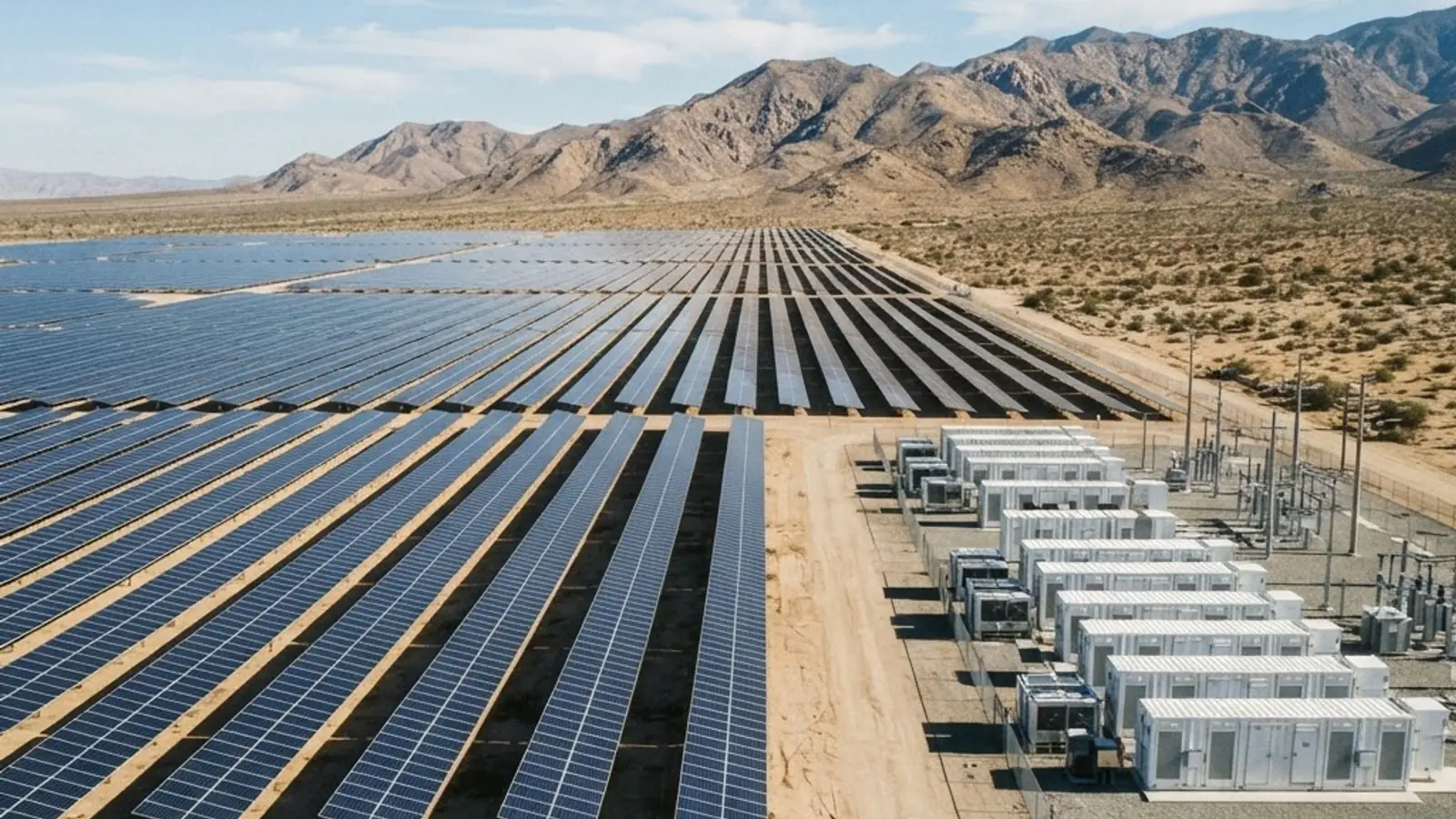
Tesla, founded in San Carlos in 2003, then proved that electric cars could be desirable rather than merely compliant, and its battery pack and charging network engineering pulled the entire global auto industry forward. On the grid side, the California Independent System Operator has reported records where wind, solar, and hydro met roughly 100 percent of demand on the main grid for short periods on spring days, and the state has deployed more than 10 gigawatts of battery storage, among the largest fleets anywhere. That storage buildout is itself an innovation in market design as much as in chemistry.
Autonomous Vehicles and Robotics
The DARPA Grand Challenges of 2004 to 2007 were won by a Stanford team and pushed self-driving from theory to demonstrated capability. Google's self-driving project began in 2009 in Mountain View and became Waymo. San Francisco then became the world's hardest commercial testing ground for driverless vehicles, with paid, fully driverless robotaxi service operating in dense urban traffic.
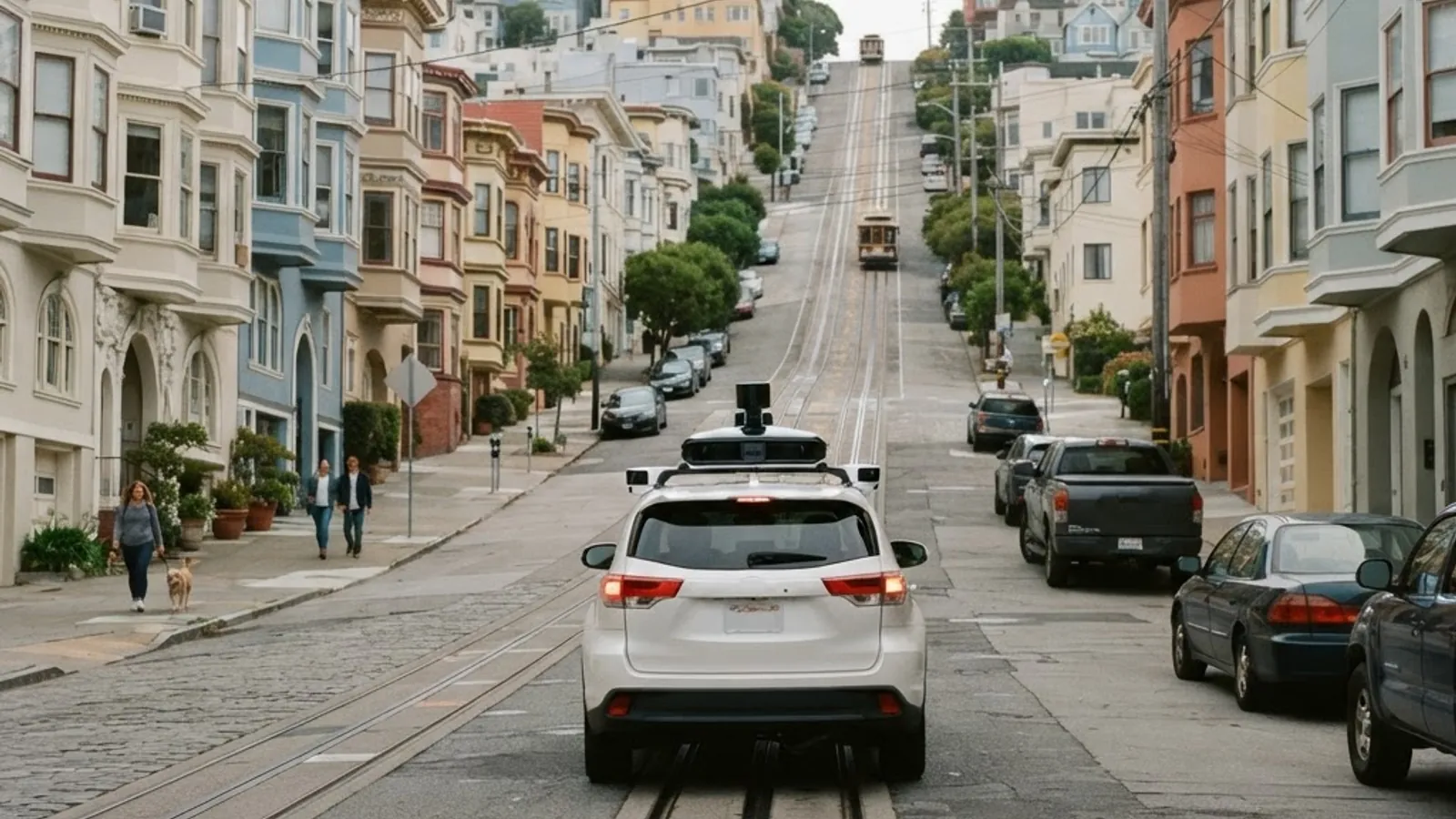
California's DMV publishes annual autonomous vehicle disengagement and mileage reports, which remain the most detailed public dataset on real-world self-driving performance anywhere. That transparency requirement is a policy innovation, not just a technical one, and it is why researchers worldwide cite California mileage data.
Aerospace and Space Technology
Southern California has been an aerospace center since the 1930s. NASA's Jet Propulsion Laboratory in Pasadena built and operated the Mars rovers, the Voyager probes, and Ingenuity, the first aircraft to fly on another planet. Lockheed's Skunk Works in Burbank produced the U-2 and SR-71.
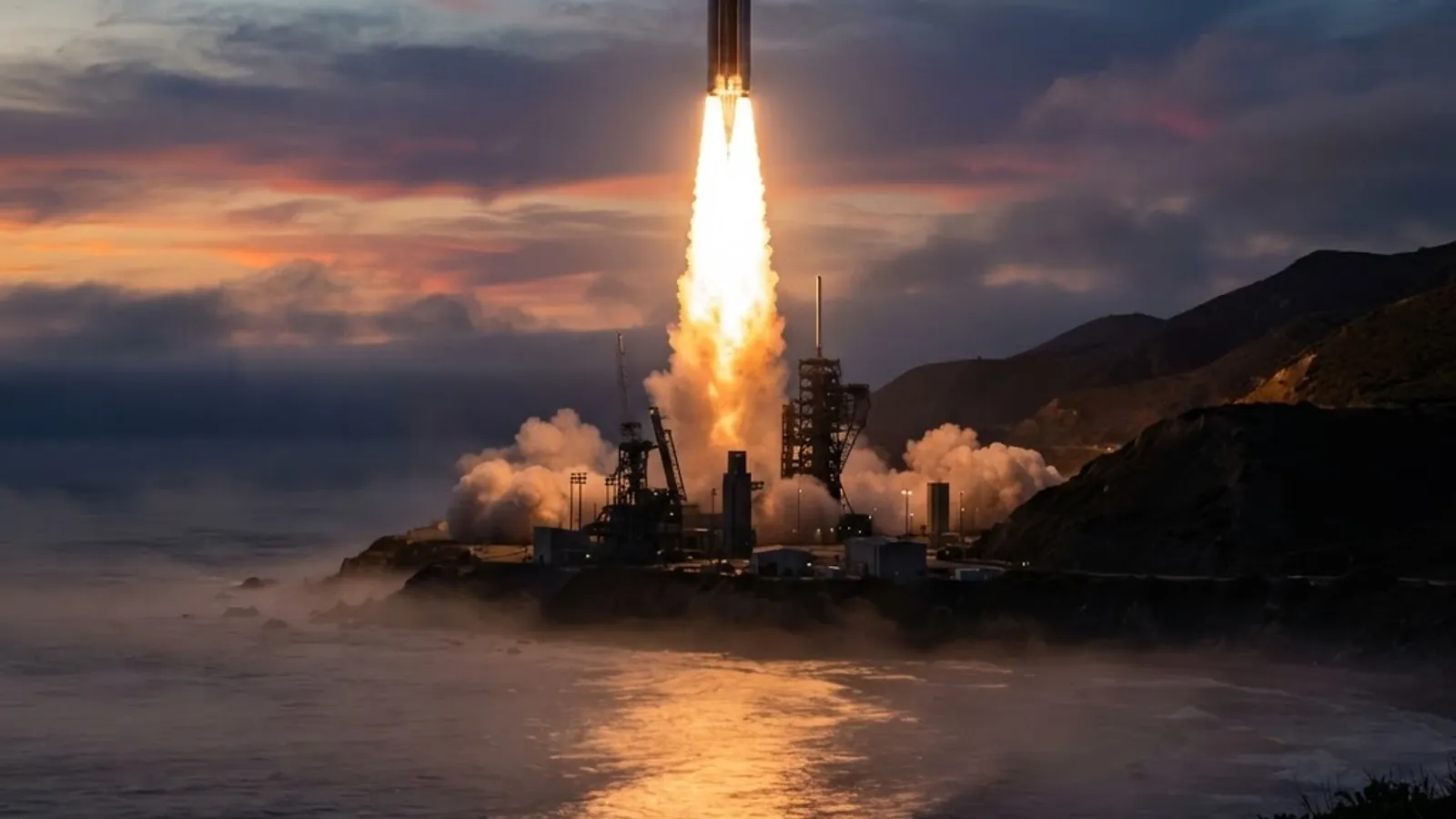
SpaceX, headquartered in Hawthorne, achieved the first propulsive landing and reuse of an orbital-class rocket booster in 2015, cutting launch costs and enabling satellite constellations that now deliver broadband to remote regions. Vandenberg Space Force Base on the central coast handles the polar-orbit launches that Earth-observation and climate satellites require.
California Innovation Eras Compared
| Era | Core Innovation | Anchor Location | Lasting Impact |
|---|---|---|---|
| 1950s-1960s | Integrated circuit, planar process | Mountain View, Santa Clara | Foundation of all modern electronics |
| 1970s | Microprocessor, GUI, Ethernet, recombinant DNA | Palo Alto, South San Francisco | Personal computing and biotech industries |
| 1980s-1990s | Routers, web browser, search, 3D graphics | San Jose, Mountain View | Commercial internet |
| 2000s | Smartphones, social platforms, SaaS, streaming | Cupertino, San Francisco | Always-connected consumer computing |
| 2010s | Cloud scale, EVs, CRISPR, reusable rockets | Statewide | Decarbonization and low-cost space access |
| 2020s | Large language models, robotaxis, grid storage | San Francisco Bay Area | Generative AI and autonomous systems |
What Businesses Outside California Should Learn
You cannot copy the geography, but you can copy the operating habits. In our experience helping companies modernize their digital products at ZoneTechify and WebPeak, three California behaviors transfer well regardless of location.
- Ship narrow, then expand. The Apple II, Netflix streaming, and the first Tesla Roadster all launched to small audiences before broadening.
- Treat infrastructure as leverage. California firms won by building reusable platforms, from CUDA to AWS, not one-off features.
- Hire for knowledge flow. Bring in people who have shipped elsewhere, and let them import their patterns instead of forcing your existing ones.
The common thread across seventy years is that California companies commercialized research faster than incumbents could react. That speed advantage is available to any team willing to reduce the distance between an idea and a released product.
Key Takeaways
- The silicon integrated circuit was developed at Fairchild Semiconductor in Mountain View in 1959, using the planar process still used today.
- Xerox PARC in Palo Alto produced the GUI, Ethernet, the laser printer, and object-oriented programming in the 1970s.
- The first ARPANET transmission traveled from UCLA to SRI in Menlo Park in 1969.
- The transformer architecture behind modern AI was published by Google researchers in 2017.
- CRISPR-Cas9 gene editing work at UC Berkeley won the 2020 Nobel Prize in Chemistry.
- SpaceX landed and reused an orbital-class booster in 2015, permanently lowering launch costs.
- California has deployed over 10 gigawatts of grid battery storage, among the largest fleets globally.
- California courts do not enforce non-compete agreements, which accelerated knowledge spillover between firms.
Frequently Asked Questions (FAQ)
What is California most famous for inventing?
California is most famous for inventing the silicon integrated circuit and the microprocessor, which made all modern electronics possible. Close seconds include the graphical user interface and mouse, the commercial web browser, internet search, the smartphone as we know it, and today's large language models.
Why did Silicon Valley start in California and not somewhere else?
Three factors combined: Stanford and UC research talent, early defense and aerospace contracts that funded electronics work, and California's refusal to enforce non-compete agreements. That last point let engineers leave employers and start rivals freely, spreading expertise across hundreds of firms instead of trapping it inside a few.
What technology innovations are happening in California right now?
Current activity centers on generative AI models and AI chips, commercial robotaxi services in San Francisco and Los Angeles, grid-scale battery storage, CRISPR-based gene therapies, and reusable launch vehicles. San Diego also leads in genomics sequencing and wireless communications research.
Which California universities contributed the most technology innovations?
Stanford University produced Google, Yahoo, Cisco, and the winning DARPA self-driving entry. UC Berkeley contributed CRISPR gene editing, RISC processor architecture, and BSD Unix. UCLA hosted the first ARPANET node, and UCSF co-owned the foundational recombinant DNA patents with Stanford.
Is California still leading in technology innovation today?
Yes. California still attracts roughly half of all U.S. venture capital and hosts most leading AI labs, AI chip designers, and robotaxi operators. Costs have pushed some operations to Texas and abroad, but frontier research and early-stage funding remain heavily concentrated in the state.
How did California environmental rules drive technology innovation?
The California Air Resources Board's 1990 Zero Emission Vehicle mandate created guaranteed demand for electric drivetrains long before they were profitable. That regulatory certainty justified sustained battery and charging investment, which produced the modern EV supply chain and the state's large grid storage fleet.