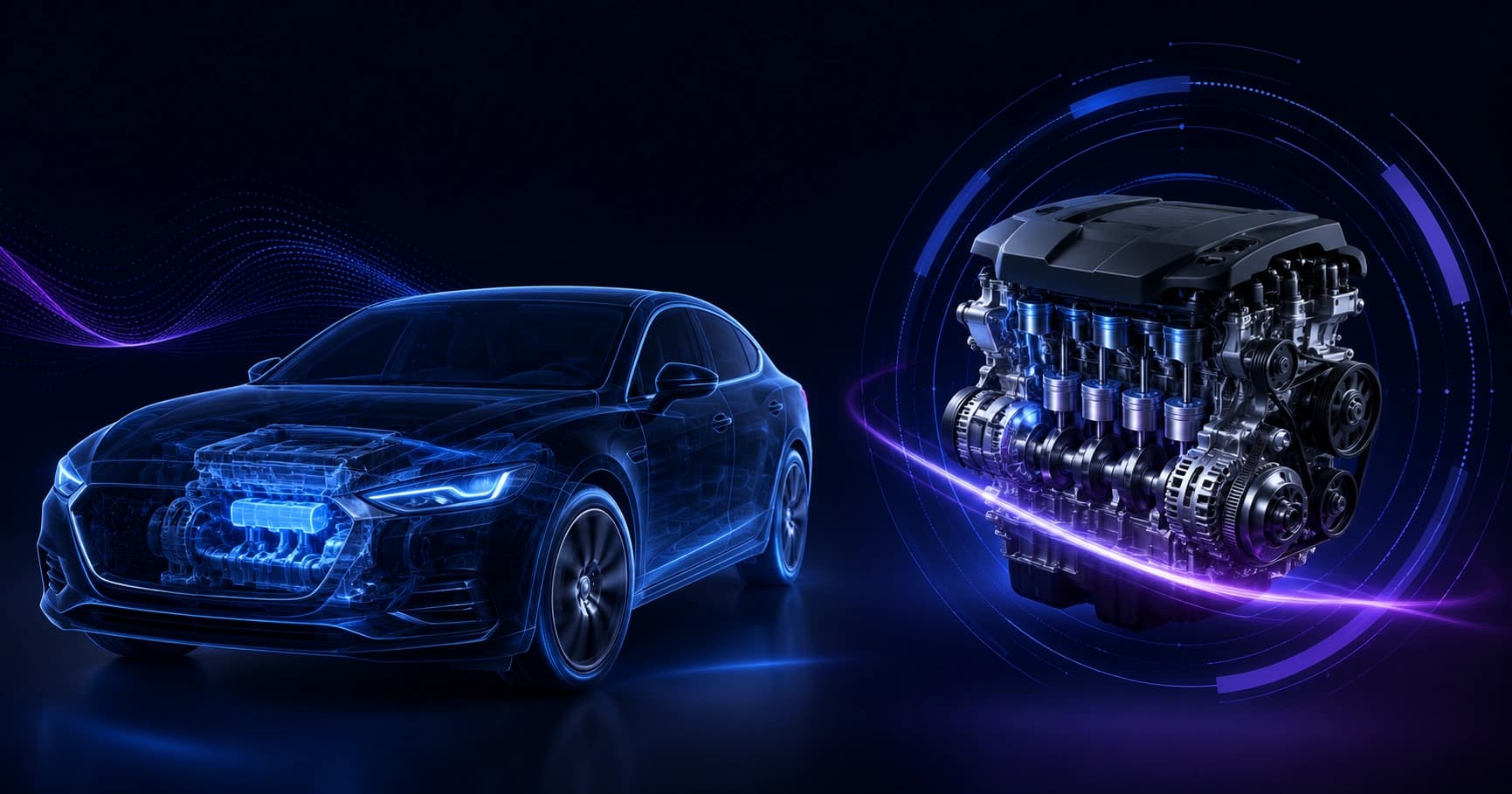
A clear, expert explanation of Mazda Skyactiv Technology, covering Skyactiv-G, Skyactiv-D, Skyactiv-X, Skyactiv-Drive, and Skyactiv-Body, plus real fuel economy and reliability insights for buyers.
What Is Skyactiv Technology
Skyactiv Technology is Mazda's brand name for a complete engineering philosophy that improves fuel efficiency and driving enjoyment by redesigning the entire vehicle at once, rather than bolting on electrification or downsized turbos. Introduced in 2011, it covers engines, transmissions, body structure, and chassis under one umbrella. If you have ever wondered why a Mazda3 or CX-5 returns hybrid-adjacent fuel numbers without a battery pack, Skyactiv is the answer.
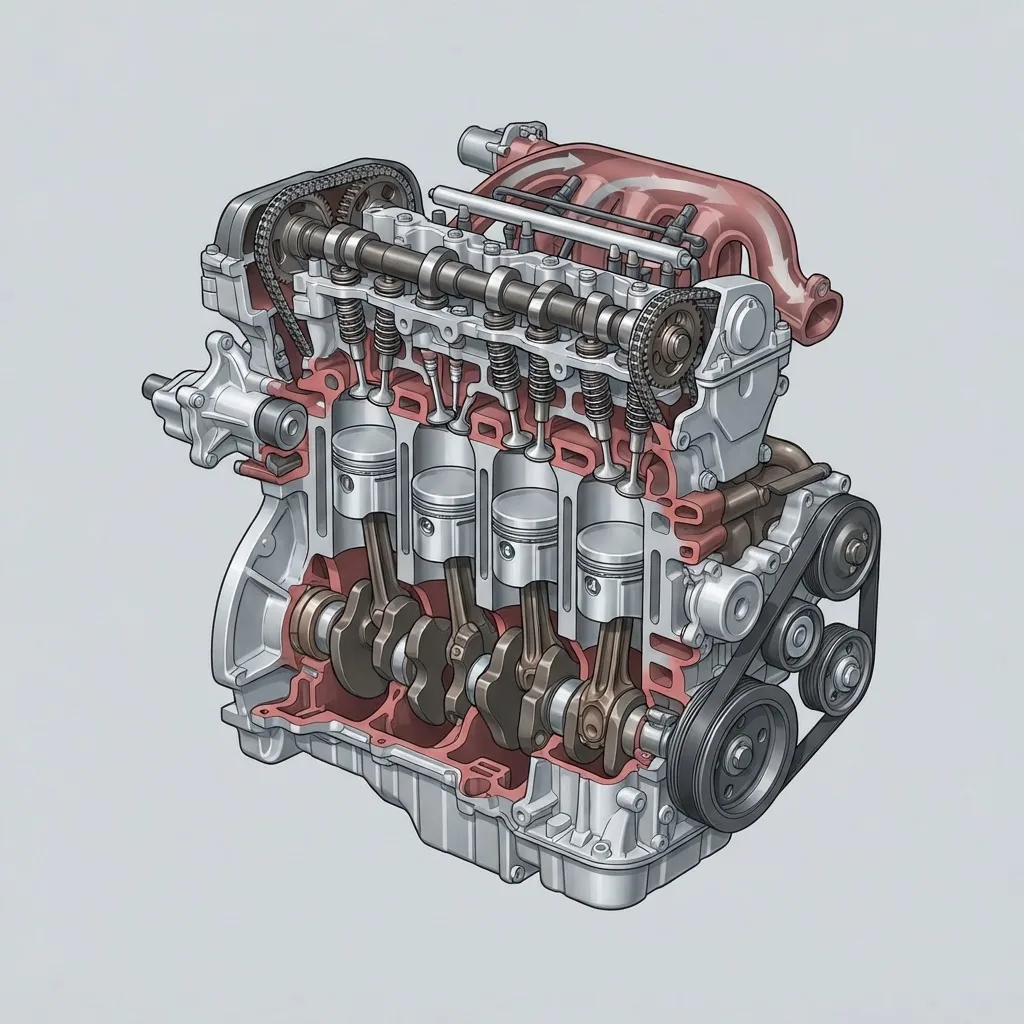
Quick Answer: Skyactiv Technology is Mazda's integrated engineering approach that optimizes engines, transmissions, body, and chassis together to cut fuel consumption and emissions while improving driving feel. It uses ultra-high compression gasoline engines, low compression diesels, lightweight rigid structures, and efficient transmissions instead of relying on hybrid systems.
Why Mazda Built Skyactiv Instead of Chasing Hybrids
Mazda made a deliberate engineering bet. Around 2010, most manufacturers responded to tightening emissions rules by adding electric motors or shrinking engines and adding turbochargers. Mazda, a small automaker producing roughly 1.2 to 1.5 million vehicles annually compared with Toyota's 10 million plus, could not fund a full hybrid program across every model. So it asked a different question: how much efficiency is still trapped inside the internal combustion engine itself?
The answer was significant. A conventional gasoline engine converts only about 25 to 30 percent of the fuel's energy into forward motion. The rest escapes as heat, pumping losses, and friction. Mazda's engineers concluded that attacking those losses directly would deliver more real-world benefit per dollar than adding hybrid hardware to an unoptimized engine. That reasoning is why Skyactiv is described as a philosophy rather than a single part.
Key definition: Skyactiv is not one component. It is a naming system applied to every major subsystem Mazda re-engineered for efficiency, identified by a suffix such as Skyactiv-G for gasoline or Skyactiv-D for diesel.
Skyactiv-G: The High Compression Gasoline Engine
Skyactiv-G is Mazda's naturally aspirated gasoline engine family, and its headline achievement is a 13:1 or 14:1 compression ratio on regular pump fuel. For context, most mainstream gasoline engines run between 9.5:1 and 11:1 because higher compression normally causes knock, the destructive premature detonation of fuel.
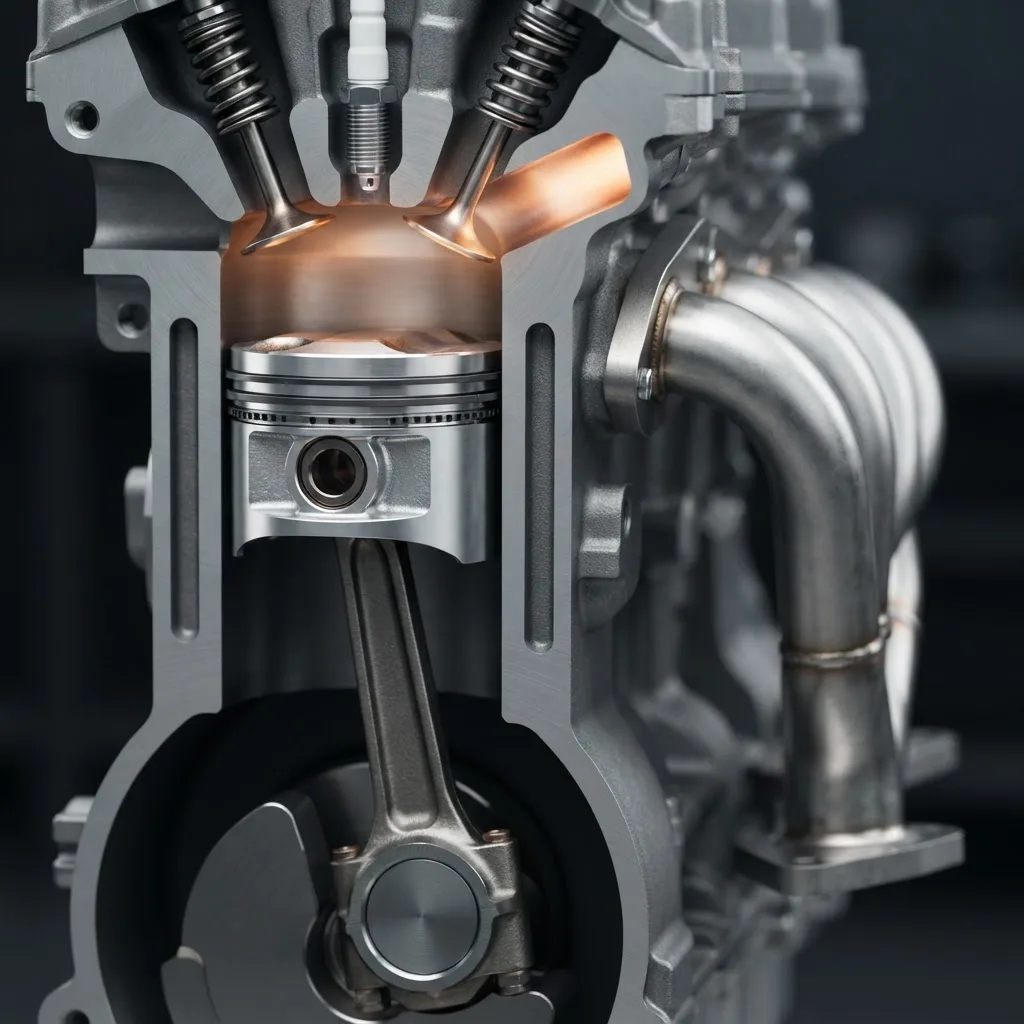
Mazda solved knock with three specific fixes rather than by requiring premium fuel:
- A 4-2-1 exhaust manifold. Longer exhaust runners prevent hot residual gas from flowing back into the cylinder, which lowers in-cylinder temperature and suppresses knock.
- Cavity pistons. A dished recess in the piston crown keeps the flame front from spreading unevenly, producing more controlled combustion.
- Multi-hole direct injection with higher pressure. Finer fuel atomization cools the charge air as it evaporates, buying additional knock margin.
The payoff is roughly a 15 percent improvement in fuel economy and torque versus the previous generation MZR engines, with meaningfully better low-end response than a small turbo. Higher compression also improves thermal efficiency, which is the underlying physics: the more the mixture expands after combustion, the more useful work you extract.
What This Means When You Drive One
Owners often notice the character difference before the fuel savings. Because there is no turbo lag and no forced induction plateau, throttle response is linear and predictable. That is a driveability benefit, not a marketing claim, and it is why Skyactiv-G cars feel eager at part throttle even when peak horsepower numbers look modest on paper.
Skyactiv-D: The Low Compression Diesel
Skyactiv-D inverts the logic. Where the gasoline engine raised compression, the diesel lowered it to 14:1, the lowest of any production diesel at launch, compared with the 16:1 to 18:1 typical of rivals.
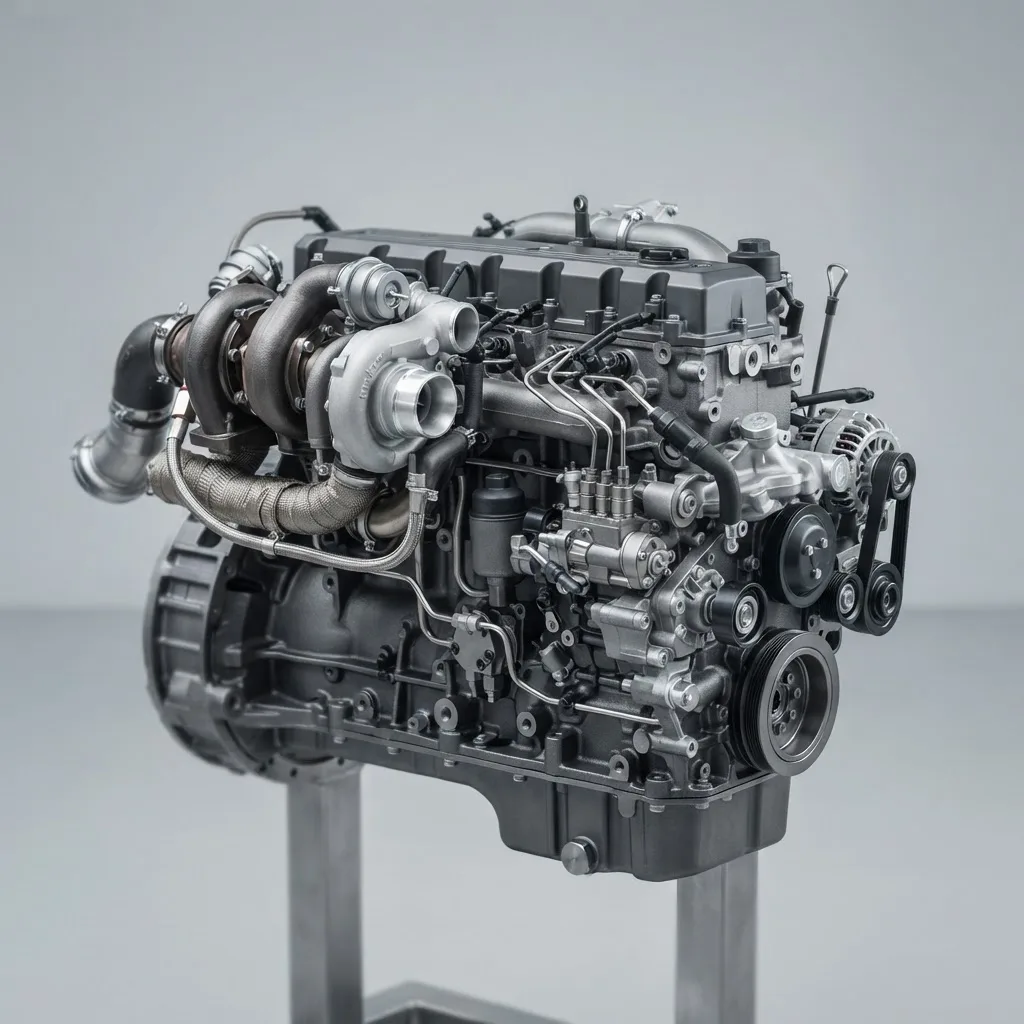
Lower diesel compression reduces peak combustion temperature and pressure, which cuts nitrogen oxide and soot formation at the source. That let Mazda meet Euro 6 and US Tier 2 Bin 5 standards without a urea based selective catalytic reduction system in many markets, removing both cost and an owner maintenance burden. Two sequential turbochargers, one small and one large, compensate for the reduced compression at low rpm, and a lighter aluminum block with reduced internal friction improves efficiency further.
Practical caveat from real ownership data: Skyactiv-D engines are sensitive to short-trip driving because the diesel particulate filter needs sustained highway running to regenerate. If your commute is under 15 minutes, a Skyactiv-G petrol is the smarter buy. This is the kind of trade-off spec sheets rarely mention.
Skyactiv-Drive and Skyactiv-MT: Transmissions That Do Not Waste Energy
A great engine loses its advantage through a sloppy transmission. Skyactiv-Drive is Mazda's six-speed automatic, and its distinguishing trait is a wide lock-up range: the torque converter locks mechanically across roughly 80 to 90 percent of driving conditions, versus far less in a conventional automatic.
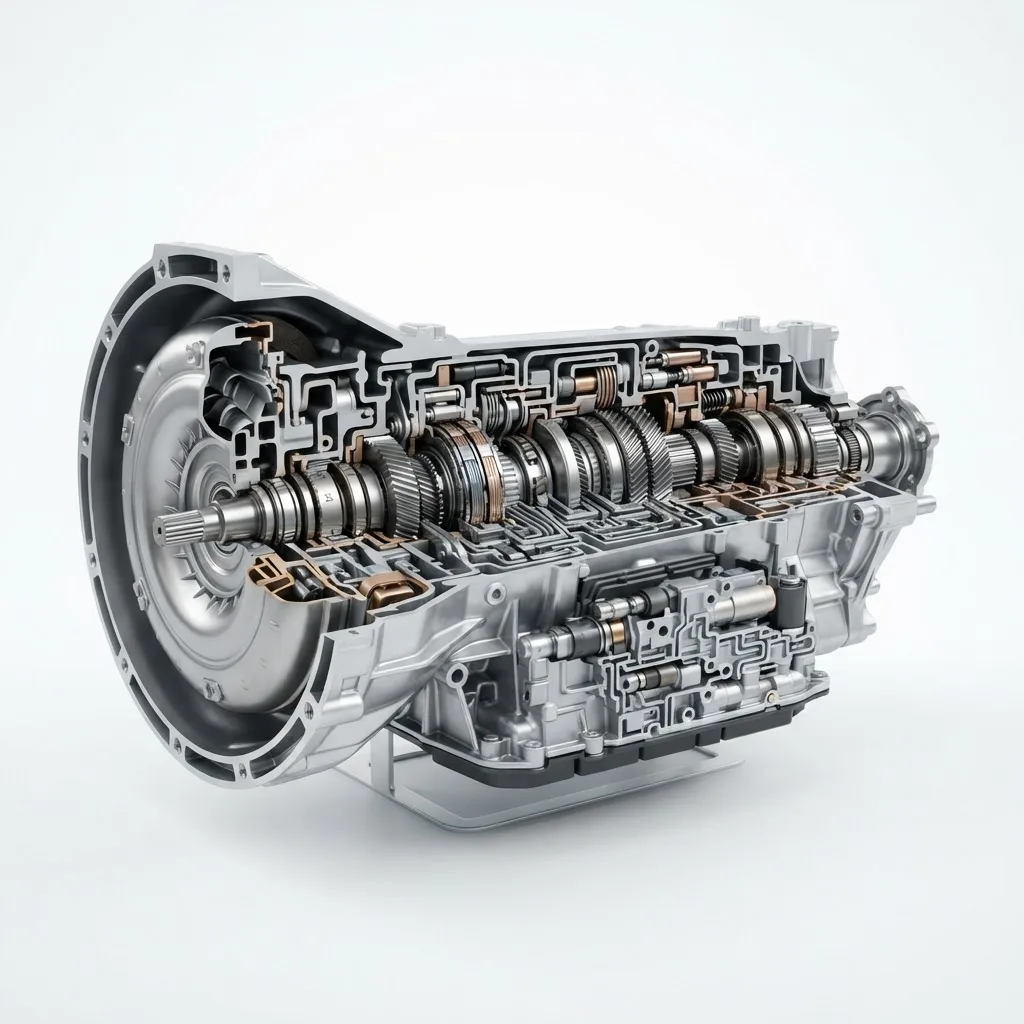
Torque converter slip is wasted fuel and blurred response. By locking up early and staying locked, Skyactiv-Drive delivers the direct feel of a dual-clutch gearbox with the smoothness and durability of a traditional automatic. Shift response is up to seven times faster than the outgoing unit in Mazda's own testing.
Skyactiv-MT, the manual counterpart, cut shift stroke and lever effort to deliver a short, precise throw modeled on the MX-5. This is a rare case of an efficiency program improving tactile enjoyment rather than sacrificing it.
Skyactiv-Body and Skyactiv-Chassis: Lighter and Stiffer Simultaneously
Weight is the enemy of every efficiency metric. Skyactiv-Body targets an 8 percent weight reduction alongside a 30 percent increase in rigidity, achieved through straight structural load paths, continuous frameworks, and expanded use of high and ultra-high tensile strength steel.
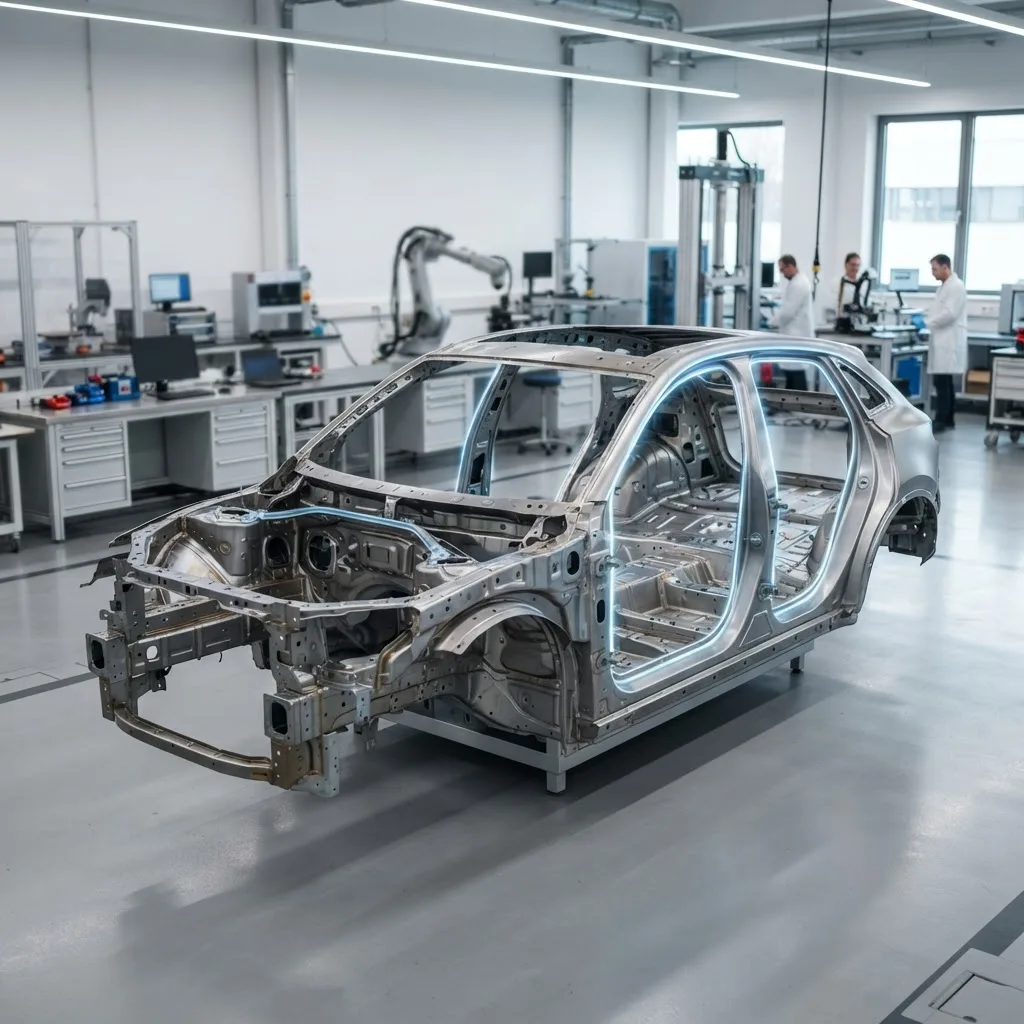
Straight load paths matter because a straight beam transmits crash energy far more efficiently than a curved one, so engineers can use less material for the same or better safety result. A stiffer shell also gives the suspension a stable platform, which is why Skyactiv-era Mazdas ride and handle better than their weight class suggests.
Skyactiv-Chassis complements this with revised suspension geometry tuned for stability at speed and agility at low speed, and reduced unsprung mass at each corner.
Skyactiv-X: Spark Controlled Compression Ignition
Skyactiv-X, launched in 2019, is the most technically ambitious piece of the family. It uses Spark Controlled Compression Ignition, or SPCCI, a method that combines gasoline and diesel combustion principles in one engine.
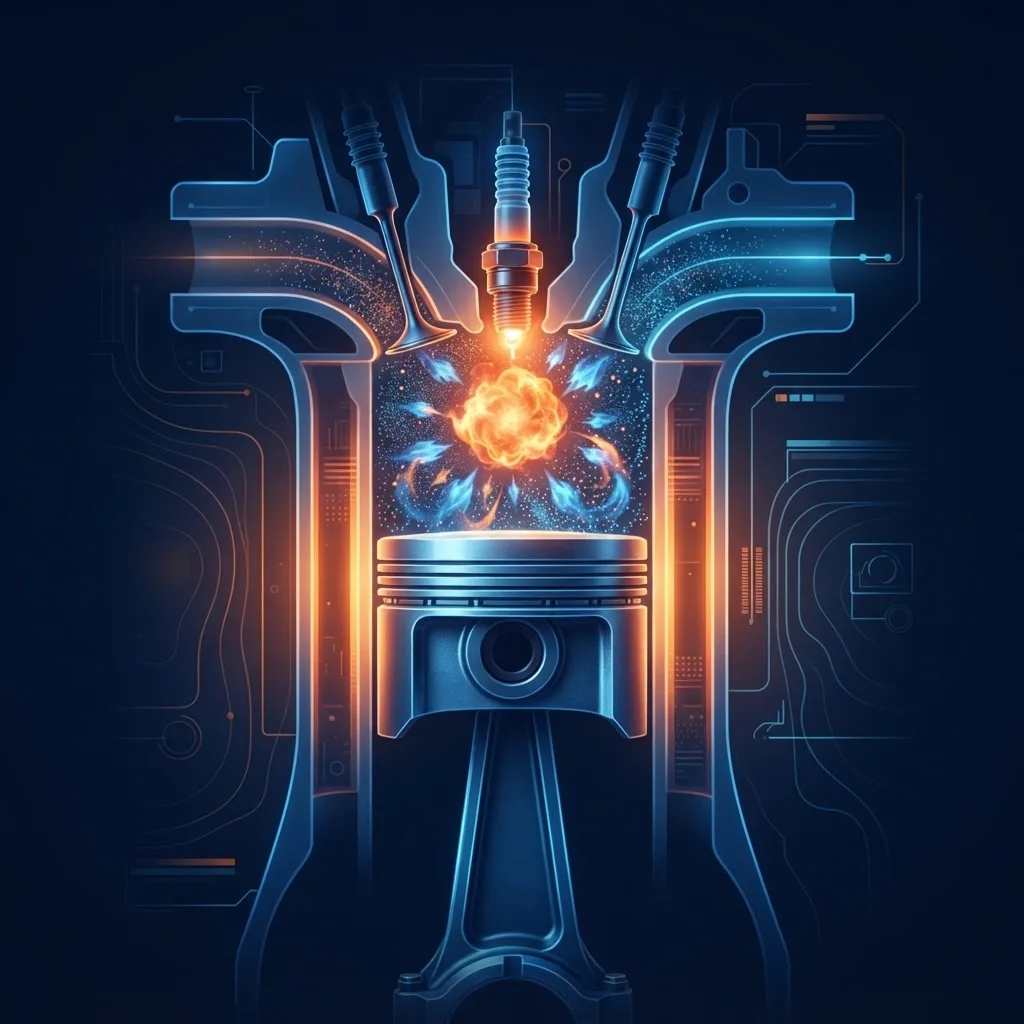
Definition: SPCCI uses a spark plug to ignite a small, rich pocket of fuel, and the resulting pressure spike triggers compression ignition of a very lean surrounding mixture, without a spark reaching it directly.
This matters because lean burn dramatically improves efficiency but is notoriously hard to control. The spark acts as a precise trigger, giving Mazda command over ignition timing that pure homogeneous charge compression ignition never achieved in production. Skyactiv-X runs air-fuel ratios far leaner than the stoichiometric 14.7:1, delivering claimed efficiency gains of 20 to 30 percent over Skyactiv-G along with more torque across the range. A 24-volt mild hybrid system supports it.
Honest assessment: independent real-world testing has often shown Skyactiv-X gains closer to 5 to 10 percent than the headline 30 percent, and it costs more. It is a fascinating engine, but Skyactiv-G remains the better value for most buyers.
Skyactiv Technology Comparison Table
| Technology | Type | Key Specification | Main Benefit | Best For |
|---|---|---|---|---|
| Skyactiv-G | Gasoline engine | 13:1 to 14:1 compression | Approximately 15 percent better economy and torque | Most drivers, mixed city and highway |
| Skyactiv-D | Diesel engine | 14:1 compression, twin turbo | High torque, low NOx without urea injection | High mileage highway drivers |
| Skyactiv-X | Gasoline with SPCCI | Lean burn, mild hybrid | Highest thermal efficiency in the range | Enthusiasts wanting cutting-edge tech |
| Skyactiv-Drive | 6-speed automatic | 80 to 90 percent lock-up range | Direct feel, less slip loss | Automatic buyers who want response |
| Skyactiv-MT | Manual gearbox | Short shift stroke | Precise, low-effort shifting | Driving enthusiasts |
| Skyactiv-Body | Structure | 8 percent lighter, 30 percent stiffer | Better safety, handling, and economy | All Skyactiv-era models |
How Skyactiv Compares to Turbocharging and Hybrids
The honest comparison is nuanced. Small turbo engines from European rivals often post better laboratory numbers than Skyactiv-G but frequently underperform in real driving, because turbo efficiency depends on staying out of boost. Skyactiv-G tends to close much of that gap in the real world, which is one reason it earned strong reviews for consistency between claimed and observed economy.
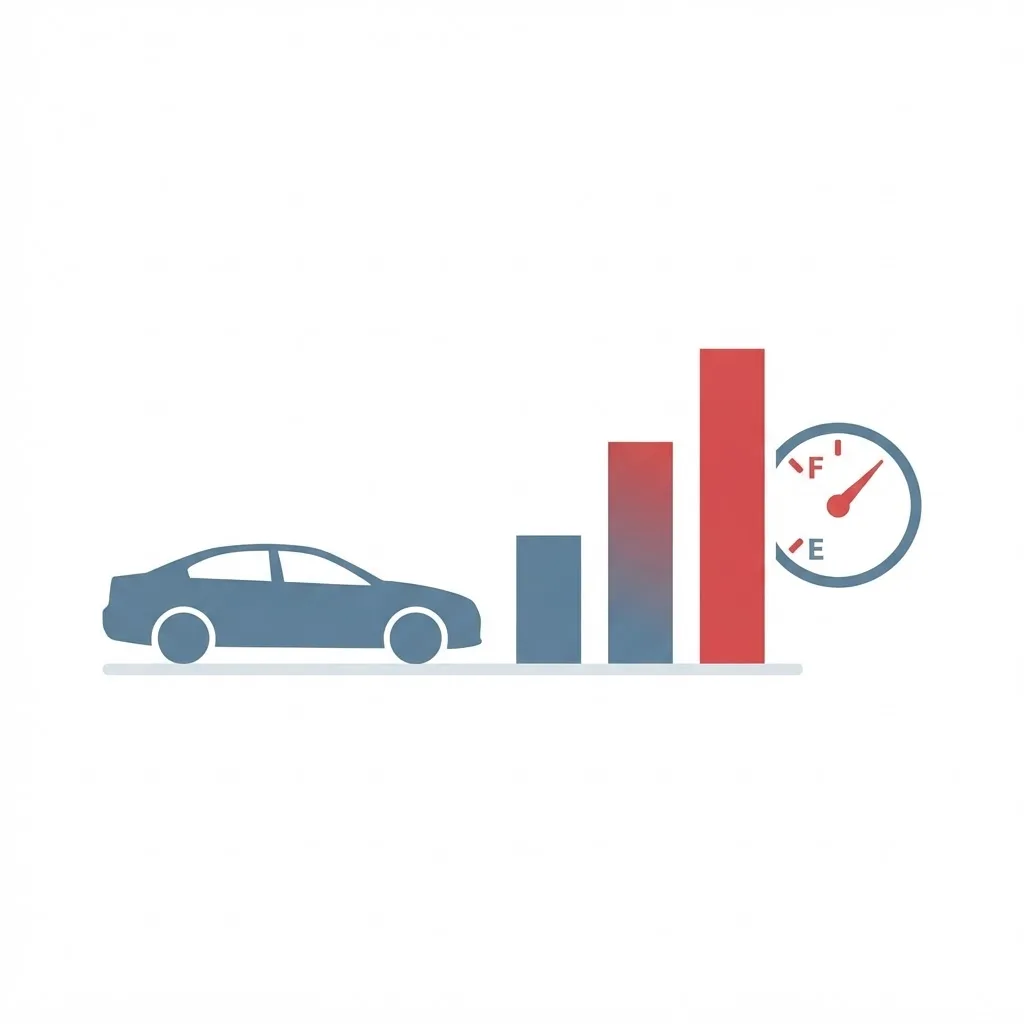
Against full hybrids, Skyactiv loses on pure city fuel consumption. A hybrid's ability to recover braking energy and shut off the engine in traffic is simply unmatched by a combustion-only powertrain. Skyactiv's counter-arguments are lower purchase cost, less mechanical complexity, no high-voltage battery to degrade, and lighter weight. Mazda now blends both approaches with mild hybrid and plug-in options, which validates the original engineering rather than contradicting it.
This kind of clear technical communication is exactly what modern brands need online, and it is the discipline behind the technical content and web work at ZoneTechify and the search performance strategy at WebPeak. If you need complex engineering explained in a way both humans and search engines understand, structured content writing services make the difference between a spec dump and a page people actually finish reading.
Reliability and Ownership Realities
Skyactiv-G has built a strong reliability reputation, largely because it avoids turbochargers, belts under high stress, and dual-clutch complexity. Three practical points from owner and technician experience:
- Use the specified oil. Mazda's low-viscosity oil specification is part of the friction reduction strategy, not a suggestion. Thicker oil measurably reduces fuel economy.
- Carbon buildup is possible. Direct injection engines can accumulate intake valve deposits over high mileage. Periodic intake cleaning at high mileage is inexpensive insurance.
- Regular fuel is genuinely fine. Despite the high compression ratio, Skyactiv-G is engineered for 87 octane in North America. Premium yields negligible gain in most cases.
Key Takeaways
- Skyactiv Technology is an integrated engineering philosophy covering engines, transmissions, body, and chassis, first introduced by Mazda in 2011.
- Skyactiv-G runs a 13:1 to 14:1 compression ratio on regular fuel and improves economy and torque by roughly 15 percent over its predecessor.
- Skyactiv-D uses the lowest diesel compression ratio in production at 14:1, cutting NOx and soot at the source.
- Skyactiv-X uses Spark Controlled Compression Ignition to enable controlled lean burn, with claimed 20 to 30 percent efficiency gains over Skyactiv-G.
- Skyactiv-Body targets an 8 percent weight reduction with a 30 percent rigidity increase using straight load paths and high tensile steel.
- Skyactiv-Drive keeps its torque converter locked across 80 to 90 percent of driving, reducing slip losses and sharpening response.
Frequently Asked Questions (FAQ)
What does Skyactiv actually stand for?
Skyactiv is a coined Mazda brand name, not an acronym. It combines "sky" to suggest limitless potential with "activ" for active driving. Mazda applies it to every subsystem it re-engineered for efficiency, adding suffixes such as G for gasoline, D for diesel, and X for its compression ignition engine.
Is Skyactiv a hybrid engine?
No, standard Skyactiv engines are not hybrids. They achieve efficiency purely through combustion optimization, reduced friction, and weight savings. Only Skyactiv-X adds a 24-volt mild hybrid system to assist the engine, and Mazda separately offers dedicated hybrid and plug-in hybrid models outside the core Skyactiv-G lineup.
Do Skyactiv engines require premium fuel?
No. Despite compression ratios of 13:1 or higher, Skyactiv-G engines are designed to run safely on regular 87 octane fuel in North America. The 4-2-1 exhaust manifold and cavity pistons prevent knock. Premium fuel typically delivers negligible measurable benefit in normal daily driving.
Are Skyactiv engines reliable long term?
Yes, Skyactiv-G has earned a strong reliability record, helped by the absence of turbochargers and complex dual-clutch transmissions. Follow the specified low-viscosity oil requirement and service intervals. Consider an intake valve carbon cleaning at higher mileage, which is a common characteristic of all direct injection engines.
Which Skyactiv engine should I choose?
Choose Skyactiv-G for most driving, since it balances cost, reliability, and efficiency well. Pick Skyactiv-D only if you drive long highway distances regularly, because the particulate filter needs sustained running. Skyactiv-X suits enthusiasts who value advanced technology over the lowest possible purchase price.
Which Mazda models use Skyactiv Technology?
Essentially the entire modern lineup uses Skyactiv Technology, including the Mazda2, Mazda3, Mazda6, CX-3, CX-30, CX-5, CX-50, CX-60, CX-90, and MX-5. Coverage varies by market and model year, so verify the specific engine designation, transmission type, and body platform for the exact vehicle you are considering.