
A practical, experience-backed guide to SEO basics covering how search engines work, keyword research, on-page and technical SEO, links, and measurement.
SEO Basics
Search engine optimization is not a trick, a plugin, or a one-time task. It is the ongoing practice of making your website the clearest, fastest, most trustworthy answer to a question someone is typing into a search box right now. After a decade of auditing sites that plateaued at page three, the pattern is always the same: the fundamentals were skipped in favor of shortcuts. This guide walks through the SEO basics that actually move rankings, in the order you should implement them.

Quick Answer: SEO basics are the core practices that help search engines find, understand, and rank your pages: keyword research to match real search intent, on-page optimization of titles and content, technical health like speed and crawlability, helpful original content, and quality backlinks. Master these five, then measure results in Search Console.
What Is SEO, Exactly?
SEO (search engine optimization) is the process of improving a website so it earns more relevant, unpaid traffic from search engines like Google and Bing. Unpaid is the key word. You are not buying placement; you are proving you deserve it.
That proof happens across three fronts working together:
- Relevance — does your page match what the searcher meant?
- Quality — is it the most useful, complete, original answer available?
- Accessibility — can a crawler reach, render, and index it quickly?
Most struggling sites are strong in one area and completely blind in another. A beautiful site nobody can crawl ranks the same as no site at all.
How Search Engines Actually Work
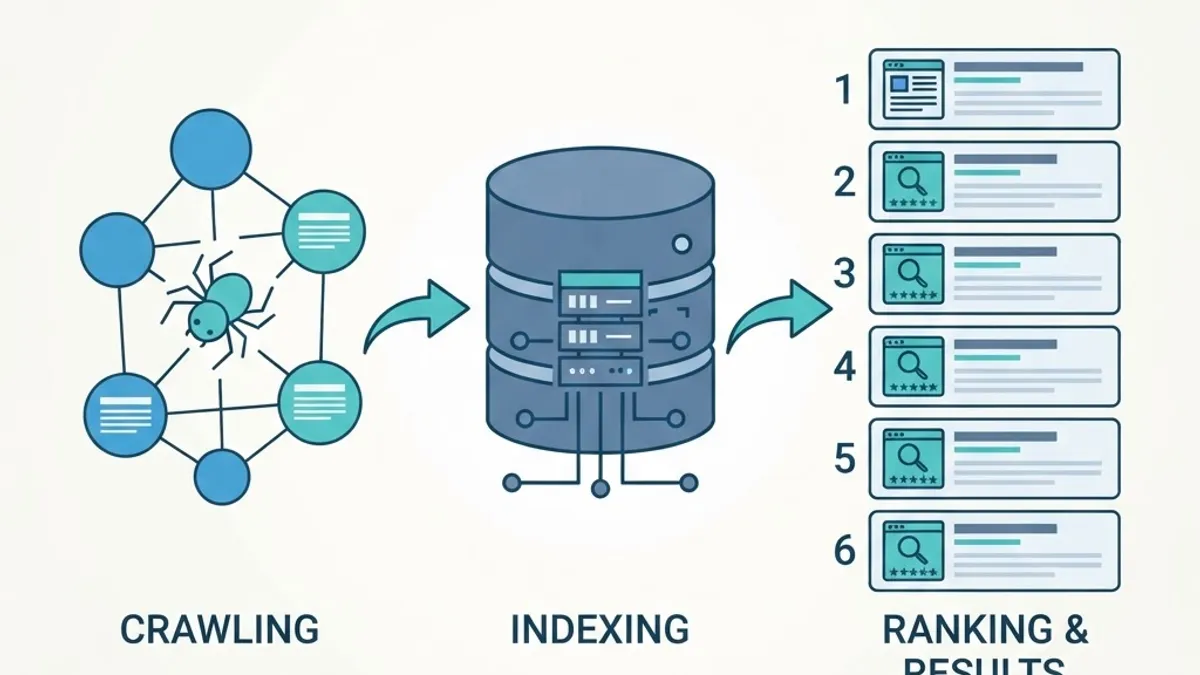
Before optimizing anything, understand the pipeline. Search engines run three distinct processes, and SEO problems usually trace back to exactly one of them.
1. Crawling
Automated bots follow links to discover URLs. If a page has no internal links pointing to it and is missing from your sitemap, it may never be found. Orphan pages are one of the most common issues found in real audits.
2. Indexing
The crawler renders the page and stores what it understands in a massive database. A page can be crawled but not indexed — usually because it is thin, duplicated, blocked by a noindex tag, or considered a near-copy of a stronger URL.
3. Ranking
When someone searches, the engine pulls candidate pages from the index and orders them using hundreds of signals. Google has publicly confirmed that page experience, content quality, and link signals all contribute, and that no single factor guarantees position one.
Diagnostic shortcut: if a page gets zero impressions, it is a crawling or indexing problem. If it gets impressions but no clicks, it is a title, snippet, or intent problem. If it gets clicks but visitors bounce, it is a content or speed problem.
Keyword Research: Start With Intent, Not Volume
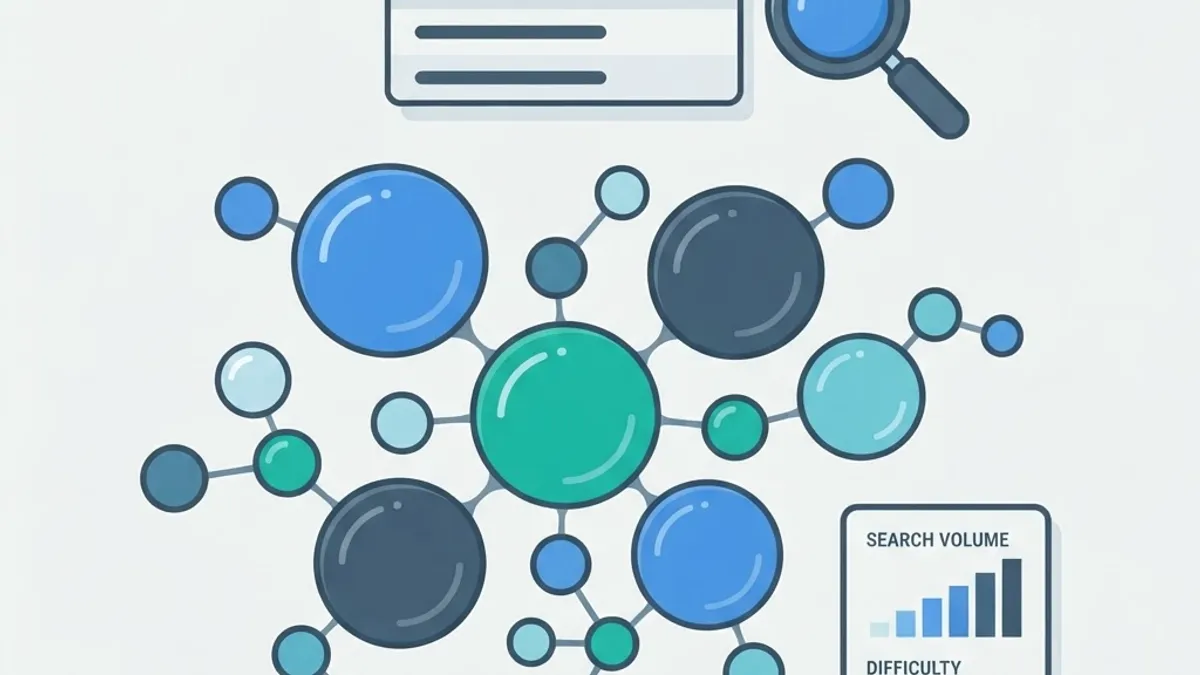
A keyword is the phrase a person types; search intent is what they actually want. Beginners chase high-volume keywords and lose. Experienced SEOs chase matched intent and win smaller battles that convert.
There are four intent types, and each demands a different page format:
| Intent Type | Example Query | Page Format That Ranks | Conversion Potential |
|---|---|---|---|
| Informational | "what is seo" | Guide or tutorial | Low |
| Navigational | "zonetechify login" | Brand or product page | Medium |
| Commercial | "best seo agency" | Comparison or review list | High |
| Transactional | "hire seo consultant" | Service or pricing page | Very high |
A Practical Keyword Workflow
- List 10 problems your customers describe in their own words. These are seed topics, not keywords.
- Expand each seed using Google autocomplete, "People also ask", and related searches at the bottom of the SERP. These are free, real, and updated daily.
- Check the SERP before writing. If the top ten results are all product pages, a blog post will not rank there. The format Google already rewards tells you what to build.
- Prioritize long-tail phrases of four or more words when your site is new. They have lower competition and clearer intent.
- Assign one primary keyword per page. Two pages targeting the same phrase compete with each other, a problem called keyword cannibalization.
In audits, consolidating three thin cannibalizing posts into one comprehensive page frequently outperforms all three originals combined — because links, engagement, and relevance signals stop being split.
On-Page SEO: The Highest-Leverage Basics
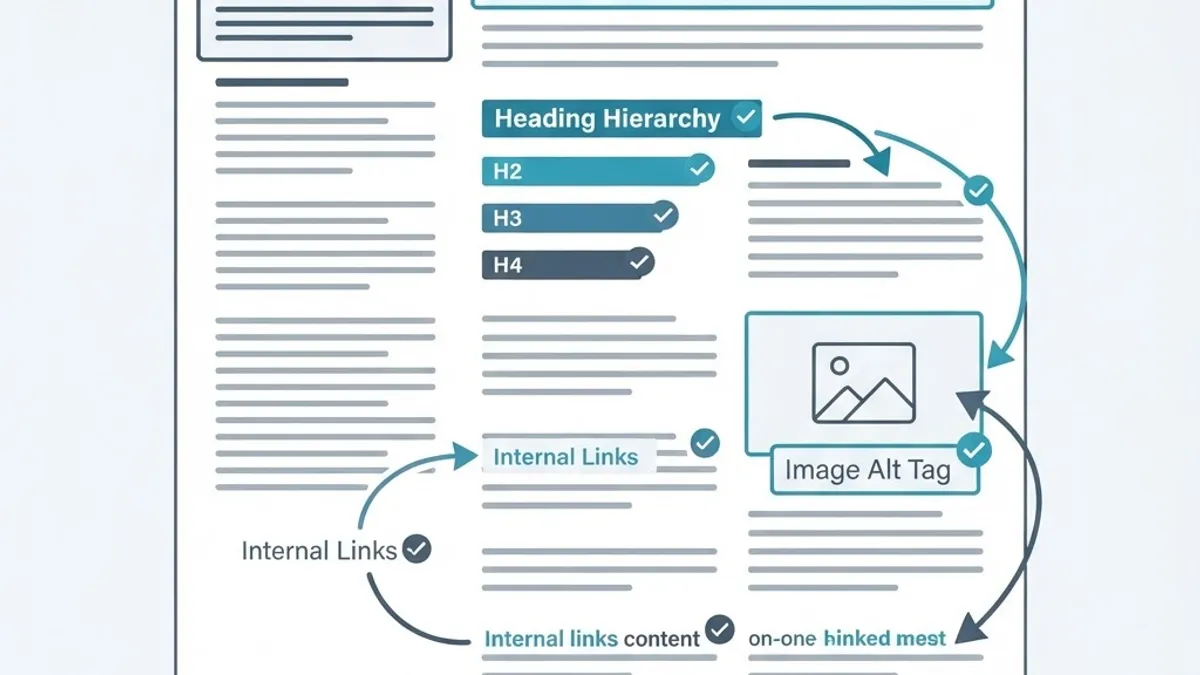
On-page SEO is everything you control inside the page itself. It is the fastest area to fix and the most commonly neglected.
Title Tag
Keep it under roughly 60 characters, put the primary keyword near the front, and write it for a human deciding whether to click. Titles that read like keyword lists get skipped even when they rank.
Meta Description
Aim for 150 to 160 characters. It is not a direct ranking factor, but it heavily influences click-through rate, and click-through rate influences whether your ranking holds.
Heading Structure
Use exactly one H1 that states the page topic. Use H2s for major sections and H3s for sub-points. Do not skip levels for styling reasons. A clean heading hierarchy is how both screen readers and AI answer engines extract your structure.
URL Slug
Short, lowercase, hyphenated, descriptive. /seo-basics beats /p?id=4471.
Internal Linking
Link new pages from existing relevant pages using descriptive anchor text. Internal links distribute authority and tell crawlers which pages matter. A page buried five clicks from the homepage signals low importance.
Image Optimization
Compress every image, use modern formats like WebP, and write alt text that describes the image for someone who cannot see it. This serves accessibility first and image search second.
Technical SEO: Removing Friction

Technical SEO is the work that makes a site fast, crawlable, and stable across devices. According to Google research on mobile behavior, 53% of mobile site visits are abandoned if a page takes longer than three seconds to load — so speed is a business metric before it is a ranking one.
Your baseline technical checklist:
- HTTPS everywhere. Insecure pages trigger browser warnings that destroy trust.
- Mobile-first responsive layouts. Google indexes the mobile version of your site by default.
- Core Web Vitals. Target Largest Contentful Paint under 2.5 seconds and Interaction to Next Paint under 200 milliseconds.
- XML sitemap submitted in Google Search Console, listing only indexable canonical URLs.
- robots.txt that blocks nothing important. Accidentally disallowing
/is a real and catastrophic mistake. - Canonical tags on pages reachable through multiple URLs or query parameters.
- Structured data using Schema.org markup for articles, products, FAQs, and local businesses so engines can parse entities confidently.
- Zero broken internal links and clean 301 redirects for any moved URL.
If your platform makes these changes difficult, the underlying build is the problem. A properly engineered site handles this by default, which is why technical foundations belong in the web development and architecture stage rather than being patched later.
Content: The Part You Cannot Automate Away
Google's helpful content guidance is blunt: create content for people, not for search engines. In practice, that means demonstrating E-E-A-T — Experience, Expertise, Authoritativeness, and Trustworthiness.
How to show it concretely:
- Experience: include what happened when you actually did the thing — the number, the failure, the timeline.
- Expertise: explain mechanisms, not just steps. Say why a canonical tag matters, not only that it exists.
- Authoritativeness: publish under a named author with a real bio and credentials.
- Trustworthiness: cite sources, date your content, correct errors publicly, and make contact information easy to find.
Structure Content for Both Humans and AI Engines
AI answer engines and featured snippets both reward the same thing: a direct answer placed immediately under a clear heading. Lead each section with a topic sentence that answers the heading, then expand. Define key terms in a single sentence. Use tables for comparisons and numbered lists for processes. This is how a paragraph becomes a citation.
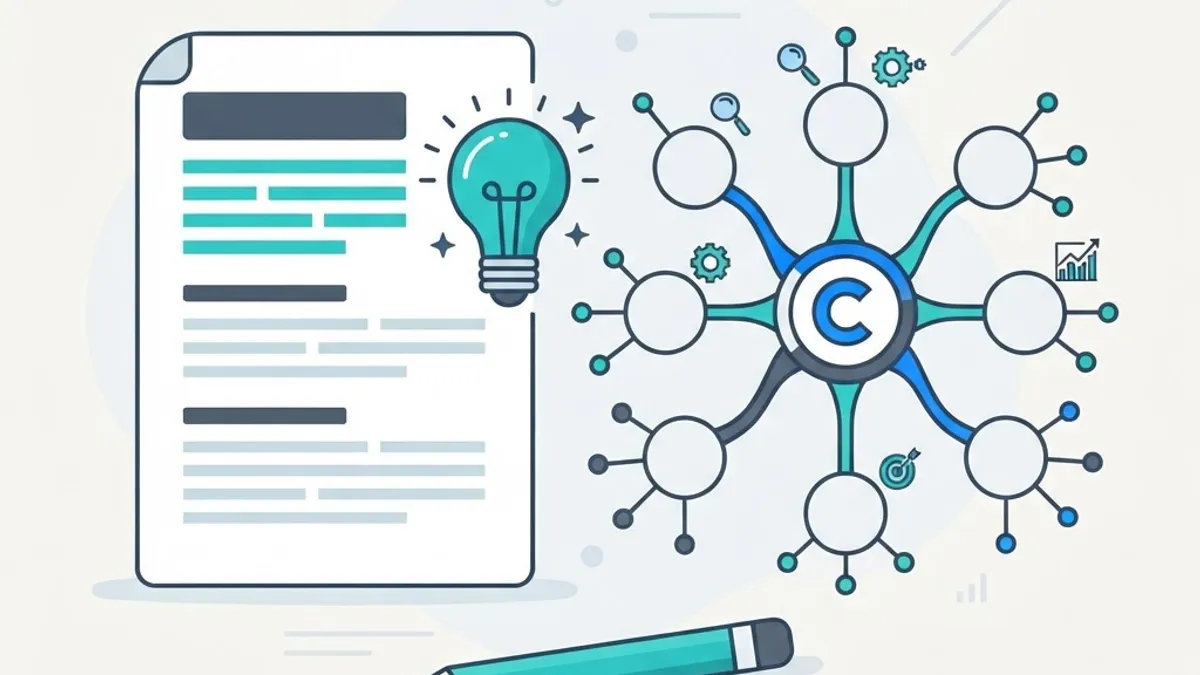
Organize related articles into topic clusters — one comprehensive pillar page linking out to focused sub-articles, each linking back. This proves topical depth rather than scattered coverage.
Backlinks and Authority

A backlink is a link from another website to yours, treated as a third-party vote of confidence. Relevance and genuine editorial intent matter far more than raw count. Ten links from respected sites in your industry outperform a thousand from unrelated directories.
Legitimate ways to earn them:
- Publish original data. Surveys, benchmarks, and internal statistics get cited because nobody else has them.
- Build genuinely useful free tools. Calculators and checkers attract links passively for years.
- Contribute expert commentary to industry publications and journalist request platforms.
- Reclaim unlinked brand mentions where someone named you without linking.
- Fix broken links on relevant resource pages by offering your equivalent replacement.
Avoid paid link schemes, private blog networks, and mass guest post spam. Google's link spam policies explicitly target these, and recovering from a manual action costs far more than the links ever returned.
Local SEO for Businesses With a Location
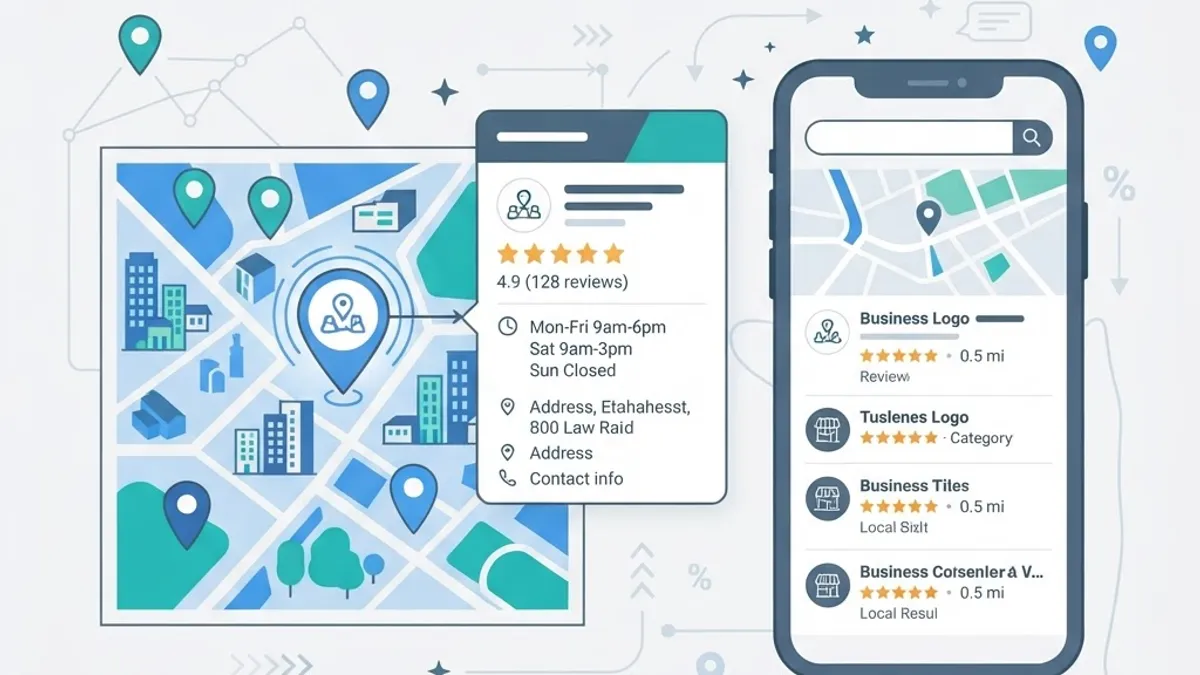
If you serve customers in a specific area, local SEO is the highest-return basic available. Claim and fully complete your Google Business Profile, keep your name, address, and phone number identical everywhere online, choose the most specific primary category, add real photos, and request reviews consistently. Then respond to every review, positive or negative. Review volume, recency, and response rate all correlate with local pack visibility.
Measuring Results Without Fooling Yourself
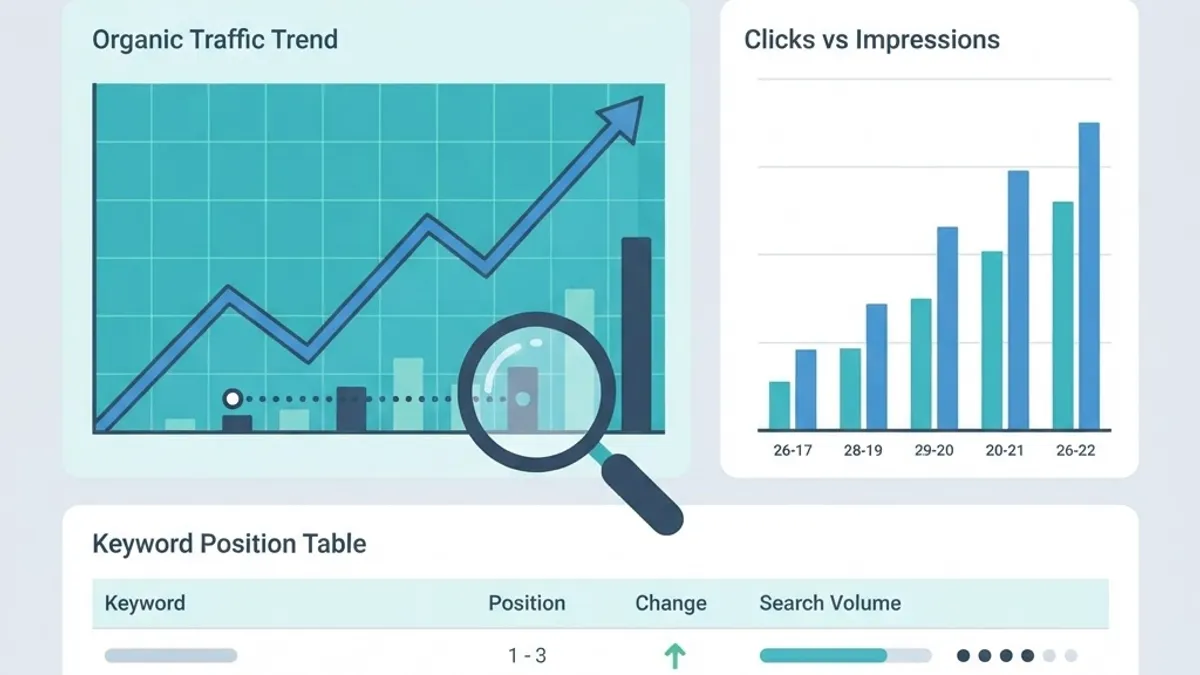
Rankings fluctuate daily and vary by location and device, so a single-position screenshot proves nothing. Track trends over 90-day windows instead.
The metrics that matter, in order:
- Organic clicks and impressions from Google Search Console — your ground truth.
- Average position by query group, not by single keyword.
- Indexed page count versus total publishable pages.
- Core Web Vitals pass rate across real user data.
- Conversions from organic sessions — traffic that does not convert is a vanity metric.
Set a realistic timeline. Meaningful movement on a new site typically takes three to six months of consistent publishing and technical hygiene. Anyone promising page one in two weeks is selling risk.
For teams that want the strategy, technical implementation, and content engine handled together, ZoneTechify and WebPeak both approach SEO as an engineering and editorial discipline rather than a checklist.
Key Takeaways
- SEO rests on five basics: intent-matched keyword research, on-page optimization, technical health, genuinely helpful content, and quality backlinks.
- Search engines operate in three stages — crawling, indexing, ranking — and diagnosing which stage is failing solves most problems faster than guessing.
- According to Google, 53% of mobile visits are abandoned when a page takes over three seconds to load, making speed a revenue issue.
- Target Largest Contentful Paint under 2.5 seconds and Interaction to Next Paint under 200 milliseconds.
- One primary keyword per page prevents cannibalization; consolidating thin duplicates usually beats keeping all of them.
- E-E-A-T is demonstrated through specifics: named authors, cited sources, real numbers, and firsthand experience.
- Expect three to six months for durable results on a new site.
Frequently Asked Questions (FAQ)
How long does SEO take to work?
Most new websites see meaningful organic growth in three to six months, and competitive niches can take twelve. Timing depends on your site's existing authority, technical condition, publishing consistency, and competition. Established sites fixing technical issues sometimes see improvements within weeks because the pages are already indexed and trusted.
Can I do SEO myself without hiring anyone?
Yes. The basics are genuinely learnable: install Google Search Console, fix crawl errors, write clear title tags, improve page speed, and publish content that answers real questions. Hiring becomes worthwhile when you need technical fixes at scale, consistent content production, or competitive link acquisition beyond your available time.
What is the difference between SEO and paid ads?
Paid ads buy immediate visibility that stops the moment your budget ends. SEO builds compounding visibility that persists without per-click cost, but takes months to develop. The strongest strategy runs both: ads validate which keywords convert, and SEO then captures that same demand sustainably at a lower long-term cost.
How many keywords should one page target?
Target one primary keyword per page, supported naturally by closely related variations and synonyms. Two separate pages chasing the same phrase compete against each other and split their ranking signals. If you have several near-identical posts, merge them into one stronger page and redirect the old URLs to it.
Do backlinks still matter for SEO?
Yes, backlinks remain a significant ranking signal, but quality and relevance now outweigh quantity decisively. A handful of editorial links from respected industry sites outperform hundreds of low-quality directory links. Purchased links and private blog networks violate Google's spam policies and can trigger penalties that are expensive to reverse.
Does website speed really affect rankings?
Yes. Speed is measured through Core Web Vitals and factors into Google's page experience signals. More importantly, it affects behavior: Google found 53% of mobile visitors abandon pages loading longer than three seconds. Faster pages earn more engagement and conversions, which reinforces rankings indirectly as well as directly.