A practical, expert breakdown of what is new in gaming technology under the Jogametech lens: cloud streaming, AI-driven NPCs, GPU upscaling, mixed reality, and handhelds. Learn what actually matters for players and developers in 2026.
What Is New in Gaming Technology Jogametech
Gaming technology moved faster between 2023 and 2026 than in the previous decade, and most of the change happened in places players never see: upscaling pipelines, streaming codecs, on-device inference, and engine tooling. "Jogametech" is the shorthand many enthusiast communities now use for this convergence of jogo (game) and tech - the layer where hardware, AI, and delivery infrastructure meet. This guide breaks down what is genuinely new, what is marketing noise, and what you should actually change in your setup or development roadmap.
We have built and shipped interactive web platforms, real-time dashboards, and AI features for clients at ZoneTechify and WebPeak, so the analysis below is grounded in what performs in production - not spec sheets.
Quick Answer: The newest gaming technology in the Jogametech era centers on five shifts: AI upscaling and frame generation replacing brute-force rendering, cloud gaming reaching sub-40ms latency, generative AI powering dynamic NPCs, mixed-reality headsets going standalone and lightweight, and handheld PCs becoming a mainstream platform rather than a niche.
What Does Jogametech Actually Mean?
Jogametech describes the modern gaming technology stack as a single system: silicon, software rendering techniques, network delivery, and AI-assisted content creation working together. The term matters because you can no longer evaluate gaming performance by looking at one component.
A practical example: a 2026 mid-range GPU rendering at 1080p internally and upscaling to 4K with frame generation can outperform a 2020 flagship rendering natively at 4K - while drawing less power. The bottleneck moved from raw raster throughput to the quality of the reconstruction algorithm. That is the core insight of the Jogametech shift.
The Three Layers of the Modern Stack
- Compute layer - GPUs with dedicated AI accelerators, unified memory APUs in handhelds, and console-class SoCs.
- Reconstruction layer - temporal upscaling, frame generation, neural texture compression, and ray reconstruction.
- Delivery layer - cloud streaming, edge servers, adaptive bitrate video, and rollback netcode.
Most 2026 performance gains came from layers two and three, not layer one.
AI Upscaling and Frame Generation: The Real Performance Story
Upscaling is now the default rendering path in most AAA titles, not an optional toggle. The technique renders a lower internal resolution, then uses temporal data and a trained model to reconstruct a higher-resolution frame.
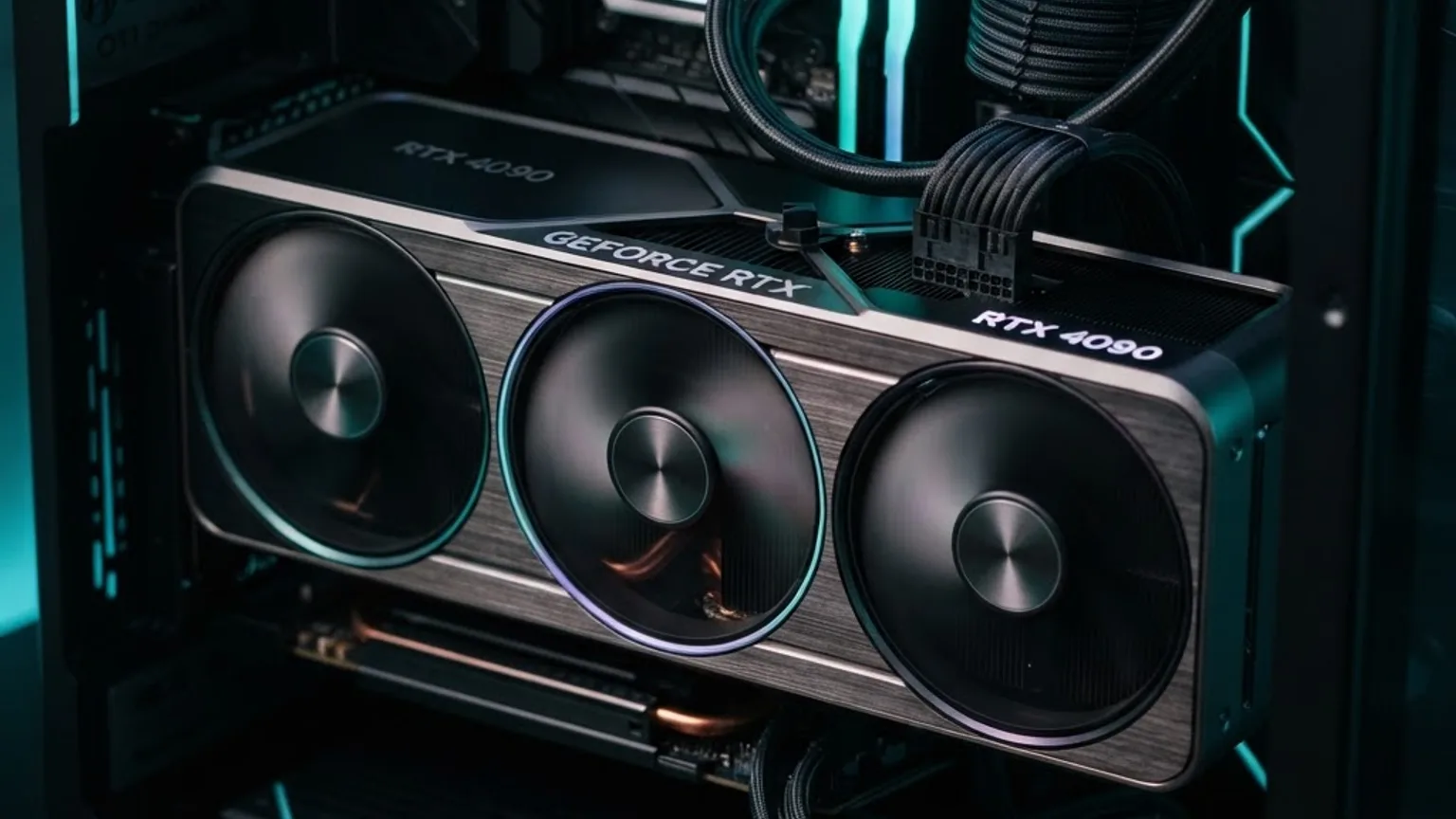
Why this matters practically: enabling quality-mode upscaling typically delivers 40-70% higher frame rates at near-native image quality, and frame generation can multiply that further on supported hardware. The trade-off is latency - generated frames add input delay, which is why competitive players still disable frame generation while single-player fans leave it on.
How to Configure It Correctly
- Single-player, visual-first titles: upscaling on Quality, frame generation on, cap frame rate slightly below your monitor's refresh ceiling.
- Competitive shooters: upscaling on Balanced or off, frame generation off, latency-reduction mode on.
- Handhelds and laptops: upscaling on Performance plus a 40 or 60 FPS cap - this often doubles battery life versus uncapped rendering.
A critical detail most guides miss: upscaling quality depends heavily on the game's motion vectors. Titles with poor vector implementation produce ghosting on transparent effects, so judge each game individually rather than applying one global preset.
Cloud Gaming Has Quietly Become Viable
Cloud gaming failed in its first generation because of latency and image artifacts. Both problems shrank substantially once providers moved compute to regional edge locations and adopted better video codecs.
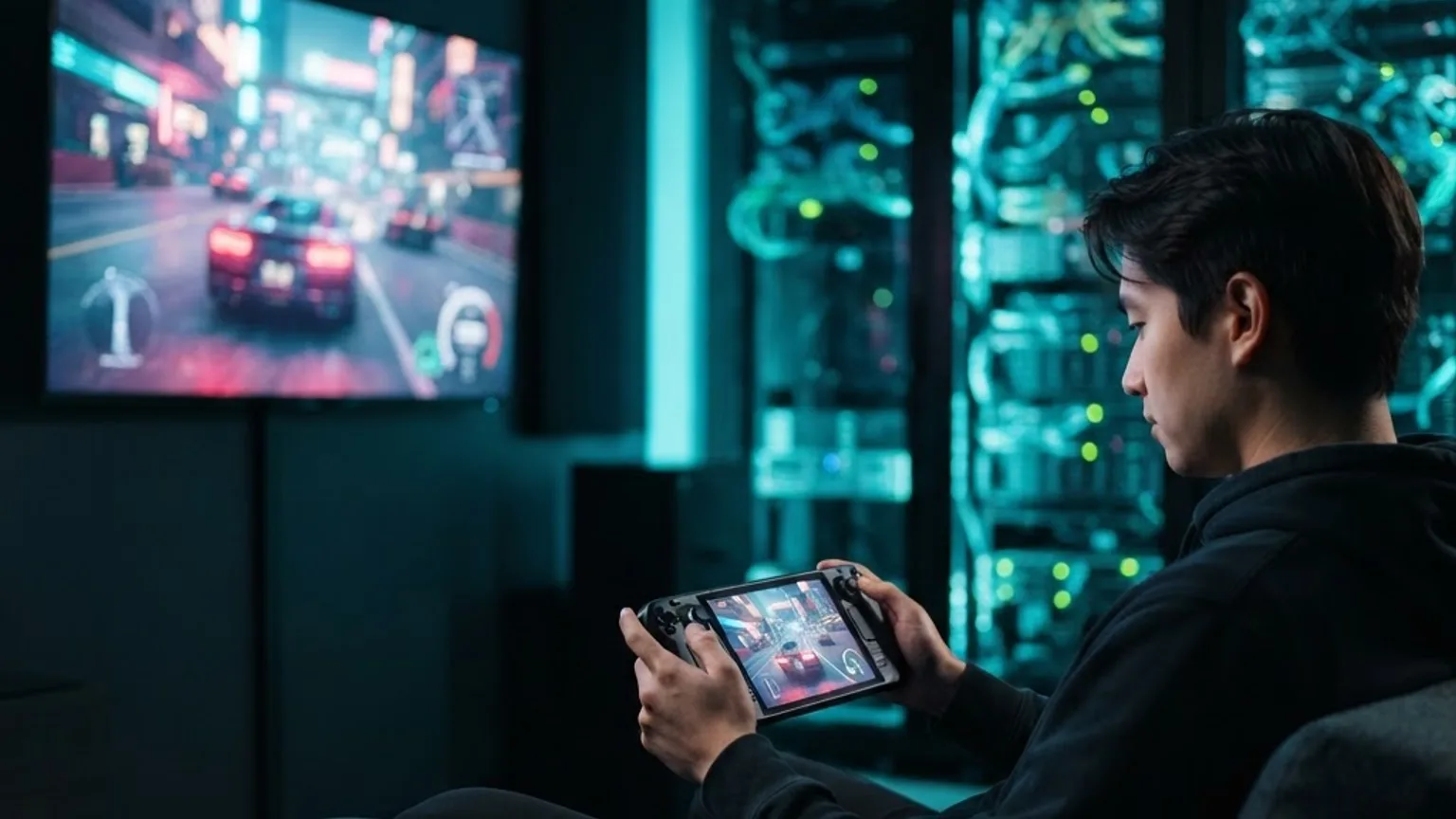
According to Google's own research on user experience, 53% of mobile visitors abandon a page that takes longer than three seconds to load - and the tolerance for input lag in games is roughly a hundred times tighter. That is the engineering problem cloud gaming had to solve, and edge deployment is how it did.
The practical threshold: under 40ms of total round-trip latency, most players cannot reliably distinguish cloud from local play in single-player and co-op titles. Above 80ms, everything feels rubbery. Your distance to the nearest edge region matters more than your headline internet speed - a 50 Mbps connection 30km from an edge node beats a 1 Gbps connection 800km away.
If you are building products that depend on this kind of low-latency, geographically distributed delivery, the architecture decisions mirror what we implement in cloud solutions work: put compute close to users, cache aggressively at the edge, and measure real-world percentiles instead of averages.
Cloud vs Local Hardware: Honest Comparison
| Factor | Cloud Gaming | Local Hardware |
|---|---|---|
| Upfront cost | Very low (subscription) | High (GPU plus system) |
| Input latency | 30-80ms added | Minimal |
| Peak image quality | Compressed video | Uncompressed native |
| Competitive esports use | Not recommended | Recommended |
| Mod and file access | Limited | Full |
| Works on low-end devices | Yes | No |
| Offline play | No | Yes |
Generative AI Inside Games, Not Just Around Them
The most interesting Jogametech development is AI moving from development tooling into runtime gameplay. Studios now ship systems where dialogue, barks, and behaviour trees are generated or modulated at runtime rather than fully pre-scripted.
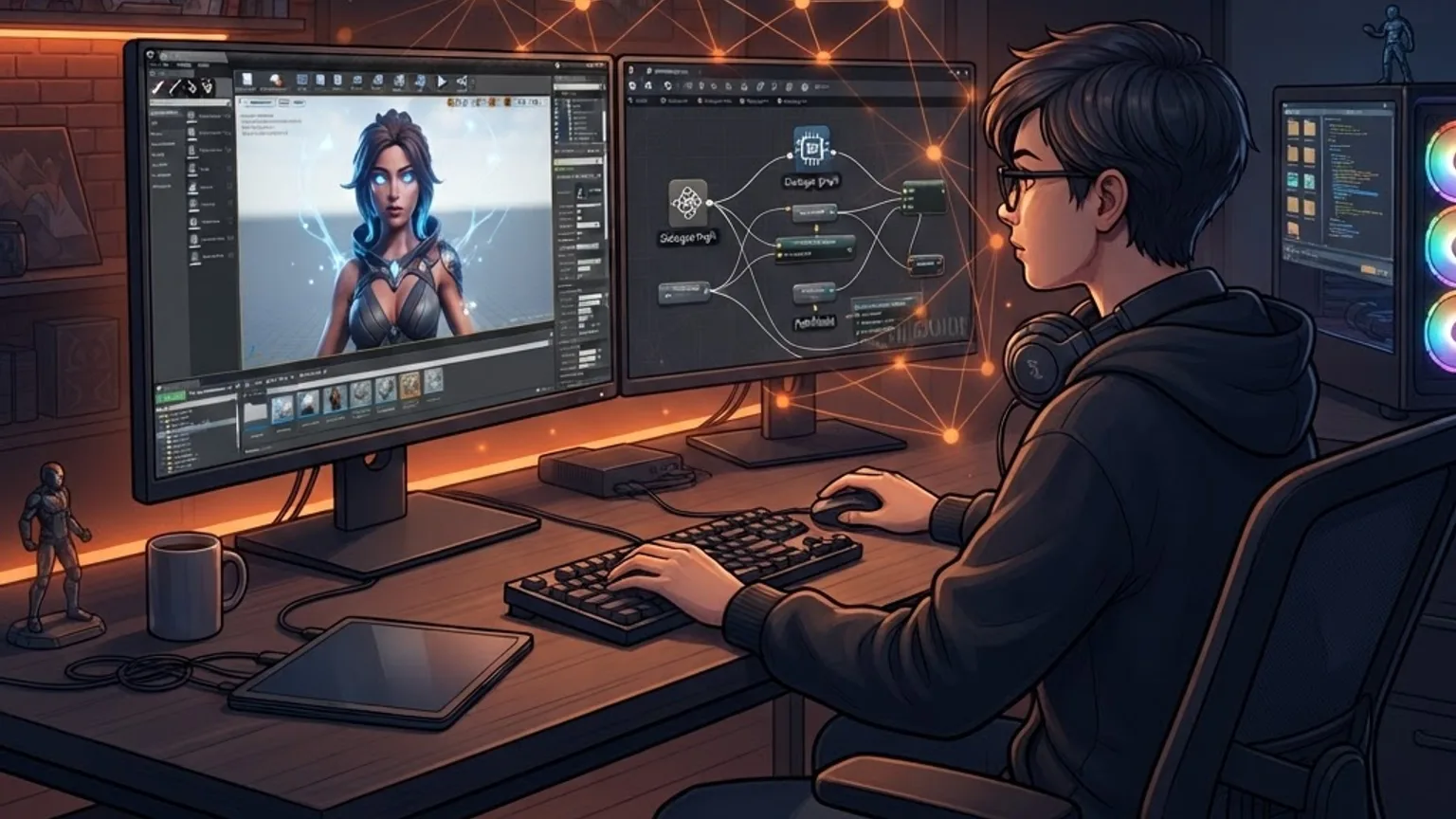
Where it genuinely works today:
- Ambient dialogue variation - NPCs referencing your recent actions without a writer authoring every branch.
- Adaptive difficulty - systems reading player performance patterns and adjusting encounter composition.
- Voice synthesis for localisation - shipping additional languages without full re-recording.
- Procedural asset variation - generating hundreds of prop variants from a small authored set.
Where it still fails: narrative-critical writing. Generated main-quest dialogue consistently loses the tonal consistency and payoff structure that human writers deliver. The studios getting this right treat AI as a variation engine constrained by human-authored guardrails - not as a replacement for a narrative director.
The Cost Reality Nobody Publishes
Runtime inference is not free. Cloud-hosted generative NPCs cost real money per player-hour, which is why most shipping implementations run small quantised models locally on the player's device. This is the single biggest technical constraint on AI-driven games in 2026, and it explains why the flashiest demos rarely ship as advertised.
Mixed Reality Finally Got Comfortable
VR's adoption problem was never the concept - it was weight, cables, and setup friction. The current generation of standalone headsets addresses all three with pancake optics, inside-out tracking, and passthrough colour cameras.

The meaningful change is mixed reality rather than full immersion. Games that blend virtual objects into your actual room have dramatically lower dropout rates than fully occluded experiences, because they avoid motion discomfort and social isolation. Hand tracking has also matured enough that casual titles no longer require controllers at all.
Practical advice before buying: check the sustained comfort window, not the battery spec. Most players tolerate 25-45 minutes comfortably. Design or buy for that session length rather than expecting three-hour sittings.
Handheld PCs Became a Real Platform
Handheld gaming PCs shifted from enthusiast curiosity to a category publishers actively optimise for, complete with official compatibility badges and per-device presets.
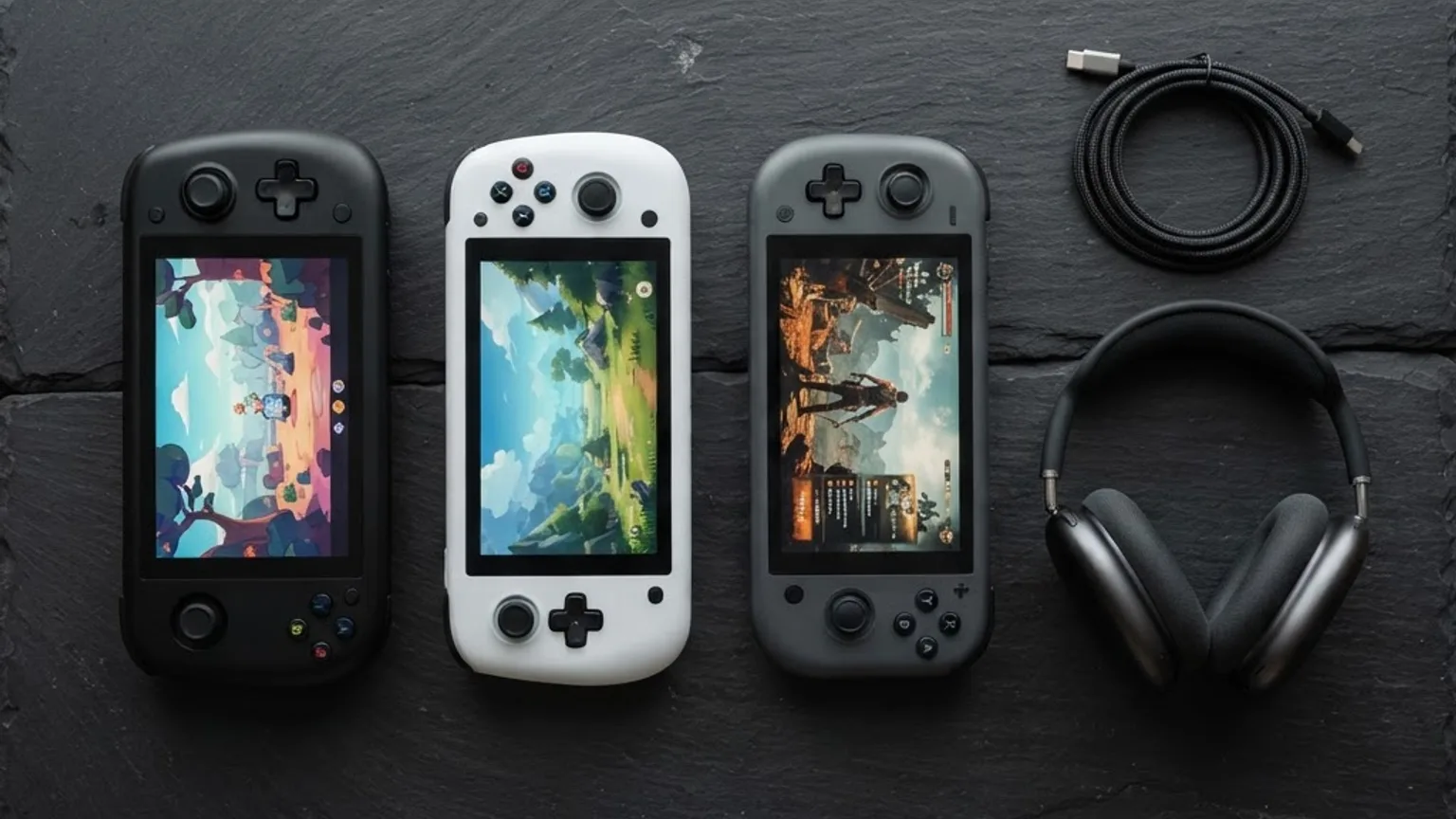
The technical enabler was efficient APU design combined with aggressive power scaling. A modern handheld can run at 7W for indie titles or 25W for demanding ones, and the operating system now handles that switching automatically.
Getting the Most from a Handheld
- Cap your frame rate first. A 40 FPS cap with a 40Hz refresh rate feels smooth and saves significant power versus uncapped play.
- Lower resolution before lowering effects. These screens are small; 720p or 800p with high settings usually looks better than 1080p with everything low.
- Use per-game TDP profiles. Running every title at maximum wattage wastes battery for zero visual gain in less demanding games.
- Prefer verified titles. Compatibility badges reflect real testing of controls, text size, and default settings.
Netcode and Esports Infrastructure
Competitive integrity depends on technology most players never think about. Rollback netcode - which predicts opponent inputs and reconciles them retroactively - is now standard in fighting games and expanding into shooters.
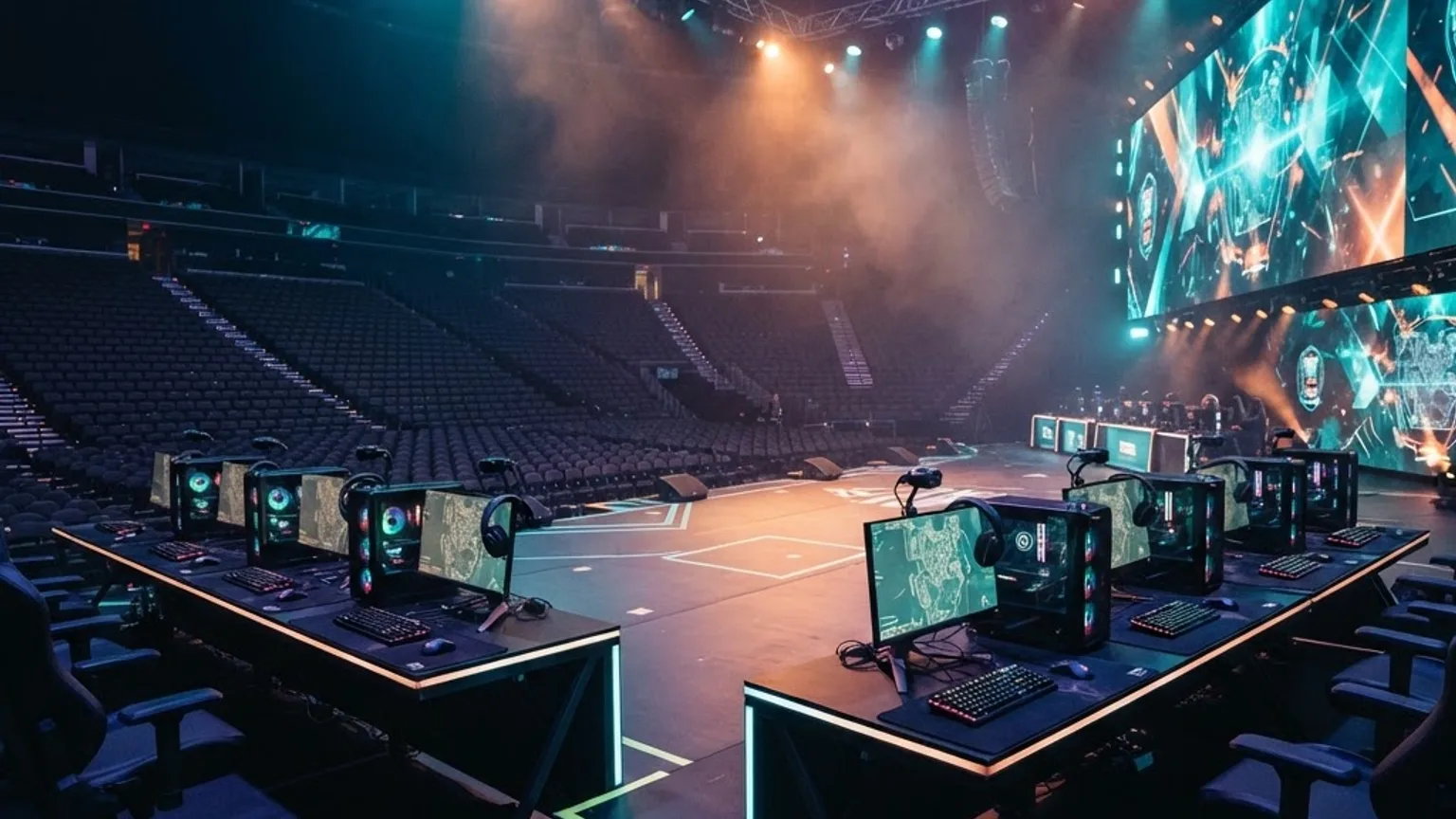
Two hardware details that genuinely affect competitive outcomes:
- Display latency beats resolution. A 240Hz 1440p panel with 3ms response outperforms a 4K 60Hz panel for reaction-dependent play.
- Wired peripherals still win marginally, though modern low-latency wireless has narrowed the gap to a level most players cannot perceive.
Anti-cheat has moved toward server-side behavioural detection and attestation rather than purely kernel-level clients - a direct response to privacy criticism and to cheats that operate on separate hardware entirely.
What This Means for Game Developers
The development pipeline changed as much as the hardware. Engines now ship with virtualised geometry, dynamic global illumination, and streaming asset systems that remove much of the manual LOD and lightmap work that dominated previous workflows.
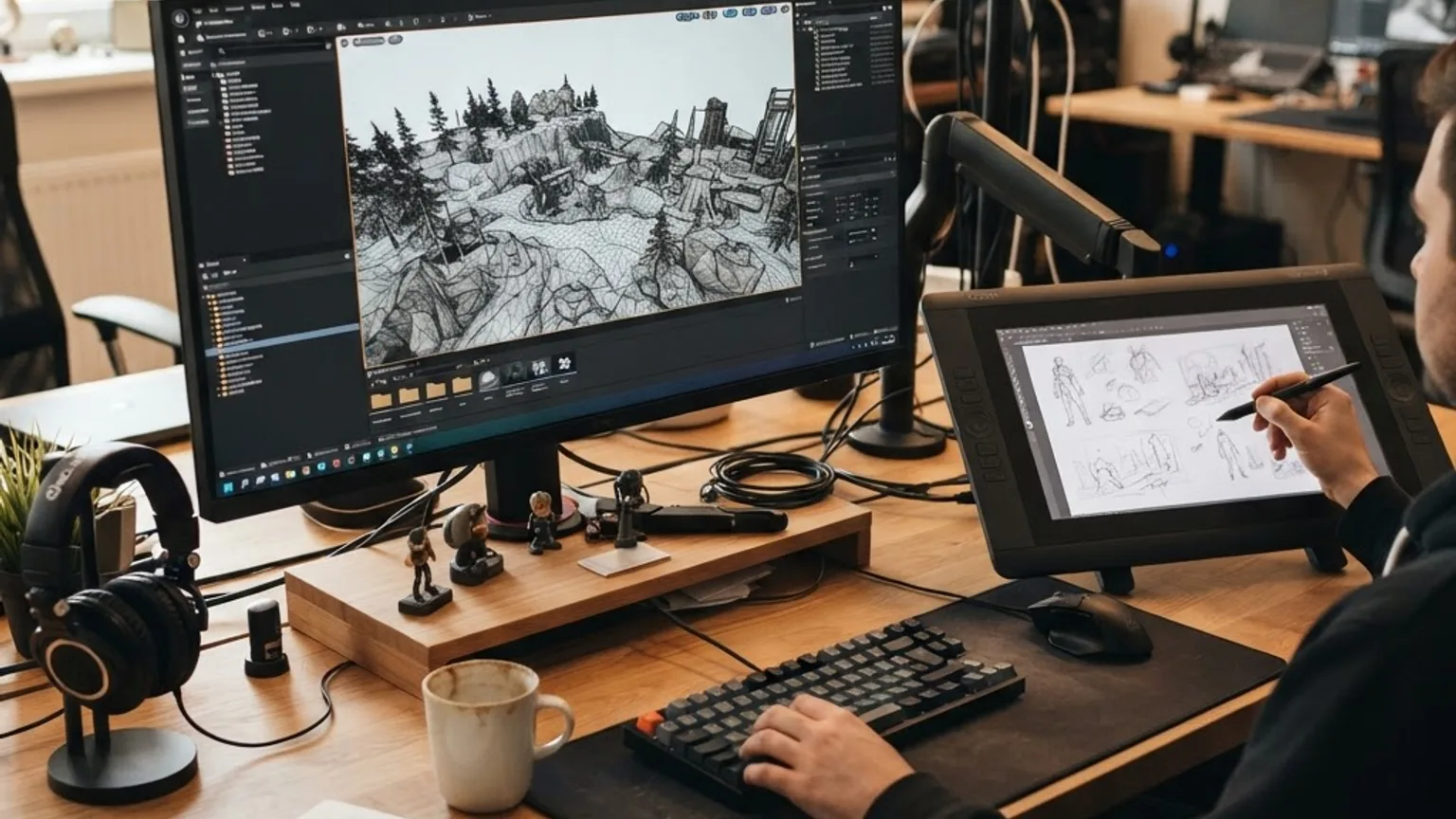
Three shifts worth planning around:
- Design for reconstruction. If your game will run through upscalers, your motion vectors, transparency handling, and UI scaling need explicit testing - not an afterthought pass.
- Budget for multiple power envelopes. Shipping to handhelds, consoles, and high-end PCs means three distinct performance targets, not one scalable slider set.
- Treat AI as tooling first. The measurable studio wins are in asset variation, QA automation, and localisation - not in replacing designers.
Key Takeaways
- Reconstruction beats raw power. AI upscaling with frame generation commonly delivers 40-70% higher frame rates at similar perceived quality, shifting value away from brute-force rendering.
- Cloud gaming works under 40ms total latency for single-player and co-op titles, and remains unsuitable for competitive esports.
- Edge proximity matters more than bandwidth. Google's research showing 53% mobile abandonment past three seconds illustrates how unforgiving latency perception is - and games are far stricter.
- Generative AI ships as a variation engine, constrained by human-authored guardrails; inference cost is why most implementations run small local models.
- Mixed reality outperforms full immersion for retention because passthrough reduces discomfort and isolation.
- Handhelds are a first-class platform with per-game power profiles; capping frame rate is the highest-impact optimisation available.
Frequently Asked Questions (FAQ)
What is Jogametech in gaming?
Jogametech refers to the combined modern gaming technology stack - GPU compute, AI reconstruction techniques like upscaling, cloud delivery infrastructure, and AI-assisted development tools - treated as one interconnected system rather than separate components you can evaluate in isolation.
Is cloud gaming good enough to replace a gaming PC in 2026?
For single-player and co-op games, yes, if you are within about 40ms of an edge server. It is still not suitable for competitive shooters or fighting games, and it limits mods, offline play, and file access. Many players use both.
Does AI upscaling reduce image quality?
At Quality settings, most players cannot tell the difference from native rendering, and fine detail sometimes improves. Lower Performance presets show softness and occasional ghosting on transparent effects, especially in games with weak motion vector implementation.
Should I turn frame generation on or off?
Turn it on for single-player, visually rich games where smoothness matters most. Turn it off for competitive multiplayer, because generated frames add input latency that hurts reaction-dependent play even though the frame counter looks higher.
Are AI-powered NPCs actually in released games yet?
Yes, but narrowly. Shipped implementations focus on ambient dialogue variation, adaptive difficulty, and voice localisation. Main-quest writing remains human-authored because generated narrative loses tonal consistency and structural payoff that players immediately notice.
What is the best single upgrade for gaming performance right now?
A high-refresh, low-response-time monitor paired with a GPU that supports modern upscaling. Together they improve perceived smoothness and responsiveness more than any raw resolution increase, and they cost less than chasing flagship native 4K rendering.
Final Thoughts
The Jogametech era rewards understanding systems over chasing specifications. The players getting the best experience in 2026 are not the ones with the most expensive hardware - they are the ones who configure upscaling per title, cap frame rates intelligently, and match their platform to how they actually play. The same applies to developers: the winners design for reconstruction and multiple power envelopes from day one instead of retrofitting later.
If you are building interactive, performance-sensitive products and want that same systems-level thinking applied to your stack, explore what we do at ZoneTechify and WebPeak.