
A practical guide to choosing a website development partner: how to vet agencies, compare partner models, structure contracts, and measure real business results.
Website Development Partner
Most failed website projects do not fail because of code. They fail because the wrong relationship was set up at the start. A website development partner is a long-term technical collaborator who owns the discovery, build, launch, and ongoing improvement of your website as a business asset, not a one-off deliverable. That difference in framing changes everything about how you should evaluate, hire, and manage them.
This guide is written from the pattern we see repeatedly across client engagements: the businesses that get compounding returns from their website treat their development team like a partner with shared accountability, and the ones that keep rebuilding every 18 months treat it like a procurement transaction. Below is exactly how to tell the two apart before you sign anything.

Quick Answer: A website development partner is a long-term technical team that designs, builds, maintains, and improves your website against business goals. Choose one by verifying live portfolio results, technical stack transparency, communication cadence, documented ownership of code, and measurable performance commitments rather than the lowest quoted price.
What a Website Development Partner Actually Does
A true partner takes responsibility for outcomes across four areas: strategy, build, operations, and growth. A vendor only takes responsibility for the second one.
Definition: A website development partner is an agency or dedicated team that provides continuous design, engineering, hosting oversight, security patching, performance optimization, and roadmap planning for a website under an ongoing agreement.
Definition: A website vendor delivers a fixed scope of pages or features for a fixed fee and ends its involvement at handover.
The practical test is simple. Ask a candidate what happens in month seven after launch. A vendor describes a support ticket process. A partner describes a roadmap review, an analytics readout, and a list of experiments they want to run. Teams offering full-cycle web development services should be able to answer that question without hesitation.
Why the Partner Model Beats One-Off Builds
Websites decay. Frameworks release breaking changes, dependencies pick up vulnerabilities, and Core Web Vitals thresholds shift as Google refines its measurement. A site left untouched for two years is not stable, it is quietly degrading.
Two data points make the business case concrete. According to Google research on mobile page speed, the probability of a visitor bouncing increases 32 percent as load time goes from one second to three seconds. Separately, Google reports that 53 percent of mobile site visits are abandoned if a page takes longer than three seconds to load. Both numbers are performance problems that appear gradually after launch, which means they are only caught by someone still watching the site.
That is the core argument for a partnership. Continuous ownership catches regressions in weeks instead of years.
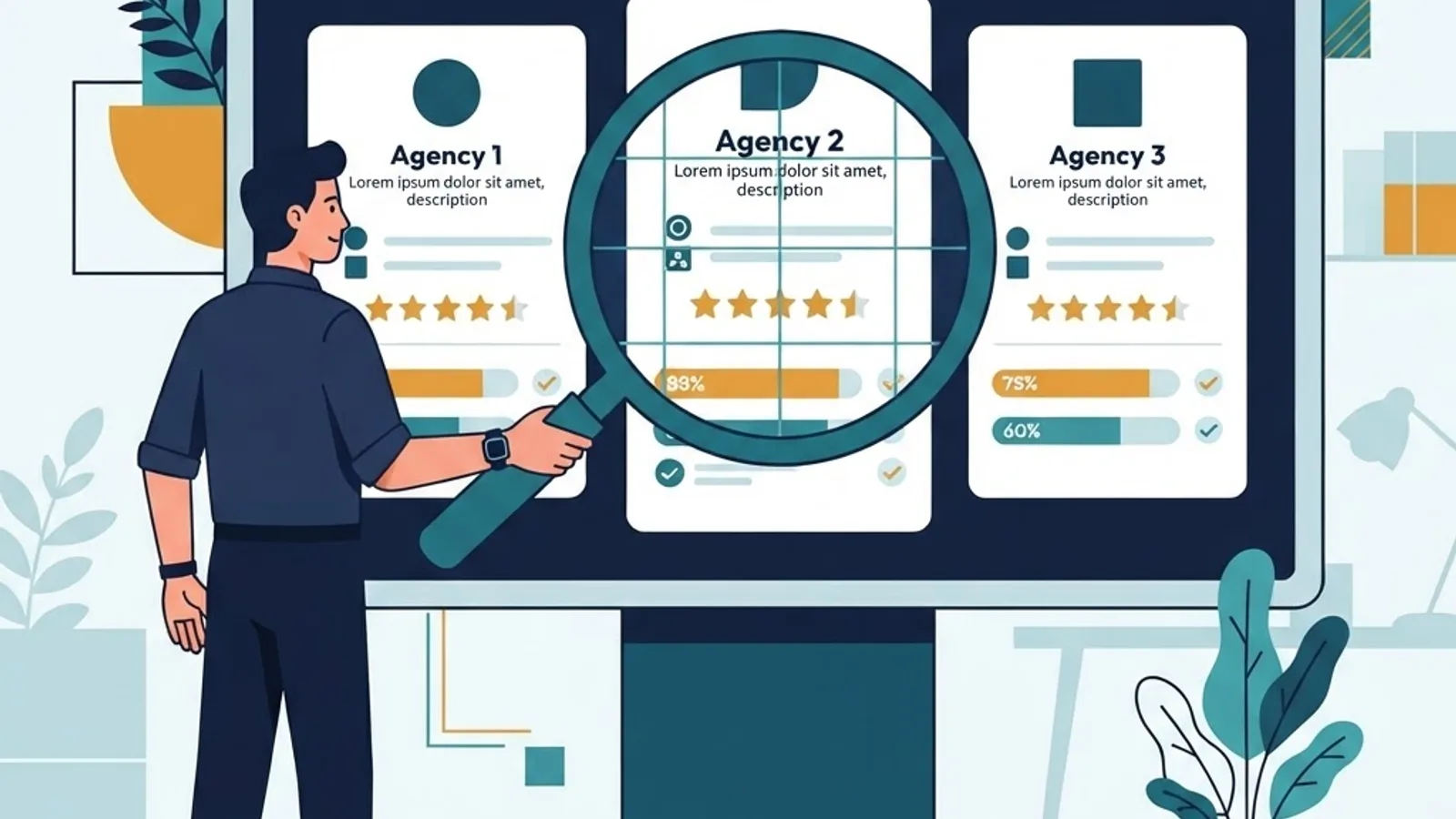
Freelancer vs Agency vs In-House vs Partner
Each model works, but for different situations. Match the model to your risk tolerance and internal capacity.
| Factor | Freelancer | Project Agency | In-House Team | Development Partner |
|---|---|---|---|---|
| Upfront cost | Lowest | Medium | Highest | Medium |
| Continuity risk | High | High | Low | Low |
| Breadth of skills | Narrow | Broad | Depends on hiring | Broad |
| Post-launch ownership | Rare | Limited | Yes | Yes |
| Speed to start | Fast | Medium | Slow | Fast |
| Strategic input | Minimal | Some | High | High |
| Best for | Small fixes | One-time redesign | Product companies | Growing businesses |
A freelancer is the right call for a single landing page or a plugin fix. A partner earns its keep the moment your website generates revenue, handles customer data, or needs to change monthly.
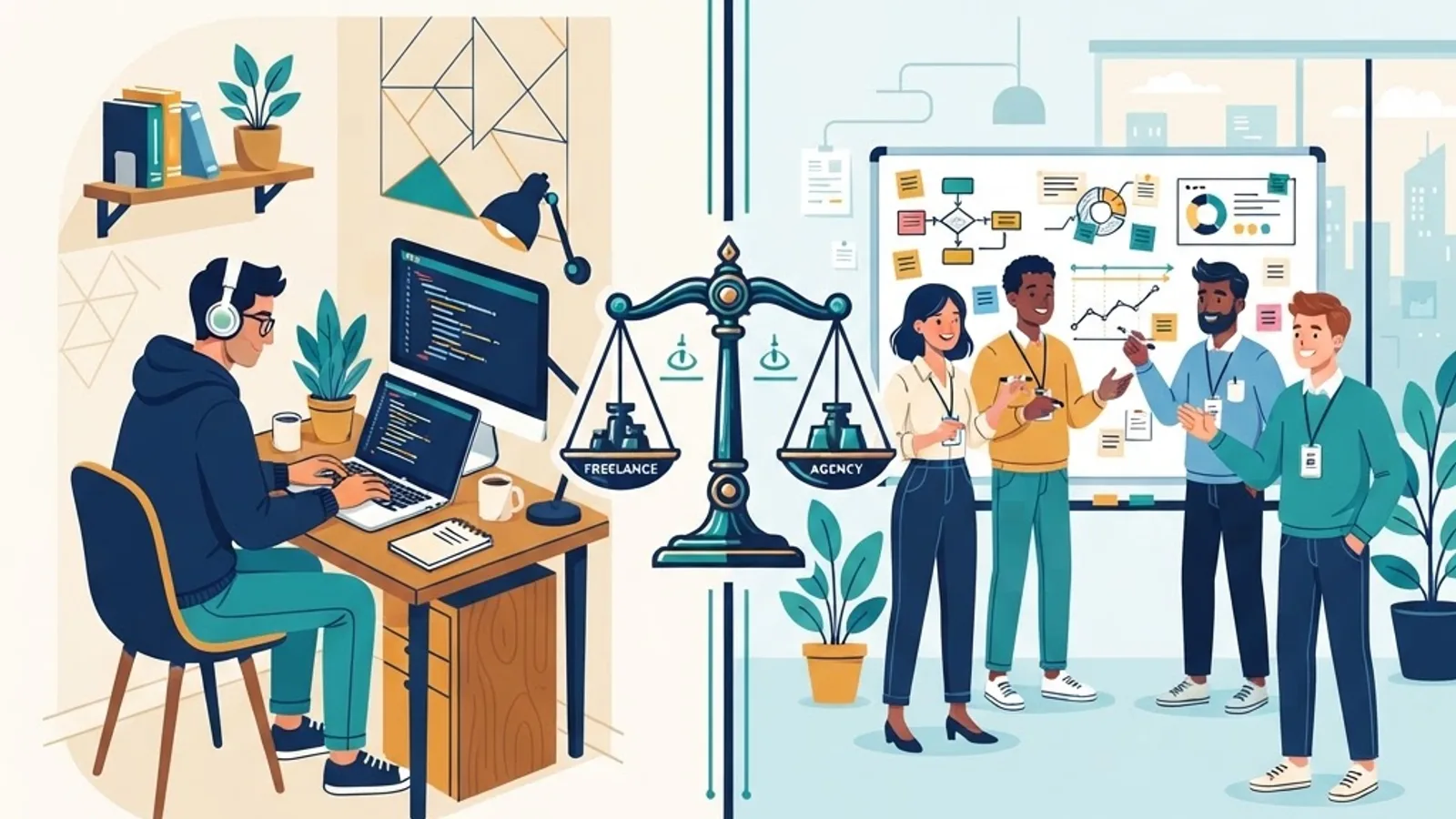
How to Vet a Website Development Partner
Use this sequence in order. Each step filters out a category of risk, and skipping step three is the most common expensive mistake.
- Audit three live sites they built. Do not accept screenshots. Open the URLs, run them through PageSpeed Insights, and check whether the sites are still online and still fast.
- Ask who owns the code and the accounts. Your business should own the repository, domain, hosting account, and analytics property. Get it in writing.
- Request a technical discovery call before the proposal. A partner that quotes without asking about your traffic, integrations, and internal workflow is guessing.
- Verify the team you will actually work with. Confirm names, roles, and time zones. Sales engineers who disappear after signing are a real pattern.
- Read the maintenance terms. Look for response-time commitments, patching frequency, backup schedule, and what counts as billable versus included.
- Check reference calls for a project that went wrong. How a team handled a missed deadline tells you more than three success stories.
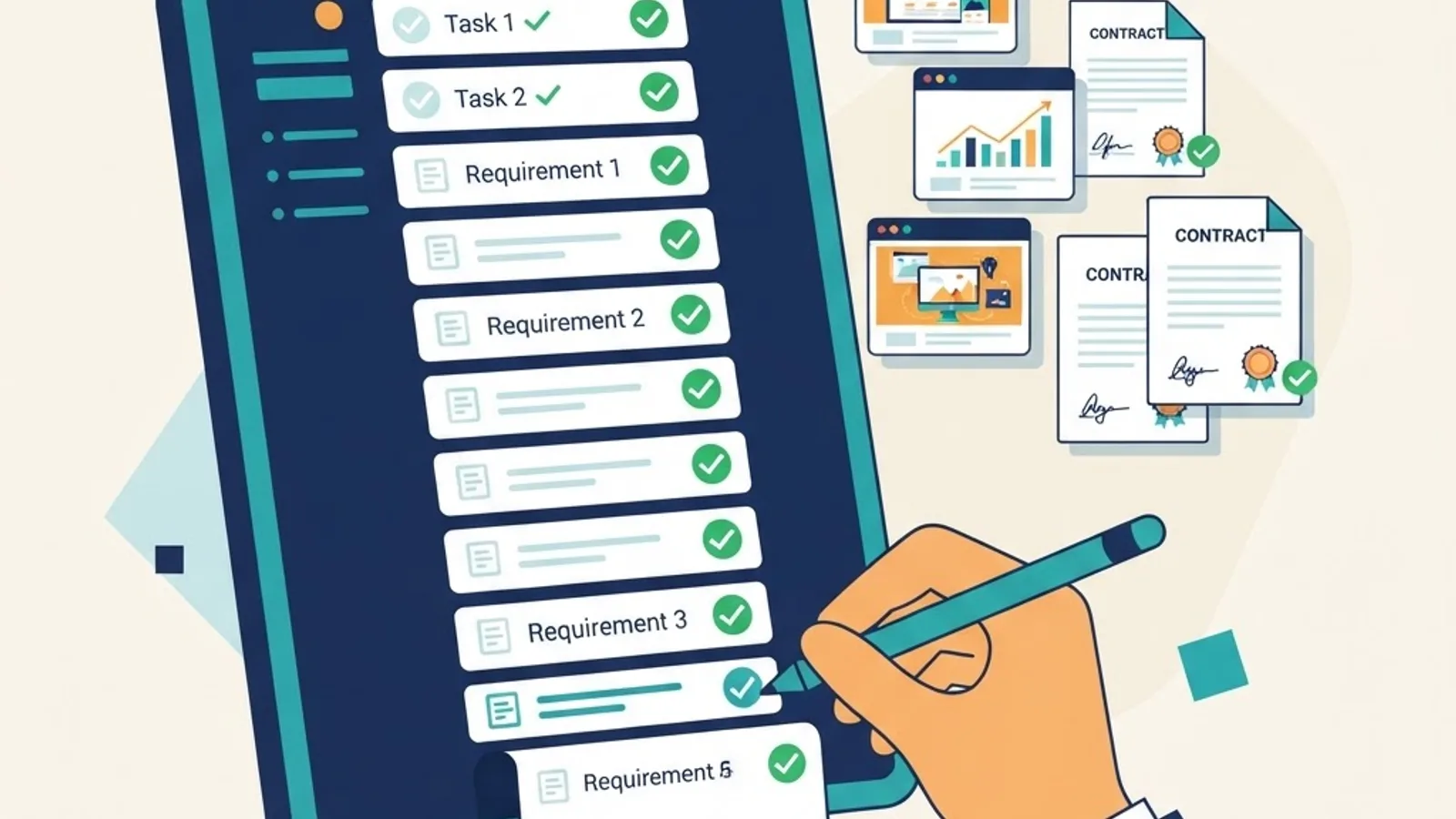
Red Flags That Predict Failure
- A fixed quote given in under 24 hours with no discovery questions asked.
- Refusal to name the technology stack, or hosting locked to a proprietary system you cannot export from.
- No staging environment in the proposed workflow.
- Design and development quoted as one undivided lump with no review checkpoints.
- Payment terms fully front-loaded with no milestone tie-ins.
Technical Questions Worth Asking
You do not need to be an engineer to ask these. You need to listen for whether the answer is specific.
- Which framework and CMS will you use, and why is it the right fit for our content team?
- How will content editors update pages without a developer?
- What is your accessibility standard, and will you test against WCAG 2.2 AA?
- How do you handle SEO fundamentals such as server-rendered content, structured data, canonical tags, and redirect mapping during migration?
- What is the plan for image optimization, caching, and Core Web Vitals monitoring after launch?
- Where does the code live, and what does handover documentation include?
Any partner that cannot explain redirect mapping for a migration should not be trusted with a site that already has organic traffic. Losing established URLs is the single fastest way to erase years of ranking equity.
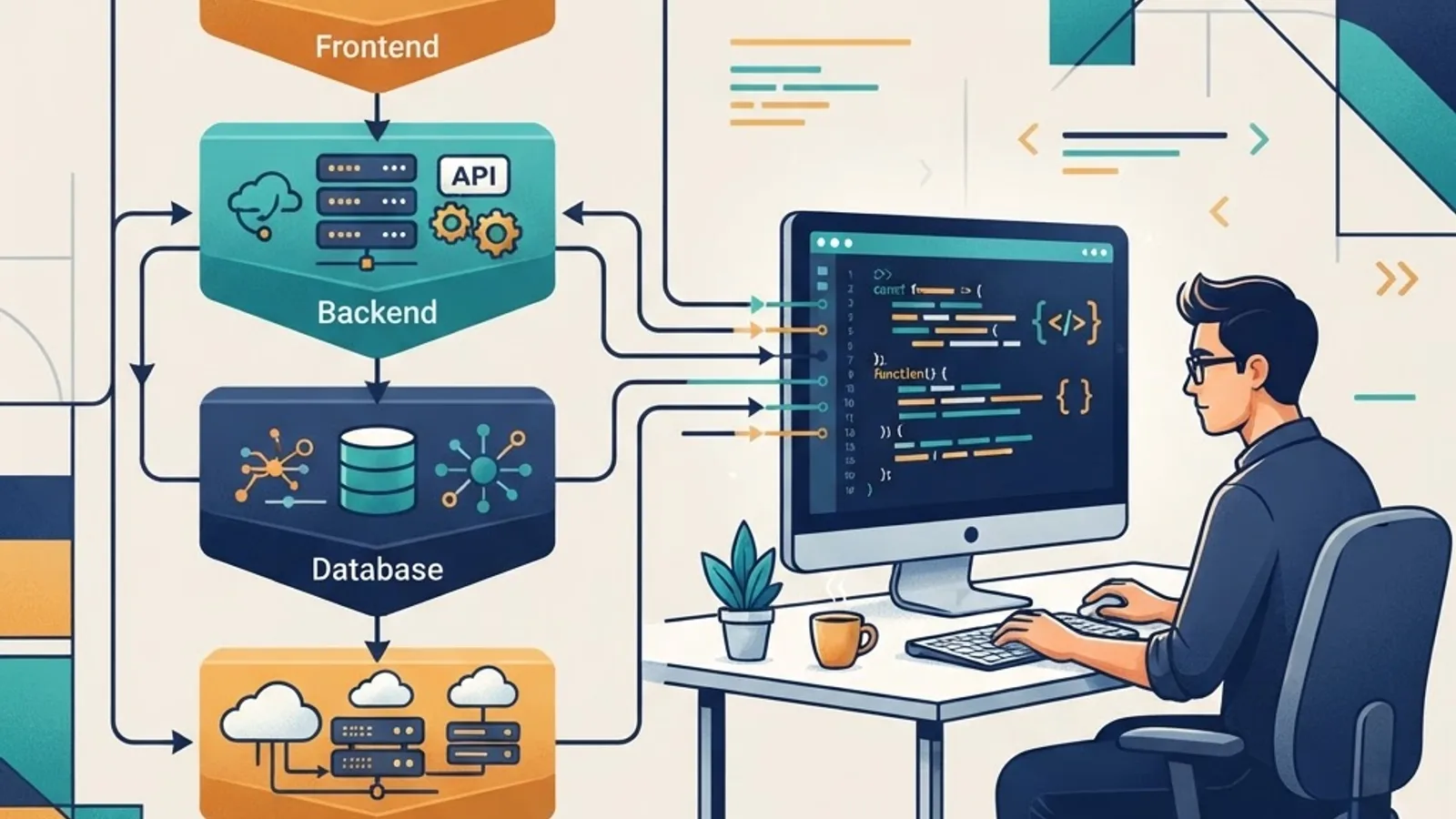
What a Healthy Engagement Looks Like
Good partnerships share a recognizable rhythm. Here is the structure that consistently produces predictable launches.
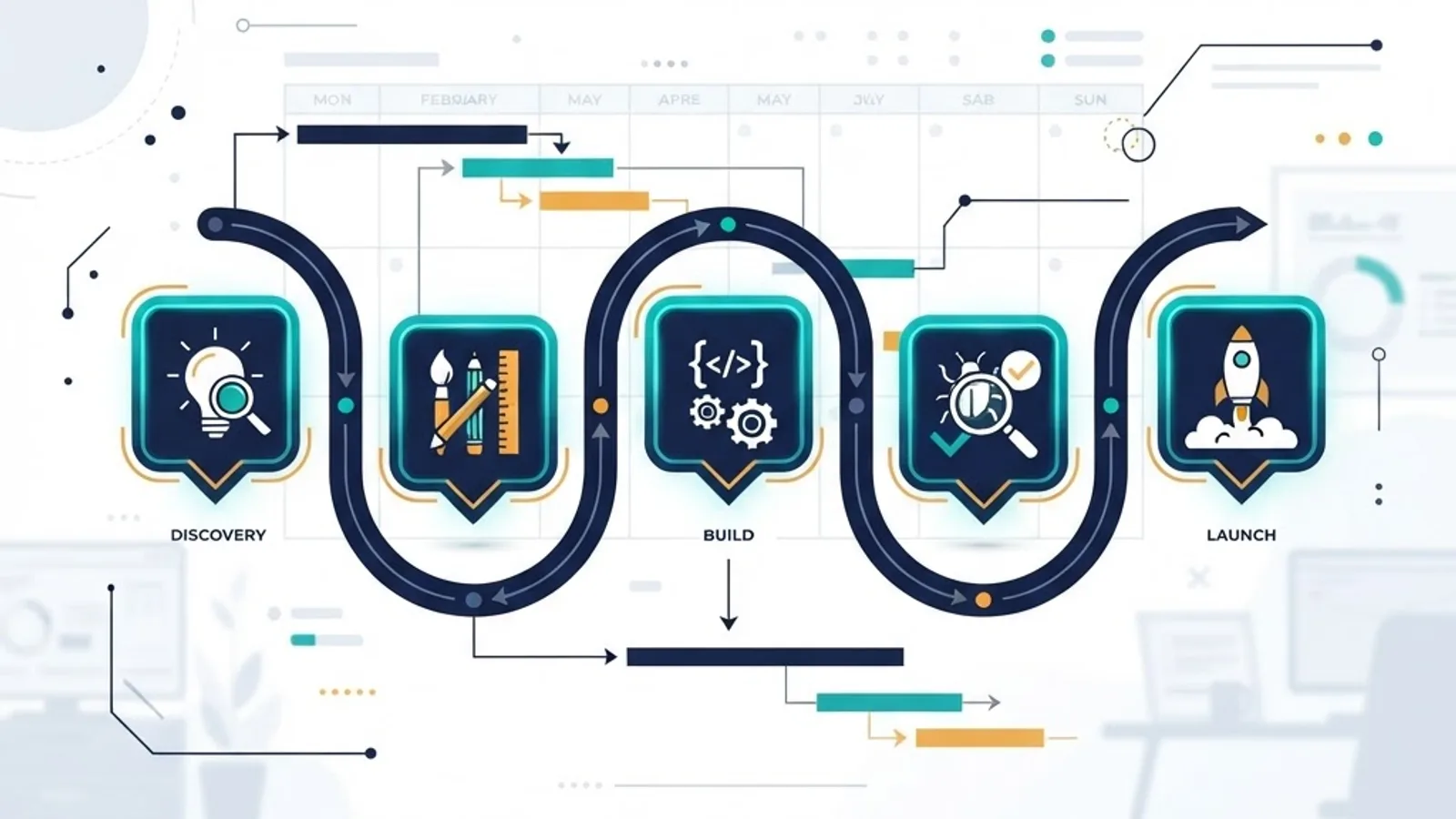
Phase 1: Discovery and Definition
Two to three weeks of stakeholder interviews, analytics review, competitor teardown, sitemap, and a written scope with explicit exclusions. Exclusions matter more than inclusions because they prevent the arguments that derail month three.
Phase 2: Design and Prototype
Wireframes before visuals, visuals before code. Approvals happen on clickable prototypes, not static images, so navigation problems surface before they are expensive.
Phase 3: Build in Reviewable Increments
Work lands on a staging URL you can open at any time. You review functional slices weekly instead of waiting for a single reveal.
Phase 4: Pre-Launch Hardening
Cross-browser testing, accessibility audit, forms and integrations verified, redirect map applied, analytics and consent tooling confirmed, backup and rollback plan documented.
Phase 5: Post-Launch Iteration
Monthly performance readout, security patching, content support, and a rolling backlog of prioritized improvements.
Communication Is the Real Deliverable
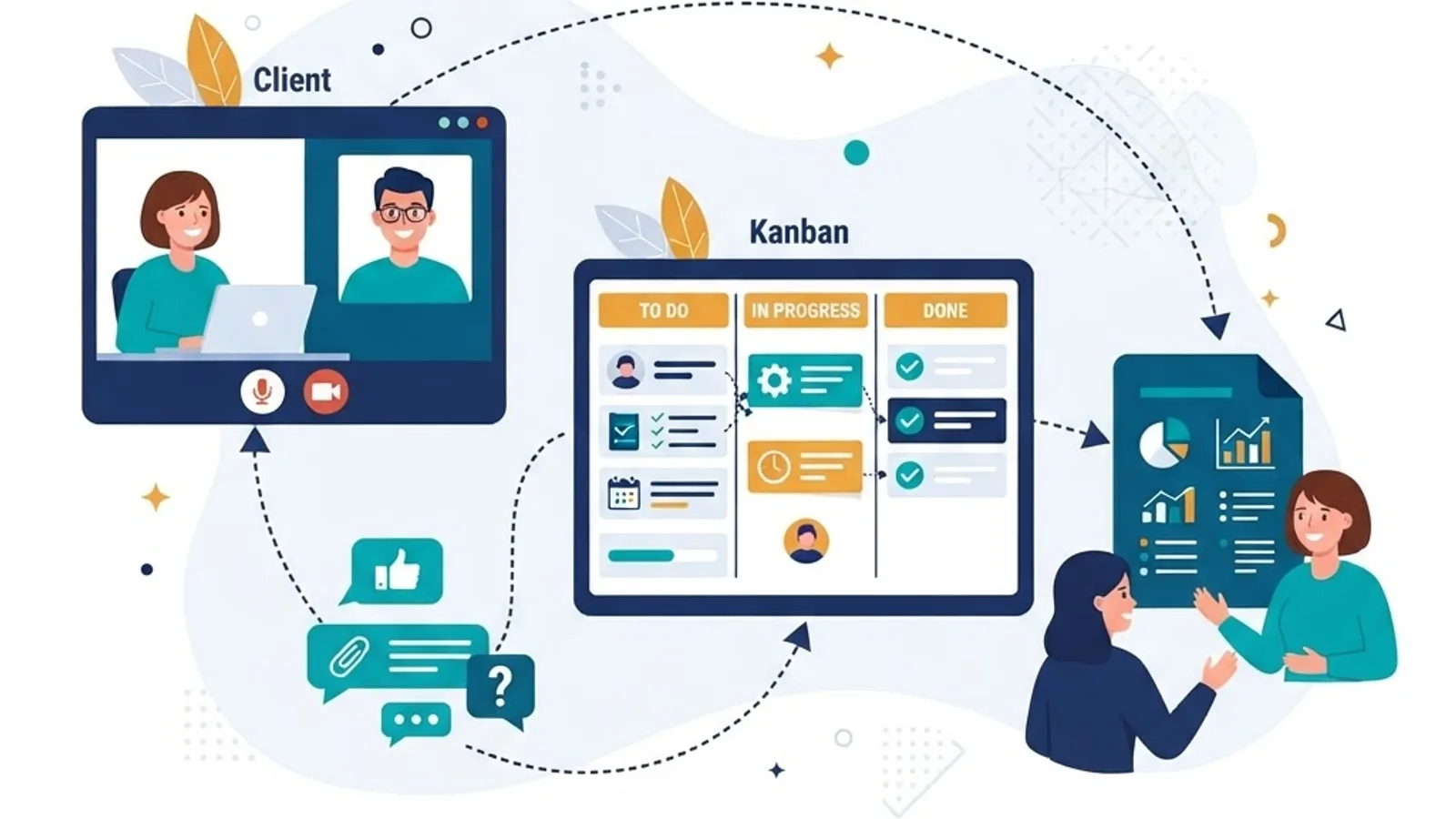
In our experience, the strongest predictor of a successful build is not technical skill, it is communication discipline. Highly capable teams still fail clients when updates are irregular and decisions are undocumented.
Insist on four mechanisms: a single shared task board with visible status, one named point of contact, a fixed weekly written update, and decisions recorded in writing rather than settled verbally on calls. Teams that publish their process openly, as WebPeak and ZoneTechify do, are easier to hold accountable because expectations are documented from day one.
How to Measure Whether the Partnership Is Working
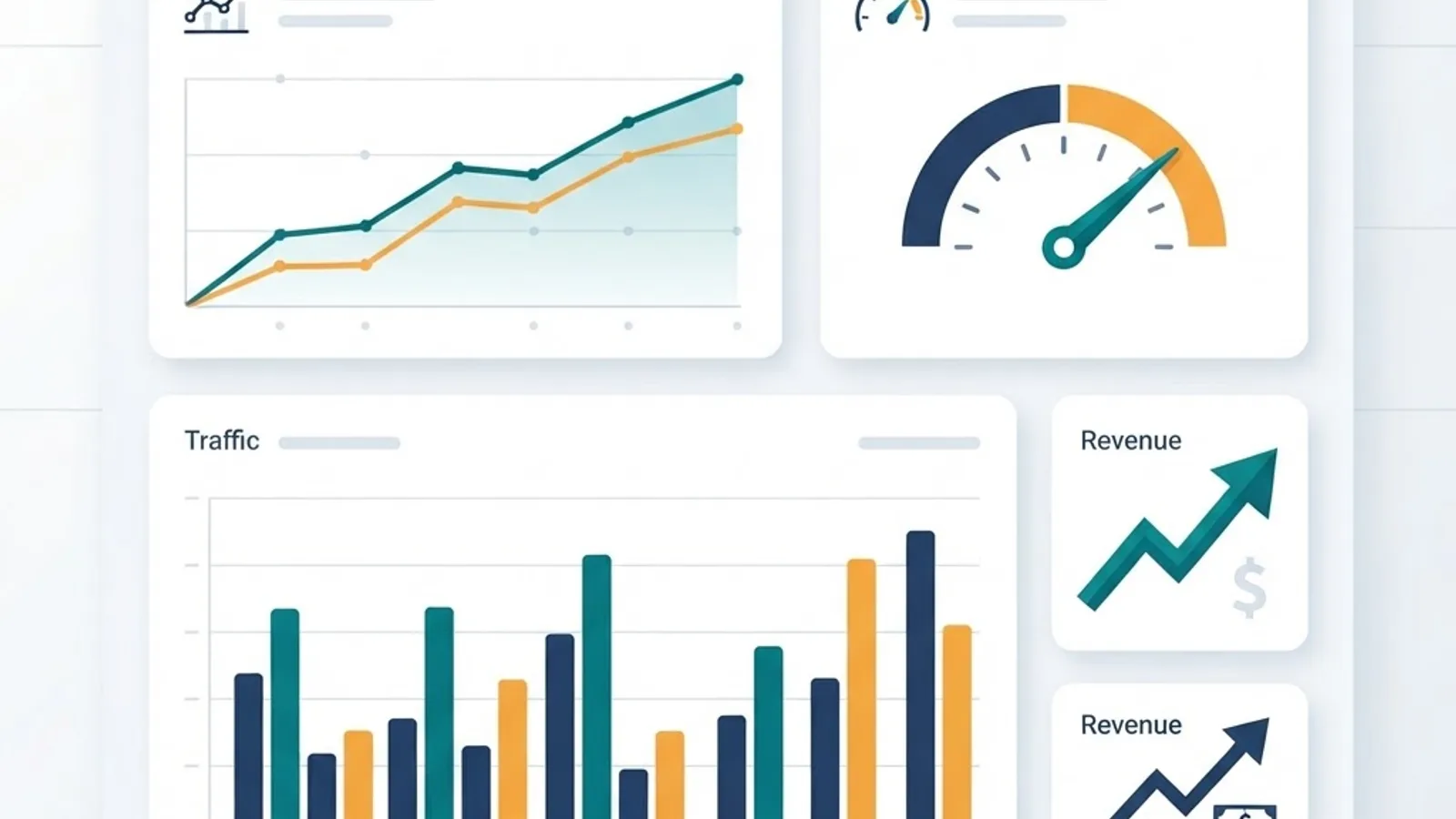
Judge the relationship on business metrics, not on how attractive the homepage looks. Track these from launch:
- Conversion rate on the primary action, measured monthly against pre-launch baseline.
- Core Web Vitals field data for LCP, INP, and CLS, checked in Search Console rather than lab tools alone.
- Organic impressions and clicks for the same set of pages before and after migration.
- Time to ship a change, measured from request to production.
- Unplanned downtime and incident response time.
- Support ticket volume from your own staff struggling to edit content, which reveals CMS usability failures.
If your partner cannot report on at least four of these without you asking, the arrangement is a maintenance contract wearing a partnership label.
Contract Terms Worth Negotiating
Protect three things above all: ownership, exit, and scope. Ownership means the code, domain, and data are yours in writing. Exit means a defined offboarding process with documentation and credential transfer, so leaving costs you weeks rather than a rebuild. Scope means a written change-request process with hourly rates attached, so additions are priced instead of argued.
Also negotiate a discovery-only paid pilot for larger engagements. Paying for a two-week discovery sprint before committing to a full build is the cheapest insurance available, because it lets you evaluate the working relationship on real work rather than on a sales call.
Key Takeaways
- A website development partner owns strategy, build, operations, and growth continuously, while a vendor delivers a fixed scope and exits at handover.
- Google reports that 53 percent of mobile visits are abandoned when a page takes over three seconds to load, and bounce probability rises 32 percent between one and three seconds.
- Always verify ownership of code, domain, hosting, and analytics in writing before signing.
- Redirect mapping during migration protects existing rankings and must be explicitly scoped.
- Judge partners on conversion rate, Core Web Vitals field data, organic performance, and time to ship, not on visual polish alone.
- A paid two-week discovery sprint is the lowest-risk way to test a partner before a full commitment.
Frequently Asked Questions (FAQ)
What is a website development partner?
A website development partner is a long-term technical team that designs, builds, maintains, and improves your website under an ongoing agreement. Unlike a one-off vendor, a partner stays accountable after launch for performance, security patching, content support, and a prioritized roadmap tied to your business goals.
How much should a website development partner cost?
Cost depends on scope, integrations, and content volume rather than page count alone. Expect a defined build fee plus a monthly retainer covering hosting oversight, patching, monitoring, and improvement work. Be cautious of quotes issued without a discovery call, since those numbers almost always expand mid-project through change requests.
How do I know if a development agency is trustworthy?
Open three of their live client sites, test the load speed yourself, and confirm those sites are still maintained. Then request a reference call about a project that went badly. Trustworthy agencies name their stack, grant you full code ownership, and document decisions in writing throughout the engagement.
Should I hire a freelancer or a website development partner?
Hire a freelancer for isolated tasks such as a single landing page or a bug fix. Choose a partner when your website drives revenue, handles customer data, or changes monthly, because continuity, security patching, and multi-skill coverage matter more than the lower hourly rate at that point.
Who owns the website code after the project ends?
You should. Insist that the contract assigns you ownership of the repository, domain, hosting account, and analytics property. If a partner keeps the code on a proprietary platform you cannot export, switching later means rebuilding from scratch, which erases your leverage and your investment.
How long does it take to build a business website?
A focused marketing site typically takes six to ten weeks, including discovery, design, build, and pre-launch testing. Complex sites with custom integrations, multilingual content, or ecommerce functionality commonly run three to six months. Rushed timelines usually shift cost into post-launch fixes rather than removing it.
Final Word
The decision that matters is not which agency has the nicest portfolio. It is whether the team you hire will still be measuring, patching, and improving your site a year from now. Ask the month-seven question early, get ownership in writing, and start with a paid discovery sprint. Those three moves prevent most of the expensive mistakes businesses make when choosing a website development partner.