
A practical, expert guide to reading The Artificial Intelligence Infrastructure Workshop online, what it teaches, and how to apply its lessons to real AI systems.
The Artificial Intelligence Infrastructure Workshop Read Online
Searching for a way to read The Artificial Intelligence Infrastructure Workshop online is usually the first step toward a bigger goal: understanding how modern AI systems are actually built, deployed, and scaled. This hands-on book has become a go-to reference for engineers who want to move beyond toy notebooks and into production-grade machine learning infrastructure. But before you spend time hunting for a copy, it helps to know exactly what the workshop covers, where you can legitimately access it, and whether the knowledge inside is still current for how teams build AI in 2026.
This guide answers all of that from a practitioner's point of view. We'll break down the book's real value, point you to legitimate online reading options, and translate its core lessons into a clear mental model you can use today. If you build, manage, or fund AI projects, this is the context you need.
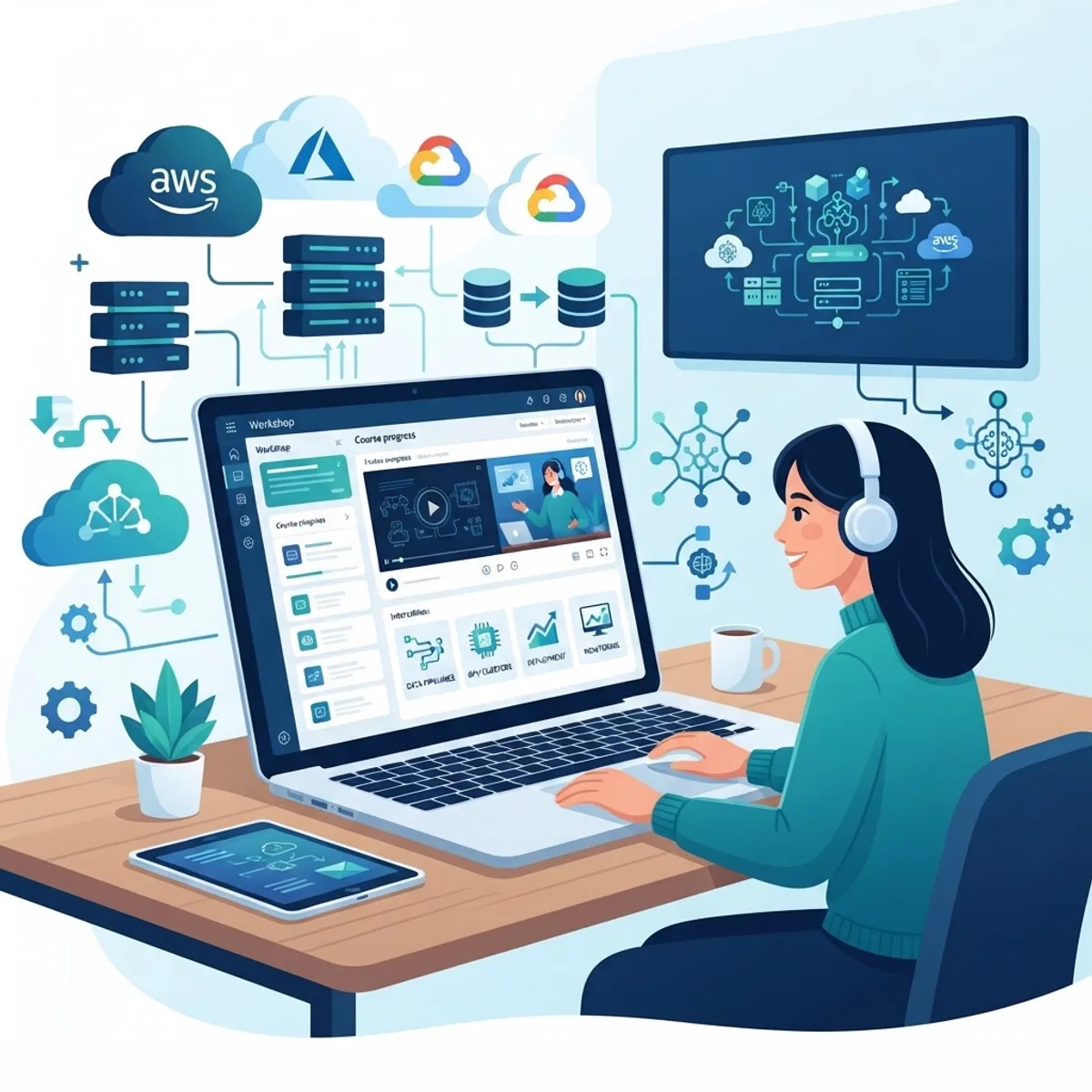
Quick Answer: The Artificial Intelligence Infrastructure Workshop is a hands-on Packt book teaching you to build production AI systems. You can read it online legally through O'Reilly, Packt's subscription, Google Books previews, or your library's digital catalog. It covers data pipelines, GPU compute, storage, and deployment for real machine learning workloads.
What Is The Artificial Intelligence Infrastructure Workshop?
The Artificial Intelligence Infrastructure Workshop is a project-based technical book that teaches the engineering foundation beneath machine learning models. Instead of focusing only on algorithms, it explains the systems that let those algorithms run reliably at scale: databases, storage layers, streaming data pipelines, GPU compute, and cloud deployment.
AI infrastructure is the combined hardware, software, and networking stack that stores data, trains models, and serves predictions to users. Think of the model as the engine and the infrastructure as the entire vehicle, fuel system, and road network that make the engine useful.
The workshop stands out because it is exercise-driven. Each chapter builds a working component rather than describing theory, which mirrors how real teams learn. For readers who want a broader technology context, resources like ZoneTechify cover how these building blocks connect to full-stack product development.
Where Can You Read The AI Infrastructure Workshop Online?
You have several legitimate ways to read the workshop online without piracy, which also protects you from malware-laden PDF sites. The most reliable options are:
- O'Reilly Learning Platform — the full text is available with a subscription, often included through employers or universities.
- Packt subscription — the original publisher offers direct online access to the complete book and code files.
- Google Books — provides a substantial free preview to sample chapters before buying.
- Public and university libraries — many offer free digital access through services like O'Reilly for Public Libraries or Perlego.
- Direct purchase — buying the eBook grants permanent online and offline reading rights.
Avoid unauthorized "free full PDF" downloads. According to industry security reporting, a large share of pirated eBook sites bundle tracking scripts or malicious files, putting your device and data at risk for zero real savings.
What the Workshop Teaches: A Chapter-by-Chapter Reality Check
The book's structure follows the natural lifecycle of an AI system. Understanding that flow tells you whether the content matches your learning goals before you commit.
Core Components of AI Infrastructure
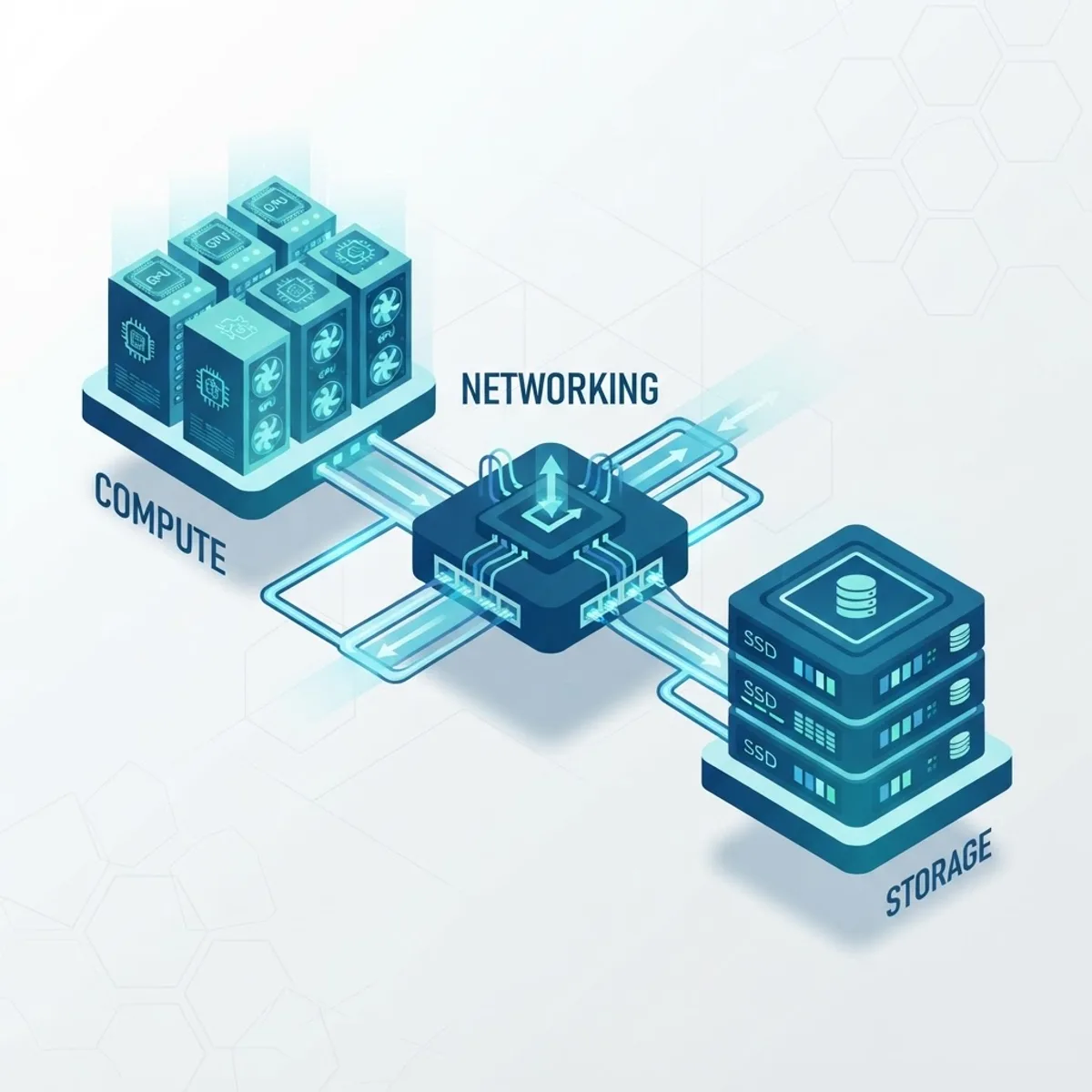
The early chapters establish the three pillars every AI system needs: compute (processing power for training and inference), storage (where data and model artifacts live), and networking (how components communicate). The workshop teaches you to reason about trade-offs, such as when object storage beats a relational database for training data, and why latency between components can quietly bottleneck an entire pipeline.
This foundational thinking is the book's strongest contribution. Tools change quickly, but the reasoning about how components fit together stays relevant for years.
Data Pipelines and Storage
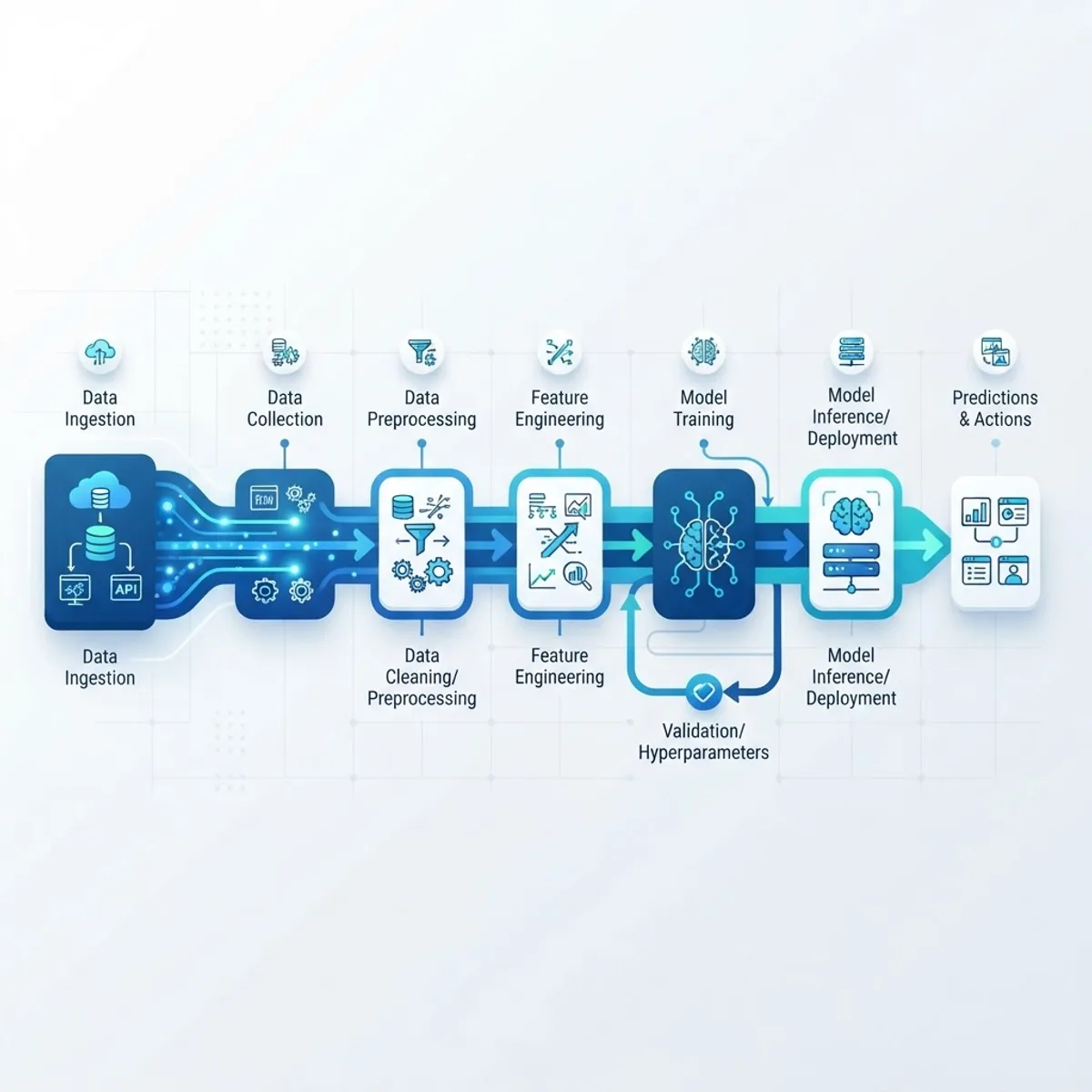
A large portion of the workshop is devoted to data, and rightly so. A data pipeline is an automated sequence that collects, cleans, transforms, and delivers data to where models can use it. The book walks through ingestion, batch versus streaming processing, and structuring storage so training jobs run efficiently.
This reflects a hard truth in the field: teams spend far more time on data engineering than on modeling. Getting the pipeline right is what separates a demo from a dependable product.
GPU Compute: The Engine Behind Modern AI
The workshop dedicates focused attention to accelerated compute because it is the single biggest performance factor in modern AI. A GPU (graphics processing unit) performs thousands of calculations in parallel, making it dramatically faster than a CPU for the matrix math that powers neural networks.
The book explains how to provision GPU resources, batch workloads to maximize utilization, and avoid the expensive mistake of idle accelerators. This matters financially: GPU instances are among the costliest line items in any AI budget, and poor utilization can waste tens of thousands of dollars monthly.
The practical lesson is that infrastructure decisions are business decisions. Choosing the right instance type, scaling policy, and scheduling strategy directly shapes your cost per prediction.

MLOps: Turning Models Into Products
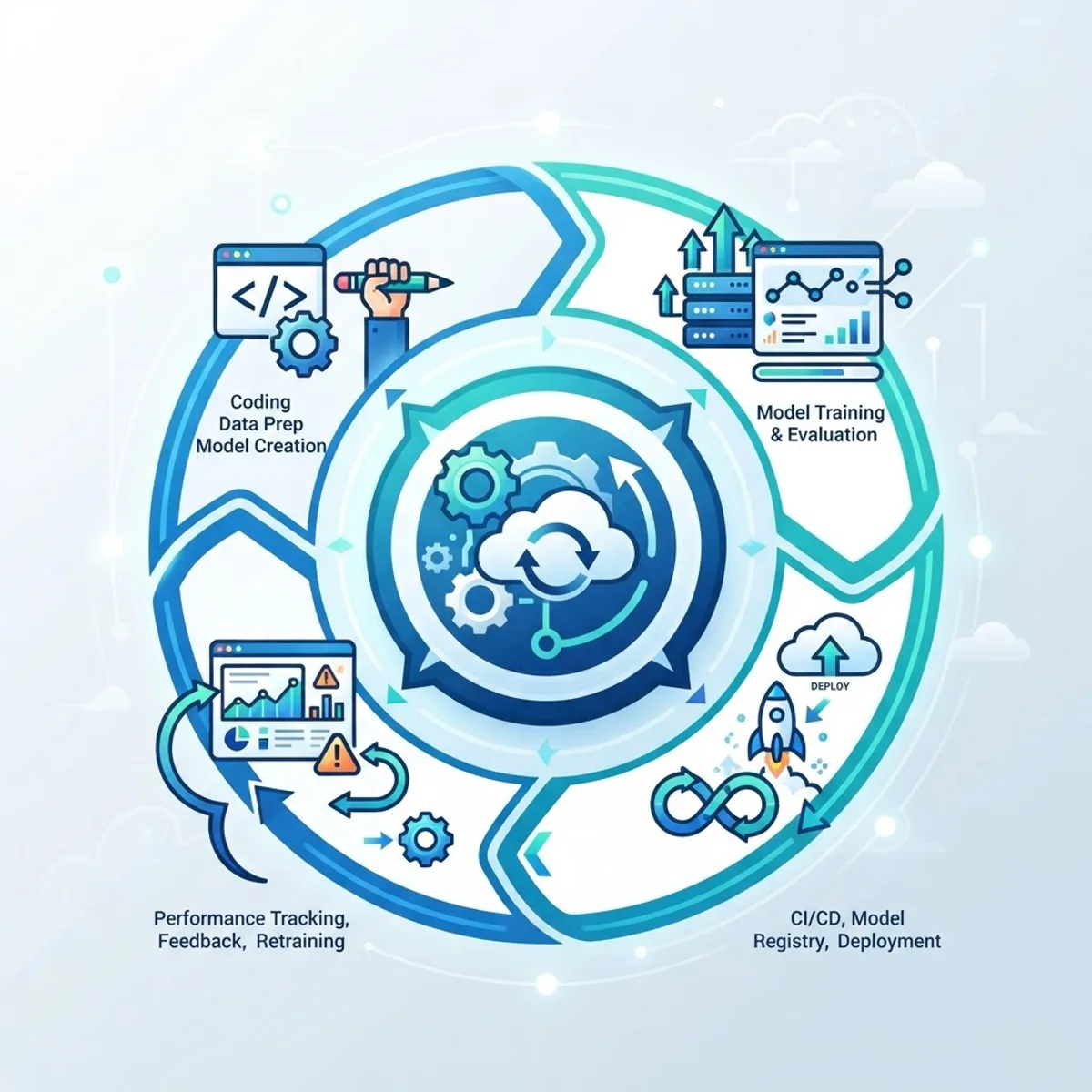
One of the workshop's most valuable sections covers deploying and maintaining models in production. MLOps is the practice of applying DevOps principles to machine learning, covering automated training, versioning, deployment, and monitoring of models over time.
The book shows why a model that scores well in a notebook can fail in production due to data drift, where real-world inputs gradually differ from training data and accuracy quietly decays. It teaches monitoring and retraining loops that keep systems healthy.
This production mindset is exactly what many organizations lack. Reports from AI research groups have long estimated that a large majority of machine learning projects never reach production, and weak infrastructure and operations are consistently among the top reasons. Teams that need help closing that gap often turn to specialists such as ZoneTechify's artificial intelligence services or WebPeak's AI services to operationalize models properly.
Cloud vs On-Premise AI Infrastructure
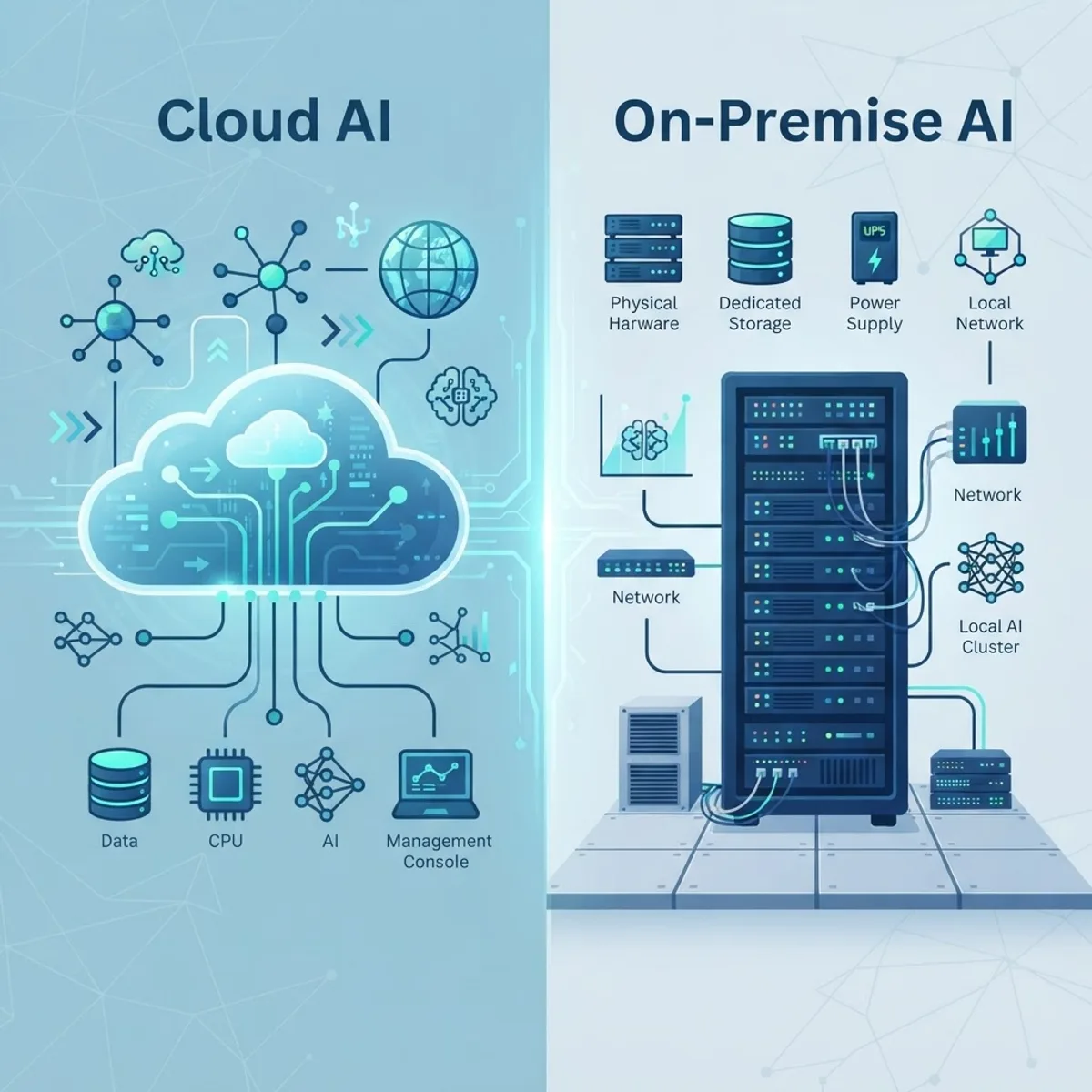
The workshop compares deployment environments, a decision every team eventually faces. There is no universal winner; the right choice depends on scale, budget, compliance, and control needs. The table below summarizes the practical trade-offs the book helps you evaluate.
| Factor | Cloud Infrastructure | On-Premise Infrastructure |
|---|---|---|
| Upfront cost | Low, pay as you go | High, hardware purchase |
| Scaling speed | Fast, near instant | Slow, procurement needed |
| Long-term cost at scale | Can grow high | Often lower once amortized |
| Data control | Shared with provider | Full internal control |
| Maintenance burden | Managed by provider | Handled by your team |
| Best for | Startups, variable loads | Regulated, steady workloads |
The book's balanced framing helps you avoid dogma. Many mature teams settle on a hybrid model, training in the cloud for elastic capacity while serving sensitive workloads on-premise.
Is Reading It Online Worth It? An Honest Expert Take
If you are an engineer, technical founder, or data professional moving toward production AI, the workshop is worth reading online. Its hands-on format builds intuition that video courses often skip, and the systems thinking it teaches ages well even as specific tools evolve.
Who benefits most? Developers transitioning into machine learning, DevOps engineers adding AI responsibilities, and technical leads scoping infrastructure budgets. Who might skip it? Pure researchers focused only on model architecture, or non-technical readers seeking strategy rather than implementation detail.
One honest caveat: because the AI tooling landscape moves fast, pair the book with current documentation for whatever cloud platform you use. Treat the workshop as your durable mental framework and vendor docs as your up-to-date reference manual.
How to Get the Most From the Workshop
Reading passively wastes the book's biggest strength. To retain the material, follow these steps:
- Run every exercise in your own environment rather than just reading code.
- Rebuild one component from memory after each chapter to test real understanding.
- Keep a decisions journal noting why each infrastructure trade-off was made.
- Apply it to a personal project so the concepts attach to something you care about.
- Revisit the MLOps chapters after your first deployment, when the lessons finally click.

Key Takeaways
- The Artificial Intelligence Infrastructure Workshop teaches production-grade AI systems through hands-on exercises, not just theory.
- Read it legally via O'Reilly, Packt, Google Books previews, or library digital access; avoid piracy sites that risk malware.
- The core pillars are compute, storage, and networking, and the reasoning about their trade-offs stays relevant even as tools change.
- GPU utilization and MLOps practices directly control both accuracy and cost in real AI systems.
- Cloud, on-premise, and hybrid deployment each fit different scale, compliance, and budget needs.
Frequently Asked Questions (FAQ)
Where can I read The AI Infrastructure Workshop online for free?
You can read substantial free previews on Google Books, and many public and university libraries offer full free access through digital services like O'Reilly for Libraries or Perlego. A library card is often all you need for complete, legal online reading at no personal cost.
Is The Artificial Intelligence Infrastructure Workshop good for beginners?
It suits advanced beginners who already know basic Python and some cloud concepts. Complete newcomers may find it challenging because it assumes coding comfort. If you can build a simple script and understand what a database is, you will follow the hands-on exercises without much trouble.
What does AI infrastructure actually mean?
AI infrastructure is the complete stack of hardware, software, and networking that stores data, trains machine learning models, and serves predictions to users. It includes compute like GPUs, storage systems, data pipelines, and deployment tools, everything a model needs to run reliably in production.
Do I need a GPU to follow the workshop?
Not necessarily. Many exercises run on standard hardware or free cloud tiers, and cloud providers offer affordable GPU instances for the sections that need them. You can complete most of the learning using pay-as-you-go cloud resources without buying dedicated hardware yourself.
Is the book still relevant in 2026?
Yes, because its core value is systems thinking about compute, storage, pipelines, and deployment, which remains stable. Specific tools evolve, so pair the book with current cloud documentation. The reasoning frameworks it teaches stay useful far longer than any single software version.
Final Thoughts
Reading The Artificial Intelligence Infrastructure Workshop online is one of the more efficient ways to build durable, production-ready AI engineering skills. Choose a legitimate platform, work through every exercise, and treat the book as a mental model rather than a fixed manual. Do that, and you'll gain the infrastructure fluency that separates AI experiments from AI products, whether you build in-house or partner with experienced teams like those at WebPeak.