
A clear, expert guide to National AI: what a national artificial intelligence strategy is, why it matters, and how countries build policy, compute, and talent.
National AI

National AI has moved from a niche policy discussion to a core pillar of economic and security planning for governments worldwide. When a country talks about "National AI," it means a coordinated, government-led strategy to develop, regulate, and deploy artificial intelligence across public services, industry, defense, research, and education. This article explains what national AI strategies actually contain, why more than 60 countries have now published one, and how the pieces fit together into something that genuinely benefits citizens rather than a headline-grabbing announcement.
We write this from the perspective of teams who build and ship AI products, so the focus here is practical: what works, what stalls, and what to watch. For hands-on delivery, digital teams like ZoneTechify and WebPeak sit at the intersection of national ambition and real deployment.
Quick Answer: National AI is a country's coordinated strategy to build, govern, and deploy artificial intelligence across the public and private sectors. It typically covers policy and regulation, compute infrastructure, talent and education, ethics, and economic growth, aiming to boost productivity while protecting citizens.
What Does National AI Actually Mean?
National AI refers to the full set of policies, investments, and institutions a government uses to guide artificial intelligence within its borders. It is not a single law or product. Instead, it is a framework that answers three questions: how will the country build AI capability, how will it keep AI safe and fair, and how will it capture the economic value AI creates?
Most national AI strategies share a common structure. They define priority sectors (often healthcare, agriculture, defense, and public administration), commit funding to research, set rules for data and privacy, and create bodies to oversee implementation. According to the OECD, which tracks AI policy globally, more than 60 countries and territories have published national AI strategies since Canada launched the first in 2017. That rapid adoption signals a shared belief: AI leadership is now a matter of national competitiveness.

Why Countries Prioritize It
The motivation is straightforward. AI is a general-purpose technology, meaning it improves productivity across nearly every industry, much like electricity or the internet did. PwC estimates that AI could contribute up to $15.7 trillion to the global economy by 2030, with the largest gains going to countries that adopt early and at scale. Governments that treat AI as national infrastructure, not a private-sector afterthought, position themselves to capture a larger share of that value.
The Core Pillars of a National AI Strategy
Strong national AI strategies rest on five reinforcing pillars. Weakness in any one of them slows the others. Understanding these pillars helps you evaluate whether a strategy is serious or symbolic.
- Policy and regulation that sets clear, enforceable rules.
- Compute infrastructure to train and run models domestically.
- Talent and education to build a skilled workforce.
- Ethics and governance to protect citizens and build trust.
- Economic strategy to convert capability into jobs and growth.
Pillar 1: Policy and Regulation
Policy is the backbone of national AI. It defines what is permitted, what is prohibited, and who is accountable when systems fail. The European Union's AI Act, which entered into force in 2024, is the clearest example: it classifies AI systems by risk level and imposes strict obligations on high-risk uses like biometric identification and critical infrastructure.

Good regulation balances two competing needs. Overly strict rules can push innovation and investment abroad, while weak rules erode public trust and invite harm. The most effective national policies use a risk-based approach, applying heavy scrutiny to high-stakes uses and a lighter touch to low-risk applications, so innovation is not smothered across the board.
Pillar 2: Compute Infrastructure
Compute is the physical foundation of AI, and it has become a strategic asset. Training modern models requires vast clusters of specialized chips (GPUs and accelerators), reliable energy, and data centers. Countries without domestic compute depend on foreign providers, which creates both cost and sovereignty concerns.

This is why several nations have announced sovereign compute programs, national AI supercomputers, and public cloud credits for researchers and startups. The goal is to lower the barrier so universities and small companies can experiment without competing directly with the budgets of large multinationals. Access to affordable compute is often the single biggest determinant of whether a national research ecosystem can produce frontier work.
Pillar 3: Talent and Education
No strategy succeeds without people who can build, deploy, and audit AI systems. National AI strategies increasingly fund university programs, vocational retraining, and school-level digital literacy. The aim is a pipeline that produces researchers, engineers, and everyday workers comfortable using AI tools.
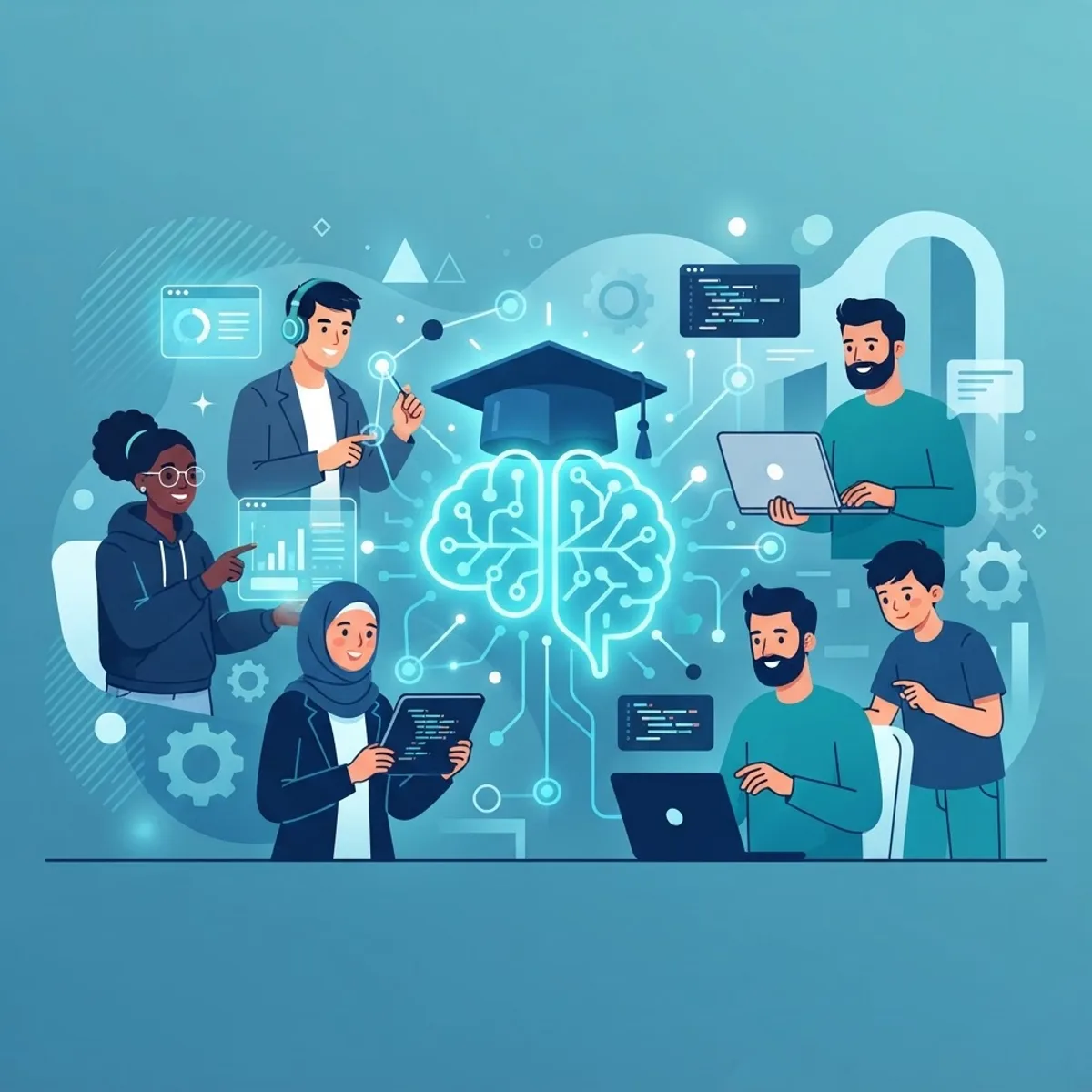
Talent strategy also includes retention. Countries invest heavily in training only to see graduates leave for higher salaries abroad, a pattern known as brain drain. Successful programs pair education with strong domestic job creation, research funding, and immigration policies that attract global specialists. For organizations building capability internally, partnering with an experienced artificial intelligence services team can bridge the skills gap while local talent matures.
Pillar 4: Ethics and Governance
Ethics turns abstract values into operational safeguards. National AI governance covers bias auditing, transparency requirements, data protection, and mechanisms for redress when systems cause harm. Without it, public trust collapses and adoption stalls.
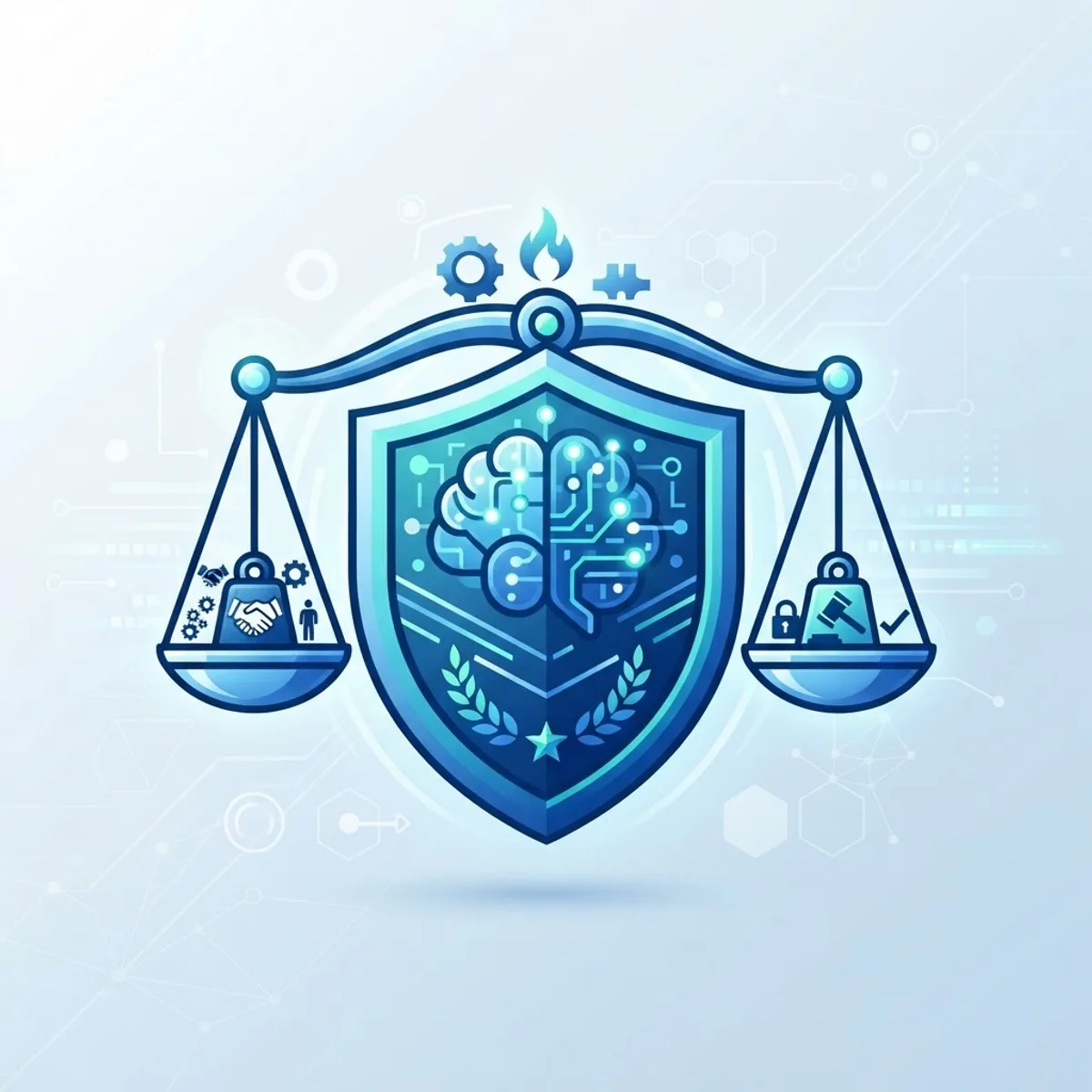
The strongest governance frameworks are practical, not merely aspirational. They require impact assessments before deployment in sensitive areas, mandate human oversight for consequential decisions, and give citizens a clear path to challenge automated outcomes. Trust is not a soft benefit; it is a hard prerequisite for the widespread adoption that makes a strategy economically worthwhile.
Pillar 5: Economic Strategy
The final pillar converts capability into prosperity. This means supporting startups, encouraging AI adoption in traditional industries, and modernizing public services so citizens see tangible improvements. A national strategy that produces research papers but no productivity gains has failed its core purpose.

How National AI Strategies Compare
Different regions emphasize different pillars based on their strengths and values. The table below summarizes three broad approaches so you can see the trade-offs at a glance.
| Approach | Primary Focus | Regulation Style | Main Advantage |
|---|---|---|---|
| Market-led | Private innovation and startups | Light, sector-specific | Fast experimentation |
| Regulation-first | Citizen protection and rights | Strict, risk-based | High public trust |
| State-directed | National champions and scale | Centralized control | Rapid mobilization |
No single approach is universally best. Market-led models move quickly but can under-protect citizens. Regulation-first models build trust but risk slowing deployment. State-directed models scale fast but may limit competition. Most mature national AI strategies blend elements of all three.
Common Mistakes Countries Make
From watching strategies succeed and stall, a few recurring errors stand out. Avoiding them is often more valuable than adding new initiatives.
- Announcing funding without execution capacity, so money goes unspent or misallocated.
- Writing regulation before consulting builders, producing rules that are impossible to implement.
- Ignoring compute, which leaves researchers dependent and uncompetitive.
- Treating ethics as a checkbox rather than an operational discipline.
- Neglecting adoption in existing industries, where most productivity gains actually live.
The strategies that deliver results treat national AI as a long-term capability-building exercise, not a one-time announcement. They set measurable goals, publish progress, and revise plans as the technology changes.
Key Takeaways
- National AI is a government-led strategy covering policy, compute, talent, ethics, and economic growth.
- More than 60 countries have published national AI strategies since Canada's first in 2017, according to the OECD.
- PwC estimates AI could add up to $15.7 trillion to the global economy by 2030.
- The EU AI Act (in force since 2024) is the leading example of risk-based national AI regulation.
- Compute access is often the single biggest factor in whether a research ecosystem can compete.
- The best strategies blend market-led, regulation-first, and state-directed approaches.

Frequently Asked Questions (FAQ)
What is a national AI strategy?
A national AI strategy is a government's coordinated plan to develop, regulate, and deploy artificial intelligence across the country. It usually covers research funding, data and privacy rules, compute infrastructure, workforce education, and ethical safeguards, all aimed at boosting the economy while protecting citizens from harm.
Why do countries need a national AI policy?
Countries need a national AI policy because AI affects the economy, security, and public services at once. A clear strategy attracts investment, builds a skilled workforce, sets safety rules, and ensures the country captures AI's economic value instead of falling behind faster-moving competitors and losing control of critical technology.
Which country has the best national AI strategy?
There is no single best strategy, since goals differ. The United States leads in private innovation and research, the European Union leads in citizen-focused regulation through the AI Act, and China leads in state-directed scale. The strongest strategies combine innovation, trust, and execution rather than excelling in only one dimension.
How does national AI affect ordinary citizens?
National AI affects citizens through better public services, new job opportunities, and stronger protections. It can speed up healthcare diagnostics, improve government efficiency, and create technology jobs. Good governance also protects people from biased decisions, privacy violations, and unaccountable automated systems that affect their daily lives.
What are the biggest challenges in national AI?
The biggest challenges are securing enough compute infrastructure, retaining skilled talent, writing regulation that protects people without blocking innovation, and driving real adoption in existing industries. Many strategies announce funding but struggle with execution, which is why measurable goals and steady progress reporting matter most.
Final Thoughts
National AI is ultimately about turning ambition into durable capability. The countries and organizations that succeed will be those that align policy, compute, talent, ethics, and economic strategy into a single coherent effort, then execute patiently. Whether you are a policymaker, founder, or engineer, the principles are the same: build trust, invest in fundamentals, and measure what matters. Teams like ZoneTechify and WebPeak help translate these national-scale ideas into working systems that people actually use.